The Delta Dispatch
Proactive Strategies for De-escalating Mental Health Crisis Calls as a First Responder
Building a rapport is essential in establishing a foundation for successful de-escalation. Approach the individual calmly and respectfully, maintaining a non-confrontational demeanor. Use open-ended questions to encourage dialogue and facilitate a deeper understanding of the situation. Establishing common ground and demonstrating genuine concern for their well-being can help alleviate anxiety and defensiveness.
In the realm of emergency response, encounters with individuals experiencing mental health crises demand a unique blend of professionalism, empathy, and strategic intervention. Addressing such situations requires not only swift action but also a nuanced approach to de-escalation aimed at diffusing tension, building rapport, and ensuring the safety and well-being of all parties involved. As first responders, it is incumbent upon us to equip ourselves with the necessary tools and techniques to navigate these complex scenarios effectively.
1. Assessing for Safety
Prioritize the safety of both the individual in crisis and yourself and your team. Conduct a thorough assessment of the immediate environment for potential hazards or weapons. If the situation poses an imminent risk of harm, take necessary precautions to ensure everyone's safety, including calling for backup or additional resources as needed. Communicate clearly and assertively, setting clear boundaries and expectations while maintaining a respectful tone.
2. Active Listening
Effective communication begins with active listening. When engaging with an individual in crisis, prioritize attentive listening to understand their concerns, emotions, and underlying needs. Demonstrate empathy and validate their experiences, fostering a sense of trust and rapport. Reflective listening techniques, such as paraphrasing and summarizing, can convey understanding and empathy while clarifying any misunderstandings.
3. Establishing Rapport
Building a rapport is essential in establishing a foundation for successful de-escalation. Approach the individual calmly and respectfully, maintaining a non-confrontational demeanor. Use open-ended questions to encourage dialogue and facilitate a deeper understanding of the situation. Establishing common ground and demonstrating genuine concern for their well-being can help alleviate anxiety and defensiveness.
4. Providing Reassurance and Validation
Individuals in crisis often experience overwhelming feelings of distress, hopelessness, and isolation. Offer reassurance and validation, acknowledging their emotions without judgment. Assure them that help is available and that their well-being is a priority. Avoid minimizing or dismissing their feelings; instead, validate their experiences and express confidence in their ability to cope and overcome challenges.
5. Collaborative Problem-Solving
Engage the individual in collaborative problem-solving to explore potential solutions and coping strategies. Empower them to identify their needs and preferences, encouraging autonomy and self-efficacy. Offer support and guidance in exploring alternative perspectives and developing adaptive coping mechanisms. Utilize your training and expertise to provide practical assistance and connect them with appropriate resources, such as mental health services or crisis hotlines.
6. Maintaining Calm and Composure
As a first responder, your demeanor sets the tone for the interaction. Remain calm, composed, and professional, even in the face of challenging circumstances. Manage your own stress reactions and emotions, utilizing mindfulness techniques and self-regulation strategies to maintain a clear and focused mindset. Your ability to remain grounded and composed can instill a sense of stability and reassurance in the individual, facilitating effective communication and de-escalation.
Conclusion
De-escalating mental health crisis calls requires a multifaceted approach rooted in empathy, communication, and proactive intervention. By prioritizing active listening, rapport-building, and collaborative problem-solving, first responders can effectively navigate these complex situations while ensuring the safety and well-being of all parties involved. Through compassionate and strategic intervention, we can provide individuals in crisis with the support and resources they need to navigate difficult times and foster pathways to recovery.
Understanding Aspirin (ASA) in Cardiac First Response: A Drug Monograph Overview
Discover how aspirin, a stalwart in medicine, actively intervenes in cardiac emergencies by impeding platelet aggregation, safeguarding against clot progression in coronary arteries. Explore its multifaceted benefits and proactive role in managing cardiovascular conditions effectively.
Two ASPRIN PILLS LEANING AGAINST EACHOTHER.
In the realm of first response having a comprehensive understanding of the medications we administer is crucial. Among these medications, aspirin, also known as acetylsalicylic acid (ASA), holds a significant place, particularly in addressing cardiac-style chest pain. Let's delve into the depths of ASA through a drug monograph lens to comprehend its indications, contraindications, and cautions.
Introduction to Drug Monograph
Drug monographs are like compasses guiding us through the vast sea of medications. They offer a detailed overview, covering everything from why a medication is used to when it should be avoided. Understanding these monographs is paramount as they can make the difference between effective relief and unintentional harm to our patients.
Indications for Aspirin (ASA)
Aspirin is primarily used to address a range of cardiovascular issues. In the realm of emergency response, ASA is particularly crucial for addressing cardiac-style chest pain, commonly linked with heart attacks. Its mechanism of action involves inhibiting platelet aggregation, thereby preventing the exacerbation of clots in coronary arteries rather than directly alleviating pain. This proactive approach reduces the risk of clot enlargement, which could worsen the underlying condition causing the pain.
Contraindications PAAADI
To ensure safe administration of aspirin, it's imperative to heed its contraindications:
Paediatric: Aspirin is not given to children and adolescents due to the risk of Reye's syndrome, a rare but serious condition affecting the brain and liver.
Allergy: Individuals with a known allergy to aspirin or other nonsteroidal anti-inflammatory drugs (NSAIDs) should steer clear of ASA to prevent allergic reactions.
Asthma: Patients with asthma that is exasperated upon taking aspirin should steer clear. Taking ASA may lead to bronchospasm and respiratory distress in our already distressed patients. The last thing we want to do is make it hard to breath for these patients.
Acute bleeds: Aspirin's antiplatelet properties increase the risk of bleeding, making it unsuitable for individuals experiencing acute bleeding episodes.
Dose: Administering aspirin beyond recommended doses can heighten the risk of adverse effects. Adhere to local guideline administration protocols.
Inability to Comply: Patients who cannot comprehend or follow instructions for aspirin use should avoid its administration to prevent misuse or adverse outcomes.
Adhering to these contraindications ensures safe and effective utilization of aspirin in the management of cardiac emergencies.
Cautions PABIS
While aspirin holds immense therapeutic value, certain precautions must be taken into account:
Pregnancy: Aspirin should be used cautiously during pregnancy, especially in the third trimester, as it may increase the risk of bleeding and complications for both the mother and the fetus.
Anticoagulants: Concurrent use of aspirin with anticoagulant medications can potentiate the risk of bleeding, necessitating close monitoring and dose adjustments.
Bleeds: Patients with a history of gastrointestinal ulcers or other bleeding disorders should exercise caution while using aspirin to minimize the risk of bleeding complications.
Internal Bleeds: Individuals with a predisposition to internal bleeding, such as cerebral hemorrhage, should avoid aspirin due to its antithrombotic effects.
Surgery: Aspirin use before surgical procedures may increase the risk of perioperative bleeding, necessitating temporary discontinuation and consultation with healthcare providers.
By adhering to these cautionary measures, healthcare providers can mitigate the risks associated with aspirin use and ensure patient safety.
In conclusion, aspirin, with its potent antiplatelet properties, plays a pivotal role in the management of cardiac-style chest pain during emergencies. However, a thorough understanding of its indications, contraindications, and cautions is essential to ensure safe and effective administration. By heeding these guidelines, we can navigate the complexities of first aid with confidence, knowing that we are equipped to provide optimal care to those in need.
Stress Management for First Responders
In the turbulent world of first response, stress manifests in subtle yet insidious ways, often eluding detection amidst the chaos of the job. For firefighters, EMTs, and police officers alike, irritability, frustration, and emotional distance from loved ones serve as silent signals of mounting stress. Recognizing these signs is paramount, as they herald the onset of burnout and jeopardize both mental and physical well-being. By acknowledging these warning signs and proactively seeking support, first responders can navigate the relentless demands of their profession with resilience and grace, ensuring their ability to continue serving their communities with unwavering dedication.
Mans head handing heavy in his hands
Dealing with Stress as a First Responder
In the realm of first response, the pressures are unparalleled, the stakes are sky-high, and the toll on mental and physical well-being is often underestimated. Whether you're a firefighter rushing into blazing infernos, an EMT navigating chaotic emergency scenes, or a police officer confronting danger head-on, the weight of the job can be overwhelming. In the relentless pursuit of saving lives and ensuring public safety, first responders frequently find themselves grappling with an insidious adversary: stress.
The Heavy Burden of High-Stress Professions:
First responders operate in an environment where stress is not just a companion but a constant presence. The intensity of their roles, combined with the unpredictability of emergencies, creates a perfect storm for burnout. Witnessing traumatic incidents, experiencing life-threatening situations, and confronting human suffering on a daily basis can inflict deep wounds on the psyche. These wounds, though not always visible, leave an indelible mark that can linger long after the sirens have faded.
Recognizing the Signs:
Identifying the signs of stress is crucial for first responders to address their well-being proactively. Symptoms may manifest in various forms, such as irritability, frustration, emotional numbness, and distancing oneself from loved ones. Recognizing these warning signs early on can pave the way for timely intervention and support.
Managing Stress: Finding Solace Amidst the Chaos:
Amidst the chaos of their demanding professions, first responders must carve out moments of respite to safeguard their mental and physical health. Embracing the healing power of nature can serve as a potent antidote to stress. Studies have shown that spending time outdoors can lower cortisol levels, promote relaxation, and rejuvenate the mind.
In addition to reconnecting with nature, first responders can explore various stress management techniques to regain equilibrium:
Mindfulness and Meditation:
Cultivating mindfulness practices can help first responders anchor themselves in the present moment, fostering a sense of calm amidst turmoil.
Physical Exercise:
Engaging in regular exercise not only enhances physical fitness but also releases endorphins, the body's natural stress relievers.
Seeking Support:
Building a robust support network comprising colleagues, friends, and mental health professionals can provide a crucial safety net during challenging times.
Setting Boundaries:
Establishing clear boundaries between work and personal life is essential to prevent burnout and maintain a healthy work-life balance.
The Silent Toll: Impact on Mental and Physical Health
The ramifications of unmanaged stress extend far beyond the confines of the workplace, seeping into every facet of a first responder's life. Prolonged exposure to high levels of stress can lead to a myriad of adverse health outcomes, including anxiety disorders, depression, insomnia, hypertension, and cardiovascular diseases. Ignoring the warning signs of stress not only jeopardizes the well-being of first responders but also compromises their ability to serve and protect the community effectively.
In conclusion, the journey of a first responder is fraught with challenges, but it is also imbued with purpose and meaning. By acknowledging the reality of stress, recognizing its manifestations, and implementing effective coping strategies, first responders can navigate the turbulent waters of their profession with resilience and grace. Together, let us shine a light on the silent struggle of those who dedicate their lives to keeping us safe and honor their unwavering commitment with unwavering support.
The Perils of the Firefighter: Understanding Common Injuries
Exploring the realm of firefighter injuries reveals the array of risks they encounter daily, from physical strains to the insidious threat of smoke inhalation. Navigating debris-laden spaces in heavy gear can lead to sprains and strains, compromising mobility and performance. Meanwhile, exposure to toxic smoke presents respiratory hazards with potential long-term effects. Thermal burns, ranging from superficial to deep tissue damage, underscore the necessity of protective gear and adherence to safety protocols. Furthermore, navigating through smoke-filled environments increases the risk of cuts, lacerations, and puncture wounds, emphasizing the importance of prompt medical attention. Proactive safety measures are crucial in mitigating these risks and ensuring the well-being of our firefighters as they courageously serve our communities.
FIREFIGHTER silhouette AGAINST THE BREAK LIGHTS OF THE ENGINE
When we think of firefighters, we often conjure images of heroism, rushing into burning buildings to save lives and property. But behind the valor and the bravery lies a stark reality—firefighting is a hazardous profession. Beyond the flames and smoke, firefighters face a myriad of dangers that put their health and safety at risk every time they respond to a call. In this article, we'll delve into the most common injuries associated with being a firefighter, drawing insights from the National Fire Protection Association's (NFPA) annual statistics released in September 2021.
Sprains and Strains:
One of the most prevalent types of injuries among firefighters is sprains and strains. Picture the chaotic scene of a structure fire—the debris, the obstacles, the unpredictability. Firefighters, weighed down by heavy gear, often maneuver through treacherous environments where a wrong step or a sudden twist can lead to painful consequences. Sprains, which involve the tearing or stretching of ligaments, and strains, which affect muscles or tendons, are almost inevitable in such scenarios. From twisted ankles to strained backs, these injuries can range from mild discomfort to debilitating pain, hampering a firefighter's ability to perform their duties effectively.
Smoke Inhalation:
Inhaling smoke is an occupational hazard that firefighters encounter on a regular basis. Beyond the immediate discomfort of itchy eyes and a scratchy throat, smoke inhalation can have serious consequences. As fires rage, they release a toxic cocktail of particles and gases, including carbon monoxide, cyanide, and other harmful substances. These toxins can infiltrate a firefighter's lungs, causing respiratory distress, pulmonary damage, and in extreme cases, even death. The insidious nature of toxic smoke underscores the importance of proper respiratory protection and vigilant monitoring during firefighting operations.
Thermal Burns:
Perhaps the most visually apparent risk of firefighting is thermal burns. Exposed to extreme heat, firefighters are susceptible to burns of varying degrees, each with its own set of implications. First-degree burns may cause redness and pain, while third and fourth-degree burns penetrate deeper layers of skin, potentially leading to permanent tissue damage and requiring immediate medical attention. The severity of thermal burns underscores the critical need for firefighters to prioritize protective gear and adhere to established safety protocols to minimize exposure to heat and flames.
Cuts or Lacerations:
Navigating through smoke-filled environments littered with debris poses a significant risk of cuts and lacerations for firefighters. Sharp objects, jagged edges, and protruding obstacles can cause skin tears ranging from minor cuts to more severe lacerations. Puncture wounds, in particular, carry the added risk of infection, as foreign objects introduce harmful bacteria into the body. Additionally, avulsions—where skin is completely torn away from underlying tissue—represent a particularly severe form of injury that requires prompt medical intervention to prevent further complications.
In conclusion, firefighting is a demanding and perilous profession that exposes individuals to a multitude of hazards and injuries. From sprains and strains to smoke inhalation, thermal burns, and cuts, firefighters confront a range of risks in the line of duty. While these injuries are an inherent part of the job, proactive measures such as rigorous training, proper equipment maintenance, and adherence to safety protocols can mitigate their occurrence and ensure the health and well-being of those who bravely serve our communities. As we salute the courage and sacrifice of firefighters, let us also recognize the importance of prioritizing their safety and supporting initiatives aimed at minimizing the risks they face on a daily basis.
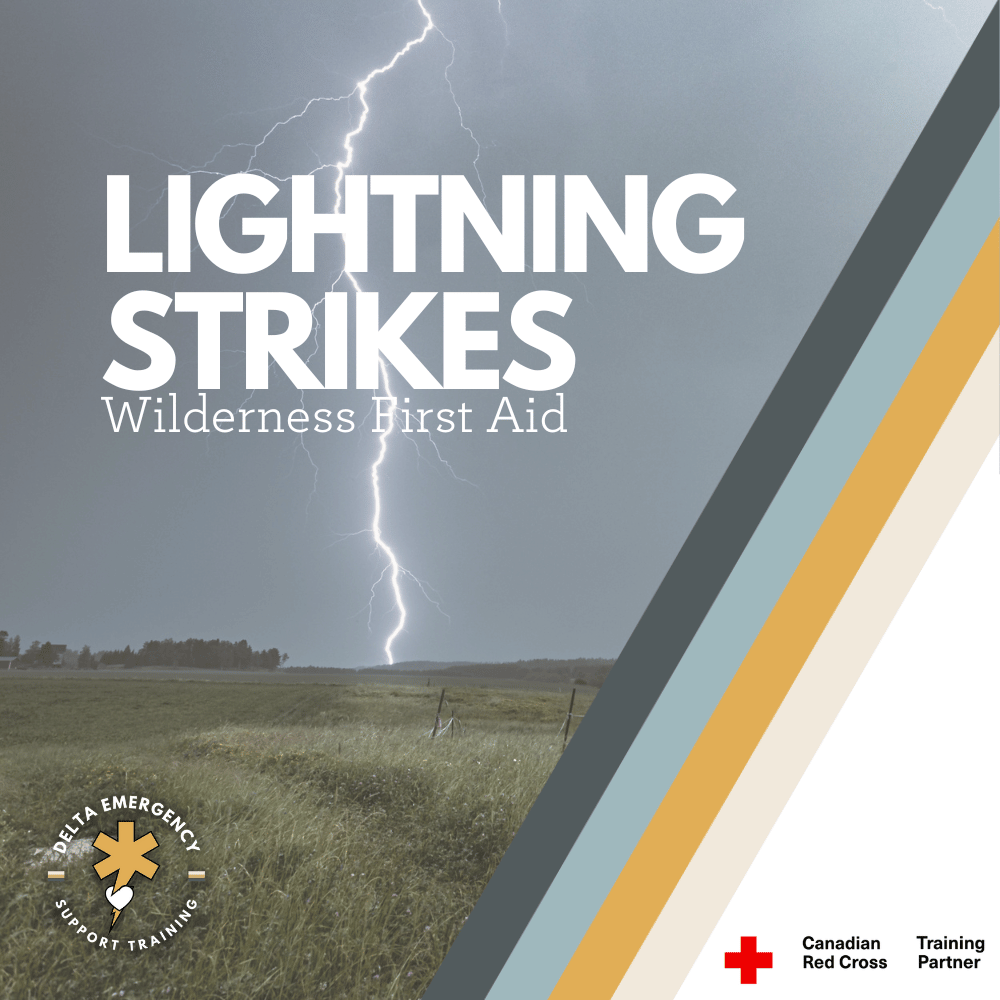
The underestimated danger of lighting strikes
Lightning strikes are often underestimated and overlooked when it comes to assessing the dangers of thunderstorms. Yet, they pose a significant threat, capable of causing fatalities and injuries every year. In this article, we'll delve into the risks associated with lightning strikes, including the devastating effects on individuals, and discuss practical measures to stay safe.
single lighting striking into a field
Lightning strikes are often underestimated and overlooked when it comes to assessing the dangers of thunderstorms. Yet, they pose a significant threat, capable of causing fatalities and injuries every year. In this article, we'll delve into the risks associated with lightning strikes, including the devastating effects on individuals, and discuss practical measures to stay safe.
Understanding the Threat:
Every thunderstorm, no matter its intensity, harbors the potential for lightning strikes. Lightning is not only lethal but also unpredictable, making it a formidable hazard. In the United States alone, lightning claims the lives of 20-30 individuals annually and injures hundreds more. Unlike other storm-related dangers like tornadoes or hail, lightning can extend beyond the storm itself, making it the first to arrive and the last to depart.
Safe Shelter:
When thunder roars, seeking shelter becomes imperative. Large enclosed structures with plumbing and electrical wiring offer the safest refuge during thunderstorms. These include buildings like shopping centers, schools, offices, and homes. The presence of plumbing and wiring ensures a more efficient conduction of electricity, reducing the risk to individuals inside. Enclosed metal vehicles such as cars, vans, or buses also provide a viable alternative if no buildings are available.
Unsafe Locations:
Not all structures or vehicles are safe havens during lightning storms. Buildings with exposed openings, like beach shacks, metal sheds, or picnic shelters, pose significant risks. Convertible vehicles, despite having their tops up, offer no protection against lightning. Similarly, vehicles with open cabs, such as golf carts or tractors, should be avoided during thunderstorms.
Developing a Lightning Safety Plan:
Planning ahead is crucial for outdoor events to mitigate the risks posed by lightning. Event coordinators should incorporate a lightning safety plan into their preparations. This plan should address key questions such as identifying the safest shelter, assessing the distance to it, and estimating the time needed to reach it. Having these answers beforehand enhances preparedness and reduces the likelihood of lightning-related incidents.
Acting Promptly:
Studies have revealed that most lightning-related injuries occur before or after the peak of a thunderstorm. Lightning strikes can occur even when the storm is several miles away, emphasizing the importance of swift action. As a rule of thumb, if thunder is audible, you're within striking distance and should seek shelter immediately. Remember, "When thunder roars, go indoors," and remain there until 30 minutes after the last clap of thunder.
Understanding the Devastating Effects:
When lightning strikes a person, the consequences can be catastrophic. Immediate risks include cardiac arrest, severe burns, and damage to the nervous system and brain. The high voltage of a lightning bolt can disrupt the heart's rhythm, leading to sudden cardiac arrest. Lightning generates intense heat, causing severe burns both externally and internally. It can also disrupt the nervous system, leading to symptoms such as numbness, tingling, or paralysis. In severe cases, lightning strikes can cause traumatic brain injury (TBI), resulting in cognitive deficits or permanent disability.
Conclusion:
Lightning strikes may seem remote or rare, but they present a real and significant danger during thunderstorms. By understanding the risks associated with lightning and adhering to safety guidelines, individuals can protect themselves and others from potential harm. Remember, prioritizing safety and taking proactive measures are essential when confronted with the silent killer that is lightning. Stay informed, stay prepared, and stay safe.
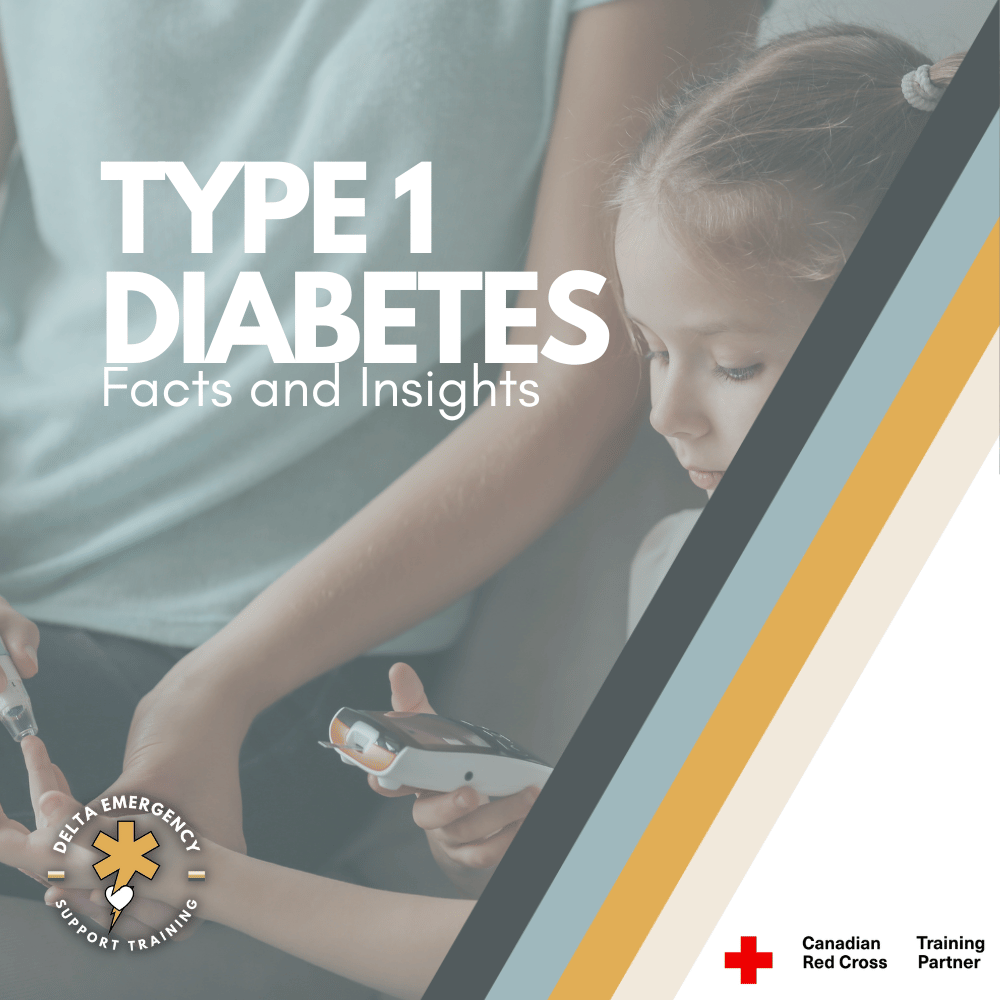
Type 1 Diabetes: Insights into its Origins, Signs, and Challenges
Type 1 diabetes, where the pancreas's struggle with insulin production takes center stage. This blog peels back the layers to reveal the mysterious causes behind this chronic condition, providing valuable insights into recognizing symptoms early. As we navigate the complications that can arise if left unchecked, we also explore the ongoing research endeavors aiming to usher in a new era of preventive strategies. Join us in decoding the intricacies of Type 1 diabetes, empowering individuals and their families with the knowledge needed to navigate this journey with resilience and hope.
Introduction:
LITTLE GIRL HAVING BLOOD SUGAR CHECKED BY HER MOTHER.
In our exploration of Type 1 diabetes, previously recognized as juvenile diabetes or insulin-dependent diabetes, we uncover a complex chronic condition where the pancreas produces insufficient insulin. Insulin, a key player in energy production, allows glucose to enter cells. This blog aims to delve into the intricacies of Type 1 diabetes, examining its causes, symptoms, complications, risk factors, and the ongoing quest for preventive strategies.
Unraveling Causes and Risk Factors:
The mystery behind the onset of Type 1 diabetes persists, with researchers pointing towards a potential glitch in the immune system. Rather than safeguarding the body, the immune system turns on the insulin-producing cells in the pancreas. Genetic factors, exposure to certain viruses, and environmental elements may contribute to the development of Type 1 diabetes. Risk factors include a familial history of the condition, specific genetic predispositions, geographical factors, and age, with noticeable peaks in children aged 4-7 and 10-14.
Insulin and Glucose Symphony:
The pivotal hormone, insulin, originating from the pancreas, orchestrates the delicate balance of blood sugar levels. In the absence of insulin, as seen in Type 1 diabetes, glucose remains stranded outside cells, leading to elevated blood sugar levels. Glucose, sourced from food and the liver, serves as the primary energy provider for cells. In Type 1 diabetes, the dearth of insulin results in the buildup of sugar in the bloodstream, presenting a potential hazard of life-threatening complications.
Recognizing Symptoms and Diagnosis:
Type 1 diabetes is characterized by abrupt symptoms such as increased thirst, frequent urination, unexpected weight loss, irritability, and blurry vision. Seeking prompt medical attention is crucial if these symptoms manifest. Diagnosis involves thorough blood tests to measure blood sugar levels and assess other critical parameters.
Unveiling Complications:
Untamed Type 1 diabetes can lead to severe complications impacting vital organs:
Heart and Blood Vessel Disease: Elevates the risk of coronary artery disease, heart attack, stroke, atherosclerosis, and high blood pressure.
Nerve Damage (Neuropathy): Can induce tingling, numbness, burning, or pain, particularly in the extremities. Digestive system nerves' damage may result in gastrointestinal issues.
Kidney Damage (Nephropathy): Poses a risk of kidney failure or end-stage kidney disease.
Eye Damage: May result in diabetic retinopathy, cataracts, glaucoma, and potential blindness.
Foot Damage: Increases the risk of severe foot complications, potentially leading to amputation if untreated.
Skin and Mouth Conditions: Enhances susceptibility to skin and mouth infections, including bacterial and fungal infections, gum disease, and dry mouth.
Pregnancy Complications: Poorly controlled diabetes during pregnancy heightens the risk of various complications.
Preventive Measures and Management:
Currently, no foolproof method exists to prevent Type 1 diabetes. Nevertheless, ongoing research endeavors to thwart the disease or mitigate islet cell damage in newly diagnosed individuals. Clinical trials exploring preventive measures offer hope, and individuals diagnosed with Type 1 diabetes should discuss potential participation with their healthcare providers.
Conclusion:
Type 1 diabetes poses a unique set of challenges necessitating lifelong management. By comprehending its origins, symptoms, complications, and ongoing research initiatives, individuals and their families can navigate this journey with resilience. Collaboration between healthcare providers and individuals is crucial for effective management, and as research progresses, optimism grows for advancements in treatment and prevention strategies.
Alzheimer's Unveiled: Navigating Challenges for First Responders and Families
Alzheimer's stands as a formidable challenge, gradually eroding the fabric of memory, reasoning, and daily functioning. This blog unveils the layers of Alzheimer's, focusing on its profound effects on individuals and families. For first responders, understanding the complexities becomes crucial as they navigate situations where patients may be unable to provide vital information. Join us on a journey to decode Alzheimer's, exploring insights for compassionate care and addressing the rising tide of this silent epidemic.
Alzheimer's disease is a complex and devastating neurological condition that significantly impacts individuals, families, and communities. As the most common form of dementia, Alzheimer's poses unique challenges for both patients and those providing care, including first responders. In this blog, we will delve into the intricacies of Alzheimer's disease, its effects on individuals, and the implications for caregivers and first responders.
Senior mother and adult daughter hugging.
Understanding Alzheimer's Disease:
Alzheimer's disease is a chronic neurodegenerative disorder characterized by the gradual loss of cognitive functions, including memory, reasoning, and the ability to perform daily activities. It is not a normal part of aging, but age is a significant risk factor. Changes in the brain, such as the accumulation of abnormal protein deposits called plaques and tangles, can start years before the onset of noticeable symptoms.
Effects on Individuals:
Memory problems are often the first warning signs of Alzheimer's disease. In addition to memory loss, individuals may experience:
Disorientation:
Getting lost in familiar places or repeating questions.
Financial challenges:
Trouble handling money and paying bills.
Difficulty with tasks:
Struggling to complete familiar activities at home, work, or leisure.
Judgment issues:
Decreased or poor decision-making.
Implications for First Responders:
First responders face unique challenges when dealing with individuals affected by Alzheimer's disease. Patients may be unable to provide essential information about their medical history, current medications, or the severity of their condition. Moreover, the disease might cause confusion, fear, and agitation, making patient care more challenging. Effective communication and a compassionate approach become crucial in managing such situations.
Risk Factors:
Age remains the most well-known risk factor for Alzheimer's disease. However, genetics also play a role, with family history influencing susceptibility. While genes contribute, they are not the sole determinant, as a healthy lifestyle, including regular physical activity, a nutritious diet, limited alcohol consumption, and not smoking, may help reduce the risk.
Impact on Families:
The burden of Alzheimer's extends beyond the affected individual to their families. Caregivers often face emotional, physical, and financial challenges in providing support. As the disease progresses, the need for intensive care and supervision increases, adding strain to familial relationships.
Alarming Statistics:
The prevalence of Alzheimer's disease is rising, making it one of the top 10 leading causes of death in the United States. It is the 6th leading cause of death among US adults and the 5th among adults aged 65 or older. The number of affected Americans aged 65 or older is projected to triple to 14 million by 2060. The associated costs are also escalating, with projections estimating annual expenses to surpass $500 billion by 2040.
Conclusion:
Alzheimer's disease presents a multifaceted challenge that demands a comprehensive approach from healthcare professionals, caregivers, and first responders. As research continues to explore the links between education, diet, environment, and the development of Alzheimer's, a collective effort is required to enhance awareness, support affected individuals and families, and work towards finding effective treatments and, ultimately, a cure for this devastating disease.
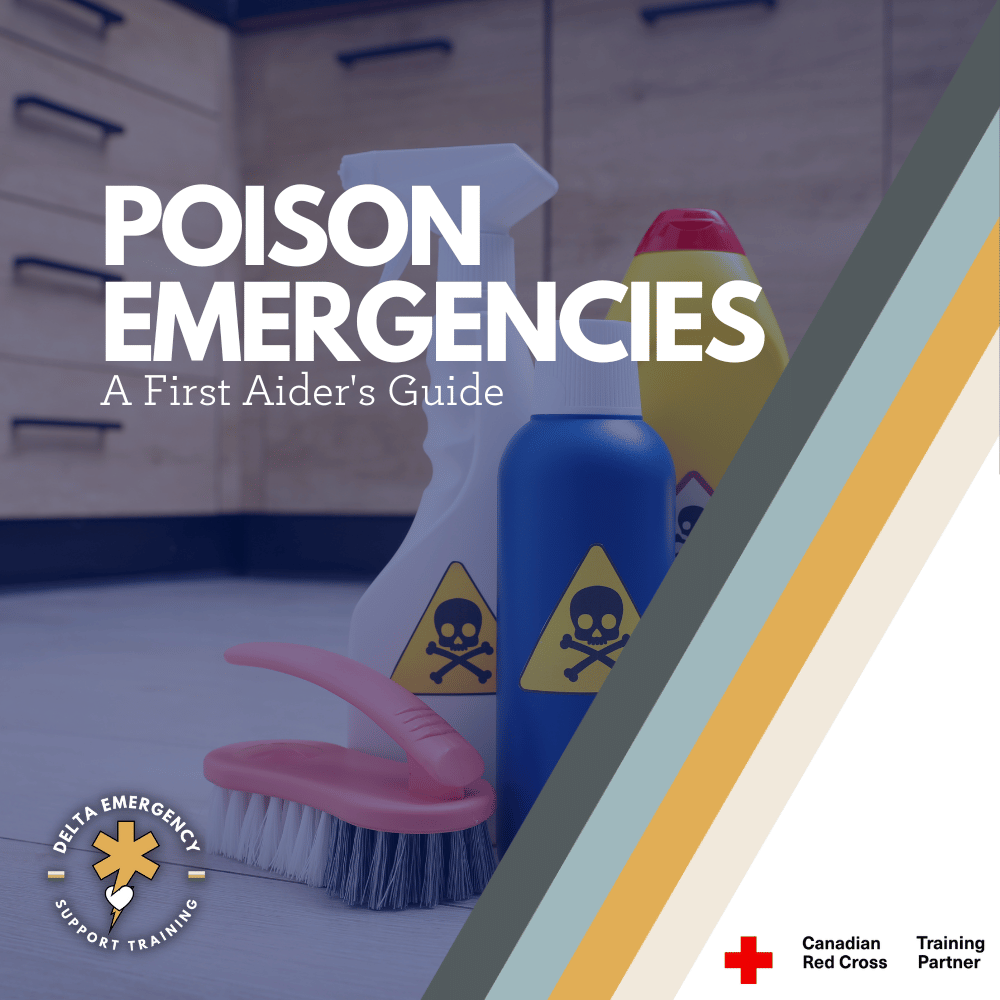
Understanding Poison: Recognizing Signs and Taking Action
Attention first aiders! Dive into our comprehensive blog to understand poisoning emergencies and gain the knowledge you need for immediate response. From injection and inhalation to ingestion and skin absorption, equip yourself with essential first aid tips tailored for first aiders. Learn to recognize signs and symptoms, understand common causes, and embark on the journey to a safer, well-prepared home. Your loved ones depend on you – be ready.
When it comes to first aid, knowledge is power. Poisoning is a serious emergency that can occur through various means, including injection, ingestion, inhalation, and absorption. In this blog post, we'll explore the different ways poisons can enter the body and the signs and symptoms associated with each method. Being aware of these indicators is crucial for prompt and effective first aid response.
Cleaning supplies with skull and crossbones logo on bottles.
Injection
Poisoning through injection can happen when a toxic substance is introduced directly into the bloodstream. This could occur through bites, stings, or accidental needle sticks. Common signs and symptoms include localized pain, swelling, redness, and sometimes systemic effects such as dizziness, nausea, and altered level of consciousness (LOC). If you suspect injection poisoning, seek medical attention immediately.
Inhaled Poison
Inhalation of poisonous substances poses a serious threat to the respiratory system. Symptoms may include difficulty breathing, wheezing, coughing, cyanosis (bluish skin), dizziness, nausea, and chest pain. If someone is exhibiting these signs after exposure to a potentially toxic substance, move them to fresh air immediately. Call for emergency medical assistance and perform CPR if necessary.
Absorption
Certain poisons can be absorbed through the skin, leading to symptoms such as itching, irritation, blistering, rashes, and flaky skin. If you suspect someone has come into contact with a poisonous substance, quickly remove contaminated clothing and rinse the affected area with copious amounts of water. Seek medical help promptly.
Ingested Poison
Ingesting poisonous substances is a common way people are exposed to toxins. Signs and symptoms of ingested poisoning include nausea, vomiting, burns around or inside the mouth, unusual breath odor, and abdominal pain. If someone has ingested a toxic substance, call your local poison control center immediately and follow their guidance. In severe cases, seek emergency medical attention.
Common Causes of Poisoning: Identifying and Mitigating the Risks
Carbon Monoxide: The Invisible Threat
Not all poisons are ingested; some are inhaled. Carbon monoxide, an odorless and colorless gas, is a silent killer. Ensure there's a carbon monoxide alarm in every sleeping area of your home to detect this deadly gas and take immediate action.
Button Batteries: Small Devices, Big Danger
Found in musical greeting cards, remote controls, and small electronic devices, button batteries pose a significant threat, especially to young children. Ingestion can lead to serious burns in the esophagus within hours. Parents should be vigilant, and if ingestion is suspected, seek medical attention immediately.
Iron Pills: A Hidden Hazard for Children
Adult-strength iron pills are highly dangerous for children. Ingestion can lead to severe symptoms such as vomiting blood or bloody diarrhea in less than an hour. Keep these pills out of reach of children, and if ingestion occurs, seek emergency medical help.
Chemical Burns from Cleaning Products
Certain cleaning products, including drain openers, toilet bowl cleaners, rust removers, and oven cleaners, can cause chemical burns comparable to those from fire. Inhalation of bleach, toilet bowl cleaner, and other substances can also pose significant poison hazards. Take precautions and store these products safely.
Nail Glue Remover and Nail Primer: Surprising Dangers
Products used for artificial nails, such as nail glue remover and nail primer, can be poisonous. Ingestion may lead to cyanide poisoning or burns to the skin and mouth. Keep these products out of reach of children and use them with caution.
Hydrocarbons: A Broad Category with Hidden Risks
Hydrocarbons, including gasoline, kerosene, and paint thinner, can be easily ingested, posing a risk of choking and lung damage. Inhaling these substances can lead to breathing difficulties and lung inflammation. Proper storage and caution are crucial to prevent accidental ingestion.
Pesticides: Caution in Pest Control
Pesticides used to eliminate bugs and pests must be handled carefully to avoid harm to humans. These chemicals can be absorbed through the skin or inhaled, affecting the nervous system and respiratory function. Follow safety guidelines when using pesticides.
Windshield Washer Solution and Antifreeze: Small Amounts, Big Consequences
Even small amounts of windshield washer solution and antifreeze can be poisonous to humans and pets. Ingestion can lead to blindness (windshield washer solution) or kidney failure (antifreeze). Store these liquids securely and seek immediate medical attention if ingested.
Wild Mushrooms: A Potentially Deadly Harvest
Certain mushrooms can be deadly if ingested. Only experts in mushroom identification can distinguish between poisonous and safe varieties. Exercise extreme caution and avoid consuming wild mushrooms unless verified by a knowledgeable source.
Caustic Cleaners: Devastating Burns
Drain cleaners and toilet bowl cleaners, often strong alkalines or acids, can cause severe burns to the mouth, throat, and stomach if swallowed. Immediate dilution is crucial to limit damage in case of ingestion.
Topical Anesthetics: Unseen Risks
Certain topical anesthetics, found in teething gels, hemorrhoid preparations, anti-itch creams, and sunburn relief agents, can cause seizures or methemoglobinemia, a condition that hinders oxygen transport in the blood. Use these medications cautiously and be aware of potential side effects.
First Aid Tips for Poisoning:
Call for Help: In any poisoning situation, call your local poison control center as well as EMS right away.
Move to Safety: If the poisoning occurred through inhalation, move the affected person to fresh air. If it's ingestion or absorption, ensure the person is in a safe environment.
Provide Comfort: Keep the person calm and reassure them while waiting for professional help.
Do Not Induce Vomiting: Unless directed by a medical professional, avoid inducing vomiting, as it can worsen certain types of poisoning.
Remove Contaminated Clothing: In cases of skin exposure, remove contaminated clothing and rinse the affected area with water.
Conclusion:
Being aware of the common causes of poisoning is the first step in preventing these emergencies. Vigilance, proper storage, and swift action in case of exposure are essential for minimizing the risks associated with various poisonous substances. Always seek professional medical help if poisoning is suspected, and remember, prevention is key.
Ectopic Pregnancy : First Responders Guide
In the dynamic world of first response, awareness and preparedness are paramount. Aspiring firefighters, your ability to recognize and respond to complex medical conditions, including ectopic pregnancies, can be a game-changer. Our blog takes you on a journey through the causes, symptoms, and emergency response protocols specific to severe lower abdominal pain in women of childbearing age. Delve into the intricacies of ectopic pregnancies, learn the risk factors that elevate the stakes, and empower yourself to make split-second decisions that can save lives. Elevate your knowledge and be the first responder with the expertise needed in the face of this critical medical emergency.
As a first responder, your role in emergency situations can be crucial, especially when faced with complex medical conditions. One such condition that requires immediate attention is ectopic pregnancy. In this blog, we'll delve into the causes, symptoms, and treatments of ectopic pregnancy, with a focus on what aspiring firefighters should be aware of when responding to an emergency call involving severe lower abdominal pain in females of childbearing age.
Young woman with lower abdominal pain
Understanding Ectopic Pregnancy
What is Ectopic Pregnancy? Ectopic pregnancy occurs when a fertilized egg implants itself outside the womb, typically in one of the fallopian tubes. This can pose serious risks to the woman's health and requires prompt medical intervention.
Complications of Ectopic Pregnancy
Rupture of the Fallopian Tube:
As the fertilized egg develops, the fallopian tube does not stretch as the uterus does. This can lead to the rupture of the fallopian tube, causing severe, life-threatening internal bleeding.
The rupture is a critical complication that demands immediate medical attention to prevent further harm.
Internal Bleeding:
Rupture of the fallopian tube can result in significant internal bleeding, posing a serious threat to the woman's health.
Internal bleeding can lead to hypovolemic shock, characterized by a rapid heart rate, low blood pressure, and a potential loss of consciousness.
Injury to Reproductive Organs:
If not promptly addressed, an ectopic pregnancy can cause damage to the fallopian tube and other reproductive organs.
The affected fallopian tube may need to be surgically removed to prevent ongoing health risks and future ectopic pregnancies.
Peritonitis:
Rupture of the fallopian tube can introduce fetal tissue and blood into the abdominal cavity, leading to peritonitis—an inflammation of the peritoneum (the lining of the abdominal cavity).
Peritonitis is a serious infection that requires immediate medical intervention.
Psychological Impact:
Coping with the loss of a pregnancy, along with the potential for surgical intervention and complications, can have a profound psychological impact on the woman.
Emotional support and counseling may be necessary to help the individual navigate through the emotional challenges associated with ectopic pregnancies.
Death:
In extreme cases where the ectopic pregnancy is not promptly diagnosed and treated, the resulting complications such as severe internal bleeding can lead to death.
Recognizing Risk Factors
How to know if your patient is at risk of an ectopic pregnancy?
Understanding the risk factors associated with ectopic pregnancies is essential for both healthcare providers and first responders. Individuals may be at a higher risk if they have the following.
Previous Ectopic Pregnancy:
Having experienced an ectopic pregnancy in the past increases the risk of recurrence. It's crucial for healthcare providers to consider this history when assessing a woman's condition.
Pelvic Inflammatory Disease (PID):
A history of PID, an infection causing scar tissue in the fallopian tubes, uterus, ovaries, and cervix, raises the risk of ectopic pregnancy. PID can result from untreated sexually transmitted infections (STIs) and may contribute to fertility issues.
Surgery on Fallopian Tubes or Pelvic Organs:
Any surgical procedure on the fallopian tubes, including tubal ligation, or other pelvic organs can increase the likelihood of ectopic pregnancy. Scar tissue from these surgeries may affect the normal passage of the fertilized egg.
History of Infertility:
Individuals with a history of infertility are at an elevated risk. Fertility issues may be linked to conditions such as endometriosis, which can disrupt the normal reproductive process.
In Vitro Fertilization (IVF) Treatment:
Treatment for infertility with IVF can increase the chances of an ectopic pregnancy. The assisted reproductive technology involves transferring fertilized eggs into the uterus, potentially affecting their implantation.
Endometriosis:
Endometriosis, a condition where tissue similar to the lining of the uterus grows outside the uterus, can contribute to the risk of ectopic pregnancy.
Sexually Transmitted Infections (STIs):
Certain STIs, if left untreated, can lead to PID and increase the risk of ectopic pregnancy.
Intrauterine Device (IUD) in Place at Conception:
Having an IUD in place at the time of conception raises the risk of ectopic pregnancy. In such cases, immediate medical attention is crucial.
History of Smoking Tobacco:
Smoking is associated with an increased risk of ectopic pregnancy. The harmful effects of tobacco on reproductive health should be considered in the assessment of potential cases.
Age:
Advanced maternal age, particularly those over 35, is a risk factor for ectopic pregnancy. Healthcare providers and first responders should be attentive to age-related considerations.
It's important to note that up to 50% of individuals who experience an ectopic pregnancy may not have any of the mentioned risk factors. Therefore, maintaining a high level of suspicion and awareness, especially when responding to cases of severe lower abdominal pain in women of childbearing age, is crucial for timely intervention.
Recognizing Symptoms
Signs of an Ectopic Pregnancy
When responding to a call involving severe lower abdominal pain in a woman of childbearing age, it's crucial to be alert to potential signs of an ectopic pregnancy.
Early Symptoms: The early symptoms of an ectopic pregnancy can be deceptive, closely resembling typical pregnancy symptoms. However, additional symptoms may include:
Vaginal bleeding.
Pain in your lower abdomen, pelvis, and lower back.
Dizziness, weakness, syncope.
Rupture Symptoms: If the fallopian tube ruptures, the pain and bleeding could be severe enough to cause additional symptoms, such as:
Fainting
Hypotension
Shoulder pain.
Rectal pressure or bowel problems.
Recognizing these signs early can expedite the emergency response.
Navigating Care
When faced with a potential ectopic pregnancy emergency, follow these steps:
Gather information about the patient's medical history, including previous pregnancies and any known reproductive health issues.
Primary Assessment:
Prioritize airway, breathing, and circulation (ABC).
Monitor vital signs and be attentive to signs of shock.
Focused Abdominal Exam
Gently palpate the abdomen, noting any tenderness or rigidity.
In case of severe lower abdominal pain, maintain a high index of suspicion for ectopic pregnancy.
Assess for signs of internal bleeding, such as a distended abdomen.
Rapid Transport:
Arrange for immediate transportation to a medical facility equipped to handle obstetric emergencies.
Treatment Options
Medical Intervention
Once at the hospital, medical professionals may use ultrasound to confirm the diagnosis. Treatment options include medication or surgical intervention to remove the ectopic pregnancy.
Recognize the emotional toll an ectopic pregnancy can take on the patient.
Offer reassurance and empathy while maintaining a professional demeanor.
Conclusion
Medical professionals such as firefighter or paramedics equipped with knowledge about ectopic pregnancies play a vital role in ensuring swift and effective emergency responses. By understanding the causes, recognizing symptoms, and following the appropriate protocols, first responders can contribute to the timely and compassionate care of women experiencing this potentially life-threatening condition.
Navigating the Depths of Firefighter Bunker Gear: Care and NFPA Standards
Embark on a NFPA-guided journey into the world of firefighter bunker gear maintenance. In Part 1, we lay the foundation, offering insights into crucial elements such as record-keeping, selection, routine and advanced inspections, exposure reduction, and advanced cleaning. Discover strategies to minimize exposure to contaminants during operations and delve into advanced cleaning techniques vital for preserving the protective qualities of this second skin. Join us as we unveil the shield, safeguarding the heroes who selflessly protect our communities.
Unveiling Firefighter Bunker Gear
A Comprehensive NFPA-Compliant Maintenance Guide (Part 1)
Firefighter in bunker gear
Welcome to the frontline of firefighting, where heroes don their second skin—firefighter bunker gear. This guide, inspired by the National Fire Protection Association (NFPA) standards, is your go-to resource for understanding, selecting, and maintaining gear that protects those who rush towards danger. Part 1 explores critical aspects, from meticulous record-keeping to routine inspections.
NFPA Standards, Records, and Selection
In 1896, the NFPA set the gold standard for firefighter safety. Part 1 emphasizes the vital role of NFPA standards in shaping the comprehensive documentation required for bunker gear. Records cover issuance, manufacturer details, inspections, cleanings, repairs, and retirement methods. Simultaneously, we delve into selecting the right bunker gear, emphasizing sizing, material specifications, and adherence to NFPA standards.
Routine and Advanced Inspections
Routine inspections form the frontline defense against potential gear failures. This chapter outlines procedures for regular check-ups, addressing wear, tear, and loose components. Building on routine inspections, we explore advanced inspection techniques, involving in-depth evaluations and specialized equipment. Knowing when and how to conduct these assessments is crucial for maintaining the highest level of safety for firefighters.
Minimizing Exposure to Contaminants: Strategies for Firefighters
Firefighters operate in dynamic and hazardous environments, exposing them to various contaminants that can pose serious health risks. To mitigate these risks, strategies for minimizing exposure are crucial. This involves both preliminary measures taken at the scene and advanced cleaning methods to ensure that bunker gear maintains its protective qualities.
Preliminary Exposure Reduction
Decontamination Zones
Establishing designated decontamination zones at incident scenes is essential. Firefighters can use these zones to remove contaminants from their gear before leaving the scene, preventing the spread of hazardous materials.
Quick Removal of Gear
Promptly removing contaminated gear is vital. Firefighters are trained to efficiently disrobe in a systematic manner to minimize contact with potentially harmful substances.
Wet Decontamination
Using water or wet wipes for immediate decontamination can be effective. This preliminary step helps remove surface contaminants before they can be absorbed into the gear or transferred elsewhere.
Disposable Covers
Using disposable covers for helmets, gloves, and boots provides an additional layer of protection. These covers can be discarded after each use, preventing cross-contamination.
Advanced Cleaning Methods
Advanced Decontamination Procedures
Specialized cleaning procedures are employed to address contaminants that may compromise the integrity of bunker gear. This involves thorough cleaning of gear using specific cleaning agents and techniques.
Industrial Washing Machines
Bunker gear is often subjected to industrial washing machines designed to handle the specific materials used in its construction. These machines use detergents and high water pressure to remove contaminants effectively.
Routine Inspection During Cleaning
Cleaning sessions are not just for removing visible contaminants; they are also opportunities for routine inspections. Firefighters or gear maintenance personnel should inspect the gear for any damage or wear during the cleaning process.
Drying Procedures
Proper drying is critical to preventing the growth of mold and maintaining the gear's effectiveness. Drying rooms with controlled humidity and temperature are often used to ensure that the gear is thoroughly dried without compromising its structural integrity.
Regular Training
Firefighters receive ongoing training on the latest decontamination and cleaning protocols. Staying informed about best practices is essential for maintaining the effectiveness of the cleaning process.
Conclusion
Join us on this NFPA-guided journey as we delve into the intricacies of firefighter bunker gear maintenance. Part 1 establishes the foundation, offering insights into crucial elements like record-keeping, selection, routine and advanced inspections, preliminary exposure reduction, and advanced cleaning. In Part 2, we will delve even deeper, exploring the specifics of each gear component—helmets, coats, pants, gloves, and boots—unveiling their unique roles and importance. Together, let's ensure the shield remains unyielding, safeguarding those brave individuals who stand between danger and the communities they serve.
Eye Injury Response: A Guide for First Aiders
In the world of advanced first aid, the ability to respond swiftly and effectively to eye injuries is paramount. Our comprehensive guide delves into the nuances of addressing diverse eye injuries, providing advanced responders with the knowledge and confidence needed to navigate these critical situations. From understanding the causes to mastering the essential steps, this guide is your go-to resource for safeguarding vision in emergency scenarios.
Man’s dark brown eye with a broken blood vessle staining the white of his eye.
In this edition of our first aid blog, we sharpen our focus on a critical aspect of emergency medical response – effectively addressing eye injuries. The eyes, being a vital sensory organ, demand swift and informed action from those trained in advanced first aid. Your knowledge and intervention can make a substantial difference in preserving vision and mitigating further harm. Join us as we navigate through the common types of eye injuries, their origins, and the indispensable steps to be taken in the event of a medical emergency.
Foreign Objects in the Eye
Causes
Foreign objects such as small debris, dust, sand, wood chips, or metal particles can easily enter the eyes during various activities. Working in construction, gardening, or simply being outdoors on a windy day increases the risk of encountering these particles.
Response: If a foreign object enters the eye
Do not rub the eye: Rubbing can potentially cause corneal abrasions or embed the foreign object further.
Blink repeatedly: Natural blinking can help stimulate tears, aiding in the removal of small particles.
Flush the eye with water: Use a sterile saline solution or clean, lukewarm water to rinse the eye gently. Tilting your head to the side can help prevent contamination of the unaffected eye.
Additional Tips
If the foreign object persists or the pain continues, do not attempt to remove it yourself. Seek professional medical help promptly.
Wearing protective eyewear during activities with a high risk of eye injury can significantly reduce the chances of foreign objects entering the eyes.
Chemical Burns
Causes:
Chemical burns to the eyes can occur from exposure to household cleaning products, industrial chemicals, or contact with substances like bleach or acids.
Response: If a chemical comes into contact with the eyes
Flush the eye immediately: Begin rinsing the affected eye with copious amounts of water for at least 15 minutes. Use a gentle stream to avoid splashing.
Hold the eyelids open: This ensures thorough flushing, helping to remove the chemical from all parts of the eye.
Seek immediate medical attention: Even if symptoms appear to improve during the rinsing process, professional evaluation is crucial to prevent potential long-term damage.
Additional Tips
Know the location of emergency eyewash stations in workplaces where exposure to chemicals is possible.
When handling chemicals, always wear appropriate protective eyewear to minimize the risk of accidental splashes or spills.
Subconjunctival Hemorrhage
Causes
A subconjunctival hemorrhage, often referred to as a broken blood vessel in the eye, manifests as a bright red patch on the sclera. This condition may result from various factors, such as eye trauma, a sudden increase in pressure, or underlying medical conditions.
Response
Stay calm: While alarming in appearance, a subconjunctival hemorrhage is typically painless and harmless.
Avoid rubbing the eye: To prevent further irritation or damage.
Monitor for changes: While spontaneous, if the subconjunctival hemorrhage is recurrent or accompanied by other symptoms, seek medical advice.
Blows to the Eye
Causes
Blows to the eye can result from accidents, falls, or injuries sustained during sports activities.
Response: If a person experiences a blow to the eye
Apply a cold compress: Use a clean cloth or ice pack wrapped in a thin towel to reduce swelling and alleviate pain.
Avoid placing pressure: Refrain from pressing on the eye directly; instead, gently apply the compress around the eye.
Seek medical attention: If there is significant swelling, double vision, or changes in vision, it's essential to consult a healthcare professional promptly.
Additional Tips
Use protective eyewear during sports or activities with an increased risk of eye injuries, such as racquet sports, paintball, or construction work.
Regular eye check-ups can help identify underlying issues that may increase the susceptibility to eye injuries.
Corneal Abrasions
Causes
Corneal abrasions result from scratches on the cornea, often caused by foreign objects like fingernails, contact lenses, or airborne particles.
Response: When dealing with a corneal abrasion
Avoid rubbing the eye: Rubbing may exacerbate the abrasion and hinder the healing process.
Keep the eye closed: This protects the eye from further irritation and reduces the chance of infection.
Seek medical attention: Even seemingly minor abrasions can lead to infections or other complications, making it crucial to consult a healthcare provider for appropriate treatment.
Additional Tips
If you wear contact lenses, follow proper hygiene practices, and avoid wearing lenses when your eyes are irritated or red.
Protective eyewear, such as safety glasses or goggles, can provide an additional layer of defense against potential corneal abrasions in various situations.
Conclusion
Eye injuries require immediate attention and proper care. Understanding the specific responses to different types of injuries is crucial for preserving vision and preventing long-term complications. Remember, early intervention and seeking professional medical help when needed are key components of effective eye injury first aid. By staying informed and taking preventive measures, you can play a pivotal role in protecting your vision and that of others. Stay safe, stay informed, and safeguard your vision.
Understanding Harm Reduction: A Balanced Approach to Substance-Related Challenges
Harm reduction is a nuanced approach aiming to minimize the negative consequences of high-risk behaviors like substance abuse. From controversial methods like safe injection sites to providing essential tools like naloxone, this blog dives into the practical aspects and debates surrounding this progressive approach. Discover how emergency response training, including naloxone education, is becoming an integral part of preparing future first responders to handle opioid-related emergencies effectively.
Navigating the Complexities of Minimizing Harm in Substance Use
6 NEEDLES ON A WHITE TABLE NEXT TO A SHARPS BIN USED TO HOLD DIRTY NEEDLES
Introduction to Harm Reduction
Defining Harm Reduction Harm reduction represents a pragmatic approach aimed at mitigating the negative consequences associated with high-risk behaviors, especially substance abuse, by promoting safety and minimizing harm.
The Diverse Landscape This approach acknowledges that individuals may continue substance use and seeks to offer strategies that prioritize harm reduction over abstinence alone.
Addressing Controversies Surrounding Harm Reduction
Contested Perspectives Harm reduction methodologies, such as providing clean needles and safe injection sites, prompt debates around balancing compassion with concerns about enabling substance use.
A Spectrum of Opinions Different viewpoints exist within the discourse on harm reduction, from those who advocate for its compassion-driven initiatives to those who prioritize strict abstinence-based models.
Key Components and Practical Aspects of Harm Reduction
Naloxone:
A Life-Saving Tool The wide distribution and use of naloxone, an opioid antagonist that reverses overdoses, have been instrumental in preventing fatalities associated with opioid misuse.
Naloxone training within Emergency Response programs is essential. Delta Emergency Support Training incorporates this vital component into courses like Advanced First Aid and Standard First Aid. These courses empower future first responders with the necessary knowledge and expertise to effectively administer naloxone during emergency situations associated with opioid overdoses.
Safe Injection Sites:
These supervised spaces offer a controlled environment for substance use, aiming to reduce fatal overdoses and limit the transmission of diseases while providing immediate medical assistance if needed.
Clean Supplies and Disease Prevention
Minimizing Health Risks Providing clean tools like needles and pipes significantly reduces the transmission of blood-borne infections, such as HIV/AIDS and hepatitis, among individuals who inject drugs.
Public Health Initiatives Various organizations, including the CDC, implement evidence-based drug prevention programs in communities and schools to mitigate the spread of infectious diseases related to substance abuse.
Empowering Access to Prevention Services
Comprehensive Support Systems Ensuring access to a range of prevention services is crucial for individuals involved in substance use. Harm reduction programs offer education, support, and resources for enhanced safety and well-being.
A Pragmatic Approach Recognizing the reality of substance use, harm reduction offers pathways to reduce harm and prioritize health without exclusively emphasizing abstinence-based approaches.
Embracing a Balanced Perspective
Harm reduction represents a multifaceted approach to addressing substance-related challenges, acknowledging the complexities without strictly advocating for any singular viewpoint. By prioritizing safety and health, it offers pragmatic solutions to minimize harm within communities grappling with substance use issues.
Prioritizing Health for Aspiring First Responders: Fitness and Nutrition Essentials
Step into the world of first responders with a comprehensive guide to prioritizing health. From essential fitness routines to meal prep mastery, uncover the core elements crucial for readiness in this demanding role. Explore the secrets behind endurance, strength-building, and managing nutrition amidst unpredictable schedules. Prioritizing health isn’t just a choice; it’s the foundation for success in the impactful realm of first responders.
Stepping into the world of first responders is an incredible journey that demands not just courage and dedication but a commitment to maintaining your physical well-being. Here’s a comprehensive look at why prioritizing health is key for those aiming to become a part of this impactful community.
Running shoes, weights and bowl of healthy fruits and VEGETABLES
Fitness Foundations: The Backbone of Readiness
Physical fitness encompasses various aspects crucial for a first responder's preparedness. It includes:
Cardiovascular Health
Cardio exercises are vital for maintaining a healthy heart and improving endurance. Consider activities such as:
Running or jogging:
Excellent for building stamina and cardiovascular endurance.
Cycling:
Both outdoor biking and stationary cycling are effective for heart health.
Swimming:
Provides a full-body workout while being gentle on joints.
High-intensity interval training (HIIT):
Alternating between bursts of high-intensity exercise and rest periods for cardiovascular fitness.
Strength Training:
Building strength is essential for handling the physical demands of the job. Activities for strength training include:
Weightlifting:
Involves lifting weights to build muscle strength and endurance.
Bodyweight exercises:
Push-ups, pull-ups, squats, and planks are effective without the need for equipment.
Resistance band workouts:
Use bands to add resistance to exercises and strengthen muscles.
Functional training:
Mimicking movements needed in your role as a first responder, such as carrying equipment or lifting patients.
Fueling Success: The Power of Nutrition
Challenges of On-the-Go Nutrition
The unpredictable nature of a first responder's work schedule often poses challenges for regular, balanced meals. Long shifts and urgent calls may limit access to healthy food options, making it difficult to maintain proper nutrition. This emphasizes the importance of planning and preparation to ensure adequate fuel during demanding work hours.
Meal Prepping for Success:
Meal prepping becomes a valuable strategy for first responders. Setting aside time to prepare and pack balanced meals in advance ensures access to nutritious food during hectic schedules. Opt for meals rich in:
Lean proteins (chicken, fish, tofu)
Complex carbohydrates (whole grains, fruits, vegetables)
Healthy fats (avocado, nuts, seeds)
Eating Right for Endurance:
Proper nutrition is the cornerstone of sustained energy. Consuming balanced meals before shifts and carrying nutrient-dense snacks can help maintain energy levels. Emphasize foods that release energy steadily, avoiding rapid sugar crashes. Incorporating small, frequent meals rich in fiber, protein, and healthy fats supports lasting energy.
Managing Caffeine Intake:
Caffeine can be a go-to for a quick energy boost, but reliance on energy drinks or excessive coffee consumption may lead to dependency and energy crashes. Exploring alternative sources like caffeinated teas—such as matcha or Yerba mate—can provide sustained energy without the abrupt spikes and crashes associated with energy drinks.
Balancing Nutrition and Work:
Adopting a mindful approach to nutrition amidst a demanding schedule is crucial. Prioritizing meal prepping and choosing nutrient-dense options ensure a consistent intake of essential nutrients, supporting sustained energy and optimal performance during long shifts.
Conclusion
Aspiring first responders must recognize that prioritizing health isn’t just a personal commitment—it's a commitment to the community they serve. By nurturing their physical fitness and prioritizing balanced nutrition, individuals prepare themselves not just for the physical demands but also for the mental resilience necessary in their crucial roles.
In embracing a comprehensive approach to health, aspiring first responders are better equipped to serve their communities effectively, ensuring they can respond with strength, agility, and unwavering dedication.
Substance Use and Mental Health Challenges: As a First Responder
Delve into the multifaceted world of healthcare for individuals dealing with substance use and mental health challenges. From addressing overdose emergencies to providing support for those with psychiatric conditions, learn how advanced first aid training plays a crucial role in offering comprehensive care.
Introduction
When it comes to working with individuals who use substances, such as drugs and alcohol, healthcare professionals and support workers face a unique set of challenges. People with substance use disorders often require medical services, experience various health problems, and need additional support to break free from addiction. This blog will delve into the complexities of working with this population, including the risk factors for diseases like Hepatitis C and HIV, poor living conditions, the physical toll of withdrawal symptoms, and the challenges of dealing with overdoses in areas near shelters.
CLOSE UP OF A LIGHTER HEATING UP DRUGS ON A SPOON
Substance Use and Medical Services
Many individuals who use substances find themselves in situations where they require immediate or frequent medical attention. Opioid overdoses, alcohol poisoning, and adverse reactions to drugs are common reasons for paramedic and emergency room visits. The availability of medical services is crucial in saving lives and helping individuals take their first steps towards recovery.
Health Problems and the Need for Additional Support
Substance use often takes a toll on one's physical and mental health. Drug addiction can lead to a range of health problems, including cardiovascular issues, respiratory diseases, and neurological complications. To address these issues effectively, individuals require additional support from healthcare providers, social workers, and counselors.
Risk of Disease Transmission
For those who are drug addicts and engage in risky behaviors like sharing needles or pipes, the risk of contracting bloodborne diseases like Hepatitis C and HIV significantly increases. Unsafe injection practices and sharing equipment contribute to the transmission of these infections. Healthcare professionals play a crucial role in educating and providing harm reduction strategies to reduce the risk of disease transmission among substance users.
Poor Living Conditions and Sanitation
The living conditions of individuals struggling with substance use often contribute to their health problems. Homelessness, overcrowded living spaces, and poor sanitation increase the likelihood of infection from small wounds turning into severe, infected sores. Compromised immune systems among drug users further amplify their susceptibility to infections.
Withdrawal Symptoms: A Painful Reality
When patients addicted to drugs or alcohol decide to quit or face periods of forced abstinence, they often experience severe withdrawal symptoms. These symptoms can be excruciating and include nausea, vomiting, anxiety, tremors, sweating, and seizures. The intensity of withdrawal varies depending on the substance, the level of addiction, and individual factors. Addressing withdrawal is a crucial aspect of addiction treatment, and it requires careful monitoring and support from healthcare professionals.
Overdosing and High Call Volumes
In areas with a high concentration of shelters or where homelessness is prevalent, healthcare professionals often face increased call volumes related to overdoses. This is a grim reality of the opioid epidemic and substance abuse crisis. Overdoses, especially from opioids like heroin or fentanyl, can be life-threatening. Quick access to naloxone, an opioid overdose-reversal medication, is essential to prevent fatalities. The presence of shelters and support services in these areas often makes them hotspots for overdose incidents, requiring immediate intervention and access to medical services.
Substance Use and Mental Health
The interplay between substance use and mental health is intricate. Many individuals turn to substances as a means of self-medication, attempting to alleviate the symptoms of psychiatric conditions, PTSD, or depression. This dual challenge underscores the importance of integrated care that addresses both the substance use and the underlying mental health issues.
Risk of Suicide and Self-Harm
Individuals grappling with co-occurring disorders often face a significantly higher risk of suicide and self-harm. The struggle with substance use amplifies the emotional and psychological burden, making them more vulnerable. Healthcare professionals must be well-prepared to handle mental health calls and provide support for individuals experiencing suicidal ideation or self-harming behaviors.
Conclusion
Working with individuals who use substances is a complex and multifaceted task. Healthcare professionals and support workers must address not only the immediate medical needs of these individuals but also the underlying health problems, risk factors, and the arduous process of withdrawal. Moreover, the challenges of dealing with overdoses in areas near shelters highlight the urgency of harm reduction and access to life-saving interventions.
In this context, organizations like Delta Emergency play a crucial role in addressing these challenges. Delta Emergency is dedicated to advancing first aid training and preparing individuals for a first responder career. Their programs are taught by experienced paramedics who have spent over a decade in the field, bringing real-life experiences and expertise to their training. By basing their instruction on real-life medical scenarios, Delta Emergency ensures that future healthcare professionals are well-prepared to face the complexities of working with substance users and providing the necessary support and care.
It is through comprehensive care, harm reduction strategies, and a commitment to compassionate support, combined with advanced training and real-world experience, that we can help individuals struggling with substance use disorders on their path to recovery and better health.
Facing the Flames: The Perils and Triumphs of Firefighting
Being a firefighter is not just a job; it's a calling for the brave and the selfless. These public servants sacrifice their own safety and well-being to protect their communities, and they do so with unwavering courage. They face the relentless heat of flames, the silent threat of inhaling toxic smoke, and the persistent risk of cancer, all while being the first to respond to the most harrowing scenes of accidents and disasters. In this demanding role, they grapple not only with physical pain but also with the heavy emotional burden of their experiences, making them true heroes who exemplify the values of courage, selflessness, and determination, even in the face of the most formidable adversities.
Facing the Flames: The Perils and Triumphs of Firefighting
Introduction
Being a firefighter is a career that commands respect and admiration from all corners of society. These brave individuals run towards danger, risking their lives to save others. However, beneath the heroic facade lies a world rife with dangers, both physical and mental. In this blog post, we will delve into the multifaceted challenges faced by firefighters, from battling the inferno to grappling with the psychological toll.
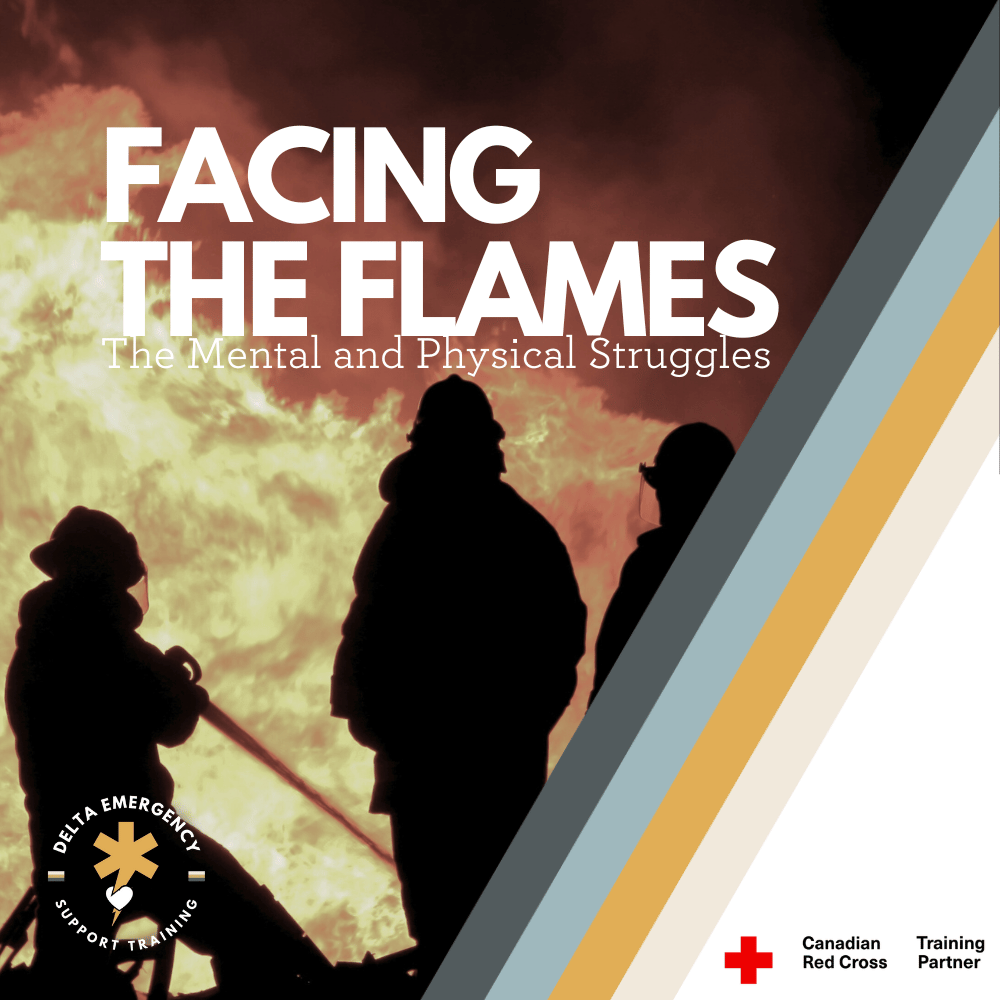
Three fire fighter SILHOUETTEs AGAINST the flames of a fire
Fire-Related Dangers
Burns: A Fiery Menace
One of the most immediate and visceral dangers firefighters face is the risk of burns. The heat of a fire can reach temperatures that can melt steel and cause severe burns in seconds. Their protective gear is essential, consisting of specialized suits, helmets, and breathing apparatus. However, even with these safeguards, firefighters can still suffer burns, particularly in situations where the fire's intensity escalates rapidly. The danger becomes even more apparent when you consider the unpredictable nature of fire, which can create flashovers and backdrafts, putting firefighters directly in the line of fire.
Inhaled Smoke: A Silent Killer
The thick, acrid smoke that billows from a fire is a deadly combination of toxic chemicals and gases that can prove lethal. Firefighters often inhale these toxins while working, which can lead to various respiratory issues. Prolonged exposure can even cause chronic illnesses, such as bronchitis or asthma. The masks they wear help filter out some of the harmful particles, but the intense heat and exertion can make wearing them for extended periods challenging.
Cancer: A Silent and Pervasive Threat
One of the lesser-known dangers faced by firefighters is the risk of developing cancer. The toxins and carcinogens present in burning buildings can contaminate gear and equipment, exposing firefighters to a heightened risk of various types of cancer. Research has shown that firefighters have a significantly higher rate of cancer compared to the general population. This insidious danger lingers long after the flames are extinguished and the smoke has cleared.
The Mental Struggles
First Responders to Trauma
Firefighters are not just tasked with extinguishing flames; they are often the first on the scene in the aftermath of accidents, medical emergencies, or disasters. This means they regularly witness the trauma of people seriously injured, dying, or already dead. They provide crucial support and care in these moments of crisis, but the emotional toll of these experiences can be profound. These encounters can be both physically and mentally draining, as firefighters strive to save lives under intense pressure.
Mental Health Struggles
The cumulative stress of dealing with trauma and the constant threat to life can take a significant toll on firefighters' mental health. Many suffer from post-traumatic stress disorder (PTSD), depression, and anxiety. The stigma associated with mental health in this profession can make it even more challenging for firefighters to seek help. Addressing these mental health issues is crucial to ensure that firefighters can continue to perform their vital duties and maintain their own well-being.
The Physical and Mental Toll
Juggling Physical and Emotional Pain
Firefighters often find themselves navigating a precarious balance between physical and emotional pain. On one hand, they may be recovering from burns, smoke inhalation, or other injuries sustained on the job. These injuries can be painful and may require extended periods of recovery, impacting their ability to work. On the other hand, they may be dealing with the emotional weight of their experiences. This dual burden can be overwhelming, as physical pain compounds emotional trauma, and vice versa.
The Need for Support and Resilience
In the face of these challenges, support systems and resilience-building strategies become crucial. Many fire departments are recognizing the importance of mental health support for their firefighters, providing resources and counseling to help them cope with the traumas they encounter on the job. Peer support networks within fire departments are increasingly common, allowing firefighters to share their experiences and help each other process the challenges they face.
Conclusion
Being a firefighter is not just a job; it's a calling for the brave and the selfless. These public servants sacrifice their own safety and well-being to protect their communities, and they do so with unwavering courage. They face the relentless heat of flames, the silent threat of inhaling toxic smoke, and the persistent risk of cancer, all while being the first to respond to the most harrowing scenes of accidents and disasters. In this demanding role, they grapple not only with physical pain but also with the heavy emotional burden of their experiences.
Despite these immense challenges, firefighters embody the essence of bravery, resilience, and selflessness. They make profound sacrifices to hold their duty as public servants. It is imperative that we, as a society, acknowledge and appreciate the sacrifices they make. Firefighters are true heroes who exemplify the values of courage, selflessness, and determination, even in the face of the most formidable adversities. Their commitment to their duty and the well-being of their communities is a testament to the strength of the human spirit.
Understanding HIV and AIDS: Facts, Myths, and Prevention
In a world filled with information, it's essential to separate truth from fiction, especially when it comes to matters as critical as HIV and AIDS. This comprehensive blog aims to be your guide, shedding light on the intricacies of these infections, the myths that surround them, and the crucial strategies for prevention.
HIV (Human Immunodeficiency Virus) is a viral infection that affects the immune system. It is a global health concern that has led to the development of Acquired Immunodeficiency Syndrome (AIDS) in many individuals. In this blog, we will explore what HIV is, how it is transmitted, the stigma surrounding it, methods of protection, at-risk populations, and more.
What is HIV?
HIV is a virus that primarily targets and weakens the immune system, specifically the CD4 cells (T cells), which are crucial for fighting infections. There are two main types of HIV: HIV-1 and HIV-2, with HIV-1 being the most common and virulent strain.
Symptoms and Signs of HIV Infection:
Acute HIV Infection:
This stage occurs within the first few weeks of HIV exposure. Symptoms are often flu-like and may include:
Fever
Fatigue
Swollen lymph nodes
Sore throat
Rash
Muscle and joint pain
Headache
Diarrhea
Night sweats
Asymptomatic Stage:
After the acute stage, HIV often enters a period of clinical latency where it replicates at low levels. During this phase, which can last for years, there may be no noticeable symptoms. However, the virus is still active and can be transmitted to others.
Progression to AIDS:
Without treatment, HIV infection will eventually progress to AIDS. At this stage, the immune system is significantly compromised, and the person becomes vulnerable to a range of opportunistic infections and cancers.
AIDS-defining illnesses may include:
Tuberculosis (TB)
Pneumocystis jirovecii pneumonia (PCP)
Cytomegalovirus (CMV) infection
Kaposi's sarcoma
Cryptococcal meningitis
Lymphoma
Toxoplasmosis
General Symptoms:
As HIV progresses, symptoms may become more severe and include:
Persistent fever
Unexplained weight loss
Chronic diarrhea
Fatigue
Swollen lymph nodes
Recurrent infections
Skin problems (rashes, lesions)
Neurological Symptoms:
HIV can also affect the nervous system, leading to:
Memory problems
Cognitive impairment
Difficulty concentrating
Coordination and balance issues
Neuropathy (numbness or tingling in the extremities)
Understanding AIDS
AIDS, or Acquired Immunodeficiency Syndrome, is the final stage of HIV infection. It occurs when the immune system is severely damaged, and the individual becomes susceptible to a wide range of opportunistic infections and certain cancers. AIDS is diagnosed when the CD4 cell count drops below 200 cells per microliter of blood, or when the person experiences one or more AIDS-defining illnesses.
Misconceptions and Myths
Misconceptions and myths about AIDS (Acquired Immunodeficiency Syndrome) have persisted since the early days of the epidemic. It's essential to dispel these myths to promote accurate information and reduce stigma. Here are some common myths about AIDS:
Myth: AIDS Can Be Transmitted through Casual Contact:
This is one of the most enduring and harmful myths. HIV is not transmitted through everyday social interactions like hugging, kissing, shaking hands, using public restrooms, or sharing utensils.
Myth: You Can Get HIV from Mosquito Bites:
HIV is not transmitted by mosquitoes or other insects. The virus cannot survive in the digestive system of insects and is not present in their saliva.
Myth: You Can Get HIV from Saliva, Tears, or Sweat:
HIV is not typically found in saliva, tears, or sweat in amounts sufficient to transmit the virus. Transmission requires direct contact with specific body fluids like blood, semen, vaginal fluids, rectal fluids, and breast milk.
Myth: Only Certain Groups Can Get HIV:
HIV can affect anyone, regardless of age, gender, sexual orientation, or race. While certain groups may have a higher prevalence, such as men who have sex with men or people who inject drugs, HIV does not discriminate.
Myth: You Can Tell if Someone Has HIV by Their Appearance:
HIV does not have a specific "look." Many people living with HIV have no visible symptoms or physical signs. You cannot determine someone's HIV status by their appearance.
Myth: HIV Is a Death Sentence:
With advances in medical treatments, HIV has become a manageable chronic condition. When diagnosed early and managed with antiretroviral therapy (ART), people with HIV can live long, healthy lives. AIDS-related deaths have significantly decreased in many parts of the world due to effective treatment.
Routes of Transmission
HIV can be transmitted through various routes:
Unprotected Sexual Contact:
Sexual intercourse without a condom with an infected person is a common mode of transmission.
Sharing Needles:
Sharing needles or syringes with an infected person can transmit the virus.
Mother-to-Child Transmission:
HIV can be transmitted during childbirth, breastfeeding, or during pregnancy if the mother is infected.
Blood Transfusions and Organ Transplants:
Although rare in developed countries due to stringent screening, HIV can be transmitted through contaminated blood products or organ transplants.
Occupational Exposure:
Healthcare workers are at risk if they come into contact with infected blood or body fluids without proper precautions.
Stigma Surrounding HIV
Stigma and discrimination surrounding HIV and AIDS remain significant challenges. People living with HIV often face social isolation, rejection, and even violence. Myths and misconceptions about the virus perpetuate fear and prejudice. It is crucial to combat HIV-related stigma to ensure that individuals receive proper care, support, and treatment.
Protecting Yourself
Preventing HIV transmission is essential for public health. Here are some measures you can take to protect yourself.
Safe Sex:
Consistently using condoms during sexual intercourse can reduce the risk of transmission.
Know Your Partner:
Being aware of your partner's HIV status and practicing mutual monogamy can lower your risk.
Pre-Exposure Prophylaxis (PrEP):
PrEP is a medication taken by individuals at high risk of HIV to prevent infection.
Use Clean Needles:
If you use needles for drugs or medical purposes, ensure they are sterile and not shared.
Get Tested:
Regular HIV testing is essential, as early detection and treatment can significantly improve outcomes.
At-Risk Populations
Certain groups are at higher risk of HIV infection:
Men who have sex with men (MSM):
This group has a higher prevalence of HIV due to risk factors associated with their sexual practices.
Injection Drug Users (IDUs):
Sharing needles and engaging in risky behaviors put IDUs at a greater risk.
Sex Workers:
Those involved in sex work often face increased risk due to multiple sexual partners and limited control over condom use.
Transgender Individuals:
Stigma, discrimination, and limited access to healthcare contribute to higher HIV rates among transgender individuals.
People from High-Prevalence Regions:
Individuals from areas with high HIV prevalence are at greater risk.
Conclusion
HIV is a complex and challenging virus that affects millions of people worldwide. Combating HIV/AIDS requires not only medical advances but also a commitment to education, reducing stigma, and ensuring access to prevention, testing, and treatment. By understanding the virus, practicing safe behaviors, and supporting those affected, we can work towards a world where HIV is no longer a global health crisis.
Body Substance Isolation for First Responders
In the high-stakes world of first response, safety is paramount. This blog dives deep into Body Substance Isolation (BSI) and its indispensable role in safeguarding the lives of first responders. We'll uncover how BSI practices have significantly reduced disease transmission rates, look back in history to understand the risks before BSI, and examine the pivotal role it plays in protecting both responders and the communities they serve. Join us on a journey through time and protocols as we explore the critical importance of BSI for those who rush to the scene of emergencies, preventing infections, and ultimately saving lives.
Introduction
First responders, the brave men and women who rush to the scene of emergencies, accidents, and disasters, face a multitude of hazards every day. While their primary goal is to save lives and provide immediate assistance, they must also protect themselves from potential dangers. Body Substance Isolation (BSI) is a set of precautions and practices that are absolutely crucial for first responders. In this blog, we will delve into the significance of BSI in ensuring the safety and well-being of those on the front lines of emergency response.
Medical professional applying gown and gloves as bsi
Understanding Body Substance Isolation (BSI)
Body Substance Isolation (BSI) is a comprehensive approach to infection control that involves the proper handling and protection from bodily fluids, tissues, and other potentially infectious materials. BSI is not limited to any particular type of emergency response but is relevant across the board, including medical emergencies, accidents, natural disasters, and hazardous material incidents.
The Core Principles of BSI
Personal Protective Equipment (PPE):
The foundation of BSI is the use of appropriate PPE. This includes gloves, masks, gowns, eye protection, and respirators when necessary. The use of PPE acts as a barrier between the responder and potentially infectious materials, preventing direct contact.
Hand Hygiene:
First responders must maintain excellent hand hygiene. Regular and thorough handwashing, or the use of hand sanitizers, is essential to minimize the risk of disease transmission.
Safe Handling and Disposal:
Proper techniques for the safe handling, packaging, and disposal of contaminated materials are fundamental to BSI. Sharps (such as needles) must be disposed of in puncture-resistant containers, while contaminated clothing and equipment must be handled carefully to prevent the spread of pathogens.
Respiratory Hygiene/Cough Etiquette:
Responders should follow respiratory hygiene practices to reduce the risk of inhaling airborne pathogens or spreading respiratory illnesses.
Masks, gloves, gowns, and eye protective equipment
Masks: Shielding the Respiratory System
Masks are a fundamental piece of personal protective equipment (PPE) for first responders, serving as a crucial shield for the respiratory system. These masks come in various types, each designed to address specific risks:
N95 Respirators:
N95 respirators are highly effective at filtering out airborne particles and are commonly used in situations where responders may be exposed to infectious agents, dust, or hazardous fumes. They provide an airtight seal around the nose and mouth, preventing the inhalation of harmful substances.
Surgical Masks:
Surgical masks are primarily used in medical settings. They protect both the wearer and those in close proximity from respiratory droplets and splashes. While they offer less filtration than N95 respirators, they are still essential for preventing disease transmission.
Proper mask usage is crucial. Responders must be trained in how to don and doff masks correctly to minimize the risk of contamination. A secure fit, regular replacements, and adherence to guidelines for extended use are all critical aspects of mask safety.
Gloves:
The Barrier Against Direct Contact
Gloves are the frontline defense against direct contact with potentially infectious materials. First responders use disposable gloves made from various materials, including latex, nitrile, and vinyl. The choice of glove material depends on individual preferences and potential allergies.
Proper glove usage involves:
Selecting the appropriate glove type for the task.
Ensuring gloves are the right size for a snug fit.
Changing gloves between tasks and after potential contamination.
Avoiding touching the face, adjusting masks, or handling personal items while wearing gloves.
Safely removing and disposing of gloves to prevent cross-contamination.
Failure to follow these guidelines can lead to accidental contamination and defeat the purpose of wearing gloves.
Gowns:
Protecting Against Splashes and Contamination
Gowns provide an additional layer of protection, especially in situations where responders may encounter bodily fluids or other potentially infectious materials. These disposable garments are typically made of non-porous materials like polyethylene or polypropylene.
Responders should don gowns before entering potentially contaminated areas.
Ensure gowns cover their entire body and are secured at the neck and wrists.
Remove gowns carefully to prevent contamination when exiting hazardous areas.
Dispose of gowns properly in designated containers.
Gowns are essential for minimizing the risk of contamination when working in close proximity to patients or in environments with a high potential for splashes.
Eye Protective Equipment:
Safeguarding Vision
Eye protective equipment, including goggles and face shields, shields the eyes from splashes, flying debris, or other hazards that could cause eye injuries or contamination. In healthcare and emergency response settings, eye protection is crucial, especially when dealing with patients exhibiting symptoms of infectious diseases.
Proper eye protection:
Shields the eyes completely, with no gaps for contaminants to enter.
Should be worn in conjunction with masks and other PPE, ensuring full facial coverage.
Eye protective equipment not only safeguards vision but also prevents potential disease transmission through the mucous membranes of the eyes.
Disease Transmission Rates
Historical Impact of BSI
Before the widespread adoption of BSI practices, first responders faced alarmingly high disease transmission rates. In the early days of modern medicine, the lack of standardized protective measures exposed them to severe risks. Diseases like tuberculosis, hepatitis, and HIV were known to spread readily among healthcare and emergency response personnel.
HIV/AIDS:
The HIV/AIDS epidemic in the 1980s and 1990s raised serious concerns about disease transmission among healthcare workers. Before the implementation of strict BSI measures, there were instances of HIV transmission in healthcare settings due to inadequate precautions.
Hepatitis B and C:
Hepatitis B and C viruses posed significant threats to first responders. These infections, transmitted through contact with contaminated blood and bodily fluids, were relatively common among healthcare workers before BSI guidelines were established.
Impact of BSI on Disease Transmission Rates:
The introduction of BSI protocols marked a turning point in the safety of first responders. These measures significantly reduced the risk of disease transmission, protecting the lives and health of those on the front lines.
HIV/AIDS:
With the implementation of universal precautions, including the use of gloves and safe disposal practices, the risk of HIV transmission to healthcare workers decreased dramatically. The incidence of occupational HIV infections among first responders dropped substantially.
Hepatitis B and C:
BSI guidelines, including vaccination, proper use of PPE, and strict handling and disposal procedures, led to a significant decline in the transmission of hepatitis B and C among first responders.
A Look Back in History
Pre-BSI Era:
Before the formalization of BSI, first responders operated in a much riskier environment. The lack of standardized precautions left them vulnerable to infections and contributed to disease outbreaks.
Infectious Disease Outbreaks:
Historical records show that outbreaks of diseases like tuberculosis, smallpox, and influenza often spread within healthcare and emergency response settings. The lack of protective measures not only endangered responders but also allowed diseases to propagate unchecked.
Post-BSI Era:
The development and implementation of BSI practices transformed emergency response and healthcare. Here's how:
Reduction in Occupational Infections:
BSI measures, such as the use of PPE, strict hand hygiene, and safe handling of contaminated materials, significantly reduced the incidence of occupational infections among first responders. This led to a safer working environment.
Protection of Patients:
BSI not only protects first responders but also safeguards the health of patients. The prevention of cross-contamination ensures that patients receive care in a safe and sanitary environment.
Improved Public Health:
By preventing the spread of infectious diseases at their source, BSI contributes to broader public health efforts. It helps limit the scope of disease outbreaks, reduces the burden on healthcare systems, and saves lives.
Conclusion
Body Substance Isolation is not merely a set of guidelines; it is a lifeline for first responders. It ensures their personal safety, prevents disease transmission, and ultimately saves lives. In a world where emergencies and crises are an unfortunate reality, BSI stands as a critical shield that allows first responders to carry out their noble mission while protecting themselves and the communities they serve. Every responder should be well-trained in BSI practices and consistently apply them, for their safety, the safety of those they help, and the greater good of society. The history of BSI underscores its pivotal role in stopping the spears of infectious diseases, making the world a safer and healthier place for all.
Infections: What you Need to Know
Infections can strike when you least expect them, but with the right knowledge and precautions, you can fortify your defenses. From the basics of wound care to identifying the early signs of infection, this guide has you covered. Explore the lurking danger of tetanus and the grave consequences of gangrene, and learn how to protect yourself and your loved ones. Your health is your most valuable asset, and understanding infections is the first step in defending it.
1. Wound Infections: A Common Threat
Medical professional wrapping a patients hand wound in steril bandages.
Any Wound is at Risk for Infection:
Whether it's a minor paper cut, a scraped knee, or a deep gash, any wound presents an opportunity for infection. Bacteria, viruses, and other pathogens are present everywhere, and they can easily enter the body through an open wound.
Cleaning the Wound:
Proper wound cleaning is critical. Use mild soap and clean, lukewarm water to gently wash the wound. Rinse thoroughly to remove any debris or foreign particles. Avoid harsh scrubbing, as this can damage delicate tissues.
Avoid Touching the Wound:
Always handle wounds with clean, sterile hands or instruments. Even a brief touch with unsterile hands can introduce harmful microbes, increasing the risk of infection.
Hemorrhage Control:
In cases of severe bleeding or extensive tissue damage, controlling the bleed is a priority. Apply pressure using a clean cloth or bandage and seek immediate transportation to a medical center.
Medical Care:
Once at a medical facility, healthcare professionals will perform a more thorough cleaning of the wound. They may also prescribe antibiotics to prevent or treat infection, especially if the wound is deep, contaminated, or at risk of infection.
2. Recognizing Infection Signs
Redness:
Infection often manifests as redness around the wound. This redness may gradually spread if the infection is left untreated.
Swelling:
Inflammation and swelling are natural responses to infection. The infected area might become noticeably larger than usual.
Increased Temperature:
An infected wound can feel warm or hot to the touch due to increased blood flow and inflammation in the area.
Throbbing Sensation:
Pain associated with an infected wound can intensify and take on a throbbing quality. This pain is typically more persistent than the initial injury-related pain.
Pus Formation:
Pus, a thick fluid, is a sign that the body is trying to fight off infection. The color of pus can vary (white, yellow, or green) and often indicates the presence of bacteria.
If an infection is not addressed promptly, it can extend to surrounding tissues and, in severe cases, even reach bones. In some instances, the infection can enter the circulatory system, leading to a systemic infection.
3. Systemic Infections: A Serious Threat
Red Streaks:
If you notice red streaks extending from the wound site, it's a sign that the infection might be spreading systemically. This is a crucial warning sign.
Flu-Like Symptoms:
Systemic infections often present with flu-like symptoms, including fever, muscle aches, fatigue, and chills. These symptoms indicate that the infection has reached the bloodstream and is affecting the entire body.
Prompt medical attention is essential if you suspect a systemic infection, as these can become life-threatening if left untreated.
4. Tetanus: A Lurking Danger
Tetanus:
Tetanus is caused by the bacterium Clostridium tetani, which is commonly found in soil and on rusty metal objects. This bacterium produces a potent toxin that affects the central nervous system and specific muscles.
Symptoms:
Tetanus can lead to difficulty swallowing, irritability, persistent headaches, fever, and muscle spasms, often near the infected area. It's sometimes referred to as "lockjaw" because facial muscles can contract severely.
Prevention:
The most effective way to protect against tetanus is vaccination, which typically provides immunity for 5-10 years. Ensure you stay up-to-date with tetanus shots, especially if you sustain a wound that may expose you to the bacterium.
5. Gangrene: A Grave Consequence
Bacterial Thriving:
Gangrene is caused by bacteria that thrive in environments lacking oxygen. It can also occur when blood flow to an area is compromised, leading to tissue death.
Symptoms:
Gangrene often presents with sudden, intense pain, swelling of the affected area, discolored tissues (which can range from black to blue to green), a foul-smelling discharge that is highly infectious, and sometimes a slight fever.
Necrotizing Fasciitis:
In rare cases, gangrene can progress to necrotizing fasciitis, a rapidly progressing and extremely painful infection often referred to as "flesh-eating disease." A distinctive characteristic is the presence of air bubbles beneath the skin.
If you suspect gangrene or experience symptoms associated with it, seek immediate medical help. Prompt treatment is essential to prevent further tissue damage and complications.
Conclusion
At Delta Emergency Support Training, we take your health seriously. In our first aid and advanced first aid classes, we provide comprehensive education on infections and wound care. Our courses are designed to equip you with the skills and knowledge needed to handle these situations effectively. Whether it's understanding the nuances of wound care, recognizing the early signs of infection, or learning about the specific risks associated with conditions like tetanus and gangrene, we've got you covered.
Infections can strike at any time, and being prepared is your best defense. Stay informed, proactive, and confident in your ability to protect your health. Join Delta Emergency Support Training today and take the first step towards becoming a health-conscious guardian of your well-being.
Navigating the Complexity of Broken Pelvis: Causes, Symptoms, and Care
In our comprehensive guide, we unveil the intricacies of pelvic fractures, shedding light on their causes, recognizing vital symptoms, and offering essential tips for immediate care. Unlock the secrets of this often-underestimated injury and empower yourself to make a difference in emergencies.
The pelvis, often overlooked in our daily lives, plays a pivotal role in our body's structure and stability. Yet, when a pelvic fracture occurs, it thrusts this often-neglected region into the spotlight as a site of pain, danger, and potential life-threatening complications. In this comprehensive blog, we embark on a journey to demystify pelvic fractures, exploring their origins, the subtle signs that signal their presence, and the crucial steps to provide immediate care. Join us as we uncover the intricacies of pelvic fractures, enabling you to recognize, respond to, and support those affected by this serious and often underestimated injury.
X-Ray of the pelvic region.
High-Impact Mechanisms of Injury (MOI) Leading to Pelvic Fractures
Pelvic fractures often arise from high-impact mechanisms of injury (MOI), which can deliver a devastating blow to the body's central support structure. It's essential to grasp the specific scenarios where these fractures commonly occur to take preventive measures and promptly address them. Here, we explore three prominent MOIs associated with pelvic fractures:
1. Car Accidents with Intrusion:
Car accidents, especially those involving intrusion into the passenger compartment, pose a significant risk of pelvic fractures. When a vehicle collides with another object or experiences a sudden deceleration, the forces involved can be transferred to the occupants. In such cases, the pelvis may absorb a substantial portion of the impact, leading to fractures. The use of seatbelts and properly installed airbags is crucial in reducing this risk.
2. Being Struck as a Pedestrian:
Pedestrians involved in accidents with moving vehicles face a heightened risk of pelvic fractures. When a pedestrian is struck by a vehicle, the impact forces are directed towards the pelvis, which can result in fractures. The severity of the injury depends on various factors, including the speed of the vehicle, point of impact, and the pedestrian's position. Awareness, adherence to traffic rules, and practicing safe pedestrian behaviors are essential in preventing these accidents.
3. High-Impact Sports, such as Horse Riding:
Engaging in high-impact sports like horse riding, skiing, or contact sports increases the likelihood of experiencing pelvic fractures. These activities expose individuals to abrupt movements, falls, or collisions with considerable force. In horse riding, for instance, an unexpected fall from a galloping horse can generate enough energy to fracture the pelvis. Proper safety gear, training, and adhering to safety guidelines can mitigate the risk associated with these sports.
Recognizing Indications of a Pelvic Fracture
When it comes to pelvic fractures, understanding the potential indications is paramount for swift intervention and treatment. These fractures often manifest with a combination of alarming symptoms, each serving as a red flag to signal the severity of the injury. Here, we explore some of the most common and telling indications:
1. Pelvic Instability:
One of the hallmark signs of a pelvic fracture is pelvic instability. This instability can cause a profound sense of discomfort and difficulty in maintaining balance and mobility. Individuals may experience a noticeable shift or misalignment of the pelvic bones, which can be felt when gently pressing on both sides of the pelvis. This instability can be particularly unsettling, making even simple movements a challenge.
2. Excruciating Pain:
Pelvic fractures are often accompanied by excruciating pain in the pelvic region. This pain is typically sharp, intense, and may radiate to the lower back or down the legs. The severity of the pain can vary depending on the extent and location of the fracture. It is important to note that the intensity of the pain may not correlate directly with the severity of the fracture, making it imperative to seek medical attention regardless of the perceived pain level.
3. Splayed Legs:
Another telltale sign of a pelvic fracture is the positioning of the legs. In many cases, the legs may appear splayed or twisted unnaturally due to the disruption of the pelvic bones. This visual indication can be distressing and further underscores the need for immediate medical evaluation.
4. Bruising Indicative of Internal Bleeding:
Bruising around the pelvic area can be indicative of internal bleeding, a critical concern associated with pelvic fractures. As the fractured bones can damage blood vessels within the pelvis, blood may accumulate in the surrounding tissues, causing visible bruising. This external sign of internal bleeding should not be overlooked, as it necessitates urgent medical attention.
Treatment of Pelvic Fractures
When a suspected pelvic fracture is encountered, the immediate goal is to provide stabilization and support while minimizing the risk of further injury. Proper treatment is essential to optimize outcomes and reduce complications. Here is a step-by-step guide to treating pelvic fractures:
1. Manual Stabilization:
The first and most crucial step in managing a suspected pelvic fracture is to provide manual stabilization. This involves gently supporting the pelvis with your hands to minimize movement. Care must be taken to avoid putting pressure directly on the fractured area to prevent exacerbating the injury. Manual stabilization helps in reducing pain and the risk of further damage.
2. Binding the Feet Together:
To address the splayed legs often associated with pelvic fractures and return them to a more anatomically aligned position, binding the feet together is recommended. This can be achieved by using a bandage or cloth to secure the ankles together. The goal is to maintain alignment and prevent further displacement of the fractured bones.
3. Application of a Commercial Pelvic Binder:
Commercial pelvic binders, such as the T-pod, are specially designed to provide effective stabilization for pelvic fractures. These devices are easy to apply and can help bring the fractured pelvic bones together, reducing pain and the risk of internal bleeding. Properly positioning and securing the pelvic binder is essential for its effectiveness.
4. Improvised Binding with a Sheet and Clips:
In situations where a commercial pelvic binder is not available, improvising with a sheet or any strong fabric, along with clips or other fasteners, can provide temporary stabilization. The sheet is wrapped tightly around the pelvis and secured in place to minimize movement and maintain alignment. While not as effective as commercial binders, this method can still be valuable in emergencies.
5. Administering High-Flow Oxygen:
The shock that often accompanies pelvic fractures can be life-threatening. Administering high-flow oxygen is a critical measure to help the body compensate and mitigate the effects of shock. Oxygen supplementation ensures that vital organs receive adequate oxygenation, reducing the risk of organ failure and improving the patient's chances of survival.
In Conclusion: Empowering Knowledge, Saving Lives, and Joining Delta Emergency
Our journey through pelvic fractures has highlighted the critical need for understanding this injury. Recognizing the signs, providing immediate care, and seeking prompt medical attention are paramount. Knowledge is power, and here, it can be lifesaving.
Pelvic fractures are complex, with hidden dangers such as internal bleeding and shock. Armed with this information, you're better prepared to respond effectively.
Joining Delta Emergency for your professional responder needs ensures you have access to comprehensive training, cutting-edge equipment, and a community committed to making a difference. Together, we can minimize the impact of pelvic fractures and provide the support and care that individuals deserve on their path to recovery.
Pain Assessments for Patients: A Crucial Skill for Professional Responders
In the high-stress world of professional emergency response, the ability to assess and manage pain effectively is paramount. Every second counts, and understanding a patient's pain is often the first step towards providing the right care. In this blog, we delve into the OPQRRRST format for pain assessments, breaking down each component to equip you with the skills needed to excel in roles like firefighting, paramedicine, and more. Pain assessment isn't just about addressing discomfort; it's about saving lives. Read on to discover why it matters, how to do it, and why Delta Emergency is your partner in authentic, hands-on training.
Professional responders, your ability to assess and manage pain effectively can make a profound difference in a patient's experience and outcome. While your primary focus is on providing immediate care and stabilizing the patient's condition, it's important to remember that pain assessments are a critical component of your secondary assessment. These assessments not only offer insights into the patient's discomfort but also guide your decision-making process in providing timely and appropriate interventions.
Paramedic preforming a secondary assessment including a OPQRRRST pain assessment.
In the dynamic and often high-stress environment of professional response, a structured approach to pain assessment, such as the OPQRRRST format, becomes an invaluable tool. It empowers you to gather crucial information efficiently, ensuring that no vital detail is overlooked in the midst of urgency and complexity. Through this blog, we will embark on a comprehensive journey through each component of the OPQRRRST format, equipping you with the knowledge and skills necessary to master this essential aspect of your role as a professional responder.
Onset - "When Did the Pain Start?"
When a patient experiences pain, it's essential to understand when it first began. This information can help differentiate between acute and chronic pain. Acute pain typically has a sudden onset and is often related to a specific event or injury, such as a fall or an accident. On the other hand, chronic pain persists over a longer period, often months or even years, and may develop gradually.
Ask the patient about the circumstances surrounding the pain's onset. Did it start after a particular incident or activity? Did it come on suddenly without any apparent cause? Knowing when the pain started can provide critical clues about its origin and potential causes.
Provocation - "What Makes It Worse?"
To gain a deeper understanding of the pain, inquire about factors that worsen it. Patients may have specific triggers or actions that exacerbate their discomfort. For example, for a patient with a musculoskeletal injury, movements or certain positions might worsen the pain. For a patient with gastrointestinal issues, eating certain foods might aggravate abdominal pain.
Identifying provocation factors is crucial for managing the patient's immediate comfort and for determining whether further medical investigations or interventions are necessary.
Quality - "Can You Describe Your Pain in Your Own Words?"
Pain quality is a subjective aspect that can provide valuable insights into the nature of the pain. Encourage the patient to describe their pain using descriptive terms. For instance, they might use words like "stabbing," "burning," "throbbing," "aching," or "cramping" to characterize their pain.
Understanding the pain's quality can help you differentiate between various types of pain. For example, sharp, stabbing pain might indicate nerve involvement, while a dull, aching sensation could be indicative of inflammation or muscle strain.
Region - "Can You Draw a Circle Around the Painful Area?"
Identifying the precise location of pain is crucial for pinpointing the source of the issue. Ask the patient to point to or mark the specific area where they feel pain. This can help you visually assess if there are any visible signs of injury, swelling, or redness in that region.
In cases of referred pain, where the pain is felt in a different area than its source, this step can aid in identifying the primary cause. For example, pain in the left arm could be referred pain from a heart issue.
Radiation - "Does the Pain Radiate Anywhere?"
Pain often doesn't stay localized; it can radiate or spread to other areas of the body. Ask the patient if they feel discomfort in areas adjacent to the primary pain site. Radiation patterns can provide valuable diagnostic clues.
For instance, if a patient with a herniated disc reports back pain that radiates down one leg (sciatica), it suggests nerve compression in the spine as the source of pain.
Relief - "Does Anything Provide You Relief?"
Identifying what alleviates the patient's pain is crucial for managing their discomfort effectively. Inquire if there are specific actions, medications, or interventions that provide relief. This information helps you determine appropriate pain management strategies.
For example, if a patient with a headache mentions that lying in a dark, quiet room provides relief, you can recommend this as a non-pharmacological intervention.
Severity - "Rate Your Pain on a 0-10 Scale"
Quantifying pain severity on a scale of 0 to 10 allows for a standardized assessment. It helps you understand the intensity of the patient's pain and track changes over time. This numerical rating also assists in evaluating the effectiveness of pain management interventions.
Patients should be encouraged to provide an honest assessment of their pain level, as this aids in tailoring treatment plans to their specific needs.
Time - "Is the Pain Constant or Does It Come and Go?"
Understanding the temporal characteristics of pain is essential. Inquire whether the pain is constant or intermittent. Does it have a specific pattern, such as occurring at certain times of the day or in response to specific activities or movements?
For example, pain that occurs only during physical activity but subsides at rest could indicate a musculoskeletal issue. Conversely, constant, unrelenting pain might be suggestive of an ongoing medical condition.
In the challenging and dynamic realm of professional response, mastering the OPQRRRST format for pain assessment is an indispensable skill that can significantly impact patient care and outcomes. As a professional responder, your commitment to providing compassionate and effective care begins with your ability to understand and manage pain.
At Delta Emergency, we understand the importance of equipping new professional responders, whether they are entering the world of firefighting, paramedicine, or other critical roles, with the knowledge and skills needed to excel in their mission of saving lives. Our advanced first aid classes are meticulously designed to provide comprehensive training in pain assessment and various aspects of emergency response.
We invite you to join our community of dedicated professionals and embark on a journey toward excellence in patient care. Sign up with Delta today for an authentic and immersive training experience that will prepare you to face the challenges of the field with confidence and competence. Together, we can make a difference when it matters most.

