The Delta Dispatch
Meningitis: What Every First Responder Needs to Know
Meningitis is a serious infection that can escalate rapidly. As a medical first responder, understanding the types and symptoms of meningitis is essential for effective care. At Delta Emergency, we provide advanced first aid training across Canada, particularly in Edmonton and Calgary, to equip fire fighters and emergency responders with life-saving knowledge.
At Delta Emergency, we train individuals in advanced first aid as an essential step in preparing them for fire fighting and other high-pressure, life-threatening situations. As part of our training, we emphasize the importance of being well-versed in a variety of medical conditions, including those that can escalate rapidly and require swift, decisive action. One such condition is meningitis, a serious infection that can affect the brain and spinal cord and may require urgent intervention.
In this post, we’ll delve into what meningitis is, the different types, and why understanding this condition is critical for medical first responders.
What is Meningitis?
Meningitis is the inflammation of the meninges, the protective membranes covering the brain and spinal cord. It is a potentially life-threatening condition because it can cause permanent damage to the nervous system if not treated quickly. The inflammation is usually caused by infection, but it can also be a result of other factors, such as certain medications or illnesses.
Symptoms of meningitis can develop suddenly, and in many cases, they resemble the flu. However, if left untreated, it can rapidly progress to more severe complications, including seizures, brain damage, and even death.
Types of Meningitis
Meningitis is classified into several different types based on the cause of the infection. The most common types are bacterial, viral, and fungal, but there are also other rarer causes that require different treatments.
1. Bacterial Meningitis
Bacterial meningitis is the most severe form and can be fatal if not treated immediately. It is caused by a bacterial infection that typically enters the bloodstream and spreads to the brain and spinal cord. The most common bacteria that cause meningitis are Neisseria meningitidis (meningococcal), Streptococcus pneumoniae (pneumococcal), and Haemophilus influenzae.
Symptoms:
Sudden high fever
Severe headache
Stiff neck
Nausea or vomiting
Sensitivity to light
Skin rashes (in some cases)
Bacterial meningitis requires immediate medical attention and is usually treated with intravenous antibiotics. Early intervention is key to preventing life-threatening complications.
2. Viral Meningitis
Viral meningitis is less severe than bacterial meningitis but can still be serious, particularly in infants and those with weakened immune systems. It is typically caused by viruses such as enteroviruses, herpes simplex virus, and the mumps virus.
Symptoms:
Mild fever
Headache
Stiff neck
Nausea
Sensitivity to light
Fatigue
Viral meningitis often resolves on its own without the need for specific treatment, although antiviral medications may be used in certain cases. Rest and supportive care are the mainstay of treatment.
3. Fungal Meningitis
Fungal meningitis is relatively rare and occurs when a fungal infection spreads to the meninges, usually in individuals with weakened immune systems, such as those with HIV/AIDS or who are undergoing chemotherapy. It is caused by fungi like Cryptococcus and Histoplasma.
Symptoms:
Headache
Fever
Nausea and vomiting
Sensitivity to light
Neck stiffness
Confusion
Fungal meningitis is treated with antifungal medications, but early detection is critical due to its potential to cause severe damage.
4. Parasitic Meningitis
Parasitic meningitis is a rare but serious type of infection caused by parasites. The most common example is Naegleria fowleri, a brain-eating amoeba found in warm freshwater environments. Though rare, this type of meningitis is almost always fatal.
Symptoms:
Severe headache
Nausea and vomiting
Stiff neck
Seizures
Why Is Meningitis Important for Medical First Responders to Recognize?
As a medical first responder, understanding meningitis is vital for several reasons:
Rapid Assessment: When faced with a potential case of meningitis, especially bacterial meningitis, the symptoms can escalate quickly. The faster a first responder can assess and recognize the condition, the quicker they can initiate life-saving interventions and transport the patient to a medical facility.
Preventing Spread: Certain types of meningitis, particularly bacterial meningitis, are contagious. First responders need to take immediate precautions to prevent the spread of the infection to others, especially in crowded environments like schools, hospitals, or emergency scenes.
Accurate Communication with Medical Teams: As an advanced first aider, you’ll need to provide accurate and detailed information to the hospital staff or paramedics. Recognizing the key symptoms of meningitis will help ensure that the patient receives the correct treatment as soon as possible.
Prevention Measures: In some cases, such as viral meningitis, vaccinations or antiviral medications may be available. Being able to educate the public on these prevention measures is also a critical aspect of first aid training.
Making Informed Decisions in High-Pressure Situations: In emergency situations, especially during a fire or rescue operation, medical first responders often need to make quick decisions. Having a solid understanding of conditions like meningitis allows responders to make informed choices about treatment and triage priorities.
Meningitis and Fire Fighting: Why This Matters for You
For fire fighters and other emergency personnel, the ability to recognize and respond to meningitis is particularly important. Fire fighters often work in high-risk environments where exposure to infectious diseases is a possibility. Additionally, the physical and mental stress of responding to emergencies, including traumatic events, can weaken the immune system, making individuals more susceptible to infections.
Training in advanced first aid equips fire fighters with the tools they need to recognize signs of meningitis, protect themselves from exposure, and provide immediate care to victims. Knowing when to initiate emergency treatment, when to call for higher medical support, and how to prevent cross-contamination is essential in keeping both responders and the community safe.
Conclusion
Meningitis is a serious and potentially life-threatening infection that can affect anyone, but with the right knowledge and preparation, medical first responders can make a significant difference in the outcomes of those affected. At Delta Emergency, we ensure that our trainees are well-prepared to recognize the signs and symptoms of meningitis and take the appropriate action. Whether you are responding to an emergency as a fire fighter or any other medical first responder, being equipped with the knowledge of how to handle meningitis could save lives.
If you're looking to advance your first aid training or get involved in fire fighting, understanding the signs and treatments for conditions like meningitis should be a key part of your learning journey. Stay prepared, stay safe, and always be ready to respond with confidence.
Ejections from Vehicles: What Every First Responder Should Know
Vehicle ejections are one of the most dangerous and traumatic incidents first responders encounter. This blog provides vital insights into the causes, injuries, and best practices for responding to ejections, as well as how advanced first aid training can help firefighters and emergency responders handle these high-risk situations effectively.
Ejections from vehicles are among the most traumatic and severe incidents that first responders—including advanced first aid professionals—encounter. These types of accidents are especially dangerous for both the ejected individual and the responders who must navigate potentially hazardous environments. In Alberta, advanced first aid training is a prerequisite for firefighters and emergency medical responders (EMRs), equipping them with the skills needed to handle these high-risk emergencies effectively.
In this blog, we’ll explore what vehicle ejections are, why they happen, the injuries that often result, and how firefighters and first responders should approach such incidents. We’ll also highlight the importance of advanced first aid training in such high-stakes situations.
What is a Vehicle Ejection?
A vehicle ejection occurs when a person is thrown from their vehicle during a crash. This can happen in a variety of ways: high-speed crashes, rollovers, or when seatbelts aren’t used or fail. Ejections are dangerous because victims often land on hard surfaces, like the road, which increases the risk of life-threatening injuries. Immediate and proper intervention is critical to give these victims the best chance of survival and recovery.
Injuries caused by ejections can range from head trauma and spinal injuries to broken bones and internal bleeding. The consequences of such injuries can be catastrophic without timely and professional care.
Causes of Ejections
Lack of Seatbelt Use: A major cause of ejections is the failure to wear seatbelts. Seatbelts significantly reduce the risk of ejection by keeping passengers securely in place during a crash.
Rollover Accidents: In rollover crashes, passengers are more likely to be ejected as the vehicle tumbles, increasing the chances of being thrown out.
High-Speed Collisions: High-speed crashes, especially when hitting stationary objects, create enough force to propel occupants out of the vehicle.
Side-Impact (T-Bone) Collisions: When a vehicle is struck from the side, particularly with high impact, the risk of ejection increases as the side windows may shatter and the force can throw an occupant from the car.
Injuries from Ejections
Ejected vehicle victims can suffer a range of injuries, many of which are life-threatening:
Head and Brain Injuries: Traumatic brain injuries (TBI) are common and can range from concussions to severe skull fractures, leading to long-term disabilities or death.
Spinal Cord Injuries: Damage to the spine can result in paralysis or death, especially if the spinal cord is compromised during the ejection.
Internal Injuries: Blunt force trauma can cause internal bleeding, ruptured organs, and significant damage to internal structures. Rapid recognition and treatment of internal injuries are essential.
Fractures and Limb Injuries: Broken limbs, ribs, and pelvis are frequent in ejected patients, especially as they come into contact with the road or surrounding objects.
Soft Tissue Injuries: Scrapes, cuts, and bruises from the force of ejection and contact with surfaces are common and can add to the patient’s overall trauma.
How to Approach Vehicle Ejections: First Responder Steps
1. Start Your Size-Up at Dispatch
The time to start assessing the situation is before you even arrive on the scene. The dispatch information provides vital clues about the nature of the crash, the type of road (residential or highway), the speed of the impact, and any hazards that may be present, like industrial vehicles or hazardous materials. This early information helps responders prepare mentally and strategically for what lies ahead.
2. Perform an Inner Circle Survey
Upon arriving at the scene, conduct a quick 360-degree assessment of the incident—what we call the "inner circle survey." Walk around the wreckage to gather information about the number of victims, vehicle conditions (engine running, fluids leaking), and possible hazards (e.g., fuel, electrical lines, airbags). Noticing these details early will help guide your approach and ensure responder safety.
Safety systems such as airbags, rollover protection devices, and seatbelt pretensioners may have deployed, which can present both advantages and hazards during rescue operations. Recognizing these features will help prevent accidental injury to responders.
3. Stabilize the Victim and the Scene
Severe Bleeding Control: Ejected victims often suffer significant blood loss due to trauma. Controlling bleeding should be your first priority. Apply direct pressure to visible wounds and use tourniquets if needed to control extremity bleeding. Hemorrhage control is vital to prevent shock and further complications.
Spinal Stabilization: Always assume spinal injury in ejected patients until proven otherwise. Quickly immobilize the head and neck using cervical collars and spinal boards, ensuring minimal movement to prevent further damage.
Treat for Shock: Victims of vehicle ejections are at a high risk for shock, due to the trauma they’ve sustained. Keep the victim warm, elevate their legs (unless there’s suspected spinal injury), and monitor their vital signs.
4. Coordinate with EMS for Transport
Once the victim has been stabilized, prepare for rapid transport. Ensure that EMS has been notified, and keep in mind that time is critical in cases involving vehicle ejections. While waiting for EMS, continue to monitor the victim and provide necessary care.
Why Advanced First Aid Is Crucial for Firefighters
In Alberta, firefighters must undergo advanced first aid training as part of their professional certification. This training is invaluable when responding to high-risk incidents like vehicle ejections, where rapid, effective care can significantly impact patient outcomes.
Advanced first aid courses equip firefighters with skills such as:
Trauma assessment and management
Spinal immobilization techniques
CPR and airway management
Hemorrhage control and shock management
Having this expertise ensures that firefighters are prepared to handle the complex and often dangerous nature of vehicle ejection incidents. The ability to recognize signs of serious injury, apply the right interventions, and work safely around hazards can be the difference between life and death for the patient.
Conclusion
Vehicle ejections are some of the most challenging and dangerous situations first responders will face. Understanding how to assess, stabilize, and transport these patients is essential for their survival and recovery. With advanced first aid training, firefighters and emergency responders are better equipped to handle the complexities of vehicle ejections, ensuring they provide the best care possible in high-pressure situations.
At Delta Emergency Support Training, we offer specialized advanced first aid courses designed to prepare firefighters, paramedics, and emergency responders for these high-stakes incidents. Our training is hands-on, scenario-based, and tailored to the specific challenges you face in the field. Reach out to us today to find out how we can help your team be prepared for anything.
About Us
At Delta Emergency Support Training, we specialize in providing advanced first aid training for firefighters and emergency responders in Alberta. Our training ensures that you have the knowledge and hands-on experience to handle complex medical emergencies, from vehicle ejections to cardiac arrest. Contact us to learn more about our training programs and how we can help you be prepared for any emergency.
Become a Confident Emergency Responder: EMR & AFA Training for Aspiring Firefighters
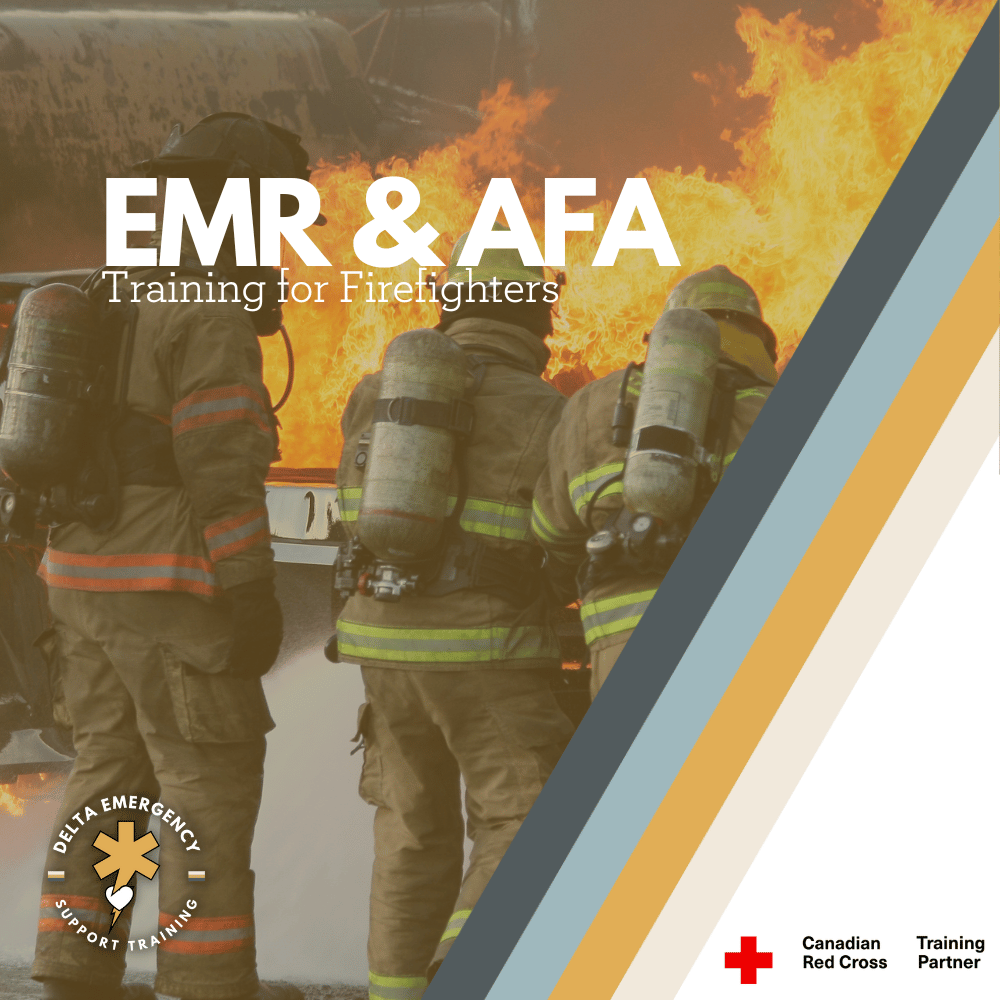
Looking to become a firefighter in Alberta? Delta Emergency Support Training provides top-tier EMR and AFA coursesto help you meet the medical prerequisites for fire departments. With hands-on learning from experienced paramedics and firefighters, you’ll leave our courses feeling confident and ready for any emergency response role
Take Your First Step Toward Becoming a Firefighter with Delta Emergency Support Training’s Advanced First Aid & Emergency Medical Responder Courses
Becoming a firefighter is a calling. It’s about being ready for any emergency and making critical decisions when lives are on the line. If you’re looking to join the ranks of Alberta’s fire departments, one key requirement is completing Advanced First Aid (AFA) training. At Delta Emergency Support Training, we offer Emergency Medical Responder (EMR) and Advanced First Aid (AFA) courses that go beyond the basics to help you build the skills you need to succeed in firefighting and emergency medical services.
We don’t just teach first aid, we create confident, well-rounded professionals. When you leave our course, you’ll not only meet the medical requirements but also feel fully prepared to handle emergencies in the real world.
Why EMR & AFA Training is Crucial for Aspiring Firefighters
To become a firefighter in Alberta, you need to meet specific medical training requirements. Our EMR and AFA coursesare designed to ensure you meet these requirements and walk away feeling confident in your ability to respond to any medical emergency.
Here’s why our training is crucial:
Essential for Firefighter Certification: Alberta fire departments, including Calgary Fire, Edmonton Fire, and others, require advanced first aid as part of the firefighter qualification process. Our EMR courses are built specifically to meet these requirements and provide you with the foundational knowledge and hands-on skills you need to excel.
In Demand Across Multiple Industries: While firefighting is our primary focus, EMRs are also in high demand in the oil and gas sector, construction, and other high-risk industries. Completing our course opens doors to a wide range of career opportunities, giving you the flexibility to work in various emergency response roles.
Real-World, Hands-On Training: In firefighting, every second counts. Our EMR and AFA courses are designed to give you more than just theoretical knowledge — you’ll get practical, real-world training. You’ll practice everything from patient assessment to trauma care and advanced life-saving techniques in realistic, high-pressure scenarios, so you’re prepared to face anything that comes your way.
Flexible Learning Options: We know life is busy. That’s why we offer flexible training options to suit your schedule. Whether you prefer in-person sessions for a more hands-on approach or hybrid learning for more flexibility, we’ve got you covered.
What You’ll Learn in Our EMR & AFA Courses
When you train with Delta Emergency Support Training, you’re not just learning techniques; you’re building the confidence to apply them in real emergencies. Our courses are structured to provide you with the skills needed to become a capable, confident medical professional. Here’s what you’ll learn:
Patient Assessment & Treatment: You’ll learn how to quickly and accurately assess a patient’s condition and determine the best course of action. From airway management to oxygen administration, you’ll be trained to provide high-quality care in a variety of medical and trauma situations.
Trauma & Medical Expertise: Our training covers essential skills like spinal injury management, using spinal boards, scoop stretchers, and KEDs (Kendrick Extrication Devices), as well as pelvic binding for trauma. You’ll also learn how to manage critical medical emergencies, giving you the knowledge to treat a wide range of injuries and illnesses.
Advanced Life-Saving Techniques: Our courses focus heavily on high-efficiency CPR, Basic Life Support (BLS), and advanced trauma care. You’ll also gain experience with tools like SAGER (Self-Adjusting Gurney Extrication) to stabilize and extricate patients effectively and safely.
Scene Safety & Scene Management: Firefighting and emergency medical care require you to work in chaotic, high-stress environments. We teach you how to assess and manage scenes safely, make critical decisions quickly, and always put your safety — and your patient's — first.
Instructor Expertise: Led by an experienced Critical Care Paramedic with 17 years of experience in EMS, including his work with STARS Air Ambulance, we provide top-notch training from instructors who have been in the field and understand exactly what you’ll face as a first responder.
What Sets Us Apart
At Delta Emergency Support Training, we’re not just about meeting certification requirements — we’re about making sure you walk away feeling like a confident, capable medical professional. We pride ourselves on giving you the skills and knowledge to excel in the field, and here’s what makes our training different:
Proven Success: Many of our students have gone on to secure positions with leading fire departments like Calgary Fire, Edmonton Fire, and beyond. Our high success rate speaks to the effectiveness of our training — and the caliber of professionals we help develop.
Hands-On, Practical Learning: Theory is important, but practical experience is what will make you excel in real-world situations. You’ll get plenty of hands-on practice with the techniques and tools you’ll use in the field, ensuring you leave our course feeling ready for anything.
Tailored to Your Career Path: Whether you’re focused on firefighting or exploring opportunities as a site medic in high-risk industries, we offer comprehensive training that prepares you for the specific demands of your role. We also provide bridge courses and refresher courses to keep your skills sharp throughout your career.
Support Every Step of the Way: We’re here to support you not just in the classroom, but throughout your career journey. Whether it’s job placement assistance, career advice, or industry connections, we’re committed to helping you take the next step in your emergency response career.
Flexible Payment Options: We understand the financial commitment involved in training. Ask about our payment plans and discounts for groups to make your education more accessible.
Start Your Journey Today
If you’re ready to take the next step in your firefighting career or want to gain valuable emergency medical skills, Delta Emergency Support Training is here to help. We’re committed to providing training that goes beyond certification — we want you to leave our courses feeling confident and prepared for any emergency.
Contact us today to learn more about our EMR and AFA courses, find the perfect class for your schedule, and start your journey toward becoming a capable, confident emergency medical responder.
How Babysitters Can Handle Emergencies: When to Call 911 and What to Do
Emergencies can happen unexpectedly, and as a babysitter, knowing how to respond quickly is essential. One of the most important skills is knowing when to call 911. Whether it’s a child choking, having a seizure, or becoming unconscious, your quick action could save a life. It’s crucial to always know the address of the home you’re babysitting at, as this information can help emergency responders reach you faster. Remember, better to call 911 and not need them than to not call and need them—911 call-takers are there to guide you through the process and ensure help arrives as quickly as possible. Stay calm, stay prepared, and always trust your instincts when it comes to emergencies.
Emergencies can happen at any time, and when you're babysitting, it’s important to know how to respond quickly. Whether you're watching kids at home, looking after younger siblings, or taking care of someone else’s children, you have to be prepared for anything. Knowing when and how to call 911 is especially important because your quick action could save a life.
In this blog, we'll talk about common emergencies, how to stay calm, and why knowing your address and how to call 911 is so critical.
Why It’s So Important to Know How to Call 911
As a babysitter, you might be the first person to handle an emergency. If something happens—a child gets hurt, gets sick, or something else goes wrong—you might need to call 911 for help.
One of the most important things to remember when calling 911 is knowing where you are. If you can’t tell the dispatcher your address, it can delay help. That means it’s crucial to always know the address of the home where you’re babysitting, including the apartment number if applicable. Make sure you have this info handy in case you need it quickly!
When to Call 911: What Counts as an Emergency?
Some situations can be handled with basic first aid, but others are more serious and require immediate help. Here are some examples of when you need to call 911 without hesitation:
1. The Child is Unconscious or Not Responding
If the child or anyone you’re caring for becomes unresponsive, it’s a big emergency. If they’re not waking up, won’t talk, or are just unresponsive, you need to get help right away.
What to Do:
Check if the child is breathing. If they are not breathing or are gasping, call 911 immediately. If you're trained in CPR, you may be able to help the child before emergency responders arrive.
If they are breathing but still unconscious, gently lay them on their side (recovery position) and call 911 right away.
2. Serious Bleeding
If the child has a large cut or wound that won’t stop bleeding, that’s a serious emergency. You need to stop the bleeding and get help right away.
What to Do:
Apply a clean cloth or bandage to the wound and press down to stop the bleeding.
If the wound is really deep, or you can’t stop the bleeding, call 911 and keep pressure on the wound until help arrives.
3. Choking
Choking is a life-threatening emergency, especially if the child can’t breathe or speak. If you are trained in back blows and abdominal thrusts, you should perform these techniques as you were taught. If the child becomes unconscious, you should immediately call 911.
What to Do:
If you are trained in abdominal thrusts and back blows (to help expel the object blocking their airway), perform these techniques as you’ve been taught.
If the child becomes unconscious, call 911 immediately. If you are trained to save a choking person, you have a good chance of saving them.
Keep performing your life-saving techniques until the child can breathe or emergency help arrives.
4. Severe Allergic Reaction (Anaphylaxis)
Severe allergic reactions (also known as anaphylaxis) can cause swelling in the throat and make breathing difficult. Common triggers include bee stings, food allergies (like peanuts), or certain medications.
What to Do:
If the child has an epinephrine auto-injector (EpiPen), use it right away.
Then, call 911 immediately to get professional help.
5. Seizures
If the child has a seizure, especially if they’ve never had one before, you should call 911. This is important because first-time seizures can be a sign of something serious, and even if the seizure doesn’t last long, it’s better to get medical help.
What to Do:
Move objects out of the way to prevent injury.
Gently cushion their head and lay them on their side if possible.
If the child has never had a seizure before, or if it lasts more than a minute, call 911 right away.
6. Trouble Breathing or Chest Pain
If the child is having trouble breathing, or complains of chest pain, these could be signs of a serious medical condition like a heart attack or a severe asthma attack.
What to Do:
Help them sit up and stay calm.
If they have an inhaler, help them use it.
If they are still having trouble breathing or in pain, call 911 immediately.
How to Call 911: What You Need to Tell Them
When you call 911, it’s important to speak clearly and calmly. Here’s what to do:
1. Know Your Address
You must know the address where you're babysitting, including the street name, apartment number (if applicable), and any nearby landmarks. Make sure you have this info written down or memorized before the emergency happens so you can give it to 911 right away.
2. Speak Clearly
When you’re panicked, it can be hard to talk clearly. Take a deep breath, stay calm, and explain what’s going on as best as you can. Tell the dispatcher the emergency, the condition of the child, and the address where help is needed.
3. Describe the Situation
Tell the dispatcher what happened and the child’s condition. For example:
“The child is unconscious and not breathing.”
“They’re choking on food and can’t breathe.”
4. Follow the Dispatcher’s Instructions
The dispatcher might give you advice on what to do while you wait for emergency help to arrive. Listen carefully and do your best to follow their instructions.
5. Stay on the Line
Don't hang up until the dispatcher tells you it's okay. They may need more information or updates as emergency responders get closer.
When in Doubt, Call 911
If you're ever unsure whether something is an emergency, it’s always better to call 911. Better to call and not need them than to not call and need them. 911 call-takers are there to help and guide you through the situation. They won’t judge you for calling and are trained to assist you no matter what the emergency is. Trust your instincts—if you feel the child’s health or safety is at risk, don’t hesitate to call for professional help.
Conclusion: Be Prepared, Stay Calm, and Get Help
Babysitting comes with a lot of responsibility. Emergencies can happen quickly, but being prepared can make all the difference. The key is staying calm, knowing when to call 911, and having the information you need to guide emergency responders.
At Delta Emergency Support Training, we offer Red Cross Babysitting courses that cover all the important topics you need to be ready for anything. Our course is taught by paramedics and includes one session on caring for babies and another session dedicated to babysitter first aid, where you’ll learn life-saving techniques like CPR, how to handle injuries, and what to do in different emergency situations. You’ll leave our course with the skills and confidence to handle any emergency that comes your way.
Winter Driving: Tips for First Responders and Everyday Drivers
Winter driving poses unique challenges, especially for future firefighters and first responders. From hidden black ice to snow-covered roads, understanding the risks and knowing how to prepare your vehicle are essential for staying safe on the road. In this blog, we’ll cover key winter driving hazards, share essential tips for safe navigation in harsh conditions, and provide guidance on vehicle maintenance to ensure you're always ready—whether you're heading to an emergency or simply commuting. Stay prepared, stay safe, and learn how to handle winter weather like a pro.
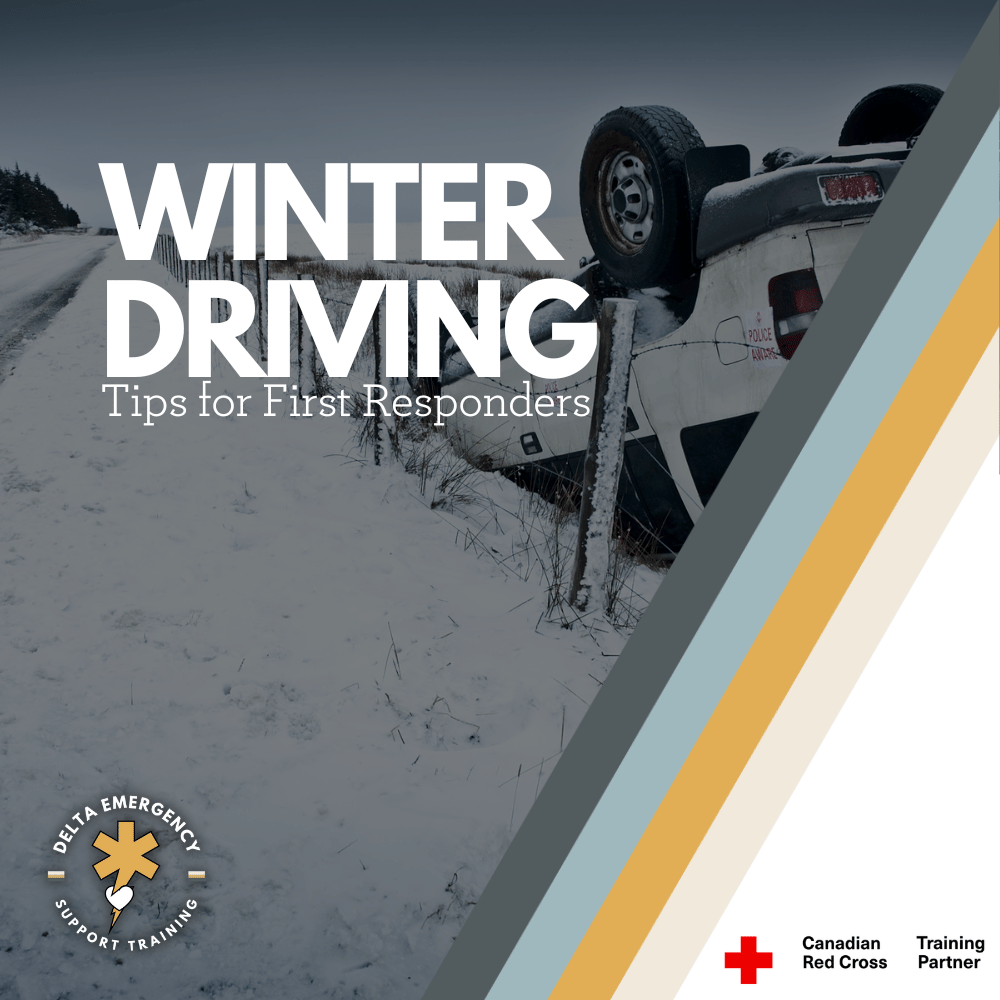
Winter Driving Tips for Future First Responders: Stay Safe and Prepared in Harsh Conditions
Overturned vehicle from driving in icy winter conditions
Winter driving can be treacherous, especially when you’re out on the road in snowy, icy conditions. As a future firefighter, paramedic, or emergency responder, it’s crucial to understand how these winter weather hazards can impact your ability to drive safely and respond effectively in an emergency. Whether you're heading to a call or navigating daily commutes, this guide will provide you with the knowledge and practical tips you need to stay safe during the winter months.
1. Understanding the Risks of Black Ice
Black ice is one of the most insidious dangers of winter driving. It forms when moisture freezes on the road surface, creating a nearly invisible layer of ice that can cause vehicles to lose traction unexpectedly. Black ice is most commonly found on bridges, overpasses, and shaded parts of the road. For first responders, who may need to drive in these conditions during urgent situations, it’s vital to recognize the signs of black ice and respond accordingly.
What to Watch Out For:
Bridges and Overpasses: These areas freeze more quickly than regular roads due to their exposure to the air above and below.
Shaded Areas: Roads that are shaded by trees, buildings, or mountains are more likely to have black ice, especially early in the morning or after sunset.
Intersections and Curves: These areas are more prone to slick conditions as the traffic flow can prevent melting during the day.
How to Drive on Black Ice:
Slow Down: Reduce your speed when driving on bridges, overpasses, or during the early morning hours.
Gentle Maneuvers: Avoid quick or sharp turns. Steer gently if you begin to slide.
Keep a Safe Distance: Maintain extra space between your vehicle and others, as it can take longer to stop on icy surfaces.
2. Snow and Slippery Road Conditions
Snow accumulation not only reduces visibility, but it can also make roads slippery, increasing the likelihood of losing control of your vehicle. Thick snowdrifts and patches of snow can obscure lane markings, making it difficult to navigate the road properly. For firefighters and other emergency personnel, this is particularly hazardous, as getting stuck in the snow or skidding off the road can delay emergency responses.
What to Watch Out For:
Snowdrifts: These can accumulate quickly, especially on less-traveled roads.
Hidden Potholes: Snow can cover potholes, creating unexpected hazards beneath the snow’s surface.
Lack of Lane Visibility: Snow accumulation can hide lane markings, making it difficult to stay in your lane.
Winter Driving Tips for Snowy Roads:
Drive Below the Speed Limit: Adapt your speed to the road conditions, not the posted speed limit. Keep your distance from other vehicles, as stopping distances will be much longer.
Increase Visibility: Use your headlights during snowfall to make sure other drivers can see you. Avoid high beams, which can reflect off the snow and reduce your visibility.
Stay in Tracks: If driving in heavy snow, try to drive in the tracks of other vehicles to avoid becoming stuck in deep snow.
3. Cold Weather and Vehicle Maintenance
Winter driving isn’t just about adjusting your behavior on the road; it’s also about ensuring your vehicle is properly prepared for the cold conditions. The freezing temperatures of winter can cause issues that make your vehicle more susceptible to mechanical failure or an accident. For first responders, this can lead to delays or even dangerous breakdowns.
Winter Vehicle Checklist:
Check Tire Pressure and Tread: Cold temperatures cause tire pressure to drop. Check your tire pressure regularly, and ensure that your tires have sufficient tread to maintain grip on icy or snow-covered roads.
Battery Health: Batteries lose power in cold weather, so test your battery before winter sets in. Consider replacing older batteries that might fail in the cold.
Engine Fluids: Ensure your vehicle is filled with winter-grade oil and coolant. The correct engine fluid prevents freezing and ensures proper functioning.
Windshield Wipers: Replace windshield wipers if they are worn. Stock up on windshield washer fluid that won’t freeze at low temperatures, ensuring good visibility in snowy conditions.
Emergency Kit Essentials:
Blankets and Warm Clothing: In case of a breakdown or emergency situation, having extra clothing and thermal blankets in your vehicle can be lifesaving.
First Aid Kit: Always carry a basic first aid kit, including bandages, antiseptic wipes, and gloves, for addressing minor injuries on the go.
Food and Water: Pack non-perishable snacks and bottled water, especially if you're traveling long distances or to remote areas.
4. Responding to Accidents in Winter Conditions
As a future first responder, you may need to respond to emergency calls involving accidents on snowy or icy roads. It's crucial to stay aware of the unique dangers that come with operating in these environments, both for your safety and the safety of the victims.
Hazards to Be Aware Of:
Additional Collisions: If the road is icy, there’s a higher likelihood of secondary accidents, so always approach accident scenes cautiously.
Cold Weather Injuries: Accidents involving cold temperatures can cause hypothermia, frostbite, or other cold-related injuries, especially if victims are exposed to the elements for long periods.
Limited Access: Snow and ice can make it difficult to reach accident scenes or maneuver vehicles into position for a rescue. Be prepared for delays or challenging access.
Tips for First Responders:
Slow Approach: Always slow down as you approach the scene of an accident, and be mindful of other vehicles on the road.
Road Safety: Set up safety cones or warning lights to alert other drivers and prevent further collisions.
Protect Victims: If the victims are in cold conditions, prioritize keeping them warm with blankets or by moving them to a safer location away from the elements.
5. Stay Prepared for Winter Emergencies
The unpredictable nature of winter weather means that being prepared is more important than ever. Having an emergency kit, knowing how to handle various road conditions, and understanding the importance of vehicle maintenance can make a huge difference in staying safe.
Winter Emergency Kit Checklist:
Jumper cables and portable power banks
Flashlight with extra batteries
Shovel, sand, or kitty litter (for traction if you’re stuck)
Thermal blankets and extra gloves/hats
Non-perishable snacks and water
Basic first aid supplies
Conclusion: Be Prepared and Drive Safely This Winter
Winter driving conditions can be dangerous, especially for first responders who need to travel quickly and efficiently to emergencies. By understanding the hazards posed by snow, ice, and freezing temperatures, and by taking proactive steps to maintain your vehicle and adjust your driving behavior, you can reduce the risks associated with winter driving.
For future firefighters and first responders, staying prepared means more than just understanding emergency procedures—it also means staying safe on the road. Drive carefully, maintain your vehicle, and always be prepared for the unexpected.
Emergency Go Bag: Essentials for Every Season
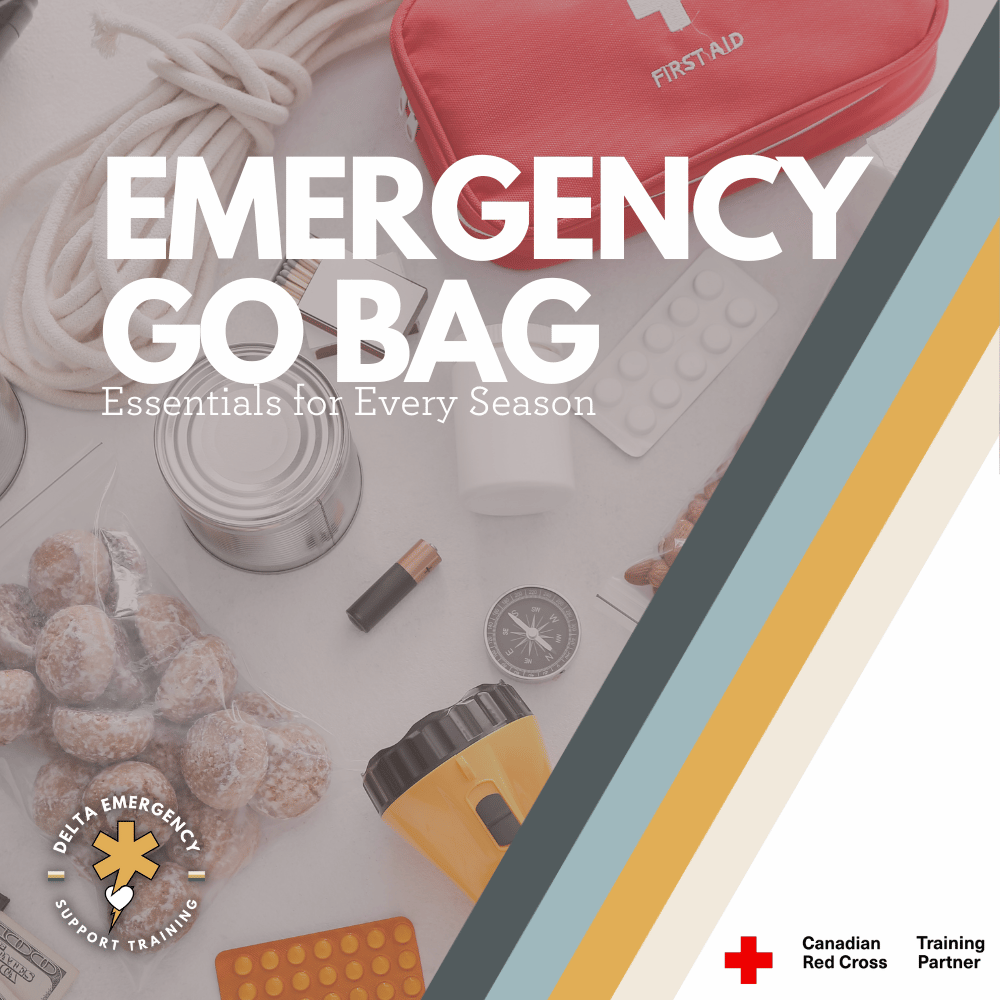
In uncertain times, having a well-prepared go bag can be a lifesaver. Emergencies like natural disasters, power outages, or sudden evacuations can strike without warning, necessitating swift action to ensure the safety and well-being of yourself and your loved ones. Learn what to pack and how to stay ready with our detailed checklist.
In uncertain times, having a well-prepared go bag can be a lifesaver. Emergencies like natural disasters, power outages, or sudden evacuations can strike without warning, necessitating swift action to ensure the safety and well-being of yourself and your loved ones. A go bag is a carefully curated collection of essential items tailored to your specific needs and circumstances, providing you with the necessary resources to navigate challenging situations with confidence. In the event of an emergency that requires evacuation, everyone in your household should have a Go Bag packed and ready to go. Your Go Bag should be a sturdy and easy-to-carry backpack or duffle bag containing things you would want to have with you if you have to leave in a hurry.
Specific Evacuation Scenarios
Fire Evacuation:
In the event of a wildfire or structural fire, evacuation may be necessary to ensure safety. Pack your go bag if authorities issue evacuation orders or if you perceive imminent danger.
Be prepared to leave immediately and follow designated evacuation routes. Prioritize safety over belongings and adhere to instructions from emergency responders.
Tornado Warning:
During a tornado warning, seek shelter in a sturdy building or designated tornado shelter. If evacuation is advised due to the severity of the storm, grab your go bag and proceed to the nearest safe location.
Monitor weather alerts and heed evacuation orders from local authorities to minimize the risk of injury or loss of life.
Flooding:
In flood-prone areas, be vigilant for flood warnings or flash flood alerts. If evacuation becomes necessary due to rising waters or compromised infrastructure, secure your go bag and evacuate to higher ground.
Avoid driving through flooded areas, as water depth and currents can be deceptive and pose significant hazards to both occupants and vehicles.
Core Essentials
Water:
Carry at least one gallon of water per person per day for drinking and sanitation purposes. Dehydration is a significant risk during emergencies, especially in situations where access to clean water may be compromised.
Consider portable water purification tablets or filters for additional water sources, ensuring access to safe drinking water even in challenging conditions.
Food:
Pack a 3-day supply of non-perishable, high-energy foods such as granola bars, canned goods, and dried fruits. These items provide sustenance without requiring refrigeration or cooking, essential during prolonged periods away from home.
Include a manual can opener and utensils for food consumption, ensuring you can access canned goods without difficulty even in the absence of electricity.
Medication and First Aid Supplies:
Gather a sufficient supply of prescription medications and over-the-counter remedies, ensuring you have an ample stock to last through any potential disruption in access to healthcare services.
Include a comprehensive first aid kit containing bandages, antiseptic wipes, pain relievers, and any personal medical supplies specific to your household's needs. Injuries and illnesses can occur unexpectedly, making prompt medical attention critical.
Clothing:
Rotate clothing based on seasonal needs, including sturdy shoes, socks, and weather-appropriate outerwear. Hypothermia and heat-related illnesses are significant concerns during emergencies, necessitating proper attire for protection.
Pack spare underwear and comfortable layers for extended periods away from home, prioritizing moisture-wicking materials to manage sweat and maintain comfort in fluctuating temperatures.
Additional Essentials
Flashlight and Batteries:
Include a reliable flashlight with extra batteries to provide illumination in dark or low-light conditions.
Whistle:
Carry a whistle to attract attention and signal for help in case of emergencies, especially if you become trapped or injured.
Dust Mask:
Protect yourself from airborne particles and contaminants with a dust mask, essential for situations involving smoke, dust, or debris.
Local Maps:
Keep local maps in your go bag to navigate unfamiliar areas or evacuation routes, especially if GPS or electronic devices are unavailable.
Manual Can Opener:
Ensure access to canned food supplies with a manual can opener, as electricity may be unavailable during emergencies.
Battery-Powered or Hand-Cranked Radio:
Stay informed about emergency updates and developments with a battery-powered or hand-cranked radio, providing access to news and information even in the absence of electricity.
Entertainment for Children:
Include books, games, puzzles, or other activities for children to help keep them occupied and alleviate stress during evacuation or sheltering.
Conclusion:
A well-prepared go bag tailored to your specific needs and environment can provide peace of mind during emergencies. By including core essentials like water, food, medication, and clothing, along with consideration of specific evacuation scenarios and additional essentials, you can ensure readiness for any situation. Remember to periodically review and update your go bag to maintain its effectiveness. Stay safe, stay prepared!
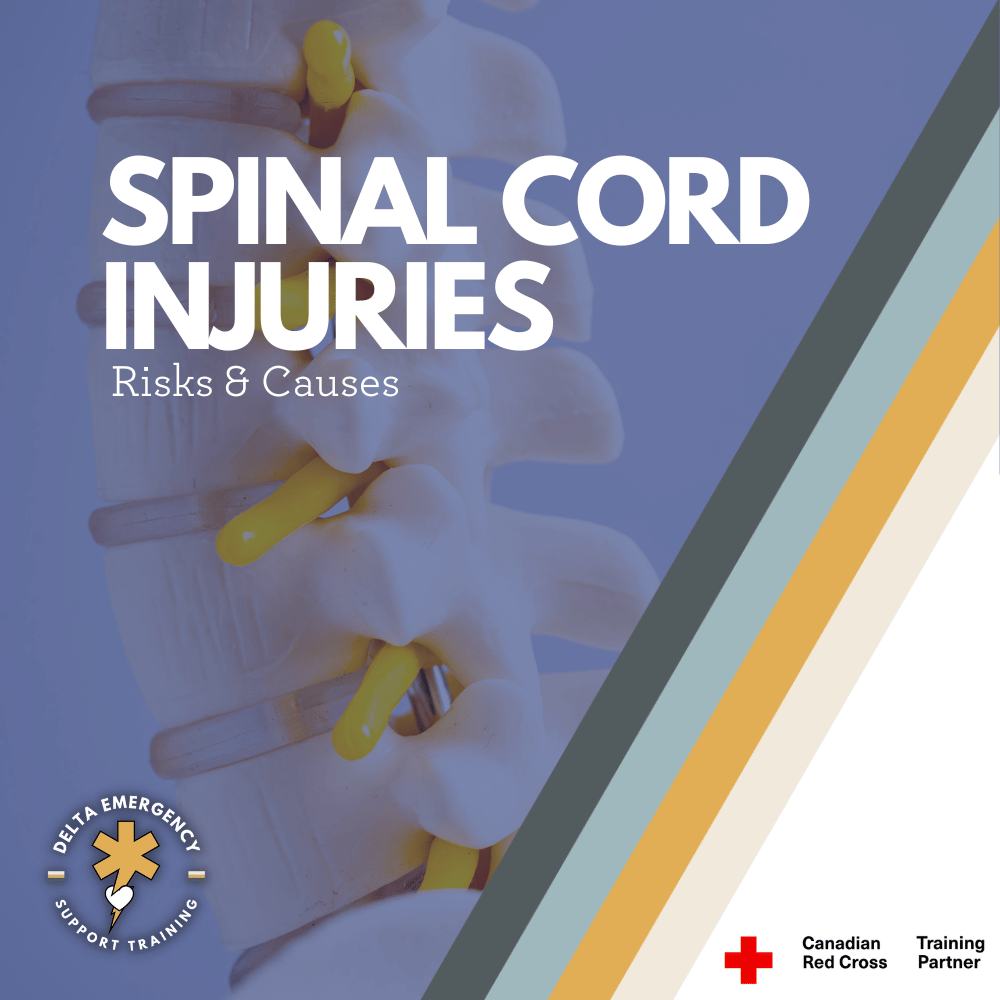
Spinal Cord Injuries: Risks, Causes, and Implications
The spinal cord serves as the central pathway for transmitting signals between the brain and the body, regulating movement, sensation, and autonomic functions. Damage to the spinal cord disrupts these essential functions, leading to impairments. Certain factors increase the likelihood of SCIs, including traumatic incidents like motor vehicle accidents and falls. Underlying medical conditions such as spondylitis, scoliosis, and spinal tumors can also predispose individuals to spinal cord injuries. Understanding these factors informs preventive measures, timely interventions, and rehabilitation strategies, optimizing outcomes for those affected.
Spinal cord injuries (SCIs) represent a significant challenge in the medical landscape, with far-reaching impacts on physical, emotional, and social well-being. While traumatic incidents such as accidents and falls are common causes, various underlying medical conditions can also predispose individuals to spinal cord injuries. In this comprehensive medical blog, we delve into the intricacies of SCIs, identifying who is at risk, what factors increase susceptibility, and the implications for affected individuals, including those with conditions like spondylitis, scoliosis, and others.
Anatomy and Function of the Spinal Cord
The spinal cord serves as the central pathway for transmitting signals between the brain and the rest of the body, regulating movement, sensation, and autonomic functions. Encased within the vertebral column, it consists of nerve fibers and tissues crucial for relaying sensory information and coordinating motor responses. Damage to the spinal cord disrupts these essential functions, leading to a spectrum of impairments depending on the severity and location of the injury.
Risk Factors for Spinal Cord Injuries
While SCIs can occur in anyone, certain factors increase the likelihood of sustaining such injuries:
Traumatic Incidents: Motor vehicle accidents, falls, sports-related injuries, and acts of violence are common causes of traumatic SCIs. Engaging in high-risk behaviors, such as reckless driving or participation in contact sports without proper protective gear, elevates the risk.
Age: Young adults between the ages of 16 and 30 are more susceptible to traumatic SCIs due to engaging in risky behaviors. Conversely, individuals aged 65 and older face an increased risk of SCIs resulting from falls, often due to age-related declines in balance and mobility.
Existing Medical Conditions: Certain medical conditions affecting the spine can predispose individuals to spinal cord injuries:
Spondylitis: An inflammatory condition affecting the vertebrae, spondylitis can weaken the spinal column, increasing susceptibility to injury.
Scoliosis: Abnormal curvature of the spine, such as scoliosis, can alter spinal alignment and increase the risk of spinal cord compression or injury.
Degenerative Disc Disease: The natural aging process can lead to degeneration of spinal discs, compromising the stability of the spine and contributing to SCI risk.
Spinal Tumors: Benign or malignant tumors in the spinal cord or surrounding tissues can exert pressure on the spinal cord, leading to compression and potential injury.
Alcohol and Substance Abuse: Alcohol consumption and substance abuse contribute to a significant proportion of traumatic SCIs, impairing judgment and coordination and increasing the likelihood of accidents.
Complications and Implications
Spinal cord injuries can lead to a myriad of complications and long-term implications, including paralysis, bladder and bowel dysfunction, respiratory complications, and psychological and social impact. Prevention and management strategies encompass education, injury prevention measures, timely medical intervention, and comprehensive rehabilitation programs.
Conclusion
By understanding the diverse array of risk factors, causes, and implications associated with spinal cord injuries, healthcare professionals can tailor preventive measures, interventions, and rehabilitation strategies to address the specific needs of individuals at risk or affected by SCIs. Through ongoing research, education, and multidisciplinary collaboration, we strive to mitigate the impact of SCIs and enhance the quality of life for those affected by these injuries, including those with underlying medical conditions affecting the spine.

