The Delta Dispatch

What It Means to Be a First Responder: A Lifelong Commitment to Service, Compassion, and Community

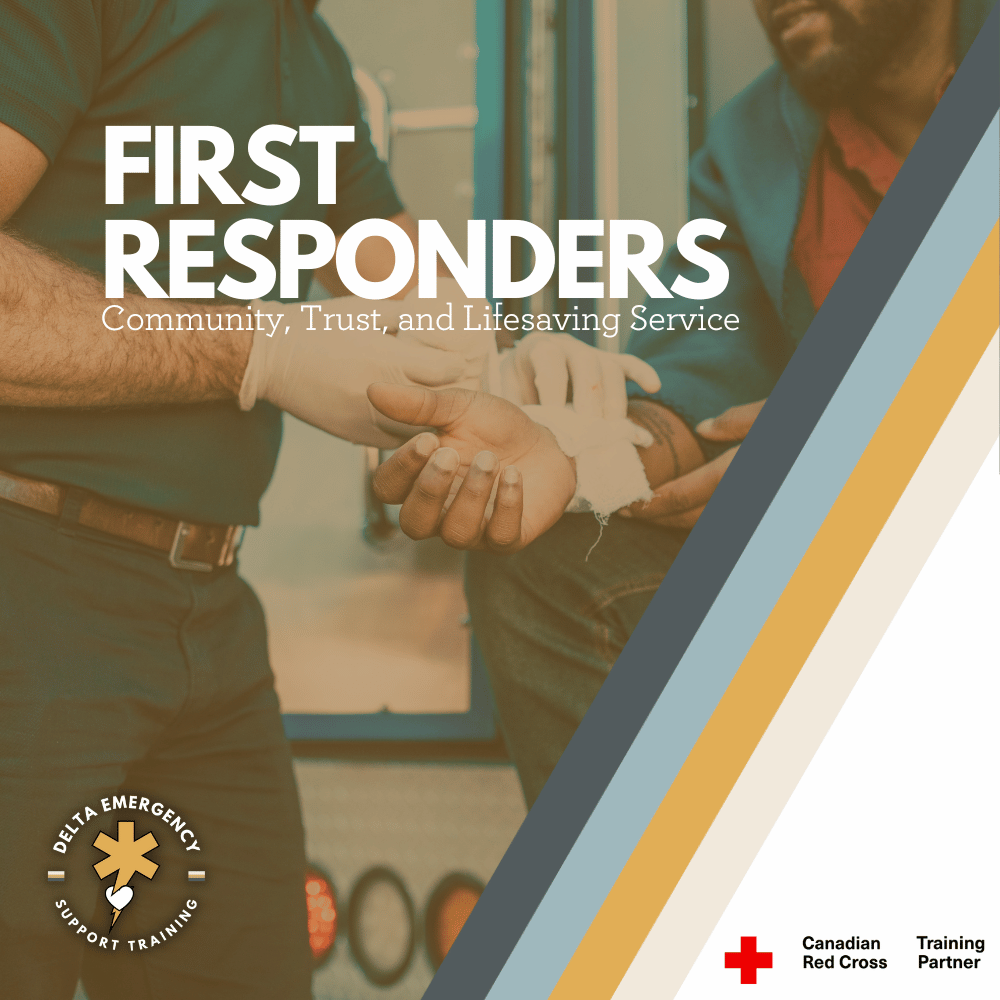
Being a first responder is a calling to serve your community during times of crisis. It's about earning the trust of the people you help, offering support during their worst days, and making life-saving decisions under pressure. In this blog, we explore the profound responsibility and emotional commitment that comes with being a first responder, and how these professionals are the heart of their communities.

What It Means to Be a First Responder: A Commitment to Service, Compassion, and Community

Being a first responder is much more than a job—it’s a calling. It’s about showing up for people when they need it the most, often on their worst day, and providing the care, support, and attention they need during a crisis. Whether you’re an EMR, paramedic, firefighter, or law enforcement officer, first responders are the first line of defense in emergencies, and their impact on the community is immeasurable.

In this blog, we’ll explore what it truly means to be a first responder, the deep responsibility that comes with the role, and how first responders are integral to the communities they serve.

Being Part of the Community

First responders are the heart and soul of the communities they serve. They are often the first people to arrive during times of need—whether it’s a medical emergency, a natural disaster, or a traumatic accident. But it’s not just about responding to emergencies; being a first responder means being present, accountable, and connected to the people you serve.

As a first responder, you’re not just a worker or a service provider; you are a trusted member of the community. People rely on you when they’re facing their toughest moments. That trust is something you work hard to earn and carry with you throughout your career. Your role is about providing both expert care and human compassion when it matters most.

The Trust of the Community

As a first responder, you hold the trust of the people you serve. This trust is built over time, often during moments of crisis, when your skills, calm demeanor, and ability to act swiftly can make the difference between life and death.

When someone calls 911, they are not just asking for help—they are placing their trust in your hands. They trust that you will handle the situation with expertise, compassion, and efficiency, no matter how chaotic or intense it may be. You have their trust in your ability to make the right decisions, stay calm under pressure, and act swiftly and decisively.

This trust extends beyond the patient to their families and loved ones. When you arrive at a scene, whether it’s a car accident, heart attack, or house fire, families rely on you to provide care, comfort, and clear communication. For many, you are the first face of help and hope in an otherwise overwhelming situation.

Helping People on Their Worst Days

One of the most profound aspects of being a first responder is being present for people during their worst days. Whether it’s the aftermath of an accident, a sudden medical emergency, or a devastating natural disaster, first responders are there to provide critical care, emotional support, and reassurance.

In these high-stress moments, first responders do more than just diagnose and treat injuries. They offer emotional care, providing comfort to patients and their families who may be in shock, fear, or despair. Sometimes, a few comforting words or simply holding someone's hand can make all the difference when everything feels uncertain.

Your role goes beyond just providing medical care—it’s about offering people a sense of safety and stability when they are at their most vulnerable. You are there to reassure them, guide them through the trauma, and do everything possible to ease their pain and suffering.

Being a Medical Professional with a Unique Role

First responders are highly trained medical professionals, but what sets them apart is the environment in which they work. Unlike hospital settings, where resources are readily available, first responders work in high-pressure, fast-paced environments, often with limited equipment and time.

First responders must be prepared to make life-or-death decisions in the field, with limited support. Whether it’s providing CPR, stabilizing a critical patient, or managing complex trauma, the skills and knowledge you apply in these moments can save lives. Every decision you make counts, and the ability to stay calm, focused, and clear-headed is vital.

But it’s not just about technical skills—it’s about empathy, too. Being able to connect with patients, their families, and your team members in moments of intense stress requires compassion, active listening, and emotional intelligence. This balance of medical expertise and human connection is what makes a first responder truly exceptional.

Facing Challenges: The Emotional Side of the Job

While the privilege of helping others is a core aspect of being a first responder, there is an emotional toll that comes with it. First responders often witness situations that are traumatic—severe injuries, death, suffering, and emotional pain. Over time, these experiences can build up and affect mental health.

That’s why it’s critical for first responders to prioritize their own mental health. Support systems within teams, including colleagues, supervisors, and mental health professionals, are essential. Many agencies now provide resources and counseling for first responders to help them process the challenges of their role and prevent burnout.

Self-care and mental well-being are just as important as physical health when it comes to sustaining a long and healthy career in emergency services.

A Lifelong Commitment to Service

Being a first responder is a commitment that goes beyond the uniform or the hours worked. It’s a commitment to serve your community, to always be ready when someone needs you, and to carry the responsibility of life-saving decisionsevery day.

It’s a commitment to resilience, empathy, and duty, knowing that your role is essential in preserving life and well-being. Being a first responder is not just about responding to emergencies—it’s about making a difference, one person at a time.

At Delta Emergency, we understand the responsibility of being a first responder, and we’re here to equip you with the training and knowledge you need to rise to the challenge. Our team of experienced paramedics provides hands-on, real-life training so you can be prepared for anything. We don’t just teach skills; we prepare you for the moments when it counts the most.

Read More

Elevating Emergency Response: The Canadian Red Cross Emergency Care for Professional Responders Textbook

The "Canadian Red Cross: Emergency Care for Professional Responders" textbook is a must-have resource for those working in high-pressure environments like emergency medical services, firefighting, and law enforcement. Packed with in-depth medical content and real-world scenarios, this guide equips professionals with the advanced skills needed to handle critical emergencies effectively. Whether you're performing airway management or assessing trauma, this textbook ensures you're ready to respond with confidence in any situation.

Advanced First Aid Knowledge for Those Who Face the Most Demanding Situations

In the fast-paced world of emergency medical services, having the right knowledge can make the difference between life and death. The "Canadian Red Cross: Emergency Care for Professional Responders" textbook is specifically designed for individuals who operate in high-stakes environments where advanced first aid and emergency care are required. This textbook is an indispensable resource for firefighters, police officers, lifeguards, and advanced first aid personnel.

Depth of Medical Content

This textbook dives deep into the complex and critical conditions that professional responders encounter. With chapters written by experts in emergency care, the content covers a broad spectrum of medical emergencies, from trauma to acute medical conditions, providing detailed procedures for each. This comprehensive approach ensures that responders have the depth of knowledge necessary to make informed decisions quickly.

Real-World Scenarios and Techniques

One of the standout features of this guide is its emphasis on practical, real-world application. It includes:

  • Detailed scenario-based training examples that simulate actual emergency situations.

  • Step-by-step guides for advanced techniques such as airway management, support for spinal injuries, and emergency childbirth.

  • Best practices for scene management and patient assessment to ensure effective and efficient care.

These elements are designed to prepare responders not just to perform their duties, but to excel in their roles with confidence and competence.

Tailored for Professional Use

Each section of the textbook is tailored to the needs of professional responders, with considerations for the challenges they face in the field. The material is not only comprehensive but also accessible, with clear diagrams, quick-reference tables, and bullet points that make crucial information easy to locate and recall under pressure.

Why Choose This Textbook?

  • Expertise: Authored by leading medical professionals with extensive experience in emergency response.

  • Relevance: Updated regularly to include the latest techniques and best practices in emergency medical care.

  • Durability: Manufactured to withstand the rigors of field use, ensuring reliability when it’s needed most.

Conclusion

For those in demanding and critical roles, the Canadian Red Cross Emergency Care for Professional Responders textbook is more than just a learning tool—it's a crucial ally in the field. By integrating this textbook into your training program, you ensure that your team is equipped with the knowledge and skills to handle complex emergencies effectively.

Elevate your professional response capabilities today by obtaining your copy from Delta Emergency Support Training at Delta Emergency Support Training. Equip your team with the knowledge that saves lives, enhances safety, and ensures that when the call comes, you are ready to respond with the best care possible.

Read More