The Delta Dispatch
Overcoming the Bystander Effect: How to Encourage Action in Emergencies
Even when help is needed most, many people hesitate to act. The bystander effect explains why witnesses freeze during emergencies, but simple strategies, like assigning tasks, giving clear instructions, and staying calm can empower anyone to make a difference.
Emergencies can happen anywhere—on the street, at home, or even at work. Yet, despite being physically present, many people fail to act when someone needs help. This phenomenon, known as the bystander effect, can mean the difference between life and death. Understanding why it happens and how to empower witnesses is critical for building safer communities.
At Delta Emergency Support Training, we focus on equipping both first responders and everyday people with the knowledge and confidence to act when it matters most.
What Is the Bystander Effect?
The bystander effect occurs when individuals are less likely to help someone in need because others are present. The presence of other witnesses can create diffusion of responsibility, where everyone assumes someone else will step in.
Common psychological reasons include:
Diffusion of responsibility: “Someone else will call 911.”
Fear of doing harm: Worry about making the situation worse.
Social influence: Looking at others to see how they react.
Evaluation apprehension: Fear of judgment if they act incorrectly.
Canadian Statistics on the Bystander Effect
According to a 2022 survey by the Canadian Red Cross, over 40% of Canadians have witnessed a medical emergency but did not intervene.
Studies show that in public settings, only 1 in 3 people will offer assistance during emergencies if others are present.
Time is critical: In cardiac arrests, survival decreases by 7–10% per minute without intervention, making bystander action essential.
Why People Freeze
People don’t always refuse to help out of selfishness—they freeze due to a combination of fear, uncertainty, and social cues. Examples include:
Witnessing someone collapse in a crowd and assuming another bystander has already called for help.
Seeing a car accident and being unsure whether it’s safe to approach.
Feeling overwhelmed by the severity of the situation.
Understanding these psychological barriers is the first step in overcoming them.
How to Encourage Action
Assign Responsibility
If you see an emergency, point to someone specifically and instruct them to call 911 or get help.
Example: “You in the red jacket, call 911 and get a first aid kit!”
Provide Clear Instructions
Direct instructions reduce hesitation and increase confidence.
Telling someone exactly what to do—“Check for breathing,” “Begin CPR”—reduces uncertainty.
Model Calm Leadership
Calm, confident action encourages others to help rather than freeze.
Speak clearly and remain composed to inspire others to step in.
Educate Communities
Promote first aid and CPR training for the public.
Awareness campaigns and workshops increase willingness to act.
Normalize Small Actions
Even simple actions—calling 911, providing basic first aid, or comforting the patient—can save lives.
Emphasize that any response is better than none.
The Role of First Aiders
First aiders are often the bridge between bystanders and professional care. By stepping in, first aiders not only provide life-saving support but also encourage others to assist safely, creating a ripple effect in emergencies.
Training in scene assessment, ABCs (airway, breathing, circulation), and communication ensures first aiders are confident, safe, and able to direct others effectively.
Final Thoughts
The bystander effect is a real psychological phenomenon—but it can be overcome. Understanding why people freeze, educating communities, and empowering witnesses to act are key steps in building safer environments. Every action counts. Every second matters.
At Delta Emergency Support Training, we teach Canadians how to respond with confidence, whether it’s performing first aid, calling for help, or guiding bystanders. Together, we can turn hesitation into lifesaving action.
The Chain of Survival: Your Role as a Trained First Aider
First aid isn’t just about bandages—it’s about recognizing emergencies, acting quickly, and providing care until professional help arrives. Explore the key responsibilities of a first aider and understand why these skills are essential for every workplace and community.
When someone collapses, chokes, or stops breathing, every second counts. Whether you're a parent, a coach, a security guard, or someone who’s recently completed your Standard First Aid certification, you are a vital link in what’s known as the Chain of Survival—a model that outlines the critical steps needed to give someone the best chance of survival in a life-threatening emergency.
This blog explores what the Chain of Survival is, how first aiders fit into it, and why quick, confident action truly saves lives.
🔗 What Is the Chain of Survival?
The Chain of Survival is a concept developed by the American Heart Association and supported by the Canadian Red Cross. It identifies five key links in responding to sudden cardiac arrest or other life-threatening emergencies:
Early recognition and activation of EMS (calling 911)
Early CPR with an emphasis on high-quality chest compressions
Rapid defibrillation (AED use)
Advanced resuscitation by paramedics or emergency healthcare professionals
Post-cardiac arrest care at the hospital
🧠 Why the First Three Links Depend on You
Before paramedics arrive, the first three links are in your hands. This is where Standard First Aid and CPR trainingcomes in.
✅ 1. Early Recognition & Calling 911
You are the first person on scene—whether at home, at work, or in a public space. Recognizing when something is wrong (unresponsiveness, abnormal breathing, signs of a stroke or heart attack) and calling 911 starts the entire chain. Don’t wait. Early recognition can prevent the situation from getting worse.
✅ 2. Early CPR
If the person is not breathing or has no pulse, you need to start CPR immediately. High-quality chest compressions maintain blood flow to the brain and organs, buying time until help arrives. Studies show that bystander CPR can double or triple a person's chances of survival.
✅ 3. Early Defibrillation
An AED (automated external defibrillator) can shock the heart back into a normal rhythm. These are often available in schools, gyms, offices, and malls. Your Standard First Aid training gives you the confidence to use one correctly—and without hesitation.
🚑 Where EMS and Hospitals Take Over
Once paramedics arrive, they begin advanced care: administering medications, airway management, and transport to the hospital. But without your initial response—those first few minutes—their efforts may come too late. Survival rates drop 7–10% for every minute defibrillation is delayed. That’s why your actions matter so much.
👣 Your Role as a Trained First Aider
By taking a Red Cross Standard First Aid course, you’ve become more than just a witness to emergencies—you’ve become someone who can act. You’ve learned to:
Assess the scene and ensure safety
Check for responsiveness and breathing
Call for help and provide clear information to dispatch
Start CPR and use an AED
Support someone through shock, bleeding, or trauma
Recognize and manage common medical emergencies
You’re not a bystander. You are the beginning of the Chain of Survival.
🛠️ Want to Be Even More Prepared?
Whether you’ve taken first aid before or are due for a recertification, refreshing your skills ensures you stay sharp and confident. At Delta Emergency Support Training in Calgary, Alberta, our first aid programs are taught by experienced paramedics and firefighters who know what it’s like to respond in real life.
Festival First Aid: How Fun Can Turn Dangerous Fast
Festivals are all about music, friends, and unforgettable moments — but fun can turn dangerous fast if you’re not prepared. From heat exhaustion and crowd surges to substance use and stranger risks, knowing the basics of festival first aid and safety can make the difference between a great time and a trip to the medical tent. Stay safe, look out for your friends, and keep the good vibes going all weekend long.
Summer festivals, concerts, and community events are some of the best ways to make memories — music, food, friends, and fun. But in the excitement of large crowds, it’s easy to forget that these environments can also pose unique safety risks. Medical emergencies at festivals can be more complicated than in everyday life: response times may be slower, exits can be blocked, and environmental factors like heat or alcohol can make situations worse.
The good news? With a little preparation and basic first aid know-how, you can help ensure the only thing you remember about your festival experience is the music — not the medical emergency.
Common Emergencies at Festivals
Large events come with specific risks. Some of the most common include:
Dehydration & Heat Illness – Long hours in the sun, dancing, alcohol, and limited shade create the perfect storm for dehydration, heat exhaustion, and heatstroke.
Crowd-Related Injuries – Falls, trampling, or being crushed in tightly packed spaces are real dangers, especially near main stages.
Alcohol & Substance Issues – Overuse can lead to fainting, confusion, altered consciousness, or overdose.
Minor Injuries – Blisters, sprains, burns (from fireworks, cooking, or campfires), and small cuts are common in outdoor environments.
Hearing Problems – Standing near speakers without protection can cause permanent hearing loss.
Prevention Is the Best First Aid
The easiest emergency to treat is the one that never happens. A few simple precautions can make all the difference:
Hydrate regularly — alternate alcohol or energy drinks with water.
Dress smart — sunscreen, hats, breathable clothing, and proper shoes.
Have a plan — choose a meeting spot in case you and your group get separated.
Locate safety resources — know where the exits and first aid tents are before you need them.
Pace yourself — festivals often last hours (or days). Take breaks, eat, and rest when you can.
Quick First Aid Tips You Should Know
If something does happen, here are a few ways you can help until professionals arrive:
Heat Emergencies → Move the person to shade, loosen tight clothing, offer small sips of water, and cool them with damp cloths.
Fainting → Lay the person flat, elevate their legs, and give them space to recover.
Bleeding → Apply firm, direct pressure with a clean cloth or bandage until bleeding slows.
Sprains → Rest the injury, apply ice if available, and use compression if you can.
Possible Overdose → Place the person on their side in the recovery position, monitor breathing, and get medical help immediately.
Crowd Safety: Protecting Yourself and Others
Being aware of your surroundings in large groups is just as important as knowing first aid.
Avoid being in the middle of dense crowds, stick to the sides for quicker exits.
Keep your phone charged and bring a portable battery pack.
Wear earplugs designed for concerts to prevent hearing damage.
Stay calm and move diagonally if you need to exit a packed area.
Trust your instincts — if a situation feels unsafe, leave early.
When to Call for Help
Never hesitate to seek professional medical attention at a festival. Call for help or alert staff if:
Someone is unconscious, seizing, or not breathing.
Severe bleeding doesn’t stop with direct pressure after 10 minutes.
You suspect heatstroke, heart attack, or overdose.
A person is in danger due to the density or movement of a crowd.
Final Note: Be Prepared Before You Go
Festivals are about fun, freedom, and community but staying safe should always be part of the plan. The best way to feel confident in a crowd is to know you’re prepared to help, not just yourself but others too.
Taking a First Aid or CPR course before attending major events is one of the smartest investments you can make. You never know when you might be the difference between a minor scare and a life-saving moment.
Venomous Snake Bites in Canada: What You Need to Know & Do - First Aid Edition
Venomous snake bites are rare in Canada—but when they happen, knowing how to respond is crucial. From identifying rattlesnakes to administering Red Cross-approved first aid, this guide covers everything you need to stay safe outdoors.
Canada isn’t typically known for dangerous reptiles, but if you hike in BC, camp in Ontario, or explore the Prairies, you might just encounter one of our country’s three venomous snakes. While bites are rare, understanding how to identify venomous snakes, how to respond safely, and what first aid steps to take is essential.
At Delta Emergency Support Training, we prepare Canadians for real-life emergencies—including those that happen far from a hospital. Here’s your complete guide to snake bite prevention, identification, and treatment.
🇨🇦 Venomous Snakes in Canada
Canada is home to three native venomous snake species, all of which are rattlesnakes:
1. Eastern Massasauga Rattlesnake
Location: Ontario (Bruce Peninsula, Georgian Bay, Muskoka)
Canada’s only venomous snake in the East
Generally shy and avoids humans
2. Prairie Rattlesnake
Location: Southern Alberta and parts of Saskatchewan
Found in dry grasslands and badlands
More active in warmer months
3. Western Rattlesnake
Location: Southern British Columbia, especially the Okanagan Valley
Prefers rocky terrain and dry slopes
🐾 How to Tell if a Snake is Venomous
While identifying a snake in the wild can be difficult, here are common traits of venomous rattlesnakes in Canada:
Triangular-shaped head
Vertical (slit-like) pupils
Thick body with blotchy patterns
A rattle on the tail (but sometimes broken or not used)
Shaking or buzzing sound when threatened
Be cautious—some non-venomous snakes mimic rattlers by vibrating their tails in leaves.
🩹 First Aid for Snake Bites
All suspected snake bites should be treated as medical emergencies, even if the snake isn’t identified.
✅ What to Do Immediately
Move the person to safety (away from the snake).
Keep them calm—movement and panic can increase venom circulation.
Call 911 immediately.
Remove tight items like rings, bracelets, or watches from the affected limb.
Have them lie down with the bitten limb at or slightly below heart level.
Apply a clean, dry dressing to the bite.
Mark the edge of swelling with a pen and track it over time.
❌ What NOT to Do
Do not cut the wound or try to suck out the venom.
Do not apply a tourniquet.
Do not apply ice or immerse the bite in water.
Do not give the person alcohol or caffeine.
Do not attempt to capture or kill the snake.
🧬 What Does Snake Venom Do?
Rattlesnake venom is a hemotoxin, which means it can damage tissue, affect blood clotting, and cause intense swelling.
Symptoms may include:
Severe pain at the bite site
Rapid swelling or bruising
Dizziness or nausea
Weakness or fainting
Difficulty breathing (rare, but serious)
In rare cases, snake bites can lead to shock or even death if untreated.
🗺️ Prevention Tips by Region
Ontario (Massasauga)
Stay on designated trails
Avoid tall grass and rocky ledges
Wear boots and long pants
Listen for rattling sounds
Alberta & Saskatchewan (Prairie Rattlesnake)
Step carefully in dry, grassy areas
Keep pets on a leash
Watch where you sit or place your hands
British Columbia (Western Rattlesnake)
Avoid rocky hillsides and dry scrub
Don’t walk barefoot in wild areas
Use a flashlight when hiking at night
General Prevention:
Do not approach or handle any snake
Keep food sealed and your campsite clean
Hike with a buddy
Stay alert and educate children on snake safety
🧠 Final Takeaway
Although snake bites in Canada are rare, they do happen—and when they do, quick, calm, and correct first aid can make all the difference. Our native venomous snakes are not aggressive, and most bites occur when they are accidentally stepped on or provoked.
Knowing the signs of a venomous snake, understanding how to avoid dangerous situations, and being ready to act can help keep you—and others—safe.
At Delta Emergency Support Training, we teach first aid skills that prepare you for real emergencies, whether in your home, workplace, or the backcountry. Our courses include Standard First Aid, Advanced First Aid/EMR, and Basic Life Support.
🩺 Ready to be prepared for anything? Train with us and gain the confidence to respond.
Check, Call, Care: The First Aid Formula That Saves Lives
Emergencies happen fast. Learn how to act quickly and safely using the Red Cross Check, Call, Care model. From assessing scene safety to checking ABCs and calling 911, this guide breaks it down step-by-step.
A Red Cross-aligned guide to recognizing and responding to medical emergencies with clarity and confidence
In a real emergency, adrenaline kicks in. You may feel frozen or overwhelmed—but a simple, proven three-step approach helps cut through the chaos:
🟥 Check
🟧 Call
🟩 Care
This method, taught by the Canadian Red Cross, provides a clear framework that anyone—whether trained in basic or advanced first aid—can follow. At Delta Emergency Support Training, we use this model to help our learners build real-world readiness in life’s most urgent moments.
Let’s break down each step, including when and how to act, what to say to 911, and how to begin providing lifesaving care.
🔴 STEP 1: CHECK
Scene Safety Comes First—Always
Before you rush in to help, pause and assess the scene. Why? Because your safety matters, too.
Ask yourself:
Is the scene safe for me?
What hazards might be present? (e.g., live wires, traffic, aggressive individuals, hazardous materials)
What happened here? Can I tell how the person got injured?
Are there other people hurt? Do I need more help?
You can't help anyone if you become the second victim. Scene safety isn't optional—it’s essential.
Example: If someone has collapsed on the sidewalk near a construction site, your first thought might be “Help them!” But first, ask: Could there be falling debris? Is it safe to approach?
Check the Person
Once the scene is safe, approach the person from the side and check for responsiveness.
Start by speaking to them:
“Hi, can you hear me?”
“My name is ____. I’m trained in first aid. I’m here to help.”
No response? Try physical stimulation:
Tap them firmly on the shoulder and ask, “Are you okay?”
If they do not respond to voice or touch, they are unconscious.
At this point, it's time to move to step two: CALL 911.
🟧 STEP 2: CALL
Calling for Help: Alone or With Others
Your next move depends on your situation.
If you’re alone:
For an unresponsive person, call 911 immediately before starting care.
If you don’t have a phone and you can safely move the person, take them with you. If not, leave briefly to call for help.
If someone is with you:
Assign them directly: “You, in the blue shirt—call 911 now and come back to tell me what they say.”
This direct command avoids the bystander effect and ensures help is on the way.
What to Tell the Dispatcher
Stay calm and provide the following:
Your exact location (address, landmarks, GPS if possible)
What happened (e.g., “A person collapsed and is unresponsive.”)
The condition of the person (conscious? breathing?)
Any care you are providing (e.g., “I’m starting CPR.”)
Your phone number in case the call drops
Follow their instructions and do not hang up until told to.
🟩 STEP 3: CARE
Now it’s time to help.
Check ABCs – Airway, Breathing, Circulation
Kneel beside the person. Begin your primary assessment:
🔹 Airway
If the person is unresponsive, assume their airway could be blocked.
Perform a head-tilt, chin-lift:
Place one hand on the forehead, two fingers under the chin, and gently tilt the head back.
This opens the airway unless a spinal injury is suspected.
🔹 Breathing
Place your ear close to their mouth and nose, facing their feet.
Look for chest movement, listen for breath sounds, and feel for breath on your cheek.
Check for 5 to 10 seconds.
If they are not breathing normally, prepare to begin CPR.
🔹 Circulation
As you check breathing, scan the body for major bleeding.
Look under the body if safe to do so.
Severe, visible bleeding must be addressed immediately—use direct pressure with gloved hands or a clean dressing.
Provide Appropriate Care Based on the Assessment
Depending on what you discover:
If unresponsive and not breathing:
Start CPR (30 compressions, 2 breaths) immediately.If unresponsive but breathing normally:
Place the person in the recovery position to keep their airway clear and continue to monitor them.If responsive and bleeding heavily:
Apply direct pressure, use a dressing if available, and keep them calm and still.If a spinal injury is suspected:
Do not move the person unless they are in immediate danger. Support their head and neck in the position foundand wait for EMS.
🔁 Continue to Monitor and Support
Stay with the person until EMS arrives. Provide emotional support if they’re conscious. If their condition changes, recheck ABCs and adjust your care.
🧠 Final Thoughts
"Check, Call, Care" isn’t just a slogan—it’s a lifesaving sequence that gives ordinary people the power to respond to emergencies with clarity and confidence.
At Delta Emergency Support Training, we teach this model as the foundation of all our Red Cross-aligned courses—from Standard First Aid and CPR/AED Level C to Advanced First Aid / EMR.
📣 Take Action
🩺 Ready to learn more than just theory?
🧰 Want real skills from experienced paramedics and certified Red Cross instructors?
Enroll in a Standard First Aid course with Delta Emergency Support Training and be prepared to step up—safely, smartly, and confidently.
Red Cross Babysitter's First Aid: Life-Saving Skills Every Child Should Learn
Give your child the confidence to babysit responsibly with a Babysitter’s First Aid course. As a Red Cross Training Partner, we offer nationally recognized certification that provides vital first aid skills, prepares them for emergencies, and looks great on their resume. Sign up today and ensure they are ready for whatever comes their way.
Why Babysitter's First Aid is Essential: Equip Your Child with Life-Saving Skills
As a parent, entrusting someone with the care of your child is a big decision. Whether it’s a trusted friend, family member, or a young babysitter, ensuring they are equipped with the skills to respond to emergencies is crucial. That’s why Babysitter's First Aid courses are essential. These courses don’t just provide life-saving knowledge—they build confidence and responsibility, all while teaching young people how to care for others in their most vulnerable moments.
At Delta Emergency, we are proud to be a Red Cross Training Partner, offering Babysitter’s First Aid courses designed to give your child the practical skills they need to care for babies, toddlers, and young children, and to respond to emergencies with confidence.
In this blog, we’ll explore the importance of Babysitter's First Aid training, why it’s beneficial for kids of all ages, and how it can enhance their resumes whether they want to babysit as a hobby or as a potential job.
Why Every Babysitter Needs First Aid Training
When it comes to caring for young children, accidents can happen quickly. Whether it’s a scraped knee, an allergic reaction, or a more serious situation like choking or a fall, knowing how to respond immediately can make a critical difference. A Babysitter's First Aid course is designed to give young caregivers the tools and knowledge they need to handle medical emergencies effectively and calmly.
As a Red Cross Training Partner, we provide a comprehensive, nationally recognized certification that covers essential first aid techniques such as CPR, how to respond to choking, bleeding control, and much more. With these skills, young babysitters are equipped to handle emergencies with confidence and clarity, providing peace of mind to both parents and children in their care.
Teaching Kids How to Care for Babies and Young Children
A Babysitter’s First Aid course is not just about handling emergencies—it also focuses on the everyday care that children need, especially babies and toddlers. Understanding how to properly care for younger children ensures that babysitters can provide both safety and comfort for children of all ages.
In our course, young babysitters will learn how to:
Safely feed, burp, and change diapers for babies
Soothe and comfort babies and young children
Create safe sleeping environments
Recognize and manage signs of illness or discomfort
Respond appropriately to common childhood injuries and illnesses
Along with first aid skills, they’ll gain important knowledge about the growth and development of children, ensuring that they provide responsible care that is age-appropriate and safe.
Boosting Confidence, Responsibility, and Employability
One of the biggest benefits of completing a Babysitter’s First Aid course is the confidence it instills in young caregivers. Not only will they know how to respond to emergencies, but they will also understand how to create a safe, nurturing environment for children.
Beyond the skills and confidence they gain, the Babysitter’s First Aid certification looks great on resumes. Whether your child plans to pursue babysitting as a hobby or a more regular job, this certification can help them stand out to potential employers. It demonstrates that they have the training and knowledge to handle emergency situations and care for children responsibly, making them more trustworthy and reliable.
And because this certification is issued through Red Cross, it is recognized nationwide. It’s also valid for life—meaning that it doesn’t expire, so your child can keep their certification indefinitely and use it as they continue to babysit or apply for other roles involving childcare.
Creating a Safe Environment for Children of All Ages
Babysitters are not just responsible for emergency response—they are also responsible for creating a safe environment. In addition to the practical first aid skills they learn, young babysitters will also be trained on:
Childproofing the environment: Removing choking hazards, securing dangerous objects, and creating safe spaces for play and sleep.
Emergency preparedness: Knowing how to call for help, provide first aid for injuries, and assess the seriousness of different situations.
Recognizing signs of distress: From fever to anxiety, babysitters will be taught how to spot signs that a child may need medical attention or emotional support.
By ensuring that babysitters are well-versed in first aid and child care, parents can have peace of mind knowing their children are in capable hands.
Why Now Is the Right Time to Enroll Your Child in a Babysitting Course
It’s never too early to teach your child responsibility and life-saving skills. If your child is at an age where they are ready to start babysitting, now is the perfect time to enroll them in a Babysitter’s First Aid course. Typically designed for children as young as 11 or 12, these courses offer an engaging, hands-on way to help your child learn both first aid techniques and responsible child care.
Additionally, with the skills they gain, they can start babysitting with confidence and are likely to enjoy the experience more, knowing they are prepared for whatever situation might arise. These courses also give parents peace of mind, knowing that the babysitter is equipped to handle both the day-to-day care and potential emergencies.
A Lifesaving Investment for Your Child and Others
By enrolling your child in a Babysitting First Aid course, you are investing in their safety, confidence, and future employability. This training not only gives them the tools to handle emergencies but also teaches them valuable skills for responsible childcare.
At Delta Emergency, we are committed to providing the best training experience. As a Red Cross Training Partner, we offer nationally recognized Babysitter’s First Aid courses taught by certified professionals. Whether your child is preparing for their first babysitting gig or simply wants to be ready for emergencies, our course is the perfect choice.
Sign up today and ensure your child is prepared to provide exceptional care while keeping children safe, happy, and healthy!
First Aid Essentials for Water Sports Enthusiasts: Handling Common Injuries
Are you an avid water sports enthusiast? Whether you're gliding through waves on a surfboard, paddling down a scenic river in a kayak, windsurfing across a lake, or navigating whitewater rapids in a raft, water sports offer exhilarating experiences in nature. However, along with the thrills come the risks of injury. In this blog series, we'll explore common injuries associated with various water sports and provide essential first aid tips to help you stay safe and prepared for any unexpected situations.
Kyaker on the open water at sunrise
Kayaking
Kayaking offers a serene way to explore waterways while providing a great upper body workout. However, it's essential to be prepared for potential injuries. Here are some common ones and how to manage them:
Capsizing: Capsizing is a common occurrence in kayaking, especially for beginners. If you capsize, stay calm and try to re-enter your kayak or swim to shore if necessary. If someone in your group capsizes, assist them by providing a flotation device and helping them back into their kayak.
Muscle Strains: Paddling requires repetitive motion, which can strain muscles in your arms, shoulders, and back. If you experience muscle strain, take a break from paddling, stretch gently, and apply ice packs to reduce inflammation. Over-the-counter pain relievers can also help alleviate discomfort.
Hypothermia: Cold water can quickly lead to hypothermia, especially in colder climates or during long paddling sessions. Dress appropriately for the water temperature, wear a wetsuit or drysuit if needed, and carry spare clothes in a waterproof bag. If you or someone in your group shows signs of hypothermia (such as shivering, confusion, or numbness), get out of the water, remove wet clothing, and wrap them in warm, dry blankets or clothing.
By being prepared and knowing how to respond to common injuries, kayakers can enjoy their time on the water safely.
Surfing
Surfing is an exhilarating water sport that challenges both body and mind. While riding the waves, surfers may encounter various injuries. Here's how to address some common ones:
Surfboard Injuries: Surfboards can cause cuts, bruises, and lacerations if surfers fall or collide with them. Clean the wound with antiseptic wipes or soap and water, apply pressure to stop any bleeding, and cover it with a sterile bandage or gauze. Seek medical attention for deep cuts or wounds that won't stop bleeding.
Surfer's Ear: Prolonged exposure to cold water and wind can lead to surfer's ear, a condition where bony growths develop in the ear canal. To prevent surfer's ear, wear earplugs while surfing, especially in cold or windy conditions. If you experience symptoms such as ear pain, water trapped in the ear, or hearing loss, consult a doctor for proper diagnosis and treatment.
Drowning: While rare, drowning is a serious risk associated with surfing, particularly in rough seas or strong currents. Practice water safety by surfing within your skill level, never surfing alone, and being aware of your surroundings. If you or someone else is struggling in the water, call for help immediately and attempt a rescue if it's safe to do so.
Stay tuned for the next part of our series where we'll explore injuries in windsurfing!
Windsurfing
Windsurfing combines elements of sailing and surfing, offering a thrilling experience on the water. However, it also comes with its share of potential injuries. Here's how to manage some common ones:
Windsurfing Equipment Injuries: Windsurfing gear, including the board, mast, and sail, can cause injuries if mishandled or if there's a collision with other surfers or objects in the water. If you sustain an injury from windsurfing equipment, assess the severity of the injury, administer first aid as needed, and seek medical attention if the injury is severe or if there's any doubt.
Sunburn: Spending hours on the water under the sun can lead to painful sunburns. Protect your skin by wearing sunscreen with a high SPF, covering up with rash guards or wetsuits, and wearing a hat and sunglasses to shield your face and eyes from the sun's rays.
Hypothermia: Cold water and wind can lead to hypothermia, especially in cooler climates or during prolonged sessions on the water. Dress appropriately for the conditions, wear a wetsuit or drysuit if needed, and take regular breaks to warm up if you start feeling cold.
By being aware of the risks and taking precautions, windsurfers can enjoy their time on the water safely.
Rafting
Rafting offers an adrenaline-filled adventure as you navigate through rapids and cascading waterfalls. While it's an exciting activity, it's essential to be prepared for potential injuries. Here are some common ones and how to address them:
Strains and Sprains: Maneuvering the raft and paddling through rough waters can strain muscles and ligaments. If you sustain a strain or sprain, rest the affected area, apply ice packs to reduce swelling, and elevate the injured limb if possible. Over-the-counter pain relievers can help alleviate discomfort.
Whitewater Rafting Injuries: Rafting in whitewater rivers carries inherent risks, including collisions with rocks, overturning the raft, and getting pinned under the water. If you're thrown from the raft, try to stay calm, float on your back with your feet downstream, and swim towards the shore if possible. Follow your guide's instructions and use proper safety equipment, including helmets and life jackets, to minimize the risk of injury.
Dehydration: Spending hours on the water under the sun can lead to dehydration, especially in warmer climates. Drink plenty of water before, during, and after your rafting trip to stay hydrated. Consider bringing electrolyte-rich drinks or snacks to replenish lost fluids and minerals.
By being prepared and knowing how to respond to common injuries, rafters can enjoy their time on the water safely.
With these first aid tips in mind, water sports enthusiasts can navigate the challenges of their chosen activities while staying safe and prepared for any unexpected situations. Stay tuned for more articles in our First Aid Essentials series, where we'll continue to explore safety tips and injury management for various outdoor activities.
Eye Injury Response: A Guide for First Aiders
In the world of advanced first aid, the ability to respond swiftly and effectively to eye injuries is paramount. Our comprehensive guide delves into the nuances of addressing diverse eye injuries, providing advanced responders with the knowledge and confidence needed to navigate these critical situations. From understanding the causes to mastering the essential steps, this guide is your go-to resource for safeguarding vision in emergency scenarios.
Man’s dark brown eye with a broken blood vessle staining the white of his eye.
In this edition of our first aid blog, we sharpen our focus on a critical aspect of emergency medical response – effectively addressing eye injuries. The eyes, being a vital sensory organ, demand swift and informed action from those trained in advanced first aid. Your knowledge and intervention can make a substantial difference in preserving vision and mitigating further harm. Join us as we navigate through the common types of eye injuries, their origins, and the indispensable steps to be taken in the event of a medical emergency.
Foreign Objects in the Eye
Causes
Foreign objects such as small debris, dust, sand, wood chips, or metal particles can easily enter the eyes during various activities. Working in construction, gardening, or simply being outdoors on a windy day increases the risk of encountering these particles.
Response: If a foreign object enters the eye
Do not rub the eye: Rubbing can potentially cause corneal abrasions or embed the foreign object further.
Blink repeatedly: Natural blinking can help stimulate tears, aiding in the removal of small particles.
Flush the eye with water: Use a sterile saline solution or clean, lukewarm water to rinse the eye gently. Tilting your head to the side can help prevent contamination of the unaffected eye.
Additional Tips
If the foreign object persists or the pain continues, do not attempt to remove it yourself. Seek professional medical help promptly.
Wearing protective eyewear during activities with a high risk of eye injury can significantly reduce the chances of foreign objects entering the eyes.
Chemical Burns
Causes:
Chemical burns to the eyes can occur from exposure to household cleaning products, industrial chemicals, or contact with substances like bleach or acids.
Response: If a chemical comes into contact with the eyes
Flush the eye immediately: Begin rinsing the affected eye with copious amounts of water for at least 15 minutes. Use a gentle stream to avoid splashing.
Hold the eyelids open: This ensures thorough flushing, helping to remove the chemical from all parts of the eye.
Seek immediate medical attention: Even if symptoms appear to improve during the rinsing process, professional evaluation is crucial to prevent potential long-term damage.
Additional Tips
Know the location of emergency eyewash stations in workplaces where exposure to chemicals is possible.
When handling chemicals, always wear appropriate protective eyewear to minimize the risk of accidental splashes or spills.
Subconjunctival Hemorrhage
Causes
A subconjunctival hemorrhage, often referred to as a broken blood vessel in the eye, manifests as a bright red patch on the sclera. This condition may result from various factors, such as eye trauma, a sudden increase in pressure, or underlying medical conditions.
Response
Stay calm: While alarming in appearance, a subconjunctival hemorrhage is typically painless and harmless.
Avoid rubbing the eye: To prevent further irritation or damage.
Monitor for changes: While spontaneous, if the subconjunctival hemorrhage is recurrent or accompanied by other symptoms, seek medical advice.
Blows to the Eye
Causes
Blows to the eye can result from accidents, falls, or injuries sustained during sports activities.
Response: If a person experiences a blow to the eye
Apply a cold compress: Use a clean cloth or ice pack wrapped in a thin towel to reduce swelling and alleviate pain.
Avoid placing pressure: Refrain from pressing on the eye directly; instead, gently apply the compress around the eye.
Seek medical attention: If there is significant swelling, double vision, or changes in vision, it's essential to consult a healthcare professional promptly.
Additional Tips
Use protective eyewear during sports or activities with an increased risk of eye injuries, such as racquet sports, paintball, or construction work.
Regular eye check-ups can help identify underlying issues that may increase the susceptibility to eye injuries.
Corneal Abrasions
Causes
Corneal abrasions result from scratches on the cornea, often caused by foreign objects like fingernails, contact lenses, or airborne particles.
Response: When dealing with a corneal abrasion
Avoid rubbing the eye: Rubbing may exacerbate the abrasion and hinder the healing process.
Keep the eye closed: This protects the eye from further irritation and reduces the chance of infection.
Seek medical attention: Even seemingly minor abrasions can lead to infections or other complications, making it crucial to consult a healthcare provider for appropriate treatment.
Additional Tips
If you wear contact lenses, follow proper hygiene practices, and avoid wearing lenses when your eyes are irritated or red.
Protective eyewear, such as safety glasses or goggles, can provide an additional layer of defense against potential corneal abrasions in various situations.
Conclusion
Eye injuries require immediate attention and proper care. Understanding the specific responses to different types of injuries is crucial for preserving vision and preventing long-term complications. Remember, early intervention and seeking professional medical help when needed are key components of effective eye injury first aid. By staying informed and taking preventive measures, you can play a pivotal role in protecting your vision and that of others. Stay safe, stay informed, and safeguard your vision.
Surviving a Tornado: Key Tips to Increase Your Odds of Safety
Surviving a tornado requires preparedness, quick thinking, and the ability to adapt in the face of nature's fury. As recent events have shown, such as the devastating tornado outside Calgary, it is crucial to arm ourselves with knowledge and take proactive measures to increase our odds of safety. Staying informed about weather conditions and having a plan in place are paramount. From creating a tornado emergency kit filled with essential supplies to reinforcing your safe space, every step you take towards preparedness can make a significant difference. Remember, when a tornado strikes, seek shelter immediately, cover yourself for protection, and stay low to minimize the risk. And don't forget to have an evacuation bag ready, packed with essentials, so that you can swiftly respond to evacuation orders. With these precautions and a calm mindset, you can face tornadoes with greater confidence, ensuring the safety of yourself and your loved ones.
Tornadoes are powerful natural disasters that can cause extensive damage and put lives at risk. In the wake of an awful tornado outside Calgary, it is crucial to be prepared and informed about how to enhance your chances of survival. This guide provides essential tips to help you navigate through a tornado event and prioritize your safety.
Destructive tornado destroys farm.
Before the Tornado
Stay Informed:
Keep track of weather forecasts and pay attention to tornado watches and warnings issued by local authorities.
Utilize weather alert systems, radio broadcasts, and smartphone apps for timely updates.
Seek Shelter:
Immediately seek shelter in a sturdy structure with a basement if possible.
If a basement is unavailable, find an interior room on the lowest level, away from windows.
Prepare an Emergency Kit:
Create a tornado emergency kit with essentials like water, non-perishable food, a battery-powered radio, flashlight, first aid supplies, and a charged cell phone.
Reinforce Your Safe Space:
Strengthen your safe room or basement by using sturdy furniture or mattresses for added protection against debris.
Securely anchor large objects to prevent them from becoming hazardous projectiles.
During the Tornado
Cover Up for Protection:
Use mattresses, heavy blankets, or a bicycle helmet to shield yourself from flying debris.
Cover your head and body to reduce the risk of injury.
Stay Low and Hold On:
If caught in an open area with no shelter, lie flat in a low-lying area and cover your head with your arms.
Hold on to a stable object to avoid being swept away by strong winds.
If Caught Outside
Seek the Lowest Elevation:
Look for a nearby ditch, depression, or low-lying area and take cover.
Being in a lower position reduces the chances of being struck by debris.
Lie Flat and Cover Your Head:
Once in a low-lying area, lie flat on the ground with your face down and cover your head and neck with your arms.
Protecting your head reduces the risk of injury.
Be Aware of Surroundings:
Stay vigilant and watch out for flying objects, falling debris, or hazards that may pose a threat to your safety.
Stay away from trees, electrical poles, and structures vulnerable to collapse.
Evacuation Preparedness
Create an Evacuation Bag:
Pack essential items such as important documents, communication tools, clothing, food, water, first aid supplies, emergency cash, and personal hygiene items.
Keep the bag in a readily accessible location for quick retrieval during a tornado warning or evacuation situation.
Regularly Review and Update:
Periodically review and update the contents of your evacuation bag, checking expiration dates and replacing any necessary items.
Ensure that all documents and contact information are up to date.
Conclusion
Surviving a tornado requires preparedness, quick action, and a calm mindset. By staying informed, seeking shelter immediately, and following the guidelines provided, you can significantly increase your odds of staying safe during a tornado event. Additionally, being prepared with an evacuation bag ensures you have essential supplies during an evacuation. Remember, prioritize your safety, stay calm, and take necessary precautions to protect yourself and your loved ones in the face of a tornado.
Drink at Your Own Risk: The Dangers of Untreated Water and How to Purify It in the Backcountry
Drinking untreated water may seem like a good idea when you're out camping or hiking, but it can lead to serious health problems. In this blog, we'll explore the various waterborne illnesses that can be caused by untreated water in Canada, and discuss different water purification methods that you can use in the backcountry to stay safe and hydrated.
When you're out on a camping trip or hiking adventure, the urge to drink from a nearby river or stream can be tempting. After all, what could be more refreshing than crystal-clear water straight from nature? However, drinking untreated water can be a serious health risk, especially in Canada where it can contain harmful bacteria, viruses, and parasites.
A man stands near a lake in the mountains and fills his water bottle with water from the lake.
In this blog, we'll explore the various illnesses and conditions that can be caused by drinking untreated water and discuss the different types of water purification methods that you can use in the backcountry to keep yourself safe and healthy.
We'll cover the pros and cons of different methods, including boiling water, using water filters, chemical treatments, and UV light. By the end of this blog, you'll have all the information you need to make an informed decision about how to purify water on your next outdoor adventure.
Whats the Harm?
That's right - those pristine-looking water sources can contain harmful bacteria, viruses, and parasites that can cause a range of illnesses. From beaver fever to E. coli, we'll take you on a tour of the illnesses that can turn a fun camping trip into a nightmare. After reading this, you won't want to drink out of streams anymore!
Here's a list of the different waterborne illnesses that can be contracted from drinking untreated water:
Beaver Fever:
This is an infection of the small intestine caused by the parasite Giardia lamblia, found in the intestines of animals, including beavers, that can contaminate water sources. It can cause symptoms such as diarrhea, abdominal pain, bloating, and nausea. It usually takes 1-3 weeks for symptoms to appear after exposure to contaminated water, and the illness can last for several weeks.
Cryptosporidiosis:
This is an infection of the intestines caused by the parasite Cryptosporidium. The parasite is spread through the fecal-oral route, meaning that it can be contracted by ingesting water or food that has been contaminated with the feces of an infected person or animal. It can cause symptoms such as diarrhea, stomach cramps, nausea, and fever. Symptoms usually start within 2-10 days after exposure to contaminated water and can last for several weeks.
Hepatitis A:
This is a viral infection that affects the liver. In Canada, Hepatitis A outbreaks have been linked to untreated water sources, particularly in areas with poor sanitation or where sewage systems can overflow into rivers and lakes. When contaminated water is ingested, the virus can enter the body and begin to replicate in the liver. This can lead to symptoms such as fatigue, fever, nausea, and abdominal pain. In severe cases, Hepatitis A can cause jaundice (yellowing of the skin and eyes), dark urine, and pale stools. The illness can last for several weeks to several months, and while most people recover fully, some may develop chronic liver disease. It's important to remember that even in areas with clean-looking water, there may still be a risk of contamination from human or animal fecal matter.
Campylobacteriosis:
This is a bacterial infection that can cause symptoms such as diarrhea (sometimes bloody), stomach cramps, fever, and nausea. Symptoms usually start within 2-5 days after exposure to contaminated water and can last for several days to several weeks. In some cases, the infection can lead to more serious complications, such as reactive arthritis or Guillain-Barré syndrome, a rare but potentially life-threatening condition that affects the nervous system.
E. coli infection:
This is a type of bacteria that can cause infections in the intestines. It can cause symptoms such as diarrhea (sometimes bloody), stomach cramps, and fever. Symptoms usually start within 1-8 days after exposure to contaminated water and can last for several days to several weeks. There have been several outbreaks of E. coli linked to untreated water sources, particularly in rural areas where there is a higher risk of contamination.
Even the most idyllic-looking water sources can be hiding some pretty gross stuff. For example, an animal carcass upstream could be introducing all sorts of bacteria and pathogens into the water, while animal fecal matter can travel downstream and contaminate even the cleanest-looking water sources.
Water Purification
Here's an overview of different water purification methods and their pros and cons:
Boiling:
Boiling water is one of the simplest and most effective ways to kill off harmful bacteria and viruses. By boiling water for at least one minute (or longer at higher altitudes), you can ensure that it's safe to drink.
Boiling does however require a pot and an effective source of heat. Beware that boiling won't remove any sediment or debris from the water, it requires pre-filtering.
Portable water filters:
Portable water filters, such as those made by brands like Katadyn or Sawyer, are a popular choice for backcountry adventurers. These filters typically use a combination of ceramic or carbon filters to remove harmful bacteria. They're lightweight, compact, and easy to use, making them a convenient option for outdoor enthusiasts.
However, they can be relatively expensive, and they can not remove viruses without a chemical component. Cloudy particle rich water may slow down and clog the filter.
Chemical treatments:
Chemical treatments, such as iodine tablets or chlorine drops, can be an effective way to disinfect water. These treatments typically involve adding a small amount of chemical to the water and waiting a certain amount of time for it to take effect. They're lightweight and easy to pack, making them a popular choice for backpackers and hikers.
Chemical treatments can leave a chemical taste in the water, and they are not effective against cysts.
UV water purifiers:
UV water purifiers, such as those made by SteriPen, use ultraviolet light to kill off harmful bacteria and viruses. They're easy and quick to use and require no chemicals or filters.
Uv water purifiers can be relatively expensive, and they require batteries or a power source to operate.
Ultimately, the best water purification method will depend on your specific needs and preferences. It's a good idea to research different options and experiment with them before your next outdoor adventure, so that you can find the method that works best for you.
Emergency Situation
In a survival situation where you're stranded without access to clean water, it may be necessary to drink untreated water in order to stay hydrated. While this is not ideal, it's important to understand that drinking unpurified water is sometimes necessary for survival.
If you find yourself in a situation where you need to drink untreated water, there are some precautions you can take to minimize the risk of illness. For example, it's generally safer to drink from fast-moving rivers or streams, as these are less likely to be contaminated with harmful bacteria and pathogens than stagnant bodies of water such as lakes or ponds. If you must drink from a stagnant body of water, try to collect water from the surface rather than the bottom, as this is less likely to contain sediment and debris.
It's also important to remember that drinking untreated water always carries some risk, and you should be prepared to deal with the consequences if you do get sick.
Conclusion
Access to clean drinking water is something that many of us take for granted, but it's important to remember that untreated water can carry harmful bacteria and pathogens.
By taking the necessary precautions and being prepared, you can ensure that you'll be able to stay hydrated and healthy even in the most challenging of circumstances. So, whether you're planning a weekend camping trip or venturing into the wilderness on a multi-day hike, always be mindful of the risks associated with untreated water and take the steps necessary to protect yourself and stay safe.
AEDs: The Basics
Sudden cardiac arrest (SCA) is a leading cause of death worldwide, with millions of people experiencing it each year. AEDs, or Automated External Defibrillators, are critical in treating SCA because they can deliver a life-saving shock within minutes of the onset of symptoms. This blog post will cover the basics of AEDs, including how they work, why they're important, and how to use them.
Automated External Defibrillators (AED): What You Need to Know
An Automated External Defibrillator, or AED, is a portable electronic device used to treat sudden cardiac arrest (SCA) in conjunction with Cardiopulmonary Resuscitation (CPR). AEDs are designed to be used by anyone, regardless of their level of training or experience, to help save lives in emergency situations.
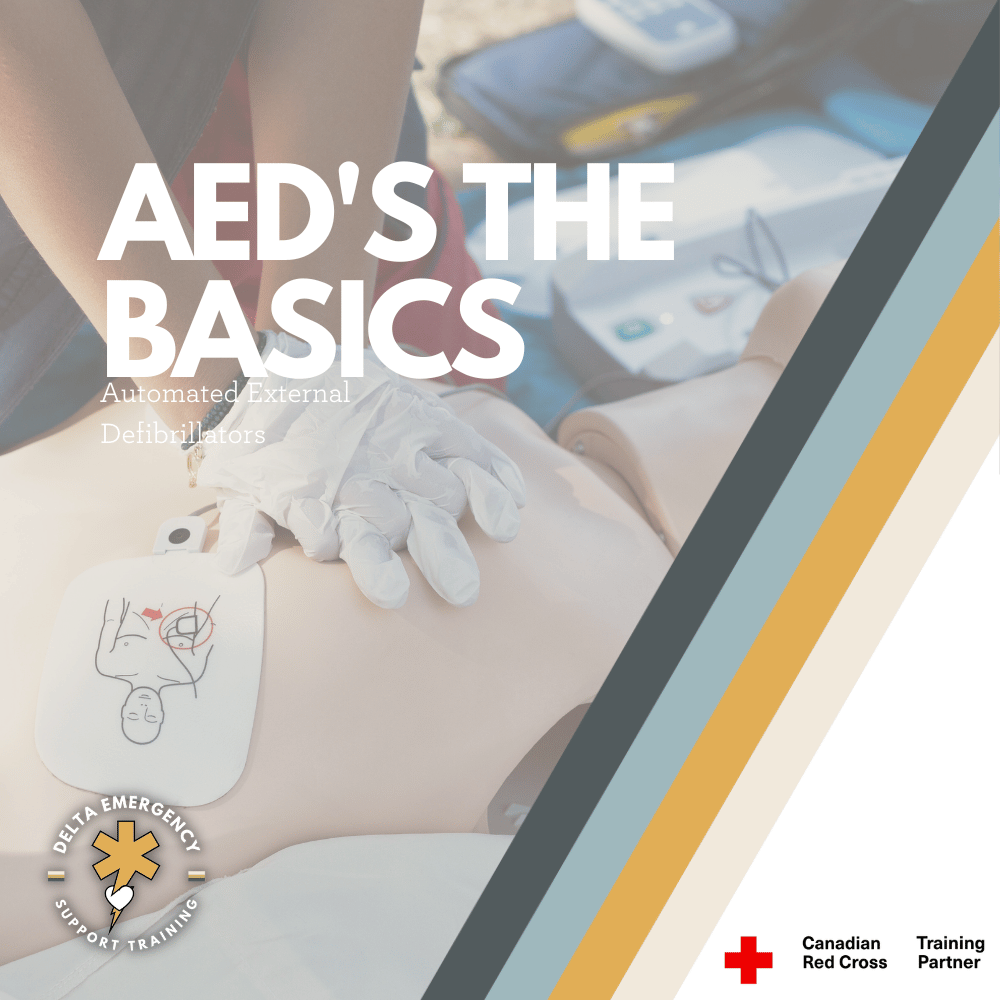
A person wearing gloves is performing first aid on a CPR dummy, while following AED directions. The person's hands are on the chest of the dummy, as if performing chest compressions. There is an AED device next to the dummy, with the pads attached to the dummy's chest.
How Does An AED Work?
AEDs work by analyzing the heart rhythm of a person experiencing SCA, and then delivering an electric shock to restore the heart's natural rhythm. The device comes with two sticky pads with attached wires, called electrodes. These pads are placed on the person's chest, and the AED's computer analyzes the heart rhythm through the electrodes. If the AED determines that the person's heart is in ventricular fibrillation or another treatable rhythm, it will prompt the user to deliver a shock. However, if the person's heart is in asystole, which is the absence of any heart rhythm, the AED will not deliver a shock. It's important to note that the use of an AED on a person with no heart rhythm (asystole) is not recommended because it is unlikely to be effective.
AED + CPR
CPR, or cardiopulmonary resuscitation, is a life-saving technique used to help someone who is in cardiac arrest. It involves a combination of chest compressions and rescue breaths to manually circulate oxygen-rich blood through the body when the heart is not beating effectively. CPR is performed when someone is unconscious, not breathing, and has no pulse.
When someone experiences sudden cardiac arrest (SCA), CPR should be performed while waiting for an AED to arrive or be retrieved. The combination of CPR and AED can significantly increase the chances of survival.
Why Are AED’s Important
Sudden cardiac arrest (SCA) is a leading cause of death worldwide, with millions of people experiencing it each year. AEDs, or Automated External Defibrillators, are critical in treating SCA because they can deliver a life-saving shock within minutes of the onset of symptoms. AEDs are easy to use, portable, and equipped with clear instructions and voice prompts. They can be stored in public places, homes, and businesses to provide quick access in case of an emergency.
Where Can I Find An AED?
AEDs are becoming more common in public places, such as airports, shopping centers, and schools. Many workplaces are also beginning to invest in AEDs for their employees and customers. It's important to know where the nearest AED is located in case of an emergency. Look for AEDs in clearly marked cabinets, often mounted on the wall. Some AEDs come with an audible alarm or flashing light to make them easier to find in an emergency. If you are unsure where an AED is located, ask your employer or contact your local fire department or ambulance service for more information.
How Can You Use An AED?
AEDs are designed to be simple and easy to use. Most devices come with clear verbal instructions and visual prompts that guide the user through the steps of using the device. Here is a brief overview of how to place AED pads on adults and children:
For adults: Place one pad on the upper right side of the chest and the other pad on the lower left side of the chest, as shown in the diagram on the AED or in the instructions. It's important to make sure the pads are placed correctly and securely on the skin.
For children: Pediatric pads should be used for children under the age of eight or weighing less than 55 pounds. These pads have a lower energy setting to avoid harm to the child. Place one pad on the center of the child's chest and the other pad on the child's back, just below the shoulder blades.
It's important to note that AEDs should not be used on a wet surface or in water. The chest should be shaved and dried if necessary to ensure good contact with the electrode pads. Sweat and other moisture can interfere with the proper function of the device.
Automated External Defibrillators are an important tool in treating sudden cardiac arrest. These devices can be used by anyone, regardless of their level of training or experience, to help save lives in emergency situations.
When to Call 911: A Guide for Babysitters
Being a babysitter can be both rewarding and challenging, especially when it comes to keeping children safe in emergency situations. As a babysitter, you are responsible for the well-being of the children in your care, and knowing when to call 911 can be a matter of life and death.
In this guide, we will walk you through the common emergency situations that you may encounter as a babysitter and provide you with practical tips on how to handle them. From injuries and illnesses to fires and natural disasters, we'll cover it all so that you can be prepared for any situation.
By the end of this guide, you'll have the knowledge and confidence to act quickly and appropriately in the event of an emergency, ensuring the safety and well-being of the children in your care.
As a babysitter, one of your most important responsibilities is keeping the children you're caring for safe and healthy. While you may take steps to prevent accidents and injuries, emergencies can still happen, and it's important to know when to seek emergency medical attention. In some situations, calling 911 could mean the difference between life and death. But how do you know when to call for help?
babysitter and a child sitting on a rug in a living room. The babysitter is holding a Jenga tower, and the child is carefully removing a wooden block from the tower.
In this blog post, we'll provide a guide for babysitters on when to call 911, including common emergencies that require immediate attention, and tips for staying calm and responding quickly in an emergency situation. By following these guidelines, you can help ensure that the children you're caring for stay safe and healthy, no matter what emergencies may arise.
In the following sections, we'll discuss some of the most common emergencies that may arise while babysitting, and the situations where you should call 911 for immediate medical attention.
Difficulty breathing:
If the child is having difficulty breathing, it could be a sign of a serious respiratory issue, such as asthma or anaphylaxis. If the child is struggling to breathe, has trouble speaking or swallowing, or their lips or face turn blue, call 911. It is good practice as a babysitter to know how to administer an EPI-PEN for sever allergic reactions. Ventolin, often referred to as a puffer can also drastically improve the breathing of a patient who is experiencing a asthma attack.
Loss of consciousness:
If the child becomes unconscious, it's important to call 911. Stay with the child and follow the operator's instructions until help arrives. Keep the child's airway open by lifting the head and tilting the chin back. Check their breathing and pulse, if none is found begin compressions as per the dispatch instruction or previous first aid training.
Severe bleeding:
The first step in controlling bleeding is to apply direct pressure to the wound. Use a clean cloth or bandage and apply firm direct pressure. If the child has severe bleeding that does not stop after applying pressure or soaks through multiple bandages, call 911 immediately. While waiting for help to arrive, continue to apply direct firm pressure to the wound.
Head injury:
If the child hits their head and loses consciousness, vomits, or has seizures, call 911 immediately. Keep the child still and comfortable, avoid moving them unless it's necessary. Moving the child could worsen the injury especially if there is a suspected spinal injury, which may lead to further complications. With all trauma continue to monitor their breathing and update dispatch if anything changes.
Choking:
If the child is choking and cannot breathe, cough, or speak, your first step is to use a combination of 5 abdominal thrusts and 5 back blows, switching between the two, to dislodge the object. If the child becomes unconscious carefully lay them to the ground, call 911 immediately and begin following CPR instructions. A small child may only be able to hold their breath for 30seconds - 1minute, being prepared to call 911 is always good practice.
Seizures:
If the child has a seizure, call 911 immediately. While waiting for help to arrive, clear the area around the child to prevent injury, and do not try to restrain them or put anything in their mouth. Follow directions given by dispatch.
Allergic reactions:
If the child is experiencing an allergic reaction and has difficulty breathing, a swollen tongue or throat, or other severe symptoms, call 911 immediately. While waiting for help to arrive, administer any prescribed medication (such as an epinephrine auto-injector) and keep the child calm.
Poisoning:
If you suspect the child has ingested a poisonous substance, call 911 or poison control immediately. While waiting for help to arrive, try to determine what the child ingested, and if possible, remove any remaining substance from the child's mouth.
Burns:
If the child has a severe burn, call 911 immediately. While waiting for help to arrive, run cool (not cold) water over the affected area for at least 10-20 minutes, and cover the area with a clean, dry cloth or sterile bandage.
Be prepared:
Before starting a babysitting job, make sure you have all the information you need about the children you will be caring for. This includes things like their ages, any medical conditions, and any specific instructions from the parent. Make sure you have a contact number for the parents in case of an emergency.
Stay focused:
When you're caring for children, it's important to stay focused on their needs. Keep an eye on them at all times, and avoid distractions like your phone or television.
Know basic first aid:
Take a child care first aid class or watch online tutorials to learn basic first aid skills such as CPR and how to stop bleeding.
Know your location:
Make sure you know your location and address so that you can provide it to emergency services when you call 911.
By following these tips, you can provide safe and responsible care for the children you're babysitting.
We offer a variety of resources to help you provide excellent care for the children in your charge, including babysitter courses that cover important topics like child development, safety, and communication. These courses are designed to equip you with the skills and knowledge you need to provide top-notch care for children.
In addition, it's essential to know when to call 911 in an emergency situation. If you are ever in doubt about whether or not to call, it's always better to err on the side of caution and make the call. Some situations that may require calling 911 include medical emergencies, fires, and instances of criminal activity. If you have any questions or concerns about when to call 911, please don't hesitate to reach out to us at info@deltaemergency.com. We're here to support you and the children in your care.
AED Fundraiser for CrossFit Above All
We are partnering with CrossFit Above All in Calgary Alberta to deliver a blended learning Standard First Aid program. All proceeds will go towards the purchase of an AED for their box. Every year, about 40,000 cardiac arrests happen in Canada - that’s one every 13 minutes. Cardiac arrest can strike without warning, affecting people of all ages and all degrees of fitness.

Delta Emergency Support Training is partnering with CrossFit Above All in Calgary Alberta to deliver a blended learning Standard First Aid and CPR program. The certification will be from the largest humanitarian organization in the world, the Canadian Red Cross. This first aid course will be a charity event, as all profits are being donated towards the purchase of an AED for their box. We have 16 spots for this event on Sunday November 19, 2017. Everyone that needs exceptional First Aid and CPR training is welcome, and we hope to see you there! Register here: AED Fundraiser.
Every year, about 40,000 cardiac arrests happen in Canada - that’s one every 13 minutes. Cardiac arrest can strike without warning, affecting people of all ages and all degrees of fitness. When cardiac arrest happens, every minute counts. If delivered in the first few minutes of a cardiac arrest, defibrillation and cardiopulmonary resuscitation (CPR) can double survival rates. But with each passing minute, the probability of survival decreases by 7 to 10 per cent.
AEDs are not dangerous, and will not shock someone who doesn't need defibrillation. The electrodes which attach to the patients chest relay information to a computer inside the AED that analyzes whether a shock is necessary. If needed, the electrodes will deliver a shock to the body which reset the electrical activity in the heart allowing it to change to a normal beating rhythm. Receiving this shock to restart the heart is essential to survival as there is about 6 minutes before brain damage occurs. The average EMS response time is 11 minutes, so having an onsite AED is crucial to both survival and neurological health.
According to the Heart and Stroke Foundation, access to early CPR and defibrillation could potentially save the lives of thousands of Canadian adults and children each year. Join us on November 19, 2017 and train to become a confident responder!
Blended Learning - The Delta Dispatch
The Canadian Red Cross now offers blended learning in their Emergency & Standard First Aid programs. As a training partner, Delta Emergency Support Training offers this option to the public and businesses that want to minimize classroom instruction.
The Canadian Red Cross Blended Learning Program
Delta Emergency Support Training has moved to Calgary. Our Canadian Red Cross programs ARE now offered in Calgary!
The Canadian Red Cross now offers blended learning in their Emergency & Standard First Aid programs. As a training partner, Delta Emergency Support Training offers this option to the public and businesses that want to minimize classroom instruction.
With traditional standard first aid training, a student would need to attend a 2 day course in a classroom, taking 16 hours of time to complete. With the blended learning program, the student does the all the reading and tests on a computer at their own pace. With blended learning you will need 8 hours of at home study, but this can be done over several weeks.
After you complete the online training, print your verification of completion, and attend a 1 day skills course to complete the skills training session. This 6-8 hour session is focused on all the hands-on skills of a first aid program.
The Canadian Red Cross Online is a professional learning centre that offers the convenience of independent study while maintaining the benefits of interactive, diverse learning. Participants will enjoy easy, online access to their award-winning programs, and qualified instructors with Delta Emergency Support Training.
We are offering a blended learning Standard First Aid program on November 19, 2017 to raise money for an AED at Crossfit Above All. All course profits will go towards the purchase of an AED for their facility. Click here to register.

