The Delta Dispatch

Wilderness First Aid: What to Pack When Heading Into the Backcountry

When you’re miles from help, your first aid kit becomes your lifeline. Learn what to pack for backcountry safety, from wound care and splints to insulation and emergency gear — so you can respond confidently when emergencies strike in the wild.

Venturing into the backcountry can be one of the most rewarding experiences, breathtaking views, solitude, and connection with nature. But with that freedom comes risk. When you’re hours (or days) away from emergency services, being prepared isn’t just about comfort — it’s about survival.

Having the right gear and a solid understanding of wilderness first aid can turn a dangerous situation into a manageable one. Whether you’re an outdoor enthusiast, guide, or first responder, here’s what you need to know about what to packbefore heading into remote terrain.

🏕️ The Backcountry Reality

In urban environments, medical emergencies are typically minutes from help. In the backcountry, those same minutes can stretch into hours or even days. Terrain, weather, and lack of communication can complicate every decision you make.

That’s why your first aid kit is your lifeline — not a luxury item. It’s not just about having supplies; it’s about carrying the right equipment that you can realistically use in an emergency.

🧰 The Core Wilderness First Aid Kit

When it comes to wilderness first aid, balance is everything — you want to be prepared without carrying unnecessary weight. Here’s a breakdown of essential categories and must-have items:

🩹 1. Wound Care and Bleeding Control

In the wilderness, even small wounds can lead to infection. Having proper wound care supplies ensures you can clean, cover, and protect injuries.

Pack:

  • Adhesive bandages (various sizes)

  • Sterile gauze pads and rolls

  • Elastic (ACE) bandages

  • Medical tape

  • Antiseptic wipes or solution (chlorhexidine or iodine)

  • Antibiotic ointment

Pro Tip: Keep wound supplies in a waterproof bag — even moisture can ruin sterile materials.

💊 2. Medications and Personal Health Supplies

Medications can make the difference between continuing your trip or needing an evacuation. Always pack personal prescriptions, plus some general-purpose medications.

Pack:

  • Personal prescription medications (in labeled containers)

  • Acetaminophen or ibuprofen (pain relief, inflammation)

  • Antihistamines (allergic reactions, insect stings)

  • Loperamide (anti-diarrheal)

  • Glucose tablets or gel for low blood sugar

  • Epinephrine auto-injector (if at risk for severe allergies)

Pro Tip: Store medications in labeled, watertight containers, and check expiration dates before each trip.

🧍‍♂️ 3. Splinting and Immobilization

Sprains, fractures, and dislocations are among the most common backcountry injuries. Be ready to stabilize and immobilize until help arrives.

Pack:

  • SAM splint or moldable splint

  • Triangular bandages (multi-use: slings, ties, padding)

  • Cloth strips or paracord for securing splints

  • Safety pins

Improvisation Tip: Trekking poles, paddles, or sturdy sticks can double as splints when properly padded.

  • 🌡️ 4. Hypothermia and Environmental Protection

Weather can change rapidly in the backcountry. Preventing hypothermia or heat exhaustion is part of wilderness first aid.

Pack:

  • Emergency blanket or bivy sack

  • Lightweight tarp or shelter

  • Extra base layer or thermal clothing

  • Chemical heat packs

  • Hat and gloves (even in summer — mountain weather shifts fast)

Pro Tip: Always carry something to insulate your patient from the ground — a foam pad, backpack, or spare clothing can prevent dangerous heat loss.

💧 5. Hydration and Nutrition

Dehydration and low energy can cloud judgment and slow reaction times — both dangerous in emergencies.

Pack:

  • Water purification system (filter, tablets, or UV pen)

  • Collapsible water bottles or hydration bladder

  • High-calorie snacks (nuts, protein bars, glucose gels)

📡 6. Navigation, Communication, and Documentation

When emergencies happen, knowing where you are — and how to communicate — is critical.

Pack:

  • Map and compass (and know how to use them)

  • GPS or satellite communicator (e.g., Garmin inReach, SPOT device)

  • Whistle and signal mirror

  • Waterproof notebook and pencil (for recording vital signs and events)

🪶 7. Wilderness-Ready Extras

Small, lightweight items that make a big difference:

  • Tweezers (for splinters and ticks)

  • Duct tape (gear repair, blister prevention, splinting aid)

  • Safety pins (securing bandages or improvising slings)

  • Scissors or trauma shears

  • Hand sanitizer

  • Headlamp with extra batteries

🏔️ Balancing Weight vs. Preparedness

Every ounce matters in the backcountry. Your pack should be a balance between medical capability and practicality.
Here’s how to think about it:

  • Day trip? Bring the essentials — bleeding control, wound care, meds, and hypothermia protection.

  • Multi-day trek? Add splinting materials, backup shelter, and communication tools.

  • Remote expedition? Include airway adjuncts, advanced medications (if permitted), and an evacuation plan.

⚕️ Training Matters More Than Gear

Even the best kit won’t help if you don’t know how to use it. Taking a Wilderness First Aid (WFA) or Wilderness First Responder (WFR) course teaches you how to:

  • Prioritize patient care in remote settings

  • Improvise with available gear

  • Make evacuation and triage decisions

  • Treat life-threatening conditions with limited resources

Final Thought

When you’re deep in the wilderness, you are the first responder. A well-stocked and well-thought-out first aid kit gives you the power to act quickly, calmly, and effectively — whether you’re treating a blister, a broken bone, or a life-threatening emergency.

Before you head out, remember: gear doesn’t replace training, but training without gear limits your ability to save lives.
Prepare smart, pack light, and respect the environment — because in the backcountry, preparation truly is protection.

Read More
Alberta, 911, Awareness, Backcountry, Canada, First Aid Kumari Malhotra Alberta, 911, Awareness, Backcountry, Canada, First Aid Kumari Malhotra

Venomous Snake Bites in Canada: What You Need to Know & Do - First Aid Edition

Venomous snake bites are rare in Canada—but when they happen, knowing how to respond is crucial. From identifying rattlesnakes to administering Red Cross-approved first aid, this guide covers everything you need to stay safe outdoors.

Canada isn’t typically known for dangerous reptiles, but if you hike in BC, camp in Ontario, or explore the Prairies, you might just encounter one of our country’s three venomous snakes. While bites are rare, understanding how to identify venomous snakes, how to respond safely, and what first aid steps to take is essential.

At Delta Emergency Support Training, we prepare Canadians for real-life emergencies—including those that happen far from a hospital. Here’s your complete guide to snake bite prevention, identification, and treatment.

🇨🇦 Venomous Snakes in Canada

Canada is home to three native venomous snake species, all of which are rattlesnakes:

1. Eastern Massasauga Rattlesnake

  • Location: Ontario (Bruce Peninsula, Georgian Bay, Muskoka)

  • Canada’s only venomous snake in the East

  • Generally shy and avoids humans

2. Prairie Rattlesnake

  • Location: Southern Alberta and parts of Saskatchewan

  • Found in dry grasslands and badlands

  • More active in warmer months

3. Western Rattlesnake

  • Location: Southern British Columbia, especially the Okanagan Valley

  • Prefers rocky terrain and dry slopes

🐾 How to Tell if a Snake is Venomous

While identifying a snake in the wild can be difficult, here are common traits of venomous rattlesnakes in Canada:

  • Triangular-shaped head

  • Vertical (slit-like) pupils

  • Thick body with blotchy patterns

  • A rattle on the tail (but sometimes broken or not used)

  • Shaking or buzzing sound when threatened

Be cautious—some non-venomous snakes mimic rattlers by vibrating their tails in leaves.

🩹 First Aid for Snake Bites

All suspected snake bites should be treated as medical emergencies, even if the snake isn’t identified.

✅ What to Do Immediately

  1. Move the person to safety (away from the snake).

  2. Keep them calm—movement and panic can increase venom circulation.

  3. Call 911 immediately.

  4. Remove tight items like rings, bracelets, or watches from the affected limb.

  5. Have them lie down with the bitten limb at or slightly below heart level.

  6. Apply a clean, dry dressing to the bite.

  7. Mark the edge of swelling with a pen and track it over time.

❌ What NOT to Do

  • Do not cut the wound or try to suck out the venom.

  • Do not apply a tourniquet.

  • Do not apply ice or immerse the bite in water.

  • Do not give the person alcohol or caffeine.

  • Do not attempt to capture or kill the snake.

🧬 What Does Snake Venom Do?

Rattlesnake venom is a hemotoxin, which means it can damage tissue, affect blood clotting, and cause intense swelling.

Symptoms may include:

  • Severe pain at the bite site

  • Rapid swelling or bruising

  • Dizziness or nausea

  • Weakness or fainting

  • Difficulty breathing (rare, but serious)

In rare cases, snake bites can lead to shock or even death if untreated.

🗺️ Prevention Tips by Region

Ontario (Massasauga)

  • Stay on designated trails

  • Avoid tall grass and rocky ledges

  • Wear boots and long pants

  • Listen for rattling sounds

Alberta & Saskatchewan (Prairie Rattlesnake)

  • Step carefully in dry, grassy areas

  • Keep pets on a leash

  • Watch where you sit or place your hands

British Columbia (Western Rattlesnake)

  • Avoid rocky hillsides and dry scrub

  • Don’t walk barefoot in wild areas

  • Use a flashlight when hiking at night

General Prevention:

  • Do not approach or handle any snake

  • Keep food sealed and your campsite clean

  • Hike with a buddy

  • Stay alert and educate children on snake safety

🧠 Final Takeaway

Although snake bites in Canada are rare, they do happen—and when they do, quick, calm, and correct first aid can make all the difference. Our native venomous snakes are not aggressive, and most bites occur when they are accidentally stepped on or provoked.

Knowing the signs of a venomous snake, understanding how to avoid dangerous situations, and being ready to act can help keep you—and others—safe.

At Delta Emergency Support Training, we teach first aid skills that prepare you for real emergencies, whether in your home, workplace, or the backcountry. Our courses include Standard First Aid, Advanced First Aid/EMR, and Basic Life Support.

🩺 Ready to be prepared for anything? Train with us and gain the confidence to respond.

Read More

Essential First Aid Supplies for Backcountry & Wilderness Adventures

Heading into the backcountry this summer? Don’t go unprepared. This Red Cross-informed guide breaks down the essential first aid items every outdoor enthusiast should pack — from splints and bandages to water purification. Whether you're hiking alone, with friends, or just want to be ready to help, this blog equips you with smart packing tips and survival insight, backed by expert instruction from paramedics and firefighters.

Be Prepared for the Unexpected — A Guide for Outdoor Enthusiasts and Future First Responders

backpacker hiking through forest

The Value of Preparedness in the Outdoors

As we move into the warmer months, more people head into the backcountry for hiking, paddling, camping, and exploration. While the outdoors can be incredibly rewarding, it also brings real risks — injuries, illness, environmental exposure, or getting stranded far from help.

When you’re hours or days from emergency services, your first aid kit — and your ability to use it — becomes your lifeline. Whether you’re solo, with a group, or come across someone in distress, having the right supplies and wilderness first aid knowledge is critical.

At Delta Emergency Support Training, we encourage all outdoor adventurers to be equipped with a kit based on Red Cross Wilderness First Aid standards, and to pursue formal training if you plan to spend time off-grid.

🧭 What to Pack: Wilderness First Aid Essentials

Here’s a practical, space-efficient list of items to pack. It covers a wide range of common outdoor emergencies without weighing down your pack. Every item is selected for its usefulness, multi-purpose capability, and portability.

🩹 Wound & Injury Management

  • Adhesive bandages (various sizes): For cuts, blisters, and scrapes.

  • Sterile gauze pads & medical tape: To dress and protect larger wounds.

  • Antiseptic spray or wipes: To clean wounds and reduce infection risk.

  • Antibacterial ointment (e.g., Polysporin): Helps with healing and infection prevention.

  • Butterfly bandages or wound closure strips: For minor lacerations.

  • SAM splint: Lightweight, moldable aluminum splint for fractures or sprains.

  • Triangular bandage: Versatile for slings, head wraps, pressure dressings, or tying splints.

  • Elastic (tensor) bandage: For wrapping sprains or compressing joints.

  • Nitrile gloves (2 pairs): Essential for infection control when treating others.

🧰 Tools & Utilities

  • Tweezers: For removing ticks, splinters, or debris.

  • Trauma shears or compact scissors: For cutting bandages or clothing.

  • Safety pins: For securing triangular bandages or improvised gear.

  • CPR mask or face shield: If you're trained to give rescue breaths.

  • Emergency blanket (Mylar): For warmth, treating shock, or creating shelter.

  • Whistle: For signaling help in low-visibility areas.

  • Headlamp or flashlight (with extra batteries): For nighttime first aid or navigation.

💊 Medications & Health

  • Ibuprofen or acetaminophen: For pain, inflammation, or fever.

  • Antihistamines (e.g., diphenhydramine/Benadryl): For allergic reactions to bites, plants, or foods.

  • Anti-diarrheal tablets: For managing dehydration-related illness.

  • Oral rehydration salts or electrolyte tabs: Prevents dehydration during exertion or illness.

  • Personal medications: In clearly labeled containers (e.g., epinephrine auto-injector, asthma inhaler).

🌿 Environmental Care

  • Sunscreen (small tube): Prevents burns and overheating.

  • Lip balm with SPF: Protects lips from wind and sun.

  • Bug repellent wipes or spray: Helps prevent bites and insect-borne illness.

  • Aloe vera gel or hydrocortisone cream: Treats sunburns or itchy skin.

💧 Survival & Hydration

  • Water purification tablets or mini filter straw: For treating questionable water sources.

  • Ziploc bags or dry bag: To keep supplies dry and organized.

  • Duct tape (small roll or wrapped around water bottle): Useful for gear repair or even medical splinting.

🧠 Field Use Tips: Improvising with What You Have

In the wilderness, you may not have every tool — but you likely have items that can double as medical gear in a pinch. Here’s how:

Everyday ItemEmergency UseBandana or BuffSling, tourniquet, or head wrapDuct tapeSplinting, securing bandages, sealing woundsCredit cardScraping insect stingersT-shirt or towelPressure dressing, padding, or bandageZip-tie or cordSecuring splints or gearTampons/sanitary padAbsorbing blood from wounds or nosebleeds

🧭 Why All of This Matters

When you're out of cell range or deep in remote areas, help isn't minutes away — it could be hours or days. You could be:

  • Alone and injured

  • Caring for a friend or family member in distress

  • Stumbling across a stranger in need of help

Without service, your training and your kit are your best tools.

📚 Train with the Red Cross & Delta Emergency Support Training

Want to be ready for emergencies in the outdoors — or even take the first step toward a career as a paramedic or firefighter? We offer:

  • Red Cross Wilderness & Remote First Aid

  • Advanced First Aid (AFA)

  • Emergency Medical Responder (EMR)
    Led by active paramedics and firefighters, our programs go beyond the basics and prepare you for real-world emergencies.

🚑 Be the Help Until Help Arrives

You don’t need to carry a hospital in your backpack. But with a smartly packed kit and the right training, you can respond confidently in critical moments — until rescue arrives or help is found.

Read More

Essential Gear for the Trail: The Canadian Red Cross Wilderness and Remote Field Guide

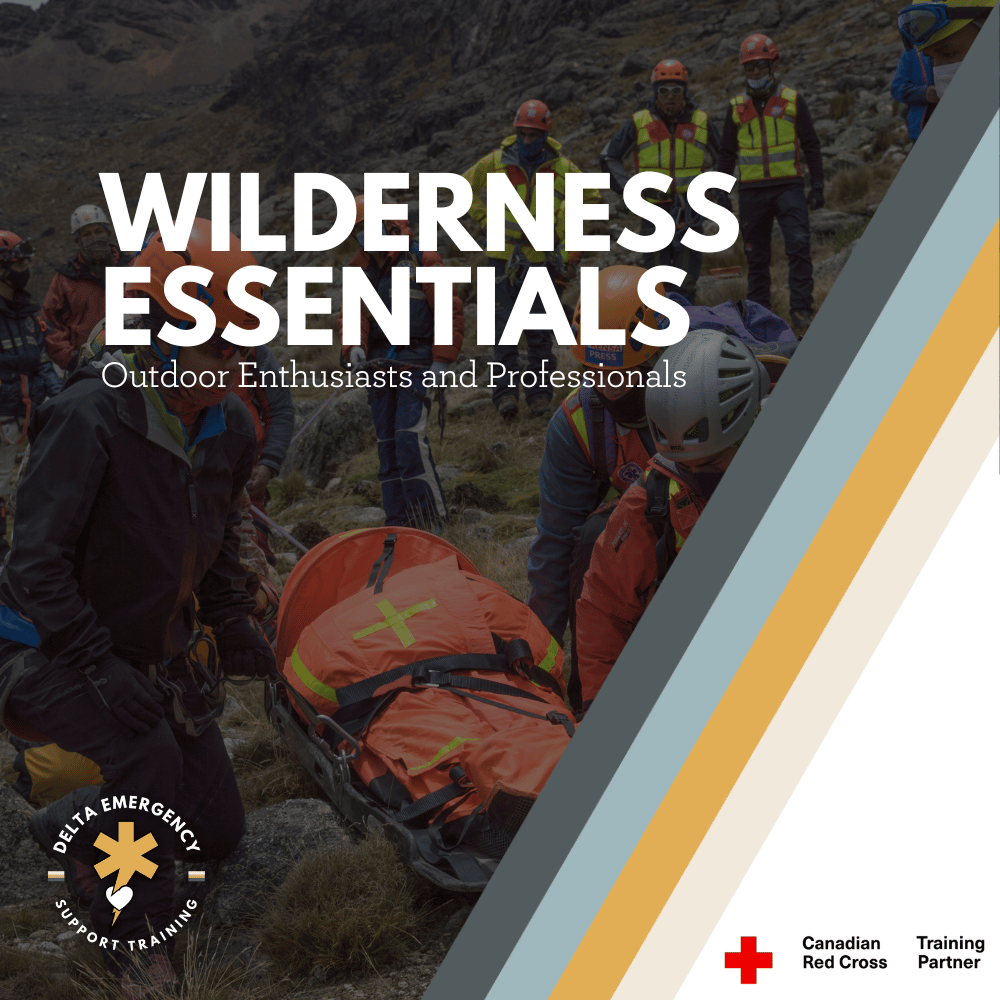
The "Canadian Red Cross: Wilderness and Remote Field Guide" is a must-have resource for anyone venturing into the great outdoors. Designed for durability and quick reference, this waterproof and tear-resistant guide covers everything from first aid techniques to survival strategies. Compact and easy to use, it's perfect for outdoor enthusiasts, professionals, and anyone responsible for safety in remote areas. Equip yourself with the knowledge and confidence to handle wilderness emergencies—get your copy today at Delta Emergency Support Training.
The Ultimate Companion for Outdoor Safety and Emergency Preparedness

When venturing into the great outdoors, whether you're an avid hiker, a professional guide, or a part of a search and rescue team, having the right tools at your disposal is crucial. The "Canadian Red Cross: Wilderness and Remote Field Guide" is not just any textbook; it's a vital resource designed for the realities of outdoor challenges and emergencies.

Designed for Durability and Accessibility

Understanding that nature's elements can be unforgiving, this field guide is built to last. With waterproof and tear-resistant pages, it stands up to the toughest conditions, ensuring that you have access to critical information regardless of weather or terrain. Its compact design allows it to easily fit into any backpack or emergency kit, making it a practical choice for any outdoor enthusiast.

Quick Reference for Fast Action

Time is of the essence when dealing with emergencies in remote locations. This field guide is organized for quick access, allowing you to rapidly find the information you need when every moment counts. Detailed yet concise, the guide covers a wide range of situations from minor injuries to critical emergency responses.

A Tool for Every Wilderness Scenario

The guide includes comprehensive sections on:

  • Basic first aid techniques

  • Emergency procedures specific to remote settings

  • Navigation tips for lost or disoriented individuals

  • Survival strategies for various climates and terrains

These topics are illustrated with clear, easy-to-understand diagrams and instructions, making the guide an indispensable educational tool for anyone responsible for safety in wilderness areas.

Enhancing Your Outdoor Safety Skills

In addition to its practical applications, the Wilderness and Remote Field Guide serves as an educational resource that enhances your skills and confidence. It supports your outdoor activities by providing essential knowledge that can prevent emergencies or help manage them effectively until professional help is available.

Ideal for Both Enthusiasts and Professionals

Whether you're a casual nature lover or a professional working in challenging environments, this field guide is tailored to support your needs. It's an essential part of any safety training for outdoor professionals and a reliable resource for adventurers who take their wilderness activities seriously.

Conclusion

Invest in your safety and preparedness with the Canadian Red Cross Wilderness and Remote Field Guide. Available at Delta Emergency Support Training at competitive prices, this guide is not just a purchase—it's an investment in your ability to handle the unexpected with expertise and confidence.

Prepare for your next adventure by securing your copy today at Delta Emergency Support Training. Equip yourself with the knowledge to navigate the wilderness safely and respond effectively in emergencies. Your adventure awaits, and with the right preparation, you're ready to meet it head-on.

Read More

Unlocking the Great Outdoors: Mastering Wilderness First Response with Delta Emergency Support Training

The Wilderness First Responder Course is a must for outdoor enthusiasts and professionals who venture into remote areas. Whether you're hiking, camping, or leading outdoor adventures, this course provides the essential skills to respond to medical emergencies in the wilderness. Learn to assess, treat, and manage injuries, illnesses, and life-threatening situations when help is far away. Equip yourself with the knowledge to handle emergencies confidently and safely.
Why the Wilderness First Responder Course Package is Essential for Outdoor Enthusiasts and Professionals

The wilderness is unpredictable, and those who brave its untouched landscapes know that preparation is key—not just in gear but in knowledge and skills. Delta Emergency Support Training offers the "Canadian Red Cross: Wilderness First Responder Course Package," a comprehensive trio of textbooks designed specifically for those who find themselves as first responders in remote and rugged environments. This package isn't just a set of books; it's an essential toolkit for saving lives where traditional medical help may be hours away.

Three Textbooks, One Mission: Comprehensive Preparedness

  1. The Core Manual: This textbook covers a broad range of topics necessary for a solid foundation in wilderness medicine, including patient assessment and emergency response strategies tailored to the unique challenges of the wilderness.

  2. The Scenario Guide: Packed with realistic scenarios, this guide pushes you to apply what you've learned in dynamic and challenging situations, enhancing decision-making skills under pressure.

  3. The Quick Reference Handbook: When time is critical, this handbook is your go-to for quick checks and reminders, ensuring you have the right information at your fingertips when every second counts.

Designed for Depth and Durability

Each book in the Wilderness First Responder Course Package is crafted to withstand the elements, making them perfect for outdoor use. Water-resistant and tear-resistant pages mean that whether you're caught in a downpour or navigating rough terrain, your source of critical information remains intact.

Affordably Priced, Invaluable Investment

At Delta Emergency Support Training, we understand the importance of accessibility to quality education. That's why we offer these textbooks at prices well below standard retail costs. Investing in this package means investing in the safety of your team and the individuals you'll have the skills to assist, making it invaluable to any professional or agency involved in wilderness activities.

Why Choose a Physical Book Over Digital?

While digital devices are ubiquitous, in the wilderness, they are often unreliable. A physical book doesn’t require battery power or signal reception. It becomes not just a tool, but a reliable companion that ensures information is always available, no matter where your journey takes you.

Conclusion

Whether you're leading expeditions, embarking on solo wilderness adventures, or providing professional training, the Canadian Red Cross: Wilderness First Responder Course Package from Delta Emergency Support Training is your essential companion. By equipping yourself with this knowledge, you prepare to face the wilderness not just with confidence, but with competence.

Ready to take your wilderness preparedness to the next level? Visit our website at Delta Emergency Support Training to purchase your course package today and step confidently into your next adventure, knowing you are trained to handle whatever comes your way.

Read More

First Aid Essentials for Water Sports Enthusiasts: Handling Common Injuries

Are you an avid water sports enthusiast? Whether you're gliding through waves on a surfboard, paddling down a scenic river in a kayak, windsurfing across a lake, or navigating whitewater rapids in a raft, water sports offer exhilarating experiences in nature. However, along with the thrills come the risks of injury. In this blog series, we'll explore common injuries associated with various water sports and provide essential first aid tips to help you stay safe and prepared for any unexpected situations.
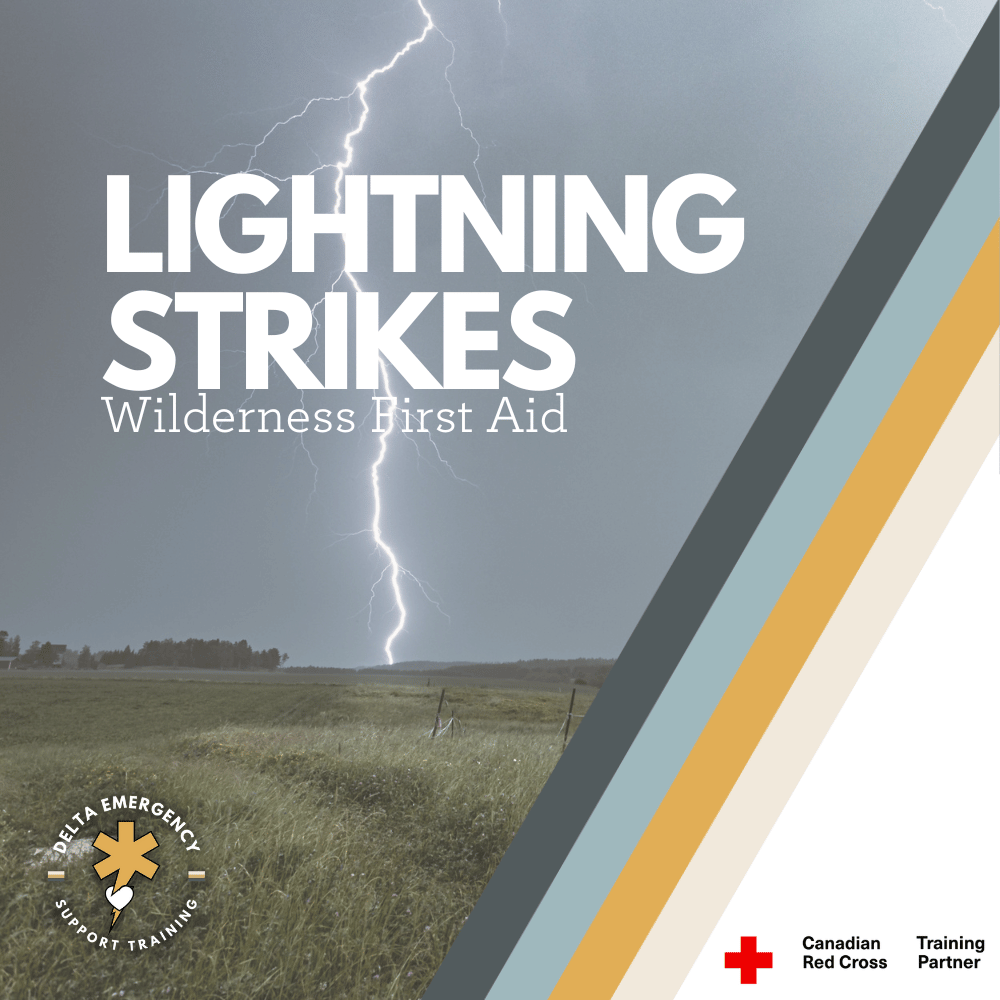
Kyaker on the open water at sunrise

Kayaking

Kayaking offers a serene way to explore waterways while providing a great upper body workout. However, it's essential to be prepared for potential injuries. Here are some common ones and how to manage them:

  1. Capsizing: Capsizing is a common occurrence in kayaking, especially for beginners. If you capsize, stay calm and try to re-enter your kayak or swim to shore if necessary. If someone in your group capsizes, assist them by providing a flotation device and helping them back into their kayak.

  2. Muscle Strains: Paddling requires repetitive motion, which can strain muscles in your arms, shoulders, and back. If you experience muscle strain, take a break from paddling, stretch gently, and apply ice packs to reduce inflammation. Over-the-counter pain relievers can also help alleviate discomfort.

  3. Hypothermia: Cold water can quickly lead to hypothermia, especially in colder climates or during long paddling sessions. Dress appropriately for the water temperature, wear a wetsuit or drysuit if needed, and carry spare clothes in a waterproof bag. If you or someone in your group shows signs of hypothermia (such as shivering, confusion, or numbness), get out of the water, remove wet clothing, and wrap them in warm, dry blankets or clothing.

By being prepared and knowing how to respond to common injuries, kayakers can enjoy their time on the water safely.

Surfing

Surfing is an exhilarating water sport that challenges both body and mind. While riding the waves, surfers may encounter various injuries. Here's how to address some common ones:

  1. Surfboard Injuries: Surfboards can cause cuts, bruises, and lacerations if surfers fall or collide with them. Clean the wound with antiseptic wipes or soap and water, apply pressure to stop any bleeding, and cover it with a sterile bandage or gauze. Seek medical attention for deep cuts or wounds that won't stop bleeding.

  2. Surfer's Ear: Prolonged exposure to cold water and wind can lead to surfer's ear, a condition where bony growths develop in the ear canal. To prevent surfer's ear, wear earplugs while surfing, especially in cold or windy conditions. If you experience symptoms such as ear pain, water trapped in the ear, or hearing loss, consult a doctor for proper diagnosis and treatment.

  3. Drowning: While rare, drowning is a serious risk associated with surfing, particularly in rough seas or strong currents. Practice water safety by surfing within your skill level, never surfing alone, and being aware of your surroundings. If you or someone else is struggling in the water, call for help immediately and attempt a rescue if it's safe to do so.

Stay tuned for the next part of our series where we'll explore injuries in windsurfing!

Windsurfing

Windsurfing combines elements of sailing and surfing, offering a thrilling experience on the water. However, it also comes with its share of potential injuries. Here's how to manage some common ones:

  1. Windsurfing Equipment Injuries: Windsurfing gear, including the board, mast, and sail, can cause injuries if mishandled or if there's a collision with other surfers or objects in the water. If you sustain an injury from windsurfing equipment, assess the severity of the injury, administer first aid as needed, and seek medical attention if the injury is severe or if there's any doubt.

  2. Sunburn: Spending hours on the water under the sun can lead to painful sunburns. Protect your skin by wearing sunscreen with a high SPF, covering up with rash guards or wetsuits, and wearing a hat and sunglasses to shield your face and eyes from the sun's rays.

  3. Hypothermia: Cold water and wind can lead to hypothermia, especially in cooler climates or during prolonged sessions on the water. Dress appropriately for the conditions, wear a wetsuit or drysuit if needed, and take regular breaks to warm up if you start feeling cold.

By being aware of the risks and taking precautions, windsurfers can enjoy their time on the water safely.

Rafting

Rafting offers an adrenaline-filled adventure as you navigate through rapids and cascading waterfalls. While it's an exciting activity, it's essential to be prepared for potential injuries. Here are some common ones and how to address them:

  1. Strains and Sprains: Maneuvering the raft and paddling through rough waters can strain muscles and ligaments. If you sustain a strain or sprain, rest the affected area, apply ice packs to reduce swelling, and elevate the injured limb if possible. Over-the-counter pain relievers can help alleviate discomfort.

  2. Whitewater Rafting Injuries: Rafting in whitewater rivers carries inherent risks, including collisions with rocks, overturning the raft, and getting pinned under the water. If you're thrown from the raft, try to stay calm, float on your back with your feet downstream, and swim towards the shore if possible. Follow your guide's instructions and use proper safety equipment, including helmets and life jackets, to minimize the risk of injury.

  3. Dehydration: Spending hours on the water under the sun can lead to dehydration, especially in warmer climates. Drink plenty of water before, during, and after your rafting trip to stay hydrated. Consider bringing electrolyte-rich drinks or snacks to replenish lost fluids and minerals.

By being prepared and knowing how to respond to common injuries, rafters can enjoy their time on the water safely.

With these first aid tips in mind, water sports enthusiasts can navigate the challenges of their chosen activities while staying safe and prepared for any unexpected situations. Stay tuned for more articles in our First Aid Essentials series, where we'll continue to explore safety tips and injury management for various outdoor activities.

Read More

The underestimated danger of lighting strikes

Lightning strikes are often underestimated and overlooked when it comes to assessing the dangers of thunderstorms. Yet, they pose a significant threat, capable of causing fatalities and injuries every year. In this article, we'll delve into the risks associated with lightning strikes, including the devastating effects on individuals, and discuss practical measures to stay safe.
single lighting striking into a field

Lightning strikes are often underestimated and overlooked when it comes to assessing the dangers of thunderstorms. Yet, they pose a significant threat, capable of causing fatalities and injuries every year. In this article, we'll delve into the risks associated with lightning strikes, including the devastating effects on individuals, and discuss practical measures to stay safe.

Understanding the Threat:

Every thunderstorm, no matter its intensity, harbors the potential for lightning strikes. Lightning is not only lethal but also unpredictable, making it a formidable hazard. In the United States alone, lightning claims the lives of 20-30 individuals annually and injures hundreds more. Unlike other storm-related dangers like tornadoes or hail, lightning can extend beyond the storm itself, making it the first to arrive and the last to depart.

Safe Shelter:

When thunder roars, seeking shelter becomes imperative. Large enclosed structures with plumbing and electrical wiring offer the safest refuge during thunderstorms. These include buildings like shopping centers, schools, offices, and homes. The presence of plumbing and wiring ensures a more efficient conduction of electricity, reducing the risk to individuals inside. Enclosed metal vehicles such as cars, vans, or buses also provide a viable alternative if no buildings are available.

Unsafe Locations:

Not all structures or vehicles are safe havens during lightning storms. Buildings with exposed openings, like beach shacks, metal sheds, or picnic shelters, pose significant risks. Convertible vehicles, despite having their tops up, offer no protection against lightning. Similarly, vehicles with open cabs, such as golf carts or tractors, should be avoided during thunderstorms.

Developing a Lightning Safety Plan:

Planning ahead is crucial for outdoor events to mitigate the risks posed by lightning. Event coordinators should incorporate a lightning safety plan into their preparations. This plan should address key questions such as identifying the safest shelter, assessing the distance to it, and estimating the time needed to reach it. Having these answers beforehand enhances preparedness and reduces the likelihood of lightning-related incidents.

Acting Promptly:

Studies have revealed that most lightning-related injuries occur before or after the peak of a thunderstorm. Lightning strikes can occur even when the storm is several miles away, emphasizing the importance of swift action. As a rule of thumb, if thunder is audible, you're within striking distance and should seek shelter immediately. Remember, "When thunder roars, go indoors," and remain there until 30 minutes after the last clap of thunder.

Understanding the Devastating Effects:

When lightning strikes a person, the consequences can be catastrophic. Immediate risks include cardiac arrest, severe burns, and damage to the nervous system and brain. The high voltage of a lightning bolt can disrupt the heart's rhythm, leading to sudden cardiac arrest. Lightning generates intense heat, causing severe burns both externally and internally. It can also disrupt the nervous system, leading to symptoms such as numbness, tingling, or paralysis. In severe cases, lightning strikes can cause traumatic brain injury (TBI), resulting in cognitive deficits or permanent disability.

Conclusion:

Lightning strikes may seem remote or rare, but they present a real and significant danger during thunderstorms. By understanding the risks associated with lightning and adhering to safety guidelines, individuals can protect themselves and others from potential harm. Remember, prioritizing safety and taking proactive measures are essential when confronted with the silent killer that is lightning. Stay informed, stay prepared, and stay safe.

Read More

Empowering Learning Through Essential Textbooks: Continuing Education

Discover a World of Learning with Our Essential Textbooks

At Delta Emergency, we're thrilled to present our diverse collection of textbooks, each crafted to meet unique learning needs. Whether you're embarking on wilderness adventures, nurturing young minds as a babysitter, mastering life-saving techniques, or aiming to elevate your emergency care skills, our textbooks are here to empower and educate. The tactile pleasure of flipping through the pages of our physical copies enhances the learning experience, making each topic come to life. Dive into our range and unlock a wealth of knowledge today.

At Delta Emergency Support Training, we're excited to offer a versatile collection of textbooks that cater to a wide array of learning needs. Whether you're a wilderness explorer, an aspiring babysitter, a medical professional, or someone seeking vital lifesaving skills, our textbooks are thoughtfully designed to impart knowledge and empower individuals.For those who appreciate the feel of physical paper copies, we have just the thing for you. Let's dive into our selection:

Woman using a textbook to take notes and study.

Wilderness First Aid: Navigating Nature's Challenges with Confidence

Embark on outdoor adventures fully equipped with our "Wilderness First Aid" textbook. Priced at CA$74.97, this guide not only covers emergency response but also emphasizes safeguarding patients from the elements. From creating basic shelters to regulating body temperature, this resource ensures patient well-being in harsh environments. Learn to assess the ABCs (Airway, Breathing, Circulation) and identify and treat life-threatening emergencies. With a focus on both patient safety and effective response, this guide prepares you for the unexpected challenges of the wild.

Babysitter First Aid: Nurturing Safety and Confidence

Designed for young caregivers, our "Babysitter First Aid" textbook is a crucial resource that is a great tool for babysitters. Priced at CA$31.45 (Original Price: CA$34.95), this guide empowers budding babysitters with engaging activities, game ideas, and practical checklists. It equips you with the confidence and knowledge necessary to ensure children's safety and well-being. Not only does it cover babysitting essentials, but it also imparts vital babysitter first aid skills, expanding your capabilities and making you a trusted and reliable caregiver.

Basic Life Support: Mastering Lifesaving Techniques

BLS goes beyond the basics, offering practical insights such as oxygen flow rates for different levels of hypoxia, airway adjunct techniques, and CPR rates and compression depths. Whether you're familiarizing yourself with ventilation devices or learning the intricacies of CPR, this guide provides invaluable information to ensure your readiness in critical situations. Priced at CA$31.45, this comprehensive guide delves into the art of preserving life.

Professional Responder: Elevate Your Emergency Care Skills

Tailored for First Responders, Advanced First Aid, and Emergency Medical Responder courses, this comprehensive resource leaves no stone unturned. This textbook will give you the knowledge, skills and confidence to pursue your career as a firefighter, paramedic or any other professional responder. Encompassing topics from anatomy to physiology, this guide equips you with real-life scenarios, intricate charts, diagrams, and photographic illustrations. Designed to elevate your capabilities, it readies you for a gamut of challenging scenarios, ensuring your competence in emergency situations. Elevate your expertise with the "Professional Responder" textbook, available for CA$212.35 (Original Price: CA$235.95).

The Power of Knowledge

At Delta, we recognize the power of a physical textbook in an increasingly digital era. Our textbooks are carefully curated to enrich your understanding, bolster your skills, and guide you toward mastery. Seize the opportunity to learn, grow, and excel. Your transformative journey starts here.

Read More
Backcountry, Wildfire, Wilderness, Untreated Water Kumari Malhotra Backcountry, Wildfire, Wilderness, Untreated Water Kumari Malhotra

Wilderness First Aid: Navigating the Great Outdoors Safely

When the call of the wild beckons, adventurers set forth to explore the breathtaking landscapes and untamed terrains of the great outdoors. But amidst the beauty lies the unpredictability of nature, where accidents and emergencies can occur. This is where wilderness first aid becomes a beacon of preparedness and care, offering the essential skills to ensure the safety and wellbeing of both adventurers and companions. In this article, we delve into the core principles of wilderness first aid, emphasizing the critical importance of keeping patients warm, dry, and stable while awaiting professional medical assistance. Additionally, we explore the undeniable necessity of proper training before embarking on any backcountry adventure. Embark on a journey to discover how wilderness first aid knowledge can be your ultimate companion in the heart of the wilderness.
The great outdoors, with its untouched landscapes and captivating beauty, beckons adventurers to explore its depths. Yet, amidst the allure of the wild, lies the potential for unexpected challenges. Nature's serenity can swiftly transform into a daunting arena where survival skills become paramount. Wilderness first aid, a skill set that merges compassion with preparedness, acts as a guiding light when venturing into the remote corners of the world.

Understanding Wilderness First Aid

Wilderness first aid is more than just a set of techniques; it's a lifeline in situations where immediate access to professional medical care is a distant promise. This specialized knowledge empowers you to provide effective medical assistance in the absence of conventional facilities. The wild, with its unpredictable terrain and distance from help, underscores the significance of being proficient in wilderness first aid.

Key Principles of Wilderness First Aid

  1. Assessment and Prioritization:

    Nature's beauty often hides potential dangers. The first step in wilderness first aid is to calmly and methodically assess the situation, considering hazards and prioritizing care based on the severity of injuries. This approach ensures that resources are allocated where they are most needed.

  2. Stabilization:

    The wilderness amplifies the impact of injuries. Stabilizing the patient's condition is crucial to prevent it from worsening until professional help arrives. Techniques such as immobilizing fractures, controlling bleeding, and managing shock are vital tools in your arsenal.

  3. Communication:

    In the wild, communication can mean the difference between life and death. Carrying communication devices such as satellite phones or personal locator beacons ensures that you can summon help when faced with emergencies.

  4. Resourcefulness:

    The absence of medical supplies demands creativity. Wilderness first aid requires the ability to fashion splints from branches, create makeshift bandages from clothing, and construct shelters from natural materials, proving your resourcefulness in challenging situations.

  5. Hygiene and Infection Control:

    Preventing infection is crucial when medical facilities are distant. Mastering wound cleaning, dressing techniques, and maintaining hygiene standards are essential to avert complications.

  6. Environmental Considerations:

    The wild introduces unique environmental factors that impact health. Understanding how temperature, altitude, and other elements affect the body empowers you to take preventative measures against conditions such as hypothermia and altitude sickness.

Essential Wilderness First Aid Skills

  1. Basic First Aid:

    The foundation of wilderness first aid rests on basic first aid skills. Knowledge of CPR, wound care, and managing burns, bites, and stings forms the cornerstone of effective wilderness care.

  2. Fracture and Sprain Management:

    The remoteness of the wilderness magnifies the importance of fracture and sprain management. Creating splints from available resources and minimizing movement to prevent further damage are critical skills.

  3. Bleeding Control:

    Swift and effective bleeding control is imperative in the wilderness. Techniques like direct pressure, elevation, and pressure points are essential tools to combat severe bleeding.

  4. Anaphylaxis and Allergic Reactions:

    The wild is teeming with potential allergens. Recognizing and responding to severe allergic reactions, including administering epinephrine, can be life-saving.

  5. Hypothermia and Hyperthermia Management: Extreme temperatures pose significant risks. Learning to manage hypothermia through warmth and shelter and addressing hyperthermia by staying hydrated and seeking shade are vital skills.

  6. Waterborne Illnesses:

    Clean water sources are invaluable. Acquiring knowledge of water purification methods and remaining vigilant against waterborne illnesses is essential for preventing dehydration and infections.

Importance of Proper Care Until Help Arrives

In the wilderness, every minute counts. Keeping the patient in the best possible condition until professional help arrives is a cornerstone of wilderness first aid. This involves:

  • Stabilizing Injuries:

    Immobilize fractures and minimize movement to prevent further harm.

  • Maintaining Warmth:

    Insulate the patient from the ground to prevent hypothermia. Cover them with blankets or clothing and create a sheltered environment to shield against the elements.

  • Hydration and Nutrition:

    If possible, provide water and basic sustenance to keep the patient's energy levels stable.

  • Reassurance:

    Emotional support is as vital as physical care. Calmly communicate with the patient to reduce anxiety and stress.

The Need for Proper Training

Venturing into the backcountry without proper wilderness first aid training is akin to embarking on a journey without a map. The complexities of outdoor environments demand a comprehensive understanding of medical care in remote settings. Training courses, offered by certified organizations, equip you with the skills to handle emergencies effectively, ensuring that you can provide the best possible care until professional help arrives.

Conclusion

As you tread the untamed paths of the wilderness, remember that adventure goes hand in hand with responsibility. Wilderness first aid isn't just about administering medical care; it's a testament to your commitment to both the thrill of exploration and the well-being of yourself and others. Mastering wilderness first aid is not just a skill; it's a way of life – a life that embraces the call of the wild while ensuring that safety and preparedness stand as the bedrock of your outdoor endeavors.

Read More
Wilderness, First Aid, Chilcare, Babysitter's Kumari Malhotra Wilderness, First Aid, Chilcare, Babysitter's Kumari Malhotra

Surviving Summer: How to Respond to Insect Bites and Stings

To provide first aid for bites and stings, it's important to stay calm and identify the type of bite or sting. For insect stings, remove the stinger and clean the area, then apply a cold compress and take pain relievers. For bites from animals like snakes or spiders, seek medical attention immediately and keep the affected limb immobilized. If a severe allergic reaction occurs, call 911 or seek emergency medical attention. To prevent bites and stings, wear protective clothing and use insect repellent.

Bites and stings are a common occurrence in Canada, especially during the summer months when we spend the most time outdoors. While most bites and stings are harmless, some can cause allergic reactions, contain venom and transmit diseases. Knowing how to properly respond to bites and stings is an important part of first aid. In addition, certain bites and stings require specific first aid measures. Here's what you need to know about first aid for wasp, brown recluse, black widow, rattlesnake bites, and tick bites:

Girl preforming First Aid on her leg for a wasp sting.

DELTA FIRST AID TRAINEE USING FIRST AID TO TEND to HER wasp sting.

  1. Wasp Stings

    Wasp stings are a common occurrence during the summer months in Canada. If you are stung by a wasp, the first thing to do is to remove the stinger if it is still present. Gently scrape the stinger out with a flat object like a credit card or fingernail. Avoid squeezing or pinching the stinger, as this can cause more venom to enter your skin. Clean the area around the sting with soap and water to reduce the risk of infection. Apply a cold compress or ice pack to the sting area to reduce pain and swelling. You can also take over-the-counter pain relievers like acetaminophen or ibuprofen to help alleviate pain.

    Watch for signs of a severe reaction, such as difficulty breathing, swelling of the face or throat, hives, or rapid heartbeat. Seek medical attention immediately if you experience any of these symptoms, as wasp stings can cause allergic reactions and anaphylaxis in some people.

    If you have a history of severe allergic reactions to wasp stings, it is recommended to carry an epinephrine auto-injector (e.g., EpiPen) with you at all times. This can help treat an allergic reaction in an emergency situation until medical attention is available.

  2. Brown Recluse Spider

    Brown Recluse Spider Bites Brown recluse spiders are venomous and their bites can be dangerous, although not all bites will cause severe symptoms. If you are bitten by a brown recluse spider, clean the bite with soap and water to reduce the risk of infection. Apply a cool compress to the bite area to reduce pain and swelling. Take over-the-counter pain relievers like acetaminophen or ibuprofen to help alleviate pain.

    You may also need to elevate the affected limb to reduce swelling. Watch for signs of a severe reaction, such as fever, chills, or muscle cramps. Seek medical attention immediately if you experience any of these symptoms, as brown recluse spider bites can cause tissue damage and in rare cases, even death.

  3. Black Widow Spider

    Bites Black widow spiders are another venomous species, and their bites can also be dangerous. If you are bitten by a black widow spider, clean the bite with soap and water to reduce the risk of infection. Apply a cool compress to the bite area to reduce pain and swelling. You can also take over-the-counter pain relievers to help alleviate pain.

    Watch for signs of a severe reaction, such as muscle pain, nausea, or difficulty breathing. Seek medical attention immediately if you experience any of these symptoms, as black widow spider bites can be life-threatening.

  4. Rattle Snake

    If you are bitten by a rattlesnake, the first thing to do is to stay calm and still. Moving around will increase blood flow, which can spread the venom more quickly through your body. Keep the affected limb immobilized and at or below heart level to slow the spread of the venom. Remove any tight clothing or jewelry near the bite site to reduce constriction as swelling occurs. If possible, take note of the time of the bite and the location.

  5. Tick:

    If you find a tick attached to your skin, the first step is to carefully remove it as soon as possible. Using tweezers, grasp the tick as close to the skin as possible and pull it out with a slow, steady motion. Do not twist or jerk the tick, as this can cause the mouthparts to break off and remain in the skin.

    After removing the tick, clean the bite area with soap and water. Apply an antiseptic to reduce the risk of infection. Keep an eye on the bite area for any signs of redness, swelling, or rash, which may indicate a tick-borne illness such as Lyme disease.

    If you develop symptoms such as fever, headache, or fatigue within a few weeks of a tick bite, seek medical attention immediately. Early treatment with antibiotics can help prevent complications from tick-borne illnesses.

Knowing how to administer first aid for bites and stings is important in preventing serious complications and ensuring a quick recovery. Remember to remain calm, identify the type of bite or sting, and take the necessary steps to alleviate the symptoms

At Delta Emergency Support Training, we understand the importance of being prepared for medical emergencies. We offer a range of training sessions to help individuals and classes develop the skills and knowledge they need to respond to emergency situations. Our courses include Standard First Aid (SFA), Advanced First Aid (AFA), and Emergency Medical Responder (EMR), and we offer in-person, hybrid, and online options to suit different needs.

If you have any questions about our training sessions or medical emergencies in general, please don't hesitate to reach out to us. You can contact us at info@deltaemergency.com and we'll be happy to assist you.

Read More