The Delta Dispatch
Life on the Rig: What It Really Means to Be an Oilfield Medic
Being an oilfield medic is a common career step for new EMRs in Alberta. The job can feel slow and uneventful at times, but when emergencies happen, every second matters. Staying sharp, keeping medical equipment updated, and preparing for long stretches of remote care are what make oilfield medics a critical lifeline for workers far from advanced medical support.
When most people picture the oilfield, they think heavy iron, long shifts, and big sky. Tucked off to the side, there’s usually a medic unit or a small clinic trailer—and a single clinician quietly watching over the crew. That’s the oilfield medic: part emergency responder, part occupational health lead, part logistics coordinator.
It’s a role that blends EMR/AFA skills, scene safety, and long-haul problem-solving in remote, industrial environments where help can be hours away. And yes—it can be slow and boring… until it isn’t. The calm is deceptive; when something happens, it happens fast, and your preparation in the “quiet” hours determines how the next 10 minutes go.
The Job in Plain Terms
Oilfield medics provide immediate medical care on site, manage patient stabilization for delayed transport, and keep workers healthy enough to finish their hitch. Depending on the site and contractor, the role can include:
Immediate response to injuries and medical complaints
Prolonged care while waiting for ground or air evac
Daily readiness: gear checks, drug/expiry audits, documentation
Occupational health tasks: return-to-work guidance, minor wound care, dehydration/heat/cold management
Safety integration: toolbox talks, hazard identification, incident reporting
In remote camps, you may be the only healthcare provider within hours. Your reliability, calm demeanor, and readiness become the safety net for everyone on site.
“Slow and Boring… Until It’s Not”
Oilfield tempo is unique: long stretches of routine—paperwork, checks, hydration talks—punctuated by intense, high-stakes events. The professionals who thrive in this environment treat the quiet hours as their advantage:
Study while it’s calm: Review protocols, practice critical skills (airway setups, splinting, tourniquets), and rehearse handovers.
Run scenarios solo: “What if” drills for crush injuries, H2S exposure, cardiac chest pain, rollover MVCs, hypothermia, heat illness.
Map your evacuation plan: Who do you call, in what order, with what info? How do you get from Site A to the LZ at night in bad weather?
Preparation is the difference-maker—not adrenaline.
Readiness Is a Discipline: Gear, Drugs, Docs
Your kit is your lifeline. Remote medicine punishes complacency. Build a daily rhythm:
Daily Medic Trailer/Truck Checks
Airway: OPA/NPA sizes restocked; BVM intact; suction charged and tested
Oxygen: Cylinder pressures logged; regulators, masks, tubing functional
Bleeding: Tourniquets (min. two), pressure dressings, hemostatic agent, triangular bandages
IV/IO (if within scope/protocol): Cannulas, fluids, disposables, sharps container
Splinting/Immobilization: SAMs, board, C-collars (sizes), blankets
Monitoring: BP cuffs (adult/peds), stethoscope, pulse ox (spare batteries), thermometer
Meds: Check expiry dates and lot numbers; rotate stock; log temps if required
PPE/BSI: Gloves, eye protection, masks, hand hygiene, spill kit
Comms: Radios programmed/charged; spare batteries; sat phone test call
Docs: Incident forms, vitals sheets, treatment logs, WCB/occupational reports ready
Non-negotiable: “Make sure all gear and med equipment is up to date and working—and nothing is expired.”
Keep an expiry tracker (simple spreadsheet or whiteboard). Do a weekly deep-dive on inventories.
Prolonged Field Care: What Changes Outside the City
Urban EMS is built around rapid transport. On the rig, you may be with your patient for 30–120+ minutes. That shifts your priorities:
Airway/Breathing: Reassess frequently; position, humidified O₂ if available, watch fatigue
Circulation: Hemorrhage control first; frequent vitals; keep warm (hypothermia worsens outcomes)
Pain & Comfort: Within scope/protocol—pain control, splint well, pad pressure points
Environment: Shade/cooling or shelter/heat; wind and weather matter
Documentation: Trending vitals tell the story to the receiving team; write while you monitor
Think systems: patient, team, communications, extraction, environment.
Improvisation—Smartly
Remote sites don’t always have exactly what you want. Use what you do have—safely:
Splints: SAM + padding is gold; in a pinch, boards, poles, or rolled jackets
Slings/Swathes: Triangular bandages or high-vis vests
Tourniquets: Use commercial first; improvised only when necessary and applied correctly
Lighting/Visibility: Headlamps, vehicle lights, cones for scene safety at night
Always reassess circulation, sensation, and movement after immobilization.
Extraction: Ground or Air
You may coordinate helicopter or long-distance ground evacuation:
Landing Zone (LZ): Flat, firm, clear 30×30 m (or per provider), mark wind, secure loose items
Hazards: Wires, fuel/exhaust, uneven ground, blowing debris
Comms: Location (lat/long if possible), hazards, patient condition, mechanism, trend
If delayed: Shelter, temp regulation, continuous monitoring, controlled scene
Leadership matters—assign roles, control the perimeter, keep it calm.
Environmental Realities
Oilfield injuries and illnesses often relate to:
Mechanical: Crush, pinch, lacerations, fractures, sprains/strains
Weather: Hypothermia, frostbite, heat cramps/exhaustion, dehydration
Respiratory: Dust, smoke, possible H2S exposure (site-dependent; follow H2S protocols)
Fatigue: Long shifts, night work → slower reactions, more mistakes
Mitigate with hydration stations, heat/cold plans, rest breaks, and constant hazard awareness.
Communication: Your Other Lifeline
Remote means comms can fail. Build redundancy:
Before shift: Confirm primary/secondary radio channels, sat phone numbers, dead zones, relay points
During calls: Clear, concise patient updates—location, access route, mechanism, status, trending vitals
After: Log times, actions, meds, who you notified, and responses received
Your documentation becomes the backbone of continuity when the patient hands off hours later.
Mental Game and Professionalism
The isolation, monotony, and sudden surges of intensity are real. Protect your headspace:
Routines: Checklists, study blocks, exercise, sleep hygiene
After tough calls: Short debrief, peer support, use employer resources
Boundaries: You’re the medic and a safety partner—not the project foreman
Training, Study, and Career Notes (Alberta)
In Alberta, oilfield medic roles are a common entry point for new EMRs, especially for those building remote-care experience while pursuing additional certifications. Employers value:
Current EMR (or higher) certification and BLS/CPR
Strong documentation and radio discipline
Safety mindset and familiarity with industrial hazards
Use the quieter periods to study: review protocols, practice documentation, refresh anatomy/physiology, and stay sharp on shock, trauma, chest pain, respiratory distress, and environmental exposure care. The oilfield rewards medics who keep learning.
A Practical Starter Kit (Save/Adapt)
Pre-Shift Five:
Oxygen pressures logged and regulators tested
Suction powered and functional check complete
Tourniquets ×2, hemostatic, pressure dressings accessible
Monitor and spare batteries ready; pulse ox verified
Comms check: primary/backup radios and sat phone test call
First Five Minutes on Scene:
Scene safe? PPE on? Stop the bleed.
Airway, breathing, circulation—correct life threats now.
Get a set of vitals; repeat every 5–10 minutes if unstable.
Decide transport plan early; notify sooner rather than later.
Document as you go—time stamps matter.
Why People Choose This Path
Oilfield medicine is demanding, but it offers experience you can’t get in the city: independent decision-making, remote coordination, and prolonged patient care. You’ll learn to think ahead, manage limited resources, and be the steady presence everyone counts on when things go sideways.
It’s not glamorous. It’s often quiet. And then—it’s everything at once. If you’ve kept your skills sharp, your gear perfect, and your head clear, you’ll be ready.
Preparedness, adaptability, and professionalism—that’s how oilfield medics save lives, miles from the nearest hospital.
How EMRs Can Succeed in Remote and Isolated Worksites
Working as an Emergency Medical Responder (EMR) on a remote worksite means being ready for anything—from minor injuries to life-threatening emergencies—often with limited resources and no backup nearby. Whether you’re on an oilfield, logging site, or rural road, you may be the only trained responder for hours. Success depends on preparation, strong communication, and the ability to improvise. By mastering these skills, EMRs ensure that patients receive the best possible care until advanced help arrives.
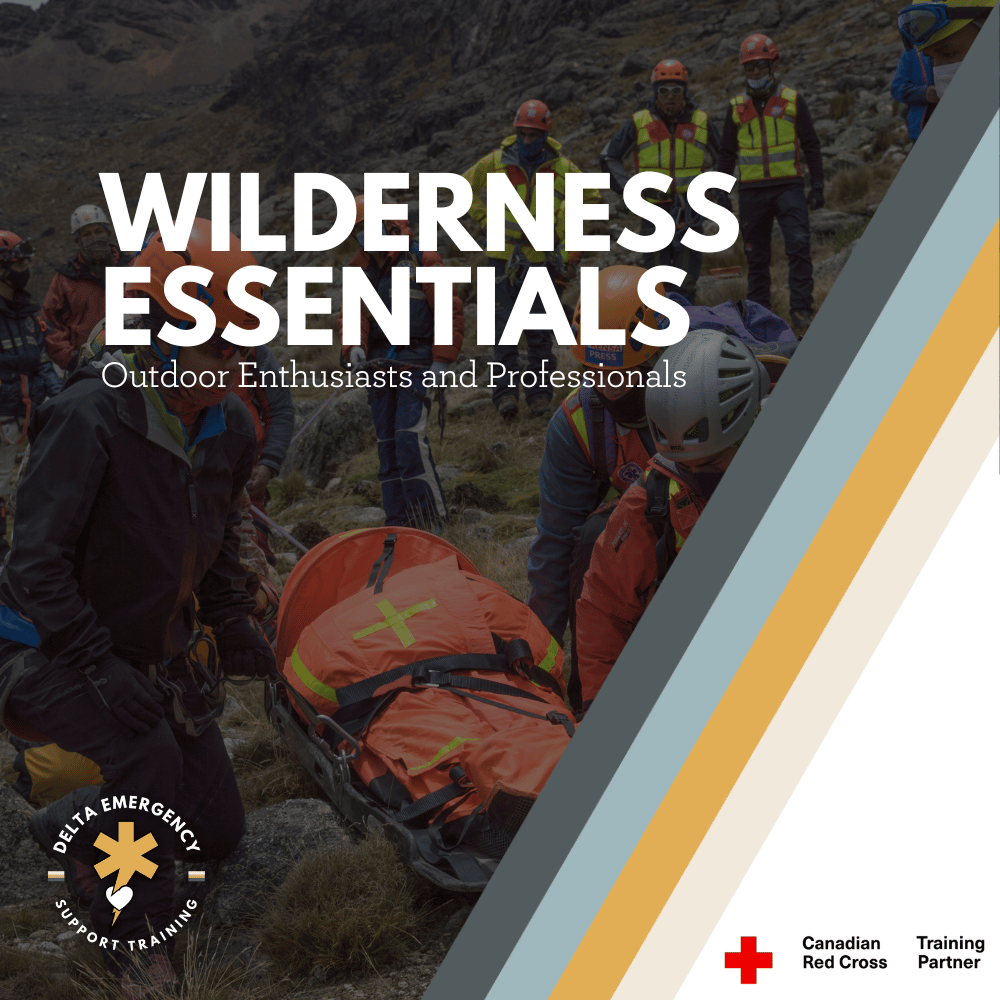
Responding to emergencies in urban areas is often predictable. Backup is usually nearby, communication is reliable, and resources are accessible. In remote locations such as rural roads, oilfields, logging sites, or construction areas, EMRs face unique challenges. You may be the only trained responder for hours, and the environment can complicate every step of patient care. Mastering the skills needed to handle these situations can mean the difference between life and death.
1. Communication Challenges in Remote Environments
One of the first hurdles EMRs encounter in remote areas is staying in contact with dispatch or additional medical resources. Cell service may be spotty or nonexistent, radios may have limited range, and satellite phones are not always available or functioning.
Tips for EMRs:
Always verify which communication tools are available on-site before your shift begins.
Have a backup communication plan, such as designated runners, signaling methods, or vehicle transport to reach help.
Provide clear and concise patient information to dispatch, including the exact location, patient condition, and any hazards.
Maintain communication logs to ensure vital information is relayed accurately.
Effective communication is the foundation for safe and efficient patient care, particularly when you are isolated.
2. Prolonged Patient Care
In remote settings, patients often require care for extended periods while waiting for evacuation. This differs significantly from urban EMS responses, where transport is typically quick. EMRs must be prepared to provide prolonged monitoring and treatment.
Key Considerations:
Continuously monitor ABCs (airway, breathing, circulation) and reassess frequently.
Take regular vital signs and record changes for handoff to higher-level care.
Keep the patient warm, comfortable, and hydrated when possible.
Maintain situational awareness, including environmental hazards, weather, and your own endurance.
Prolonged care requires a balance of technical skill and mental stamina. Staying calm and organized ensures that patients remain stable until help arrives.
3. Improvised Splints and Tourniquets
Remote worksites often have limited medical equipment. EMRs must be able to improvise with available materials.
Splints:
Use boards, poles, tools, or even rolled-up jackets to immobilize fractures.
Ensure the splint is secure but does not restrict circulation unnecessarily.
Tourniquets:
If a commercial tourniquet is unavailable, sturdy belts, strips of cloth, or webbing can be used in emergencies.
Apply properly and monitor distal circulation. Only use when direct pressure is not sufficient to control severe bleeding.
Improvisation is a core skill for EMRs in remote environments and can stabilize injuries until evacuation.
4. Coordinating Helicopter or Ground Extraction
In some cases, evacuation may involve air transport or long-distance ground travel. EMRs must coordinate safely and efficiently.
Preparation and Communication:
Ensure landing zones for helicopters are clear, level, and visible.
Identify hazards, including wires, uneven terrain, or debris.
Keep bystanders at a safe distance and assist with patient loading if necessary.
If extraction is delayed, maintain extended patient care: shelter, temperature regulation, and continuous monitoring.
Evacuation requires both technical knowledge and leadership to keep patients and crew safe.
5. Environmental Awareness and Safety
Remote sites often contain additional hazards that can complicate patient care:
Heavy machinery and industrial equipment.
Wildlife encounters.
Extreme weather conditions.
Limited lighting or difficult terrain.
EMRs must maintain situational awareness, not only for the patient but for their own safety and that of any team members or bystanders.
6. Mental Preparedness
Extended care in challenging environments can be mentally demanding. EMRs should practice:
Staying calm under pressure.
Making quick decisions with limited information.
Prioritizing patient care while managing multiple hazards.
Being mentally prepared ensures that patient care remains consistent and professional, even in high-stress or prolonged scenarios.
Conclusion
Remote and isolated worksites present unique challenges for EMRs. Success depends on advanced planning, communication, improvisation, and endurance. By mastering these skills, EMRs can provide high-quality care in environments where resources are limited and help may be far away.
Preparedness, adaptability, and confidence are what allow EMRs to save lives, no matter how isolated the scene.
Unlocking the Great Outdoors: Mastering Wilderness First Response with Delta Emergency Support Training
The Wilderness First Responder Course is a must for outdoor enthusiasts and professionals who venture into remote areas. Whether you're hiking, camping, or leading outdoor adventures, this course provides the essential skills to respond to medical emergencies in the wilderness. Learn to assess, treat, and manage injuries, illnesses, and life-threatening situations when help is far away. Equip yourself with the knowledge to handle emergencies confidently and safely.
Why the Wilderness First Responder Course Package is Essential for Outdoor Enthusiasts and Professionals
The wilderness is unpredictable, and those who brave its untouched landscapes know that preparation is key—not just in gear but in knowledge and skills. Delta Emergency Support Training offers the "Canadian Red Cross: Wilderness First Responder Course Package," a comprehensive trio of textbooks designed specifically for those who find themselves as first responders in remote and rugged environments. This package isn't just a set of books; it's an essential toolkit for saving lives where traditional medical help may be hours away.
Three Textbooks, One Mission: Comprehensive Preparedness
The Core Manual: This textbook covers a broad range of topics necessary for a solid foundation in wilderness medicine, including patient assessment and emergency response strategies tailored to the unique challenges of the wilderness.
The Scenario Guide: Packed with realistic scenarios, this guide pushes you to apply what you've learned in dynamic and challenging situations, enhancing decision-making skills under pressure.
The Quick Reference Handbook: When time is critical, this handbook is your go-to for quick checks and reminders, ensuring you have the right information at your fingertips when every second counts.
Designed for Depth and Durability
Each book in the Wilderness First Responder Course Package is crafted to withstand the elements, making them perfect for outdoor use. Water-resistant and tear-resistant pages mean that whether you're caught in a downpour or navigating rough terrain, your source of critical information remains intact.
Affordably Priced, Invaluable Investment
At Delta Emergency Support Training, we understand the importance of accessibility to quality education. That's why we offer these textbooks at prices well below standard retail costs. Investing in this package means investing in the safety of your team and the individuals you'll have the skills to assist, making it invaluable to any professional or agency involved in wilderness activities.
Why Choose a Physical Book Over Digital?
While digital devices are ubiquitous, in the wilderness, they are often unreliable. A physical book doesn’t require battery power or signal reception. It becomes not just a tool, but a reliable companion that ensures information is always available, no matter where your journey takes you.
Conclusion
Whether you're leading expeditions, embarking on solo wilderness adventures, or providing professional training, the Canadian Red Cross: Wilderness First Responder Course Package from Delta Emergency Support Training is your essential companion. By equipping yourself with this knowledge, you prepare to face the wilderness not just with confidence, but with competence.
Ready to take your wilderness preparedness to the next level? Visit our website at Delta Emergency Support Training to purchase your course package today and step confidently into your next adventure, knowing you are trained to handle whatever comes your way.

