The Delta Dispatch

Bee Stings & EpiPens: A Babysitter’s Guide to Life-Threatening Allergies

Bee stings can turn serious fast—especially if the child you’re babysitting has allergies. This guide teaches babysitters how to spot anaphylaxis, safely use an EpiPen, and stay calm in emergencies. At Delta Emergency Support Training, our Red Cross Babysitter Course includes hands-on EpiPen and first aid training—because when you’re babysitting, knowing what to do makes all the difference.
By Delta Emergency Support Training | In Partnership with Red Cross Babysitter Training

When you’re babysitting, you’re responsible for more than just keeping kids entertained—you’re also their first line of defense in an emergency. One common but serious situation babysitters may face is a bee sting that leads to a severe allergic reaction, called anaphylaxis.

This guide will help you understand how to recognize an allergic reaction, treat bee stings, and confidently use an EpiPen—a life-saving tool in a high-stress moment.

🐝 Bee Stings: First Aid Basics

Most bee stings are just a painful annoyance—but in children with allergies, they can be dangerous. Here’s what to do right away:

🩹 If a Child is Stung by a Bee:

  1. Stay calm and help the child stay still.

  2. Remove the stinger quickly—scrape it out with a flat edge like a credit card.
    🚫 Do not use tweezers or squeeze the stinger—it can inject more venom.

  3. Wash the area with soap and water.

  4. Apply a cold compress to reduce swelling and discomfort.

  5. Watch for signs of an allergic reaction over the next 15–30 minutes.

🚨 What Is Anaphylaxis?

Anaphylaxis is a severe, fast-moving allergic reaction that can affect breathing, circulation, and other body systems. It’s a medical emergency that requires immediate action.

⚠️ Common Triggers Include:

  • Bee or wasp stings

  • Peanuts, nuts, shellfish, milk, eggs

  • Medications

  • Latex

⚠️ Signs of Anaphylaxis

Watch for one or more of these symptoms, especially if they appear within minutes of a sting or exposure to a known allergen:

  • Trouble breathing (wheezing, coughing, gasping)

  • Swelling of the lips, face, throat, or tongue

    🔴 Tongue swelling is one of the most dangerous symptoms—it can block the airway

  • Hives, redness, or itching of the skin

  • Vomiting, diarrhea, or severe stomach cramps

  • Dizziness, fainting, or confusion

  • Child says they feel like something bad is happening

🧠 Important: Anaphylaxis can come in waves. A child might improve briefly, then get worse again. Never delay treatment.

💉 How to Use an EpiPen (Epinephrine Auto-Injector)

If the child has a known allergy or develops symptoms of anaphylaxis after a sting or exposure:

✅ Step-by-Step: EpiPen Use

  1. Use the EpiPen immediately.
    Early epinephrine is the best way to stop the reaction.

  2. Call 9-1-1 immediately after using the EpiPen.
    Even if the child looks better, they may need multiple doses. EMS must assess them.

  3. Administer the EpiPen:

    • Remove the blue safety cap ("blue to the sky").

    • Hold the pen in your fist, orange tip pointing down. (“orange to the thigh”

    • Push the orange tip firmly into the outer thigh (can go through clothing).

    • Hold for 10 seconds.

    • Remove and massage the injection site for 30 seconds.

  4. Stay with the child and monitor their condition.

    • If they’re having trouble breathing, keep them upright.

    • If unconscious or vomiting, turn them on their side to protect the airway.

  5. Do not reuse the EpiPen.
    It is a one-time-use device. If symptoms return and a second pen is available.

👶 Babysitter Safety & Preparedness Tips

  • Ask parents about allergies before they leave.

  • Know where the EpiPen is and check the expiry date.

  • Review instructions with parents before they leave.

  • Always call 911 after using an EpiPen—don’t wait.

  • Stay calm—you’ve been trained, and your response can save a life.

🎓 EpiPen Training Is Included in Our Babysitter Course!

At Delta Emergency Support Training, we don’t just teach games and diaper changes—we teach lifesaving skills. Our Red Cross Babysitting Course includes a first aid component, where babysitters learn how to:

  • Recognize anaphylaxis

  • Use an EpiPen correctly and confidently

  • Respond to bee stings, food allergies, and medical emergencies

  • Stay calm under pressure and take control of the situation

We train babysitters to be ready—not just helpful.

🧠 After the Emergency

Once EMS has arrived or the parents return:

  • Tell them exactly what happened and when you used the EpiPen

  • Take time to debrief with an adult or your own parent—emergencies can be stressful

✅ Final Reminders

  • Always ask about allergies

  • Always locate the EpiPen

  • Always call 911 after EpiPen use

  • Always take every reaction seriously—even “mild” ones can become severe fast

📞 Want to Learn More?
Ready to become a confident, Red Cross–trained babysitter?
Sign up for our next Babysitting & First Aid Course at Delta Emergency Support Training.
Because you’re more than a babysitter—you’re someone’s hero in the making.

Read More

The Most Overlooked First Aid Skills—And Why They Matter in Real Emergencies

First aid isn’t just CPR and bandages. Learn why overlooked skills like scene assessment, gaining consent, and offering emotional support are often the most important actions in an emergency—and how they can save lives before you even touch a patient.

It's not just about CPR and bandages—it's about what you do before you even touch the patient.

When people think of first aid, they often imagine chest compressions, gauze pads, or applying a splint. And yes—those technical skills matter. But the truth is, some of the most important first aid actions happen before any physical care begins. Whether you're a parent, a coach, a bystander, or someone with formal training, these lesser-known skills can make all the difference in how well an emergency is handled.

At Delta Emergency Support Training, we teach more than just the hands-on techniques. We train you to think, assess, and respond with confidence, clarity, and care—because the decisions you make in the first 30 seconds often shape the entire outcome.

Let’s talk about the three most overlooked first aid skills—and why every responder, no matter their experience level, should master them.

1. 🧠 Scene Assessment: The First Skill That Saves Lives

Before you rush to help, you need to stop, look, and listen.

Scene assessment is the skill of surveying your environment quickly and safely. It's the very first step in the Check, Call, Care model taught by the Canadian Red Cross, and it can prevent you from becoming the next casualty.

Why it matters:

  • Hazards like live wires, traffic, fire, or aggressive animals can put you in danger.

  • Understanding what happened helps determine what kind of help the person may need (e.g., fall, electrocution, overdose).

  • Identifying how many people are involved helps you plan your next steps.

What to look for:

  • Is it safe for me to enter?

  • What caused the injury or illness?

  • How many people are hurt?

  • Are there bystanders who can help?

Real-world example:
A lineman falls from a bucket after being electrocuted. Before you touch him, you need to consider: Is the power line still live? Is there a risk of arc flash or fire? Should you wait for the utility crew? Your instinct to help is noble—but your ability to pause and assess might be what truly saves lives.

2. 🗣️ Consent: The Ethical and Legal Foundation of First Aid

You might be surprised to learn that you can't legally just walk up and start treating someone—even if they're bleeding or unconscious. Consent is critical. It protects the rights of the injured person and the legal liability of the responder.

Types of consent:

  • Expressed consent: The person says yes or nods when you ask, “Can I help you?”

  • Implied consent: If the person is unconscious, confused, or unable to respond—and a reasonable person would accept help—you are legally allowed to proceed.

Why it matters:

  • It respects the autonomy and dignity of the patient.

  • It builds trust between you and the injured person.

  • It protects you under Canadian Good Samaritan laws.

Teaching tip: Always introduce yourself with your level of training:
“Hi, my name is Alex. I’m trained in first aid. Can I help you?”

In a crisis, this calm, respectful approach can lower panic and allow better cooperation.

3. 🤝 Emotional Support: The Human Side of First Response

First aid isn’t just physical. Emergencies can be terrifying, disorienting, and traumatic—for both the injured person and those around them. Your ability to provide calm, emotional reassurance is just as important as your ability to stop bleeding.

What emotional support looks like:

  • Making eye contact and speaking in a calm, steady voice.

  • Acknowledging the person’s fear: “I know this is scary, but you’re not alone. I’m here to help.”

  • Guiding them through what’s happening: “I’m checking your breathing. Help is on the way.”

Why it matters:

  • It reduces panic and shock, which improves outcomes.

  • It builds trust between the patient and responder.

  • It helps you stay calm and focused.

Bonus: This is especially important with children, elderly individuals, or people with cognitive or language barriers. A calm presence can make all the difference.

💡 So Why Are These Skills Overlooked?

Because they aren’t flashy. They’re not on TV dramas. They don’t involve gadgets or gear. But these are the moments that create safety, consent, and connection. These are the skills that turn someone with training into someone truly effective.

👩‍⚕️ Want to Learn These Skills—and So Much More?

At Delta Emergency Support Training, we believe first aid training should be real, relatable, and relevant. Whether you're taking Standard First Aid, Advanced First Aid / EMR, or Basic Life Support, you’ll gain both the clinical and human skills needed to respond with confidence.

We train with current Red Cross standards, and our instructors include experienced Advanced Care Paramedics who share what actually happens in the field.

🧭 Final Takeaway

It’s not just what you do—it’s how you do it.
Scene safety, consent, and emotional support might not be the first skills you think of—but they’re often the first ones that count.

📅 Ready to learn? Register for a course today and start your journey as a confident, capable responder.

Read More

Top 3 First Aid Skills Every Babysitter Should Know

Prepare for babysitting emergencies with our Red Cross Babysitter Course. Learn life-saving first aid skills such as choking first aid, using an EpiPen, and handling severe bleeds. Our course will teach you how to respond effectively and stay calm in critical situations.
Being a babysitter comes with a lot of responsibility, and while you might be prepared to entertain, play, and feed kids, there’s one crucial skill set that’s often overlooked: first aid training. Children are prone to accidents, and as a babysitter, knowing how to respond effectively can make all the difference in an emergency.

That’s why Red Cross First Aid Training is essential. The Canadian Red Cross offers courses designed to equip you with the skills to handle a wide range of emergencies — ensuring that you’re prepared and capable when a crisis strikes. In this blog, we’ll discuss the top 3 first aid skills that every babysitter should master to ensure the safety and well-being of the children in their care. These skills aren’t just important — they can be life-saving.

1. Choking First Aid: Saving a Child’s Life in Seconds

Choking is one of the most common emergencies a babysitter might encounter. Small children are naturally curious and tend to put things in their mouths, making choking a constant risk. Whether it's food, a small toy, or something else entirely, it’s essential that babysitters know the proper steps to take if a child starts choking.

What to Do:

  • For babies under 1 year old: Hold the baby face-down on your forearm, supporting the head and neck. Give 5 firm back blows between the baby’s shoulder blades. If the object isn’t dislodged, turn the baby over and give 5 chest thrusts with two fingers. Repeat back blows and chest thrusts until the object is expelled or the baby loses consciousness. If the baby loses consciousness, immediately call 911 and begin CPR (compressions and rescue breaths if trained to do so).

  • For children over 2 years old: Place the child over your knee with their head facing down. Support the front of their body with your arm, and give back blows. Repeat back blows then abdominal thrusts until the object is expelled or the child loses consciousness. If the child loses consciousness, immediately call 911 and begin CPR.

Why It’s Important:
A blocked airway can cause suffocation in just a few minutes, so knowing how to clear a child’s airway swiftly is critical. Red Cross First Aid courses will teach you these techniques to ensure that you’re ready to act in an emergency.

2. Administering an EpiPen: Treating Severe Allergic Reactions

Many children have allergies, and some reactions can be severe, even life-threatening. Allergies to food, insect stings, or medication can lead to anaphylaxis, a severe allergic reaction that requires immediate treatment. Babysitters should be familiar with how to use an EpiPen (epinephrine auto-injector) to quickly deliver life-saving medication.

What to Do:

  • Always have the EpiPen with you if you're caring for a child who has a history of severe allergic reactions.

  • Correct EpiPen technique: When ready to use, hold the EpiPen firmly with the orange tip facing the thigh. Blue to the sky, orange to the thigh (this is the phrase to help you remember). Do not place your finger on top of the EpiPen — if you inject yourself, both you and the child will need first aid.

  • Administer the injection: Inject the EpiPen into the lateral thigh (outer thigh) and hold it in place for 10 seconds. After the injection, gently rub the area for 30 seconds to help disperse the medication.

  • Call 911 immediately: After administering the EpiPen, always call 911, as anaphylactic reactions can worseneven after epinephrine is delivered. It’s important to let medical professionals take over.

  • Multiple doses may be required: EpiPens are single-use devices, and many people will need additional doses of epinephrine. If the child’s symptoms do not improve after 10-15 minutes, a second dose may be necessary, so ensure you have another pen on hand if prescribed.

Why It’s Important:
EpiPens can reverse anaphylaxis by constricting blood vessels and opening the airways, but this only offers temporary relief. Quick action is critical, and knowing how to administer the EpiPen correctly could save a child's life. Red Cross First Aid courses teach you the correct steps to safely and effectively use an EpiPen in an emergency.

3. Dealing with Life-Threatening Bleeding: Stop the Blood Flow

Severe bleeding, whether from a fall, a cut, or an accident, can be life-threatening if not managed properly. Knowing how to control bleeding is essential for babysitters, especially when caring for active or adventurous children. Self-protectionis also important, as you should avoid direct contact with blood when possible.

What to Do:

  • First, protect yourself: If possible, wear gloves or use a cloth to shield your hands from contact with blood. This helps protect you from potential bloodborne diseases.

  • Apply direct pressure: Use a clean cloth, towel, or even a shirt to apply direct pressure to the wound. If the bleeding continues and the cloth becomes soaked, add another layer on top without removing the first one. This helps the clotting process continue without disturbing it.

  • Do not remove layers: Once the cloth is applied, do not remove it. If you remove it, it may disrupt the clotting process and cause more bleeding. Simply add more layers of cloth or material if needed.

  • For life-threatening bleeds: If the bleeding doesn’t stop after several minutes of direct pressure, or if you notice signs of shock (pale skin, rapid pulse, dizziness), call 911 immediately and continue to apply pressure.

  • Avoid using a tourniquet unless directed by a professional: A tourniquet is a last resort and should only be used if you are instructed by medical professionals.

Why It’s Important:
Severe bleeding can quickly lead to shock and even death if not controlled. Knowing how to apply direct pressure and protect yourself from exposure to blood ensures that you are helping without putting yourself at risk. Red Cross First Aid courses teach the importance of quick action in controlling bleeding.

Conclusion: Confidence Through Preparation

As a babysitter, your primary responsibility is ensuring the safety and well-being of the children in your care. Accidents can happen in the blink of an eye, and knowing how to respond can make all the difference. By mastering the first three essential skills — choking first aid, administering an EpiPen, and controlling life-threatening bleeds — you’ll be prepared for some of the most common and serious emergencies that may arise.

At the Red Cross Babysitter Course, we equip soon-to-be babysitters with the knowledge and confidence to handle these situations effectively and calmly. Whether it’s a choking incident, a severe allergic reaction, or a bleeding emergency, our course covers essential first aid skills specifically designed for caring for babies and children. We not only teach you how to respond quickly but also guide you on how to stay calm during stressful situations, ensuring that both you and the children remain safe.

The Red Cross Babysitter First Aid course isn’t just about learning skills — it’s about being empowered to act confidently when it matters most. Take the time to invest in this vital training and become the best and most prepared babysitter you can be.

Read More

How to Prevent Spinal Injuries: Essential Steps for Safety

Spinal injuries can have devastating consequences, from paralysis to lifelong medical complications. Fortunately, many of these injuries are preventable. In this blog, we explore the top causes of spinal injuries, shocking statistics, and expert-approved safety measures to help you stay protected. Whether it’s safe driving, fall prevention, or sports safety, taking proactive steps can make all the difference. Plus, learn how Delta Emergency Support Training, a Red Cross Training Partner, provides essential first aid training to equip you with life-saving skills.
Preventing Spinal Injuries: Facts, Stats, and Essential Safety Measures

Spinal injuries are among the most severe and life-altering injuries a person can experience. Damage to the spinal cord can result in permanent paralysis, loss of sensation, and significant lifestyle changes. Understanding how these injuries occur and taking steps to prevent them is crucial for personal safety and public health.

In this blog, we will explore the causes, statistics, and preventive measures related to spinal injuries, helping you stay informed and protected.

Understanding Spinal Injuries

The spine is a complex structure made up of vertebrae, nerves, muscles, and ligaments that provide support and mobility to the body. When the spinal cord sustains damage, it can disrupt communication between the brain and the rest of the body, potentially leading to temporary or permanent disability.

Common Causes of Spinal Injuries

Spinal injuries can result from various traumatic and non-traumatic events, including:

  • Motor Vehicle Accidents – The leading cause of spinal cord injuries worldwide, accounting for nearly 38% of cases.

  • Falls – Responsible for about 32% of spinal injuries, particularly among older adults.

  • Sports and Recreation Accidents – Diving into shallow water, high-impact sports, and extreme activities contribute to 14% of spinal injuries.

  • Violence and Assaults – Gunshot wounds, stabbings, and physical attacks lead to approximately 13% of spinal cord injuries.

  • Medical Conditions and Diseases – Arthritis, osteoporosis, cancer, and infections can also cause spinal damage over time.

Spinal Injury Statistics

  • An estimated 17,900 new spinal cord injuries occur in the United States every year (National Spinal Cord Injury Statistical Center).

  • Males account for about 78% of spinal cord injury cases, often due to high-risk behaviors and sports activities.

  • The average age of a spinal injury patient has increased from 29 in the 1970s to 43 today, due to longer life expectancy and aging populations.

  • Lifetime costs for a spinal cord injury can range from $1.2 million to over $5 million, depending on the severity and level of paralysis.

  • Wearing a seatbelt and using proper vehicle restraints reduce the risk of spinal injuries in crashes by 60%.

How to Prevent Spinal Injuries

While some accidents are unavoidable, many spinal injuries can be prevented by taking proper precautions. Here are some essential strategies:

1. Safe Driving Practices

  • Always wear a seatbelt when driving or riding in a vehicle.

  • Never drive under the influence of alcohol or drugs.

  • Avoid distracted driving, such as texting or using a phone.

  • Ensure children are in proper car seats or booster seats.

2. Fall Prevention

  • Use handrails on stairs and install grab bars in bathrooms.

  • Remove tripping hazards like loose rugs and clutter.

  • Wear appropriate footwear with good grip.

  • Older adults should have regular vision check-ups and use mobility aids as needed.

3. Sports and Recreation Safety

  • Always wear protective gear such as helmets and padding in contact sports.

  • Avoid diving into shallow or unknown waters.

  • Use proper techniques and training for high-impact sports like football, gymnastics, and wrestling.

  • Follow safety rules when engaging in outdoor activities like rock climbing and skiing.

4. Workplace Safety

  • Use ergonomic lifting techniques to avoid back injuries.

  • Wear appropriate safety harnesses when working at heights.

  • Ensure workplaces follow OSHA safety regulations.

5. Preventing Violence-Related Injuries

  • Be aware of your surroundings and personal security.

  • Avoid high-risk areas and de-escalate confrontations when possible.

  • Support anti-violence initiatives and gun safety laws.

What to Do If You Suspect a Spinal Injury

If you suspect someone has a spinal injury, follow these emergency steps:

  1. Do Not Move the Person unless they are in immediate danger.

  2. Call 911 immediately.

  3. Keep the Person Still by placing your hands on either side of their head to prevent movement.

  4. Monitor Breathing and provide CPR if necessary.

  5. Provide Comfort and Reassurance until professional help arrives.

Delta Emergency Support Training – A Red Cross Training Partner

At Delta Emergency Support Training, we provide Standard First Aid training as a Red Cross Training Partner. Our courses teach essential lifesaving skills, including how to recognize and respond to spinal injuries safely.

By taking a first aid course, you can gain hands-on experience and certified knowledge to protect yourself and others in emergencies.

Conclusion

Spinal injuries can have life-changing consequences, but many of them are preventable with proper precautions and awareness. By following safe driving habits, fall prevention strategies, and sports safety guidelines, you can significantly reduce your risk.

To be fully prepared, consider taking a first aid and injury prevention course with Delta Emergency Support Training. Being informed and trained can help you protect lives and prevent serious injuries.

Read More

Managing Asthma Attacks: Quick Relief with Ventolin Inhaler

Picture a serene moment shattered by the sudden tightness in your chest, each breath a struggle against an unseen adversary. For those living with asthma, this scenario is all too familiar. Yet, in the midst of such turmoil, Ventolin emerges as a steadfast companion. As a short-acting beta-agonist, it swiftly eases the constriction of airways, offering rapid relief during asthma flare-ups. Recognizing the telltale signs – wheezing, coughing, shortness of breath, and chest tightness – is crucial. Swift action, including the timely administration of Ventolin, can make all the difference in reclaiming control over breathing.

Child using ventolin puffer during asthma attack

During an asthma attack, the airways in the lungs become inflamed, swollen, and narrowed, making it difficult for air to pass through. This results in symptoms such as wheezing, coughing, shortness of breath, and tightness in the chest. Asthma attacks can be triggered by various factors including allergens, exercise, cold air, respiratory infections, and stress.

Ventolin (also known as albuterol) is a commonly used medication for treating asthma attacks. It belongs to a class of drugs called short-acting beta-agonists, which work by relaxing the muscles around the airways, thus opening them up and allowing for easier breathing. Ventolin is typically administered via an inhaler, which delivers the medication directly to the lungs where it is needed most.

When responding to an asthma attack, it's crucial to act quickly to alleviate symptoms and prevent further complications. Here's a step-by-step guide to managing an asthma attack with Ventolin:

  1. Recognize the Symptoms: It's important to be able to recognize the signs of an asthma attack, which may include wheezing, coughing, shortness of breath, chest tightness, and difficulty speaking.

  2. Stay Calm: Panic can worsen asthma symptoms, so try to stay calm and reassure the person experiencing the attack.

  3. Assist the Person to Sit Upright: Sitting upright can help ease breathing by allowing the chest to expand fully.

  4. Administer Ventolin: If the person has a prescribed Ventolin inhaler, help them use it according to the prescribed dosage. Typically, this involves shaking the inhaler, exhaling fully, placing the inhaler mouthpiece in the mouth, pressing down on the inhaler to release a dose of medication, and then inhaling deeply. Hold the breath for a few seconds before exhaling slowly.

  5. Wait and Repeat: After administering the Ventolin, wait for a few minutes to see if the symptoms improve. If symptoms persist or worsen, the dose can be repeated as directed by a healthcare professional.

  6. Seek Medical Assistance if Necessary: If the asthma symptoms do not improve after using Ventolin or if the person's condition deteriorates rapidly, seek emergency medical help immediately.

  7. Follow Up: After the asthma attack has been resolved, it's important for the person to follow up with their healthcare provider to discuss the episode, review their asthma management plan, and make any necessary adjustments to their treatment regimen.

In addition to using Ventolin during an asthma attack, it's essential for individuals with asthma to have a comprehensive asthma management plan developed in conjunction with their healthcare provider. This plan may include strategies for avoiding triggers, taking long-term control medications, and knowing when to use rescue medications like Ventolin. Regular follow-up appointments with a healthcare provider are also important for monitoring asthma control and adjusting treatment as needed.

Read More

5 Life-Saving First Aid Techniques Everyone Should Know

In a world where emergencies can strike at any moment, being equipped with life-saving skills is crucial. Delta Emergency Support Training's First Aid Classes in Calgary, Alberta, go beyond the basics, offering comprehensive training in CPR, back blows, Stop the Bleed, the recovery position, and AED use. With hands-on experience and expert guidance, participants gain the confidence to act decisively in critical situations. Enroll today and become a confident, capable first responder – because your quick response might just save a life.
First aider attends to unconscious man who has AED PADS PLACED ON CHEST

When faced with a medical emergency, having a solid understanding of basic first aid techniques can be the difference between life and death. Whether at home, work, or in public spaces, possessing fundamental first aid skills can empower you to respond effectively and decisively. In this blog, we'll explore five common life-saving first aid techniques that everyone should know.

  1. Cardiopulmonary Resuscitation (CPR):

    Cardiopulmonary Resuscitation, or CPR, is a critical skill used to revive individuals experiencing cardiac arrest. By combining chest compressions and rescue breaths, you can maintain blood flow and oxygenation to vital organs until professional medical help arrives. CPR training is widely accessible, and mastering this technique can significantly increase the chances of survival in emergencies.

  2. Back Blows and Abdominal Thrusts:

    Choking is a prevalent emergency that can happen anywhere, and knowing how to respond is crucial. The combination of back blows and abdominal thrusts is a technique used to dislodge a foreign object obstructing the airway. Begin with five sharp back blows between the shoulder blades, followed by five abdominal thrusts to force air from the lungs and expel the obstruction. This method can be a lifesaver in situations where swift action is necessary.

  3. Stop the Bleed:

    Uncontrolled bleeding is a leading cause of preventable death in emergencies. The "Stop the Bleed" technique focuses on controlling external bleeding until professional medical assistance arrives. Applying direct pressure to the wound with sterile bandages or clothing, using tourniquets when necessary, and elevating the injured limb are essential components of this life-saving skill.

  4. Recovery Position:

    The recovery position is a simple yet vital technique used to maintain an open airway for an unconscious person who is breathing. Placing the individual on their side helps prevent choking on vomit or other fluids and promotes proper breathing. This technique is particularly useful in cases of alcohol or drug overdose, where maintaining a clear airway is critical until medical help arrives.

  5. AED (Automated External Defibrillator) Use:

    AEDs are portable devices that deliver an electric shock to restore the heart's normal rhythm in cases of sudden cardiac arrest. Learning how to use an AED, in conjunction with CPR, can significantly increase the chances of survival for someone experiencing a cardiac emergency. Many public places and workplaces are equipped with AEDs, making understanding their proper use invaluable in time-sensitive situations.

    Delta Emergency Support Training's First Aid Classes in Calgary, Alberta, offer a comprehensive approach to life-saving techniques. By enrolling in these courses, participants gain the skills and confidence to respond effectively to emergencies. From CPR to back blows and abdominal thrusts, Stop the Bleed, the recovery position, and AED use, Delta Emergency Support Training ensures that individuals are well-prepared to make a positive impact in critical situations. Empower yourself with the knowledge that can make a difference – enroll in Delta Emergency Support Training's First Aid Classes today. Your quick response and expertise could be the key to saving lives.

Read More
Advanced First Aid, First Aid Kumari Malhotra Advanced First Aid, First Aid Kumari Malhotra

Burn Management: Understanding Burns and How to Provide First Aid

Depending on the severity of the burn, it can be a painful and potentially life-threatening injury. Superficial burns only affect the outer layer of skin and typically result in redness, pain, and mild swelling. Partial-thickness burns affect both the outer and underlying layer of skin and can result in blisters, severe pain, and swelling. Full-thickness burns are the most severe type of burn, affecting all layers of skin and potentially even deeper tissue. Full-thickness burns can result in blackened or charred skin and can cause nerve damage, muscle and bone damage, and even death.

If you or someone else experiences a burn, providing first aid as soon as possible is crucial for promoting healing and preventing complications. The first step is to remove the source of the burn, such as a hot object or a chemical. Then, run cool (not cold) water over the burned area for at least 10-20 minutes. After that, cover the burn with a sterile, non-adhesive bandage or cloth. If the burn is severe, seek medical attention immediately.
Person using antiseptic spray to clean and sanitize a burn on their hand.

A person's hand is shown with a burn on the skin. The person is using an antiseptic spray to clean and sanitize the burned area. The spray is shown being directed onto the burned area.

Burns are a common injury that can be caused by a variety of factors, including heat, chemicals, electricity, and radiation. Depending on the severity of the burn, it can be a painful and potentially life-threatening injury. It's important to understand the different types of burns and how to properly provide first aid and medical treatment to promote healing and prevent complications.

Types of Burns

There are three main types of burns, including superficial burns, partial-thickness burns, and full-thickness burns. Superficial burns only affect the outer layer of skin and typically result in redness, pain, and mild swelling. Partial-thickness burns affect both the outer and underlying layer of skin and can result in blisters, severe pain, and swelling. Full-thickness burns are the most severe type of burn, affecting all layers of skin and potentially even deeper tissue. Full-thickness burns can result in blackened or charred skin and can cause nerve damage, muscle and bone damage, and even death.

First Aid for Burns

If you or someone else experiences a burn, providing first aid as soon as possible is crucial for promoting healing and preventing complications. The first step is to remove the source of the burn, such as a hot object or a chemical. Then, run cool (not cold) water over the burned area for at least 10-20 minutes. After that, cover the burn with a sterile, non-adhesive bandage or cloth. If the burn is severe, seek medical attention immediately.

It's important to note that for chemical burns, it's important to flush the affected area with water for at least 20 minutes before removing any clothing or jewelry that may have come in contact with the chemical.

For electrical burns, it's important to turn off the power source or remove the person from the electrical source before administering first aid.

Medical Treatment for Burns

If a burn is severe or covers a large area of the body, medical treatment may be necessary. In addition to first aid, medical treatment for burns may include antibiotics to prevent infection, pain medication to manage discomfort, and intravenous fluids to replace lost fluids and electrolytes.

For partial-thickness and full-thickness burns, wound care may be necessary to promote healing. This can include removing dead tissue, applying topical creams or ointments, and using specialized dressings or wraps. In some cases, skin grafts may be necessary to cover the burn and promote healing.

For severe burns, such as those that cover a large portion of the body or involve the face, hospitalization may be necessary to provide more intensive care.

Preventing Burns

While it's not always possible to prevent burns, there are some steps you can take to reduce your risk. These include being careful when handling hot objects, wearing protective clothing when working with chemicals or other hazardous materials, and keeping children away from hot surfaces or objects.

Burns can be a painful and potentially dangerous injury, but with proper first aid and medical treatment, most burns can be effectively managed. It's important to understand the different types of burns, provide prompt first aid, and seek medical attention if necessary. By taking steps to prevent burns and following recommended burn management techniques, you can help protect your health and promote healing.

Read More
Advanced First Aid, First Aid, Medical Responder Kumari Malhotra Advanced First Aid, First Aid, Medical Responder Kumari Malhotra

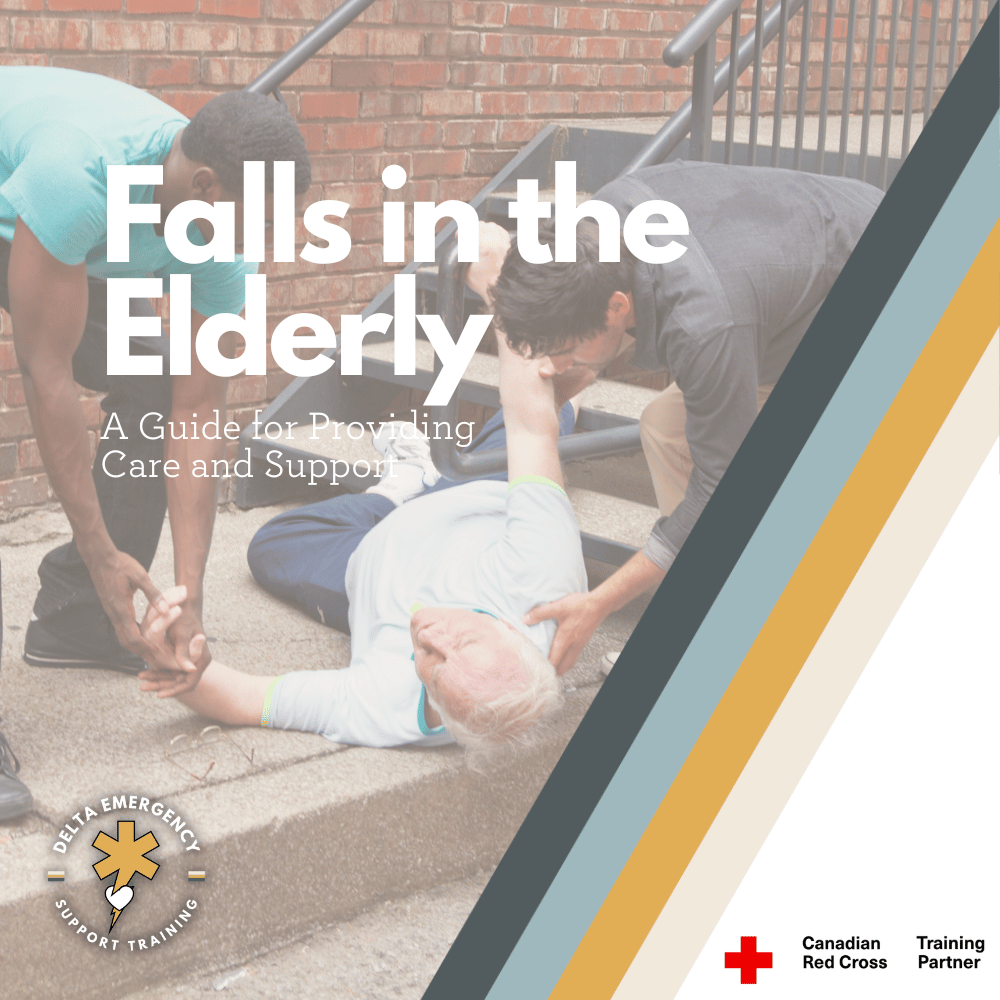
Assisting Elderly Who Have Fallen: A Comprehensive Guide to Providing Care and Support

Encountering an elderly or geriatric person who has fallen can be a difficult and distressing experience. Falls are a common problem among older adults and can lead to serious injuries, such as broken bones, head trauma, and bruises. It's important to approach the situation with care and sensitivity and take steps to provide appropriate assistance. Whether you're a family member, caregiver, or passerby, knowing what to do when you find an injured elderly person who has fallen can help to ensure their safety and well-being. In this blog post, we'll explore some general steps you can take to provide valuable assistance and help to ensure that the person receives the care and treatment they need.

Encountering an elderly or geriatric person who has fallen can be a difficult experience. It is important to approach the situation with care and sensitivity and take steps to provide appropriate assistance. Here are some general steps you can take to help:

two first aiders are providing assistance to an elderly person who has fallen. The first aider on the left is checking the person's pulse, while the other is evaluating their injuries. The person on the ground appears to be conscious but injured, and is lying on their side.

  1. Evaluate the situation:

    First, assess the situation to determine the extent of the person's injuries. If the person is conscious and can communicate, ask if they need help. If the person is unconscious or unresponsive, call emergency services immediately.

  2. Provide first aid:

    If the person has minor injuries that can be treated on-site, provide first aid as necessary. This might include cleaning and bandaging wounds, or helping them to sit or lie down in a comfortable position. If the person is bleeding heavily, try to apply pressure to the wound to stop the bleeding.

  3. Call for help:

    If the person's injuries are more serious or require medical attention, call emergency services immediately. Be sure to provide clear and accurate information about the person's location and the nature of their injuries.

  4. Stay with the person:

    While waiting for emergency services to arrive, it is important to stay with the person and provide comfort and reassurance. Let them know that help is on the way and that they are not alone.

  5. Communicate clearly:

    When speaking with the injured person, speak clearly and calmly. Avoid using complex language or medical jargon, and try to keep the person as relaxed as possible. If the person is unable to communicate, try to find out if they have any medical conditions or allergies that emergency services should be aware of.

  6. Provide information:

    If you are able to, provide emergency services with as much information as possible about the person's condition and any relevant medical history. This can help medical professionals provide more effective treatment.

  7. Be respectful:

    Remember that the injured person is likely to be feeling scared, vulnerable, and in pain. Treat them with respect and kindness, and try to keep them as calm and comfortable as possible until help arrives.

Encountering an elderly or geriatric person who has fallen can be a challenging experience, but by following these steps, you can provide valuable assistance and help to ensure that the person receives the care and treatment they need.Encountering an elderly or geriatric person who has fallen can be a difficult experience. It is important to approach the situation with care and sensitivity and take steps to provide appropriate assistance. Here are some general steps you can take to help:

  1. Evaluate the situation:

    First, assess the situation to determine the extent of the person's injuries. If the person is conscious and can communicate, ask if they need help. If the person is unconscious or unresponsive, call emergency services immediately.

  2. Provide first aid:

    If the person has minor injuries that can be treated on-site, provide first aid as necessary. This might include cleaning and bandaging wounds, or helping them to sit or lie down in a comfortable position. If the person is bleeding heavily, try to apply pressure to the wound to stop the bleeding.

  3. Call for help:

    If the person's injuries are more serious or require medical attention, call emergency services immediately. Be sure to provide clear and accurate information about the person's location and the nature of their injuries.

  4. Stay with the person:

    While waiting for emergency services to arrive, it is important to stay with the person and provide comfort and reassurance. Let them know that help is on the way and that they are not alone.

  5. Communicate clearly:

    When speaking with the injured person, speak clearly and calmly. Avoid using complex language or medical jargon, and try to keep the person as relaxed as possible. If the person is unable to communicate, try to find out if they have any medical conditions or allergies that emergency services should be aware of.

  6. Provide information:

    If you are able to, provide emergency services with as much information as possible about the person's condition and any relevant medical history. This can help medical professionals provide more effective treatment.

  7. Be respectful:

    Remember that the injured person is likely to be feeling scared, vulnerable, and in pain. Treat them with respect and kindness, and try to keep them as calm and comfortable as possible until help arrives.

Encountering an elderly or geriatric person who has fallen can be a challenging experience, but by following these steps, you can provide valuable assistance and help to ensure that the person receives the care and treatment they need.

At Delta Emergency Support Training we are happy to answer any questions you may have on geriatric emergencies as well as training sessions for individuals or classes. We offer in person, hybrid and online classes for Standard First Aid (SFA) Advanced First Aid (AFA) and Emergency Medical Responder (EMR) courses. For all inquiries please email info@deltaemergency.com .

Read More

Responding to Mass Casualty Incidents: A Guide for First Responders

Responding to Mass Casualty Incidents is a critical aspect of emergency preparedness and response. Whether it's a natural disaster, a terrorist attack, or an accident, the ability to quickly and effectively manage large numbers of injured victims can mean the difference between life and death. In such situations, emergency responders must work together to triage, treat, and transport the injured to medical facilities. They must also ensure that the scene is secure and that all necessary resources are available to address the needs of those affected.

Mass casualty incidents (MCIs) are situations where a large number of people are injured or killed at the same time. These incidents can be caused by natural disasters such as earthquakes, floods, or hurricanes, as well as by human-made events such as terrorist attacks or shootings. First responders play a crucial role in responding to these incidents and saving lives.

emergency responders in action, tending to multiple injured victims in a mass casualty incident. The responders are wearing protective gear and are working together to triage, treat, and transport the injured to medical facilities. The scene is chaotic, with debris and injured victims scattered around, highlighting the urgency and importance of effective mass casualty incident response.

Ensuring Safety: When responding to an MCI, the first priority for first responders is to ensure their own safety. They should always approach the scene with caution and be aware of potential hazards such as fires, explosions, or collapsing buildings. Once they have determined that it is safe to enter the area, they should quickly assess the situation and determine the number of casualties, the severity of injuries, and the resources needed to provide care.

Establishing Command: The first responders should then establish a command center to coordinate the response efforts. This center should be located in a safe area outside the immediate danger zone and should have clear communication channels with all response teams. The command center should also have access to emergency medical services (EMS) and transportation resources to move patients to hospitals or other care facilities.

Phases of Response: The response efforts should be organized into three main phases: triage, treatment, and transportation. During the triage phase, first responders should quickly assess each patient's condition and assign them to one of four categories: immediate (red), delayed (yellow), minimal (green), or expectant (black). Patients who are classified as immediate require immediate medical attention and should be transported to a hospital as soon as possible. Patients who are classified as delayed require medical attention but can wait for treatment. Patients who are classified as minimal require little or no medical attention, and patients who are classified as expectant are unlikely to survive even with treatment.

During the treatment phase, first responders should provide medical care to patients based on their triage category. Patients who are classified as immediate should receive the most urgent care, such as controlling bleeding, opening airways, or stabilizing fractures. Patients who are classified as delayed should receive medical attention as soon as possible, but their injuries are not life-threatening. Patients who are classified as minimal may receive basic first aid, such as bandages or pain relief. Patients who are classified as expectant should receive comfort care to minimize their suffering. During the treatment phase of a mass casualty incident, first responders should provide medical care to patients based on their triage category, which is determined during the triage phase. The triage categories are immediate (red), delayed (yellow), minimal (green), and expectant (black).

Patients who are classified as immediate require the most urgent care as their injuries are life-threatening and require immediate attention. First responders should prioritize stabilizing these patients by controlling any bleeding, opening their airways to ensure they can breathe properly, and stabilizing fractures or other injuries as quickly as possible. This may include the use of tourniquets, airway management devices, and splints.

Patients who are classified as delayed have injuries that are not immediately life-threatening but still require medical attention. First responders should provide medical care to these patients as soon as possible, but the urgency is not as high as it is for patients classified as immediate. For example, delayed patients may need pain relief, wound care, or treatment for broken bones.

Patients who are classified as minimal have injuries that are minor and may only require basic first aid, such as bandages or pain relief. These patients do not require immediate medical attention and can wait for treatment while more urgent cases are addressed.

Patients who are classified as expectant have injuries that are so severe that they are unlikely to survive even with medical treatment. First responders should provide comfort care to these patients to minimize their suffering, which may include pain relief, emotional support, and communication with family members or loved ones.

In summary, during the treatment phase, first responders should prioritize patients based on their triage category and provide the appropriate level of medical care to each patient. By following these guidelines, first responders can provide efficient and effective care to those in need during a mass casualty incident.

During the transportation phase, first responders should transport patients to hospitals or other care facilities based on their triage category. Patients who are classified as immediate should be transported first, followed by delayed patients. Minimal patients can be transported later or given transportation advice. Patients who are classified as expectant may not be transported, depending on the available resources and the patient's condition.

In conclusion, first responders play a critical role in responding to mass casualty incidents. They should always prioritize their own safety and quickly assess the situation to determine the resources needed to provide care. By following a structured approach that includes triage, treatment, and transportation, first responders can efficiently and effectively provide medical care to patients and save lives.

Read More
Jarrett Chisholm Jarrett Chisholm

First Aid Providers pay for Google Reviews?

5 Stars!: When a company has only 5-star reviews, that’s a red flag. Every company, no matter how good, is likely to have a few negative reviews. Elevate your career with honesty. Are the reviews spread over a considerable amount of time or are they compressed in a very short period of time?

Is this review for real?

You’re about to click the “Buy” button, but before you open your wallet, it’s probably a good idea to read some online consumer reviews, right? Whether it's booking a vacation, buying an audiobook or hiring a contractor, many of us look to online reviews to help us with our buying decisions. Online consumer reviews  help both consumers and businesses – they provide a wealth of “unbiased” product information to help you shop smart, and they reward businesses that provide a great product or service.

Companies may encourage their employees to post reviews, they might give customers incentives to leave positive reviews, and they can even hire a firm to post fake reviews for them.

Consumer reviews often strike at the heart of a consumer’s buying decision. Shoppers trust that these reviews are from real customers, just like them. Posting fake reviews online can damage that trust and seriously erode consumer confidence.

And the scope is wide -- if you shop online, you’re a potential victim.

So, here are some ways to help you recognize, reject and report fake reviews and protect your pocket book.

How to recognize fake reviews:

  • Sudden spike or dip: Watch out for a sudden spike in very positive reviews or a sudden dip in very bad reviews. Are the reviews spread over a considerable amount of time or are they compressed in a very short period of time?

  • New reviewer: Be on the lookout for reviewers who have only recently created a user profile or have been providing positive feedback on select products or services over a short period of time. These reviewers may work for the company and they may be getting reimbursed for posting fake reviews.

  • Beware when a reviewer says, “It’s the best ever!!!”: Don’t always trust reviews with an overly positive or gushing tone, especially if the review does not offer specific details about why it’s so good. If a review claims a service or product is “the best ever,” the review may be fake.

  • And beware when a reviewer says, “It’s the worst ever!!!”: You also shouldn’t always trust very negative reviews. These could be fake reviews from a competitor, discouraging shoppers from buying one product or service and suggesting another.

  • 5 Stars!: When a company has only 5-star reviews, that’s a red flag. Every company, no matter how good, is likely to have a few negative reviews.

  • Does this sound familiar? Watch out for multiple different reviewers using the same language to describe how good or bad something is. Some companies provide scripts to reviewers with suggested phrases and key words. Be cautious if you see the same buzz words coming up over and over again in reviews.

How to reject fake reviews:

  • Shop around: Just like you shopped for the right product or service, you should also consult several sources for independent, unbiased reviews.

  • Go back in time: Be sure to look at reviews over a long period of time. This will help you to spot potential patterns like a spike in positive or negative reviews.

  • The meat is in the middle: Read the 2-, 3- and 4-star reviews too. Someone writing a fake review is more likely to assign a rating of 1 or 5 stars, meaning you’re more likely to find balanced critique in the middle range.

  • Diversify: Online reviews are just one way to assess a product or service. Branch out -- ask trusted friends and family about their experiences. Consider asking the company for references.

How to report fake reviews

Source: The Government of Canada.

Advanced First Aid and BLS CPR in Calgary and Edmonton. Trusted Professionals, learn from our experience. and watch out for fake reviews.

elevate your career with honesty. Learn babysitting, take standard first aid, certify in advanced first aid, train to be a first responder, become an emr with a real emergency medical services instructors.

Read More
First Aid, Online Course Jarrett Chisholm First Aid, Online Course Jarrett Chisholm

Pocket Mask Requirements: First Aid Program Standards in 2021

All participants attending classroom training are required to have their own pocket resuscitation mask with single-use one-way valve.

Important changes to program standards

In the interest of public health during COVID-19 and beyond, please be advised the Canadian Red Cross program standards have been updated with respect to pocket masks in Red Cross First Aid training. All participants attending classroom training are required to have their own pocket resuscitation mask with single-use one-way valve.

cpr_first.jpg

Pocket masks must be new (if provided by the Training Partner) or previously owned by the participant only. While pocket masks are already used in training, they are typically decontaminated and reused along with a new one-way valve.

Purchase here: Pocket Mask

With this revised standard, the practice of decontaminating pocket resuscitation masks will be discontinued as masks may not be reused.

To ensure the safety of all students, course participants can bring their own pocket mask with a one-way valve, or they may opt to purchase one as an add-on item prior to class. Masks can be shipped to your home, or picked up on class day.

Airway Oxygen First Aid Mask.png

This new standard begins on March 31, 2021. Delta Emergency will adopt this new standard today, December 17, 2020. All courses that require mask ventilation training will be required to add a pocket mask at time of course purchase. If you choose not to buy a mask and do not have one on class day, you will be required to purchase one from your trainer in person before training can commence. If you refuse to purchase a mask in class, your participation will be marked as incomplete. We appreciate your understanding of this transition and we believe this will greatly reduce the risk of disease transmission for course participants.

Resources

Our COVID-19 protocols for classroom training have been revised to reflect this change. The courses this training will affect are:

  • Emergency First Aid

  • Standard First Aid

  • CPR A, CPR C, BLS, AED

  • Oxygen Therapy

  • Airway Management

  • Advanced First Aid

Please contact the Canadian Red Cross at 1-877-356-3226 with any questions regarding this new training standard. 

As always, the health and safety of our partners, Instructors, and course participants is our first priority. Thank you for your support in ensuring a safe training environment.

Canadian Red Cross First Aid.png
Read More
Online Course, Babysitter's Jarrett Chisholm Online Course, Babysitter's Jarrett Chisholm

Red Cross Online Babysitter's Course in Your Province

Canadian Red Cross Online Babysitter Couse. No matter where you live in Canada, there’s a course in your area + in your time zone at Delta Emergency. Become a Certified Babysitter and learn lifesaving skills to build your babysitting business. www.deltaemergency.com

Canadian Red Cross Online Babysitter’s Course

Delta Emergency is now offering the Red Cross online Babysitter course. This course offers basic first aid and caregiving skills for youth 11-15 years old. Participants learn how to provide care to children in a variety of age groups, and how to prevent and respond to emergencies. The course also offers youth the skills to promote themselves as babysitters to prospective families. All you need is a computer, internet, webcam, babysitter textbook 7 hours (split over 3 school nights)!

July 1st, 2021: NEW HYBRID COURSE AVAILABLE!

Course Schedule

We try to accommodate our students across Canada with babysitter courses in your time zone. Our full online babysitter certification is about 7.5 hours and taught over 3 days. We run the course from 5:30pm-8pm is Mountain Standard Time, Eastern Standard Time, and Atlantic Standard Time. No matter where you live in Canada, there’s a course in your area + in your time zone at Delta Emergency.

 
Online Babysitters Course Red Cross


We are here for Life

Train with real medical professionals like Advanced Care Paramedics. Our hope is that you certify in our online babysitter course and become a cautious, competent babysitter that is prepared to save a life. If you have questions before or even after your course, we are here for you. We answer any first aid questions you may have when you certify with us, for life. Call or email us anytime. We hope to see you in our virtual classroom soon!

Read More
Jarrett Chisholm Jarrett Chisholm

AEDs for WODs

Curtis’s first thought was, “Now that we’re getting an AED, we can workout so much HARDER!” I thought he should know that AEDs can’t cure rhabdomyolysis, but he was just too excited to hear me. Haha.

July 2018: Instructor Jarrett Chisholm with CrossFit Above All owner Curtis Laughren showing off the AED purchased with funds raised from the November 2017 First Aid fundraiser.

July 2018: Instructor Jarrett Chisholm with CrossFit Above All owner Curtis Laughren showing off the AED purchased with funds raised from the November 2017 First Aid fundraiser.

Hi there! It’s been a while since I’ve posted about what’s been happening with Delta Emergency Support Training. Here’s a quick update on what happened from the charity Automated External Defibrillator (AED) fundraiser event last November.

Curtis Laughren, the owner of CrossFit Above All approached me about training his staff in Standard First Aid and the use of an AED in the summer of 2017. I jumped at the opportunity to teach a course at his CrossFit box, and we scheduled a course for November. I decided to make the course a charity event for purchasing an AED for his gym, because it’s one of the necessary treatments for a cardiac arrest - especially in a place with high intensity workouts with a multitude of members and visitors.

Curtis’s first thought was, “Now that we’re getting an AED, we can workout so much HARDER!” I thought he should know that AEDs can’t cure rhabdomyolysis, but he was just too excited to hear me. Haha.

The students were great, which made the day super fun. The final scenario of the day had half the class wearing fake injuries and spurting out fake blood from arterial bleeding. Some of the First Aiders seemed surprised, but they all worked together as a team and handled injuries collectively.

Conan O’Brien Show

Conan O’Brien Show


I donated my instructing time and all net profits from the 8 people that registered, and $787.13 was raised from course fees. I also ran a donation page through our website until the end of December, which saw people donate a total of $120.00 by the end of 2017. The grand total of funds raised for an AED was $907.13!

AEDs cost anywhere between $1500.00-$2000.00. The money raised from this event was able to cover about half of the cost of an AED. Delta Emergency Support Training delivered the funds and some AED recommendations to CrossFit Above All in January 2017. Curtis was able to find the right AED for his business for the right price a few months later, and purchased the Phillips HeartStart for his box.

I ran a blended learning course for 8 people, which included CrossFit coaches and local chiropractors from Peak Health & Performance. Blended learning allows a student complete the 8 hours of reading material at their own pace online over a month. The class day for blended learning is all about the hands-on skills. The 1 day of skills lasts between 6.5-8 hours, and everyone becomes certified in Standard First Aid + CPR/AED.

I’m happy to have been part of the movement for promoting safety at a local fitness centre.

If you’re interested in becoming certified in how to use an AED properly, send me message, or give me a call at 1-844-643-3582.

-Jarrett

Read More