The Delta Dispatch

Kumari Malhotra Kumari Malhotra

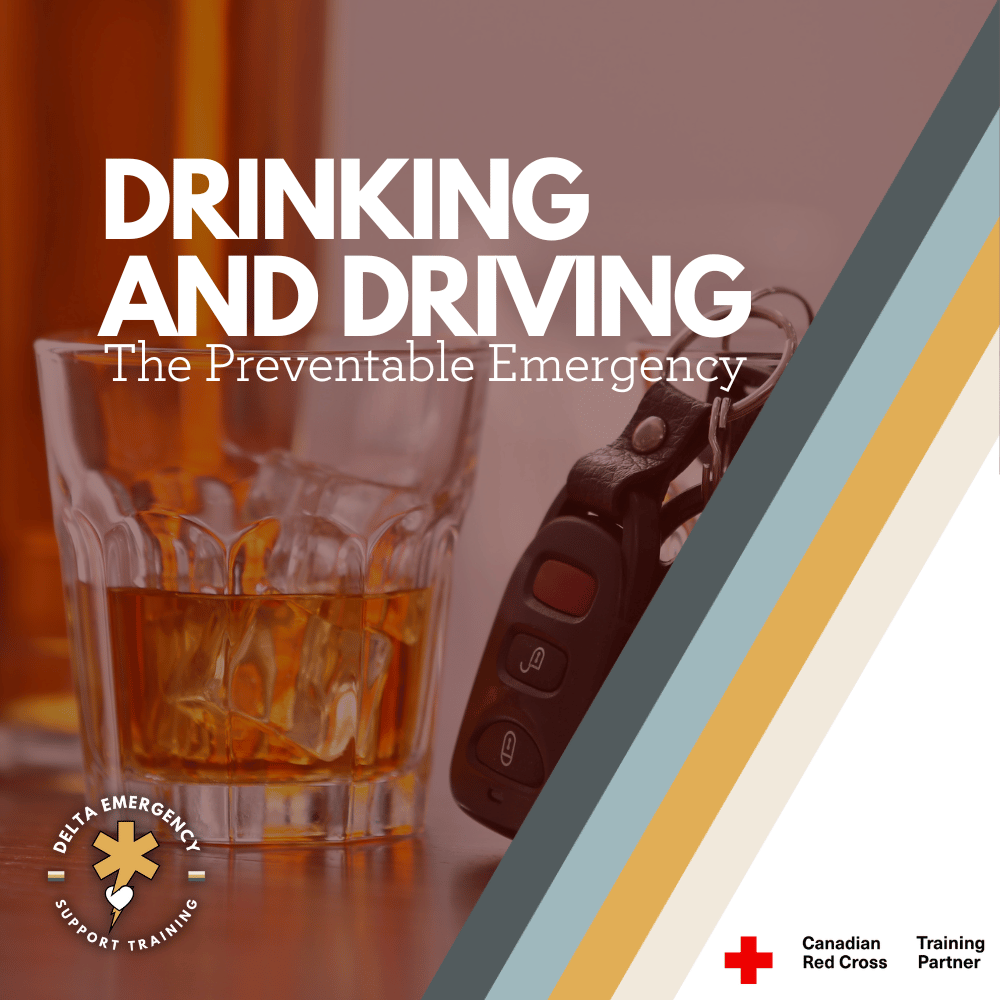
The Dangers of Drinking and Driving: Why Every Decision Counts

Drinking and driving remains one of the most preventable causes of death and injury on Canadian roads. Every year, impaired driving leads to devastating collisions that emergency responders see far too often. Alcohol slows reaction time, impairs judgment, and reduces coordination — turning an ordinary drive into a life-threatening event. This blog explores the dangers of impaired driving, its impact on first responders, and how education, prevention, and responsible choices can save lives before tragedy strikes.

Drinking and driving remains one of the most preventable causes of death and injury on the roads. Despite decades of awareness campaigns and legal consequences, impaired driving continues to claim lives and devastate families across the world, including here in Canada. As emergency responders, we see firsthand the destructive effects of impaired driving. But it's important to not only focus on the aftermath but also the steps we can take to prevent these incidents from happening in the first place.

The Facts: Drinking and Driving in Canada

According to the Traffic Injury Research Foundation (TIRF), alcohol is a factor in approximately 30% of all road deaths in Canada. In 2021 alone, there were over 1,000 fatalities attributed to alcohol-impaired driving. The numbers are just as alarming when it comes to injuries: more than 60,000 Canadians are injured in crashes where alcohol is involved each year.

Impaired driving isn’t just about alcohol, though. Drugs, whether prescription, recreational, or illegal—can also impair judgment, reaction time, and motor skills, making it just as dangerous behind the wheel. With the legalization of cannabis in Canada, more drivers are using cannabis in combination with alcohol, which can have compounding effects on impairment.

Why Alcohol Affects Driving Ability

Alcohol affects the central nervous system (CNS), impairing the brain’s ability to process information, make decisions, and react quickly. Even small amounts of alcohol can reduce reaction time and distort judgment, making drivers:

  • Less able to judge distances and speed: Alcohol reduces your ability to judge the distance between vehicles, the time it will take to stop, and the speed at which you’re traveling.

  • Slower to react: Even moderate levels of alcohol (just one or two drinks) delay reflexes, which could make the difference between avoiding an accident and crashing.

  • Impaired vision: Alcohol reduces depth perception, making it harder to gauge objects at a distance, which affects turning, merging, and parking.

  • Decreased coordination: Alcohol slows muscle function, which can make it more difficult to steer, apply the brakes, or even press the gas pedal.

The Legal Consequences of Drinking and Driving

In Canada, the legal limit for blood alcohol concentration (BAC) is 0.08%, but impairment can begin well before that level is reached. Even at 0.05% BAC, drivers experience decreased ability to control their vehicle, and their reaction time is slowed. The legal penalties for drinking and driving in Canada include fines, license suspension, mandatory education programs, and even jail time for repeat offenders.

But the legal consequences are just one part of the equation. The emotional, financial, and social impacts on the driver, their family, and other victims are often far-reaching and irreversible.

Impact on Emergency Responders

As first responders, we are on the front lines of dealing with the aftermath of drinking and driving accidents. These incidents are often preventable, but we respond to them day in and day out. Some of the impacts we experience from these crashes include:

  • Physical injuries: Drinking and driving accidents often result in serious, life-threatening injuries. Victims may suffer spinal cord injuries, head trauma, broken bones, or internal bleeding.

  • Psychological toll: Responding to the aftermath of a fatal crash, especially one caused by drinking and driving, can take an emotional toll on responders. The stress, grief, and trauma of being involved in these events can affect mental health and well-being.

  • Workplace impact: High-volume crash responses, especially those related to impaired driving, can lead to burnout, fatigue, and long-term psychological consequences for responders who deal with these traumatic situations regularly.

As we know, the consequences are far-reaching, and addressing this public health issue takes a community-based approach.

How to Prevent Drinking and Driving

Prevention is the key to reducing the frequency of impaired driving incidents. Here are a few strategies to help combat this dangerous behavior:

  • Promote designating a driver: Encourage those who plan to drink to arrange a designated driver before heading out. This can be a friend, family member, or rideshare service like Uber or Lyft.

  • Offer alternative transportation options: Ensure there are safe, reliable public transportation options or taxis available for those who need to get home after drinking.

  • Educate the public: Raising awareness about the dangers of drinking and driving through campaigns and community events can help reduce incidents. Targeted education for young drivers is especially critical, as teenagers and young adults are the most likely to engage in risky driving behaviors.

  • Use sobriety checkpoints: Law enforcement agencies should continue to utilize sobriety checkpoints and increased patrols during high-risk periods like weekends and holidays when drinking and driving incidents tend to spike.

  • Implementing stricter penalties: Research shows that stronger legal consequences—such as increased fines and longer suspensions—can deter individuals from drinking and driving.

  • Encourage self-regulation: As a community, we can encourage personal responsibility. Whether it’s in social settings or in conversations with friends and family, it’s important to remind each other that getting behind the wheel after drinking puts everyone at risk.

Key Takeaways

  • Drinking and driving continues to be one of the leading causes of road-related injuries and fatalities in Canada.

  • Even small amounts of alcohol can impair judgment, reaction time, and motor skills, making it dangerous to drive.

  • As emergency responders, we witness the devastating impact of drinking and driving on a daily basis.

  • Prevention is key, and as a community, we must take proactive steps to reduce these preventable accidents.

  • Whether it’s through education, designated drivers, or stricter penalties, we can work together to prevent impaired driving and save lives.

Final Thoughts

As responders, we know that emergency situations are rarely clear-cut, and impaired driving incidents only further complicate the scenario. Whether we’re treating victims, supporting grieving families, or experiencing the emotional toll ourselves, we need to advocate for prevention at every opportunity. It's vital that we continue to speak out about the dangers of drinking and driving — not just as emergency workers but as active participants in a community that values the safety and well-being of all its members.

Read More

Online Red Cross Babysitter Course: Enroll Your Child Anywhere in Canada

Help your child build confidence and life-saving skills from anywhere in Canada. Delta Emergency Support Training delivers the Red Cross Babysitter Course live online in two sessions—covering baby care, safety, and first aid—so your young teen is ready for babysitting and emergencies alike.

Looking for a meaningful way to build your child’s confidence and independence? The Canadian Red Cross Babysitter Course, offered online through Delta Emergency Support Training , gives youth aged 11–15 the skills to care for children safely and respond to emergencies—all from the comfort of your home, anywhere in Canada.

This isn’t just a babysitting class. It’s leadership training, first aid preparation, and a solid first step toward responsibility and a first job.

Two Engaging Online Sessions

Delta delivers the official Red Cross Babysitter Course in two interactive sessions, making it easy for families across the country to fit training into their schedule.

Session 1: Caring for Babies and Young Children

  • Feeding, diapering, and soothing infants and toddlers

  • Planning fun, age-appropriate activities

  • Child-proofing and preventing household injuries

  • Professional communication with parents and setting rates

Session 2: Babysitter First Aid

  • Treating common injuries: cuts, burns, bumps

  • Choking relief techniques

  • When and how to call 911

  • Staying calm and in control during unexpected situations

Because the course is fully online and instructor-led, your child can learn live with a certified Red Cross trainer, interact with other participants, and practice key skills—no matter where you live.

Why Parents Are Signing Up Across Canada

1. Confidence and Independence

Kids finish the course ready to handle real-world responsibilities and make smart decisions when you’re not around.

2. First Aid That Lasts a Lifetime

Babysitter-level first aid is an invaluable life skill—useful at home, at school, and during sports.

3. A First Job They—and You—Can Trust

Babysitting is often a child’s first paid work. This training covers everything from professional communication to setting fair rates so they’re prepared to succeed.

4. Peace of Mind for Parents

Knowing your child is Red Cross–certified means you can confidently let them care for siblings or neighbor children—and know they’re ready for emergencies.

How to Enroll from Anywhere

Registration is simple:

  1. Visit Delta Emergency Support Training’s website and select the Red Cross Babysitter Course (Online).

  2. Choose your preferred dates—sessions are offered year-round.

  3. Receive your course materials and log-in details, then let your child join the live virtual class from your home computer or tablet.

The Takeaway for Parents

The online Red Cross Babysitter Course with Delta Emergency Support Training is more than childcare instruction. It’s a Canada-wide opportunity to give your child confidence, life-saving first aid skills, and professional babysitting knowledge, all while you relax knowing they’re learning from Red Cross–certified instructors.

Whether your child wants to start earning money, help with younger siblings, or simply gain valuable safety skills, this program is a parent-approved step toward independence and responsibility.

Read More
Alberta, 911, Awareness, Backcountry, Canada, First Aid Kumari Malhotra Alberta, 911, Awareness, Backcountry, Canada, First Aid Kumari Malhotra

Venomous Snake Bites in Canada: What You Need to Know & Do - First Aid Edition

Venomous snake bites are rare in Canada—but when they happen, knowing how to respond is crucial. From identifying rattlesnakes to administering Red Cross-approved first aid, this guide covers everything you need to stay safe outdoors.

Canada isn’t typically known for dangerous reptiles, but if you hike in BC, camp in Ontario, or explore the Prairies, you might just encounter one of our country’s three venomous snakes. While bites are rare, understanding how to identify venomous snakes, how to respond safely, and what first aid steps to take is essential.

At Delta Emergency Support Training, we prepare Canadians for real-life emergencies—including those that happen far from a hospital. Here’s your complete guide to snake bite prevention, identification, and treatment.

🇨🇦 Venomous Snakes in Canada

Canada is home to three native venomous snake species, all of which are rattlesnakes:

1. Eastern Massasauga Rattlesnake

  • Location: Ontario (Bruce Peninsula, Georgian Bay, Muskoka)

  • Canada’s only venomous snake in the East

  • Generally shy and avoids humans

2. Prairie Rattlesnake

  • Location: Southern Alberta and parts of Saskatchewan

  • Found in dry grasslands and badlands

  • More active in warmer months

3. Western Rattlesnake

  • Location: Southern British Columbia, especially the Okanagan Valley

  • Prefers rocky terrain and dry slopes

🐾 How to Tell if a Snake is Venomous

While identifying a snake in the wild can be difficult, here are common traits of venomous rattlesnakes in Canada:

  • Triangular-shaped head

  • Vertical (slit-like) pupils

  • Thick body with blotchy patterns

  • A rattle on the tail (but sometimes broken or not used)

  • Shaking or buzzing sound when threatened

Be cautious—some non-venomous snakes mimic rattlers by vibrating their tails in leaves.

🩹 First Aid for Snake Bites

All suspected snake bites should be treated as medical emergencies, even if the snake isn’t identified.

✅ What to Do Immediately

  1. Move the person to safety (away from the snake).

  2. Keep them calm—movement and panic can increase venom circulation.

  3. Call 911 immediately.

  4. Remove tight items like rings, bracelets, or watches from the affected limb.

  5. Have them lie down with the bitten limb at or slightly below heart level.

  6. Apply a clean, dry dressing to the bite.

  7. Mark the edge of swelling with a pen and track it over time.

❌ What NOT to Do

  • Do not cut the wound or try to suck out the venom.

  • Do not apply a tourniquet.

  • Do not apply ice or immerse the bite in water.

  • Do not give the person alcohol or caffeine.

  • Do not attempt to capture or kill the snake.

🧬 What Does Snake Venom Do?

Rattlesnake venom is a hemotoxin, which means it can damage tissue, affect blood clotting, and cause intense swelling.

Symptoms may include:

  • Severe pain at the bite site

  • Rapid swelling or bruising

  • Dizziness or nausea

  • Weakness or fainting

  • Difficulty breathing (rare, but serious)

In rare cases, snake bites can lead to shock or even death if untreated.

🗺️ Prevention Tips by Region

Ontario (Massasauga)

  • Stay on designated trails

  • Avoid tall grass and rocky ledges

  • Wear boots and long pants

  • Listen for rattling sounds

Alberta & Saskatchewan (Prairie Rattlesnake)

  • Step carefully in dry, grassy areas

  • Keep pets on a leash

  • Watch where you sit or place your hands

British Columbia (Western Rattlesnake)

  • Avoid rocky hillsides and dry scrub

  • Don’t walk barefoot in wild areas

  • Use a flashlight when hiking at night

General Prevention:

  • Do not approach or handle any snake

  • Keep food sealed and your campsite clean

  • Hike with a buddy

  • Stay alert and educate children on snake safety

🧠 Final Takeaway

Although snake bites in Canada are rare, they do happen—and when they do, quick, calm, and correct first aid can make all the difference. Our native venomous snakes are not aggressive, and most bites occur when they are accidentally stepped on or provoked.

Knowing the signs of a venomous snake, understanding how to avoid dangerous situations, and being ready to act can help keep you—and others—safe.

At Delta Emergency Support Training, we teach first aid skills that prepare you for real emergencies, whether in your home, workplace, or the backcountry. Our courses include Standard First Aid, Advanced First Aid/EMR, and Basic Life Support.

🩺 Ready to be prepared for anything? Train with us and gain the confidence to respond.

Read More

When the Air Turns Hazardous: Protecting Families During Canada’s 2025 Wildfire Smoke Crisis

Canada’s 2025 wildfire season has brought hazardous air—and with it, serious health risks. This guide equips families and caregivers with practical advice: from setting up a clean room and using N95 masks to monitoring air quality and recognizing smoke-induced illness.

Wildfire season in Canada has been worsened by heat, dry conditions, and climate change—with over 1,985 active firesburning nearly 3.9 million hectares as of June 16, 2025. The result? Widespread "very unhealthy" to "hazardous" air across provinces and even beyond—affecting children, people with respiratory conditions, seniors, and other vulnerable groups.

Understanding Canada’s Air Quality Health Index (AQHI)

In Canada, we don’t use the U.S.-style AQI. Instead, we use the Air Quality Health Index (AQHI) to tell us how the air we breathe affects our health on a scale from 1 to 10+, with higher numbers indicating greater health risks.

How the AQHI Works

AQHI ValueHealth RiskAt-Risk PopulationGeneral Population1–3LowIdeal conditions for outdoor activities.Ideal conditions for outdoor activities.4–6ModerateConsider reducing or rescheduling strenuous activities outdoors.No need to modify usual activities unless symptoms occur.7–10HighReduce or avoid strenuous activities outdoors.Consider reducing strenuous outdoor activity.10+Very HighAvoid all physical outdoor activity. Stay indoors.Reduce or reschedule strenuous outdoor activity.

At-Risk Populations include:

  • Children and infants

  • Seniors

  • People with asthma, heart conditions, or other chronic illnesses

  • Pregnant individuals

🌫️ What Does This Mean for Families?

  • 1–3 (Low): Great time for park visits, walks, or outdoor play.

  • 4–6 (Moderate): Children and people with asthma should limit high-energy outdoor activities.

  • 7–10 (High): Everyone—especially vulnerable groups—should stay indoors and use air filtration.

  • 10+ (Very High): Outdoor exposure can cause serious health effects. Stay inside, seal your home, and consider relocating temporarily if the smoke persists.

📲 Where to Check AQHI

Stay informed using trusted Canadian sources:

  • 🔗 Environment Canada – AQHI Main Page

  • 🔗 AQHI by Province (select your region)

  • Mobile Apps: WeatherCAN, AQHI Canada, or your local weather app

🌫️ Why Wildfire Smoke is Dangerous

  1. Fine Particulate Matter (PM2.5):

    • These tiny particles penetrate deep into the lungs and bloodstream.

    • In 2025, several areas recorded PM2.5 levels over 150 µg/m³—more than 6x the WHO's safe 24-hour limit.

    • US studies confirm that smoke PM2.5 from wildfires can be up to 10x more harmful than typical pollution.

  2. Health Effects:
    Exposure can cause:

    • Immediate symptoms: coughing, wheezing, eye irritation, chest tightness.

    • Aggravation of asthma, COPD, bronchitis, and heart disease.

    • Long-term risks: strokes, heart attacks, developmental issues in children, pregnancy complications.

  3. Canada’s Sharp Increase:

    • In Prairie provinces, air quality reached “Unhealthy to Very Unhealthy” levels in early.

    • Cities like Toronto, Ottawa, and Montreal had some of the worst AQIs globally during June 5–6.

👶 Who’s Most at Risk?

  • Infants and young children with developing lungs.

  • Seniors, particularly those with cardiovascular/respiratory conditions.

  • Individuals with asthma, COPD, heart disease, or compromised immunity.

  • Pregnant women - smoke exposure has been linked to preterm births.

  • Those in low-income or remote communities with limited access to clean air resources.

🛡️ How to Protect Your Family

1. Stay Inside & Seal Your Home

  • Keep doors and windows closed; run HVAC on recirculation.

  • Create a DIY clean room by sealing off one area and running a HEPA filter air purifier.

2. Limit Outdoor Exposure

  • Avoid strenuous outdoor activity.

  • For necessary outdoor time, wear a properly fitted N95 mask—cloth masks don't protect against PM2.5

3. Monitor Air Quality

  • Use apps or websites like FireSmoke.ca, AirNow, or AQI.in.

  • Follow local advisories—on very poor days, avoid outdoor time completely

4. Stay Hydrated & Medically Prepared

  • Children and older adults should drink water regularly.

  • Keep inhalers, medications, and emergency contacts handy.

5. Safe Indoor Air Strategies

  • Continue using air purifiers, keep HVAC maintenance current, and avoid indoor activities that pollute air (like smoking or burning candles).

6. Know the Signs of Smoke-Related Illness

Be alert for:

  • Persistent coughing, wheezing, shortness of breath

  • Chest pain, dizziness, fatigue

  • Severe symptoms like bluish lips, confusion, or altered consciousness – seek medical help immediately.

7. When to Seek Help

Call emergency services if someone experiences:

  • Trouble breathing or chest pain

  • Severe allergic reactions (e.g. from ash or irritants)

  • Symptoms of stroke or heart attack

✅ Bonus Tips for Parents & Caregivers

  • Plan indoor activities: crafts, reading, games on high-risk days.

  • Reduce exposure to dust and pollen indoors—vacuum with HEPA filters.

  • If possible, relocate temporarily to cleaner-air areas.

  • Educate older children about the importance of masks and staying indoors.

Final Takeaway

The 2025 wildfire season has shown us air quality can deteriorate rapidly—even hundreds of kilometers away from the flames. For vulnerable families, proactive planning saves lives.

By staying informed and implementing air protection measures, you can shield your loved ones from the hidden threat of wildfire smoke.

Read More

The Red Cross: Everything Aspiring First Responders Need to Know Introduction

Thinking about becoming a first responder? The Red Cross provides essential training, from Standard First Aid (SFA) with CPR/AED Level C to Advanced First Aid (AFA), Basic Life Support (BLS), and Emergency Medical Responder (EMR). At Delta Emergency Support Training, we offer all these courses, including bridge programs and recertifications, helping you stay certified and ready to respond. 🚑

If you’re looking to become a first responder or expand your emergency care knowledge, the Red Cross is one of the most recognized and respected organizations for first aid and lifesaving training. Whether you’re starting with Standard First Aid (SFA) with CPR and AED Level C or progressing to Advanced First Aid (AFA) and Basic Life Support (BLS), understanding the training pathway is essential for anyone serious about emergency response.

At Delta Emergency Support Training, we offer all of these courses, including Emergency Medical Responder (EMR), bridge courses, and recertifications to help you stay up to date and advance your skills.

Standard First Aid (SFA) – The Essential Foundation

Before you can progress to advanced emergency medical training, you’ll need a strong foundational knowledge of first aid. Standard First Aid (SFA) with CPR/AED Level C is a prerequisite for more advanced training, making it the first step for aspiring first responders.

What Does Standard First Aid (SFA) Include?

This course covers the essential lifesaving skills needed to respond to common emergencies, including:

  • CPR and AED (Level C): Learn how to perform Cardiopulmonary Resuscitation (CPR) on adults, children, and infants and how to use an Automated External Defibrillator (AED).

  • Choking Response: Techniques for assisting choking victims of all ages.

  • Bleeding Control: Proper wound care, including bandaging, applying direct pressure, and using tourniquets.

  • Shock Management: Recognizing and responding to different types of shock.

  • Burns and Environmental Emergencies: First aid for burns, heat exhaustion, hypothermia, and frostbite.

  • Head, Neck, and Spinal Injuries: How to stabilize an injured person and prevent further harm.

  • Medical Emergencies: Recognizing and responding to diabetic emergencies, seizures, strokes, and allergic reactions.

Why Is Standard First Aid Important?

  • It is a prerequisite for Advanced First Aid and EMR (AFA).

  • It meets workplace safety requirements for many jobs, including healthcare, security, and childcare.

  • It provides practical, hands-on training to build confidence in emergency situations.

At Delta Emergency Support Training, we offer recertification courses to help you maintain your certification and stay prepared.

Advanced First Aid (AFA) vs. Emergency Medical Responder (EMR)

Once you have completed Standard First Aid, you may want to continue with Advanced First Aid (AFA) or Emergency Medical Responder (EMR). Understanding the differences between these two courses is important for choosing the right path.

Advanced First Aid (AFA)

  • Designed for those interested in becoming a first responder as well as workplace first responders, security personnel, and safety officers.

  • Includes oxygen therapy, airway management, and advanced bleeding control.

  • Covers spinal immobilization, fractures, and extended care skills.

  • Focuses on scene management and multi-casualty incidents.

Emergency Medical Responder (EMR)

  • A more advanced course designed for those looking to work in EMS, firefighting, or law enforcement.

  • Includes all AFA content plus advanced medical care, such as patient assessments, pharmacology, and vital signs monitoring.

  • Prepares students to assist paramedics in emergency medical situations.

  • Required for those pursuing a career in emergency services.

At Delta Emergency Support Training, we offer both AFA and EMR, as well as bridge courses to help transition between certifications.

Basic Life Support (BLS) – For Medical Professionals and First Responders

For those pursuing a career in healthcare, paramedicine, or emergency response, Basic Life Support (BLS) is an essential certification. BLS is more intensive than standard CPR training and focuses on high-performance resuscitation techniques used by medical professionals and first responders.

What Does Basic Life Support (BLS) Cover?

  • High-performance CPR with a focus on teamwork.

  • Bag-valve mask (BVM) ventilation for respiratory support.

  • Two-rescuer resuscitation techniques.

  • Management of choking in unresponsive individuals.

  • Use of oxygen equipment and suctioning.

  • AED use in complex medical settings.

Who Needs BLS Certification?

  • Paramedics and emergency medical responders.

  • Nurses, doctors, dental hygenists and other healthcare providers.

  • Firefighters and law enforcement officers.

  • First responders working in high-risk settings.

At Delta Emergency Support Training, we offer BLS courses and recertifications to ensure first responders stay up to date with the latest life-saving techniques.

Choosing the Right Course for Your Goals

If you’re unsure which course is right for you, consider the following pathway:

  1. Start with Standard First Aid (SFA) + CPR/AED Level C → For general emergency preparedness and workplace safety.

  2. Move to Advanced First Aid (AFA) → If you need a higher level of training for emergency response roles.

  3. Complete Basic Life Support (BLS) → If you are pursuing a healthcare or first responder career.

  4. Pursue Emergency Medical Responder (EMR) → If you are looking to work in EMS

Each step builds upon the previous one, ensuring that first responders develop both knowledge and practical skills to handle a wide range of emergencies.

Conclusion

The Red Cross provides essential training for aspiring first responders, workplace safety officers, and healthcare professionals. Whether you’re beginning with Standard First Aid or advancing to AFA, BLS, or EMR, every step prepares you for real-world emergencies where your skills can make a life-saving difference.

At Delta Emergency Support Training, we offer all of these courses, including bridge programs and recertifications, ensuring that you stay trained and ready. Whether you need SFA, AFA, BLS, or EMR, we have the right course for you!

🚑 Be prepared. Get trained. Save lives.

Read More