The Delta Dispatch

Prioritizing Health for Aspiring First Responders: Fitness and Nutrition Essentials

Step into the world of first responders with a comprehensive guide to prioritizing health. From essential fitness routines to meal prep mastery, uncover the core elements crucial for readiness in this demanding role. Explore the secrets behind endurance, strength-building, and managing nutrition amidst unpredictable schedules. Prioritizing health isn’t just a choice; it’s the foundation for success in the impactful realm of first responders.
Stepping into the world of first responders is an incredible journey that demands not just courage and dedication but a commitment to maintaining your physical well-being. Here’s a comprehensive look at why prioritizing health is key for those aiming to become a part of this impactful community.

Running shoes, weights and bowl of healthy fruits and VEGETABLES

Fitness Foundations: The Backbone of Readiness

Physical fitness encompasses various aspects crucial for a first responder's preparedness. It includes:

Cardiovascular Health

Cardio exercises are vital for maintaining a healthy heart and improving endurance. Consider activities such as:

Running or jogging:

Excellent for building stamina and cardiovascular endurance.

Cycling:

Both outdoor biking and stationary cycling are effective for heart health.

Swimming:

Provides a full-body workout while being gentle on joints.

High-intensity interval training (HIIT):

Alternating between bursts of high-intensity exercise and rest periods for cardiovascular fitness.

Strength Training:

Building strength is essential for handling the physical demands of the job. Activities for strength training include:

Weightlifting:

Involves lifting weights to build muscle strength and endurance.

Bodyweight exercises:

Push-ups, pull-ups, squats, and planks are effective without the need for equipment.

Resistance band workouts:

Use bands to add resistance to exercises and strengthen muscles.

Functional training:

Mimicking movements needed in your role as a first responder, such as carrying equipment or lifting patients.

Fueling Success: The Power of Nutrition

Challenges of On-the-Go Nutrition

The unpredictable nature of a first responder's work schedule often poses challenges for regular, balanced meals. Long shifts and urgent calls may limit access to healthy food options, making it difficult to maintain proper nutrition. This emphasizes the importance of planning and preparation to ensure adequate fuel during demanding work hours.

Meal Prepping for Success:

Meal prepping becomes a valuable strategy for first responders. Setting aside time to prepare and pack balanced meals in advance ensures access to nutritious food during hectic schedules. Opt for meals rich in:

  • Lean proteins (chicken, fish, tofu)

  • Complex carbohydrates (whole grains, fruits, vegetables)

  • Healthy fats (avocado, nuts, seeds)

Eating Right for Endurance:

Proper nutrition is the cornerstone of sustained energy. Consuming balanced meals before shifts and carrying nutrient-dense snacks can help maintain energy levels. Emphasize foods that release energy steadily, avoiding rapid sugar crashes. Incorporating small, frequent meals rich in fiber, protein, and healthy fats supports lasting energy.

Managing Caffeine Intake:

Caffeine can be a go-to for a quick energy boost, but reliance on energy drinks or excessive coffee consumption may lead to dependency and energy crashes. Exploring alternative sources like caffeinated teas—such as matcha or Yerba mate—can provide sustained energy without the abrupt spikes and crashes associated with energy drinks.

Balancing Nutrition and Work:

Adopting a mindful approach to nutrition amidst a demanding schedule is crucial. Prioritizing meal prepping and choosing nutrient-dense options ensure a consistent intake of essential nutrients, supporting sustained energy and optimal performance during long shifts.

Conclusion

Aspiring first responders must recognize that prioritizing health isn’t just a personal commitment—it's a commitment to the community they serve. By nurturing their physical fitness and prioritizing balanced nutrition, individuals prepare themselves not just for the physical demands but also for the mental resilience necessary in their crucial roles.

In embracing a comprehensive approach to health, aspiring first responders are better equipped to serve their communities effectively, ensuring they can respond with strength, agility, and unwavering dedication.

Read More

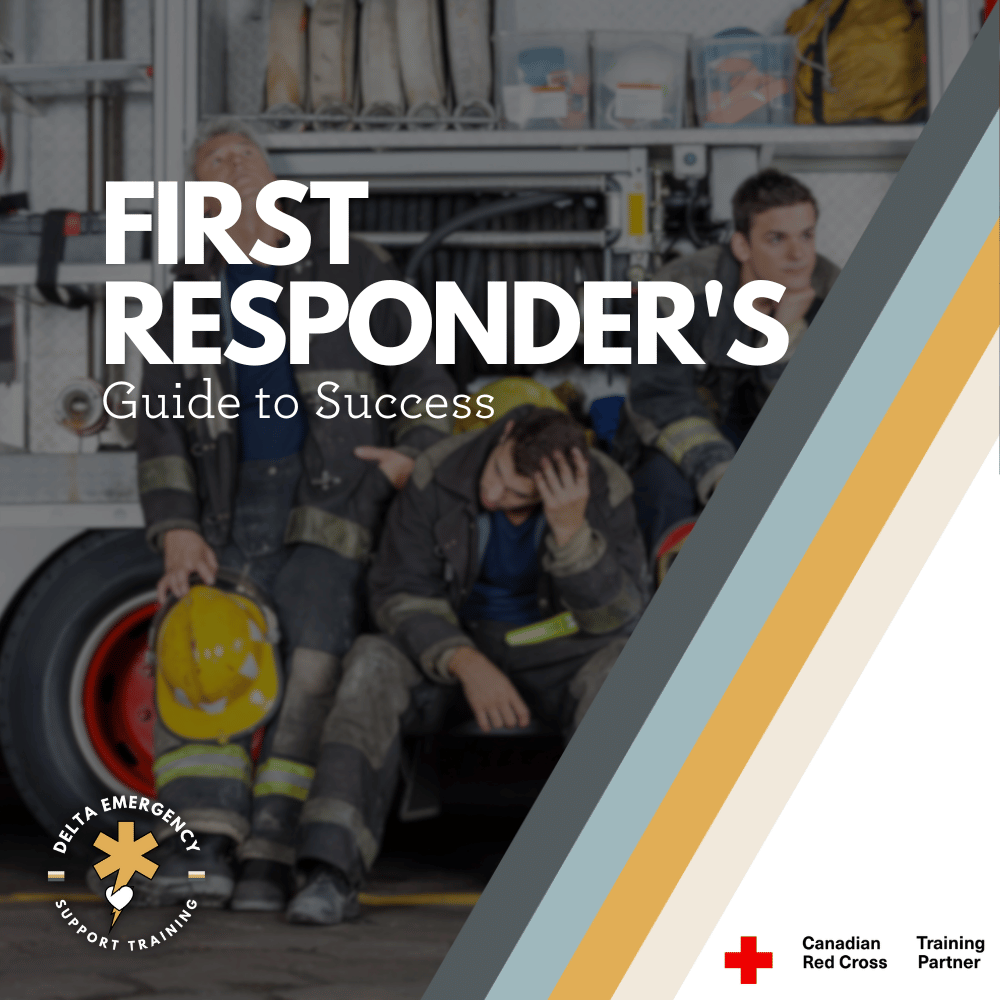
First Responder's Guide to Success

In the fast-paced world of first responders, achieving excellence is not just a goal; it's a continuous journey. This comprehensive guide explores the vital practices that empower first responders to excel in their roles. From studying practices that enhance knowledge to prioritizing mental and physical health, this guide equips first responders with the tools they need to be effective, resilient, and compassionate in the face of adversity.

First responders are the unsung heroes of our communities, bravely facing crises and emergencies to protect and serve others. The demanding nature of their work requires not only courage and skills but also a strong focus on personal development. In this blog, we will explore the essential good practices that first responders can embrace to excel in their roles, including studying practices to enhance their knowledge, mental health practices to cope with stress and trauma, and maintaining good physical health to sustain their well-being.

Fire fighters bonding at the station after a call

Studying Practices - Empowering Knowledge for Effective Response

The fast-paced and ever-evolving nature of emergency response demands that first responders remain adaptable, well-informed, and capable of making split-second decisions under pressure. By embracing a mindset of continuous learning and improvement, first responders can elevate their effectiveness, response capabilities, and overall impact on the communities they serve.

1. Regular Training:

Take advantage of the training opportunities provided by your organization. Regularly attend workshops, seminars, and skill-building sessions to stay updated on the latest techniques, equipment, and protocols.

Participate in mandatory training, as well as optional advanced courses, to enhance your capabilities and adapt to evolving challenges.

2. Scenario-Based Learning:

Engage in realistic simulations that mimic potential emergency situations. These simulations can help you develop quick thinking, problem-solving skills, and teamwork.

Learn from experienced mentors who can guide you through complex scenarios, offering valuable insights into decision-making and critical actions.

3. Research and Read:

Stay informed by reading industry publications, research papers, and reputable online sources. Subscribe to newsletters or podcasts that discuss current trends and advancements in your field.

Develop a habit of reading case studies or success stories to learn from real-life incidents and best practices.

4. Collaborate and Share:

Participate in regular knowledge-sharing sessions with your colleagues. Create a culture of open communication where experiences and lessons learned are shared freely.

Engage in interdisciplinary training or joint exercises with other emergency response teams, fostering cross-team collaboration and synergy.

5. Pursue Higher Education:

Consider enrolling in formal education programs related to emergency response, such as emergency management or paramedic training.

Higher education can provide a deeper understanding of the theoretical foundations of your field, complementing your practical experiences.

6. Utilize Technology and Online Resources:

Leverage online platforms and e-learning resources to access a vast array of educational materials, webinars, and interactive courses.

Explore virtual reality (VR) training scenarios that immerse you in realistic emergency situations, allowing for hands-on practice in a safe environment.

7. Continuous Self-Assessment:

Regularly evaluate your own performance and areas for improvement. Seek feedback from supervisors, colleagues, and mentors to identify blind spots.

Set personal learning goals and track your progress to ensure continuous development.

8. Specialize in Key Areas:

Identify specific areas of interest or expertise within your field and specialize in them. This can make you an invaluable resource in critical situations.

Pursue certifications or advanced training in specialized fields such as hazardous materials response, search and rescue, or medical specialties.

The Importance of Good Mental Health for First Responders

Being a first responder is a calling that demands courage, resilience, and unwavering dedication to serving others. However, the nature of the job exposes first responders to highly stressful and often traumatic situations, putting their mental well-being at risk. The importance of good mental health for first responders cannot be overstated, as it directly impacts their ability to provide effective and compassionate care, maintain personal well-being, and cope with the challenges they face daily. Here are some key reasons why prioritizing mental health is crucial for first responders:

1. Resilience in the Face of Stress and Trauma:

First responders frequently encounter distressing and emotionally challenging situations. Witnessing accidents, violence, loss of life, and suffering can take a toll on their mental well-being. Good mental health practices help build resilience, enabling them to cope with these difficult experiences and bounce back from adversity more effectively.

2. Decision-Making and Critical Thinking:

In high-pressure situations, clear and quick decision-making is essential. Maintaining good mental health enhances cognitive functions, including critical thinking, problem-solving, and judgment. A balanced and focused mind can lead to better on-the-spot decisions, which are crucial in emergency response scenarios.

3. Communication and Teamwork:

Effective communication and teamwork are paramount in the success of any emergency response operation. When first responders prioritize mental health, they are better equipped to communicate clearly, collaborate seamlessly with their team, and coordinate efforts efficiently, ensuring a cohesive response to emergencies.

4. Compassionate and Empathetic Care:

A mentally healthy first responder is better equipped to provide compassionate and empathetic care to those in distress. Mental well-being allows them to connect with individuals on a deeper level, demonstrating understanding and empathy even in challenging situations, thereby positively impacting the emotional recovery of those they assist.

5. Reduced Risk of Burnout and Compassion Fatigue:

The demanding nature of the job, coupled with exposure to traumatic events, can lead to burnout and compassion fatigue. Prioritizing mental health can act as a protective measure, reducing the risk of emotional exhaustion, cynicism, and disengagement from work.

6. Improved Work-Life Balance:

Maintaining good mental health supports a healthier work-life balance. First responders who are mentally well are more likely to effectively separate work-related stress from their personal lives, fostering stronger connections with their families, friends, and communities outside of work.

7. Positive Organizational Culture:

Organizations that prioritize mental health create a positive work environment where first responders feel supported, valued, and encouraged to seek help when needed. This promotes a culture of openness, reducing the stigma around mental health issues and encouraging individuals to proactively manage their well-being.

8. Enhancing Coping Mechanisms:

Good mental health equips first responders with healthier coping mechanisms to deal with stress. Instead of resorting to unhealthy ways of coping, such as substance abuse or avoidance, they can employ constructive strategies to manage stress effectively.

The Importance of Good Physical Health for First Responders

As first responders, the physically demanding and high-stress nature of the job requires peak physical fitness to perform effectively and safely. Prioritizing good physical health is essential for first responders, as it directly impacts their ability to carry out their duties, respond to emergencies, and maintain overall well-being. Here are some key reasons why focusing on physical health is crucial for first responders:

1. Enhanced Performance and Efficiency:

Being physically fit allows first responders to perform their duties efficiently and effectively. Improved cardiovascular health, strength, and endurance enable them to respond quickly and navigate challenging environments with agility, which is critical during emergencies.

2. Quick and Timely Responses:

Emergencies often require swift action, and physical fitness is vital for first responders to arrive at the scene promptly. Maintaining good physical health ensures that they can respond rapidly, potentially making a life-saving difference in critical situations.

3. Reduced Risk of Injuries:

The physically demanding nature of emergency response can lead to injuries if the body is not properly conditioned. Regular exercise and physical training help reduce the risk of musculoskeletal injuries and support a quicker recovery if injuries do occur.

4. Mental Clarity and Focus:

Physical activity has a positive impact on mental health. Engaging in regular exercise releases endorphins, which can improve mood, reduce stress, and enhance mental clarity and focus. This mental boost is invaluable for first responders, especially during high-stress situations.

5. Improved Stamina During Prolonged Operations:

Emergency response operations can be prolonged and physically taxing. Being in good physical condition enables first responders to sustain their energy levels during extended shifts, ensuring that they can perform at their best throughout the duration of an operation.

6. Team Cohesion and Trust:

A physically fit team builds trust and cohesion among its members. Knowing that each team member is capable of handling the physical demands of the job fosters a sense of confidence and mutual reliance, strengthening the team's overall performance.

7. Healthy Work-Life Balance:

Prioritizing physical health supports a healthier work-life balance for first responders. Regular exercise and fitness routines can serve as stress-relieving activities and provide an opportunity for them to disconnect from work and focus on personal well-being.

8. Increased Resilience to Stress:

Physical fitness enhances the body's ability to cope with stress. Regular exercise can help reduce the physiological effects of stress, making first responders more resilient and better able to manage the mental and emotional challenges they face on the job.

9. Positive Role Models for the Community:

First responders who prioritize their physical health can serve as positive role models for the community they serve. Demonstrating commitment to fitness not only inspires others to lead healthier lifestyles but also reinforces the image of a capable and prepared emergency response force.

In the demanding world of first responders, excellence is not just a goal; it's a continuous journey. This guide explores vital practices, from studying to mental and physical health, empowering them to excel in their roles. By prioritizing continuous learning, mental well-being, and physical fitness, first responders become effective, resilient, and compassionate in serving their communities. Together, let's support and appreciate these brave individuals as they continue to shine as beacons of hope and strength in the face of adversity.

Read More