The Delta Dispatch
Essential Gear for the Trail: The Canadian Red Cross Wilderness and Remote Field Guide
The "Canadian Red Cross: Wilderness and Remote Field Guide" is a must-have resource for anyone venturing into the great outdoors. Designed for durability and quick reference, this waterproof and tear-resistant guide covers everything from first aid techniques to survival strategies. Compact and easy to use, it's perfect for outdoor enthusiasts, professionals, and anyone responsible for safety in remote areas. Equip yourself with the knowledge and confidence to handle wilderness emergencies—get your copy today at Delta Emergency Support Training.
The Ultimate Companion for Outdoor Safety and Emergency Preparedness
When venturing into the great outdoors, whether you're an avid hiker, a professional guide, or a part of a search and rescue team, having the right tools at your disposal is crucial. The "Canadian Red Cross: Wilderness and Remote Field Guide" is not just any textbook; it's a vital resource designed for the realities of outdoor challenges and emergencies.
Designed for Durability and Accessibility
Understanding that nature's elements can be unforgiving, this field guide is built to last. With waterproof and tear-resistant pages, it stands up to the toughest conditions, ensuring that you have access to critical information regardless of weather or terrain. Its compact design allows it to easily fit into any backpack or emergency kit, making it a practical choice for any outdoor enthusiast.
Quick Reference for Fast Action
Time is of the essence when dealing with emergencies in remote locations. This field guide is organized for quick access, allowing you to rapidly find the information you need when every moment counts. Detailed yet concise, the guide covers a wide range of situations from minor injuries to critical emergency responses.
A Tool for Every Wilderness Scenario
The guide includes comprehensive sections on:
Basic first aid techniques
Emergency procedures specific to remote settings
Navigation tips for lost or disoriented individuals
Survival strategies for various climates and terrains
These topics are illustrated with clear, easy-to-understand diagrams and instructions, making the guide an indispensable educational tool for anyone responsible for safety in wilderness areas.
Enhancing Your Outdoor Safety Skills
In addition to its practical applications, the Wilderness and Remote Field Guide serves as an educational resource that enhances your skills and confidence. It supports your outdoor activities by providing essential knowledge that can prevent emergencies or help manage them effectively until professional help is available.
Ideal for Both Enthusiasts and Professionals
Whether you're a casual nature lover or a professional working in challenging environments, this field guide is tailored to support your needs. It's an essential part of any safety training for outdoor professionals and a reliable resource for adventurers who take their wilderness activities seriously.
Conclusion
Invest in your safety and preparedness with the Canadian Red Cross Wilderness and Remote Field Guide. Available at Delta Emergency Support Training at competitive prices, this guide is not just a purchase—it's an investment in your ability to handle the unexpected with expertise and confidence.
Prepare for your next adventure by securing your copy today at Delta Emergency Support Training. Equip yourself with the knowledge to navigate the wilderness safely and respond effectively in emergencies. Your adventure awaits, and with the right preparation, you're ready to meet it head-on.
How Babysitters Can Handle Emergencies: When to Call 911 and What to Do
Emergencies can happen unexpectedly, and as a babysitter, knowing how to respond quickly is essential. One of the most important skills is knowing when to call 911. Whether it’s a child choking, having a seizure, or becoming unconscious, your quick action could save a life. It’s crucial to always know the address of the home you’re babysitting at, as this information can help emergency responders reach you faster. Remember, better to call 911 and not need them than to not call and need them—911 call-takers are there to guide you through the process and ensure help arrives as quickly as possible. Stay calm, stay prepared, and always trust your instincts when it comes to emergencies.
Emergencies can happen at any time, and when you're babysitting, it’s important to know how to respond quickly. Whether you're watching kids at home, looking after younger siblings, or taking care of someone else’s children, you have to be prepared for anything. Knowing when and how to call 911 is especially important because your quick action could save a life.
In this blog, we'll talk about common emergencies, how to stay calm, and why knowing your address and how to call 911 is so critical.
Why It’s So Important to Know How to Call 911
As a babysitter, you might be the first person to handle an emergency. If something happens—a child gets hurt, gets sick, or something else goes wrong—you might need to call 911 for help.
One of the most important things to remember when calling 911 is knowing where you are. If you can’t tell the dispatcher your address, it can delay help. That means it’s crucial to always know the address of the home where you’re babysitting, including the apartment number if applicable. Make sure you have this info handy in case you need it quickly!
When to Call 911: What Counts as an Emergency?
Some situations can be handled with basic first aid, but others are more serious and require immediate help. Here are some examples of when you need to call 911 without hesitation:
1. The Child is Unconscious or Not Responding
If the child or anyone you’re caring for becomes unresponsive, it’s a big emergency. If they’re not waking up, won’t talk, or are just unresponsive, you need to get help right away.
What to Do:
Check if the child is breathing. If they are not breathing or are gasping, call 911 immediately. If you're trained in CPR, you may be able to help the child before emergency responders arrive.
If they are breathing but still unconscious, gently lay them on their side (recovery position) and call 911 right away.
2. Serious Bleeding
If the child has a large cut or wound that won’t stop bleeding, that’s a serious emergency. You need to stop the bleeding and get help right away.
What to Do:
Apply a clean cloth or bandage to the wound and press down to stop the bleeding.
If the wound is really deep, or you can’t stop the bleeding, call 911 and keep pressure on the wound until help arrives.
3. Choking
Choking is a life-threatening emergency, especially if the child can’t breathe or speak. If you are trained in back blows and abdominal thrusts, you should perform these techniques as you were taught. If the child becomes unconscious, you should immediately call 911.
What to Do:
If you are trained in abdominal thrusts and back blows (to help expel the object blocking their airway), perform these techniques as you’ve been taught.
If the child becomes unconscious, call 911 immediately. If you are trained to save a choking person, you have a good chance of saving them.
Keep performing your life-saving techniques until the child can breathe or emergency help arrives.
4. Severe Allergic Reaction (Anaphylaxis)
Severe allergic reactions (also known as anaphylaxis) can cause swelling in the throat and make breathing difficult. Common triggers include bee stings, food allergies (like peanuts), or certain medications.
What to Do:
If the child has an epinephrine auto-injector (EpiPen), use it right away.
Then, call 911 immediately to get professional help.
5. Seizures
If the child has a seizure, especially if they’ve never had one before, you should call 911. This is important because first-time seizures can be a sign of something serious, and even if the seizure doesn’t last long, it’s better to get medical help.
What to Do:
Move objects out of the way to prevent injury.
Gently cushion their head and lay them on their side if possible.
If the child has never had a seizure before, or if it lasts more than a minute, call 911 right away.
6. Trouble Breathing or Chest Pain
If the child is having trouble breathing, or complains of chest pain, these could be signs of a serious medical condition like a heart attack or a severe asthma attack.
What to Do:
Help them sit up and stay calm.
If they have an inhaler, help them use it.
If they are still having trouble breathing or in pain, call 911 immediately.
How to Call 911: What You Need to Tell Them
When you call 911, it’s important to speak clearly and calmly. Here’s what to do:
1. Know Your Address
You must know the address where you're babysitting, including the street name, apartment number (if applicable), and any nearby landmarks. Make sure you have this info written down or memorized before the emergency happens so you can give it to 911 right away.
2. Speak Clearly
When you’re panicked, it can be hard to talk clearly. Take a deep breath, stay calm, and explain what’s going on as best as you can. Tell the dispatcher the emergency, the condition of the child, and the address where help is needed.
3. Describe the Situation
Tell the dispatcher what happened and the child’s condition. For example:
“The child is unconscious and not breathing.”
“They’re choking on food and can’t breathe.”
4. Follow the Dispatcher’s Instructions
The dispatcher might give you advice on what to do while you wait for emergency help to arrive. Listen carefully and do your best to follow their instructions.
5. Stay on the Line
Don't hang up until the dispatcher tells you it's okay. They may need more information or updates as emergency responders get closer.
When in Doubt, Call 911
If you're ever unsure whether something is an emergency, it’s always better to call 911. Better to call and not need them than to not call and need them. 911 call-takers are there to help and guide you through the situation. They won’t judge you for calling and are trained to assist you no matter what the emergency is. Trust your instincts—if you feel the child’s health or safety is at risk, don’t hesitate to call for professional help.
Conclusion: Be Prepared, Stay Calm, and Get Help
Babysitting comes with a lot of responsibility. Emergencies can happen quickly, but being prepared can make all the difference. The key is staying calm, knowing when to call 911, and having the information you need to guide emergency responders.
At Delta Emergency Support Training, we offer Red Cross Babysitting courses that cover all the important topics you need to be ready for anything. Our course is taught by paramedics and includes one session on caring for babies and another session dedicated to babysitter first aid, where you’ll learn life-saving techniques like CPR, how to handle injuries, and what to do in different emergency situations. You’ll leave our course with the skills and confidence to handle any emergency that comes your way.
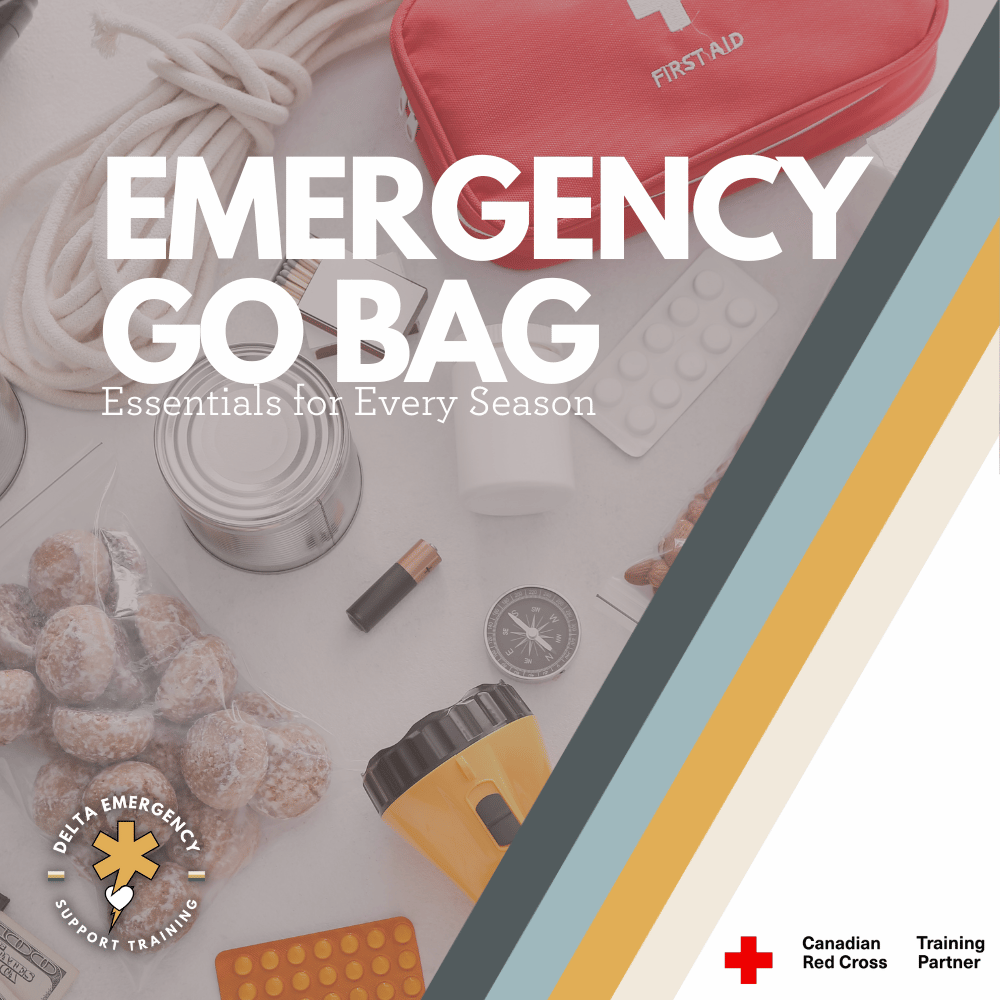
Emergency Go Bag: Essentials for Every Season
In uncertain times, having a well-prepared go bag can be a lifesaver. Emergencies like natural disasters, power outages, or sudden evacuations can strike without warning, necessitating swift action to ensure the safety and well-being of yourself and your loved ones. Learn what to pack and how to stay ready with our detailed checklist.
In uncertain times, having a well-prepared go bag can be a lifesaver. Emergencies like natural disasters, power outages, or sudden evacuations can strike without warning, necessitating swift action to ensure the safety and well-being of yourself and your loved ones. A go bag is a carefully curated collection of essential items tailored to your specific needs and circumstances, providing you with the necessary resources to navigate challenging situations with confidence. In the event of an emergency that requires evacuation, everyone in your household should have a Go Bag packed and ready to go. Your Go Bag should be a sturdy and easy-to-carry backpack or duffle bag containing things you would want to have with you if you have to leave in a hurry.
Specific Evacuation Scenarios
Fire Evacuation:
In the event of a wildfire or structural fire, evacuation may be necessary to ensure safety. Pack your go bag if authorities issue evacuation orders or if you perceive imminent danger.
Be prepared to leave immediately and follow designated evacuation routes. Prioritize safety over belongings and adhere to instructions from emergency responders.
Tornado Warning:
During a tornado warning, seek shelter in a sturdy building or designated tornado shelter. If evacuation is advised due to the severity of the storm, grab your go bag and proceed to the nearest safe location.
Monitor weather alerts and heed evacuation orders from local authorities to minimize the risk of injury or loss of life.
Flooding:
In flood-prone areas, be vigilant for flood warnings or flash flood alerts. If evacuation becomes necessary due to rising waters or compromised infrastructure, secure your go bag and evacuate to higher ground.
Avoid driving through flooded areas, as water depth and currents can be deceptive and pose significant hazards to both occupants and vehicles.
Core Essentials
Water:
Carry at least one gallon of water per person per day for drinking and sanitation purposes. Dehydration is a significant risk during emergencies, especially in situations where access to clean water may be compromised.
Consider portable water purification tablets or filters for additional water sources, ensuring access to safe drinking water even in challenging conditions.
Food:
Pack a 3-day supply of non-perishable, high-energy foods such as granola bars, canned goods, and dried fruits. These items provide sustenance without requiring refrigeration or cooking, essential during prolonged periods away from home.
Include a manual can opener and utensils for food consumption, ensuring you can access canned goods without difficulty even in the absence of electricity.
Medication and First Aid Supplies:
Gather a sufficient supply of prescription medications and over-the-counter remedies, ensuring you have an ample stock to last through any potential disruption in access to healthcare services.
Include a comprehensive first aid kit containing bandages, antiseptic wipes, pain relievers, and any personal medical supplies specific to your household's needs. Injuries and illnesses can occur unexpectedly, making prompt medical attention critical.
Clothing:
Rotate clothing based on seasonal needs, including sturdy shoes, socks, and weather-appropriate outerwear. Hypothermia and heat-related illnesses are significant concerns during emergencies, necessitating proper attire for protection.
Pack spare underwear and comfortable layers for extended periods away from home, prioritizing moisture-wicking materials to manage sweat and maintain comfort in fluctuating temperatures.
Additional Essentials
Flashlight and Batteries:
Include a reliable flashlight with extra batteries to provide illumination in dark or low-light conditions.
Whistle:
Carry a whistle to attract attention and signal for help in case of emergencies, especially if you become trapped or injured.
Dust Mask:
Protect yourself from airborne particles and contaminants with a dust mask, essential for situations involving smoke, dust, or debris.
Local Maps:
Keep local maps in your go bag to navigate unfamiliar areas or evacuation routes, especially if GPS or electronic devices are unavailable.
Manual Can Opener:
Ensure access to canned food supplies with a manual can opener, as electricity may be unavailable during emergencies.
Battery-Powered or Hand-Cranked Radio:
Stay informed about emergency updates and developments with a battery-powered or hand-cranked radio, providing access to news and information even in the absence of electricity.
Entertainment for Children:
Include books, games, puzzles, or other activities for children to help keep them occupied and alleviate stress during evacuation or sheltering.
Conclusion:
A well-prepared go bag tailored to your specific needs and environment can provide peace of mind during emergencies. By including core essentials like water, food, medication, and clothing, along with consideration of specific evacuation scenarios and additional essentials, you can ensure readiness for any situation. Remember to periodically review and update your go bag to maintain its effectiveness. Stay safe, stay prepared!
Alberta Wildfires: Evacuation Preparedness Guide
With the unprecedented hot and dry weather, high winds, and the prevalence of wildfires in Alberta, being prepared for fire evacuations is crucial. This blog provides valuable information on understanding the current extreme weather conditions, mitigating fire hazards, staying informed with the Alberta Wildfire app, and assembling an evacuation bag with essential items. Familiarize yourself with fire-prone areas, adopt fire-smart practices, and know the importance of emergency notifications and evacuation routes. Let's stay informed, prepared, and grateful for the dedicated firefighters working tirelessly to keep us safe.
Summer brings excitement and outdoor activities, but it also brings an increased risk of wildfires. With the unprecedented hot, dry weather, high winds, and the prevalence of wildfires in the region, being prepared for fire evacuations is crucial.
In this blog, we will explore fire evacuation preparedness, focusing on weather conditions, safe summer practices, staying informed, and essential items to include in your evacuation bag.
a summer day with a raging wildfire in the background. Thick plumes of smoke fill the air. The flames can be seen engulfing trees and vegetation, emitting a fiery glow. The image portrays the destructive power and danger associated with wildfires.
Understanding Alberta's Wildfire Risks
Extreme Weather Conditions
Alberta experiences hot and dry weather during the summer months, creating a conducive environment for wildfires to ignite and spread quickly. The combination of high temperatures and low humidity dries out vegetation, turning it into fuel for fires. This dry fuel allows wildfires to burn more intensely and cover larger areas.
Impact of Recent Excessive High Winds:
The recent excessive high winds have exacerbated the wildfires throughout western Alberta, contributing to their growth and rapid spread. Strong winds can significantly impact fire behaviour in several ways.
Increased Fire Spread: High winds can push flames forward, causing the fire front to advance rapidly. The strong gusts carry burning embers and ignite new spot fires ahead of the main fire, making containment efforts more challenging.
Spotting and Fire Jumping: The powerful winds can carry burning embers over long distances, sometimes miles away from the main fire. These embers can ignite new fires when they land on dry vegetation or flammable structures, leading to the rapid expansion of the fire perimeter.
Fire Direction Changes: Winds can shift the direction in which a fire is moving, making it difficult to predict and control the fire's path. This unpredictability poses significant challenges for firefighters and emergency responders.
Increased Fire Intensity: Strong winds provide a continuous supply of oxygen to the fire, enhancing its intensity. This intensified burning can result in faster rates of spread, increased flame height, and more challenging firefighting conditions.
Fire-Prone Areas
Familiarize yourself with areas in Alberta that are prone to wildfires and take extra precautions if you live or vacation in these regions. Wildfire-prone areas can include:
Forested Regions:
Alberta has vast forests, including boreal forests and mountainous regions, which are more susceptible to wildfires. These areas often have abundant vegetation and dry undergrowth, making them more prone to ignition and rapid fire spread.
Grasslands and Prairie Regions:
Alberta is also home to expansive grasslands and prairie regions, which can be susceptible to wildfires, especially during dry periods. The dry grasses and shrubs provide ample fuel for fires to ignite and spread quickly across these open landscapes.
Interface Areas:
Interface areas refer to regions where human settlements meet natural wildlands, such as residential areas close to forests or grasslands. These areas are at a higher risk as wildfires can directly threaten homes, structures, and communities.
Mitigating Fire Hazards
Mitigating fire hazards is crucial in preventing wildfires and ensuring the safety of communities and natural environments. Here are some important practices to follow.
Fire-Smart Practices
It is essential to adopt fire-smart practices in your daily life.
Properly Extinguishing Cigarettes:
Ensure that cigarettes are completely extinguished in designated ashtrays or containers. Avoid discarding them in dry vegetation or areas where they can easily ignite.
Avoiding Open Burning:
Respect local fire regulations and avoid open burning, especially during dry and windy conditions. Dispose of waste materials appropriately and consider alternative methods for waste management, such as recycling or composting.
Using Fireworks Responsibly:
If fireworks are permitted in your area, use them only in designated areas and follow all safety guidelines. Avoid launching fireworks near dry grasses or wooded areas, and always have a water source nearby to extinguish them properly.
Campfire Safety:
When allowed to have campfires in designated areas, it is crucial to prioritize safety. Maintain small and contained campfires using designated fire rings or pits, avoiding dry or flammable surfaces. Always fully extinguish the campfire before leaving the site or going to bed. Drown the fire with water, stir the ashes, and repeat until no hot embers remain. Monitoring the campfire and never leaving it unattended is essential.
Equipment Safety:
When using machinery and tools outdoors avoid sparks, be mindful of activities that could generate sparks, especially in dry vegetation. Refrain from using equipment during peak heat and windy hours, as this increases the risk of fire ignition. If possible, schedule outdoor tasks during cooler and less windy periods.
Staying Informed and Prepared
When it comes to wildfires or any emergency situation, staying informed helps ensure your safety and well-being. Timely and accurate information allows you to make informed decisions, take necessary precautions, and respond appropriately to changing conditions.
Alberta Wildfire App
Download the Alberta Wildfire app or visit the Alberta Wildfire website to stay updated on current wildfire conditions, evacuation orders, and road closures.
Emergency Notifications
Sign up for emergency alert systems in your area to receive timely evacuation notices and critical updates.
Emergency Evacuation Routes
Familiarize yourself with the evacuation routes in your vicinity and have alternative routes in mind. Stay informed about road conditions and closures.
Building an Evacuation Bag
Important Documents:
Keep identification papers, passports, insurance documents, and medical records in a waterproof container or digitally stored for quick access.
Emergency Supplies:
Pack a three-day supply of non-perishable food, water, medications, first aid supplies, and personal hygiene items. Include a battery-operated radio, flashlight, extra batteries, and a portable phone charger.
Clothing and Comfort:
Pack extra clothing, sturdy footwear, blankets, and comfort items to help endure potential extended stays in evacuation centers.
Firefighter Appreciation
We extend our heartfelt gratitude and appreciation to all the wildland, urban and rural firefighters who tirelessly work to keep us safe. Their unwavering commitment, courage, and expertise are instrumental in combating wildfires and protecting our communities and natural landscapes. These brave men and women put their lives on the line, facing extreme heat, challenging terrain, and unpredictable conditions to contain and extinguish fires. Their selfless dedication and teamwork inspire us all.
By following fire-smart guidelines, staying informed, and taking necessary precautions, we can contribute to wildfire prevention and support the efforts of our firefighters.
Let us also recognize the invaluable support systems, including incident management teams, support personnel, and volunteers, who work behind the scenes to ensure the effectiveness and safety of firefighting operations. Their collective efforts and coordination contribute to the successful containment and suppression of wildfires. Together, we can prevent and mitigate the impact of wildfires and express our sincere appreciation.

