The Delta Dispatch
Online Red Cross Babysitter Course: Enroll Your Child Anywhere in Canada
Help your child build confidence and life-saving skills from anywhere in Canada. Delta Emergency Support Training delivers the Red Cross Babysitter Course live online in two sessions—covering baby care, safety, and first aid—so your young teen is ready for babysitting and emergencies alike.
Looking for a meaningful way to build your child’s confidence and independence? The Canadian Red Cross Babysitter Course, offered online through Delta Emergency Support Training , gives youth aged 11–15 the skills to care for children safely and respond to emergencies—all from the comfort of your home, anywhere in Canada.
This isn’t just a babysitting class. It’s leadership training, first aid preparation, and a solid first step toward responsibility and a first job.
Two Engaging Online Sessions
Delta delivers the official Red Cross Babysitter Course in two interactive sessions, making it easy for families across the country to fit training into their schedule.
Session 1: Caring for Babies and Young Children
Feeding, diapering, and soothing infants and toddlers
Planning fun, age-appropriate activities
Child-proofing and preventing household injuries
Professional communication with parents and setting rates
Session 2: Babysitter First Aid
Treating common injuries: cuts, burns, bumps
Choking relief techniques
When and how to call 911
Staying calm and in control during unexpected situations
Because the course is fully online and instructor-led, your child can learn live with a certified Red Cross trainer, interact with other participants, and practice key skills—no matter where you live.
Why Parents Are Signing Up Across Canada
1. Confidence and Independence
Kids finish the course ready to handle real-world responsibilities and make smart decisions when you’re not around.
2. First Aid That Lasts a Lifetime
Babysitter-level first aid is an invaluable life skill—useful at home, at school, and during sports.
3. A First Job They—and You—Can Trust
Babysitting is often a child’s first paid work. This training covers everything from professional communication to setting fair rates so they’re prepared to succeed.
4. Peace of Mind for Parents
Knowing your child is Red Cross–certified means you can confidently let them care for siblings or neighbor children—and know they’re ready for emergencies.
How to Enroll from Anywhere
Registration is simple:
Visit Delta Emergency Support Training’s website and select the Red Cross Babysitter Course (Online).
Choose your preferred dates—sessions are offered year-round.
Receive your course materials and log-in details, then let your child join the live virtual class from your home computer or tablet.
The Takeaway for Parents
The online Red Cross Babysitter Course with Delta Emergency Support Training is more than childcare instruction. It’s a Canada-wide opportunity to give your child confidence, life-saving first aid skills, and professional babysitting knowledge, all while you relax knowing they’re learning from Red Cross–certified instructors.
Whether your child wants to start earning money, help with younger siblings, or simply gain valuable safety skills, this program is a parent-approved step toward independence and responsibility.
Empowering Lives Through Training: Delta Emergency as a Red Cross Training Partner
The Red Cross, an emblem of humanitarian aid, has been at the forefront of disaster response and readiness for generations. They offer an array of training programs designed to equip individuals with essential skills for emergencies and crises. A Red Cross Training Partner is an organization that joins forces with the Red Cross to deliver certified training courses to individuals, workplaces, schools, and communities. This partnership ensures consistent, accurate, and up-to-date training aligned with the latest guidelines and best practices. One such partner, Delta Emergency, exemplifies this commitment through their collaboration, enriching lives with essential knowledge and empowering individuals to navigate emergencies with confidence.
In a world where emergencies can strike unexpectedly, being equipped with life-saving skills becomes paramount. This is where organizations like Delta Emergency step in, playing a pivotal role in preparing individuals to respond effectively during crises. As a Red Cross Training Partner, Delta Emergency takes its commitment to emergency preparedness to the next level.
Person wearing military uniform holding a jaw thrust on a manikin.
What is a Red Cross Training Partner?
The Red Cross, an internationally recognized humanitarian organization, has been at the forefront of disaster response and preparedness for over a century. They offer a wide range of training programs that empower individuals with essential skills to respond to emergencies, provide first aid, and support communities in times of crisis.
A Red Cross Training Partner is an organization that collaborates closely with the Red Cross to deliver certified training courses to individuals, workplaces, schools, and communities. These partners uphold the highest standards set by the Red Cross, ensuring that training is consistent, accurate, and aligned with the latest guidelines and best practices.
Delta Emergency: Empowering Lives Through Training
Delta Emergency, as a Red Cross Training Partner, embodies a commitment to excellence in emergency preparedness and response training. Through this partnership, Delta Emergency gains access to the Red Cross's wealth of knowledge, resources, and training materials. This collaboration enables Delta Emergency to offer a comprehensive range of Red Cross-certified courses, empowering individuals and organizations to be well-prepared when emergencies strike.
Benefits of Red Cross-Certified Training:
Credibility:
Red Cross certification is globally recognized and trusted. Courses offered by Delta Emergency carry the weight of a respected humanitarian organization, enhancing the credibility of the training.
Quality Assurance:
Red Cross training courses are meticulously designed by experts, ensuring that participants receive accurate, up-to-date, and reliable information. This quality assurance is crucial for building effective emergency response skills.
Comprehensive Curriculum:
Delta Emergency's Red Cross-certified courses cover a wide spectrum of topics, including Advanced First Aid, Standard First Aid, and the Babysitting course. From first aid and CPR to disaster response and psychological support, participants gain a well-rounded understanding of how to handle various emergency situations.
Life-Saving Skills:
Delta Emergency's partnership with the Red Cross equips individuals with practical skills that can make a life-saving difference. These skills can be applied not only in emergencies but also in daily life situations.
The Path to Empowerment:
By partnering with the Red Cross, Delta Emergency is enabling individuals and communities to be proactive in their approach to emergencies. Through these certified training courses, Delta Emergency is not only imparting essential skills but also fostering a culture of preparedness, resilience, and compassion.
Our Dedicated Team: Critical Care Paramedics, Advanced Care Paramedics, and Fire-Trained Instructors
At Delta Emergency, our commitment to excellence is upheld by our dedicated team. Our staff includes critical care paramedics, advanced care paramedics, and fire-trained instructors. Their expertise, combined with our Red Cross Training Partner status, ensures that our courses, including Advanced First Aid, Standard First Aid, and the Babysitting course, are taught with the highest level of professionalism and practical knowledge.
In conclusion, Delta Emergency's role as a Red Cross Training Partner underscores their dedication to equipping people with the tools needed to respond effectively in emergencies. This collaboration amplifies the impact of their training programs, ensuring that individuals are empowered to make a positive difference when it matters most. Through the combined efforts of Delta Emergency and the Red Cross, communities can face the unpredictable future with greater confidence and readiness.
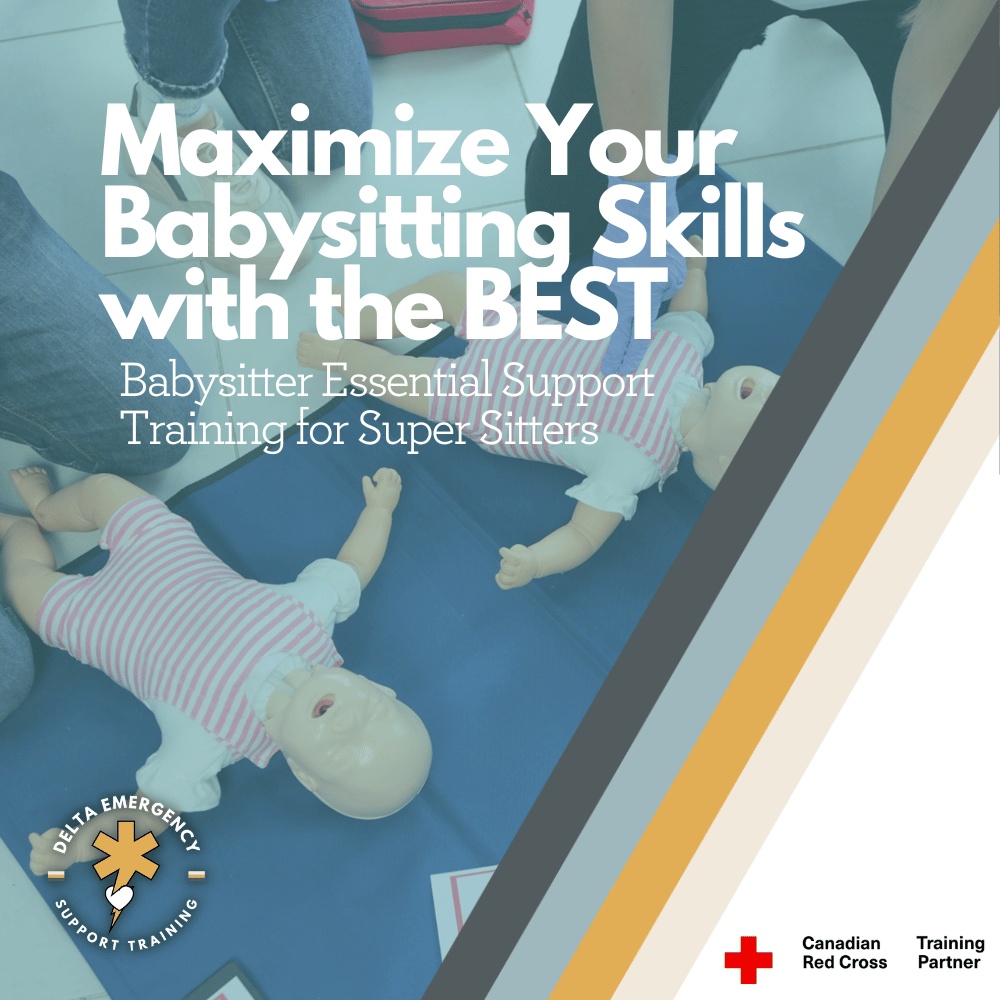
Maximize Your Babysitting Skills with the BEST: Babysitter Essential Support Training for Super Sitters
Sure! Here's an excerpt for "Maximize Your Babysitting Skills with the BEST: Babysitter Essential Support Training for Super Sitters":
As a babysitter, it's important to have the skills and knowledge necessary to provide safe and effective care for children. That's where the BEST program comes in. The Babysitter Essential Support Training (BEST) is a comprehensive training program designed to help sitters maximize their babysitting skills.
The BEST program covers a wide range of topics, including child development, safety, first aid and CPR, discipline, and communication. With the BEST program, you'll learn how to identify and respond to common childhood emergencies, such as choking and allergic reactions. You'll also learn how to manage challenging behavior and communicate effectively with parents.
In addition to the comprehensive training curriculum, the BEST program also provides ongoing support and resources for sitters. This includes access to a community of fellow sitters, as well as tools and resources to help you succeed in your babysitting career.
By completing the BEST program, you'll have the knowledge and confidence to provide exceptional care for children, while also setting yourself apart as a professional and reliable babysitter. So why wait? Enroll in the BEST program today and start maximizing your babysitting skills!
Delta Emergency Support Training’s BEST Babysitter’s Key Concepts:
BEST Babysitter
B - Babysitting Basics
E - Essential Skills
S - Safety Training
T - Tips and Techniques
In this context, Babysitter Essential Support Training, or "BEST" represents the core elements of the course, focusing on fundamental babysitting knowledge and skills, essential safety training, and practical tips and techniques for successful babysitting. This acronym could be used as a catchy and memorable way to promote the course and highlight its key features.
a group of babysitters-in-training gathered around infant dolls on the ground.
The Basics of Babysitting
Welcome to the world of babysitting! Being a babysitter can be a fun and rewarding job where you get to care for and entertain children while their parents are away. However, it also comes with a great deal of responsibility. In this chapter, we'll cover the basics of babysitting, including important skills, safety guidelines, and essential information for being a responsible babysitter.
1.1 The Role of a Babysitter
As a babysitter, your main role is to ensure the safety and well-being of the children in your care. You are responsible for supervising them, providing meals, helping with homework or other activities, and entertaining them. It's important to be attentive, patient, and nurturing to create a positive and enjoyable experience for the children you're looking after.
1.2 Basic Skills for Babysitters
There are several skills that are essential for babysitters to possess. These skills include:
1.2.1 Communication Skills:
As a babysitter, you need to be able to communicate effectively with both the children and their parents. You should be able to listen attentively to the children, understand their needs, and respond appropriately. Additionally, you should be able to communicate clearly with parents about any concerns or updates regarding the children's care.
1.2.2 Problem-Solving Skills:
Babysitting often involves handling unexpected situations, such as a child getting sick or having an emotional meltdown. Being able to think quickly and calmly in these situations and come up with appropriate solutions is crucial.
1.2.3 First Aid and CPR:
Knowing basic first aid and CPR (Cardiopulmonary Resuscitation) is extremely important as a babysitter. You should be able to respond to minor injuries or emergencies and provide appropriate care until professional help arrives.
1.2.4 Time Management Skills:
Babysitting often involves managing multiple tasks simultaneously, such as preparing meals, supervising playtime, and helping with homework. Good time management skills are necessary to ensure that all responsibilities are fulfilled efficiently.
1.2.5 Childcare Experience:
While it's not always a requirement, having previous experience in childcare, such as volunteering at a daycare or babysitting for family and friends, can be helpful in gaining confidence and understanding children's needs.
1.3 Safety Guidelines for Babysitters
Safety should be the top priority for any babysitter. Here are some important safety guidelines to follow:
1.3.1 Childproofing:
Make sure the environment is safe for the children by removing any potential hazards, such as sharp objects, choking hazards, and poisonous substances. Ensure that outlets are covered, cabinets with dangerous items are locked, and that there are no loose cords or wires that could pose a danger.
1.3.2 Emergency Preparedness:
Familiarize yourself with the location of fire extinguishers, first aid kits, and emergency phone numbers. Have a plan in place for emergencies, such as fires, natural disasters, or medical emergencies, and know how to evacuate the home safely.
1.3.3 Stranger Danger:
Teach the children about stranger danger and emphasize the importance of not opening the door to anyone they do not know. Instruct them to never give out personal information or accept gifts from strangers.
1.3.4 Safe Play:
Make sure the children are engaged in age-appropriate activities and supervise them closely during playtime, especially when playing outdoors or near water. Always follow the parents' guidelines regarding screen time, internet usage, and other safety concerns.
1.3.5 Transportation Safety:
If you need to transport the children, always ensure that they are secured in appropriate car seats or seat belts, depending on their age and size. Follow all traffic laws and never leave children unattended
1.1 The Role of a Babysitter
As a babysitter, your role goes beyond just supervising children. You are also responsible for providing emotional support, fostering a safe and nurturing environment, and being a positive role model. Here are some key aspects of the role of a babysitter:
1.1.1 Caregiver:
Your primary responsibility is to care for the well-being of the children in your charge. This includes ensuring their physical needs are met, such as providing meals, helping with hygiene tasks like bathing and changing diapers, and making sure they get enough rest.
1.1.2 Playmate:
Babysitting is not just about keeping children safe; it's also about having fun! Engaging in age-appropriate playtime activities, such as reading, playing games, and doing crafts, can help foster their development and create memorable experiences.
1.1.3 Educator:
Babysitters can also assist with homework or engage in educational activities, such as helping with reading, practicing math skills, or providing guidance on projects. Encouraging a love for learning and supporting their educational goals can be an important aspect of your role.
1.1.4 Mediator:
Children may sometimes have conflicts or disagreements. As a babysitter, you may need to step in and help resolve disputes in a fair and impartial manner. Teaching conflict resolution skills, promoting kindness and empathy, and setting clear boundaries can help establish a peaceful environment.
1.1.5 Communicator:
Effective communication is crucial in babysitting. You need to be able to clearly communicate with the children, understand their needs and emotions, and respond in a compassionate and respectful manner. You also need to communicate with the parents, providing updates on the children's well-being and any issues that may arise.
1.1.6 Safety Advocate:
Ensuring the safety of the children is your top priority. This includes supervising them at all times, being vigilant for potential hazards, and taking appropriate measures to prevent accidents. You should also be knowledgeable about emergency procedures, including knowing when to seek medical attention or contact parents in case of an emergency.
As a babysitter, one of your most crucial roles is to create a safe environment for the children in your care. Safety should be a top priority at all times to prevent accidents and ensure the well-being of the children. Here are some important aspects of safety that a babysitter should be knowledgeable about:
1.1.6.1 Supervision:
It's essential to provide constant supervision to the children, especially for younger children or those with special needs. You should always keep a watchful eye on the children, actively engaging with them and being aware of their activities, to prevent any accidents or injuries.
1.1.6.2 Hazard Prevention:
Identifying potential hazards in the environment and taking appropriate measures to prevent them is crucial. This includes ensuring that sharp objects, toxic substances, and small objects that pose a choking hazard are safely stored and out of reach of children. It also involves keeping doors and windows locked, securing staircases, and ensuring that outdoor play areas are safe and well-maintained.
1.1.6.3 Emergency Preparedness:
Babysitters should be prepared for emergencies and know how to respond appropriately. This includes knowing the location of first aid supplies, fire extinguishers, and emergency contact information. Babysitters should also be trained in basic first aid and CPR, as well as knowing the appropriate steps to take in case of a medical emergency or other emergencies, such as fires, natural disasters, or intruders.
1.1.6.4 Transportation Safety:
If you need to transport the children as part of your babysitting duties, whether it's walking them to school, driving them to activities, or using public transportation, it's important to follow proper safety guidelines. This includes using age-appropriate car seats or seat belts, following traffic rules, and ensuring that the children are always supervised and accounted for during transportation.
1.1.6.5 Internet and Technology Safety:
In today's digital age, babysitters should also be mindful of internet and technology safety. This includes monitoring children's online activities, setting age-appropriate content restrictions, and educating children about safe internet use and potential risks.
1.1.6.6 Communicating with Parents:
Babysitters should establish open and clear communication with parents regarding safety protocols, emergency procedures, and any specific instructions or concerns related to the children's safety. It's important to work collaboratively with parents to ensure that the children's safety is prioritized at all times.
By prioritizing safety and being vigilant in identifying and addressing potential hazards, a babysitter can create a secure environment for the children in their care. Remember, prevention is key, and it's always better to be proactive in ensuring the safety of the children rather than reacting to an emergency situation.
Remember, as a babysitter, you are entrusted with the care and well-being of someone else's precious children. Your role goes beyond just being present; it involves building trust, creating a positive environment, and providing excellent care for the children in your charge.
BABYSITTER QUIZ!
What is the primary responsibility of a babysitter?
A. Providing meals
B. Playing games
C. Teaching conflict resolution skills
D. Ensuring safety
2. Which of the following is NOT a role of a babysitter?
A. Caregiver
B. Mediator
C. Cleaning the house
D. Educator
3. What should a babysitter do in case of an emergency
A. Ignore it and continue with regular activities
B. Contact the parents immediately
C. Panic and call 911
D. Leave the house and go home
4. Why is effective communication important for a babysitter?
A. It helps the babysitter bond with the children
B. It allows the babysitter to understand the children's needs and emotions
C. It helps in resolving conflicts among children
D. All of the above
5. What should a babysitter do to ensure the safety of the children?
A. Supervise the children at all times
B. Be vigilant for potential hazards
C. Follow emergency procedures
D. All of the above
Answers:
D. Ensuring safety
C. Cleaning the house
B. Contact the parents immediately
D. All of the above
D. All of the above
Note: The quiz questions and answers may vary depending on specific guidelines or requirements of the babysitting situation. It's important to always follow the parents' instructions and guidelines when babysitting.
At Delta Emergency Support Training we are happy to answer any questions you may have about Babysitter Skills and Babysitter Certification. We provide training sessions for individuals or classes. We have options for in person, hybrid or online classes for Babysitter’s, Standard First Aid (SFA), Advanced First Aid (AFA), Emergency Medical Responder (EMR), and more courses. For all inquiries please email info@deltaemergency.com

