The Delta Dispatch
Little Patients, Big Impact: Treating Kids as a First Responder
Pediatric emergencies can be emotionally intense and medically complex, but with the right approach, first responders can provide life-saving care while calming young patients and their families. From airway management to emotional connection, this guide covers key strategies for treating children with confidence and compassion.
Responding to a Child in Crisis—What You Need to Know
As first responders, we train to stay calm in chaos. But nothing tests your nerves quite like a pediatric call. Whether it's a toddler who fell from a swing or a child in respiratory distress, pediatric patients can shift the emotional tone of a scene instantly—for responders, bystanders, and families.
It’s not just about the size difference. Children aren’t just small adults—they have unique anatomy, physiology, and emotional needs. Understanding how to approach, assess, and care for pediatric patients is a must-have skill in your responder toolkit.
Why Pediatric Calls Feel Different
For many first responders, pediatric emergencies hit harder. There's a psychological weight to treating children, especially when parents are panicking, or when the injury or illness is serious. This emotional layer can affect even the most seasoned providers.
Add to that the clinical complexity—like differences in vitals, assessment cues, and treatment options—and pediatric care becomes an area that deserves more attention than many training courses provide.
Pediatric Anatomy & Physiology: The Key Differences
When dealing with kids, knowing how their bodies differ from adults can guide your assessment and treatment:
Airways are smaller and more flexible → easier to block with swelling or mucus.
Bigger heads and weaker necks → higher risk of head and spinal injuries.
Faster breathing and heart rates → normal for them, but watch for signs of decompensation.
Limited blood volume → small bleeds can have big consequences.
Thermoregulation is immature → kids get cold or overheated quickly.
Communication: The Heart of Pediatric Care
🗣️ With the Child:
Get to their eye level.
Use calm, simple language.
Let them hold a comfort item if safe.
Be honest—“This might pinch” is better than surprises.
👨👩👧 With Parents/Caregivers:
Quickly gain their trust—introduce yourself and explain what you're doing.
Ask about the child’s medical history, medications, and recent events.
Use them as a resource—they know their child best.
Let them help soothe the child when appropriate.
Pediatric Assessment Tips (ABCs & More)
Airway: Look for retractions, grunting, stridor, or wheezing. Use age-appropriate positioning (neutral for infants, slight extension for older children).
Breathing: Count respirations for a full 30–60 seconds. Kids tire out fast.
Circulation: Check cap refill (under 2 seconds is good), skin color, and mental status.
Disability: Use AVPU (Alert, Voice, Pain, Unresponsive) or the Pediatric Glasgow Coma Scale.
Exposure: Undress carefully to find hidden injuries, but keep them warm!
✅ Vital Sign Norms Change With Age! Always refer to age-specific charts for HR, RR, BP, and temperature.
Common Pediatric Emergencies and What to Watch For
Fever: Especially with seizures (febrile seizures) in toddlers.
Respiratory distress: Asthma, croup, bronchiolitis—kids can crash fast.
Trauma: Falls, bike accidents, car seats—always suspect head injury.
Choking: Common in toddlers—be ready to perform back blows and chest thrusts.
Seizures: Stay calm, protect the airway, and monitor closely.
Dehydration: Look for dry lips, sunken fontanelles (in infants), decreased urination.
BLS Considerations
Use pediatric-sized BVMs and masks.
Adjust compression depth and technique in CPR:
1/3 chest depth
Two fingers for infants
One or two hands for children depending on size
AED pads: Use pediatric pads if available. If not, adult pads can still be used (one front, one back).
Emotional Impact on Responders
Pediatric calls can stay with you. It's okay to feel shaken after a tough one. Debrief with your team, access peer support, and take care of your mental health.
Tips for Real-World Calls
🧸 Carry a teddy bear or sticker in your bag. Distraction helps.
🔊 Narrate your actions gently—kids fear the unknown.
🧼 Wash your hands or change gloves in front of them to model safety.
🪑 Where’s your gear going? Avoid putting bags on beds, couches, or play areas.
🪞 Use humor (when appropriate)—kids can surprise you with their bravery.
Final Thought
Caring for kids in emergencies is one of the most challenging—and rewarding—parts of being a first responder. With the right training, empathy, and communication, you can turn fear into comfort and make a lasting difference in a child’s life.
Even when they’re scared and silent, your presence can be the steady, calming force they need.
Can I be a First Responder? The Skills and Traits You Need
Being a first responder requires more than just medical knowledge—it’s about having the right qualities. From staying calm under pressure to having a deep desire to help others, discover the traits that make someone a good fit for this rewarding career.
Being a first responder is not just a job—it’s a commitment to saving lives, helping others in crisis, and staying calm under pressure. Whether you’re considering a career in emergency medical services (EMS), firefighting, law enforcement, or emergency response, it’s essential to understand what it takes to succeed in this demanding yet rewarding field.
At Delta Emergency Support Training, we offer Standard First Aid (SFA), Advanced First Aid/Emergency Medical Responder (AFA/EMR), and Basic Life Support (BLS) training—all essential steps for those looking to enter the world of emergency response. But beyond training, what kind of person thrives in this role?
Let’s break down the qualities, skills, and career options available for first responders.
What is a First Responder?
A first responder is someone trained to provide immediate medical care and assistance at the scene of an emergency. This includes stabilizing patients, administering life-saving procedures, and preparing them for transport to a hospital.
Common First Responder Careers:
Emergency Medical Responder (EMR) – First on the scene in pre-hospital settings, providing basic medical care before paramedics arrive.
Paramedic – Performs advanced medical procedures, including airway management, IV therapy, and medication administration.
Firefighter – Responds to fires, medical emergencies, and rescues.
Police Officer – Handles emergency situations, often providing basic medical assistance until EMS arrives.
Search and Rescue (SAR) Team Member – Locates and rescues individuals in distress in urban, wilderness, and disaster settings.
Who is a Good Fit for a First Responder Role?
1. You Stay Calm Under Pressure
Emergencies are high-stress, high-intensity situations. A first responder must remain level-headed, focused, and decisive, even when dealing with serious injuries or life-threatening circumstances.
2. You Have Strong Problem-Solving Skills
Every emergency is different, and responders must think on their feet, making quick decisions that can mean the difference between life and death.
3. You Work Well in a Team
First responders don’t work alone—they are part of a highly coordinated team. Effective communication and collaboration are essential, whether you’re in an ambulance, a fire truck, or on a search-and-rescue mission.
4. You Are Physically and Mentally Resilient
The job can be physically demanding—lifting patients, performing CPR, and carrying heavy equipment. Mental resilience is just as important, as responders often witness traumatic and stressful situations.
5. You Have a Strong Sense of Duty and Compassion
First responders are driven by a desire to help others. Whether treating an injured patient, rescuing someone from danger, or providing reassurance in a crisis, compassion and empathy are at the core of what they do.
6. You Have Strong Communication Skills
First responders must be able to quickly and clearly communicate with team members, medical professionals, and those in distress. Good listening skills and the ability to give clear instructions can make all the difference in an emergency.
7. You Are Adaptable and Quick to Learn
The field of emergency response is always evolving, and first responders must stay up to date with the latest protocols, medical advancements, and response techniques. That’s why continuous training and recertifications are crucial.
8. You Can Handle High-Stakes Situations
The reality of emergency response work is that lives are at stake. A first responder must be able to handle pressure, process information quickly, and take decisive action—even when situations are unpredictable.
Training and Certifications Required
At Delta Emergency Support Training, we offer a clear pathway for those looking to become first responders. Here’s what you’ll need:
1. Standard First Aid (SFA) + CPR/AED Level C
The foundational certification for emergency response.
Covers CPR, choking response, bleeding control, and medical emergencies.
A prerequisite for Advanced First Aid/Emergency Medical Responder (AFA/EMR).
2. Advanced First Aid (AFA) / Emergency Medical Responder (EMR)
AFA and EMR provide more in-depth training than Standard First Aid.
Covers oxygen therapy, airway management, patient assessment, spinal immobilization, and emergency scene management.
Required for many workplace first responders and those entering EMS or firefighting.
3. Basic Life Support (BLS)
Essential for healthcare providers and first responders.
Focuses on high-performance CPR, airway management, and resuscitation techniques.
Conclusion
A career as a first responder is challenging but deeply rewarding. It requires courage, resilience, teamwork, and a strong desire to help others. If you’re ready to take the first step, start with Standard First Aid (SFA) and CPR/AED Level C, then progress through AFA/EMR and BLS.
At Delta Emergency Support Training, we provide all of these courses and recertifications, ensuring you’re well-prepared for this critical role.
🚑 Are you ready to answer the call? Get trained, get certified, and start your journey as a first responder today!
The Red Cross: Everything Aspiring First Responders Need to Know Introduction
Thinking about becoming a first responder? The Red Cross provides essential training, from Standard First Aid (SFA) with CPR/AED Level C to Advanced First Aid (AFA), Basic Life Support (BLS), and Emergency Medical Responder (EMR). At Delta Emergency Support Training, we offer all these courses, including bridge programs and recertifications, helping you stay certified and ready to respond. 🚑
If you’re looking to become a first responder or expand your emergency care knowledge, the Red Cross is one of the most recognized and respected organizations for first aid and lifesaving training. Whether you’re starting with Standard First Aid (SFA) with CPR and AED Level C or progressing to Advanced First Aid (AFA) and Basic Life Support (BLS), understanding the training pathway is essential for anyone serious about emergency response.
At Delta Emergency Support Training, we offer all of these courses, including Emergency Medical Responder (EMR), bridge courses, and recertifications to help you stay up to date and advance your skills.
Standard First Aid (SFA) – The Essential Foundation
Before you can progress to advanced emergency medical training, you’ll need a strong foundational knowledge of first aid. Standard First Aid (SFA) with CPR/AED Level C is a prerequisite for more advanced training, making it the first step for aspiring first responders.
What Does Standard First Aid (SFA) Include?
This course covers the essential lifesaving skills needed to respond to common emergencies, including:
CPR and AED (Level C): Learn how to perform Cardiopulmonary Resuscitation (CPR) on adults, children, and infants and how to use an Automated External Defibrillator (AED).
Choking Response: Techniques for assisting choking victims of all ages.
Bleeding Control: Proper wound care, including bandaging, applying direct pressure, and using tourniquets.
Shock Management: Recognizing and responding to different types of shock.
Burns and Environmental Emergencies: First aid for burns, heat exhaustion, hypothermia, and frostbite.
Head, Neck, and Spinal Injuries: How to stabilize an injured person and prevent further harm.
Medical Emergencies: Recognizing and responding to diabetic emergencies, seizures, strokes, and allergic reactions.
Why Is Standard First Aid Important?
It is a prerequisite for Advanced First Aid and EMR (AFA).
It meets workplace safety requirements for many jobs, including healthcare, security, and childcare.
It provides practical, hands-on training to build confidence in emergency situations.
At Delta Emergency Support Training, we offer recertification courses to help you maintain your certification and stay prepared.
Advanced First Aid (AFA) vs. Emergency Medical Responder (EMR)
Once you have completed Standard First Aid, you may want to continue with Advanced First Aid (AFA) or Emergency Medical Responder (EMR). Understanding the differences between these two courses is important for choosing the right path.
Advanced First Aid (AFA)
Designed for those interested in becoming a first responder as well as workplace first responders, security personnel, and safety officers.
Includes oxygen therapy, airway management, and advanced bleeding control.
Covers spinal immobilization, fractures, and extended care skills.
Focuses on scene management and multi-casualty incidents.
Emergency Medical Responder (EMR)
A more advanced course designed for those looking to work in EMS, firefighting, or law enforcement.
Includes all AFA content plus advanced medical care, such as patient assessments, pharmacology, and vital signs monitoring.
Prepares students to assist paramedics in emergency medical situations.
Required for those pursuing a career in emergency services.
At Delta Emergency Support Training, we offer both AFA and EMR, as well as bridge courses to help transition between certifications.
Basic Life Support (BLS) – For Medical Professionals and First Responders
For those pursuing a career in healthcare, paramedicine, or emergency response, Basic Life Support (BLS) is an essential certification. BLS is more intensive than standard CPR training and focuses on high-performance resuscitation techniques used by medical professionals and first responders.
What Does Basic Life Support (BLS) Cover?
High-performance CPR with a focus on teamwork.
Bag-valve mask (BVM) ventilation for respiratory support.
Two-rescuer resuscitation techniques.
Management of choking in unresponsive individuals.
Use of oxygen equipment and suctioning.
AED use in complex medical settings.
Who Needs BLS Certification?
Paramedics and emergency medical responders.
Nurses, doctors, dental hygenists and other healthcare providers.
Firefighters and law enforcement officers.
First responders working in high-risk settings.
At Delta Emergency Support Training, we offer BLS courses and recertifications to ensure first responders stay up to date with the latest life-saving techniques.
Choosing the Right Course for Your Goals
If you’re unsure which course is right for you, consider the following pathway:
Start with Standard First Aid (SFA) + CPR/AED Level C → For general emergency preparedness and workplace safety.
Move to Advanced First Aid (AFA) → If you need a higher level of training for emergency response roles.
Complete Basic Life Support (BLS) → If you are pursuing a healthcare or first responder career.
Pursue Emergency Medical Responder (EMR) → If you are looking to work in EMS
Each step builds upon the previous one, ensuring that first responders develop both knowledge and practical skills to handle a wide range of emergencies.
Conclusion
The Red Cross provides essential training for aspiring first responders, workplace safety officers, and healthcare professionals. Whether you’re beginning with Standard First Aid or advancing to AFA, BLS, or EMR, every step prepares you for real-world emergencies where your skills can make a life-saving difference.
At Delta Emergency Support Training, we offer all of these courses, including bridge programs and recertifications, ensuring that you stay trained and ready. Whether you need SFA, AFA, BLS, or EMR, we have the right course for you!
🚑 Be prepared. Get trained. Save lives.
Quick Response, Confident Action: Canadian Red Cross Basic Life Support Field Guide
The "Canadian Red Cross: Basic Life Support Field Guide" is an essential tool for anyone trained in Basic Life Support (BLS). Designed for quick reference, this compact guide provides actionable steps for CPR, choking management, and AED use, ensuring you’re ready to respond in high-pressure situations. With clear illustrations and practical examples, this guide is a must-have for healthcare professionals and anyone certified in BLS.
A Lifesaver in Your Pocket: Essential for Every Responder
In the critical moments of a medical emergency, every second counts. The "Canadian Red Cross: Basic Life Support Field Guide" is an essential resource for anyone certified in Basic Life Support (BLS), from healthcare professionals to lay responders. This compact, easy-to-use guide is designed to be a quick reference in high-pressure situations, ensuring that the fundamental skills of life support are always within reach.
Tailored for Quick Reference and Rapid Recall
This field guide distills complex CPR techniques and emergency responses into concise, actionable steps. It's structured to help you quickly refresh your memory on essential procedures, including:
High-quality chest compressions
Ventilation skills
Management of choking for adults, children, and infants
Use of automated external defibrillators (AEDs)
Each section of the guide is accompanied by clear, instructive illustrations that enhance understanding and recall, making it easier to apply the techniques in real-life scenarios.
A Must-Have for a Wide Range of Responders
Whether you're a nurse on the front lines, a paramedic in the field, or a designated first aid provider at your workplace, this guide is made for you. Its comprehensive coverage makes it invaluable not only for professional use but also for anyone trained in BLS who might need to act swiftly to save a life.
Enhancing Skills with Reliable Information
The Basic Life Support Field Guide is more than just a manual; it's a training companion that reinforces your skills through:
Scenario-based practice examples
Step-by-step guides for both expected and unexpected situations
Quick tips for maintaining composure and efficiency in emergency situations
Why Physical Copies Matter
In emergency situations, technology can fail. A physical guide ensures that the information you need is available without concern for battery life, signal, or functionality. Its durable design means it can withstand the rigors of any environment, from a hospital ward to an outdoor adventure.
Conclusion
Ready to enhance your readiness and confidence in critical situations? The Canadian Red Cross Basic Life Support Field Guide is available now at Delta Emergency Support Training. Equip yourself with the knowledge and skills that make a difference when it matters most. Visit Delta Emergency Support Training to get your copy today and stay prepared for any emergency with the best CPR techniques, emergency response tips, and life-saving skills at your fingertips.
Become a Confident Emergency Responder: EMR & AFA Training for Aspiring Firefighters
Looking to become a firefighter in Alberta? Delta Emergency Support Training provides top-tier EMR and AFA coursesto help you meet the medical prerequisites for fire departments. With hands-on learning from experienced paramedics and firefighters, you’ll leave our courses feeling confident and ready for any emergency response role
Take Your First Step Toward Becoming a Firefighter with Delta Emergency Support Training’s Advanced First Aid & Emergency Medical Responder Courses
Becoming a firefighter is a calling. It’s about being ready for any emergency and making critical decisions when lives are on the line. If you’re looking to join the ranks of Alberta’s fire departments, one key requirement is completing Advanced First Aid (AFA) training. At Delta Emergency Support Training, we offer Emergency Medical Responder (EMR) and Advanced First Aid (AFA) courses that go beyond the basics to help you build the skills you need to succeed in firefighting and emergency medical services.
We don’t just teach first aid, we create confident, well-rounded professionals. When you leave our course, you’ll not only meet the medical requirements but also feel fully prepared to handle emergencies in the real world.
Why EMR & AFA Training is Crucial for Aspiring Firefighters
To become a firefighter in Alberta, you need to meet specific medical training requirements. Our EMR and AFA coursesare designed to ensure you meet these requirements and walk away feeling confident in your ability to respond to any medical emergency.
Here’s why our training is crucial:
Essential for Firefighter Certification: Alberta fire departments, including Calgary Fire, Edmonton Fire, and others, require advanced first aid as part of the firefighter qualification process. Our EMR courses are built specifically to meet these requirements and provide you with the foundational knowledge and hands-on skills you need to excel.
In Demand Across Multiple Industries: While firefighting is our primary focus, EMRs are also in high demand in the oil and gas sector, construction, and other high-risk industries. Completing our course opens doors to a wide range of career opportunities, giving you the flexibility to work in various emergency response roles.
Real-World, Hands-On Training: In firefighting, every second counts. Our EMR and AFA courses are designed to give you more than just theoretical knowledge — you’ll get practical, real-world training. You’ll practice everything from patient assessment to trauma care and advanced life-saving techniques in realistic, high-pressure scenarios, so you’re prepared to face anything that comes your way.
Flexible Learning Options: We know life is busy. That’s why we offer flexible training options to suit your schedule. Whether you prefer in-person sessions for a more hands-on approach or hybrid learning for more flexibility, we’ve got you covered.
What You’ll Learn in Our EMR & AFA Courses
When you train with Delta Emergency Support Training, you’re not just learning techniques; you’re building the confidence to apply them in real emergencies. Our courses are structured to provide you with the skills needed to become a capable, confident medical professional. Here’s what you’ll learn:
Patient Assessment & Treatment: You’ll learn how to quickly and accurately assess a patient’s condition and determine the best course of action. From airway management to oxygen administration, you’ll be trained to provide high-quality care in a variety of medical and trauma situations.
Trauma & Medical Expertise: Our training covers essential skills like spinal injury management, using spinal boards, scoop stretchers, and KEDs (Kendrick Extrication Devices), as well as pelvic binding for trauma. You’ll also learn how to manage critical medical emergencies, giving you the knowledge to treat a wide range of injuries and illnesses.
Advanced Life-Saving Techniques: Our courses focus heavily on high-efficiency CPR, Basic Life Support (BLS), and advanced trauma care. You’ll also gain experience with tools like SAGER (Self-Adjusting Gurney Extrication) to stabilize and extricate patients effectively and safely.
Scene Safety & Scene Management: Firefighting and emergency medical care require you to work in chaotic, high-stress environments. We teach you how to assess and manage scenes safely, make critical decisions quickly, and always put your safety — and your patient's — first.
Instructor Expertise: Led by an experienced Critical Care Paramedic with 17 years of experience in EMS, including his work with STARS Air Ambulance, we provide top-notch training from instructors who have been in the field and understand exactly what you’ll face as a first responder.
What Sets Us Apart
At Delta Emergency Support Training, we’re not just about meeting certification requirements — we’re about making sure you walk away feeling like a confident, capable medical professional. We pride ourselves on giving you the skills and knowledge to excel in the field, and here’s what makes our training different:
Proven Success: Many of our students have gone on to secure positions with leading fire departments like Calgary Fire, Edmonton Fire, and beyond. Our high success rate speaks to the effectiveness of our training — and the caliber of professionals we help develop.
Hands-On, Practical Learning: Theory is important, but practical experience is what will make you excel in real-world situations. You’ll get plenty of hands-on practice with the techniques and tools you’ll use in the field, ensuring you leave our course feeling ready for anything.
Tailored to Your Career Path: Whether you’re focused on firefighting or exploring opportunities as a site medic in high-risk industries, we offer comprehensive training that prepares you for the specific demands of your role. We also provide bridge courses and refresher courses to keep your skills sharp throughout your career.
Support Every Step of the Way: We’re here to support you not just in the classroom, but throughout your career journey. Whether it’s job placement assistance, career advice, or industry connections, we’re committed to helping you take the next step in your emergency response career.
Flexible Payment Options: We understand the financial commitment involved in training. Ask about our payment plans and discounts for groups to make your education more accessible.
Start Your Journey Today
If you’re ready to take the next step in your firefighting career or want to gain valuable emergency medical skills, Delta Emergency Support Training is here to help. We’re committed to providing training that goes beyond certification — we want you to leave our courses feeling confident and prepared for any emergency.
Contact us today to learn more about our EMR and AFA courses, find the perfect class for your schedule, and start your journey toward becoming a capable, confident emergency medical responder.
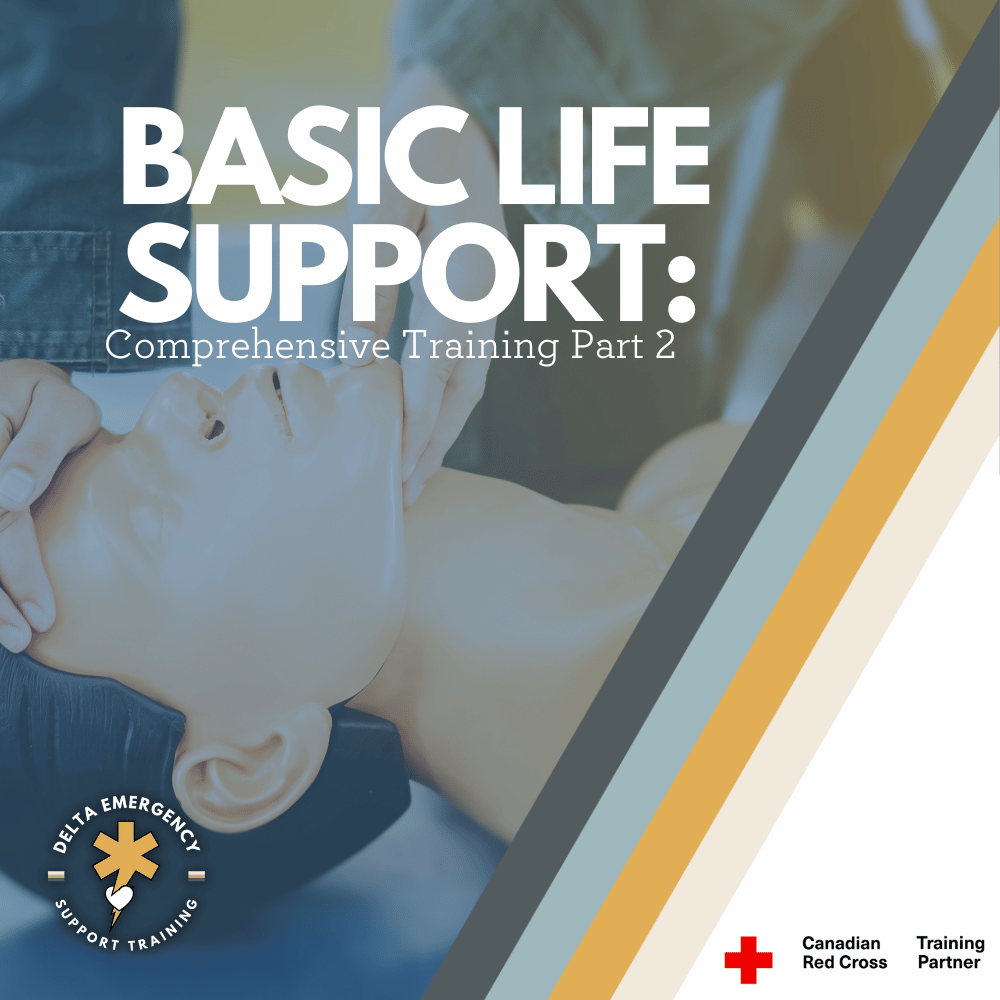
Basic Life Support Training Series: Part 2
Are you prepared to save lives during emergencies? Mastering Basic Life Support (BLS) is crucial, and understanding the key steps for assessing airway, breathing, and circulation is essential. Discover effective techniques like the head tilt-chin lift and jaw thrust for opening the airway, and learn about devices such as oropharyngeal airways (OPA) and nasal cannulas for maintaining clear breathing passages. Find out how to assess circulation through pulse checks, capillary refill, and extremity warmth. Explore these vital BLS skills and be ready to make a difference when it matters most. Boost your life-saving capabilities now!
Welcome back to the second part of our blog series on Basic Life Support (BLS). In the first blog, we discussed scene assessment, the ABC check (Airway, Breathing, and Circulation), and the proper use of CPR and AED. Now, in part two, we will delve into life-saving interventions and devices used within each step of the ABC check. Let's explore the crucial steps that can make a significant difference in saving lives.
Head tilt chin lift in basic life support training class
Life Saving Interventions: Airway
Airway management is a critical component of Basic Life Support (BLS) and plays a crucial role in ensuring the patient's ability to breathe effectively. In addition to the manual maneuvers we discussed earlier, such as the head tilt-chin lift and jaw thrust, there are other devices that can be used to secure and protect the airway. Let's explore two commonly used devices: the Oropharyngeal Airway (OPA) and the Nasopharyngeal Airway (NPA).
Oropharyngeal Airway (OPA):
The oropharyngeal airway, is a curved plastic tube that is inserted into the patient's mouth to maintain the patency of the airway. It serves two main purposes:
a) Clearing Obstructions: The OPA helps to displace the tongue from the back of the throat, preventing it from obstructing the airway and impeding the passage of air. This is used for unconscious patients or those with decreased consciousness.
b) Facilitating Manual Stabilization: By providing a firm structure, the OPA allows rescuers to perform manual stabilization of the patient's head and neck, as it helps maintain the alignment of the airway.
When using an OPA, it is important to select the correct size for the patient to ensure proper placement and prevent complications. Insert the device upside down, rotating it 180 degrees as it reaches the back of the throat. Proper placement should allow the device to sit between the teeth or lips and the base of the tongue.
Nasopharyngeal Airway (NPA):
The nasopharyngeal airway, or nasal airway, is a flexible tube inserted through the nostril into the back of the throat. It is particularly useful in patients who have an intact gag reflex or clenched teeth, making oral insertion difficult or risky. The NPA has several advantages:
1) Improved Comfort: The NPA is generally better tolerated by conscious or semi-conscious patients as it avoids stimulation of the gag reflex.
2) Unobstructed Oral Access: By securing the airway through the nasal passage, the mouth remains free and accessible for other procedures, such as suctioning or oral medication administration.
To insert an NPA, select the appropriate size by measuring from the tip of the nostril to the earlobe or the angle of the jaw. Lubricate the device before gently inserting it along the floor of the nasal passage, aiming towards the back of the throat. Monitor for signs of discomfort or obstruction during insertion and adjust if necessary.
It is important to note that the use of OPAs and NPAs requires proper training and an understanding of the patient's anatomy and potential contraindications. Rescuers should be cautious and attentive to the patient's response while using these devices.
By employing manual maneuvers like the head tilt-chin lift and jaw thrust, along with the use of OPAs and NPAs, rescuers can effectively secure and maintain an open airway for patients in need of Basic Life Support. Remember, accurate assessment and regular practice are essential to ensure proper airway management in emergency situations.
Life Saving Interventions: Breathing
Various devices can be used to provide oxygenation and ventilation support. Let's explore the different devices commonly used in BLS:
Nasal Cannula:
The nasal cannula is a lightweight device that delivers supplemental oxygen through two small prongs inserted into the patient's nostrils. It provides a low to moderate flow rate of 1-4 liters per minute (LPM) with an oxygen concentration ranging from 25% to 45%. The nasal cannula is comfortable and allows patients to speak, and move freely while receiving oxygen.
Simple Face Mask:
The simple face mask is a mask that covers the patient's nose and mouth, delivering oxygen at a flow rate of 6-10 LPM. It provides a higher oxygen concentration compared to the nasal cannula, ranging from 40% to 60%. The simple face mask is commonly used in patients who require higher oxygen levels or when a more precise oxygen concentration is not required. However, it may impede communication and patient comfort.
Non-Rebreather:
The non-rebreather is a mask with a reservoir bag attached, ensuring the delivery of high concentrations of oxygen. It has one-way valves that prevent the patient from inhaling exhaled air and allow for a flow rate of 10-15 LPM. The non-rebreather mask can deliver an oxygen concentration of 90% or higher. It is particularly useful in patients with severe hypoxia or in cases where precise oxygen titration is necessary.
Bag-Valve-Mask (BVM):
The bag-valve-mask (BVM) device, is a manually operated resuscitator used to provide positive pressure ventilation. It consists of a self-inflating bag, a one-way valve, and a mask. The BVM is connected to an oxygen tank with a flow rate of 15 LPM, providing an oxygen concentration close to 100%. The BVM is often used in cases of respiratory distress or respiratory arrest, when the patient is not breathing adequately or requires assisted ventilation.
During assisted ventilation with a BVM, 1/3 of the bag should be compressed once every 5-6 seconds to achieve a target ventilation rate of 10-12 breaths per minute.
Newer BVM’s include a safety valve that makes a noise if you are compressing the bag too hard or fast, allowing for user friendly use.
As you provide assisted ventilation using a BVM, pay close attention to the patient's response. Look for chest rise and fall with each breath delivered. The presence of chest rise indicates that the ventilation is effectively reaching the patient's lungs.
Additionally, observe the patient's overall color. Effective ventilation should help improve the patient's skin color, with a return to a more normal or healthier appearance. If the patient's color improves, it is a positive sign that oxygenation and ventilation are being adequately supported.
It is important to note that when administering oxygen, the flow rate should be carefully adjusted based on the patient's condition and oxygen saturation levels. Oxygen therapy should be monitored closely.
Circulation assessment
Circulation assessment is a crucial step in Basic Life Support (BLS) to determine the adequacy of blood flow. While CPR remains the life-saving intervention when a pulse is not detected, let's explore other methods to assess circulation when a pulse is present.
Capillary Refill: To assess capillary refill, gently press down on the patient's nail bed or the tip of their finger. Upon releasing the pressure, observe how quickly the color returns to the area. A normal capillary refill time is around 2 seconds. If color returns within this timeframe, it indicates good capillary refill and suggests adequate peripheral circulation.
Extremity Warmth: Feeling the temperature of the patient's extremities, such as their hands and feet, can provide valuable information about circulation. Warm extremities indicate good blood flow, while cold extremities may suggest impaired circulation.
It's important to note that these assessments are complementary to the presence of a pulse. If there are concerns about circulation or any signs of poor perfusion, prompt medical attention should be sought.
Circulatory Obstruction: Major blood loss from an injury can obstruct circulation and pose a life-threatening situation. In such cases, immediate action is crucial. If the hemorrhage is external, apply direct pressure to the bleeding site using PPE always. Maintaining pressure helps control the bleeding and promotes clot formation, thereby restoring circulation. If available, consider the use of a tourniquet for severe hemorrhage that cannot be controlled by direct pressure alone.
Remember, it is important to prioritize personal safety and seek professional medical help as soon as possible in cases of significant bleeding or other circulatory emergencies. Timely intervention can make a significant difference in patient outcomes.
Training
Mastering Basic Life Support (BLS) is crucial for healthcare professionals, including nurses, doctors, dentists, firefighters, and other first responders. Understanding the key steps for assessing and applying critical interventions for airway, breathing, and circulation is essential to deliver timely and effective care during emergencies. At Delta, we recognize the importance of BLS training, as it is often required to be completed yearly for professionals in various fields. We are dedicated to providing frequent BLS courses to equip individuals with the life-saving skills they need. Enroll in our BLS courses today and stay prepared to make a difference when it matters most.
Critical Skills for Physiotherapists: The Canadian Red Cross BLS Certification Course for Life-Threatening Emergencies
The Canadian Red Cross Basic Life Support (BLS) recertification course is designed to provide physiotherapists with the latest training and techniques to manage emergency situations effectively. This course covers a wide range of topics, including the assessment of vital signs, airway management, cardiopulmonary resuscitation (CPR), and automated external defibrillation (AED).
One of the key features of this course is the use of a Simulaids Airway Trainer, which allows participants to practice the insertion of various airway devices, such as oropharyngeal and nasopharyngeal airways. This tool helps participants gain hands-on experience in managing airway obstruction and ensures they are comfortable handling airway devices in real-life situations.
Another valuable tool utilized in this course is the Prestan Professional Mannikins, which come equipped with a Bluetooth app for CPR results. This app allows participants to track their CPR performance and receive immediate feedback, enabling them to adjust their technique accordingly.
Through a combination of practical and theoretical training, this course provides physiotherapists with the confidence and skills needed to respond to life-threatening emergencies effectively. By completing the Canadian Red Cross BLS recertification course, physiotherapists can ensure they are fully prepared to provide the highest level of care to their patients.
Physiotherapists Register for the Canadian Red Cross Basic Life Support Recertification Course
As a physiotherapist, you are dedicated to improving the health and well-being of your patients. In order to be fully prepared to handle any emergency situation, it's important to have a solid understanding of basic life support (BLS) techniques. The Canadian Red Cross BLS certification course offered by Delta Emergency provides the necessary training to equip physiotherapists with the skills needed to handle life-threatening emergencies. In this blog post, we'll explore the details of this course, including the use of a Simulaids Airway Trainer, Prestan Professional Mannikins with a Bluetooth app for CPR results.
a bls trained Physiotherapist working in a cardiac recovery centre in calgary. Blood pressure being taken while a patient walks on a treadmill for a stress test.
As a physiotherapist, you may encounter patients who are at risk of experiencing cardiac arrest or respiratory arrest. Here are a few examples:
Patients with chronic obstructive pulmonary disease (COPD): COPD is a chronic lung disease that can cause shortness of breath and difficulty breathing. Patients with COPD may be at risk of respiratory arrest, especially during exacerbations of their condition.
Patients with neuromuscular disorders: Patients with conditions such as muscular dystrophy or amyotrophic lateral sclerosis (ALS) may experience respiratory failure due to weakness of the respiratory muscles.
Patients undergoing surgery: Anesthesia and surgical procedures can increase the risk of cardiac arrest or respiratory arrest. Physiotherapists may be involved in the post-operative care of these patients and may need to respond to emergencies.
Patients with heart disease: Patients with conditions such as coronary artery disease, heart failure, or arrhythmias may be at risk of cardiac arrest. Physiotherapists may encounter these patients during cardiac rehabilitation or in other settings.
It's important for physiotherapists to be prepared to respond to emergencies in any patient population they may encounter. The Canadian Red Cross BLS certification course provides valuable training in basic life support techniques that can be applied to a variety of patient situations.
Overview of the Canadian Red Cross BLS Certification Course:
The Canadian Red Cross BLS certification course is designed to provide healthcare professionals with the knowledge and skills necessary to recognize and respond to life-threatening emergencies. The course covers a range of topics, including basic life support techniques such as CPR, the use of automated external defibrillators (AEDs), and how to manage airway and breathing emergencies.
The course is taught by experienced instructors who are certified by the Canadian Red Cross. It consists of a combination of online learning and in-person skills training. The online portion covers the theoretical aspects of the course, including the principles of BLS, the Chain of Survival, and the steps involved in performing CPR. The in-person skills training component focuses on hands-on practice with the use of Simulaids Airway Trainer and Prestan Professional Mannikins.
Use of Simulaids Airway Trainer:
The Simulaids Airway Trainer is a sophisticated device used to simulate airway management scenarios. It provides a realistic experience for trainees and allows them to practice a range of airway management techniques, such as intubation and suctioning, in a safe and controlled environment. The Airway Trainer is an excellent tool for physiotherapists who may be called upon to manage airway emergencies in their practice.
Use of Prestan Professional Mannikins with a Bluetooth app:
The Prestan Professional Mannikins are high-quality CPR training mannequins that provide realistic feedback on the effectiveness of chest compressions. They feature a built-in Bluetooth app that allows trainees to monitor and track their CPR performance in real-time. This technology is a valuable tool for physiotherapists who want to ensure they are providing the highest quality of care to their patients in an emergency situation.
Empowering Physiotherapists to Save Lives: Conclusion
The Canadian Red Cross BLS certification course offered by Delta Emergency is an excellent resource for physiotherapists looking to enhance their emergency response skills. With a combination of online learning and hands-on training with the use of Simulaids Airway Trainer and Prestan Professional Mannikins, this course provides a comprehensive understanding of basic life support techniques. By completing this course, physiotherapists will be better equipped to handle life-threatening emergencies and provide their patients with the highest quality of care.
At Delta Emergency Support Training we are happy to answer any questions you may have about Basic Life Support. We provide training sessions for individuals or classes. We have options for in person, hybrid or online classes for Standard First Aid (SFA), Advanced First Aid (AFA), Emergency Medical Responder (EMR), Basic Life Support (BLS) and more courses. For all inquiries please email info@deltaemergency.com
Calgary and Edmonton Fire Applications Opening in 2022 and 2023!
So you meet the minimum requirements to apply for Calgary and Edmonton Fire. What certifications do you need before you’re given a job offer? Canadian Red Cross Advanced First Aid is one of the certification requirements, and at Delta Emergency, we fully certify you to Alberta Fire Department standards.
Are you looking to change careers and apply with Calgary Fire or Edmonton Fire? Calgary Fire opened their recruitment on November 1, 2022 and it closes on November 30, 2022! Edmonton Fire will be opening their recruitment process from January 1-31, 2023.
If you haven’t taken Advanced First Aid (AFA) within the last 3 years, you will need to certify in an AFA course prior to a conditional job offer from either fire department. Here at Delta Emergency Support Training, we certify you as a Canadian Red Cross Advanced First Aider with Basic Life Support (BLS CPR) in one course.
Our AFA course is a hybrid version, perfect for individuals with full-time jobs, families, or busy schedules. There are 40 hours of online virtual sessions/online work to complete, and 40 hours of in-person skill days.
We typically run an AFA Cohort over the course of 4-6 weeks, and you attend 2 Friday nights and 2 weekends with our full-time active duty Advanced Care Paramedic instructors. We have real experience, real equipment, and exceptional student feedback.
Be one of our next students and become a Professional Responder.
Calgary Fire: Do you meet the minimum requirements to apply?
Be 18 years of age or older
Be a Canadian citizen or permanent resident
Have a high school diploma or equivalency
Have a valid Class 5 driver's license or provincial/territorial equivalent without a Graduated Driver’s License (GDL) status and with less than 7 demerit points
Have been granted a pardon or record suspension for any criminal convictions.
Meet all immunization requirements
Have a maximum of one illegal soft drug use in the past year and a maximum of three illegal soft drug uses in the past 3 years. Candidates must have had zero hard drug use in the past three years.
Edmonton Fire: Do you meet the minimum requirements to apply?
Applicant must be at least 18 years of age
Applicant embraces and actively promotes the behaviour and values of an inclusive, diverse and respectful work environment.
It is a requirement to obtain and maintain a City Driver's permit.
An overall satisfactory driver's record is required upon hire.
Hire is dependent upon a satisfactory Vulnerable Sector Police Information Check.
Good physical fitness is required and is evaluated at the fitness test stage.
Ability to understand and communicate clearly and concisely in English under stressful conditions.
Delta Emergency Hybrid Red Cross Advanced First Aid
We started teaching this new version of Hybrid Advanced First Aid in June 2021. Every student has rated our program with 5 stars and they all recommend it to their peers. 60 hours of at home learning and 24 hours in-class over 1 Friday night, Saturday and Sunday. Certify as an Advanced First Aider through online content such as videos, skill sheets, quizzes, written group discussions, 1:1 video instructor video sessions, weekly workbooks - more than multiple choice questions, games and repeatable tests to test your comprehension. Real instructors with real emergency experience. Skill sessions that deliver quality scenarios. Group scenarios to develop real world teamwork.
Delta Emergency Canadian Red Cross Hybrid Advanced First Aid
We started teaching this new version of Hybrid Advanced First Aid in June 2021. Every student has rated our program with 5 stars and they all recommend it to their peers. 60 hours of at home learning and 24 hours in-class over 1 Friday night, Saturday and Sunday. Certify as an Advanced First Aider through online content such as videos, skill sheets, quizzes, written group discussions, 1:1 video instructor video sessions, weekly workbooks - more than multiple choice questions, games and repeatable tests to test your comprehension. Real instructors with real emergency experience. Skill sessions that deliver quality scenarios. Group scenarios to develop real world teamwork. We’re a smaller business of like-minded emergency professionals and we’re not listed on Google, yet.
Traditional Canadian Red Cross Advanced First Aid
What does 80 hours in the classroom look like? Sitting in a classroom for 10 days straight. Taking vacation days or quitting your job. Past Red Cross Advanced First Aid students with other providers have let us know they feel they're being kept in class just to hit that 80 hour requirement and feel the in-person course is too long. The other downside is that the first 5-6 hours of each day are focused on the didactic training and PowerPoint, then you practice 1 or 2 skills at the end of the day. Traditional classroom works for some people. We are here to accommodate the people that need a true Hybrid Learning Format with 1 weekend of in-person skills.
Friday Night Session
Here's how Friday looks:
Arrive at weekend training facility. Give an overview of classroom setup. Student and instructor introductions.
Review quizzes, exams, answer questions from online course. Jeopardy style game for course content review.
Review any skills sheets that were unclear. Speak about skill indications + contraindications.
Practice taking vital signs - pulse, blood pressure, respiratory rate, lung sounds, SpO2, etc.
Discuss Week 3 verbal scenario, verbal scenario performed as a group.
Saturday + Sunday Session
Here’s a brief overview of Saturday:
All other AFA skills are demonstrated by the instructor and then performed by each student.
Individual and group scenarios are given throughout the day.
Group skills such as spinal motion restriction will require the student the participate in the skill at least 4 times.
Once to run the skill, and other times being part of a team member running the skill.
Every skill learned is applied to scenarios on Sunday.
Here’s a brief overview of Sunday:
Scenario day. Every scenario is graded. You need 1 successful scenario where you are the primary attendant to pass the course.
Scenarios will build in complexity. Basic ones at first to solidify the Scene/Primary assessments. Memorization of Assessment Acronyms is key.
Scenarios then progress in patient severity, where all team members work together to apply skills/equipment.
You will use more than 1 piece of equipment and skill as scenarios progress. The goal is to use the equipment realistically every single time.
You will be asked key knowledge points about each piece of equipment when you utilize them.
Key points were taught through the online course, textbook reading, the workbooks, quizzes, skill sheets, and Friday/Saturday.
Private Video Session with an Instructor
Does every student recommend the video session? Yep.
Does any other AFA provider offer 1:1 video sessions with their students? Nope, just Delta Emergency.
There are virtual time-slots for everyone to have a 1+ hour session with an instructor prior to the in-person course. It is capped at 1 student per session. It is not required, but recommended. Sometimes they go to 90+ minutes, but we've had great feedback from students that have signed up for the video session. In the session, we can review your course progress, review mid-terms/quizzes, and clarify any questions.
Then, we review how in-person scenarios are structured and we give you a basic verbal scenario during the hour. It will help you understand the format of what we are looking for during your scenarios. Availability will be on weeknights after 18:00. The online scheduler for this will be available within the online course. There will be as many spots open as there are students in each cohort.
Weekly Written Scenarios
At the start of Week 1 and Week 2 we release a scenario writeup that describes an emergency call and some basic scene and patient information.
All students will read the scenario and reply to the scenario. Students think about the first steps they would take and their initial treatments. They type what they would do from Scene Assessment -> Treatments.
Students write their own reply, can format is however they like, and do not reply with "I'd do what she did, and add..."
Instructors will read each students answer but not reply until everyone has completed the assignment. Students have 1 week to writeup a reply to each week.
The goal is to see what you prioritize and what you visualize as potential treatment/patient pathways. We give feedback on what you wrote. It doesn't matter if you forgot C-Spine, or didn't think about shock, etc. It is used as a learning tool and is a great way to see the priorities you fellow classmates think about.
We release a formal writeup and answer to the scenario 10 days after one is posted. It contains all the things a student could consider with that particular emergency. There are actually some key points to take away as you work in the real world and encounter similar patients.
The Future
We want to be the first Red Cross provider that stays connected to their past students. Delta Emergency Professional Responder Community Forum. The goal is to make it a space for students to connect, make a concise list of emergency medical pathways for programs/colleges/provinces, share volunteering opportunities, career postings, first responder discounts, real-call talk, scenarios, etc. It will be a place that only past students can access, so there won't be any internet trolls - unless you are one. We just wanted to make a dedicated training spot for you to come and reflect on different emergency calls.
Want to use a BVM again? SMR a patient to a backboard? The Delta Community Forum will also keep you informed of joining in-person skill days. There will be a small fee to cover some basic costs, but it will allow you to come for the full weekend, or just 1 day of scenarios on Sunday. After class registration closes for a cohort we will contact past students through our LMS and invite them to come back for some risk-free, stress-free training.
The Delta Community Forum will also be a perfect way to introduce yourself to other students, network, and possibly exchange information about training, volunteering, or job opportunities. It's up to you. A network of Professional Responders lifting one another up. What could be better?
Update Nov 19, 2021: We are currently modifying our format and more details will be released in January 2022.
Pocket Mask Requirements: First Aid Program Standards in 2021
All participants attending classroom training are required to have their own pocket resuscitation mask with single-use one-way valve.
Important changes to program standards
In the interest of public health during COVID-19 and beyond, please be advised the Canadian Red Cross program standards have been updated with respect to pocket masks in Red Cross First Aid training. All participants attending classroom training are required to have their own pocket resuscitation mask with single-use one-way valve.
Pocket masks must be new (if provided by the Training Partner) or previously owned by the participant only. While pocket masks are already used in training, they are typically decontaminated and reused along with a new one-way valve.
Purchase here: Pocket Mask
With this revised standard, the practice of decontaminating pocket resuscitation masks will be discontinued as masks may not be reused.
To ensure the safety of all students, course participants can bring their own pocket mask with a one-way valve, or they may opt to purchase one as an add-on item prior to class. Masks can be shipped to your home, or picked up on class day.
This new standard begins on March 31, 2021. Delta Emergency will adopt this new standard today, December 17, 2020. All courses that require mask ventilation training will be required to add a pocket mask at time of course purchase. If you choose not to buy a mask and do not have one on class day, you will be required to purchase one from your trainer in person before training can commence. If you refuse to purchase a mask in class, your participation will be marked as incomplete. We appreciate your understanding of this transition and we believe this will greatly reduce the risk of disease transmission for course participants.
Resources
Our COVID-19 protocols for classroom training have been revised to reflect this change. The courses this training will affect are:
Emergency First Aid
Standard First Aid
CPR A, CPR C, BLS, AED
Oxygen Therapy
Airway Management
Advanced First Aid
Please contact the Canadian Red Cross at 1-877-356-3226 with any questions regarding this new training standard.
As always, the health and safety of our partners, Instructors, and course participants is our first priority. Thank you for your support in ensuring a safe training environment.

