The Delta Dispatch

The Red Cross: Everything Aspiring First Responders Need to Know Introduction

Thinking about becoming a first responder? The Red Cross provides essential training, from Standard First Aid (SFA) with CPR/AED Level C to Advanced First Aid (AFA), Basic Life Support (BLS), and Emergency Medical Responder (EMR). At Delta Emergency Support Training, we offer all these courses, including bridge programs and recertifications, helping you stay certified and ready to respond. 🚑

If you’re looking to become a first responder or expand your emergency care knowledge, the Red Cross is one of the most recognized and respected organizations for first aid and lifesaving training. Whether you’re starting with Standard First Aid (SFA) with CPR and AED Level C or progressing to Advanced First Aid (AFA) and Basic Life Support (BLS), understanding the training pathway is essential for anyone serious about emergency response.

At Delta Emergency Support Training, we offer all of these courses, including Emergency Medical Responder (EMR), bridge courses, and recertifications to help you stay up to date and advance your skills.

Standard First Aid (SFA) – The Essential Foundation

Before you can progress to advanced emergency medical training, you’ll need a strong foundational knowledge of first aid. Standard First Aid (SFA) with CPR/AED Level C is a prerequisite for more advanced training, making it the first step for aspiring first responders.

What Does Standard First Aid (SFA) Include?

This course covers the essential lifesaving skills needed to respond to common emergencies, including:

  • CPR and AED (Level C): Learn how to perform Cardiopulmonary Resuscitation (CPR) on adults, children, and infants and how to use an Automated External Defibrillator (AED).

  • Choking Response: Techniques for assisting choking victims of all ages.

  • Bleeding Control: Proper wound care, including bandaging, applying direct pressure, and using tourniquets.

  • Shock Management: Recognizing and responding to different types of shock.

  • Burns and Environmental Emergencies: First aid for burns, heat exhaustion, hypothermia, and frostbite.

  • Head, Neck, and Spinal Injuries: How to stabilize an injured person and prevent further harm.

  • Medical Emergencies: Recognizing and responding to diabetic emergencies, seizures, strokes, and allergic reactions.

Why Is Standard First Aid Important?

  • It is a prerequisite for Advanced First Aid and EMR (AFA).

  • It meets workplace safety requirements for many jobs, including healthcare, security, and childcare.

  • It provides practical, hands-on training to build confidence in emergency situations.

At Delta Emergency Support Training, we offer recertification courses to help you maintain your certification and stay prepared.

Advanced First Aid (AFA) vs. Emergency Medical Responder (EMR)

Once you have completed Standard First Aid, you may want to continue with Advanced First Aid (AFA) or Emergency Medical Responder (EMR). Understanding the differences between these two courses is important for choosing the right path.

Advanced First Aid (AFA)

  • Designed for those interested in becoming a first responder as well as workplace first responders, security personnel, and safety officers.

  • Includes oxygen therapy, airway management, and advanced bleeding control.

  • Covers spinal immobilization, fractures, and extended care skills.

  • Focuses on scene management and multi-casualty incidents.

Emergency Medical Responder (EMR)

  • A more advanced course designed for those looking to work in EMS, firefighting, or law enforcement.

  • Includes all AFA content plus advanced medical care, such as patient assessments, pharmacology, and vital signs monitoring.

  • Prepares students to assist paramedics in emergency medical situations.

  • Required for those pursuing a career in emergency services.

At Delta Emergency Support Training, we offer both AFA and EMR, as well as bridge courses to help transition between certifications.

Basic Life Support (BLS) – For Medical Professionals and First Responders

For those pursuing a career in healthcare, paramedicine, or emergency response, Basic Life Support (BLS) is an essential certification. BLS is more intensive than standard CPR training and focuses on high-performance resuscitation techniques used by medical professionals and first responders.

What Does Basic Life Support (BLS) Cover?

  • High-performance CPR with a focus on teamwork.

  • Bag-valve mask (BVM) ventilation for respiratory support.

  • Two-rescuer resuscitation techniques.

  • Management of choking in unresponsive individuals.

  • Use of oxygen equipment and suctioning.

  • AED use in complex medical settings.

Who Needs BLS Certification?

  • Paramedics and emergency medical responders.

  • Nurses, doctors, dental hygenists and other healthcare providers.

  • Firefighters and law enforcement officers.

  • First responders working in high-risk settings.

At Delta Emergency Support Training, we offer BLS courses and recertifications to ensure first responders stay up to date with the latest life-saving techniques.

Choosing the Right Course for Your Goals

If you’re unsure which course is right for you, consider the following pathway:

  1. Start with Standard First Aid (SFA) + CPR/AED Level C → For general emergency preparedness and workplace safety.

  2. Move to Advanced First Aid (AFA) → If you need a higher level of training for emergency response roles.

  3. Complete Basic Life Support (BLS) → If you are pursuing a healthcare or first responder career.

  4. Pursue Emergency Medical Responder (EMR) → If you are looking to work in EMS

Each step builds upon the previous one, ensuring that first responders develop both knowledge and practical skills to handle a wide range of emergencies.

Conclusion

The Red Cross provides essential training for aspiring first responders, workplace safety officers, and healthcare professionals. Whether you’re beginning with Standard First Aid or advancing to AFA, BLS, or EMR, every step prepares you for real-world emergencies where your skills can make a life-saving difference.

At Delta Emergency Support Training, we offer all of these courses, including bridge programs and recertifications, ensuring that you stay trained and ready. Whether you need SFA, AFA, BLS, or EMR, we have the right course for you!

🚑 Be prepared. Get trained. Save lives.

Read More

5 Life-Saving First Aid Techniques Everyone Should Know

In a world where emergencies can strike at any moment, being equipped with life-saving skills is crucial. Delta Emergency Support Training's First Aid Classes in Calgary, Alberta, go beyond the basics, offering comprehensive training in CPR, back blows, Stop the Bleed, the recovery position, and AED use. With hands-on experience and expert guidance, participants gain the confidence to act decisively in critical situations. Enroll today and become a confident, capable first responder – because your quick response might just save a life.
First aider attends to unconscious man who has AED PADS PLACED ON CHEST

When faced with a medical emergency, having a solid understanding of basic first aid techniques can be the difference between life and death. Whether at home, work, or in public spaces, possessing fundamental first aid skills can empower you to respond effectively and decisively. In this blog, we'll explore five common life-saving first aid techniques that everyone should know.

  1. Cardiopulmonary Resuscitation (CPR):

    Cardiopulmonary Resuscitation, or CPR, is a critical skill used to revive individuals experiencing cardiac arrest. By combining chest compressions and rescue breaths, you can maintain blood flow and oxygenation to vital organs until professional medical help arrives. CPR training is widely accessible, and mastering this technique can significantly increase the chances of survival in emergencies.

  2. Back Blows and Abdominal Thrusts:

    Choking is a prevalent emergency that can happen anywhere, and knowing how to respond is crucial. The combination of back blows and abdominal thrusts is a technique used to dislodge a foreign object obstructing the airway. Begin with five sharp back blows between the shoulder blades, followed by five abdominal thrusts to force air from the lungs and expel the obstruction. This method can be a lifesaver in situations where swift action is necessary.

  3. Stop the Bleed:

    Uncontrolled bleeding is a leading cause of preventable death in emergencies. The "Stop the Bleed" technique focuses on controlling external bleeding until professional medical assistance arrives. Applying direct pressure to the wound with sterile bandages or clothing, using tourniquets when necessary, and elevating the injured limb are essential components of this life-saving skill.

  4. Recovery Position:

    The recovery position is a simple yet vital technique used to maintain an open airway for an unconscious person who is breathing. Placing the individual on their side helps prevent choking on vomit or other fluids and promotes proper breathing. This technique is particularly useful in cases of alcohol or drug overdose, where maintaining a clear airway is critical until medical help arrives.

  5. AED (Automated External Defibrillator) Use:

    AEDs are portable devices that deliver an electric shock to restore the heart's normal rhythm in cases of sudden cardiac arrest. Learning how to use an AED, in conjunction with CPR, can significantly increase the chances of survival for someone experiencing a cardiac emergency. Many public places and workplaces are equipped with AEDs, making understanding their proper use invaluable in time-sensitive situations.

    Delta Emergency Support Training's First Aid Classes in Calgary, Alberta, offer a comprehensive approach to life-saving techniques. By enrolling in these courses, participants gain the skills and confidence to respond effectively to emergencies. From CPR to back blows and abdominal thrusts, Stop the Bleed, the recovery position, and AED use, Delta Emergency Support Training ensures that individuals are well-prepared to make a positive impact in critical situations. Empower yourself with the knowledge that can make a difference – enroll in Delta Emergency Support Training's First Aid Classes today. Your quick response and expertise could be the key to saving lives.

Read More

Basic Life Support Training Series: Part 1

In part 1 of our BLS training series, we'll cover the essentials: scene survey, ABC check, CPR, and AED usage. Here's a quick overview:

  • Scene Survey: Assess the emergency scene for safety and determine the nature of the situation.

  • ABC Check: Evaluate the victim's Airway, Breathing, and Circulation. Ensure the airway is clear, check for normal breathing, and assess signs of circulation.

  • CPR: Perform chest compressions and rescue breaths to maintain blood flow and oxygenation. Proper technique is vital for effective compressions and oxygen delivery.

  • AED Usage: Learn to use an AED, a device that analyzes heart rhythm and delivers shocks if needed. Follow clear instructions and visual prompts for proper AED application.

By mastering these skills, you'll be better prepared to respond confidently during emergencies. Remember to practice regularly and stay updated on BLS guidelines for optimal readiness.

Note: BLS training equips you with life-saving techniques. Obtain proper certification and training for comprehensive proficiency.
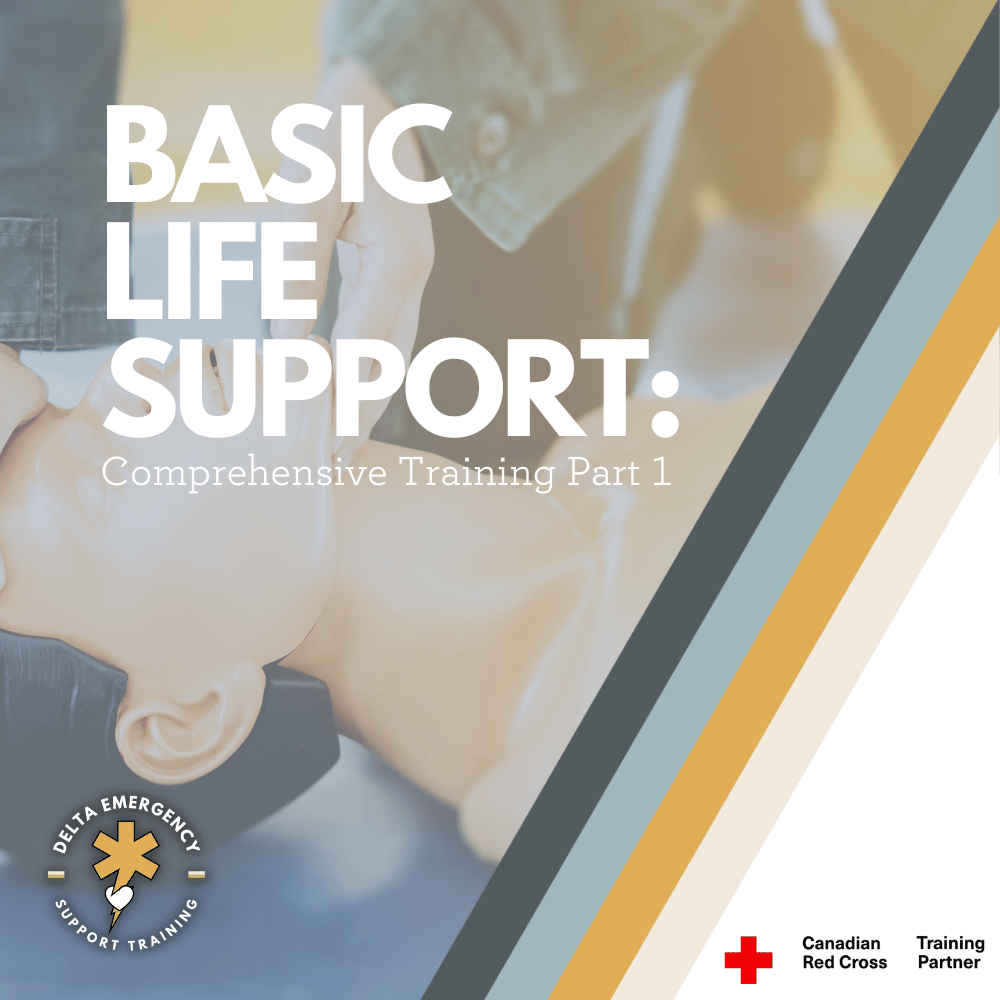
Basic Life Support (BLS) training encompasses a wide range of essential skills, and there's so much to cover! In this multi-part series, we'll explore the extensive world of BLS in-depth. Part 1 includes scene assessment, ABC check as well as CPR + AED use.

A student is practicing their Basic Life Support (BLS) skills on a mannequin. The student is performing the head tilt-chin lift maneuver to secure the airway. They are carefully holding the mannequin's head and gently tilting it back while lifting the chin upward.

In critical situations where every second counts, having the knowledge and skills of Basic Life Support (BLS) can make all the difference. Whether you're a nurse, dental hygienist, or anyone involved in healthcare or emergency response, mastering BLS is essential.

What is Basic Life Support (BLS)?

BLS (Basic Life Support) encompasses a comprehensive set of life-saving techniques and interventions performed on individuals facing various medical emergencies. These emergencies can range from airway obstructions and respiratory distress to cardiac arrest and more. The goal of BLS is to provide immediate recognition of emergency situations, administer primary assessment, perform CPR, utilize automated external defibrillators (AEDs), manage airway obstructions, provide assisted ventilation, and consider special circumstances that may require tailored approaches.

When it comes to BLS, quick recognition of emergency situations is crucial. Once the emergency is recognized, primary assessment is performed to evaluate the patient's condition, including responsiveness, breathing, and circulation. This assessment helps determine the appropriate course of action and guides subsequent interventions.

Primary Assessment

During a medical emergency, conducting a primary assessment is vital to quickly evaluate a patient's condition and determine the appropriate course of action. This assessment involves checking the patient's level of responsiveness (LOR), assessing the airway, breathing, and circulation (ABCs). Let's break down each step to ensure a thorough primary assessment.

Level of Responsiveness (LOR):

To determine the patient's level of responsiveness, start by verbally asking them if they are okay. If there is no response, gently tap the patient's shoulder and ask again. It's important to assess the patient's conscious state as it helps gauge the severity of the situation.

Airway:

If the patient is unconscious or unresponsive, assessing and securing the airway becomes crucial. The goal is to ensure that the airway is open and unobstructed. For an unconscious patient without suspected spinal injury, utilize the head tilt chin lift technique. Place one hand on the patient's forehead, gently tilt their head back, and lift the chin upward. This helps maintain an open airway by lifting the tongue away from the back of the throat.

However, if there is a possibility of a spinal injury, such as from a traumatic incident, use the jaw thrust technique instead. Place both hands on either side of the patient's jaw and lift it forward, while keeping the neck in a neutral position. This technique ensures the airway is protected while minimizing movement of the cervical spine.

Breathing and Circulation:

Once the airway is secured, it's crucial to assess breathing and circulation simultaneously. Spend about ten seconds observing the patient's chest rise and fall while listening and feeling for breath. Look for signs of normal breathing, such as chest rise and fall, and listen for any abnormal sounds like gasping or gurgling.

While assessing breathing, also check for the carotid pulse. Place your index and middle fingers on the patient's neck, alongside the windpipe, and feel for the pulse. Assessing circulation in conjunction with breathing helps determine if the patient's heart is pumping effectively.

CPR + AED

BLS (Basic Life Support) training goes hand in hand with comprehensive CPR (Cardiopulmonary Resuscitation) techniques, including the use of an AED (Automated External Defibrillator). Let's explore this essential aspect of BLS training in more detail.

CPR (Cardiopulmonary Resuscitation):

CPR is a crucial component of BLS, focusing on maintaining blood circulation and oxygenation when the heart has stopped or is not functioning properly. BLS training provides in-depth instruction on performing CPR effectively, including the following steps:

Chest Compressions:

BLS teaches the correct technique for performing chest compressions. This involves placing the heel of one hand on the center of the victim's chest (lower half of the sternum), stacking the other hand on top, interlocking the fingers, and keeping the arms straight. BLS emphasizes the importance of delivering compressions at the proper depth, typically about 2 inches for adults, with a rate of around 100-120 compressions per minute.

Rescue Breaths:

BLS training also covers rescue breaths, which involve delivering breaths into the victim's airway to supply oxygen. The ratio of chest compressions to rescue breaths may vary depending on the age group being treated. For adults, the ratio is typically 30 compressions to 2 breaths.

Chest Recoil:

BLS emphasizes the significance of allowing for complete chest recoil between compressions. This allows the heart to refill with blood before the next compression, improving the effectiveness of CPR.

AED (Automated External Defibrillator) Usage:

BLS training includes instruction on the proper use of an AED, a portable device that can analyze the heart's rhythm and deliver electrical shocks if necessary. Here's how AED usage is typically incorporated into BLS training:

  1. AED Placement: BLS teaches the importance of quickly accessing an AED and placing it near the victim. AEDs are typically equipped with easy-to-follow visual and auditory prompts to guide the user through the process.

  2. Electrode Pad Placement: BLS training covers the correct placement of the AED electrode pads on the victim's bare chest. One pad is usually placed on the upper right chest, just below the collarbone, while the other pad is positioned on the lower left side of the chest.

  3. Analysis and Shock Delivery: The AED will analyze the victim's heart rhythm and prompt the user to stand clear while it delivers an electric shock if it detects a shockable rhythm such as ventricular fibrillation or ventricular tachycardia.

  4. CPR Integration: BLS emphasizes the integration of CPR with AED usage. After each shock, it is essential to immediately resume CPR, beginning with chest compressions, as directed by the AED.

Congratulations on completing Part 1 of our comprehensive BLS training series! By exploring the foundational elements of scene survey, ABC check, CPR and AED usage, you've taken significant steps towards becoming a skilled responder in life-threatening situations. But don't worry, our BLS journey is far from over!

Stay tuned for Part 2, where we'll delve into life-saving interventions for airway obstruction, airway management, assisted ventilations, and oxygen therapy. These critical techniques will equip you with the knowledge and skills to tackle a broader range of medical emergencies confidently.

BLS Training and Certification

To take your BLS training to the next level, consider enrolling in our Delta Emergency Support Training BLS course. Our experienced instructors will guide you through hands-on training, ensuring you gain the confidence and expertise needed to make a positive impact in emergency situations. Whether you're a healthcare professional, dental hygienist, or anyone seeking to enhance their emergency response skills, our courses are tailored to meet your needs.

Don't delay in becoming a certified BLS practitioner with Delta Emergency Support Training. Reach out to us today at info@deltaemergency.com to learn more about our courses and take the first step towards becoming a capable and confident lifesaver.

Read More
AED trainer, BLS CPR, Cardiac, First Aid, Online Course Kumari Malhotra AED trainer, BLS CPR, Cardiac, First Aid, Online Course Kumari Malhotra

AEDs: The Basics

Sudden cardiac arrest (SCA) is a leading cause of death worldwide, with millions of people experiencing it each year. AEDs, or Automated External Defibrillators, are critical in treating SCA because they can deliver a life-saving shock within minutes of the onset of symptoms. This blog post will cover the basics of AEDs, including how they work, why they're important, and how to use them.

Automated External Defibrillators (AED): What You Need to Know

An Automated External Defibrillator, or AED, is a portable electronic device used to treat sudden cardiac arrest (SCA) in conjunction with Cardiopulmonary Resuscitation (CPR). AEDs are designed to be used by anyone, regardless of their level of training or experience, to help save lives in emergency situations.

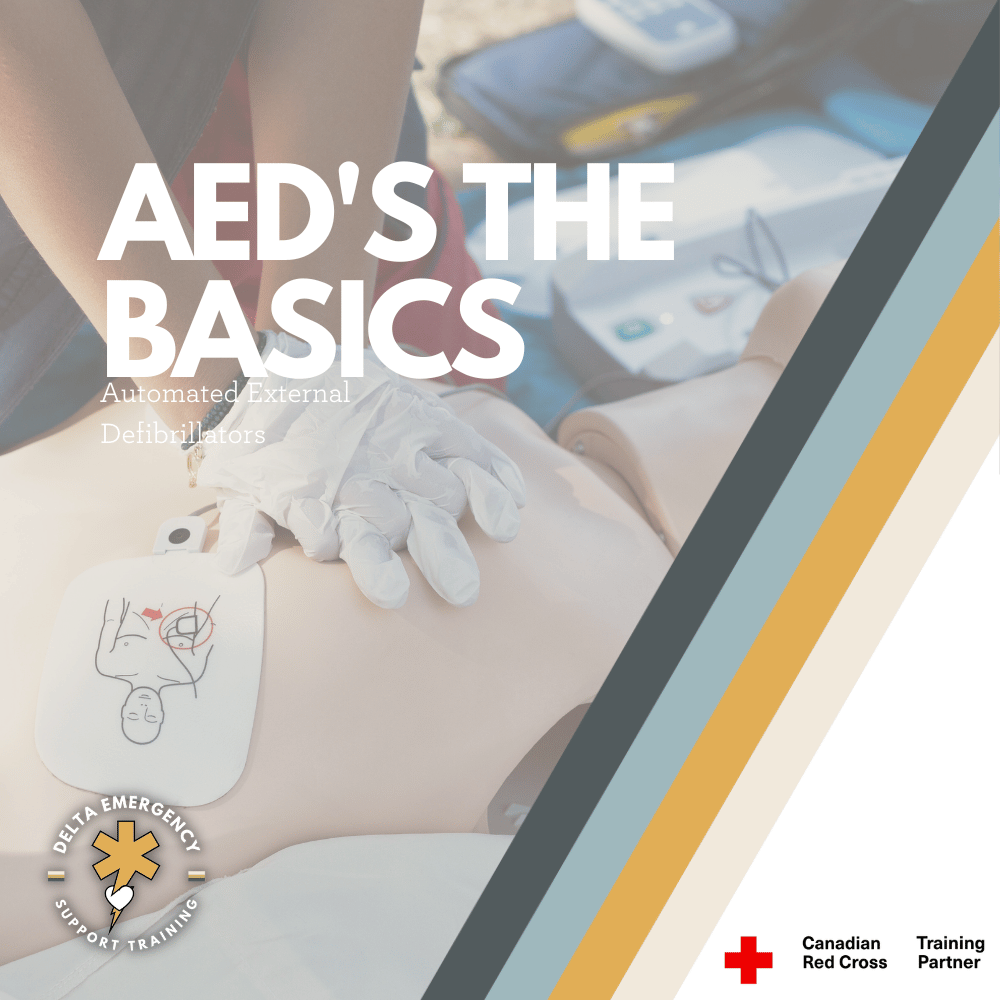
A person wearing gloves is performing first aid on a CPR dummy, while following AED directions. The person's hands are on the chest of the dummy, as if performing chest compressions. There is an AED device next to the dummy, with the pads attached to the dummy's chest.

How Does An AED Work?

AEDs work by analyzing the heart rhythm of a person experiencing SCA, and then delivering an electric shock to restore the heart's natural rhythm. The device comes with two sticky pads with attached wires, called electrodes. These pads are placed on the person's chest, and the AED's computer analyzes the heart rhythm through the electrodes. If the AED determines that the person's heart is in ventricular fibrillation or another treatable rhythm, it will prompt the user to deliver a shock. However, if the person's heart is in asystole, which is the absence of any heart rhythm, the AED will not deliver a shock. It's important to note that the use of an AED on a person with no heart rhythm (asystole) is not recommended because it is unlikely to be effective.

AED + CPR

CPR, or cardiopulmonary resuscitation, is a life-saving technique used to help someone who is in cardiac arrest. It involves a combination of chest compressions and rescue breaths to manually circulate oxygen-rich blood through the body when the heart is not beating effectively. CPR is performed when someone is unconscious, not breathing, and has no pulse.

When someone experiences sudden cardiac arrest (SCA), CPR should be performed while waiting for an AED to arrive or be retrieved. The combination of CPR and AED can significantly increase the chances of survival.

Why Are AED’s Important

Sudden cardiac arrest (SCA) is a leading cause of death worldwide, with millions of people experiencing it each year. AEDs, or Automated External Defibrillators, are critical in treating SCA because they can deliver a life-saving shock within minutes of the onset of symptoms. AEDs are easy to use, portable, and equipped with clear instructions and voice prompts. They can be stored in public places, homes, and businesses to provide quick access in case of an emergency.

Where Can I Find An AED?

AEDs are becoming more common in public places, such as airports, shopping centers, and schools. Many workplaces are also beginning to invest in AEDs for their employees and customers. It's important to know where the nearest AED is located in case of an emergency. Look for AEDs in clearly marked cabinets, often mounted on the wall. Some AEDs come with an audible alarm or flashing light to make them easier to find in an emergency. If you are unsure where an AED is located, ask your employer or contact your local fire department or ambulance service for more information.

How Can You Use An AED?

AEDs are designed to be simple and easy to use. Most devices come with clear verbal instructions and visual prompts that guide the user through the steps of using the device. Here is a brief overview of how to place AED pads on adults and children:

  • For adults: Place one pad on the upper right side of the chest and the other pad on the lower left side of the chest, as shown in the diagram on the AED or in the instructions. It's important to make sure the pads are placed correctly and securely on the skin.

  • For children: Pediatric pads should be used for children under the age of eight or weighing less than 55 pounds. These pads have a lower energy setting to avoid harm to the child. Place one pad on the center of the child's chest and the other pad on the child's back, just below the shoulder blades.

It's important to note that AEDs should not be used on a wet surface or in water. The chest should be shaved and dried if necessary to ensure good contact with the electrode pads. Sweat and other moisture can interfere with the proper function of the device.

Automated External Defibrillators are an important tool in treating sudden cardiac arrest. These devices can be used by anyone, regardless of their level of training or experience, to help save lives in emergency situations.

Read More

Saving Lives: The Vital Role of Automated External Defibrillators (AEDs) in Cardiac Emergency Response

The importance of Automated External Defibrillators (AEDs) in cardiac emergency response cannot be overstated. This powerful photo depicts a person using an AED to deliver life-saving defibrillation during a critical moment of a cardiac emergency. With a descriptive filename, alt text, and metadata that includes relevant keywords, this image serves as a powerful visual representation of the vital role of AEDs in saving lives during cardiac emergencies.
Saving Lives with Automated External Defibrillators (AEDs): What You Need to Know

The importance of Automated External Defibrillators (AEDs) in cardiac emergency response cannot be overstated. This photo depicts an AED, ready to deliver life-saving defibrillation during a critical moment of a cardiac emergency.

Cardiac arrest is a sudden and life-threatening condition that occurs when the heart suddenly stops beating effectively. Immediate intervention is critical to increase the chances of survival, and Automated External Defibrillators (AEDs) have emerged as a crucial tool in saving lives during cardiac emergencies. In this blog post, we will explore what AEDs are, how they work, and why they are essential in cardiac arrest management.

What are AEDs?

An Automated External Defibrillator (AED) is a portable electronic device that is used to diagnose and treat life-threatening cardiac arrhythmias, such as ventricular fibrillation (VF) and pulseless ventricular tachycardia (VT). AEDs are designed to be used by non-medical professionals, including laypersons, and are commonly found in public places, workplaces, airports, schools, and other high-traffic areas.

How do AEDs work?

AEDs work by delivering an electric shock to the heart to restore its normal rhythm. When a person experiences cardiac arrest, the heart's electrical activity becomes chaotic, causing the heart to quiver or fibrillate instead of pumping blood effectively. AEDs are equipped with built-in sensors and computer algorithms that analyze the heart's electrical activity through adhesive pads (called electrodes) placed on the person's chest. If a shockable rhythm, such as Ventricular Fibrillation (VF) or Ventricular Tachycardia (VT), is detected, the AED will prompt the user to deliver a shock by pressing a button or automatically deliver the shock if it is a fully automated AED.

An Automated External Defibrillator (AED) is a portable electronic device that is used to diagnose and treat life-threatening cardiac arrhythmias, such as ventricular fibrillation (VF) and pulseless ventricular tachycardia (VT).

The shock delivered by the AED is intended to stop the chaotic electrical activity in the heart and allow the heart to reset itself and resume a normal rhythm. AEDs are designed to be safe and effective, with automated features that guide the user through each step of the process, including providing voice prompts, visual instructions, and feedback on the quality of CPR (cardiopulmonary resuscitation) being performed.

Why are AEDs important?

AEDs play a crucial role in improving the chances of survival for individuals experiencing sudden cardiac arrest. According to the American Heart Association (AHA), the use of an AED, in combination with CPR, can significantly increase the survival rate of cardiac arrest victims. In fact, for every minute that passes without defibrillation, the chances of survival decrease by approximately 10%. Therefore, quick access to an AED and early defibrillation is critical to increasing the chances of survival.


An Automated External Defibrillator (AED) electricity in action, ready to provide life-saving defibrillation during a cardiac emergency.


They are designed to be used by anyone, regardless of their medical training or experience. They are user-friendly, with clear instructions and prompts that guide the user through the entire process. Many AEDs also have visual aids, such as diagrams or animations, to assist users in correct pad placement and usage. This makes AEDs accessible and empowers bystanders to take immediate action during a cardiac emergency, even before professional medical help arrives.

AEDs are also lightweight and portable, making them easy to transport and use in various settings. They are often designed with durable cases, built-in carrying handles, and sometimes even equipped with backpacks or wall-mounted cabinets for easy storage and accessibility. Many AEDs also perform regular self-checks and have indicators that show their readiness status, ensuring that they are always ready for use in an emergency.

In addition to their ease of use and portability, AEDs are cost-effective. The cost of AEDs has decreased over the years, making them more affordable and accessible for public use. Some AEDs also come with maintenance packages, including


Another important aspect of AEDs is the potential for widespread community impact. When AEDs are strategically placed in public locations, they can be easily accessed and used by bystanders in the critical minutes following a cardiac arrest. This can significantly shorten the time to defibrillation and increase the chances of survival. Many communities, workplaces, and public facilities have recognized the importance of having AEDs readily available and have implemented AED programs as part of their emergency response plans. These AED programs often include training initiatives to educate community members on how to recognize cardiac arrest, perform CPR, and use an AED effectively, further empowering the community to respond to cardiac emergencies.

In conclusion, Automated External Defibrillators (AEDs) are crucial tools in saving lives during cardiac emergencies. Their ease of use, portability, affordability, and potential for widespread community impact make them essential components of cardiac arrest management. By providing early defibrillation and increasing the chances of survival, AEDs empower bystanders to take action and make a significant difference in saving lives. If you encounter someone experiencing sudden cardiac arrest, remember to call emergency services, start CPR, and locate and use an AED as soon as possible for the best chance of survival.

Read More
CPR manikin, AED trainer Jarrett Chisholm CPR manikin, AED trainer Jarrett Chisholm

Don't Train on Trash

Flimsy cardboard and pillows? Why would you train CPR on the most unrealistic devices available? Find out what you’re missing by training on trash.

In the early 2000’s I worked in the Alberta oilfield. I had to constantly update my first aid and CPR certification, H2S, WHIMIS, TDG, Confined Space, Fall Protection, etc. Recertifying in first aid and CPR was always a dreaded day; or weekend! It was hard to stay awake, and sometimes the instructor’s voice was a monotonous drone. Often the equipment was old, and it always felt unrealistic. During the CPR portion of class, I felt CPR on an actual person had to feel different than a performing it on flimsy cardboard and a pillow.

 
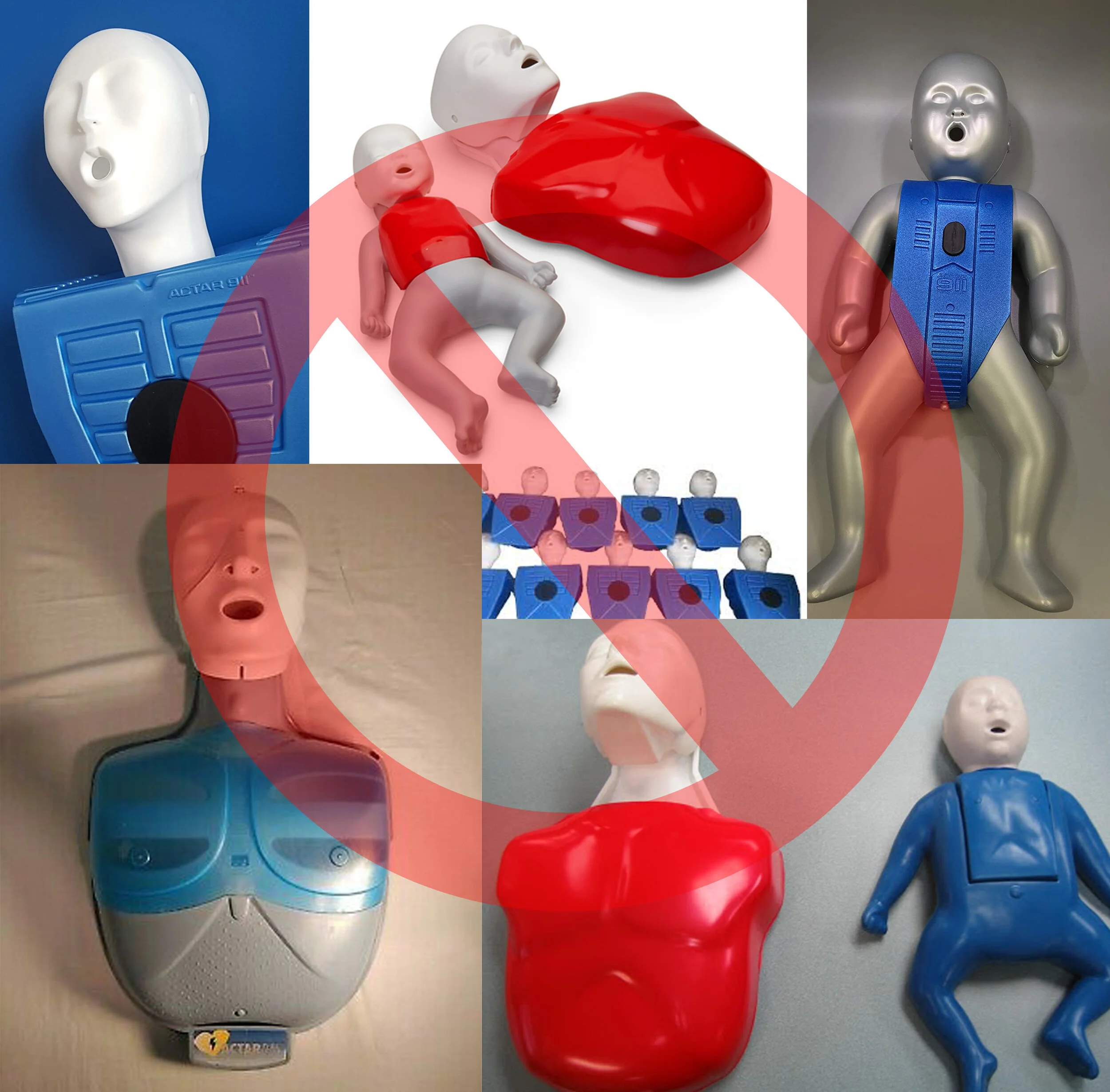
CPR Trash.jpg

Garbage

These are types of popular CPR mannequins used in many first aid courses. If you’ve taken a first aid/CPR course with these in the past, you might as well practice CPR on a pillow.


Does it really matter?

Most people taking a first aid and CPR course are doing it for job requirements. Either for your current job, or a new career that requires first aid training. While at work, the chances of you utilizing your first aid training on a co-worker is much higher than performing CPR on them.

You can practice a leg splint or an arm sling on a classmate without much of an issue; and these simulated skills transfer pretty easily to a real life injuries.

Performing high-quality CPR is much different. You may have a perfect compression rate, and the correct compression:breath ratio, but was your mannequin effective at teaching the kinesthetics of how hard you actually need to compress the chest? Did it show you how the airway can be blocked with no head-tilt-chin-lift and blocked from tilting too far? Were you able to practice a jaw-thrust maneuver and utilize mask-mouth breathing where you visualized the chest rise?

 
Prestan Mannequin

High fidelity

We use equipment with a built in visual/tactile CPR feedback device which measures correct airway opening, compression depth/rate, and lung ventilation.


Realistic to the eye and the touch, Prestan manikins are equipped with a revolutionary ‘CPR Rate Monitor’ that allows for instant feedback to both instructor and student regarding the rate of chest compressions. The visual feedback from the CPR Rate Monitor gives students a real life feel of delivering 100-120 compressions per minute. Experience the true force needed to deliver real life chest compressions.

Features:

  1. Advanced feedback parameters today are CPR rate, compression depth, and ventilation.

  2. Patented face/head tilt simulates how an actual patient's head would move if they required CPR and teaches students how to properly open the airway.

  3. Easily inserted face shield/lung bag provides visual chest rise to ensure students receive the most accurate and realistic training, also open nose holes to pinch the nose.

  4. Located in the shoulder is a CPR Rate Monitor that provides instant visual feedback on compression rates – students know they are at the correct compression rate when two green lights illuminate. Experience the true force needed to deliver real life chest compressions.

  5. Unique Clicker Mechanism provides an audible confirmation when the correct compression depth is reached, guiding to the appropriate force when administering CPR compressions.

The future of CPR Training

Delta Emergency Support Training has been using adult and infant Prestan Mannequins and AED trainers (more realistic as well!) from day one. They may be more expensive, but the feedback from every class about how CPR truly feels has been worth it. Everyone leaves our class more confident and comfortable knowing how to properly perform high quality CPR.

In 2021, the Heart and Stroke Foundation of Canada are making CPR Feedback Devices mandatory for all first aid/CPR courses. Prestan will be releasing an updated mannequin soon with 3 more advanced feedback parameters such as: Recoil, Ventilation and Hands Off Time, and the Bluetooth app screenshot you see above. The photos above show the mannequin, the Bluetooth app during CPR , and the physical module for the new features. When requested, we can also use a full-body mannequin simulator, and airway simulation equipment.

You may never have an opportunity to use your CPR in real life, but if you do, remember, “Perfect practice makes perfect.” - Vince Lombardi

Stay safe!

-Jarrett

Read More
Jarrett Chisholm Jarrett Chisholm

AEDs for WODs

Curtis’s first thought was, “Now that we’re getting an AED, we can workout so much HARDER!” I thought he should know that AEDs can’t cure rhabdomyolysis, but he was just too excited to hear me. Haha.

July 2018: Instructor Jarrett Chisholm with CrossFit Above All owner Curtis Laughren showing off the AED purchased with funds raised from the November 2017 First Aid fundraiser.

July 2018: Instructor Jarrett Chisholm with CrossFit Above All owner Curtis Laughren showing off the AED purchased with funds raised from the November 2017 First Aid fundraiser.

Hi there! It’s been a while since I’ve posted about what’s been happening with Delta Emergency Support Training. Here’s a quick update on what happened from the charity Automated External Defibrillator (AED) fundraiser event last November.

Curtis Laughren, the owner of CrossFit Above All approached me about training his staff in Standard First Aid and the use of an AED in the summer of 2017. I jumped at the opportunity to teach a course at his CrossFit box, and we scheduled a course for November. I decided to make the course a charity event for purchasing an AED for his gym, because it’s one of the necessary treatments for a cardiac arrest - especially in a place with high intensity workouts with a multitude of members and visitors.

Curtis’s first thought was, “Now that we’re getting an AED, we can workout so much HARDER!” I thought he should know that AEDs can’t cure rhabdomyolysis, but he was just too excited to hear me. Haha.

The students were great, which made the day super fun. The final scenario of the day had half the class wearing fake injuries and spurting out fake blood from arterial bleeding. Some of the First Aiders seemed surprised, but they all worked together as a team and handled injuries collectively.

Conan O’Brien Show

Conan O’Brien Show


I donated my instructing time and all net profits from the 8 people that registered, and $787.13 was raised from course fees. I also ran a donation page through our website until the end of December, which saw people donate a total of $120.00 by the end of 2017. The grand total of funds raised for an AED was $907.13!

AEDs cost anywhere between $1500.00-$2000.00. The money raised from this event was able to cover about half of the cost of an AED. Delta Emergency Support Training delivered the funds and some AED recommendations to CrossFit Above All in January 2017. Curtis was able to find the right AED for his business for the right price a few months later, and purchased the Phillips HeartStart for his box.

I ran a blended learning course for 8 people, which included CrossFit coaches and local chiropractors from Peak Health & Performance. Blended learning allows a student complete the 8 hours of reading material at their own pace online over a month. The class day for blended learning is all about the hands-on skills. The 1 day of skills lasts between 6.5-8 hours, and everyone becomes certified in Standard First Aid + CPR/AED.

I’m happy to have been part of the movement for promoting safety at a local fitness centre.

If you’re interested in becoming certified in how to use an AED properly, send me message, or give me a call at 1-844-643-3582.

-Jarrett

Read More