
The Delta Dispatch

A Parent's Guide to Internet Safety for Children

In today's digital world, ensuring your child's safety online is paramount. Our guide offers practical tips to protect against online threats, including the dangers of fake profiles, the risks of video chat rooms, and the importance of controlling shared content. Stay informed and empower your children to navigate the digital landscape safely.
Understanding the Cyber Landscape

Young girl on tablet.

In the age of technology, understanding the Internet is crucial for safeguarding your children. Familiarize yourself with online platforms, apps, and communication channels. Stay informed about the latest trends, apps, and potential risks. This knowledge will empower you to guide your children effectively through the digital world.

Establishing Digital Boundaries

Prevention is key in ensuring your child's online safety. Set clear standards for their online activities, outlining what is and isn't allowed. Establishing rules from the beginning helps create a safe and controlled digital environment. Waiting for a negative incident to occur is not the time to begin establishing guidelines – proactive communication is essential.

Guarding Personal Information

Teach your children the importance of keeping personal information private. Emphasize the potential risks of sharing details such as addresses, phone numbers, and credit card information online. Educate them about the consequences of this information falling into the wrong hands, stressing the need for caution and discretion.

Protecting Against Online Threats

In the digital era, social networking platforms like Facebook offer valuable connections but come with potential dangers, especially concerning online predators. Parents should educate children about the risks of fake profiles and the possibility of predators posing as peers. Emphasize the importance of verifying the identities of online friends and caution against sharing personal information or engaging in private conversations with strangers. Video chat rooms, often seemingly harmless, can be exploited by predators, making it crucial to teach children about setting boundaries and ending conversations if discomfort arises. Highlight the permanence of digital footprints to prevent oversharing, guide them in strict privacy settings, and instill digital literacy to recognize potential threats. Open communication is key, encouraging children to share any concerns without fear of judgment, creating a safer online experience.

Open Communication is Key

Promote an environment where your children feel comfortable coming to you with any online concerns. Highlight that it's okay to make mistakes but crucial to seek help when needed. Discuss potential online threats, such as cyberbullying or inappropriate content, and reassure them that you are there to support and guide them through any challenges.

Regular Conversations about Internet Use

Foster an ongoing dialogue with your children about their internet activities. Regularly check in with them, discussing their online experiences, friends, and any challenges they may be facing. By making these conversations a routine, you build trust and encourage transparency. If your child feels comfortable discussing their online world with you, they are more likely to seek guidance when faced with difficulties.

In conclusion, being actively involved in your child's online life is essential for ensuring their safety in the digital age. By understanding the internet, setting clear rules, teaching privacy measures, guiding safe social networking, fostering open communication, and maintaining regular conversations, you empower yourself as a parent to navigate the digital realm alongside your children.

Read More
Chilcare, Online Course, Babysitter's Kumari Malhotra Chilcare, Online Course, Babysitter's Kumari Malhotra

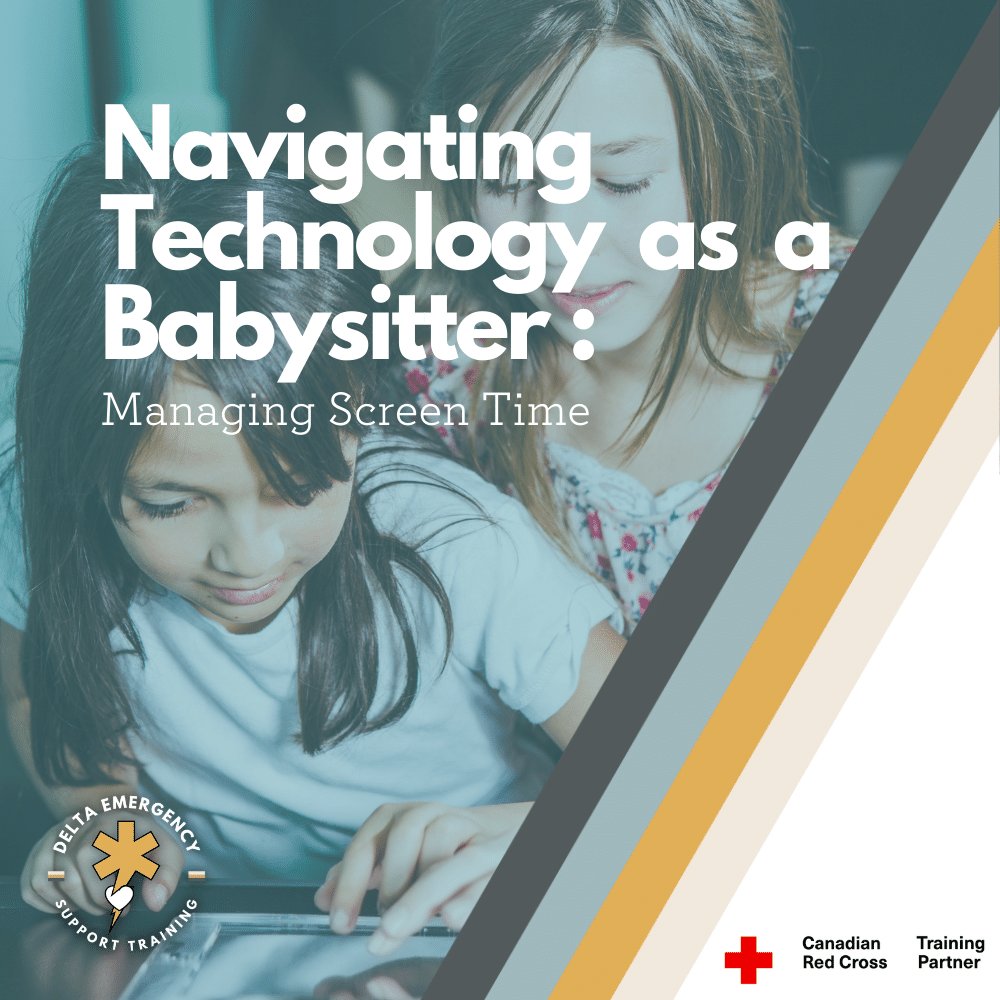
Navigating Technology as a Babysitter: Managing Screen Time

As a babysitter, it can be challenging to find activities and games that don't involve screen time. However, there are plenty of fun and engaging options that can promote children's creativity, learning, and physical activity. From arts and crafts to outdoor play and board games, here are some examples of non-screen time activities that a babysitter can do with children.

In today's digital age, technology is an integral part of our daily lives, and children are no exception. As a babysitter, you may find yourself grappling with how to navigate screen time and technology usage while caring for children. This can be especially challenging given the risks associated with the online world. However, with some thoughtful planning and preparation, you can ensure that you keep kids safe while also allowing them to enjoy the benefits of technology.

a child and babysitter using an iPad together, Both are girls. The child appears to be holding the iPad and looking at it, while the babysitter is helping her navigate the device.

Technology Today:

The world of technology is vast and ever-changing. From smartphones and tablets to smart TVs and gaming consoles, there are numerous devices and platforms that children can use to access the internet and engage with digital content. It's important to stay up to date on the latest trends and technologies, so you can help children navigate them safely and responsibly.

Acceptable Games and Screen Time:

While screen time can have its benefits, it's important to ensure that children are using technology in a safe and appropriate manner. As a babysitter, it's your responsibility to manage guidelines around technology that has been set by the parents. This can include limiting the amount of time children spend on devices, as well as choosing appropriate games and activities for them to engage with.

When it comes to acceptable games and screen time, consider the age of the child, their interests, and the appropriateness of the content. There are plenty of educational games and apps that can be used to help children learn and develop important skills. Similarly, many TV shows and movies can be both entertaining and educational, as long as they are age-appropriate and chosen carefully.

Keeping Kids Safe Online:

The internet can be a dangerous place, especially for young children who may not be aware of the risks. As a babysitter, it's important to take steps to keep kids safe while they're online. This can include using parental controls and filters to block inappropriate content, teaching children about online safety and privacy, and monitoring their online activity.

It's also important to be aware of the signs of cyberbullying, which can have serious consequences for children's mental health and well-being. Make sure that children know that they can come to you if they experience bullying or harassment online, and take steps to address the issue if it arises.

Alternatives for Screen Time:

While screen time can have its benefits, it's also important for children to engage in other types of activities that promote physical activity and socialization. As a babysitter, you can encourage children to participate in the following activities:

  1. Arts and Crafts

    - Encourage children to get creative with painting, drawing, coloring, or making crafts. You can provide them with a variety of art supplies, such as construction paper, scissors, glue, stickers, and markers, and let them create their own masterpieces.

  2. Board Games

    - Board games are a classic form of entertainment that can provide hours of fun. Some popular board games for children include Candyland, Chutes and Ladders, and Sorry!

  3. Outdoor Play

    - Get children outside for some fresh air and exercise. This can include playing catch, kicking a ball around, or going for a walk or bike ride. You can also set up an obstacle course or scavenger hunt for them to complete.

  4. Reading

    - Reading is a great way to promote literacy and language development. You can read books aloud to children, or encourage them to read on their own. Visit your local library and let children pick out their own books to read.

  5. Pretend Play

    - Pretend play allows children to use their imaginations and engage in creative role-playing. Set up a pretend kitchen, doctor's office, or grocery store and let children act out different scenarios.

  6. Music and Dancing

    - Play some music and encourage children to dance and sing along. You can also provide them with musical instruments, such as drums, tambourines, and shakers, and let them create their own band.

  7. Puzzles

    - Puzzles are a great way to improve problem-solving skills and hand-eye coordination. You can provide children with a variety of puzzles, such as jigsaw puzzles or Sudoku, and let them work on them alone or with friends.

  8. Science Experiments

    - Conduct simple science experiments with children, such as making a volcano erupt or creating a baking soda and vinegar reaction. You can find plenty of easy science experiments online.

  9. Building and Construction

    - Provide children with building blocks, Legos, or other construction toys and let them create their own structures and designs.

These are just a few examples of non-screen time activities and games that a babysitter can do with children. Remember, the key is to provide children with a variety of fun and engaging activities that promote their creativity, learning, and physical activity.

Consider setting up a schedule that includes both screen time and other types of activities, and encourage children to take breaks from devices regularly. This can help to promote a healthy balance of screen time and other activities.

Navigating screen time and technology usage can be a challenge for babysitters, but with some careful planning and preparation, you can ensure that children are using technology in a safe and appropriate manner. By setting guidelines around screen time usage, choosing appropriate games and activities, and taking steps to keep kids safe online, you can help children enjoy the benefits of technology while also promoting their overall health and well-being.

Babysitter Course

As a babysitter, it's important to prioritize screen time limits for the children you're caring for. At Delta Emergency Support Training, we understand how critical it is to establish healthy technology habits early on. We offer resources and tips to help you manage screen time effectively and keep children engaged in other activities.

In addition, we also offer babysitter courses that cover a range of important topics, including child development, safety, and communication. These courses are designed to equip you with the skills and knowledge you need to provide excellent care for children.

If you have any questions about screen time management or want to learn more about our babysitter courses and resources, please feel free to reach out to us at info@deltaemergency.com. We're here to support you and the children in your care.

Read More