The Delta Dispatch
Bedwetting: What Babysitters Need to Know
Bedwetting can be tricky, but it’s a normal stage for many kids. This easy guide helps babysitters manage it with confidence and care—plus tips on routines, rewards, and how Delta Emergency Support Training supports certified Red Cross Babysitters.
As a babysitter, bedtime can sometimes come with surprises—like bedwetting. While it might feel a little awkward at first, it’s actually very normal for younger kids. This blog will help you understand why it happens, how to handle it calmly, and even give you a few ideas to make bedtime a more positive experience for the child.
What Is Bedwetting?
Bedwetting (also called nocturnal enuresis) is when a child accidentally pees in their sleep. It’s most common in kids between 4 and 7 years old, but some kids take a bit longer to grow out of it.
Bedwetting is not the child’s fault. They’re not being lazy or bad—it usually happens because:
They’re deep sleepers and don’t wake up when their bladder is full.
Their body is still learning how to stay dry overnight.
They’re feeling nervous, stressed, or in a new routine.
It runs in the family (their parents may have done the same thing as kids).
What Babysitters Can Do
Here’s how you can help:
1. Stay Calm and Kind
If a child wets the bed, be gentle. Don’t scold or tease them—just help clean up and move on. It’s already embarrassing for them.
2. Be Prepared
Before bedtime:
Ask the parents if the child sometimes wets the bed.
Know where clean sheets, pajamas, and towels are kept.
Use a mattress protector if one is available.
3. Encourage Good Habits
Some small steps can help reduce bedwetting:
Remind the child to use the bathroom right before bed.
Limit drinks about an hour before bedtime (especially juice or soda).
Keep a nightlight on so they can find the bathroom if they wake up.
Fun and Helpful Ideas
Making nighttime routines positive can really help! Try these babysitter-friendly tips:
🌟 Bedtime Routine Chart
Make a fun checklist with pictures:
Go potty
Brush teeth
Put on PJs
Storytime
Lights out
Kids love checking things off—it helps them feel in control.
🎯 Reward Jar
Use a simple reward system:
One marble or sticker in the jar for every dry night.
When the jar is full, they get a small prize or extra storytime!
(Just be sure to check with the parents first before using rewards.)
🧸 Comfort Items
Let the child choose a favorite stuffed animal or bedtime book. Feeling safe and relaxed can make a big difference.
If Bedwetting Happens
Stay cool. It’s not a big deal—just help them change clothes and sheets.
Don’t make a fuss. The less attention it gets, the better they’ll feel.
Say something kind. A simple, “That’s okay, let’s get you comfy again,” goes a long way.
Tell the parents after your shift in a calm and respectful way, especially if it’s new behavior.
Final Thoughts
Bedwetting is normal and usually goes away with time. As a babysitter, your patience, kindness, and calm attitude can make bedtime easier and help the child feel confident—even after a little accident.
By using positive routines and being prepared, you’re giving the child a safe space to grow. That’s something parents will really appreciate—and kids will remember.
At Delta Emergency Support Training, we’re here to support all of our newly certified Red Cross Babysitters! If you have any questions or need help handling tricky situations like bedwetting, don’t hesitate to reach out. And if you’re thinking about becoming a certified babysitter, we’d love to help you get started with one of our friendly, experienced instructors.
You're never alone—we’ve got your back!
Mastering the Babysitting Challenge: Navigating Challenging Behaviors with Ease
As a teenage babysitter, encountering challenging behaviors is inevitable. However, with the right strategies, you can transform any situation into a triumph. Explore expert tips and techniques to handle tantrums, disobedience, and more with confidence. Get trained with Delta Emergency Support Training for invaluable skills in childcare.
TWO YOUNG GIRLS COVERING THEIR EARS TO AVOID BABYSITTERS INSTRUCTIONS
As a teenage babysitter, embarking on the adventure of caring for children can be both rewarding and challenging. Amidst the laughter and games, you may encounter behaviors that test your patience and creativity. Fear not! With the right strategies up your sleeve, you can transform any challenging situation into a triumph. Let's dive into some practical tips and tricks to navigate the realm of challenging behaviors like a seasoned pro.
Decoding Challenging Behaviors
Picture this: You're in the midst of babysitting bliss when suddenly, chaos ensues. Understanding the nature of challenging behaviors is your first step towards mastering them.
Aggression: When tiny fists fly or high-pitched screams pierce the air, it's likely a sign of frustration or unexpressed needs. Take a deep breath and remember, you're the calm in their storm.
Disobedience: Ah, the classic battle of wills. Whether it's a defiant glare or outright refusal to comply, remember to stay firm yet empathetic. Setting clear boundaries and offering choices can work wonders.
Tantrums: Cue the tears and dramatics! Tantrums, though exasperating, are often a child's way of coping with big emotions. Stay patient, validate their feelings, and offer comfort until the storm passes.
Attention-Seeking: "Look at me, I'm here!" Children crave attention like plants crave sunlight. Redirect their energy towards positive activities and shower them with praise when they exhibit desirable behavior.
Fearfulness: From monsters under the bed to the boogeyman in the closet, fear can manifest in many forms. Create a safe space, offer reassurance, and tackle fears together with empathy and understanding.
Pro Tips for Success
Now that you've cracked the code on challenging behaviors, let's sprinkle in some pro tips to elevate your babysitting game to legendary status:
Stay Cool, Calm, and Collected: Your demeanor sets the tone for the entire babysitting experience. Embrace your inner Zen master, breathe deeply, and approach each situation with a level head.
Communication is Key: Foster open communication with both the children and their parents. Keep them informed about any challenges or triumphs during your babysitting escapades.
Flexibility is Your Superpower: Plans may go awry, and that's okay! Embrace the unpredictability of childcare with a flexible mindset and a dash of spontaneity.
Creative Problem-Solving: Channel your inner MacGyver and get creative when faced with unexpected hurdles. A little ingenuity goes a long way in the world of babysitting.
Self-Care is Non-Negotiable: Remember to prioritize your own well-being amidst the chaos of childcare. Take breaks, recharge your batteries, and indulge in a bit of self-care to maintain your sanity.
Delta Emergency Support Training: Building Future Babysitters
At Delta Emergency Support Training, we believe in equipping future babysitters with the skills and confidence to manage challenging behaviors effectively. Through our comprehensive training programs, aspiring babysitters learn invaluable techniques for handling a variety of situations, from tantrums to emergencies. With a focus on empathy, communication, and problem-solving, our training prepares babysitters to create a positive and nurturing environment for the children in their care.
Armed with these strategies and a sprinkle of magic, you're ready to conquer any challenge that comes your way. So, go forth, fearless babysitter, and may your adventures be filled with laughter, learning, and endless joy!
Type 1 Diabetes: Insights into its Origins, Signs, and Challenges
Type 1 diabetes, where the pancreas's struggle with insulin production takes center stage. This blog peels back the layers to reveal the mysterious causes behind this chronic condition, providing valuable insights into recognizing symptoms early. As we navigate the complications that can arise if left unchecked, we also explore the ongoing research endeavors aiming to usher in a new era of preventive strategies. Join us in decoding the intricacies of Type 1 diabetes, empowering individuals and their families with the knowledge needed to navigate this journey with resilience and hope.
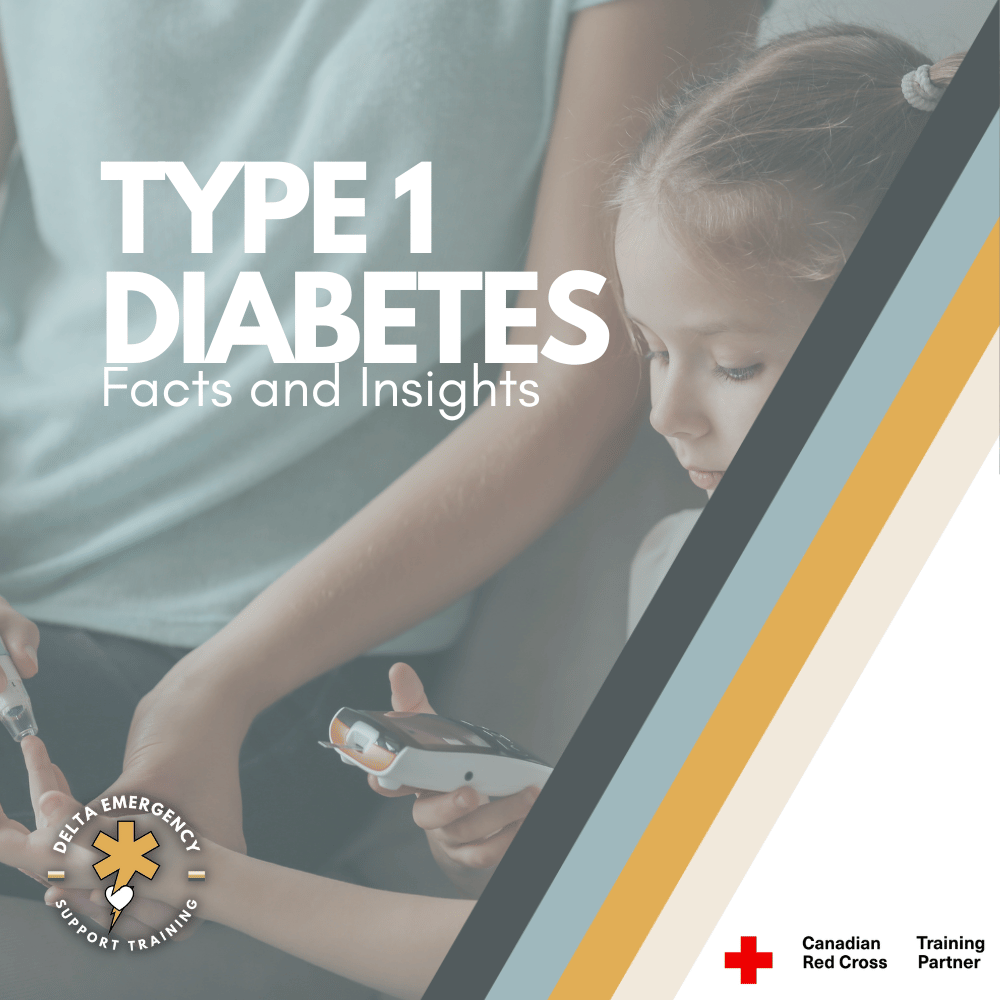
Introduction:
LITTLE GIRL HAVING BLOOD SUGAR CHECKED BY HER MOTHER.
In our exploration of Type 1 diabetes, previously recognized as juvenile diabetes or insulin-dependent diabetes, we uncover a complex chronic condition where the pancreas produces insufficient insulin. Insulin, a key player in energy production, allows glucose to enter cells. This blog aims to delve into the intricacies of Type 1 diabetes, examining its causes, symptoms, complications, risk factors, and the ongoing quest for preventive strategies.
Unraveling Causes and Risk Factors:
The mystery behind the onset of Type 1 diabetes persists, with researchers pointing towards a potential glitch in the immune system. Rather than safeguarding the body, the immune system turns on the insulin-producing cells in the pancreas. Genetic factors, exposure to certain viruses, and environmental elements may contribute to the development of Type 1 diabetes. Risk factors include a familial history of the condition, specific genetic predispositions, geographical factors, and age, with noticeable peaks in children aged 4-7 and 10-14.
Insulin and Glucose Symphony:
The pivotal hormone, insulin, originating from the pancreas, orchestrates the delicate balance of blood sugar levels. In the absence of insulin, as seen in Type 1 diabetes, glucose remains stranded outside cells, leading to elevated blood sugar levels. Glucose, sourced from food and the liver, serves as the primary energy provider for cells. In Type 1 diabetes, the dearth of insulin results in the buildup of sugar in the bloodstream, presenting a potential hazard of life-threatening complications.
Recognizing Symptoms and Diagnosis:
Type 1 diabetes is characterized by abrupt symptoms such as increased thirst, frequent urination, unexpected weight loss, irritability, and blurry vision. Seeking prompt medical attention is crucial if these symptoms manifest. Diagnosis involves thorough blood tests to measure blood sugar levels and assess other critical parameters.
Unveiling Complications:
Untamed Type 1 diabetes can lead to severe complications impacting vital organs:
Heart and Blood Vessel Disease: Elevates the risk of coronary artery disease, heart attack, stroke, atherosclerosis, and high blood pressure.
Nerve Damage (Neuropathy): Can induce tingling, numbness, burning, or pain, particularly in the extremities. Digestive system nerves' damage may result in gastrointestinal issues.
Kidney Damage (Nephropathy): Poses a risk of kidney failure or end-stage kidney disease.
Eye Damage: May result in diabetic retinopathy, cataracts, glaucoma, and potential blindness.
Foot Damage: Increases the risk of severe foot complications, potentially leading to amputation if untreated.
Skin and Mouth Conditions: Enhances susceptibility to skin and mouth infections, including bacterial and fungal infections, gum disease, and dry mouth.
Pregnancy Complications: Poorly controlled diabetes during pregnancy heightens the risk of various complications.
Preventive Measures and Management:
Currently, no foolproof method exists to prevent Type 1 diabetes. Nevertheless, ongoing research endeavors to thwart the disease or mitigate islet cell damage in newly diagnosed individuals. Clinical trials exploring preventive measures offer hope, and individuals diagnosed with Type 1 diabetes should discuss potential participation with their healthcare providers.
Conclusion:
Type 1 diabetes poses a unique set of challenges necessitating lifelong management. By comprehending its origins, symptoms, complications, and ongoing research initiatives, individuals and their families can navigate this journey with resilience. Collaboration between healthcare providers and individuals is crucial for effective management, and as research progresses, optimism grows for advancements in treatment and prevention strategies.
A Parent's Guide to Internet Safety for Children
In today's digital world, ensuring your child's safety online is paramount. Our guide offers practical tips to protect against online threats, including the dangers of fake profiles, the risks of video chat rooms, and the importance of controlling shared content. Stay informed and empower your children to navigate the digital landscape safely.
Understanding the Cyber Landscape
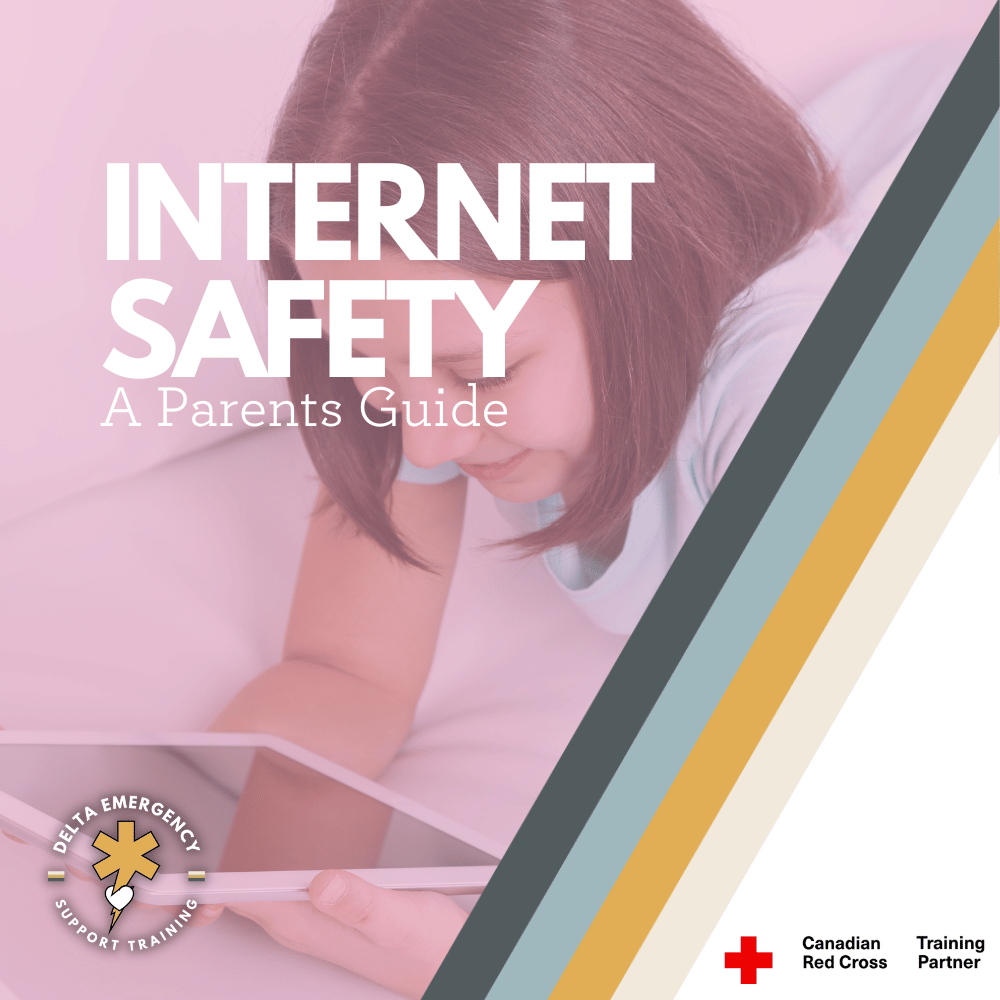
Young girl on tablet.
In the age of technology, understanding the Internet is crucial for safeguarding your children. Familiarize yourself with online platforms, apps, and communication channels. Stay informed about the latest trends, apps, and potential risks. This knowledge will empower you to guide your children effectively through the digital world.
Establishing Digital Boundaries
Prevention is key in ensuring your child's online safety. Set clear standards for their online activities, outlining what is and isn't allowed. Establishing rules from the beginning helps create a safe and controlled digital environment. Waiting for a negative incident to occur is not the time to begin establishing guidelines – proactive communication is essential.
Guarding Personal Information
Teach your children the importance of keeping personal information private. Emphasize the potential risks of sharing details such as addresses, phone numbers, and credit card information online. Educate them about the consequences of this information falling into the wrong hands, stressing the need for caution and discretion.
Protecting Against Online Threats
In the digital era, social networking platforms like Facebook offer valuable connections but come with potential dangers, especially concerning online predators. Parents should educate children about the risks of fake profiles and the possibility of predators posing as peers. Emphasize the importance of verifying the identities of online friends and caution against sharing personal information or engaging in private conversations with strangers. Video chat rooms, often seemingly harmless, can be exploited by predators, making it crucial to teach children about setting boundaries and ending conversations if discomfort arises. Highlight the permanence of digital footprints to prevent oversharing, guide them in strict privacy settings, and instill digital literacy to recognize potential threats. Open communication is key, encouraging children to share any concerns without fear of judgment, creating a safer online experience.
Open Communication is Key
Promote an environment where your children feel comfortable coming to you with any online concerns. Highlight that it's okay to make mistakes but crucial to seek help when needed. Discuss potential online threats, such as cyberbullying or inappropriate content, and reassure them that you are there to support and guide them through any challenges.
Regular Conversations about Internet Use
Foster an ongoing dialogue with your children about their internet activities. Regularly check in with them, discussing their online experiences, friends, and any challenges they may be facing. By making these conversations a routine, you build trust and encourage transparency. If your child feels comfortable discussing their online world with you, they are more likely to seek guidance when faced with difficulties.
In conclusion, being actively involved in your child's online life is essential for ensuring their safety in the digital age. By understanding the internet, setting clear rules, teaching privacy measures, guiding safe social networking, fostering open communication, and maintaining regular conversations, you empower yourself as a parent to navigate the digital realm alongside your children.
Child-Safe Food Guide: Preventing Choking at Every Age
Ensuring child safety during mealtime is crucial. This guide offers age-tailored food safety tips, from mashed veggies for babies to mini sandwiches for preschoolers, minimizing choking hazards. Explore Delta Emergency's Babysitter First Aid Classes, equipping caregivers to handle emergencies and create safer environments.
Safeguarding Our Little Ones
Every parent, caretaker, or babysitter knows the joy and responsibility that comes with nurturing a child. Amidst the laughter, playfulness, and boundless curiosity, ensuring their safety stands as a paramount concern. One of the most prevalent dangers children face, especially during mealtime, is the risk of choking.
Small child eat APPROPRIATE food prepared by a caretaker
However, with vigilance and informed choices, we can significantly reduce this risk. This comprehensive guide focuses on age-appropriate foods, offering a roadmap to safe and enjoyable eating experiences for children of all ages.
For Babies (6-12 months)
The transition to solid foods is a crucial stage in a baby's development. Opt for foods that are not only nutritious but also safe for their delicate systems
Cooked and mashed vegetables
Steamed or boiled vegetables like sweet potatoes, carrots, peas, and squash are rich in essential vitamins and can be easily mashed or pureed for a baby's consumption.
Tip:
Avoid raw vegetables or those that are too hard, as they can pose a choking hazard. Ensure they are cooked until soft enough to mash easily.
Soft fruits
Fruits like bananas, ripe pears, and cooked apples (without skins) are excellent choices. They offer natural sweetness and important nutrients.
Tip:
Remove any seeds or pits, and cut fruits into small, bite-sized pieces to prevent choking.
Soft cereals
Introducing cereals like oatmeal or rice cereal mixed with breast milk or formula can be a gentle way to introduce grains into their diet.
Tip:
Start with a thinner consistency and gradually thicken it as the baby gets used to solid foods.
For Toddlers (1-3 years)
Toddlers are curious and eager to explore different textures and flavors. While expanding their palate, it's crucial to prioritize safety
Cooked pasta
Opt for small pasta shapes like macaroni or penne, and ensure they are cooked until very soft to ease chewing and swallowing.
Tip:
Avoid serving pasta with large amounts of sauce or cheese that can cause choking. Opt for lighter coatings or serve it plain.
Soft cheeses
Cottage cheese, cheese slices or cubes provide a good source of calcium and protein. Choose softer varieties like cheddar or mozzarella.
Tip:
Cut cheese into small, manageable pieces to reduce the risk of choking and ensure easier consumption.
Cooked and diced meats
Lean meats like chicken or turkey, cooked until tender and cut into bite-sized portions, are great sources of protein.
Tip:
Avoid serving meats in large chunks or pieces that may be difficult for toddlers to chew.
For Preschoolers (3-5 years)
As children grow, they become more proficient at eating and handling various types of food. Encourage healthy eating habits while prioritizing safety
Sliced fruits
Offer a variety of fruits cut into manageable slices or cubes, such as watermelon, strawberries, and melon. They're nutritious and easy to handle.
Tip:
Remove any seeds and cut fruits into bite-sized pieces to prevent choking hazards.
Soft cooked vegetables
Broccoli, cauliflower, and carrots are nutritious options that can be steamed or boiled until soft.
Tip:
Cut vegetables into smaller pieces or slices to make them easier to chew and swallow.
Mini sandwiches
Use soft bread and fillings like peanut butter, cream cheese, or thinly sliced deli meats to create small, manageable sandwiches.
Tip:
Cut sandwiches into smaller, bite-sized pieces for easier handling and consumption.
Delta Emergency's Babysitter First Aid
At Delta Emergency, we understand the paramount importance of safeguarding children from choking incidents, especially during mealtime. Our tailored two-day online Babysitter First Aid Classes are designed to equip babysitters, caretakers, and parents with the essential skills and confidence needed to handle emergencies effectively.
Focused Training for Choking Incidents
Preventive Measures: Learn food preparation techniques to minimize choking risks.
Emergency Response: Acquire step-by-step guidance on swift and effective responses to choking incidents.
Our classes extend beyond choking incidents, covering a spectrum of critical emergency scenarios, ensuring that caregivers are well-prepared for unexpected situations.
Join us in this proactive step towards child safety. Explore age-specific food choices, essential safety tips, and enroll in our Babysitter First Aid Classes to ensure you're equipped to create a safer environment for our beloved children.
To enroll or learn more about our Babysitter First Aid Classes, visit https://deltaemergency.com/advanced-first-aid and take the crucial step towards being prepared for emergencies.
Fevers in Children: Recognizing, Treating, and Staying Safe
In this comprehensive guide, we provide valuable insights into childhood fevers, equipping you with the knowledge to recognize, treat, and safeguard your child's well-being. Understand the key indicators of a fever, including normal and high temperatures, and why it's crucial to respond promptly and appropriately. Discover practical strategies for managing fevers at home, from promoting rest and hydration to using lukewarm baths for comfort. Empower yourself with the information you need to navigate childhood fevers with confidence, ensuring the health and safety of your little one.
Fevers are common occurrences in children and are often a sign that the body is fighting off an infection. As a parent or caregiver, it's important to understand what a fever is, how to recognize it, and how to respond appropriately. In this blog, we will explore the basics of fevers in children, including normal and high temperatures, the signs of a fever, why fevers can be dangerous, and effective treatment strategies.
mother comforting child with a fever
What is a Fever?
A fever is a temporary increase in body temperature that occurs in response to an infection or illness. It is the body's natural response to fight off harmful pathogens. The normal body temperature for children typically ranges between 97°F (36.1°C) and 99°F (37.2°C). A temperature above this range is considered a fever. It's important to note that fever itself is not an illness but a symptom indicating that the body's immune system is actively responding to an infection.
Recognizing a Fever:
Recognizing the signs of a fever is essential in providing appropriate care for your child. Common indicators of a fever include:
Elevated body temperature: Use a reliable thermometer to measure your child's temperature accurately. A rectal, ear, or temporal artery thermometer is recommended for the most accurate readings.
Warm or flushed skin: Your child's skin may feel warmer than usual or appear flushed. Check for warmth in their forehead, chest, or back.
Chills and shivering: Some children may experience chills and shivering as the body tries to raise its temperature to fight off the infection.
General discomfort: Your child may feel irritable, tired, or experience body aches and headaches. They may appear less active or have a decreased interest in play.
Loss of appetite: During a fever, children may have a reduced desire to eat or drink. It's important to ensure they stay hydrated to prevent dehydration.
Understanding the Risks of Fevers
While most fevers in children are harmless and resolve on their own, it's crucial to be aware of potential risks associated with high temperatures:
Dehydration: Fevers can lead to increased fluid loss through sweating. Encourage your child to drink plenty of fluids such as water, clear soups, and oral rehydration solutions to prevent dehydration.
Febrile seizures: Some children may experience febrile seizures, which are seizures triggered by high fevers. Febrile seizures can be distressing for parents, but they are usually brief and do not cause long-term harm. If your child has a febrile seizure, stay calm, lay them on their side, and ensure their safety. Seek medical attention if it is their first seizure or if it lasts longer than a few minutes.
Underlying infections: Fevers can be a sign of an underlying infection, such as respiratory tract infections, urinary tract infections, or ear infections. It's important to monitor your child's symptoms closely and consult a healthcare professional if necessary for diagnosis and appropriate treatment.
Treating Fevers
When it comes to managing fevers in children, the primary goal is to keep them comfortable and monitor their symptoms. Here are some strategies to consider:
Encourage rest and comfort: Ensure your child gets plenty of rest to support their recovery. Dress them in lightweight clothing and provide a comfortable environment. Use a light blanket if needed to prevent chills.
Maintain hydration: Offer your child frequent small sips of water, clear fluids, or oral rehydration solutions to prevent dehydration. Avoid sugary drinks and caffeinated beverages.
Over-the-counter medications: Consult your child's healthcare professional before giving anyfever-reducing medications, such as acetaminophen or ibuprofen. If approved, follow the recommended dosage and guidelines carefully. Medication should not be given to infants under the age of three months without medical guidance.
Cool compresses: If your child feels uncomfortable due to the fever, you can use cool washcloths or lukewarm sponge baths to help bring down their body temperature. Avoid using cold water or alcohol-based products, as they can cause shivering and make the fever worse.
Monitor symptoms: Keep a close eye on your child's symptoms, including their temperature, behavior, and overall well-being. Make note of any changes or concerns. Seek medical advice if symptoms worsen, persist, or if new symptoms arise.
Seek medical attention: If your child is under three months old and has a fever, contact their healthcare professional immediately. Also, seek medical attention if your child's fever is persistently high (above 102°F or 38.9°C), they appear significantly ill or distressed, or if they exhibit concerning symptoms such as difficulty breathing, severe headache, rash, or stiff neck.
Fevers are common in children and are usually a sign that their body is fighting off an infection. By understanding what a fever is, recognizing the signs, and responding appropriately, you can help manage your child's fever effectively. Remember to focus on keeping your child comfortable, promoting hydration, and monitoring their symptoms closely. Seeking medical advice when necessary ensures the well-being and safety of your child. Always consult with a healthcare professional for proper diagnosis and guidance tailored to your child's specific condition.
Buckle Up: The Importance of Seatbelt Usage and Car Seats for Children
In this blog, we explore the vital role of seat belt usage and appropriate car seats in ensuring road safety. Uncover eye-opening seat belt statistics, understand the legal requirements, and learn how to choose the right car seat for your child's age and size. Discover practical tips to overcome common challenges and establish a culture of safety. Prioritize the protection of your loved ones on every journey with valuable insights and guidance on seat belt usage and car seats for children.
In a world where we rely heavily on cars for transportation, there is one unwavering truth; safety on the road should always be our top priority.
Amidst the hustle and bustle of everyday life, we may overlook the critical importance of seatbelt usage and car seats, but these simple yet powerful safety measures can make all the difference in an accident. According to a Transport Canada report, when worn correctly, seatbelts can reduce the risk of death in a collision by a staggering 47%.
In this blog, we will delve into the significance of wearing seatbelts and using appropriate car seats, emphasizing their indisputable role in preventing injuries, saving lives, and safeguarding the well-being of every occupant in a vehicle. Accidents pose a significant risk to Canadians, especially those under the age of 45, as they are the leading cause of both death and hospitalization within this demographic. Furthermore, for the entire Canadian population, accidents rank fourth among the causes of death. These statistics highlight the critical need to prioritize safety measures, such as wearing seat belts and using car seats, to mitigate the devastating impact of accidents and protect lives on the road.
How to Correctly Wear a Seatbelt
Wearing a seatbelt correctly is essential to maximize its effectiveness in protecting occupants during a collision. Here are the key steps to ensure the proper use of a seatbelt:
Positioning the Lap Belt:
The lap belt should be secured low and snug across the hips and pelvis, avoiding any contact with the abdomen. This placement helps distribute the force of a sudden impact across the strong pelvic bones, reducing the risk of internal injuries.
Adjusting the Shoulder Belt:
The shoulder belt should rest diagonally across the chest and shoulder, avoiding contact with the neck or the edge of the shoulder. It should be pulled snugly across the torso without being excessively tight, allowing for a comfortable yet secure fit.
No Twists or Tangles:
Ensure that the seatbelt is free of twists or tangles, as these can compromise its effectiveness. Straighten the belt and remove any twists to maintain a smooth, uninterrupted path for restraint.
Buckle Up Every Time:
Regardless of the distance or the speed of travel, it is crucial to buckle up every time you get in a vehicle. Make it a habit to ensure that everyone in the vehicle is wearing their seatbelt before starting the journey.
By following these guidelines and consistently wearing seatbelts correctly, we can significantly reduce the risk of serious injuries and increase the chances of survival in the event of a collision. Remember, seatbelt usage is a simple yet powerful action that can save lives and protect us on the road.
Car Seat Safety
Securing a child properly into a car seat is essential for their safety during travel. Here's a step-by-step guide on how to secure a child into a car seat:
Choose the Right Car Seat:
Select a car seat that is appropriate for your child's age, height, and weight. Follow the manufacturer's guidelines to ensure you have the correct car seat for your child's specific needs.
Position the Car Seat:
Install the car seat in the back seat of your vehicle, preferably in the center position. This provides the most protection in the event of a collision. Follow the manufacturer's instructions and use either the vehicle's seat belt or LATCH system to secure the car seat in place.
Harness Adjustments:
Ensure that the car seat's harness is properly adjusted for your child. The harness straps should be at or just below the child's shoulders for rear-facing seats, and at or just above the shoulders for forward-facing seats.
Buckle Up:
Place your child in the car seat and buckle the harness. Insert the buckle tongues into the buckle until they click securely in place. Ensure that the harness is snug but not overly tight. You should be able to fit only one or two fingers between the harness and your child's collarbone.
Chest Clip Positioning:
Slide the chest clip up to the child's armpit level, ensuring it is flat against their chest. The chest clip helps keep the harness straps properly positioned and provides added security.
Final Checks:
Double-check that the harness straps are not twisted and that they lie flat against your child's body. Ensure that the car seat is securely installed and does not move more than an inch in any direction when tested at the base.
Additional Tips:
Avoid bulky clothing or blankets that can interfere with the snugness of the harness. Instead, dress your child in thin layers and use blankets over the harness for warmth.
Regularly inspect the car seat to ensure it is in good condition, with no visible signs of damage or wear.
Always follow the manufacturer's guidelines and any applicable local regulations for car seat installation and usage.
Securing your child into a car seat properly provides them with the highest level of protection during car travel. Remember, car seat safety is a crucial aspect of ensuring your child's well-being on the road.
Car Seat Help
When it comes to ensuring the safety of your child in a car seat, it's essential to know that you're not alone in facing any difficulties or challenges. If you're experiencing trouble with car seats for children, it's comforting to know that there are professionals, such as first responders, who are willing and trained to provide assistance.
First responders, including police officers, firefighters, and emergency medical personnel, often receive specialized training in child passenger safety. They have in-depth knowledge about the proper installation and usage of car seats, and they understand the intricacies of various car seat models and their compatibility with different vehicles.
If you're having trouble with your child's car seat, don't hesitate to reach out to your local first responders or emergency services. They can offer valuable guidance, answer your questions, and even provide hands-on assistance in properly installing or adjusting the car seat.
Many communities also organize car seat inspection events or clinics where certified child passenger safety technicians are available to check car seat installations and offer expert advice. These technicians have undergone extensive training and certification programs to ensure they can provide accurate and reliable guidance on car seat usage.
Remember, the primary goal of first responders and child passenger safety technicians is to ensure the well-being and safety of your child. They are dedicated to helping parents and caregivers understand the proper techniques for securing children in car seats and addressing any concerns or issues that may arise.
In times of car seat trouble, don't hesitate to seek assistance from these professionals who are trained to help. Their expertise and support can give you the peace of mind that your child is properly protected during car travel. By working together with these professionals, you can overcome any challenges and ensure your child's safety on the road.
Conclusion
As we come to the end of this discussion on seat belt usage and car seat safety, we sincerely hope that the importance of these measures has resonated with you. The statistics and information presented here highlight the critical role that seat belts and proper car seats play in preventing injuries and saving lives on the road.
By prioritizing seat belt usage for yourself and ensuring that your child is securely fastened in an appropriate car seat, you are taking proactive steps towards creating a safer environment during car travel. The impact of these safety measures cannot be overstated, as they significantly reduce the risk of severe injuries or fatalities in the event of a collision.
We urge you to take seat belt and car seat safety seriously, not just for your own sake but also for the well-being of your loved ones. Embrace the responsibility of being a vigilant and responsible driver or caregiver. Set a positive example for others by consistently wearing your seat belt and advocating for the proper use of car seats for children.
Remember, accidents can happen at any time, but by implementing these safety measures, you are taking an active role in minimizing their impact. Stay informed about seat belt laws, seek professional guidance if needed, and regularly inspect and maintain your car seats to ensure their effectiveness.
On behalf of all road safety advocates, we sincerely hope that you will make seat belt usage and car seat safety a priority in your daily life. Let us collectively strive to create a culture of safety on the road, where seat belts are buckled, car seats are properly utilized, and lives are protected.
Stay safe, be cautious, and never underestimate the power of seat belts and car seats in safeguarding your well-being and that of your loved ones.
Creating the Ultimate Babysitter Kit: A Guide for Caregivers
As a babysitter, it's important to be prepared for any situation that may arise while caring for children. One of the best ways to ensure that you're always ready is by having a well-stocked babysitter kit. In this post, we'll discuss the essential items that should be included in your kit, including first aid supplies, games and arts and crafts, emergency contacts, and a change of clothes.
Babysitter Kits: What They Are, Why You Need One, and What They Include
As a babysitter, you are responsible for the safety and well-being of the children in your care. In order to be fully prepared for any situation, it's important to have a well-stocked babysitter kit on hand. In this blog, we will discuss what a babysitter kit is, why you need one, and what it should include.
a collection of children's supplies for babysitting.
What is a Babysitter Kit?
A babysitter kit is a collection of essential items that can help you manage unexpected situations when caring for children. These kits can be assembled by parents or guardians, or purchased pre-made from a variety of retailers.
Why Do You Need a Babysitter Kit?
Having a babysitter kit on hand can help you be prepared for any situation that may arise when caring for children. It can help you provide quick and effective first aid for minor injuries, as well as provide comfort and entertainment for children during unexpected situations.
What Should a Babysitter Kit Include?
A well-stocked babysitter kit should include the following items:
Simple First Aid Supplies:
As a babysitter, you're responsible for the safety and well-being of the children in your care. While you hope that no injuries or illnesses occur, accidents do happen. That's why it's important to be prepared with basic first aid supplies, such as band-aids, gauze, adhesive tape, and antiseptic wipes or spray.
Band-aids are useful for covering small cuts, scrapes, or blisters. They can help keep wounds clean and protected from dirt and bacteria. Gauze and adhesive tape can be used to cover larger wounds or secure dressings in place. These items can help prevent further injury and promote healing.
Antiseptic wipes or spray can be used to clean wounds and prevent infection. They are especially useful for cuts and scrapes that are prone to infection. Keeping these items in your babysitter kit can help you quickly respond to minor injuries and help prevent them from becoming more serious.
Games and Arts and Crafts:
Babysitting can be a challenging job, especially if you're caring for young children who may have short attention spans or get easily bored. That's why it's important to have a variety of age-appropriate games, coloring books, and craft supplies in your babysitter kit. These items can help keep children engaged and occupied, making your job as a babysitter much easier and more enjoyable.
Games are a great way to keep children entertained and active. Depending on the age of the children you're caring for, you can include board games, card games, or even outdoor games in your babysitter kit. These games can help children burn off excess energy, develop social skills, and keep their minds active.
Arts and crafts are another great option to include in your babysitter kit. Coloring books, construction paper, markers, and crayons can help children unleash their creativity and develop their fine motor skills. You can also include materials for simple craft projects, such as pipe cleaners, glue, and scissors. These can be used to create a variety of fun and engaging projects, from paper airplanes to finger puppets.
Emergency Contacts:
It's important to have a list of emergency contacts readily available. This list should include contact information for the children's parents or guardians, as well as any healthcare providers and emergency services.
The parents or guardians of the children you're caring for are the first people you should contact in case of an emergency. They will want to know if their child is hurt or sick, and will be able to provide important information about their child's medical history or any specific care instructions. Having the parents or guardians' contact information readily available can help you quickly get in touch with them.
In addition to the parents or guardians, it's important to have contact information for the children's healthcare providers. This includes their pediatrician or any specialists they see on a regular basis. If a child has a medical emergency or needs medical attention, their healthcare provider can provide important information about their condition and any necessary treatments.
Change of Clothes:
Babies and young children are prone to accidents, such as spitting up, spills, or having diaper blowouts. As a babysitter, it's important to be prepared for these situations. By bringing a change of clothes with you, you can quickly change into fresh clothing if you get soiled, which can help you feel more comfortable and prepared to continue caring for the child.
In addition to accidents that may happen to the child, there's also the likelihood of getting dirty yourself when making food and playing outside with the kids. Food can easily splatter or spill, and playing outside can lead to grass stains or mud. Having a change of clothes can help you feel more comfortable and prepared to continue caring for the child, without worrying about being dirty or uncomfortable.
Not having a change of clothes can be especially problematic if you're caring for a child for an extended period of time, such as an overnight babysitting gig.
Other Essentials:
Extra diapers and wipes are essential items to include in your babysitter kit, especially if you're caring for a baby or toddler who is not yet potty trained. Accidents happen, and having a sufficient supply of diapers and wipes on hand can help you quickly clean up any messes and prevent any discomfort or irritation for the child.
A flashlight is another important item to include in your babysitter kit, especially if you'll be caring for children at night. If the power goes out or there's an emergency, having a flashlight can help you navigate the home and keep the children calm and reassured. It's also a good idea to have extra batteries on hand, in case the flashlight runs out of power.
A phone charger is also an important item to include in your babysitter kit, as it can help ensure that your phone stays charged in case of an emergency. If you need to call 911 or contact the children's parents or guardians, having a charged phone is essential.
Overall, including extra diapers and wipes, a flashlight, and a phone charger in your babysitter kit is an important way to ensure that you're prepared for any situation that may arise while caring for children.
Comprehensive babysitter childcare course
By being prepared, you can provide top-notch care and attention to the child, which can help make the experience more enjoyable for both you and the child. As a babysitter, it's important to be prepared for any situation that may arise while caring for children. That's why we offer a comprehensive babysitter childcare course that covers topics such as child development, safety, and communication, as well as the essentials of assembling a babysitter kit. Our course includes information on what to include in your kit, how to use the items effectively, and how to respond in case of an emergency. With this training, you'll be equipped to provide top-notch care for the children in your charge and have peace of mind knowing that you're prepared for any situation. If you're interested in learning more about our babysitter childcare course and how it can help you provide excellent care for children, please don't hesitate to reach out to us at info@deltaemergency.com.
When to Call 911: A Guide for Babysitters
Being a babysitter can be both rewarding and challenging, especially when it comes to keeping children safe in emergency situations. As a babysitter, you are responsible for the well-being of the children in your care, and knowing when to call 911 can be a matter of life and death.
In this guide, we will walk you through the common emergency situations that you may encounter as a babysitter and provide you with practical tips on how to handle them. From injuries and illnesses to fires and natural disasters, we'll cover it all so that you can be prepared for any situation.
By the end of this guide, you'll have the knowledge and confidence to act quickly and appropriately in the event of an emergency, ensuring the safety and well-being of the children in your care.
As a babysitter, one of your most important responsibilities is keeping the children you're caring for safe and healthy. While you may take steps to prevent accidents and injuries, emergencies can still happen, and it's important to know when to seek emergency medical attention. In some situations, calling 911 could mean the difference between life and death. But how do you know when to call for help?
babysitter and a child sitting on a rug in a living room. The babysitter is holding a Jenga tower, and the child is carefully removing a wooden block from the tower.
In this blog post, we'll provide a guide for babysitters on when to call 911, including common emergencies that require immediate attention, and tips for staying calm and responding quickly in an emergency situation. By following these guidelines, you can help ensure that the children you're caring for stay safe and healthy, no matter what emergencies may arise.
In the following sections, we'll discuss some of the most common emergencies that may arise while babysitting, and the situations where you should call 911 for immediate medical attention.
Difficulty breathing:
If the child is having difficulty breathing, it could be a sign of a serious respiratory issue, such as asthma or anaphylaxis. If the child is struggling to breathe, has trouble speaking or swallowing, or their lips or face turn blue, call 911. It is good practice as a babysitter to know how to administer an EPI-PEN for sever allergic reactions. Ventolin, often referred to as a puffer can also drastically improve the breathing of a patient who is experiencing a asthma attack.
Loss of consciousness:
If the child becomes unconscious, it's important to call 911. Stay with the child and follow the operator's instructions until help arrives. Keep the child's airway open by lifting the head and tilting the chin back. Check their breathing and pulse, if none is found begin compressions as per the dispatch instruction or previous first aid training.
Severe bleeding:
The first step in controlling bleeding is to apply direct pressure to the wound. Use a clean cloth or bandage and apply firm direct pressure. If the child has severe bleeding that does not stop after applying pressure or soaks through multiple bandages, call 911 immediately. While waiting for help to arrive, continue to apply direct firm pressure to the wound.
Head injury:
If the child hits their head and loses consciousness, vomits, or has seizures, call 911 immediately. Keep the child still and comfortable, avoid moving them unless it's necessary. Moving the child could worsen the injury especially if there is a suspected spinal injury, which may lead to further complications. With all trauma continue to monitor their breathing and update dispatch if anything changes.
Choking:
If the child is choking and cannot breathe, cough, or speak, your first step is to use a combination of 5 abdominal thrusts and 5 back blows, switching between the two, to dislodge the object. If the child becomes unconscious carefully lay them to the ground, call 911 immediately and begin following CPR instructions. A small child may only be able to hold their breath for 30seconds - 1minute, being prepared to call 911 is always good practice.
Seizures:
If the child has a seizure, call 911 immediately. While waiting for help to arrive, clear the area around the child to prevent injury, and do not try to restrain them or put anything in their mouth. Follow directions given by dispatch.
Allergic reactions:
If the child is experiencing an allergic reaction and has difficulty breathing, a swollen tongue or throat, or other severe symptoms, call 911 immediately. While waiting for help to arrive, administer any prescribed medication (such as an epinephrine auto-injector) and keep the child calm.
Poisoning:
If you suspect the child has ingested a poisonous substance, call 911 or poison control immediately. While waiting for help to arrive, try to determine what the child ingested, and if possible, remove any remaining substance from the child's mouth.
Burns:
If the child has a severe burn, call 911 immediately. While waiting for help to arrive, run cool (not cold) water over the affected area for at least 10-20 minutes, and cover the area with a clean, dry cloth or sterile bandage.
Be prepared:
Before starting a babysitting job, make sure you have all the information you need about the children you will be caring for. This includes things like their ages, any medical conditions, and any specific instructions from the parent. Make sure you have a contact number for the parents in case of an emergency.
Stay focused:
When you're caring for children, it's important to stay focused on their needs. Keep an eye on them at all times, and avoid distractions like your phone or television.
Know basic first aid:
Take a child care first aid class or watch online tutorials to learn basic first aid skills such as CPR and how to stop bleeding.
Know your location:
Make sure you know your location and address so that you can provide it to emergency services when you call 911.
By following these tips, you can provide safe and responsible care for the children you're babysitting.
We offer a variety of resources to help you provide excellent care for the children in your charge, including babysitter courses that cover important topics like child development, safety, and communication. These courses are designed to equip you with the skills and knowledge you need to provide top-notch care for children.
In addition, it's essential to know when to call 911 in an emergency situation. If you are ever in doubt about whether or not to call, it's always better to err on the side of caution and make the call. Some situations that may require calling 911 include medical emergencies, fires, and instances of criminal activity. If you have any questions or concerns about when to call 911, please don't hesitate to reach out to us at info@deltaemergency.com. We're here to support you and the children in your care.
Get Hired as a Childcare Provider in Calgary: How Childcare First Aid Training Can Boost Your Resume
Training with Delta Emergency Support Training for Red Cross Childcare First Aid and CPR Level B is a valuable investment in the safety and well-being of children. By equipping individuals with the skills and knowledge needed to respond to emergencies in a childcare setting, this training ensures that children receive the best possible care in emergency situations. This is an essential course for anyone who works with children or is responsible for the safety of children.
If you're considering a career change in Calgary and are interested in working as a childcare provider, then completing Red Cross Childcare First Aid training with Delta Emergency Support Training can be an excellent way to prepare for this new career path.
In addition to learning the essential first aid skills needed to respond to medical emergencies and provide immediate care to children, there are several other skills that you can develop during this training to make you the best caretaker for a high paying job.
Communication Skills
One of the most important skills that you can develop as a childcare provider is strong communication skills. This includes being able to communicate effectively with children, their parents, and other caregivers. During the Red Cross Childcare First Aid course, you will learn how to communicate with children in a way that is age-appropriate and easy to understand. You will also learn how to communicate with parents and other caregivers in emergency situations, including how to provide updates on the child's condition and how to work together to provide the best possible care.
Organizational Skills
Another important skill for a childcare provider is strong organizational skills. This includes being able to manage multiple tasks and activities, keep track of important information, and prioritize tasks effectively. During the Red Cross Childcare First Aid course, you will learn how to manage emergency situations and stay calm under pressure. You will also learn how to keep accurate records of the child's medical history and emergency contact information, which is essential for providing the best possible care.
Observation Skills
Observation skills are also critical for a childcare provider. This includes being able to recognize changes in a child's behavior or physical condition and respond appropriately. During the Red Cross Childcare First Aid course, you will learn how to recognize the signs and symptoms of common medical emergencies, such as choking, allergic reactions, and seizures. You will also learn how to monitor a child's vital signs, including their pulse and breathing rate, which is essential for identifying changes in their condition.
Patience and Empathy
Finally, a successful childcare provider needs to be patient and empathetic. This includes being able to understand the child's needs and emotions, and to provide comfort and support when needed. During the Red Cross Childcare First Aid course, you will learn how to provide emotional support to children in emergency situations, including how to reassure them and help them feel safe and secure.
At Delta Emergency Support Training, we dedicate our Childcare courses to Childcare! We don’t make you join a regular First Aid course for adult patient skills, and “tack-on” Childcare information/skills at the end in a hurry (as every other provider does in Calgary).
We are a Canadian Red Cross training provider based in Calgary that offers a wide range of emergency response courses, including Red Cross Childcare First Aid and CPR Level B. The Red Cross Childcare First Aid course covers a range of topics, including how to recognize and respond to emergency situations, providing care for children who are choking, bleeding, or experiencing allergic reactions, and how to perform CPR on infants and children. Participants also learn about injury prevention, basic child development, and the importance of emergency preparedness.
CPR Level B is a component of the Red Cross Childcare First Aid course that focuses on teaching participants how to perform CPR on infants and children, as well as how to use an automated external defibrillator (AED) in emergency situations. Participants are trained to respond to cardiac emergencies, including when a child is not breathing or their heart has stopped.
Training with Delta Emergency Support Training provides a hands-on, interactive learning experience that enables participants to practice their skills and gain confidence in their ability to respond to emergencies. The training is conducted by experienced instructors who are certified by the Alberta College of Paramedics and are committed to providing high-quality, engaging training to participants.
Upon completion of the Red Cross Childcare First Aid and CPR Level B course, participants receive a certification that is valid for three years. This certification is recognized across Canada and is a valuable addition to any resume for those seeking employment in childcare, education, or other industries that involve working with children.
Training with Delta Emergency Support Training for Red Cross Childcare First Aid and CPR Level B is a valuable investment in the safety and well-being of children. By equipping individuals with the skills and knowledge needed to respond to emergencies in a childcare setting, this training ensures that children receive the best possible care in emergency situations. This is an essential course for anyone who works with children or is responsible for the safety of children. The course provides participants with the knowledge and skills necessary to respond to medical emergencies and provide immediate care to children in need. By completing this training, individuals can help ensure the safety and well-being of children in their care.
Delta Emergency Support Training is committed to providing high-quality training that meets the needs of individuals and organizations in Calgary. They offer flexible training options, including on-site training and evening and weekend courses, to accommodate busy schedules.
In conclusion, completing Red Cross Childcare First Aid training with Delta Emergency Support Training can be an excellent way to prepare for a career as a childcare provider. In addition to learning the essential first aid skills needed to provide immediate care to children in emergency situations, you can also develop a range of other skills, including communication, organization, observation, and empathy, which can make you the best caretaker for a high paying job.

