The Delta Dispatch
Winter Driving: Tips for First Responders and Everyday Drivers
Winter driving poses unique challenges, especially for future firefighters and first responders. From hidden black ice to snow-covered roads, understanding the risks and knowing how to prepare your vehicle are essential for staying safe on the road. In this blog, we’ll cover key winter driving hazards, share essential tips for safe navigation in harsh conditions, and provide guidance on vehicle maintenance to ensure you're always ready—whether you're heading to an emergency or simply commuting. Stay prepared, stay safe, and learn how to handle winter weather like a pro.
Winter Driving Tips for Future First Responders: Stay Safe and Prepared in Harsh Conditions
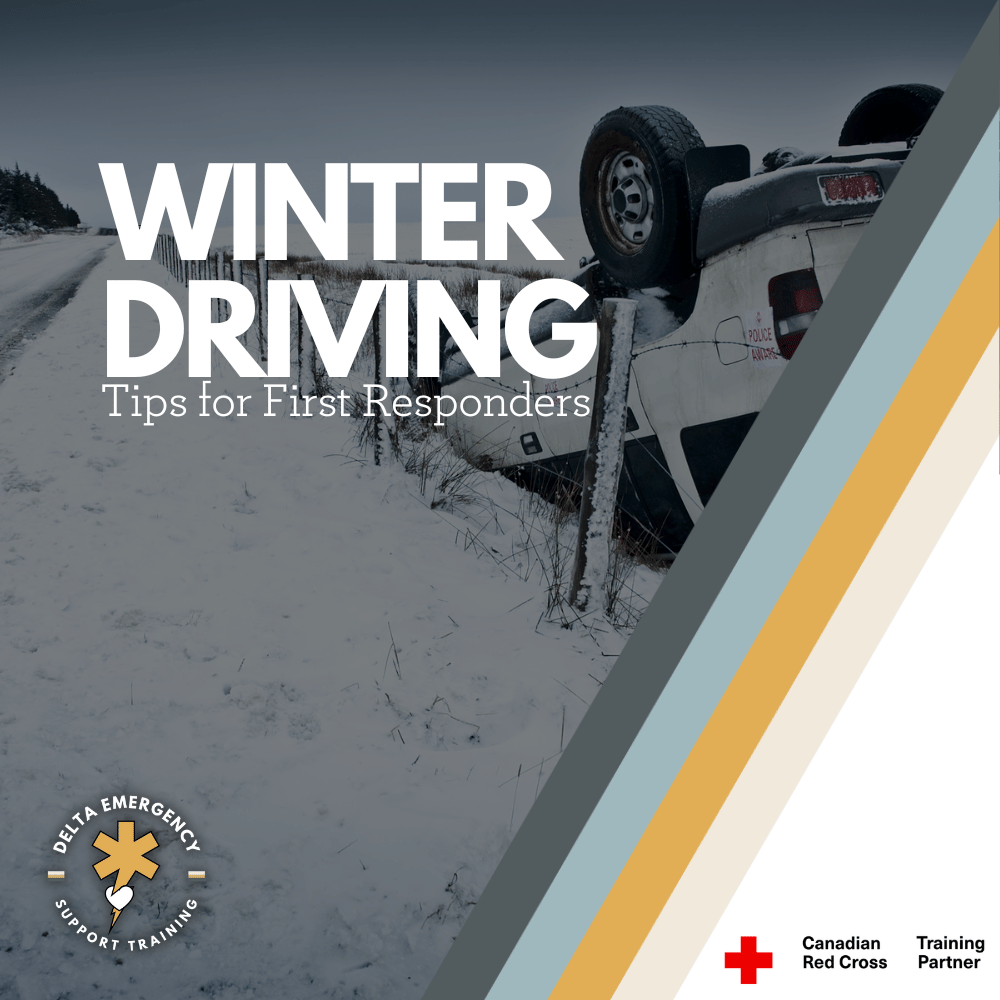
Overturned vehicle from driving in icy winter conditions
Winter driving can be treacherous, especially when you’re out on the road in snowy, icy conditions. As a future firefighter, paramedic, or emergency responder, it’s crucial to understand how these winter weather hazards can impact your ability to drive safely and respond effectively in an emergency. Whether you're heading to a call or navigating daily commutes, this guide will provide you with the knowledge and practical tips you need to stay safe during the winter months.
1. Understanding the Risks of Black Ice
Black ice is one of the most insidious dangers of winter driving. It forms when moisture freezes on the road surface, creating a nearly invisible layer of ice that can cause vehicles to lose traction unexpectedly. Black ice is most commonly found on bridges, overpasses, and shaded parts of the road. For first responders, who may need to drive in these conditions during urgent situations, it’s vital to recognize the signs of black ice and respond accordingly.
What to Watch Out For:
Bridges and Overpasses: These areas freeze more quickly than regular roads due to their exposure to the air above and below.
Shaded Areas: Roads that are shaded by trees, buildings, or mountains are more likely to have black ice, especially early in the morning or after sunset.
Intersections and Curves: These areas are more prone to slick conditions as the traffic flow can prevent melting during the day.
How to Drive on Black Ice:
Slow Down: Reduce your speed when driving on bridges, overpasses, or during the early morning hours.
Gentle Maneuvers: Avoid quick or sharp turns. Steer gently if you begin to slide.
Keep a Safe Distance: Maintain extra space between your vehicle and others, as it can take longer to stop on icy surfaces.
2. Snow and Slippery Road Conditions
Snow accumulation not only reduces visibility, but it can also make roads slippery, increasing the likelihood of losing control of your vehicle. Thick snowdrifts and patches of snow can obscure lane markings, making it difficult to navigate the road properly. For firefighters and other emergency personnel, this is particularly hazardous, as getting stuck in the snow or skidding off the road can delay emergency responses.
What to Watch Out For:
Snowdrifts: These can accumulate quickly, especially on less-traveled roads.
Hidden Potholes: Snow can cover potholes, creating unexpected hazards beneath the snow’s surface.
Lack of Lane Visibility: Snow accumulation can hide lane markings, making it difficult to stay in your lane.
Winter Driving Tips for Snowy Roads:
Drive Below the Speed Limit: Adapt your speed to the road conditions, not the posted speed limit. Keep your distance from other vehicles, as stopping distances will be much longer.
Increase Visibility: Use your headlights during snowfall to make sure other drivers can see you. Avoid high beams, which can reflect off the snow and reduce your visibility.
Stay in Tracks: If driving in heavy snow, try to drive in the tracks of other vehicles to avoid becoming stuck in deep snow.
3. Cold Weather and Vehicle Maintenance
Winter driving isn’t just about adjusting your behavior on the road; it’s also about ensuring your vehicle is properly prepared for the cold conditions. The freezing temperatures of winter can cause issues that make your vehicle more susceptible to mechanical failure or an accident. For first responders, this can lead to delays or even dangerous breakdowns.
Winter Vehicle Checklist:
Check Tire Pressure and Tread: Cold temperatures cause tire pressure to drop. Check your tire pressure regularly, and ensure that your tires have sufficient tread to maintain grip on icy or snow-covered roads.
Battery Health: Batteries lose power in cold weather, so test your battery before winter sets in. Consider replacing older batteries that might fail in the cold.
Engine Fluids: Ensure your vehicle is filled with winter-grade oil and coolant. The correct engine fluid prevents freezing and ensures proper functioning.
Windshield Wipers: Replace windshield wipers if they are worn. Stock up on windshield washer fluid that won’t freeze at low temperatures, ensuring good visibility in snowy conditions.
Emergency Kit Essentials:
Blankets and Warm Clothing: In case of a breakdown or emergency situation, having extra clothing and thermal blankets in your vehicle can be lifesaving.
First Aid Kit: Always carry a basic first aid kit, including bandages, antiseptic wipes, and gloves, for addressing minor injuries on the go.
Food and Water: Pack non-perishable snacks and bottled water, especially if you're traveling long distances or to remote areas.
4. Responding to Accidents in Winter Conditions
As a future first responder, you may need to respond to emergency calls involving accidents on snowy or icy roads. It's crucial to stay aware of the unique dangers that come with operating in these environments, both for your safety and the safety of the victims.
Hazards to Be Aware Of:
Additional Collisions: If the road is icy, there’s a higher likelihood of secondary accidents, so always approach accident scenes cautiously.
Cold Weather Injuries: Accidents involving cold temperatures can cause hypothermia, frostbite, or other cold-related injuries, especially if victims are exposed to the elements for long periods.
Limited Access: Snow and ice can make it difficult to reach accident scenes or maneuver vehicles into position for a rescue. Be prepared for delays or challenging access.
Tips for First Responders:
Slow Approach: Always slow down as you approach the scene of an accident, and be mindful of other vehicles on the road.
Road Safety: Set up safety cones or warning lights to alert other drivers and prevent further collisions.
Protect Victims: If the victims are in cold conditions, prioritize keeping them warm with blankets or by moving them to a safer location away from the elements.
5. Stay Prepared for Winter Emergencies
The unpredictable nature of winter weather means that being prepared is more important than ever. Having an emergency kit, knowing how to handle various road conditions, and understanding the importance of vehicle maintenance can make a huge difference in staying safe.
Winter Emergency Kit Checklist:
Jumper cables and portable power banks
Flashlight with extra batteries
Shovel, sand, or kitty litter (for traction if you’re stuck)
Thermal blankets and extra gloves/hats
Non-perishable snacks and water
Basic first aid supplies
Conclusion: Be Prepared and Drive Safely This Winter
Winter driving conditions can be dangerous, especially for first responders who need to travel quickly and efficiently to emergencies. By understanding the hazards posed by snow, ice, and freezing temperatures, and by taking proactive steps to maintain your vehicle and adjust your driving behavior, you can reduce the risks associated with winter driving.
For future firefighters and first responders, staying prepared means more than just understanding emergency procedures—it also means staying safe on the road. Drive carefully, maintain your vehicle, and always be prepared for the unexpected.
Child Safety: The Essential Guide to Correct Car Seats
In a world where safety is everything, your child is truly precious cargo. That's why our comprehensive guide to child car seats is essential for every parent and caregiver. From understanding the different types of seats to mastering proper installation techniques, we've got you covered. Whether it's selecting the right seat for your child's age and size or ensuring compliance with safety regulations, our expert advice will help you navigate the road with confidence, knowing your little one is protected every mile of the way.
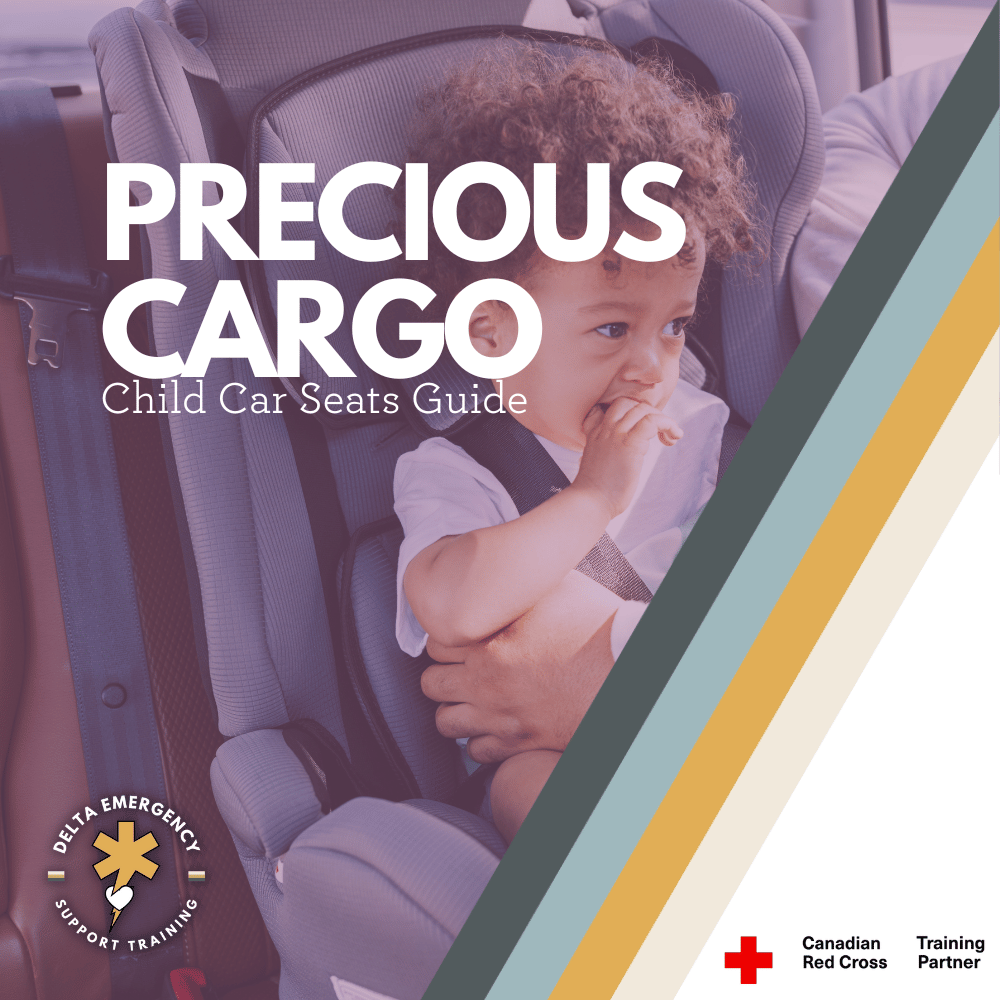
Little girl being buckled into car seat by her father
Ensuring the safety of our children is a responsibility that transcends all others, especially when it comes to travel in vehicles. The choice of car seat and the manner in which it's used can make all the difference in safeguarding our precious passengers. Let's delve into the crucial aspects of selecting and utilizing the right car seat for your child's age, weight, and height.
Understanding the Types of Car Seats
Rear-Facing Car Seat:
For infants, a rear-facing car seat is non-negotiable. It provides optimal protection for delicate heads, necks, and spines during sudden stops or crashes. As your child grows, transitioning to a larger rear-facing seat, and continuing its use until they reach the manufacturer's weight and height limits, ensures their safety until the age of 2, 3, or even 4 years old.
Forward-Facing Car Seat:
Once your child outgrows the rear-facing seat and reaches at least 2 years old, they can graduate to a forward-facing car seat equipped with a 5-point harness. It's crucial to keep them in this harness until they weigh at least 18 kg (40 lb) and can sit upright without slouching or unbuckling—a milestone typically achieved around 4, 5, or even 6 years old.
Booster Seat:
Upon outgrowing the forward-facing seat, usually around 4 years old and at least 18 kg (40 lb), transitioning to a belt-positioning booster seat is the next step. However, it's paramount that your child can sit correctly in the booster seat, ensuring the lap belt rests snugly across their hips and the shoulder belt lies across their chest and collarbone, between the neck and shoulder.
Seat Belt:
Once your child reaches a height of at least 145 cm (4’ 9”), they may be ready to transition to using an adult seat belt. However, it's imperative that the belt fits them properly—knees bent comfortably, lap belt low and snug across the hips, and shoulder belt positioned between the neck and shoulder without causing discomfort.
Installation and Usage Guidelines
Installing a Car Seat with a 5-Point Harness:
Place the car seat in the back seat and secure it using the Universal Anchorage System (UAS) or the vehicle seat belt.
Ensure the seat is tightly secured, with minimal movement.
Follow the manufacturer's instructions for recline angle adjustment (for rear-facing seats) and tether strap usage (for forward-facing seats).
Securing Your Child in a 5-Point Harness:
For rear-facing children, adjust harness straps to be level with or just below the shoulders.
For forward-facing children, position harness straps at shoulder level or just above.
Tighten harness straps snugly, ensuring no slack or twists, and place the chest clip at armpit level.
Avoid bulky clothing or snowsuits, as they can interfere with proper harness fit.
Using a Booster Seat:
Ensure the lap belt fits low and snug across the hips and the shoulder belt rests over the chest and collarbone.
Follow manufacturer instructions for routing the seat belt through any guides or armrests.
Ensuring Safety and Compliance
Always check for the National Safety Mark and review age, weight, and height limits specified by the manufacturer.
Replace car seats involved in any crash, even minor ones, and be mindful of expiration dates.
Regularly check for recalls and register the seat with the manufacturer for updates.
Utilize online resources, community car seat clinics, and manufacturer tutorials for guidance and support.
Additional Safety Tips
Never leave a child unattended in a car and use memory aids to prevent unintentional forgetfulness.
Avoid using unauthorized accessories and ensure the infant carrier is securely placed and never on elevated surfaces.
Prioritize safe sleep practices by removing the child from the car seat upon arrival.
In conclusion, correct car seat usage is paramount for ensuring the safety and well-being of our children during travel. By adhering to safety regulations, following installation and usage guidelines, and staying informed about safety updates, we can mitigate risks and provide the highest level of protection for our precious passengers. Let's commit to prioritizing child safety on the road, one journey at a time.
Surviving a Tornado: Key Tips to Increase Your Odds of Safety
Surviving a tornado requires preparedness, quick thinking, and the ability to adapt in the face of nature's fury. As recent events have shown, such as the devastating tornado outside Calgary, it is crucial to arm ourselves with knowledge and take proactive measures to increase our odds of safety. Staying informed about weather conditions and having a plan in place are paramount. From creating a tornado emergency kit filled with essential supplies to reinforcing your safe space, every step you take towards preparedness can make a significant difference. Remember, when a tornado strikes, seek shelter immediately, cover yourself for protection, and stay low to minimize the risk. And don't forget to have an evacuation bag ready, packed with essentials, so that you can swiftly respond to evacuation orders. With these precautions and a calm mindset, you can face tornadoes with greater confidence, ensuring the safety of yourself and your loved ones.
Tornadoes are powerful natural disasters that can cause extensive damage and put lives at risk. In the wake of an awful tornado outside Calgary, it is crucial to be prepared and informed about how to enhance your chances of survival. This guide provides essential tips to help you navigate through a tornado event and prioritize your safety.
Destructive tornado destroys farm.
Before the Tornado
Stay Informed:
Keep track of weather forecasts and pay attention to tornado watches and warnings issued by local authorities.
Utilize weather alert systems, radio broadcasts, and smartphone apps for timely updates.
Seek Shelter:
Immediately seek shelter in a sturdy structure with a basement if possible.
If a basement is unavailable, find an interior room on the lowest level, away from windows.
Prepare an Emergency Kit:
Create a tornado emergency kit with essentials like water, non-perishable food, a battery-powered radio, flashlight, first aid supplies, and a charged cell phone.
Reinforce Your Safe Space:
Strengthen your safe room or basement by using sturdy furniture or mattresses for added protection against debris.
Securely anchor large objects to prevent them from becoming hazardous projectiles.
During the Tornado
Cover Up for Protection:
Use mattresses, heavy blankets, or a bicycle helmet to shield yourself from flying debris.
Cover your head and body to reduce the risk of injury.
Stay Low and Hold On:
If caught in an open area with no shelter, lie flat in a low-lying area and cover your head with your arms.
Hold on to a stable object to avoid being swept away by strong winds.
If Caught Outside
Seek the Lowest Elevation:
Look for a nearby ditch, depression, or low-lying area and take cover.
Being in a lower position reduces the chances of being struck by debris.
Lie Flat and Cover Your Head:
Once in a low-lying area, lie flat on the ground with your face down and cover your head and neck with your arms.
Protecting your head reduces the risk of injury.
Be Aware of Surroundings:
Stay vigilant and watch out for flying objects, falling debris, or hazards that may pose a threat to your safety.
Stay away from trees, electrical poles, and structures vulnerable to collapse.
Evacuation Preparedness
Create an Evacuation Bag:
Pack essential items such as important documents, communication tools, clothing, food, water, first aid supplies, emergency cash, and personal hygiene items.
Keep the bag in a readily accessible location for quick retrieval during a tornado warning or evacuation situation.
Regularly Review and Update:
Periodically review and update the contents of your evacuation bag, checking expiration dates and replacing any necessary items.
Ensure that all documents and contact information are up to date.
Conclusion
Surviving a tornado requires preparedness, quick action, and a calm mindset. By staying informed, seeking shelter immediately, and following the guidelines provided, you can significantly increase your odds of staying safe during a tornado event. Additionally, being prepared with an evacuation bag ensures you have essential supplies during an evacuation. Remember, prioritize your safety, stay calm, and take necessary precautions to protect yourself and your loved ones in the face of a tornado.
Buckle Up: The Importance of Seatbelt Usage and Car Seats for Children
In this blog, we explore the vital role of seat belt usage and appropriate car seats in ensuring road safety. Uncover eye-opening seat belt statistics, understand the legal requirements, and learn how to choose the right car seat for your child's age and size. Discover practical tips to overcome common challenges and establish a culture of safety. Prioritize the protection of your loved ones on every journey with valuable insights and guidance on seat belt usage and car seats for children.
In a world where we rely heavily on cars for transportation, there is one unwavering truth; safety on the road should always be our top priority.
Amidst the hustle and bustle of everyday life, we may overlook the critical importance of seatbelt usage and car seats, but these simple yet powerful safety measures can make all the difference in an accident. According to a Transport Canada report, when worn correctly, seatbelts can reduce the risk of death in a collision by a staggering 47%.
In this blog, we will delve into the significance of wearing seatbelts and using appropriate car seats, emphasizing their indisputable role in preventing injuries, saving lives, and safeguarding the well-being of every occupant in a vehicle. Accidents pose a significant risk to Canadians, especially those under the age of 45, as they are the leading cause of both death and hospitalization within this demographic. Furthermore, for the entire Canadian population, accidents rank fourth among the causes of death. These statistics highlight the critical need to prioritize safety measures, such as wearing seat belts and using car seats, to mitigate the devastating impact of accidents and protect lives on the road.
How to Correctly Wear a Seatbelt
Wearing a seatbelt correctly is essential to maximize its effectiveness in protecting occupants during a collision. Here are the key steps to ensure the proper use of a seatbelt:
Positioning the Lap Belt:
The lap belt should be secured low and snug across the hips and pelvis, avoiding any contact with the abdomen. This placement helps distribute the force of a sudden impact across the strong pelvic bones, reducing the risk of internal injuries.
Adjusting the Shoulder Belt:
The shoulder belt should rest diagonally across the chest and shoulder, avoiding contact with the neck or the edge of the shoulder. It should be pulled snugly across the torso without being excessively tight, allowing for a comfortable yet secure fit.
No Twists or Tangles:
Ensure that the seatbelt is free of twists or tangles, as these can compromise its effectiveness. Straighten the belt and remove any twists to maintain a smooth, uninterrupted path for restraint.
Buckle Up Every Time:
Regardless of the distance or the speed of travel, it is crucial to buckle up every time you get in a vehicle. Make it a habit to ensure that everyone in the vehicle is wearing their seatbelt before starting the journey.
By following these guidelines and consistently wearing seatbelts correctly, we can significantly reduce the risk of serious injuries and increase the chances of survival in the event of a collision. Remember, seatbelt usage is a simple yet powerful action that can save lives and protect us on the road.
Car Seat Safety
Securing a child properly into a car seat is essential for their safety during travel. Here's a step-by-step guide on how to secure a child into a car seat:
Choose the Right Car Seat:
Select a car seat that is appropriate for your child's age, height, and weight. Follow the manufacturer's guidelines to ensure you have the correct car seat for your child's specific needs.
Position the Car Seat:
Install the car seat in the back seat of your vehicle, preferably in the center position. This provides the most protection in the event of a collision. Follow the manufacturer's instructions and use either the vehicle's seat belt or LATCH system to secure the car seat in place.
Harness Adjustments:
Ensure that the car seat's harness is properly adjusted for your child. The harness straps should be at or just below the child's shoulders for rear-facing seats, and at or just above the shoulders for forward-facing seats.
Buckle Up:
Place your child in the car seat and buckle the harness. Insert the buckle tongues into the buckle until they click securely in place. Ensure that the harness is snug but not overly tight. You should be able to fit only one or two fingers between the harness and your child's collarbone.
Chest Clip Positioning:
Slide the chest clip up to the child's armpit level, ensuring it is flat against their chest. The chest clip helps keep the harness straps properly positioned and provides added security.
Final Checks:
Double-check that the harness straps are not twisted and that they lie flat against your child's body. Ensure that the car seat is securely installed and does not move more than an inch in any direction when tested at the base.
Additional Tips:
Avoid bulky clothing or blankets that can interfere with the snugness of the harness. Instead, dress your child in thin layers and use blankets over the harness for warmth.
Regularly inspect the car seat to ensure it is in good condition, with no visible signs of damage or wear.
Always follow the manufacturer's guidelines and any applicable local regulations for car seat installation and usage.
Securing your child into a car seat properly provides them with the highest level of protection during car travel. Remember, car seat safety is a crucial aspect of ensuring your child's well-being on the road.
Car Seat Help
When it comes to ensuring the safety of your child in a car seat, it's essential to know that you're not alone in facing any difficulties or challenges. If you're experiencing trouble with car seats for children, it's comforting to know that there are professionals, such as first responders, who are willing and trained to provide assistance.
First responders, including police officers, firefighters, and emergency medical personnel, often receive specialized training in child passenger safety. They have in-depth knowledge about the proper installation and usage of car seats, and they understand the intricacies of various car seat models and their compatibility with different vehicles.
If you're having trouble with your child's car seat, don't hesitate to reach out to your local first responders or emergency services. They can offer valuable guidance, answer your questions, and even provide hands-on assistance in properly installing or adjusting the car seat.
Many communities also organize car seat inspection events or clinics where certified child passenger safety technicians are available to check car seat installations and offer expert advice. These technicians have undergone extensive training and certification programs to ensure they can provide accurate and reliable guidance on car seat usage.
Remember, the primary goal of first responders and child passenger safety technicians is to ensure the well-being and safety of your child. They are dedicated to helping parents and caregivers understand the proper techniques for securing children in car seats and addressing any concerns or issues that may arise.
In times of car seat trouble, don't hesitate to seek assistance from these professionals who are trained to help. Their expertise and support can give you the peace of mind that your child is properly protected during car travel. By working together with these professionals, you can overcome any challenges and ensure your child's safety on the road.
Conclusion
As we come to the end of this discussion on seat belt usage and car seat safety, we sincerely hope that the importance of these measures has resonated with you. The statistics and information presented here highlight the critical role that seat belts and proper car seats play in preventing injuries and saving lives on the road.
By prioritizing seat belt usage for yourself and ensuring that your child is securely fastened in an appropriate car seat, you are taking proactive steps towards creating a safer environment during car travel. The impact of these safety measures cannot be overstated, as they significantly reduce the risk of severe injuries or fatalities in the event of a collision.
We urge you to take seat belt and car seat safety seriously, not just for your own sake but also for the well-being of your loved ones. Embrace the responsibility of being a vigilant and responsible driver or caregiver. Set a positive example for others by consistently wearing your seat belt and advocating for the proper use of car seats for children.
Remember, accidents can happen at any time, but by implementing these safety measures, you are taking an active role in minimizing their impact. Stay informed about seat belt laws, seek professional guidance if needed, and regularly inspect and maintain your car seats to ensure their effectiveness.
On behalf of all road safety advocates, we sincerely hope that you will make seat belt usage and car seat safety a priority in your daily life. Let us collectively strive to create a culture of safety on the road, where seat belts are buckled, car seats are properly utilized, and lives are protected.
Stay safe, be cautious, and never underestimate the power of seat belts and car seats in safeguarding your well-being and that of your loved ones.

