The Delta Dispatch
Water Safety for Parents: From Swimwear to Supervision
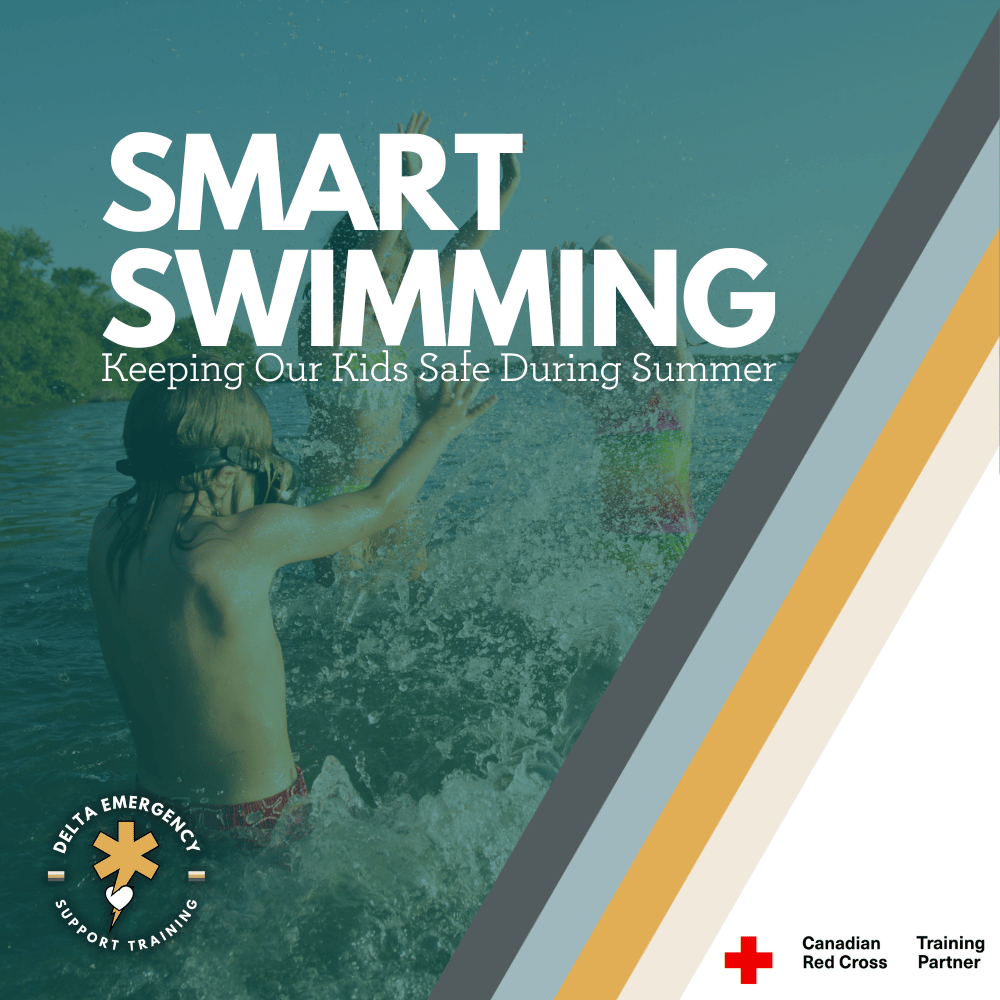
Summer Water Safety: What Every Parent Should Know Before Pool or Lake Days
When the sun is shining, water becomes a natural playground for kids — pools, lakes, rivers, and oceans offer endless summer fun. But for parents, water is also one of the most dangerous environments your child will be exposed to. Drowning is fast, silent, and all too common — especially in Canada, where thousands of natural bodies of water lie just beyond backyard fences and cottage docks.
The Reality: Drowning Is a Leading Cause of Death for Canadian Children
Drowning is the second leading cause of preventable death for children under age 10 in Canada.
According to the Lifesaving Society of Canada, nearly 500 Canadians die from drowning every year, and almost one-third are under the age of 19.
Children aged 1 to 4 are at the highest risk, most often drowning in pools, while older children are more at risk in open water like lakes and rivers.
88% of child drownings happen when a parent or caregiver is supervising — but distracted.
These tragedies are preventable with layers of protection: supervision, swimming skills, proper safety gear, and informed adults.
1. Enroll in Swimming Lessons Early
Formal swimming lessons reduce drowning risk by up to 88% for children ages 1–4, according to the Canadian Pediatric Society. The Red Cross and Lifesaving Society both emphasize the value of age-appropriate water safety education from toddlerhood.
Look for programs that teach:
Entering and exiting water safely
Floating, treading water, and self-rescue
Using lifejackets and understanding currents
Knowing when to call for help
Even for strong swimmers, refreshing skills before each summer season helps reinforce safety habits.
2. Supervision Saves Lives — But Only if It’s Active
Drowning happens in as little as 20 seconds. It is quiet — no splashing, no screaming. A child can slip under the water while you're answering a text.
Good supervision means:
You're within arm's reach for young or weak swimmers
You're not distracted by your phone, books, or alcohol
You rotate with other adults every 15–30 minutes if needed
You avoid relying on older children to supervise younger siblings
Tip: Use a “Water Watcher” card or lanyard to clearly identify the supervising adult at any given time.
3. Know the Risks in Different Environments
Each setting has unique dangers, especially in Alberta where cold lakes and rivers are common.
Pools
Install fences with self-latching gates
Use pool alarms or covers when not in use
Never rely on inflatable toys or floaties for safety
Lakes and Rivers
Use properly fitting lifejackets
Be aware of drop-offs, weeds, and sudden cold
Water visibility is often poor — stay close and alert
Oceans
Only swim in lifeguard-supervised zones
Learn to identify rip currents and how to escape (swim parallel to shore)
Watch for tides, jellyfish, and sharp shells
4. Dress for Water Safety — Including the Right Colours
Lifejackets:
Always wear Transport Canada-approved lifejackets when boating, paddling, or playing near open water.
Swimwear Colour Matters:
A 2022 study by ALIVE Solutions tested how well different swimsuit colours showed up underwater — especially in murky or sun-glared conditions. Results showed that bright neon colours like orange, pink, and lime green were most visible. Earth tones, blue, and even white blended into water and became invisible within just a few feet.
Best for visibility:
Neon orange
Hot pink
Lime green
Bright yellow
Avoid:
Blue, grey, white, or pastels (especially in natural water)
5. Take a CPR & First Aid Course
In emergencies, seconds matter. CPR, rescue breathing, and basic first aid skills can make the difference between life and death while you wait for EMS.
We recommend:
CPR-C or Emergency First Aid with CPR
Child & Infant CPR refresher courses for babysitters, older siblings, and grandparents
Courses offered by trusted organizations like the Canadian Red Cross or Lifesaving Society
At Delta Emergency Support Training in Calgary, we offer family-friendly and babysitter-focused Red Cross courses year-round.
6. Teach Kids Water Safety at Every Age
Make water safety part of your regular parenting conversations:
Always ask permission before going near water
Never swim alone — even with a lifejacket
Get out when cold or tired
If in trouble: call for help, float, and don’t panic
Teach older children how to help safely without jumping in themselves
Water should be fun — but it should also be respected.
Final Thoughts: Don’t Let a Preventable Tragedy Ruin Your Summer
Most childhood drownings are not freak accidents — they are preventable. Supervision, the right gear, swimming skills, and training create the strongest safety net.
This summer, be proactive — and make sure water memories are joyful ones.
Looking for Babysitter or CPR Courses in Calgary?
Delta Emergency Support Training offers:
Babysitter Certification (Red Cross)
Emergency First Aid & CPR for Families
Private bookings for friend groups or community groups
All classes are taught by real paramedics and emergency responders who know what works in real life.
Spots fill fast during summer — contact us today to learn more!
When the Air Turns Hazardous: Protecting Families During Canada’s 2025 Wildfire Smoke Crisis
Canada’s 2025 wildfire season has brought hazardous air—and with it, serious health risks. This guide equips families and caregivers with practical advice: from setting up a clean room and using N95 masks to monitoring air quality and recognizing smoke-induced illness.
Wildfire season in Canada has been worsened by heat, dry conditions, and climate change—with over 1,985 active firesburning nearly 3.9 million hectares as of June 16, 2025. The result? Widespread "very unhealthy" to "hazardous" air across provinces and even beyond—affecting children, people with respiratory conditions, seniors, and other vulnerable groups.
Understanding Canada’s Air Quality Health Index (AQHI)
In Canada, we don’t use the U.S.-style AQI. Instead, we use the Air Quality Health Index (AQHI) to tell us how the air we breathe affects our health on a scale from 1 to 10+, with higher numbers indicating greater health risks.
How the AQHI Works
AQHI ValueHealth RiskAt-Risk PopulationGeneral Population1–3LowIdeal conditions for outdoor activities.Ideal conditions for outdoor activities.4–6ModerateConsider reducing or rescheduling strenuous activities outdoors.No need to modify usual activities unless symptoms occur.7–10HighReduce or avoid strenuous activities outdoors.Consider reducing strenuous outdoor activity.10+Very HighAvoid all physical outdoor activity. Stay indoors.Reduce or reschedule strenuous outdoor activity.
At-Risk Populations include:
Children and infants
Seniors
People with asthma, heart conditions, or other chronic illnesses
Pregnant individuals
🌫️ What Does This Mean for Families?
1–3 (Low): Great time for park visits, walks, or outdoor play.
4–6 (Moderate): Children and people with asthma should limit high-energy outdoor activities.
7–10 (High): Everyone—especially vulnerable groups—should stay indoors and use air filtration.
10+ (Very High): Outdoor exposure can cause serious health effects. Stay inside, seal your home, and consider relocating temporarily if the smoke persists.
📲 Where to Check AQHI
Stay informed using trusted Canadian sources:
🔗 Environment Canada – AQHI Main Page
🔗 AQHI by Province (select your region)
Mobile Apps: WeatherCAN, AQHI Canada, or your local weather app
🌫️ Why Wildfire Smoke is Dangerous
Fine Particulate Matter (PM2.5):
These tiny particles penetrate deep into the lungs and bloodstream.
In 2025, several areas recorded PM2.5 levels over 150 µg/m³—more than 6x the WHO's safe 24-hour limit.
US studies confirm that smoke PM2.5 from wildfires can be up to 10x more harmful than typical pollution.
Health Effects:
Exposure can cause:Immediate symptoms: coughing, wheezing, eye irritation, chest tightness.
Aggravation of asthma, COPD, bronchitis, and heart disease.
Long-term risks: strokes, heart attacks, developmental issues in children, pregnancy complications.
Canada’s Sharp Increase:
In Prairie provinces, air quality reached “Unhealthy to Very Unhealthy” levels in early.
Cities like Toronto, Ottawa, and Montreal had some of the worst AQIs globally during June 5–6.
👶 Who’s Most at Risk?
Infants and young children with developing lungs.
Seniors, particularly those with cardiovascular/respiratory conditions.
Individuals with asthma, COPD, heart disease, or compromised immunity.
Pregnant women - smoke exposure has been linked to preterm births.
Those in low-income or remote communities with limited access to clean air resources.
🛡️ How to Protect Your Family
1. Stay Inside & Seal Your Home
Keep doors and windows closed; run HVAC on recirculation.
Create a DIY clean room by sealing off one area and running a HEPA filter air purifier.
2. Limit Outdoor Exposure
Avoid strenuous outdoor activity.
For necessary outdoor time, wear a properly fitted N95 mask—cloth masks don't protect against PM2.5
3. Monitor Air Quality
Use apps or websites like FireSmoke.ca, AirNow, or AQI.in.
Follow local advisories—on very poor days, avoid outdoor time completely
4. Stay Hydrated & Medically Prepared
Children and older adults should drink water regularly.
Keep inhalers, medications, and emergency contacts handy.
5. Safe Indoor Air Strategies
Continue using air purifiers, keep HVAC maintenance current, and avoid indoor activities that pollute air (like smoking or burning candles).
6. Know the Signs of Smoke-Related Illness
Be alert for:
Persistent coughing, wheezing, shortness of breath
Chest pain, dizziness, fatigue
Severe symptoms like bluish lips, confusion, or altered consciousness – seek medical help immediately.
7. When to Seek Help
Call emergency services if someone experiences:
Trouble breathing or chest pain
Severe allergic reactions (e.g. from ash or irritants)
Symptoms of stroke or heart attack
✅ Bonus Tips for Parents & Caregivers
Plan indoor activities: crafts, reading, games on high-risk days.
Reduce exposure to dust and pollen indoors—vacuum with HEPA filters.
If possible, relocate temporarily to cleaner-air areas.
Educate older children about the importance of masks and staying indoors.
Final Takeaway
The 2025 wildfire season has shown us air quality can deteriorate rapidly—even hundreds of kilometers away from the flames. For vulnerable families, proactive planning saves lives.
By staying informed and implementing air protection measures, you can shield your loved ones from the hidden threat of wildfire smoke.
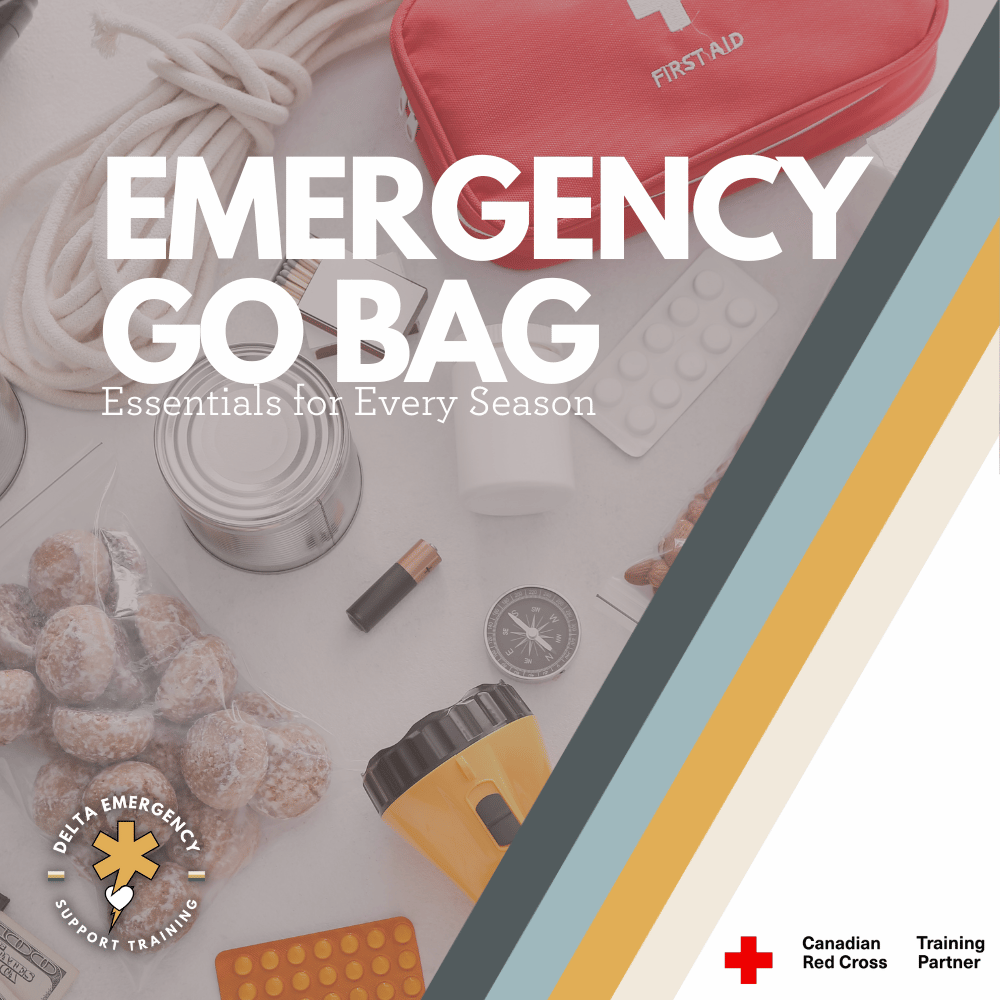
Emergency Go Bag: Essentials for Every Season
In uncertain times, having a well-prepared go bag can be a lifesaver. Emergencies like natural disasters, power outages, or sudden evacuations can strike without warning, necessitating swift action to ensure the safety and well-being of yourself and your loved ones. Learn what to pack and how to stay ready with our detailed checklist.
In uncertain times, having a well-prepared go bag can be a lifesaver. Emergencies like natural disasters, power outages, or sudden evacuations can strike without warning, necessitating swift action to ensure the safety and well-being of yourself and your loved ones. A go bag is a carefully curated collection of essential items tailored to your specific needs and circumstances, providing you with the necessary resources to navigate challenging situations with confidence. In the event of an emergency that requires evacuation, everyone in your household should have a Go Bag packed and ready to go. Your Go Bag should be a sturdy and easy-to-carry backpack or duffle bag containing things you would want to have with you if you have to leave in a hurry.
Specific Evacuation Scenarios
Fire Evacuation:
In the event of a wildfire or structural fire, evacuation may be necessary to ensure safety. Pack your go bag if authorities issue evacuation orders or if you perceive imminent danger.
Be prepared to leave immediately and follow designated evacuation routes. Prioritize safety over belongings and adhere to instructions from emergency responders.
Tornado Warning:
During a tornado warning, seek shelter in a sturdy building or designated tornado shelter. If evacuation is advised due to the severity of the storm, grab your go bag and proceed to the nearest safe location.
Monitor weather alerts and heed evacuation orders from local authorities to minimize the risk of injury or loss of life.
Flooding:
In flood-prone areas, be vigilant for flood warnings or flash flood alerts. If evacuation becomes necessary due to rising waters or compromised infrastructure, secure your go bag and evacuate to higher ground.
Avoid driving through flooded areas, as water depth and currents can be deceptive and pose significant hazards to both occupants and vehicles.
Core Essentials
Water:
Carry at least one gallon of water per person per day for drinking and sanitation purposes. Dehydration is a significant risk during emergencies, especially in situations where access to clean water may be compromised.
Consider portable water purification tablets or filters for additional water sources, ensuring access to safe drinking water even in challenging conditions.
Food:
Pack a 3-day supply of non-perishable, high-energy foods such as granola bars, canned goods, and dried fruits. These items provide sustenance without requiring refrigeration or cooking, essential during prolonged periods away from home.
Include a manual can opener and utensils for food consumption, ensuring you can access canned goods without difficulty even in the absence of electricity.
Medication and First Aid Supplies:
Gather a sufficient supply of prescription medications and over-the-counter remedies, ensuring you have an ample stock to last through any potential disruption in access to healthcare services.
Include a comprehensive first aid kit containing bandages, antiseptic wipes, pain relievers, and any personal medical supplies specific to your household's needs. Injuries and illnesses can occur unexpectedly, making prompt medical attention critical.
Clothing:
Rotate clothing based on seasonal needs, including sturdy shoes, socks, and weather-appropriate outerwear. Hypothermia and heat-related illnesses are significant concerns during emergencies, necessitating proper attire for protection.
Pack spare underwear and comfortable layers for extended periods away from home, prioritizing moisture-wicking materials to manage sweat and maintain comfort in fluctuating temperatures.
Additional Essentials
Flashlight and Batteries:
Include a reliable flashlight with extra batteries to provide illumination in dark or low-light conditions.
Whistle:
Carry a whistle to attract attention and signal for help in case of emergencies, especially if you become trapped or injured.
Dust Mask:
Protect yourself from airborne particles and contaminants with a dust mask, essential for situations involving smoke, dust, or debris.
Local Maps:
Keep local maps in your go bag to navigate unfamiliar areas or evacuation routes, especially if GPS or electronic devices are unavailable.
Manual Can Opener:
Ensure access to canned food supplies with a manual can opener, as electricity may be unavailable during emergencies.
Battery-Powered or Hand-Cranked Radio:
Stay informed about emergency updates and developments with a battery-powered or hand-cranked radio, providing access to news and information even in the absence of electricity.
Entertainment for Children:
Include books, games, puzzles, or other activities for children to help keep them occupied and alleviate stress during evacuation or sheltering.
Conclusion:
A well-prepared go bag tailored to your specific needs and environment can provide peace of mind during emergencies. By including core essentials like water, food, medication, and clothing, along with consideration of specific evacuation scenarios and additional essentials, you can ensure readiness for any situation. Remember to periodically review and update your go bag to maintain its effectiveness. Stay safe, stay prepared!

