
The Delta Dispatch
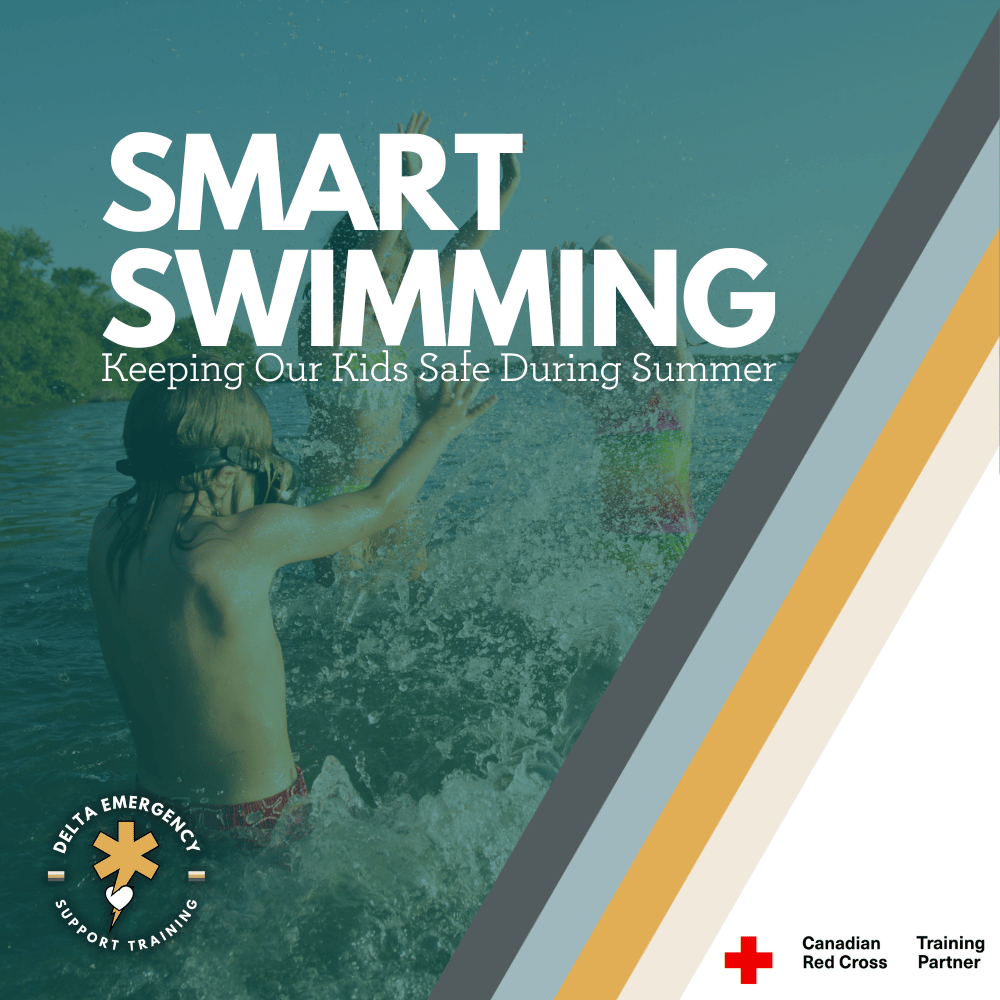
Water Safety for Parents: From Swimwear to Supervision
Summer Water Safety: What Every Parent Should Know Before Pool or Lake Days
When the sun is shining, water becomes a natural playground for kids — pools, lakes, rivers, and oceans offer endless summer fun. But for parents, water is also one of the most dangerous environments your child will be exposed to. Drowning is fast, silent, and all too common — especially in Canada, where thousands of natural bodies of water lie just beyond backyard fences and cottage docks.
The Reality: Drowning Is a Leading Cause of Death for Canadian Children
Drowning is the second leading cause of preventable death for children under age 10 in Canada.
According to the Lifesaving Society of Canada, nearly 500 Canadians die from drowning every year, and almost one-third are under the age of 19.
Children aged 1 to 4 are at the highest risk, most often drowning in pools, while older children are more at risk in open water like lakes and rivers.
88% of child drownings happen when a parent or caregiver is supervising — but distracted.
These tragedies are preventable with layers of protection: supervision, swimming skills, proper safety gear, and informed adults.
1. Enroll in Swimming Lessons Early
Formal swimming lessons reduce drowning risk by up to 88% for children ages 1–4, according to the Canadian Pediatric Society. The Red Cross and Lifesaving Society both emphasize the value of age-appropriate water safety education from toddlerhood.
Look for programs that teach:
Entering and exiting water safely
Floating, treading water, and self-rescue
Using lifejackets and understanding currents
Knowing when to call for help
Even for strong swimmers, refreshing skills before each summer season helps reinforce safety habits.
2. Supervision Saves Lives — But Only if It’s Active
Drowning happens in as little as 20 seconds. It is quiet — no splashing, no screaming. A child can slip under the water while you're answering a text.
Good supervision means:
You're within arm's reach for young or weak swimmers
You're not distracted by your phone, books, or alcohol
You rotate with other adults every 15–30 minutes if needed
You avoid relying on older children to supervise younger siblings
Tip: Use a “Water Watcher” card or lanyard to clearly identify the supervising adult at any given time.
3. Know the Risks in Different Environments
Each setting has unique dangers, especially in Alberta where cold lakes and rivers are common.
Pools
Install fences with self-latching gates
Use pool alarms or covers when not in use
Never rely on inflatable toys or floaties for safety
Lakes and Rivers
Use properly fitting lifejackets
Be aware of drop-offs, weeds, and sudden cold
Water visibility is often poor — stay close and alert
Oceans
Only swim in lifeguard-supervised zones
Learn to identify rip currents and how to escape (swim parallel to shore)
Watch for tides, jellyfish, and sharp shells
4. Dress for Water Safety — Including the Right Colours
Lifejackets:
Always wear Transport Canada-approved lifejackets when boating, paddling, or playing near open water.
Swimwear Colour Matters:
A 2022 study by ALIVE Solutions tested how well different swimsuit colours showed up underwater — especially in murky or sun-glared conditions. Results showed that bright neon colours like orange, pink, and lime green were most visible. Earth tones, blue, and even white blended into water and became invisible within just a few feet.
Best for visibility:
Neon orange
Hot pink
Lime green
Bright yellow
Avoid:
Blue, grey, white, or pastels (especially in natural water)
5. Take a CPR & First Aid Course
In emergencies, seconds matter. CPR, rescue breathing, and basic first aid skills can make the difference between life and death while you wait for EMS.
We recommend:
CPR-C or Emergency First Aid with CPR
Child & Infant CPR refresher courses for babysitters, older siblings, and grandparents
Courses offered by trusted organizations like the Canadian Red Cross or Lifesaving Society
At Delta Emergency Support Training in Calgary, we offer family-friendly and babysitter-focused Red Cross courses year-round.
6. Teach Kids Water Safety at Every Age
Make water safety part of your regular parenting conversations:
Always ask permission before going near water
Never swim alone — even with a lifejacket
Get out when cold or tired
If in trouble: call for help, float, and don’t panic
Teach older children how to help safely without jumping in themselves
Water should be fun — but it should also be respected.
Final Thoughts: Don’t Let a Preventable Tragedy Ruin Your Summer
Most childhood drownings are not freak accidents — they are preventable. Supervision, the right gear, swimming skills, and training create the strongest safety net.
This summer, be proactive — and make sure water memories are joyful ones.
Looking for Babysitter or CPR Courses in Calgary?
Delta Emergency Support Training offers:
Babysitter Certification (Red Cross)
Emergency First Aid & CPR for Families
Private bookings for friend groups or community groups
All classes are taught by real paramedics and emergency responders who know what works in real life.
Spots fill fast during summer — contact us today to learn more!
Child Safety: The Essential Guide to Correct Car Seats
In a world where safety is everything, your child is truly precious cargo. That's why our comprehensive guide to child car seats is essential for every parent and caregiver. From understanding the different types of seats to mastering proper installation techniques, we've got you covered. Whether it's selecting the right seat for your child's age and size or ensuring compliance with safety regulations, our expert advice will help you navigate the road with confidence, knowing your little one is protected every mile of the way.
Little girl being buckled into car seat by her father
Ensuring the safety of our children is a responsibility that transcends all others, especially when it comes to travel in vehicles. The choice of car seat and the manner in which it's used can make all the difference in safeguarding our precious passengers. Let's delve into the crucial aspects of selecting and utilizing the right car seat for your child's age, weight, and height.
Understanding the Types of Car Seats
Rear-Facing Car Seat:
For infants, a rear-facing car seat is non-negotiable. It provides optimal protection for delicate heads, necks, and spines during sudden stops or crashes. As your child grows, transitioning to a larger rear-facing seat, and continuing its use until they reach the manufacturer's weight and height limits, ensures their safety until the age of 2, 3, or even 4 years old.
Forward-Facing Car Seat:
Once your child outgrows the rear-facing seat and reaches at least 2 years old, they can graduate to a forward-facing car seat equipped with a 5-point harness. It's crucial to keep them in this harness until they weigh at least 18 kg (40 lb) and can sit upright without slouching or unbuckling—a milestone typically achieved around 4, 5, or even 6 years old.
Booster Seat:
Upon outgrowing the forward-facing seat, usually around 4 years old and at least 18 kg (40 lb), transitioning to a belt-positioning booster seat is the next step. However, it's paramount that your child can sit correctly in the booster seat, ensuring the lap belt rests snugly across their hips and the shoulder belt lies across their chest and collarbone, between the neck and shoulder.
Seat Belt:
Once your child reaches a height of at least 145 cm (4’ 9”), they may be ready to transition to using an adult seat belt. However, it's imperative that the belt fits them properly—knees bent comfortably, lap belt low and snug across the hips, and shoulder belt positioned between the neck and shoulder without causing discomfort.
Installation and Usage Guidelines
Installing a Car Seat with a 5-Point Harness:
Place the car seat in the back seat and secure it using the Universal Anchorage System (UAS) or the vehicle seat belt.
Ensure the seat is tightly secured, with minimal movement.
Follow the manufacturer's instructions for recline angle adjustment (for rear-facing seats) and tether strap usage (for forward-facing seats).
Securing Your Child in a 5-Point Harness:
For rear-facing children, adjust harness straps to be level with or just below the shoulders.
For forward-facing children, position harness straps at shoulder level or just above.
Tighten harness straps snugly, ensuring no slack or twists, and place the chest clip at armpit level.
Avoid bulky clothing or snowsuits, as they can interfere with proper harness fit.
Using a Booster Seat:
Ensure the lap belt fits low and snug across the hips and the shoulder belt rests over the chest and collarbone.
Follow manufacturer instructions for routing the seat belt through any guides or armrests.
Ensuring Safety and Compliance
Always check for the National Safety Mark and review age, weight, and height limits specified by the manufacturer.
Replace car seats involved in any crash, even minor ones, and be mindful of expiration dates.
Regularly check for recalls and register the seat with the manufacturer for updates.
Utilize online resources, community car seat clinics, and manufacturer tutorials for guidance and support.
Additional Safety Tips
Never leave a child unattended in a car and use memory aids to prevent unintentional forgetfulness.
Avoid using unauthorized accessories and ensure the infant carrier is securely placed and never on elevated surfaces.
Prioritize safe sleep practices by removing the child from the car seat upon arrival.
In conclusion, correct car seat usage is paramount for ensuring the safety and well-being of our children during travel. By adhering to safety regulations, following installation and usage guidelines, and staying informed about safety updates, we can mitigate risks and provide the highest level of protection for our precious passengers. Let's commit to prioritizing child safety on the road, one journey at a time.
Proactive Strategies for De-escalating Mental Health Crisis Calls as a First Responder
Building a rapport is essential in establishing a foundation for successful de-escalation. Approach the individual calmly and respectfully, maintaining a non-confrontational demeanor. Use open-ended questions to encourage dialogue and facilitate a deeper understanding of the situation. Establishing common ground and demonstrating genuine concern for their well-being can help alleviate anxiety and defensiveness.
In the realm of emergency response, encounters with individuals experiencing mental health crises demand a unique blend of professionalism, empathy, and strategic intervention. Addressing such situations requires not only swift action but also a nuanced approach to de-escalation aimed at diffusing tension, building rapport, and ensuring the safety and well-being of all parties involved. As first responders, it is incumbent upon us to equip ourselves with the necessary tools and techniques to navigate these complex scenarios effectively.
1. Assessing for Safety
Prioritize the safety of both the individual in crisis and yourself and your team. Conduct a thorough assessment of the immediate environment for potential hazards or weapons. If the situation poses an imminent risk of harm, take necessary precautions to ensure everyone's safety, including calling for backup or additional resources as needed. Communicate clearly and assertively, setting clear boundaries and expectations while maintaining a respectful tone.
2. Active Listening
Effective communication begins with active listening. When engaging with an individual in crisis, prioritize attentive listening to understand their concerns, emotions, and underlying needs. Demonstrate empathy and validate their experiences, fostering a sense of trust and rapport. Reflective listening techniques, such as paraphrasing and summarizing, can convey understanding and empathy while clarifying any misunderstandings.
3. Establishing Rapport
Building a rapport is essential in establishing a foundation for successful de-escalation. Approach the individual calmly and respectfully, maintaining a non-confrontational demeanor. Use open-ended questions to encourage dialogue and facilitate a deeper understanding of the situation. Establishing common ground and demonstrating genuine concern for their well-being can help alleviate anxiety and defensiveness.
4. Providing Reassurance and Validation
Individuals in crisis often experience overwhelming feelings of distress, hopelessness, and isolation. Offer reassurance and validation, acknowledging their emotions without judgment. Assure them that help is available and that their well-being is a priority. Avoid minimizing or dismissing their feelings; instead, validate their experiences and express confidence in their ability to cope and overcome challenges.
5. Collaborative Problem-Solving
Engage the individual in collaborative problem-solving to explore potential solutions and coping strategies. Empower them to identify their needs and preferences, encouraging autonomy and self-efficacy. Offer support and guidance in exploring alternative perspectives and developing adaptive coping mechanisms. Utilize your training and expertise to provide practical assistance and connect them with appropriate resources, such as mental health services or crisis hotlines.
6. Maintaining Calm and Composure
As a first responder, your demeanor sets the tone for the interaction. Remain calm, composed, and professional, even in the face of challenging circumstances. Manage your own stress reactions and emotions, utilizing mindfulness techniques and self-regulation strategies to maintain a clear and focused mindset. Your ability to remain grounded and composed can instill a sense of stability and reassurance in the individual, facilitating effective communication and de-escalation.
Conclusion
De-escalating mental health crisis calls requires a multifaceted approach rooted in empathy, communication, and proactive intervention. By prioritizing active listening, rapport-building, and collaborative problem-solving, first responders can effectively navigate these complex situations while ensuring the safety and well-being of all parties involved. Through compassionate and strategic intervention, we can provide individuals in crisis with the support and resources they need to navigate difficult times and foster pathways to recovery.

