The Delta Dispatch
How to Prevent Spinal Injuries: Essential Steps for Safety
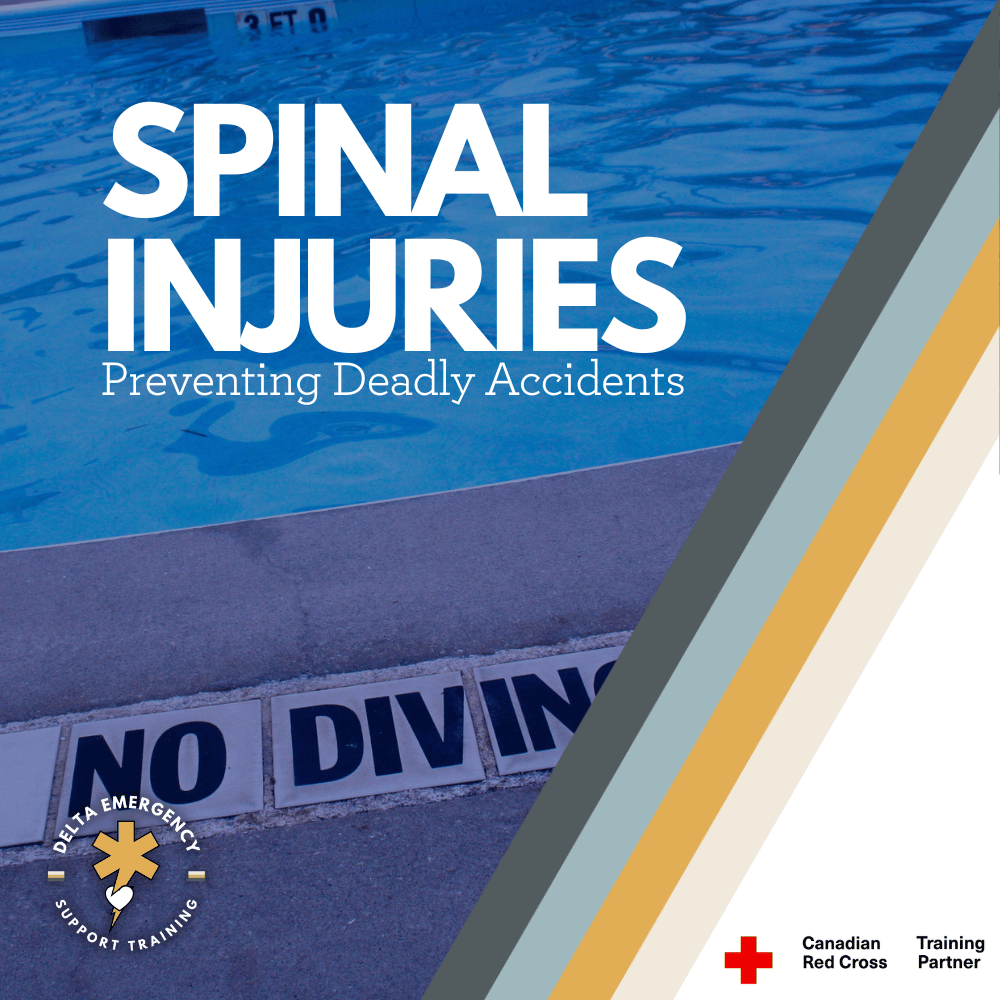
Spinal injuries can have devastating consequences, from paralysis to lifelong medical complications. Fortunately, many of these injuries are preventable. In this blog, we explore the top causes of spinal injuries, shocking statistics, and expert-approved safety measures to help you stay protected. Whether it’s safe driving, fall prevention, or sports safety, taking proactive steps can make all the difference. Plus, learn how Delta Emergency Support Training, a Red Cross Training Partner, provides essential first aid training to equip you with life-saving skills.
Preventing Spinal Injuries: Facts, Stats, and Essential Safety Measures
Spinal injuries are among the most severe and life-altering injuries a person can experience. Damage to the spinal cord can result in permanent paralysis, loss of sensation, and significant lifestyle changes. Understanding how these injuries occur and taking steps to prevent them is crucial for personal safety and public health.
In this blog, we will explore the causes, statistics, and preventive measures related to spinal injuries, helping you stay informed and protected.
Understanding Spinal Injuries
The spine is a complex structure made up of vertebrae, nerves, muscles, and ligaments that provide support and mobility to the body. When the spinal cord sustains damage, it can disrupt communication between the brain and the rest of the body, potentially leading to temporary or permanent disability.
Common Causes of Spinal Injuries
Spinal injuries can result from various traumatic and non-traumatic events, including:
Motor Vehicle Accidents – The leading cause of spinal cord injuries worldwide, accounting for nearly 38% of cases.
Falls – Responsible for about 32% of spinal injuries, particularly among older adults.
Sports and Recreation Accidents – Diving into shallow water, high-impact sports, and extreme activities contribute to 14% of spinal injuries.
Violence and Assaults – Gunshot wounds, stabbings, and physical attacks lead to approximately 13% of spinal cord injuries.
Medical Conditions and Diseases – Arthritis, osteoporosis, cancer, and infections can also cause spinal damage over time.
Spinal Injury Statistics
An estimated 17,900 new spinal cord injuries occur in the United States every year (National Spinal Cord Injury Statistical Center).
Males account for about 78% of spinal cord injury cases, often due to high-risk behaviors and sports activities.
The average age of a spinal injury patient has increased from 29 in the 1970s to 43 today, due to longer life expectancy and aging populations.
Lifetime costs for a spinal cord injury can range from $1.2 million to over $5 million, depending on the severity and level of paralysis.
Wearing a seatbelt and using proper vehicle restraints reduce the risk of spinal injuries in crashes by 60%.
How to Prevent Spinal Injuries
While some accidents are unavoidable, many spinal injuries can be prevented by taking proper precautions. Here are some essential strategies:
1. Safe Driving Practices
Always wear a seatbelt when driving or riding in a vehicle.
Never drive under the influence of alcohol or drugs.
Avoid distracted driving, such as texting or using a phone.
Ensure children are in proper car seats or booster seats.
2. Fall Prevention
Use handrails on stairs and install grab bars in bathrooms.
Remove tripping hazards like loose rugs and clutter.
Wear appropriate footwear with good grip.
Older adults should have regular vision check-ups and use mobility aids as needed.
3. Sports and Recreation Safety
Always wear protective gear such as helmets and padding in contact sports.
Avoid diving into shallow or unknown waters.
Use proper techniques and training for high-impact sports like football, gymnastics, and wrestling.
Follow safety rules when engaging in outdoor activities like rock climbing and skiing.
4. Workplace Safety
Use ergonomic lifting techniques to avoid back injuries.
Wear appropriate safety harnesses when working at heights.
Ensure workplaces follow OSHA safety regulations.
5. Preventing Violence-Related Injuries
Be aware of your surroundings and personal security.
Avoid high-risk areas and de-escalate confrontations when possible.
Support anti-violence initiatives and gun safety laws.
What to Do If You Suspect a Spinal Injury
If you suspect someone has a spinal injury, follow these emergency steps:
Do Not Move the Person unless they are in immediate danger.
Call 911 immediately.
Keep the Person Still by placing your hands on either side of their head to prevent movement.
Monitor Breathing and provide CPR if necessary.
Provide Comfort and Reassurance until professional help arrives.
Delta Emergency Support Training – A Red Cross Training Partner
At Delta Emergency Support Training, we provide Standard First Aid training as a Red Cross Training Partner. Our courses teach essential lifesaving skills, including how to recognize and respond to spinal injuries safely.
By taking a first aid course, you can gain hands-on experience and certified knowledge to protect yourself and others in emergencies.
Conclusion
Spinal injuries can have life-changing consequences, but many of them are preventable with proper precautions and awareness. By following safe driving habits, fall prevention strategies, and sports safety guidelines, you can significantly reduce your risk.
To be fully prepared, consider taking a first aid and injury prevention course with Delta Emergency Support Training. Being informed and trained can help you protect lives and prevent serious injuries.
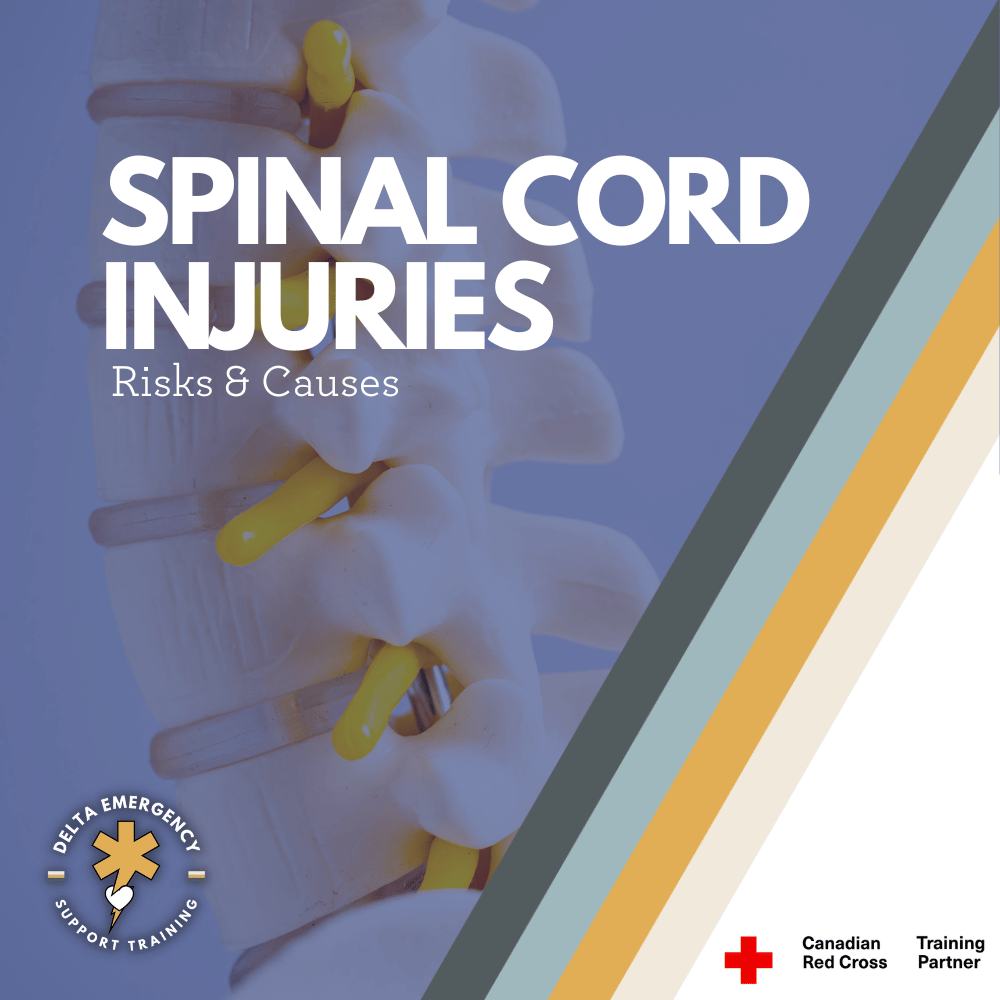
Spinal Cord Injuries: Risks, Causes, and Implications
The spinal cord serves as the central pathway for transmitting signals between the brain and the body, regulating movement, sensation, and autonomic functions. Damage to the spinal cord disrupts these essential functions, leading to impairments. Certain factors increase the likelihood of SCIs, including traumatic incidents like motor vehicle accidents and falls. Underlying medical conditions such as spondylitis, scoliosis, and spinal tumors can also predispose individuals to spinal cord injuries. Understanding these factors informs preventive measures, timely interventions, and rehabilitation strategies, optimizing outcomes for those affected.
Spinal cord injuries (SCIs) represent a significant challenge in the medical landscape, with far-reaching impacts on physical, emotional, and social well-being. While traumatic incidents such as accidents and falls are common causes, various underlying medical conditions can also predispose individuals to spinal cord injuries. In this comprehensive medical blog, we delve into the intricacies of SCIs, identifying who is at risk, what factors increase susceptibility, and the implications for affected individuals, including those with conditions like spondylitis, scoliosis, and others.
Anatomy and Function of the Spinal Cord
The spinal cord serves as the central pathway for transmitting signals between the brain and the rest of the body, regulating movement, sensation, and autonomic functions. Encased within the vertebral column, it consists of nerve fibers and tissues crucial for relaying sensory information and coordinating motor responses. Damage to the spinal cord disrupts these essential functions, leading to a spectrum of impairments depending on the severity and location of the injury.
Risk Factors for Spinal Cord Injuries
While SCIs can occur in anyone, certain factors increase the likelihood of sustaining such injuries:
Traumatic Incidents: Motor vehicle accidents, falls, sports-related injuries, and acts of violence are common causes of traumatic SCIs. Engaging in high-risk behaviors, such as reckless driving or participation in contact sports without proper protective gear, elevates the risk.
Age: Young adults between the ages of 16 and 30 are more susceptible to traumatic SCIs due to engaging in risky behaviors. Conversely, individuals aged 65 and older face an increased risk of SCIs resulting from falls, often due to age-related declines in balance and mobility.
Existing Medical Conditions: Certain medical conditions affecting the spine can predispose individuals to spinal cord injuries:
Spondylitis: An inflammatory condition affecting the vertebrae, spondylitis can weaken the spinal column, increasing susceptibility to injury.
Scoliosis: Abnormal curvature of the spine, such as scoliosis, can alter spinal alignment and increase the risk of spinal cord compression or injury.
Degenerative Disc Disease: The natural aging process can lead to degeneration of spinal discs, compromising the stability of the spine and contributing to SCI risk.
Spinal Tumors: Benign or malignant tumors in the spinal cord or surrounding tissues can exert pressure on the spinal cord, leading to compression and potential injury.
Alcohol and Substance Abuse: Alcohol consumption and substance abuse contribute to a significant proportion of traumatic SCIs, impairing judgment and coordination and increasing the likelihood of accidents.
Complications and Implications
Spinal cord injuries can lead to a myriad of complications and long-term implications, including paralysis, bladder and bowel dysfunction, respiratory complications, and psychological and social impact. Prevention and management strategies encompass education, injury prevention measures, timely medical intervention, and comprehensive rehabilitation programs.
Conclusion
By understanding the diverse array of risk factors, causes, and implications associated with spinal cord injuries, healthcare professionals can tailor preventive measures, interventions, and rehabilitation strategies to address the specific needs of individuals at risk or affected by SCIs. Through ongoing research, education, and multidisciplinary collaboration, we strive to mitigate the impact of SCIs and enhance the quality of life for those affected by these injuries, including those with underlying medical conditions affecting the spine.

