The Delta Dispatch
Inspiring Imagination: Crafts and Games to Entertain Kids During Babysitting
Are you looking for engaging activities to make your babysitting sessions a memorable and enjoyable experience? Look no further! Our blog is packed with exciting ideas and crafts that will keep kids entertained and delighted. From outdoor adventures that spark curiosity and exploration to creative arts and crafts that nurture imagination, we have a wide range of activities suitable for children of all ages. Whether you're babysitting a toddler, a curious preschooler, or an energetic 9-year-old, we've got you covered. Join us as we dive into the world of fun-filled adventures and create unforgettable moments with the children you care for. Get ready to embark on a journey of laughter, creativity, and endless entertainment!
As a babysitter, one of your primary responsibilities is to keep children occupied and entertained during your time together. Engaging kids in activities not only ensures their enjoyment but also promotes their development and well-being. By providing a variety of stimulating and age-appropriate activities, you can create a positive and enriching environment for the children you're babysitting. In this blog post, we'll explore the importance of keeping children occupied and entertained, and we'll share some fun and engaging ideas to make your babysitting sessions enjoyable for both you and the kids.
We have organized the activities into different age groups to cater to the specific needs and interests of children at various stages of development. From toddlers to preteens, we have carefully selected age-appropriate activities that will keep children engaged and entertained during your babysitting sessions. Our goal is to provide you with a comprehensive guide that offers a range of options suitable for children of any age, ensuring that you can find the perfect activities to create memorable and enjoyable experiences as a babysitter.
Toddlers
Toddlers, typically ranging from ages 1 to 3, are at a stage of rapid exploration and discovery. Their interests often revolve around sensory experiences, physical movement, and simple cause-and-effect relationships. Toddlers are capable of basic motor skills such as crawling, walking, and grasping objects. They enjoy activities that engage their senses, encourage fine and gross motor skills, and stimulate their cognitive and social development. Listed below are activities suitable for toddlers that involve sensory exploration, creative play, and interactive experiences. Providing age-appropriate activities allows toddlers to explore their surroundings, enhance their skills, and satisfy their natural curiosity.
Sensory bin exploration with materials like rice, sand, or water.
Finger painting with non-toxic, washable paints.
Playing with textured materials such as playdough or squishy toys.
Engaging in simple games like peek-a-boo or hide-and-seek.
Building with large, soft blocks or stacking cups.
Going on nature walks and exploring outdoor surroundings.
Singing and dancing to nursery rhymes and children's songs.
Engaging in interactive storytime with picture books and simple narratives.
Sorting and matching activities using objects of different shapes and colors.
Engaging in role-play with toy kitchen sets or pretend play items.
Remember to supervise toddlers closely during these activities and ensure that any materials used are safe and age-appropriate.
4-6 Year Olds
Children aged 4 to 6, in the preschool and early elementary years, experience remarkable growth and development. Their interests expand to include imaginative play, social interaction, and creative expression. With improved coordination and fine motor skills, they can engage in a wide range of activities. Their curiosity about the world around them continues to grow, and they enjoy exploring nature, asking questions, and participating in hands-on experiences. Children in this age group have the ability to follow instructions, engage in basic problem-solving, and interact with others in group activities. Encouraging their imaginative play, exploration, and social interactions can contribute to their overall development and keep them engaged and entertained.
Here are ten activity ideas suitable for children aged 4 to 6:
Scavenger Hunt: Create a scavenger hunt by hiding objects or pictures around the house or backyard for children to find. Provide them with clues or a checklist to guide their search.
Story Time: Read aloud from age-appropriate books, encouraging children to engage in discussions about the story and characters. You can also ask them to retell the story in their own words or create their own endings.
Arts and Crafts: Set up a craft station with materials like construction paper, markers, crayons, glue, and child-safe scissors. Let children create their own artwork, such as drawings, collages, or paper crafts.
Dress-Up and Pretend Play: Provide a dress-up box filled with costumes and props. Encourage children to use their imagination and role-play different characters or scenarios.
Outdoor Obstacle Course: Set up a mini obstacle course in the backyard using hula hoops, cones, jump ropes, and other safe objects. Children can navigate through the course, testing their balance, agility, and coordination.
Nature Exploration: Take children on a nature walk in a local park or nature reserve. Encourage them to observe and collect items like leaves, flowers, or rocks. Back home, they can create a nature collage or use the items for a sensory bin.
Music and Dance: Play upbeat music and encourage children to dance, jump, and move their bodies freely. You can also introduce simple musical instruments like shakers or tambourines for them to explore rhythms and sounds.
Science Experiments: Conduct simple science experiments, such as making a volcano erupt with baking soda and vinegar or creating a homemade lava lamp using oil and water. Explain the science behind the experiments in a simple and engaging manner.
Building with Blocks: Provide different types of blocks, such as wooden or plastic building blocks, and challenge children to construct towers, buildings, or imaginative structures. Encourage problem-solving and creativity in their designs.
Outdoor Games: Organize classic outdoor games like tag, duck-duck-goose, or Simon says. These games promote physical activity, social interaction, and listening skills while keeping children entertained.
Children aged 7 to 9
Children aged 7 to 9 are in the middle childhood phase, marked by continued growth and development in various areas. At this age, their interests and abilities expand further as they gain more independence and a greater understanding of the world around them.
Children in this age group often develop a keen interest in exploring different subjects, such as science, nature, sports, arts, or literature. They may show curiosity about how things work, enjoy experimenting, and have a growing capacity for logical thinking and problem-solving. Their reading and writing skills improve, allowing them to engage in more complex storytelling and creative expression.
Socially, children aged 7 to 9 become more adept at forming friendships, developing teamwork skills, and understanding the perspectives of others. They may show increased empathy and a desire for social connections and cooperative play.
Physical abilities continue to develop, with improved coordination, balance, and fine motor skills. Children may engage in organized sports, outdoor activities, or creative movements like dance or martial arts.
Overall, children aged 7 to 9 exhibit a growing curiosity, independence, and a desire to explore their interests further. By providing opportunities that align with their abilities and fostering their natural curiosity, we can support their continued development and engagement.
Here are ten activity ideas that 7-9 year olds may enjoy doing with their babysitter:
Science Experiments: Engage in hands-on science experiments, such as creating a volcano, making slime, or conducting simple chemistry experiments.
Outdoor Adventures: Go on nature hikes, bike rides, or explore local parks together. Encourage them to observe and identify plants, insects, or birds they come across.
Arts and Crafts: Engage in more advanced craft projects like jewelry making, origami, or creating DIY room decorations using various art supplies and materials.
Cooking and Baking: Involve them in age-appropriate cooking or baking activities, where they can help measure ingredients, mix batter, or decorate cookies.
Scavenger Hunts: Organize scavenger hunts around the house or backyard, giving them clues or riddles to solve and items to find.
Sports and Outdoor Games: Play sports like soccer, basketball, or throw a frisbee together. Engage in games like capture the flag or relay races to promote physical activity and teamwork.
Creative Writing: Encourage their writing skills by engaging in storytelling activities, writing their own stories, or creating comic strips.
Board Game Nights: Play board games or card games that are suitable for their age, promoting critical thinking, strategy, and social interaction.
DIY Projects: Engage in simple DIY projects like building a birdhouse, creating a small garden, or constructing a model using kits or recyclable materials.
Movie or Book Club: Watch a movie together or read a book, and then have a discussion about the story, characters, and themes.
Remember to choose activities that align with their interests and abilities and provide opportunities for them to express their creativity, develop skills, and foster social interactions.
Conclusion
In conclusion, keeping children engaged and entertained during babysitting sessions is not only essential for their happiness but also for their overall development. By incorporating a variety of activities and crafts into your babysitting routine, you can foster their creativity, nurture their imagination, and promote social interaction. From sensory exploration for toddlers to more advanced projects for older children, there are endless possibilities to create fun-filled adventures and memorable experiences. As a babysitter, you have the power to spark joy, ignite curiosity, and leave a lasting impact on the children you care for. So, embrace the opportunity to engage their minds, unleash their creativity, and make their time with you unforgettable. Let the laughter, learning, and excitement fill the air as you embark on exciting journeys together. Happy babysitting!
The Business of Babysitting: A Beginners Guide
Babysitting can be a fun and rewarding business for young adults looking to make some extra money. However, it's important to approach it professionally and safely. In this blog, we'll provide essential tips on creating a professional resume, setting fair rates, using appropriate payment methods, and networking effectively to build a strong reputation in your community. We'll also emphasize the importance of prioritizing safety and how taking a Delta Emergency Support Trainings Babysitter Course can enhance your experience and skills.
Babysitting can be a great way for young adults to make money doing something fun and rewarding.
A young girl with glasses is sitting on the ground playing with building blocks alongside a child.
If you're interested in starting a babysitting business, there are some key areas you'll need to consider to create a strong foundation. In this blog, we'll explore several essential topics, including creating a professional resume, setting a fair rate for your services, using appropriate payment methods, and networking effectively to build a strong reputation within your community.
Building a Resume
Creating a resume is a essential tool to showcase your skills and experience with children. A resume is a document that summarizes your qualifications and experiences, and it can help you stand out to potential clients (Parents or guardians) .
To create a resume, start by listing your name, contact information, and any relevant education or training. If you have any experience working with children, include that in your work experience section, even if it's just babysitting for family or friends. Be sure to list any skills that are relevant to babysitting, such as being compassionate, energetic, excellent listener etc. Any relevant training such as a Babysitters certificate, Child Care training or First Aid is always sought out.
If you don't have much experience yet, don't worry! There are still ways to create a strong resume. Consider volunteering at a local daycare or community center to gain some experience and skills. You can also take relevant classes, such as CPR or child development, and list them on your resume. Including your hobbies and sports teams on your babysitting resume can provide potential clients with valuable insight into your interests and abilities, helping to highlight your unique strengths as a caregiver.
Finally, make sure your resume is well-organized and easy to read. Use clear headings, bullet points, and a clean, simple design. Don't forget to proofread for spelling and grammar errors!
TIP: Review babysitter resume templates online to get a clear idea of what employers are looking for.
Creating a professional resume can help you stand out to potential clients and build a strong foundation for your babysitting business. By highlighting your skills and experience, even if they are limited, you can show parents that you're committed to providing quality care for their children.
Setting a Rate
Setting a fair and competitive rate for your babysitting services is crucial to attracting potential clients and building a successful business. When setting your rate, there are several factors to consider:
Experience:
If you have experience working with children, you may be able to charge a higher rate than someone who is just starting out. A Red Cross babysitters certificate is a bonus for related experience.
Location:
Rates can vary depending on the location of your babysitting services. For example, rates in urban areas may be higher than in rural areas.
Number of children:
Caring for multiple children requires more time and attention, and therefore, you may want to charge more for this service.
Additional responsibilities:
If the parents expect you to take on additional responsibilities, such as cooking or cleaning, you may want to factor this into your rate.
To determine a fair rate, start by researching the going rate in your area. You can do this by asking other babysitters or parents, checking online babysitting platforms, or using a babysitting rate calculator. Once you have a starting rate, adjust it based on your experience and the other factors listed above.
When communicating your rate with parents, make sure to be clear and upfront about your fees. Discuss any additional expectations or responsibilities that may affect your rate, such as overnight care or transportation. It's also important to discuss payment terms and deadlines to avoid any confusion or misunderstandings.
Training
As a babysitter, it's important to have the right training to ensure the safety and well-being of the children in your care. Consider taking a Delta Emergency Support Trainings Babysitter Course to gain valuable experience and skills that can set you apart in the industry. This course covers a range of topics, including first aid, choking infants, childcare and child development. By completing this course, you can enhance your resume and feel more confident in your ability to provide quality care for children.
Payment Methods
When it comes to getting paid, there are several payment methods that babysitters can consider.
One popular option is e-transfer, which allows parents to send money directly to the babysitter's bank account. This method is quick, easy, and convenient for both parties. Some parents may also prefer to pay by cash or check, but it's important to discuss payment terms and deadlines upfront to avoid any confusion or delays.
To ensure a smooth payment process, babysitters should keep track of their earnings and expenses, including any transportation costs or supplies purchased for the job. Keeping a record of your finances is important for tax purposes, as babysitters are considered self-employed and responsible for reporting their earnings on their tax return.
Minimum Wage Laws:
In Canada, each province has its own minimum wage laws that apply to most workers. However, babysitters are exempt from these laws as they are considered self-employed contractors rather than employees. This means that babysitters are free to negotiate their own rates of pay and are not entitled to the minimum wage.
While babysitters are exempt from minimum wage laws, it's important to remember that the rates you charge should be fair and competitive.
Networking
Networking is a crucial aspect of building a successful babysitting business. In addition to promoting your services to friends and family, there are several other ways to connect with potential clients:
Online Platforms:
Online platforms such as Care.com and Sittercity can be great resources for finding babysitting jobs. These platforms allow you to create a profile that highlights your skills and experience, and then match you with families in need.
Local Schools and Community Centers:
Reach out to local schools and community centers to see if they can help connect you with families in need of babysitting services. Many of these organizations have bulletin boards or newsletters where you can post your services or get in touch with parents.
Parent Groups:
Joining parent groups in your area can be a great way to network with families in need of babysitting services. Look for groups on social media or community websites, or ask around at local schools or community centers.
Building a reputation for reliability, professionalism, and quality care is also key to generating word-of-mouth referrals and repeat business. Make sure to communicate clearly with parents, arrive on time, follow instructions, and provide engaging and fun activities for the children in your care. By doing so, you can build a loyal client base and a successful and profitable babysitting business.
Overview
In conclusion, babysitting can be a fun, fulfilling, and profitable business for those who enjoy working with children. By creating a professional resume, setting a fair rate, using appropriate payment methods, and networking effectively, you can establish a strong foundation for your business and achieve your financial goals. Good luck!
Navigating Technology as a Babysitter: Managing Screen Time
As a babysitter, it can be challenging to find activities and games that don't involve screen time. However, there are plenty of fun and engaging options that can promote children's creativity, learning, and physical activity. From arts and crafts to outdoor play and board games, here are some examples of non-screen time activities that a babysitter can do with children.
In today's digital age, technology is an integral part of our daily lives, and children are no exception. As a babysitter, you may find yourself grappling with how to navigate screen time and technology usage while caring for children. This can be especially challenging given the risks associated with the online world. However, with some thoughtful planning and preparation, you can ensure that you keep kids safe while also allowing them to enjoy the benefits of technology.
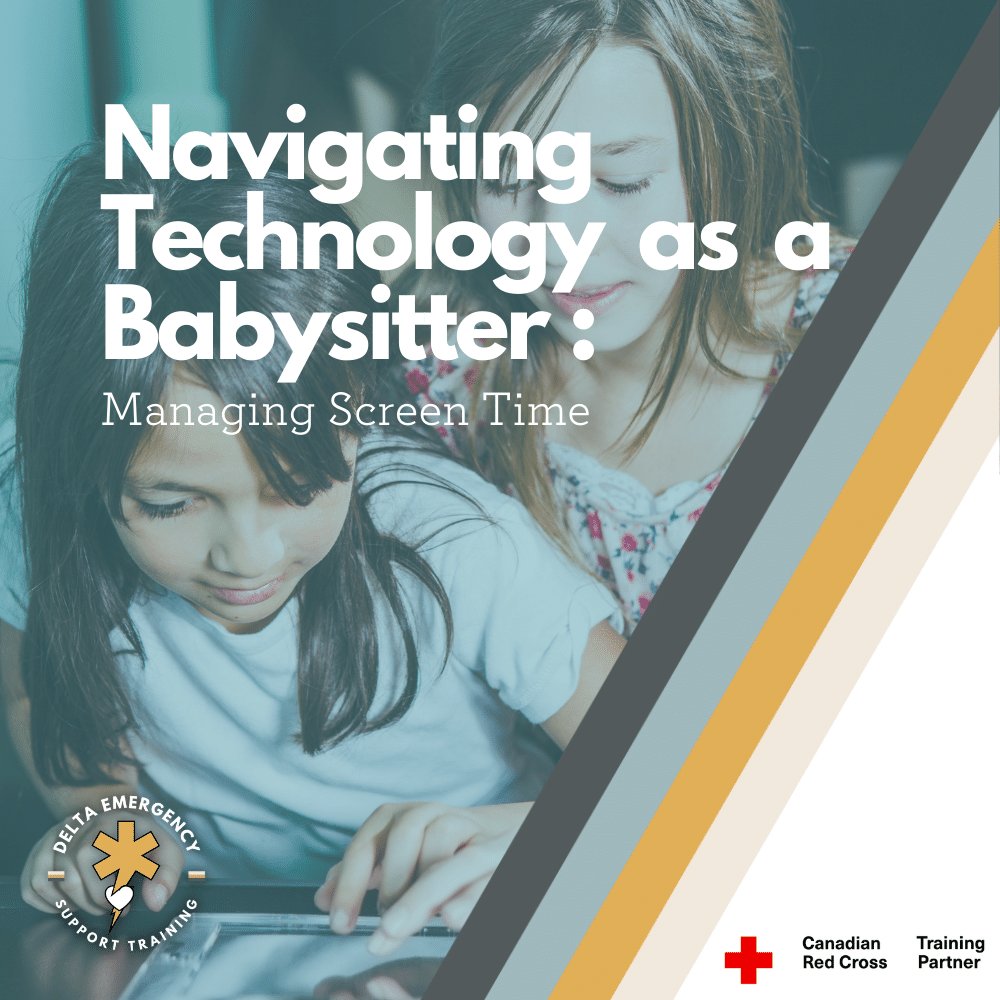
a child and babysitter using an iPad together, Both are girls. The child appears to be holding the iPad and looking at it, while the babysitter is helping her navigate the device.
Technology Today:
The world of technology is vast and ever-changing. From smartphones and tablets to smart TVs and gaming consoles, there are numerous devices and platforms that children can use to access the internet and engage with digital content. It's important to stay up to date on the latest trends and technologies, so you can help children navigate them safely and responsibly.
Acceptable Games and Screen Time:
While screen time can have its benefits, it's important to ensure that children are using technology in a safe and appropriate manner. As a babysitter, it's your responsibility to manage guidelines around technology that has been set by the parents. This can include limiting the amount of time children spend on devices, as well as choosing appropriate games and activities for them to engage with.
When it comes to acceptable games and screen time, consider the age of the child, their interests, and the appropriateness of the content. There are plenty of educational games and apps that can be used to help children learn and develop important skills. Similarly, many TV shows and movies can be both entertaining and educational, as long as they are age-appropriate and chosen carefully.
Keeping Kids Safe Online:
The internet can be a dangerous place, especially for young children who may not be aware of the risks. As a babysitter, it's important to take steps to keep kids safe while they're online. This can include using parental controls and filters to block inappropriate content, teaching children about online safety and privacy, and monitoring their online activity.
It's also important to be aware of the signs of cyberbullying, which can have serious consequences for children's mental health and well-being. Make sure that children know that they can come to you if they experience bullying or harassment online, and take steps to address the issue if it arises.
Alternatives for Screen Time:
While screen time can have its benefits, it's also important for children to engage in other types of activities that promote physical activity and socialization. As a babysitter, you can encourage children to participate in the following activities:
Arts and Crafts
- Encourage children to get creative with painting, drawing, coloring, or making crafts. You can provide them with a variety of art supplies, such as construction paper, scissors, glue, stickers, and markers, and let them create their own masterpieces.
Board Games
- Board games are a classic form of entertainment that can provide hours of fun. Some popular board games for children include Candyland, Chutes and Ladders, and Sorry!
Outdoor Play
- Get children outside for some fresh air and exercise. This can include playing catch, kicking a ball around, or going for a walk or bike ride. You can also set up an obstacle course or scavenger hunt for them to complete.
Reading
- Reading is a great way to promote literacy and language development. You can read books aloud to children, or encourage them to read on their own. Visit your local library and let children pick out their own books to read.
Pretend Play
- Pretend play allows children to use their imaginations and engage in creative role-playing. Set up a pretend kitchen, doctor's office, or grocery store and let children act out different scenarios.
Music and Dancing
- Play some music and encourage children to dance and sing along. You can also provide them with musical instruments, such as drums, tambourines, and shakers, and let them create their own band.
Puzzles
- Puzzles are a great way to improve problem-solving skills and hand-eye coordination. You can provide children with a variety of puzzles, such as jigsaw puzzles or Sudoku, and let them work on them alone or with friends.
Science Experiments
- Conduct simple science experiments with children, such as making a volcano erupt or creating a baking soda and vinegar reaction. You can find plenty of easy science experiments online.
Building and Construction
- Provide children with building blocks, Legos, or other construction toys and let them create their own structures and designs.
These are just a few examples of non-screen time activities and games that a babysitter can do with children. Remember, the key is to provide children with a variety of fun and engaging activities that promote their creativity, learning, and physical activity.
Consider setting up a schedule that includes both screen time and other types of activities, and encourage children to take breaks from devices regularly. This can help to promote a healthy balance of screen time and other activities.
Navigating screen time and technology usage can be a challenge for babysitters, but with some careful planning and preparation, you can ensure that children are using technology in a safe and appropriate manner. By setting guidelines around screen time usage, choosing appropriate games and activities, and taking steps to keep kids safe online, you can help children enjoy the benefits of technology while also promoting their overall health and well-being.
Babysitter Course
As a babysitter, it's important to prioritize screen time limits for the children you're caring for. At Delta Emergency Support Training, we understand how critical it is to establish healthy technology habits early on. We offer resources and tips to help you manage screen time effectively and keep children engaged in other activities.
In addition, we also offer babysitter courses that cover a range of important topics, including child development, safety, and communication. These courses are designed to equip you with the skills and knowledge you need to provide excellent care for children.
If you have any questions about screen time management or want to learn more about our babysitter courses and resources, please feel free to reach out to us at info@deltaemergency.com. We're here to support you and the children in your care.

