The Delta Dispatch
Online Red Cross Babysitter Course: Enroll Your Child Anywhere in Canada
Help your child build confidence and life-saving skills from anywhere in Canada. Delta Emergency Support Training delivers the Red Cross Babysitter Course live online in two sessions—covering baby care, safety, and first aid—so your young teen is ready for babysitting and emergencies alike.
Looking for a meaningful way to build your child’s confidence and independence? The Canadian Red Cross Babysitter Course, offered online through Delta Emergency Support Training , gives youth aged 11–15 the skills to care for children safely and respond to emergencies—all from the comfort of your home, anywhere in Canada.
This isn’t just a babysitting class. It’s leadership training, first aid preparation, and a solid first step toward responsibility and a first job.
Two Engaging Online Sessions
Delta delivers the official Red Cross Babysitter Course in two interactive sessions, making it easy for families across the country to fit training into their schedule.
Session 1: Caring for Babies and Young Children
Feeding, diapering, and soothing infants and toddlers
Planning fun, age-appropriate activities
Child-proofing and preventing household injuries
Professional communication with parents and setting rates
Session 2: Babysitter First Aid
Treating common injuries: cuts, burns, bumps
Choking relief techniques
When and how to call 911
Staying calm and in control during unexpected situations
Because the course is fully online and instructor-led, your child can learn live with a certified Red Cross trainer, interact with other participants, and practice key skills—no matter where you live.
Why Parents Are Signing Up Across Canada
1. Confidence and Independence
Kids finish the course ready to handle real-world responsibilities and make smart decisions when you’re not around.
2. First Aid That Lasts a Lifetime
Babysitter-level first aid is an invaluable life skill—useful at home, at school, and during sports.
3. A First Job They—and You—Can Trust
Babysitting is often a child’s first paid work. This training covers everything from professional communication to setting fair rates so they’re prepared to succeed.
4. Peace of Mind for Parents
Knowing your child is Red Cross–certified means you can confidently let them care for siblings or neighbor children—and know they’re ready for emergencies.
How to Enroll from Anywhere
Registration is simple:
Visit Delta Emergency Support Training’s website and select the Red Cross Babysitter Course (Online).
Choose your preferred dates—sessions are offered year-round.
Receive your course materials and log-in details, then let your child join the live virtual class from your home computer or tablet.
The Takeaway for Parents
The online Red Cross Babysitter Course with Delta Emergency Support Training is more than childcare instruction. It’s a Canada-wide opportunity to give your child confidence, life-saving first aid skills, and professional babysitting knowledge, all while you relax knowing they’re learning from Red Cross–certified instructors.
Whether your child wants to start earning money, help with younger siblings, or simply gain valuable safety skills, this program is a parent-approved step toward independence and responsibility.
Red Cross Babysitter's First Aid: Life-Saving Skills Every Child Should Learn
Give your child the confidence to babysit responsibly with a Babysitter’s First Aid course. As a Red Cross Training Partner, we offer nationally recognized certification that provides vital first aid skills, prepares them for emergencies, and looks great on their resume. Sign up today and ensure they are ready for whatever comes their way.
Why Babysitter's First Aid is Essential: Equip Your Child with Life-Saving Skills
As a parent, entrusting someone with the care of your child is a big decision. Whether it’s a trusted friend, family member, or a young babysitter, ensuring they are equipped with the skills to respond to emergencies is crucial. That’s why Babysitter's First Aid courses are essential. These courses don’t just provide life-saving knowledge—they build confidence and responsibility, all while teaching young people how to care for others in their most vulnerable moments.
At Delta Emergency, we are proud to be a Red Cross Training Partner, offering Babysitter’s First Aid courses designed to give your child the practical skills they need to care for babies, toddlers, and young children, and to respond to emergencies with confidence.
In this blog, we’ll explore the importance of Babysitter's First Aid training, why it’s beneficial for kids of all ages, and how it can enhance their resumes whether they want to babysit as a hobby or as a potential job.
Why Every Babysitter Needs First Aid Training
When it comes to caring for young children, accidents can happen quickly. Whether it’s a scraped knee, an allergic reaction, or a more serious situation like choking or a fall, knowing how to respond immediately can make a critical difference. A Babysitter's First Aid course is designed to give young caregivers the tools and knowledge they need to handle medical emergencies effectively and calmly.
As a Red Cross Training Partner, we provide a comprehensive, nationally recognized certification that covers essential first aid techniques such as CPR, how to respond to choking, bleeding control, and much more. With these skills, young babysitters are equipped to handle emergencies with confidence and clarity, providing peace of mind to both parents and children in their care.
Teaching Kids How to Care for Babies and Young Children
A Babysitter’s First Aid course is not just about handling emergencies—it also focuses on the everyday care that children need, especially babies and toddlers. Understanding how to properly care for younger children ensures that babysitters can provide both safety and comfort for children of all ages.
In our course, young babysitters will learn how to:
Safely feed, burp, and change diapers for babies
Soothe and comfort babies and young children
Create safe sleeping environments
Recognize and manage signs of illness or discomfort
Respond appropriately to common childhood injuries and illnesses
Along with first aid skills, they’ll gain important knowledge about the growth and development of children, ensuring that they provide responsible care that is age-appropriate and safe.
Boosting Confidence, Responsibility, and Employability
One of the biggest benefits of completing a Babysitter’s First Aid course is the confidence it instills in young caregivers. Not only will they know how to respond to emergencies, but they will also understand how to create a safe, nurturing environment for children.
Beyond the skills and confidence they gain, the Babysitter’s First Aid certification looks great on resumes. Whether your child plans to pursue babysitting as a hobby or a more regular job, this certification can help them stand out to potential employers. It demonstrates that they have the training and knowledge to handle emergency situations and care for children responsibly, making them more trustworthy and reliable.
And because this certification is issued through Red Cross, it is recognized nationwide. It’s also valid for life—meaning that it doesn’t expire, so your child can keep their certification indefinitely and use it as they continue to babysit or apply for other roles involving childcare.
Creating a Safe Environment for Children of All Ages
Babysitters are not just responsible for emergency response—they are also responsible for creating a safe environment. In addition to the practical first aid skills they learn, young babysitters will also be trained on:
Childproofing the environment: Removing choking hazards, securing dangerous objects, and creating safe spaces for play and sleep.
Emergency preparedness: Knowing how to call for help, provide first aid for injuries, and assess the seriousness of different situations.
Recognizing signs of distress: From fever to anxiety, babysitters will be taught how to spot signs that a child may need medical attention or emotional support.
By ensuring that babysitters are well-versed in first aid and child care, parents can have peace of mind knowing their children are in capable hands.
Why Now Is the Right Time to Enroll Your Child in a Babysitting Course
It’s never too early to teach your child responsibility and life-saving skills. If your child is at an age where they are ready to start babysitting, now is the perfect time to enroll them in a Babysitter’s First Aid course. Typically designed for children as young as 11 or 12, these courses offer an engaging, hands-on way to help your child learn both first aid techniques and responsible child care.
Additionally, with the skills they gain, they can start babysitting with confidence and are likely to enjoy the experience more, knowing they are prepared for whatever situation might arise. These courses also give parents peace of mind, knowing that the babysitter is equipped to handle both the day-to-day care and potential emergencies.
A Lifesaving Investment for Your Child and Others
By enrolling your child in a Babysitting First Aid course, you are investing in their safety, confidence, and future employability. This training not only gives them the tools to handle emergencies but also teaches them valuable skills for responsible childcare.
At Delta Emergency, we are committed to providing the best training experience. As a Red Cross Training Partner, we offer nationally recognized Babysitter’s First Aid courses taught by certified professionals. Whether your child is preparing for their first babysitting gig or simply wants to be ready for emergencies, our course is the perfect choice.
Sign up today and ensure your child is prepared to provide exceptional care while keeping children safe, happy, and healthy!
A Babysitter's Guide to Children's Hygiene: Brushing Teeth, Hair, and Bathing
Being a great babysitter means more than just keeping kids entertained — it also includes managing their hygiene. From brushing teeth and hair to bath time, this guide gives babysitters the tools and tips they need to ensure kids are clean, comfortable, and happy.
As a babysitter, one of your most important responsibilities is ensuring the well-being of the children in your care. While play and supervision are crucial, maintaining hygiene habits like brushing teeth, brushing hair, and bathing are equally essential. Not only does good hygiene keep kids healthy, but it also creates a positive, caring environment. Here’s a quick guide on how to tackle these hygiene tasks with ease, even if you're a first-time sitter!
Brushing Teeth: Make It Fun and Effective
Brushing teeth is a non-negotiable daily task for children, but getting kids excited about it can be a challenge. Here’s how to make the process easier and more enjoyable:
Set a Routine: Consistency is key. Set a specific time each day for brushing teeth (usually after meals or before bed), so children get used to the habit. A visual cue like a fun calendar with stickers or a special "brushing time" song can help make it a more interactive experience.
Make It Fun: Invest in colorful, kid-friendly toothbrushes and toothpaste. Many children’s toothpastes come in fun flavors like bubblegum or fruit, which makes the experience more enjoyable. Some toothbrushes even light up or play music while brushing!
Let Them Take the Lead: If the child is old enough, let them try brushing their own teeth, and then offer to help finish the job. You can gently remind them of proper brushing techniques: brushing for at least two minutes, reaching all the surfaces of the teeth, and using a soft, circular motion.
Lead by Example: If the child sees you brushing your teeth, it sets a positive example. You can even turn it into a fun “brushing competition” to see who can brush the longest or make silly faces while brushing.
Positive Reinforcement: Praise the child for brushing well. You can offer small rewards or stickers for good brushing habits, but be sure to focus on the positive reinforcement, not punishment for skipping brushing.
Brushing Hair: Tangles Don't Have to Be a Struggle
Brushing hair can be an anxiety-inducing task for some children, especially if they have long hair that tends to get tangled. Here’s how to handle it with care:
Be Gentle: Always use a wide-tooth comb or detangling brush designed for children’s hair. These tools are gentle on the hair and reduce the risk of pulling or causing discomfort.
Start with Wet Hair: If the child’s hair is especially tangled, it can be easier to detangle when it's damp. Apply a detangling spray or leave-in conditioner to make the process smoother. Always start brushing at the ends and work your way up to avoid tugging at the scalp.
Distract with a Story or Song: Make hair brushing a more pleasant experience by engaging the child with a fun story or silly song. A little distraction can go a long way in helping them relax during the process.
Avoid Forced Brushing: If the child is resistant, try to make it a game instead of a chore. For younger children, letting them brush a doll’s hair first can make them feel more comfortable. Older children may enjoy picking out their own hair accessories or deciding on a fun hairstyle.
Create a Hair Care Routine: Encourage the child to help maintain their hair regularly. When they see how much better it feels to have brushed hair, they’ll be more likely to cooperate next time. You can even use fun clips, bands, or bows to make it a creative process!
Bathing: Making It a Calming Experience
Bath time is a crucial part of hygiene and can be a soothing ritual if done right. Here's how to make bathing a calming, enjoyable experience for both you and the child:
Safety First: Always ensure the water temperature is safe before the child enters the tub. You can test the water with your wrist or elbow to ensure it’s not too hot. For infants and toddlers, always have one hand on them while they are in the tub.
Keep It Playful: If the child is reluctant, make bath time playful. Use bath toys, bubbles, or colorful bath paints to keep the child engaged. Singing songs or letting them “help” wash themselves with a toy sponge can also make them feel more involved.
Follow the Child's Lead: Some children enjoy a longer bath, while others want to finish quickly. Observe their comfort level and tailor the experience accordingly. For younger children, bathing can be a sensory experience — be mindful of how they react to the water, soap, and any scents.
Use Gentle Products: Choose hypoallergenic, gentle soaps and shampoos designed for children’s sensitive skin. This can prevent irritation and ensure that the child enjoys their bath rather than dreading it.
Rinse Carefully: When rinsing the shampoo from the child’s hair, lean them back to avoid water running into their eyes. A cup or small pitcher can be used to pour water gently on their head. Avoid splashing, as it can be unsettling for some children.
Drying and Moisturizing: After the bath, help the child dry off with a soft towel, and make sure to moisturize their skin if needed, especially if the child has dry skin. Use a gentle, fragrance-free lotion to keep their skin hydrated.
Always Ask the Parents: Understand Their Comfort Level
Before diving into any hygiene routines with the children you’re babysitting, it’s essential to check in with the parents. Every family has different preferences and comfort levels when it comes to their child’s personal care. Here’s how to make sure you’re aligned with their expectations:
Talk About Specific Routines: Ask the parents if they have a specific order for hygiene tasks (for example, do they prefer brushing teeth before or after dinner?) or any preferences for bathing, like temperature or products to use. Knowing what the parents are comfortable with will help you provide the best care for the child.
Address Special Needs or Sensitivities: Some children may have specific needs when it comes to hygiene. For example, if the child has sensitive skin, the parents may prefer using a certain brand of soap or lotion. Others may have sensory sensitivities that make certain hygiene tasks, like brushing teeth or washing hair, more challenging. It’s always good to ask in advance about any sensitivities or preferences to ensure the child feels safe and comfortable.
Consistency is Key: Children thrive on consistency. If the child is used to a particular hygiene routine or specific products (such as a favorite toothbrush or a certain bubble bath), try to stick to these preferences as much as possible. This will help make the experience feel familiar and less stressful.
Get Permission for Extra Care: Sometimes, parents may have preferences regarding certain hygiene tasks that go beyond the basics. For example, if you need to trim the child’s nails or use a specific kind of hair treatment, it’s always best to ask beforehand to avoid stepping outside of their comfort zone.
Check for Any New Restrictions or Needs: Children’s needs and routines can change, so always confirm with parents before each sitting session if there have been any new developments. Maybe the child has developed a new dislike for brushing teeth, or there’s a new routine for bathtime you should follow. Staying in touch will ensure you're providing the best care possible.
Conclusion
As a babysitter, ensuring that a child’s hygiene needs are met goes beyond just getting the tasks done — it’s about providing care that aligns with the family’s preferences and the child’s comfort. By discussing routines, preferences, and any special needs with the parents before you start, you’ll ensure that you’re meeting the child’s needs while making the experience as pleasant and stress-free as possible.
Always remember: communication is key. When you know what the parents are comfortable with and what the child enjoys or dislikes, you can approach hygiene tasks with confidence, making your time together not just effective, but also fun and enjoyable for the child.
Communication Skills for Babysitters: Building Trust and Ensuring Success
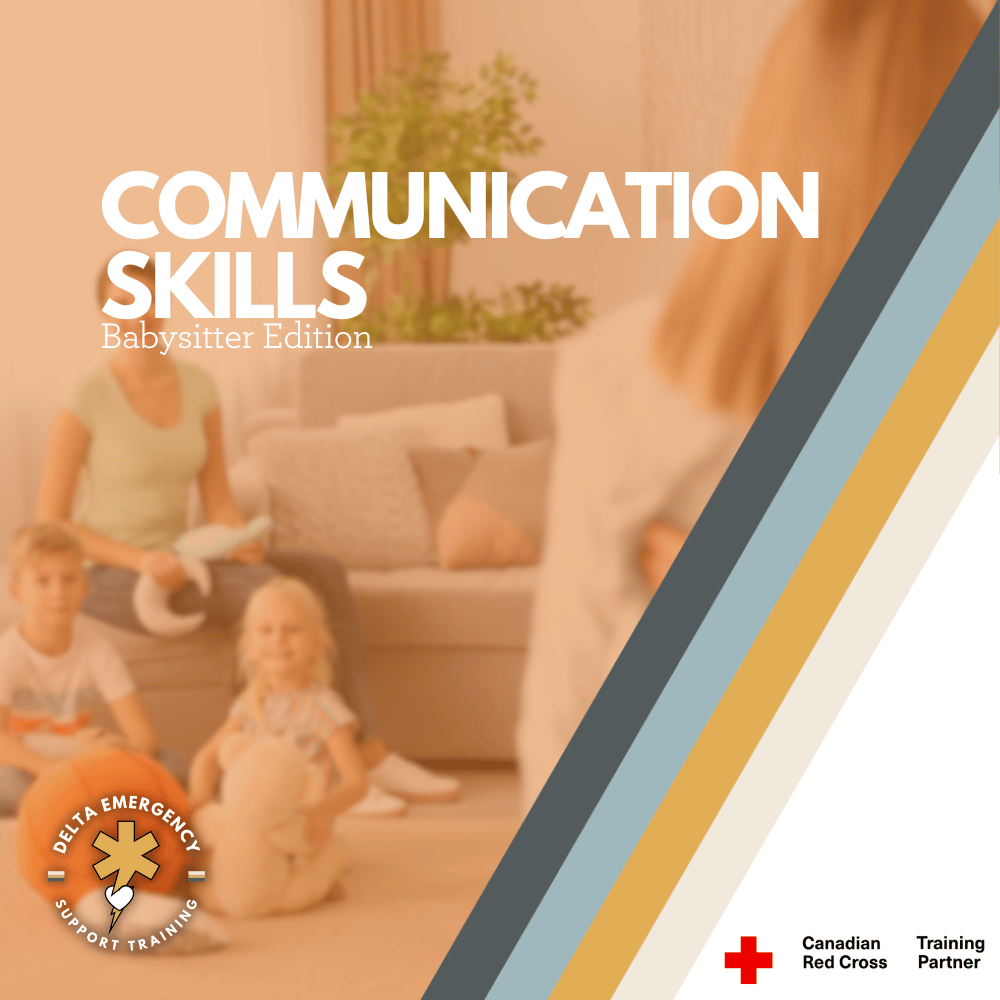
Effective communication is key to building trust with parents as a babysitter. This post covers essential skills, including managing schedules, screen time, and behavior expectations. Plus, we offer Red Cross Babysitter Courses that provide first aid training and baby care expertise taught by experienced paramedics.
Babysitter and children having a conversation with parents
As a babysitter, one of the most important aspects of your job is establishing clear, open, and respectful communication with parents. Good communication not only helps create a positive environment for the child but also ensures that the parents feel confident and comfortable with you looking after their little one. Whether you're a seasoned sitter or just starting out, developing strong communication skills with parents is key to building trust and ensuring a smooth babysitting experience.
Here are some essential communication skills every babysitter should practice:
1. Be Clear and Transparent from the Start
Before you even begin babysitting, it’s crucial to establish clear expectations with the parents. This includes discussing:
Schedule Details: When will you arrive? When will you leave? What time will the child go to bed?
Household Rules: Are there any specific rules regarding screen time, snacks, or behavior expectations?
Emergency Protocols: Where are the first aid kits? How can you contact the parents in case of an emergency?
Location Guidelines: Are there any areas or rooms in the house that are off-limits to the child? Can you take them to the park or on a walk outside?
By laying all this out in advance, you reduce the chances of any misunderstandings down the line. The more information you have, the better prepared you’ll be.
2. Discuss Daily Routines & Schedules
It’s important to ask parents about their child’s daily routines, as these can help you provide a sense of normalcy and comfort for the child. Some key things to discuss include:
Sleep Schedules: When does the child normally nap or go to bed? What bedtime routine works best for them (reading a book, playing soft music, etc.)?
Meal Times and Snacks: What is the child’s typical eating schedule? Are there any specific foods or snacks they enjoy (or dislike)? Be sure to ask about any allergies or food restrictions.
Favorite Activities: Does the child have any favorite toys, games, or hobbies you should engage in? This helps you bond with them and make the experience more enjoyable.
Having a clear understanding of these routines ensures that the child feels secure and is kept on their regular schedule, even when their parents are away.
3. Ask About Screen Time & Digital Entertainment
In today’s digital age, it’s essential to discuss the parents’ preferences for screen time. Some parents may be strict about limiting TV or tablet time, while others may allow more flexibility. Be sure to ask:
How much screen time is allowed: Is there a limit on TV shows, movies, or gaming time?
Preferred shows or apps: If screen time is allowed, are there specific shows, movies, or educational apps they prefer?
Alternatives to screen time: If parents don’t want the child to be on screens too much, what activities do they suggest instead (crafts, puzzles, outdoor play, etc.)?
Being clear on screen time rules helps prevent any misunderstandings and ensures you're following the parents’ guidelines for technology use.
4. Discuss Discipline & Behavior Expectations
Every family has different approaches to discipline, and it’s essential to know the boundaries and strategies they prefer you to use. Some parents may use positive reinforcement (praise and rewards), while others might have specific time-out routines or other methods. Be sure to ask:
Discipline methods: What do parents consider acceptable or unacceptable behavior? How should you address any misbehavior?
What to do in case of a tantrum: Does the child have specific triggers or ways they prefer to calm down? Should you let them cry it out, or do they need more comfort?
Words and phrases to avoid: Some parents may have specific words they prefer you avoid (like “no” or “don’t”), and they may use positive language instead.
Knowing how to handle discipline ensures consistency in how the child is treated, making the transition from parent to babysitter seamless.
5. Know What’s Safe and Where You Can Go
It’s important to get permission for any activities you plan on doing outside the home. Some parents may have strict rules about where their child can go or who they can be around. Discuss:
Where you can take the child: Are you allowed to take them to the park, the store, or on a walk?
Visitors or friends: Is it okay to have a friend or neighbor come over while you're babysitting?
Outdoor activities: Can you play in the yard, or are there any restrictions regarding outdoor play (e.g., no playgrounds, only in the front yard)?
Having clear guidance on this will prevent any potential issues and ensure that both you and the parents are on the same page regarding boundaries.
6. Provide Regular Updates
Parents will appreciate knowing how things are going while they’re away. Depending on the length of the sitting, consider sending short updates on how their child is doing. For example:
"Everything is going great! We just finished dinner, and now we’re reading a book before bed."
"We’re having a blast! Just wanted to let you know that your little one is settling in well for a nap."
These updates not only reassure parents but also demonstrate that you're attentive and engaged with their child’s needs.
7. Use Positive Language
Even if you encounter challenges or difficult moments during your time babysitting, try to frame them positively. For example, instead of saying, “The child refused to take a nap,” you could say, “It took a little extra time for the child to wind down, but we’re working on a quiet activity in the meantime.”
Positive communication reinforces the idea that you're focused on problem-solving and providing the best care, rather than dwelling on any negative situations.
8. End the Babysitting Session with a Summary
When the parents return, take a few minutes to provide a quick summary of how the day went. Let them know about:
What activities you did
Any challenges faced and how they were handled
Whether the child ate well, took a nap, or had any particular emotional moments
This summary not only helps the parents feel more connected to their child’s day but also opens the door for constructive feedback. It shows that you are committed to improving and learning from every experience.
9. Be Open to Feedback
Finally, one of the most important skills you can develop is the ability to receive feedback. After each sitting, ask the parents how things went and if there’s anything you could do differently. Take note of their preferences and continuously improve your approach.
For example, if a parent says they prefer you to limit screen time more strictly or follow a different bedtime routine, make sure you incorporate that feedback next time.
By following these tips and discussing everything from schedules to screen time and discipline methods, you’ll be on your way to becoming the go-to sitter for many families, fostering great relationships and providing exceptional care every time!
10. Professional Training & Certifications: Red Cross Babysitter Courses
As a babysitter, it’s not only important to communicate well with parents, but also to be prepared for any situation that may arise. That’s why it’s essential to invest in professional training to enhance your babysitting skills.
At Delta Emergency Support Training, we offer Red Cross Babysitter Courses that cover essential topics to ensure you’re ready for any emergency and capable of providing the best care for children of all ages.
Our courses include:
Caring for Babies: This portion focuses on the specific needs of infants, including safe sleep practices, diapering, feeding, and understanding baby cues. Learning how to care for newborns and toddlers with confidence is a key skill for any sitter, and our course ensures you're fully equipped to handle these delicate stages of childcare.
Babysitter’s First Aid: Accidents can happen, and being able to respond quickly and appropriately is crucial. Our Babysitter’s First Aid class teaches you the fundamentals of first aid, from basic wound care to CPR and choking emergencies. You’ll also learn how to assess injuries, manage common illnesses, and make informed decisions in critical situations.
What sets our courses apart is that they’re taught by paramedics with extensive experience in childcare emergencies. These professionals bring a wealth of real-world knowledge, ensuring that you not only learn theoretical concepts but also practical skills that could save lives. They will guide you through hands-on scenarios and provide you with the knowledge needed to remain calm and effective in high-pressure situations.
By becoming Red Cross certified, you gain parents' trust and demonstrate that you’re committed to providing top-notch care in all situations. Parents will appreciate knowing that their child is in the hands of a qualified sitter who knows how to react if the unexpected happens.
How Babysitters Can Handle Emergencies: When to Call 911 and What to Do
Emergencies can happen unexpectedly, and as a babysitter, knowing how to respond quickly is essential. One of the most important skills is knowing when to call 911. Whether it’s a child choking, having a seizure, or becoming unconscious, your quick action could save a life. It’s crucial to always know the address of the home you’re babysitting at, as this information can help emergency responders reach you faster. Remember, better to call 911 and not need them than to not call and need them—911 call-takers are there to guide you through the process and ensure help arrives as quickly as possible. Stay calm, stay prepared, and always trust your instincts when it comes to emergencies.
Emergencies can happen at any time, and when you're babysitting, it’s important to know how to respond quickly. Whether you're watching kids at home, looking after younger siblings, or taking care of someone else’s children, you have to be prepared for anything. Knowing when and how to call 911 is especially important because your quick action could save a life.
In this blog, we'll talk about common emergencies, how to stay calm, and why knowing your address and how to call 911 is so critical.
Why It’s So Important to Know How to Call 911
As a babysitter, you might be the first person to handle an emergency. If something happens—a child gets hurt, gets sick, or something else goes wrong—you might need to call 911 for help.
One of the most important things to remember when calling 911 is knowing where you are. If you can’t tell the dispatcher your address, it can delay help. That means it’s crucial to always know the address of the home where you’re babysitting, including the apartment number if applicable. Make sure you have this info handy in case you need it quickly!
When to Call 911: What Counts as an Emergency?
Some situations can be handled with basic first aid, but others are more serious and require immediate help. Here are some examples of when you need to call 911 without hesitation:
1. The Child is Unconscious or Not Responding
If the child or anyone you’re caring for becomes unresponsive, it’s a big emergency. If they’re not waking up, won’t talk, or are just unresponsive, you need to get help right away.
What to Do:
Check if the child is breathing. If they are not breathing or are gasping, call 911 immediately. If you're trained in CPR, you may be able to help the child before emergency responders arrive.
If they are breathing but still unconscious, gently lay them on their side (recovery position) and call 911 right away.
2. Serious Bleeding
If the child has a large cut or wound that won’t stop bleeding, that’s a serious emergency. You need to stop the bleeding and get help right away.
What to Do:
Apply a clean cloth or bandage to the wound and press down to stop the bleeding.
If the wound is really deep, or you can’t stop the bleeding, call 911 and keep pressure on the wound until help arrives.
3. Choking
Choking is a life-threatening emergency, especially if the child can’t breathe or speak. If you are trained in back blows and abdominal thrusts, you should perform these techniques as you were taught. If the child becomes unconscious, you should immediately call 911.
What to Do:
If you are trained in abdominal thrusts and back blows (to help expel the object blocking their airway), perform these techniques as you’ve been taught.
If the child becomes unconscious, call 911 immediately. If you are trained to save a choking person, you have a good chance of saving them.
Keep performing your life-saving techniques until the child can breathe or emergency help arrives.
4. Severe Allergic Reaction (Anaphylaxis)
Severe allergic reactions (also known as anaphylaxis) can cause swelling in the throat and make breathing difficult. Common triggers include bee stings, food allergies (like peanuts), or certain medications.
What to Do:
If the child has an epinephrine auto-injector (EpiPen), use it right away.
Then, call 911 immediately to get professional help.
5. Seizures
If the child has a seizure, especially if they’ve never had one before, you should call 911. This is important because first-time seizures can be a sign of something serious, and even if the seizure doesn’t last long, it’s better to get medical help.
What to Do:
Move objects out of the way to prevent injury.
Gently cushion their head and lay them on their side if possible.
If the child has never had a seizure before, or if it lasts more than a minute, call 911 right away.
6. Trouble Breathing or Chest Pain
If the child is having trouble breathing, or complains of chest pain, these could be signs of a serious medical condition like a heart attack or a severe asthma attack.
What to Do:
Help them sit up and stay calm.
If they have an inhaler, help them use it.
If they are still having trouble breathing or in pain, call 911 immediately.
How to Call 911: What You Need to Tell Them
When you call 911, it’s important to speak clearly and calmly. Here’s what to do:
1. Know Your Address
You must know the address where you're babysitting, including the street name, apartment number (if applicable), and any nearby landmarks. Make sure you have this info written down or memorized before the emergency happens so you can give it to 911 right away.
2. Speak Clearly
When you’re panicked, it can be hard to talk clearly. Take a deep breath, stay calm, and explain what’s going on as best as you can. Tell the dispatcher the emergency, the condition of the child, and the address where help is needed.
3. Describe the Situation
Tell the dispatcher what happened and the child’s condition. For example:
“The child is unconscious and not breathing.”
“They’re choking on food and can’t breathe.”
4. Follow the Dispatcher’s Instructions
The dispatcher might give you advice on what to do while you wait for emergency help to arrive. Listen carefully and do your best to follow their instructions.
5. Stay on the Line
Don't hang up until the dispatcher tells you it's okay. They may need more information or updates as emergency responders get closer.
When in Doubt, Call 911
If you're ever unsure whether something is an emergency, it’s always better to call 911. Better to call and not need them than to not call and need them. 911 call-takers are there to help and guide you through the situation. They won’t judge you for calling and are trained to assist you no matter what the emergency is. Trust your instincts—if you feel the child’s health or safety is at risk, don’t hesitate to call for professional help.
Conclusion: Be Prepared, Stay Calm, and Get Help
Babysitting comes with a lot of responsibility. Emergencies can happen quickly, but being prepared can make all the difference. The key is staying calm, knowing when to call 911, and having the information you need to guide emergency responders.
At Delta Emergency Support Training, we offer Red Cross Babysitting courses that cover all the important topics you need to be ready for anything. Our course is taught by paramedics and includes one session on caring for babies and another session dedicated to babysitter first aid, where you’ll learn life-saving techniques like CPR, how to handle injuries, and what to do in different emergency situations. You’ll leave our course with the skills and confidence to handle any emergency that comes your way.
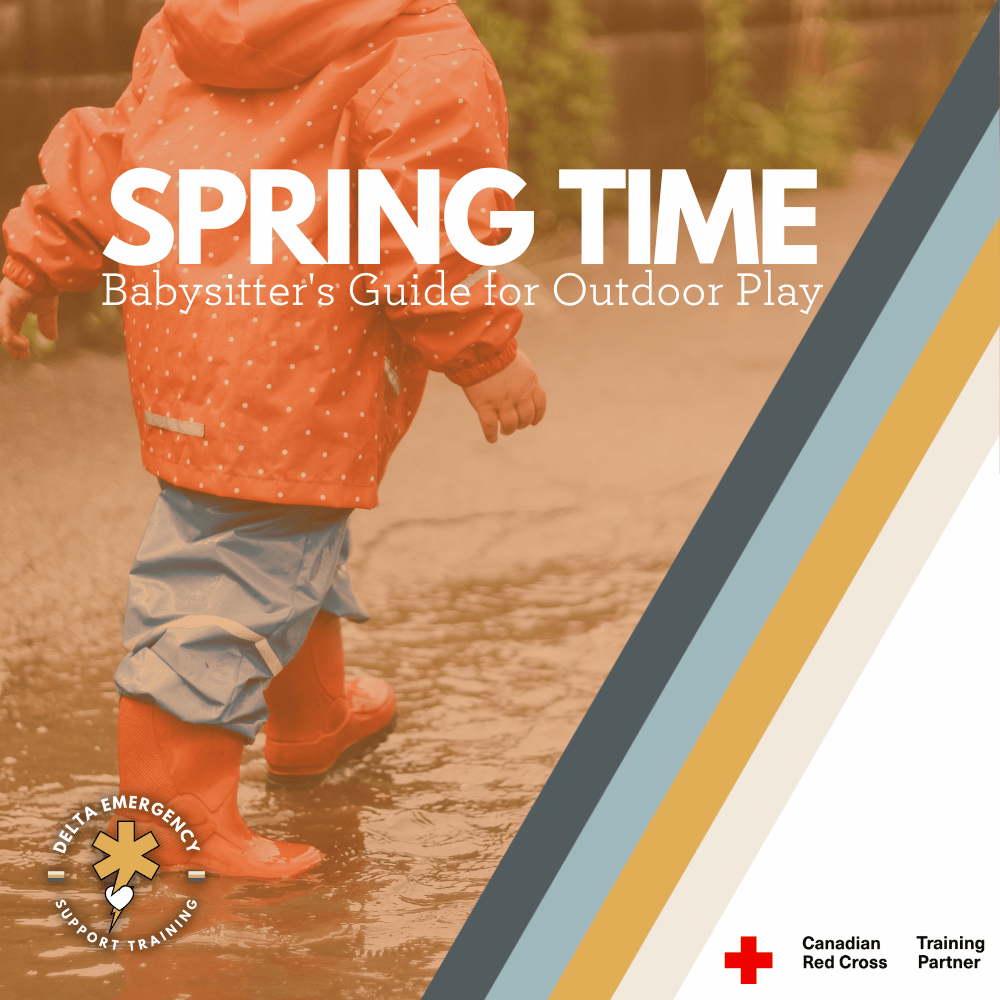
Spring Time: Babysitter's Guide for Outdoor Play
As a babysitter, navigating springtime weather can be a challenge, but with the right preparation, you can ensure that the kids you care for are ready to tackle outdoor play with confidence. From layering clothing strategically to packing essential accessories, this guide equips you with practical tips to handle any weather curveballs that spring may throw your way. Stay tuned for expert advice on empowering kids to embrace the joys of outdoor exploration while staying comfortable and safe under your watchful eye.
CHILD IN RAIN GEAR PLAYING IN PUDDLES
As a babysitter, ensuring that the children you care for are dressed appropriately for outdoor play in spring is crucial. With the weather transitioning from cold to warm, and often unpredictable, it's essential to be prepared for anything Mother Nature throws your way. Here's your go-to guide for dressing children for spring outdoor adventures while keeping them comfortable and safe.
1. Layer Strategically:
When dressing children for spring outdoor play, layering is your best friend. Start with a moisture-wicking base layer to keep them dry and comfortable. Then, add a lightweight, breathable middle layer for insulation. Finally, top it off with a waterproof and wind-resistant outer layer to shield them from rain or chilly winds. This way, if temperatures fluctuate throughout the day, layers can be added or removed accordingly to keep them comfortable.
2. Opt for Practical Fabrics:
Choose clothing made from practical fabrics like polyester blends or merino wool, which offer breathability, moisture-wicking properties, and insulation—all essential for unpredictable spring weather. Avoid heavy cotton fabrics, as they tend to absorb moisture and can leave children feeling damp and uncomfortable. Practicality is key when selecting outfits for outdoor play.
3. Essential Accessories:
Don't forget the accessories! Equip children with a waterproof jacket or raincoat, a pair of sturdy gum boots to keep their feet dry in muddy conditions, and a wide-brimmed hat to shield their faces from the sun and rain. Additionally, ensure they have sunscreen applied, even on overcast days, to protect their skin from harmful UV rays.
4. Be Prepared:
As a babysitter, always be prepared for unexpected weather changes. Pack a spare set of clothes, including socks and shoes, in case they get wet or muddy during outdoor play. Carry a lightweight, packable umbrella in your bag for unexpected showers. Being prepared ensures that you can handle any weather-related challenges that arise during your babysitting adventure.
5. Encourage Independence:
Encourage children to take an active role in dressing themselves for outdoor play. Provide them with clothing options that are easy to put on and take off, such as Velcro-fastening shoes or zip-up jackets. Teaching them to check the weather forecast and choose appropriate clothing fosters independence and responsibility.
6. Stay Flexible and Have Fun:
Remember to stay flexible and adaptable. Spring weather can be unpredictable, and despite your best efforts, children may still get wet or cold during outdoor play. Embrace the opportunity for spontaneous adventures—jumping in puddles, exploring nature, or even building a snowman if it snows unexpectedly. The key is to have fun and make lasting memories together.
In conclusion, dressing children for spring outdoor play as a babysitter requires preparation, practicality, and flexibility. By layering clothing, choosing practical fabrics, providing essential accessories, being prepared for any weather, encouraging independence, and staying flexible, you can ensure that the children you care for stay comfortable, safe, and ready for fun, no matter what spring weather brings. So, gear up, embrace the adventure, and enjoy the beauty of spring outdoors with the children in your care!
Babysitting Safety Tips: Ensuring the Well-Being of the Children in Your Care
Investing in your education as a babysitter is paramount. Delta Emergency Babysitting classes offer a comprehensive online curriculum designed to equip you with the physical skills, knowledge, and invaluable tricks of the trade needed to excel in your role. These classes, accessible across Canada, go beyond the basics, providing insights into handling emergencies, navigating challenging situations, and fostering a safe and nurturing environment for the children under your care. By enrolling in Delta Emergency Babysitting classes, you'll gain the confidence and competence necessary to handle any scenario that may arise while babysitting, ensuring the well-being and security of the children entrusted to you.
Kids hanging out having a good time
Babysitting is not just about entertaining children; it's also about keeping them safe and secure. Whether you're a seasoned babysitter or just starting out, implementing safety precautions is crucial to ensure a smooth and secure experience for both you and the children you're looking after. Here are some detailed safety tips to help you navigate your babysitting responsibilities with confidence:
1. Familiarize Yourself with the Home Environment
Before the parents or guardians leave, take a tour of the house to familiarize yourself with the layout, potential hazards, and where essential items are kept. This includes knowing where the first aid kit, emergency contact numbers, and fire extinguishers are located.
2. Emergency Contact Information
As mentioned, it's essential to have the address written on a sticky note and placed on the fridge, along with parents' or guardians' phone numbers. In case of an emergency, you'll have immediate access to this vital information without delay.
3. Communication Plan
Have either the family home line or your own cell phone handy to call anyone in case of an emergency. Additionally, keep in touch with the family to update them on activities, changes of plans, or any concerns that arise during your time babysitting.
4. Childproofing Measures
Ensure that the home environment is childproofed to prevent accidents. This includes keeping cleaning supplies, medications, sharp objects, and small choking hazards out of reach of children. Secure cabinets and drawers containing potentially dangerous items.
5. Fire Safety
Familiarize yourself with the home's fire escape plan and ensure that smoke detectors are working correctly. Teach children about fire safety, including the Stop, Drop, and Roll technique, and how to crawl under smoke if necessary.
6. Water Safety
If there's a pool or bathtub in the house, never leave children unattended near water, even for a moment. Make sure children wear appropriate flotation devices if they're swimming and know basic water safety rules.
7. First Aid Skills
It's crucial to have basic first aid knowledge, including CPR and choking rescue techniques. Take a certified first aid and CPR course to prepare yourself for any emergencies that may arise while babysitting.
8. Allergies and Medical Needs
Ask the parents or guardians about any allergies or medical conditions the children have, as well as any medications they may need. Ensure you know where medications are stored and how to administer them if necessary.
9. Stranger Danger
Teach children about stranger danger and the importance of not opening the door to anyone they don't know. Instruct them to always check with you or their parents before answering the door.
10. Safe Play
Encourage safe play by providing age-appropriate toys and activities. Supervise children closely, especially when they're engaging in physical activities or playing outdoors.
11. Safe Sleeping Environment
Ensure that infants and young children have a safe sleeping environment by placing them on their backs in a crib with no loose bedding, pillows, or stuffed animals. Follow safe sleep guidelines to reduce the risk of Sudden Infant Death Syndrome (SIDS).
12. Stay Calm and Collected
In the event of an emergency, it's essential to stay calm and collected. Assess the situation, and if necessary, call emergency services immediately. Follow any first aid procedures you've learned until help arrives.
Conclusion
In addition to these safety tips, consider enrolling in Delta Emergency Babysitting classes, which are available online across Canada. These classes provide not only physical skills but also invaluable knowledge and tricks of the trade to help you become the best babysitter you can be. By investing in your education and preparation, you'll be equipped to handle any situation with confidence and ensure the well-being of the children under your care. Remember, being a babysitter is not just about supervising playtime; it's about safeguarding precious lives and creating a secure environment where children can thrive.
Mastering the Babysitting Challenge: Navigating Challenging Behaviors with Ease
As a teenage babysitter, encountering challenging behaviors is inevitable. However, with the right strategies, you can transform any situation into a triumph. Explore expert tips and techniques to handle tantrums, disobedience, and more with confidence. Get trained with Delta Emergency Support Training for invaluable skills in childcare.
TWO YOUNG GIRLS COVERING THEIR EARS TO AVOID BABYSITTERS INSTRUCTIONS
As a teenage babysitter, embarking on the adventure of caring for children can be both rewarding and challenging. Amidst the laughter and games, you may encounter behaviors that test your patience and creativity. Fear not! With the right strategies up your sleeve, you can transform any challenging situation into a triumph. Let's dive into some practical tips and tricks to navigate the realm of challenging behaviors like a seasoned pro.
Decoding Challenging Behaviors
Picture this: You're in the midst of babysitting bliss when suddenly, chaos ensues. Understanding the nature of challenging behaviors is your first step towards mastering them.
Aggression: When tiny fists fly or high-pitched screams pierce the air, it's likely a sign of frustration or unexpressed needs. Take a deep breath and remember, you're the calm in their storm.
Disobedience: Ah, the classic battle of wills. Whether it's a defiant glare or outright refusal to comply, remember to stay firm yet empathetic. Setting clear boundaries and offering choices can work wonders.
Tantrums: Cue the tears and dramatics! Tantrums, though exasperating, are often a child's way of coping with big emotions. Stay patient, validate their feelings, and offer comfort until the storm passes.
Attention-Seeking: "Look at me, I'm here!" Children crave attention like plants crave sunlight. Redirect their energy towards positive activities and shower them with praise when they exhibit desirable behavior.
Fearfulness: From monsters under the bed to the boogeyman in the closet, fear can manifest in many forms. Create a safe space, offer reassurance, and tackle fears together with empathy and understanding.
Pro Tips for Success
Now that you've cracked the code on challenging behaviors, let's sprinkle in some pro tips to elevate your babysitting game to legendary status:
Stay Cool, Calm, and Collected: Your demeanor sets the tone for the entire babysitting experience. Embrace your inner Zen master, breathe deeply, and approach each situation with a level head.
Communication is Key: Foster open communication with both the children and their parents. Keep them informed about any challenges or triumphs during your babysitting escapades.
Flexibility is Your Superpower: Plans may go awry, and that's okay! Embrace the unpredictability of childcare with a flexible mindset and a dash of spontaneity.
Creative Problem-Solving: Channel your inner MacGyver and get creative when faced with unexpected hurdles. A little ingenuity goes a long way in the world of babysitting.
Self-Care is Non-Negotiable: Remember to prioritize your own well-being amidst the chaos of childcare. Take breaks, recharge your batteries, and indulge in a bit of self-care to maintain your sanity.
Delta Emergency Support Training: Building Future Babysitters
At Delta Emergency Support Training, we believe in equipping future babysitters with the skills and confidence to manage challenging behaviors effectively. Through our comprehensive training programs, aspiring babysitters learn invaluable techniques for handling a variety of situations, from tantrums to emergencies. With a focus on empathy, communication, and problem-solving, our training prepares babysitters to create a positive and nurturing environment for the children in their care.
Armed with these strategies and a sprinkle of magic, you're ready to conquer any challenge that comes your way. So, go forth, fearless babysitter, and may your adventures be filled with laughter, learning, and endless joy!
Baby Holding 101: Techniques for Babysitters
Calling all young adult babysitters ready for an adventure! Get ready to unlock the secrets of baby holds. We're diving into the world of the cradle hold, shoulder hold, and hip carry. These holds have unique purposes and are perfect for different age ranges, allowing you to become a true baby-holding superstar. Follow our step-by-step instructions, and you'll be confidently lifting and cradling like a pro in no time. Let's embark on this journey to enhance your babysitting skills, ensure baby's safety, and create heartwarming memories with the little adventurers in your care.
Hey there, fantastic babysitters! If you're ready to level up your babysitting game, mastering the art of holding a baby properly is a skill you can't miss out on. While their safety and comfort is our number one priority; it's also nice to forage a strong bond with these adorable little humans. In this blog post, we're diving into three fundamental baby holds: the cradle hold, shoulder hold, and hip carry. We'll explore what each hold is commonly used for, the age range they're suitable for, and give you step-by-step instructions to pick up and hold the child like a pro.
A playful scene unfolds as a babysitter girl lies on her tummy, engaging with a small baby. The baby, dressed in a green shirt, playfully reaches out and grabs onto the babysitter's hair, creating a moment filled with joy and connection.
Cradle Hold:
The cradle hold is not only a comforting and nurturing way to hold a baby but also an ideal position for bottle feeding. It's perfect for newborns and infants up to any age (as long as you can fit them in your arms).
How to pick up the child:
Stand with confidence and keep your feet shoulder-width apart.
Slip one hand under the baby's head and neck, giving support to those little muscles.
Use your other hand to lift their bottom, making sure you have a secure grip.
Bring the baby close to your chest, cradling their head in the crook of your arm.
Remember, support their head and neck throughout the the entire hold.
Shoulder Hold:
Get ready to show off your multitasking skills with the shoulder hold! It lets the baby explore the world while feeling snug and safe. This hold is perfect for infants aged newborns to six months who need to be burped and find relief from trapped air in their tummies.
How to pick up the baby
Begin by positioning one hand under the baby's head, providing gentle support to their delicate neck.
With your other hand, support the baby's bottom to ensure a stable grip.
Lift the baby up, maintaining a secure hold on their head and bottom.
Bring the baby up to your shoulder, allowing them to rest their head softly over your shoulder.
The shoulder hold is not only fantastic for exploration, but it's also an ideal position for burping the baby and helping them release any trapped air.
Babies often experience discomfort due to trapped air in their tummies after feeding. The shoulder hold is an excellent position for burping, as it allows you to gently pat or rub their back while providing support to their head and neck. Remember to prioritize the baby's comfort and safety throughout the hold. Enjoy the special moments of exploration, comfort, and successful burping with the little one in your care!
Hip Carry:
Ready to rock the hip carry? It's a versatile hold that keeps a hand free while keeping the baby close. Ideal for children who are six months and older who have good head control. This carry is great for curious children who want to explore with us.
How to pick up the child:
Choose your favorite side and face the baby towards you.
Pick them up from under their armpits and place them one your hip.
The child will wrap there legs around you hanging off to the side while straddling your body.
Keep a firm grip on the baby while supporting their back with one hand like a pro.
General Tips for All Holds:
Remember, safety comes first! Support their head and neck throughout the process to avoid any strain or discomfort.
Stay calm and gentle, creating a soothing environment for the little one.
Mind your own posture and body mechanics to prevent any discomfort or tiredness.
Neck Support
Supporting a small baby’s neck is crucial for their safety and overall well-being. Let's talk about why it's a big deal:
Delicate Neck Muscles:
Newborns and young infants have neck muscles that are still getting stronger. Their little, but heavy heads need some extra support to stay steady. By lending a hand (or two), you help keep their heads from wobbling around and make those muscles feel cozy and comfy.
Protecting the Spinal Cord:
The neck is where the upper part of the spinal cord hangs out. It's like the body's information highway! Since our little buddies are still growing, it's crucial to handle their necks with care to protect their developing spinal cords. Think of it as providing a shield to keep their precious cords safe.
Preventing Injuries:
Insufficient neck support could lead to not-so-fun situations, like whiplash. It's an uncomfortable neck injury nobody wants, especially our little pals. Their neck muscles are still building strength, so let's be their friendly support system to avoid any sudden twists and turns.
Comfort and Security:
When we provide proper neck support, we create a cozy and secure space for our little ones. It's like giving them a warm embrace, letting them know they're in good hands. Feeling safe and snug means they'll be all smiles and giggles, and we'll have a fantastic time together!
Babysitter Training
Remember, my incredible caregivers, taking care of these little ones is a mix of gentleness and support. Lets take everything we have learned so far and have some fun, and make every moment with these little adventurers a memorable one!
Embark on a remarkable journey of learning by enrolling in the Delta Emergency Support Training Babysitter Course! Join our expert instructors through an engaging online program that equips you with essential skills, including how to properly hold and care for babies. Discover the art of nurturing and create a safe environment for the little ones in your care. Enroll today and unlock the knowledge and confidence you need to become a skilled and trusted babysitter!
If you're interested in learning more about our babysitter childcare course and how it can help you provide excellent care for children, please don't hesitate to reach out to us at info@deltaemergency.com
Creating the Ultimate Babysitter Kit: A Guide for Caregivers
As a babysitter, it's important to be prepared for any situation that may arise while caring for children. One of the best ways to ensure that you're always ready is by having a well-stocked babysitter kit. In this post, we'll discuss the essential items that should be included in your kit, including first aid supplies, games and arts and crafts, emergency contacts, and a change of clothes.
Babysitter Kits: What They Are, Why You Need One, and What They Include
As a babysitter, you are responsible for the safety and well-being of the children in your care. In order to be fully prepared for any situation, it's important to have a well-stocked babysitter kit on hand. In this blog, we will discuss what a babysitter kit is, why you need one, and what it should include.
a collection of children's supplies for babysitting.
What is a Babysitter Kit?
A babysitter kit is a collection of essential items that can help you manage unexpected situations when caring for children. These kits can be assembled by parents or guardians, or purchased pre-made from a variety of retailers.
Why Do You Need a Babysitter Kit?
Having a babysitter kit on hand can help you be prepared for any situation that may arise when caring for children. It can help you provide quick and effective first aid for minor injuries, as well as provide comfort and entertainment for children during unexpected situations.
What Should a Babysitter Kit Include?
A well-stocked babysitter kit should include the following items:
Simple First Aid Supplies:
As a babysitter, you're responsible for the safety and well-being of the children in your care. While you hope that no injuries or illnesses occur, accidents do happen. That's why it's important to be prepared with basic first aid supplies, such as band-aids, gauze, adhesive tape, and antiseptic wipes or spray.
Band-aids are useful for covering small cuts, scrapes, or blisters. They can help keep wounds clean and protected from dirt and bacteria. Gauze and adhesive tape can be used to cover larger wounds or secure dressings in place. These items can help prevent further injury and promote healing.
Antiseptic wipes or spray can be used to clean wounds and prevent infection. They are especially useful for cuts and scrapes that are prone to infection. Keeping these items in your babysitter kit can help you quickly respond to minor injuries and help prevent them from becoming more serious.
Games and Arts and Crafts:
Babysitting can be a challenging job, especially if you're caring for young children who may have short attention spans or get easily bored. That's why it's important to have a variety of age-appropriate games, coloring books, and craft supplies in your babysitter kit. These items can help keep children engaged and occupied, making your job as a babysitter much easier and more enjoyable.
Games are a great way to keep children entertained and active. Depending on the age of the children you're caring for, you can include board games, card games, or even outdoor games in your babysitter kit. These games can help children burn off excess energy, develop social skills, and keep their minds active.
Arts and crafts are another great option to include in your babysitter kit. Coloring books, construction paper, markers, and crayons can help children unleash their creativity and develop their fine motor skills. You can also include materials for simple craft projects, such as pipe cleaners, glue, and scissors. These can be used to create a variety of fun and engaging projects, from paper airplanes to finger puppets.
Emergency Contacts:
It's important to have a list of emergency contacts readily available. This list should include contact information for the children's parents or guardians, as well as any healthcare providers and emergency services.
The parents or guardians of the children you're caring for are the first people you should contact in case of an emergency. They will want to know if their child is hurt or sick, and will be able to provide important information about their child's medical history or any specific care instructions. Having the parents or guardians' contact information readily available can help you quickly get in touch with them.
In addition to the parents or guardians, it's important to have contact information for the children's healthcare providers. This includes their pediatrician or any specialists they see on a regular basis. If a child has a medical emergency or needs medical attention, their healthcare provider can provide important information about their condition and any necessary treatments.
Change of Clothes:
Babies and young children are prone to accidents, such as spitting up, spills, or having diaper blowouts. As a babysitter, it's important to be prepared for these situations. By bringing a change of clothes with you, you can quickly change into fresh clothing if you get soiled, which can help you feel more comfortable and prepared to continue caring for the child.
In addition to accidents that may happen to the child, there's also the likelihood of getting dirty yourself when making food and playing outside with the kids. Food can easily splatter or spill, and playing outside can lead to grass stains or mud. Having a change of clothes can help you feel more comfortable and prepared to continue caring for the child, without worrying about being dirty or uncomfortable.
Not having a change of clothes can be especially problematic if you're caring for a child for an extended period of time, such as an overnight babysitting gig.
Other Essentials:
Extra diapers and wipes are essential items to include in your babysitter kit, especially if you're caring for a baby or toddler who is not yet potty trained. Accidents happen, and having a sufficient supply of diapers and wipes on hand can help you quickly clean up any messes and prevent any discomfort or irritation for the child.
A flashlight is another important item to include in your babysitter kit, especially if you'll be caring for children at night. If the power goes out or there's an emergency, having a flashlight can help you navigate the home and keep the children calm and reassured. It's also a good idea to have extra batteries on hand, in case the flashlight runs out of power.
A phone charger is also an important item to include in your babysitter kit, as it can help ensure that your phone stays charged in case of an emergency. If you need to call 911 or contact the children's parents or guardians, having a charged phone is essential.
Overall, including extra diapers and wipes, a flashlight, and a phone charger in your babysitter kit is an important way to ensure that you're prepared for any situation that may arise while caring for children.
Comprehensive babysitter childcare course
By being prepared, you can provide top-notch care and attention to the child, which can help make the experience more enjoyable for both you and the child. As a babysitter, it's important to be prepared for any situation that may arise while caring for children. That's why we offer a comprehensive babysitter childcare course that covers topics such as child development, safety, and communication, as well as the essentials of assembling a babysitter kit. Our course includes information on what to include in your kit, how to use the items effectively, and how to respond in case of an emergency. With this training, you'll be equipped to provide top-notch care for the children in your charge and have peace of mind knowing that you're prepared for any situation. If you're interested in learning more about our babysitter childcare course and how it can help you provide excellent care for children, please don't hesitate to reach out to us at info@deltaemergency.com.

