The Delta Dispatch

Basic Life Support Training Series: Part 1

In part 1 of our BLS training series, we'll cover the essentials: scene survey, ABC check, CPR, and AED usage. Here's a quick overview:

  • Scene Survey: Assess the emergency scene for safety and determine the nature of the situation.

  • ABC Check: Evaluate the victim's Airway, Breathing, and Circulation. Ensure the airway is clear, check for normal breathing, and assess signs of circulation.

  • CPR: Perform chest compressions and rescue breaths to maintain blood flow and oxygenation. Proper technique is vital for effective compressions and oxygen delivery.

  • AED Usage: Learn to use an AED, a device that analyzes heart rhythm and delivers shocks if needed. Follow clear instructions and visual prompts for proper AED application.

By mastering these skills, you'll be better prepared to respond confidently during emergencies. Remember to practice regularly and stay updated on BLS guidelines for optimal readiness.

Note: BLS training equips you with life-saving techniques. Obtain proper certification and training for comprehensive proficiency.
Basic Life Support (BLS) training encompasses a wide range of essential skills, and there's so much to cover! In this multi-part series, we'll explore the extensive world of BLS in-depth. Part 1 includes scene assessment, ABC check as well as CPR + AED use.

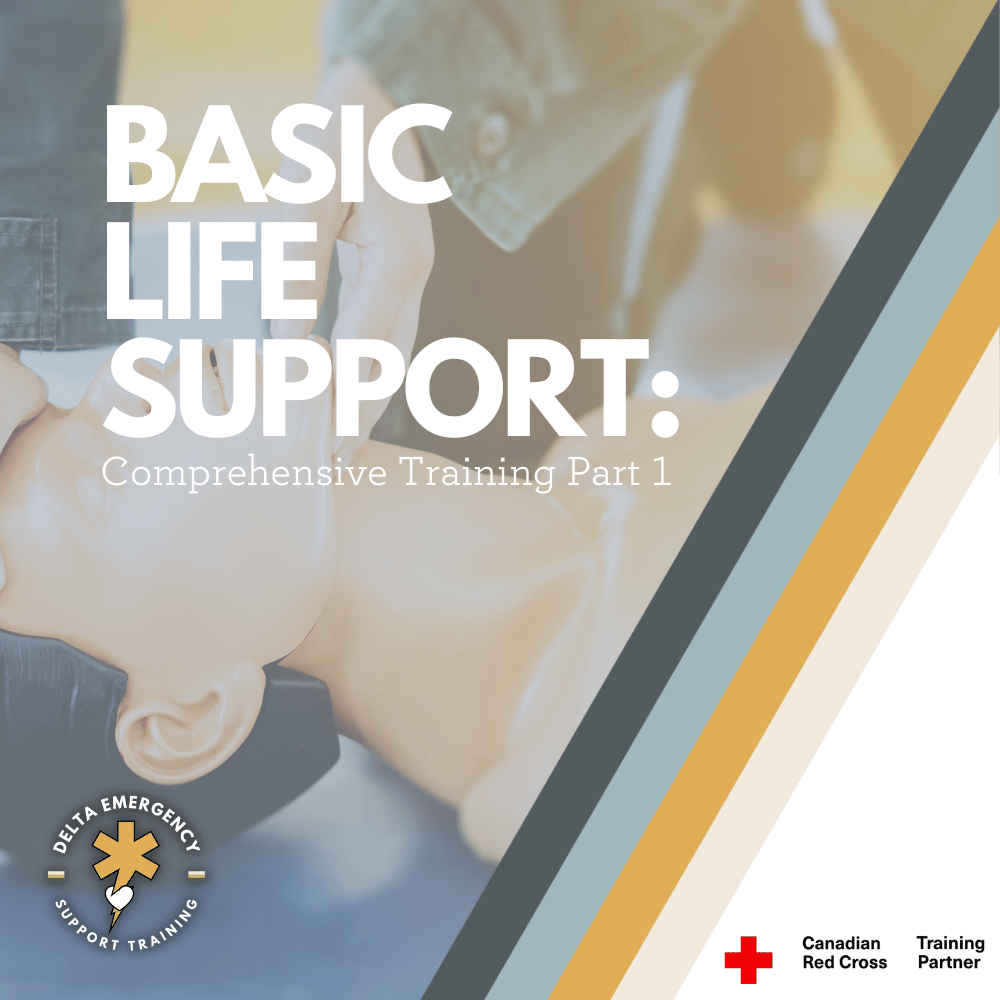
A student is practicing their Basic Life Support (BLS) skills on a mannequin. The student is performing the head tilt-chin lift maneuver to secure the airway. They are carefully holding the mannequin's head and gently tilting it back while lifting the chin upward.

In critical situations where every second counts, having the knowledge and skills of Basic Life Support (BLS) can make all the difference. Whether you're a nurse, dental hygienist, or anyone involved in healthcare or emergency response, mastering BLS is essential.

What is Basic Life Support (BLS)?

BLS (Basic Life Support) encompasses a comprehensive set of life-saving techniques and interventions performed on individuals facing various medical emergencies. These emergencies can range from airway obstructions and respiratory distress to cardiac arrest and more. The goal of BLS is to provide immediate recognition of emergency situations, administer primary assessment, perform CPR, utilize automated external defibrillators (AEDs), manage airway obstructions, provide assisted ventilation, and consider special circumstances that may require tailored approaches.

When it comes to BLS, quick recognition of emergency situations is crucial. Once the emergency is recognized, primary assessment is performed to evaluate the patient's condition, including responsiveness, breathing, and circulation. This assessment helps determine the appropriate course of action and guides subsequent interventions.

Primary Assessment

During a medical emergency, conducting a primary assessment is vital to quickly evaluate a patient's condition and determine the appropriate course of action. This assessment involves checking the patient's level of responsiveness (LOR), assessing the airway, breathing, and circulation (ABCs). Let's break down each step to ensure a thorough primary assessment.

Level of Responsiveness (LOR):

To determine the patient's level of responsiveness, start by verbally asking them if they are okay. If there is no response, gently tap the patient's shoulder and ask again. It's important to assess the patient's conscious state as it helps gauge the severity of the situation.

Airway:

If the patient is unconscious or unresponsive, assessing and securing the airway becomes crucial. The goal is to ensure that the airway is open and unobstructed. For an unconscious patient without suspected spinal injury, utilize the head tilt chin lift technique. Place one hand on the patient's forehead, gently tilt their head back, and lift the chin upward. This helps maintain an open airway by lifting the tongue away from the back of the throat.

However, if there is a possibility of a spinal injury, such as from a traumatic incident, use the jaw thrust technique instead. Place both hands on either side of the patient's jaw and lift it forward, while keeping the neck in a neutral position. This technique ensures the airway is protected while minimizing movement of the cervical spine.

Breathing and Circulation:

Once the airway is secured, it's crucial to assess breathing and circulation simultaneously. Spend about ten seconds observing the patient's chest rise and fall while listening and feeling for breath. Look for signs of normal breathing, such as chest rise and fall, and listen for any abnormal sounds like gasping or gurgling.

While assessing breathing, also check for the carotid pulse. Place your index and middle fingers on the patient's neck, alongside the windpipe, and feel for the pulse. Assessing circulation in conjunction with breathing helps determine if the patient's heart is pumping effectively.

CPR + AED

BLS (Basic Life Support) training goes hand in hand with comprehensive CPR (Cardiopulmonary Resuscitation) techniques, including the use of an AED (Automated External Defibrillator). Let's explore this essential aspect of BLS training in more detail.

CPR (Cardiopulmonary Resuscitation):

CPR is a crucial component of BLS, focusing on maintaining blood circulation and oxygenation when the heart has stopped or is not functioning properly. BLS training provides in-depth instruction on performing CPR effectively, including the following steps:

Chest Compressions:

BLS teaches the correct technique for performing chest compressions. This involves placing the heel of one hand on the center of the victim's chest (lower half of the sternum), stacking the other hand on top, interlocking the fingers, and keeping the arms straight. BLS emphasizes the importance of delivering compressions at the proper depth, typically about 2 inches for adults, with a rate of around 100-120 compressions per minute.

Rescue Breaths:

BLS training also covers rescue breaths, which involve delivering breaths into the victim's airway to supply oxygen. The ratio of chest compressions to rescue breaths may vary depending on the age group being treated. For adults, the ratio is typically 30 compressions to 2 breaths.

Chest Recoil:

BLS emphasizes the significance of allowing for complete chest recoil between compressions. This allows the heart to refill with blood before the next compression, improving the effectiveness of CPR.

AED (Automated External Defibrillator) Usage:

BLS training includes instruction on the proper use of an AED, a portable device that can analyze the heart's rhythm and deliver electrical shocks if necessary. Here's how AED usage is typically incorporated into BLS training:

  1. AED Placement: BLS teaches the importance of quickly accessing an AED and placing it near the victim. AEDs are typically equipped with easy-to-follow visual and auditory prompts to guide the user through the process.

  2. Electrode Pad Placement: BLS training covers the correct placement of the AED electrode pads on the victim's bare chest. One pad is usually placed on the upper right chest, just below the collarbone, while the other pad is positioned on the lower left side of the chest.

  3. Analysis and Shock Delivery: The AED will analyze the victim's heart rhythm and prompt the user to stand clear while it delivers an electric shock if it detects a shockable rhythm such as ventricular fibrillation or ventricular tachycardia.

  4. CPR Integration: BLS emphasizes the integration of CPR with AED usage. After each shock, it is essential to immediately resume CPR, beginning with chest compressions, as directed by the AED.

Congratulations on completing Part 1 of our comprehensive BLS training series! By exploring the foundational elements of scene survey, ABC check, CPR and AED usage, you've taken significant steps towards becoming a skilled responder in life-threatening situations. But don't worry, our BLS journey is far from over!

Stay tuned for Part 2, where we'll delve into life-saving interventions for airway obstruction, airway management, assisted ventilations, and oxygen therapy. These critical techniques will equip you with the knowledge and skills to tackle a broader range of medical emergencies confidently.

BLS Training and Certification

To take your BLS training to the next level, consider enrolling in our Delta Emergency Support Training BLS course. Our experienced instructors will guide you through hands-on training, ensuring you gain the confidence and expertise needed to make a positive impact in emergency situations. Whether you're a healthcare professional, dental hygienist, or anyone seeking to enhance their emergency response skills, our courses are tailored to meet your needs.

Don't delay in becoming a certified BLS practitioner with Delta Emergency Support Training. Reach out to us today at info@deltaemergency.com to learn more about our courses and take the first step towards becoming a capable and confident lifesaver.

Read More

Becoming a Firefighter: Advanced First Aid with Delta

As a firefighter, you will be called upon to respond to a variety of emergency situations, ranging from minor injuries to life-threatening illnesses. That's why AFA training is so important for firefighters - it equips them with the skills and knowledge they need to handle these emergencies effectively and provide the best possible care to patients. AFA training covers a wide range of topics, including scene safety, basic life support, airway management, breathing management, in-depth CPR training, thorough body survey, packaging patients onto spine boards, dealing with life-threatening injuries, taking vitals, administering life-saving medications, and running calls from start to finish.
Becoming a firefighter is a career path that is both challenging and rewarding. It requires a unique set of skills and qualifications to effectively protect the public and their property from the dangers of fire, natural disasters, and other emergencies. One of the essential prerequisites for Calgary Fire Department or Edmonton Fire Rescue Services, is having advanced first aid (AFA) training.

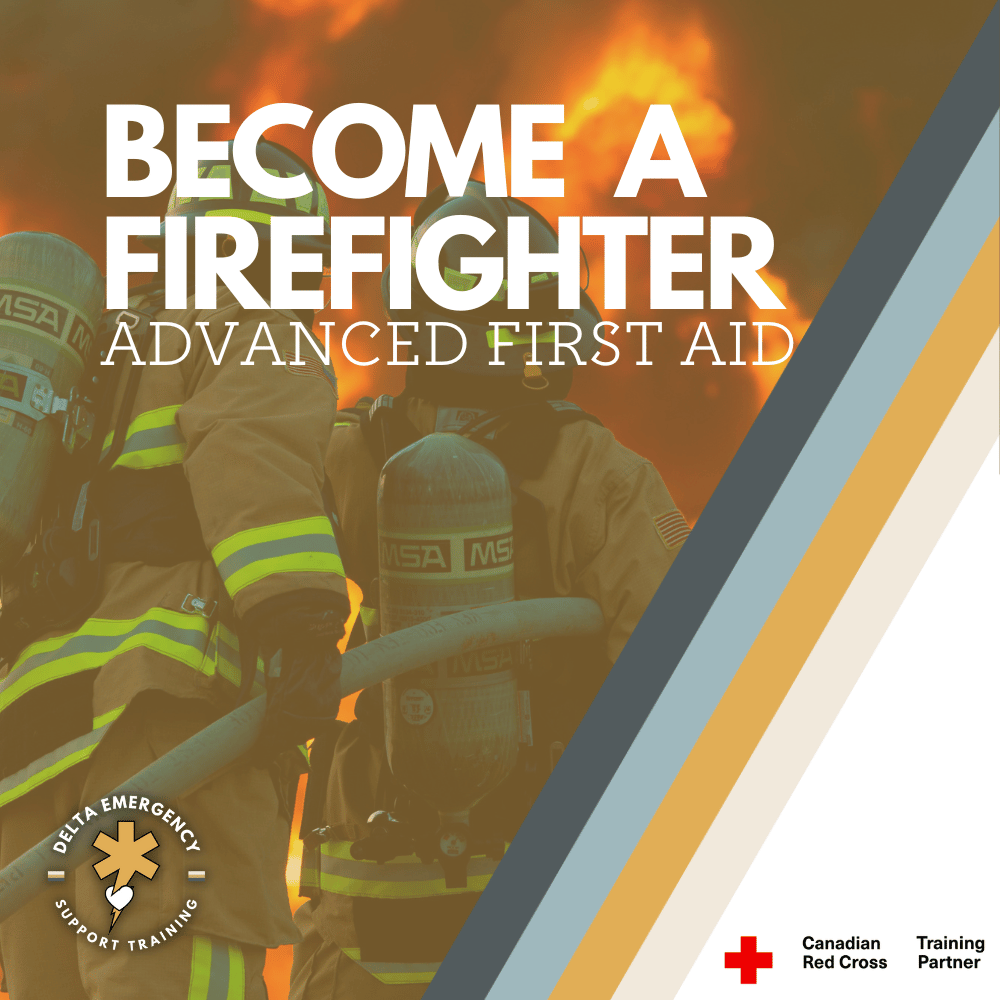
Two firefighters certified in aAdvanced First Aid battling a blaze.

Two firefighters with advanced first aid training, in full gear fighting a fire, with their backs turned to the camera.

AFA training equips firefighters with the skills and knowledge they need to handle these emergencies effectively and provide the best possible care to patients. As a firefighter, you may be required to perform advanced procedures such as administering medication, bagging patients, and providing advanced airway management. AFA training provides firefighters with the advanced skills and knowledge necessary to perform these procedures safely and effectively, ensuring the best possible outcomes for patients.

In this blog, we'll take a closer look at AFA training and why it's a must for firefighters. We'll explore what AFA training is, why it's important for firefighters to have, and how to obtain this training.

If you're considering a career as a firefighter or are already working in this field, read on to learn more about how AFA training can make you a better responder in medical emergencies.

Scene Safety

The first step in any emergency situation is to ensure scene safety. As part of AFA training, firefighters learn how to assess a scene for potential hazards and risks, ensuring that they can safely and effectively provide care to patients. Using Delta’s acronyms to assist in efficient learning.

C-Spine

AFA students will learn about C-spine and Spinal Motion Restriction (SMR). What mechanisms of injury indicates the use of SMR, how to apply a cervical collar as well as packaging a patient with a suspected spinal injury.

Basic Life Support

Basic life support (BLS) is a critical component of AFA training. Firefighters learn how to perform cardiopulmonary resuscitation (CPR) and use automated external defibrillators (AEDs) to help patients in cardiac arrest. Within the completion of AFA, students will receive a BLS certificate.

Airway Management

Maintaining a patient's airway is essential in emergency situations. AFA training covers a range of airway management techniques, including using oropharyngeal and nasopharyngeal airways, as well as different manual airway management maneuvers.

Breathing Management

In addition to airway management, AFA training covers breathing management techniques. Firefighters learn how to use nasal cannulas, non-rebreather masks and bag-valve-masks as well as how to correlate each apparatus to the oxygen tank while regulating flow rate.

In-Depth CPR Training

CPR is a critical life-saving skill that all firefighters must be proficient in. AFA training covers CPR in-depth, including chest compressions, rescue breathing, and AED use.

Rapid Body Survey

As part of AFA training, firefighters learn how to conduct a thorough rapid body survey, which checks for injuries that require immediate attention. This includes checking and treating for life-threatening injuries such as bleeding, flail chest, and broken pelvis.

Vital Signs

AFA training covers how to take vital signs, including manual blood pressure, heart rate, respiratory rate, pupils, blood glucose, Glasgow Coma Scale, skin and temperature. Firefighters learn what the normal and abnormal ranges are and how to interpret vital sign readings to assess a patient's condition.

Life-Saving Medications

Firefighters may need to administer life-saving medications in emergency situations. AFA training covers how to administer medications such as naloxone, aspirin, and epinephrine, as well as how to assist with administering other medications as needed.

Patient Packaging

Packaging a patient for transport is a critical part of providing advanced first aid. AFA training covers how to package a patient onto a spine board or scoop.

Running a Call

AFA training also covers how to run a call as the primary responder from start to finish. This includes assessing the scene, providing care to patients, communicating with and delegating other responders and medical personnel.

Read More

Maximize Your Babysitting Skills with the BEST: Babysitter Essential Support Training for Super Sitters

Sure! Here's an excerpt for "Maximize Your Babysitting Skills with the BEST: Babysitter Essential Support Training for Super Sitters":

As a babysitter, it's important to have the skills and knowledge necessary to provide safe and effective care for children. That's where the BEST program comes in. The Babysitter Essential Support Training (BEST) is a comprehensive training program designed to help sitters maximize their babysitting skills.

The BEST program covers a wide range of topics, including child development, safety, first aid and CPR, discipline, and communication. With the BEST program, you'll learn how to identify and respond to common childhood emergencies, such as choking and allergic reactions. You'll also learn how to manage challenging behavior and communicate effectively with parents.

In addition to the comprehensive training curriculum, the BEST program also provides ongoing support and resources for sitters. This includes access to a community of fellow sitters, as well as tools and resources to help you succeed in your babysitting career.

By completing the BEST program, you'll have the knowledge and confidence to provide exceptional care for children, while also setting yourself apart as a professional and reliable babysitter. So why wait? Enroll in the BEST program today and start maximizing your babysitting skills!
Delta Emergency Support Training’s BEST Babysitter’s Key Concepts:

BEST Babysitter

B - Babysitting Basics

E - Essential Skills

S - Safety Training

T - Tips and Techniques

In this context, Babysitter Essential Support Training, or "BEST" represents the core elements of the course, focusing on fundamental babysitting knowledge and skills, essential safety training, and practical tips and techniques for successful babysitting. This acronym could be used as a catchy and memorable way to promote the course and highlight its key features.

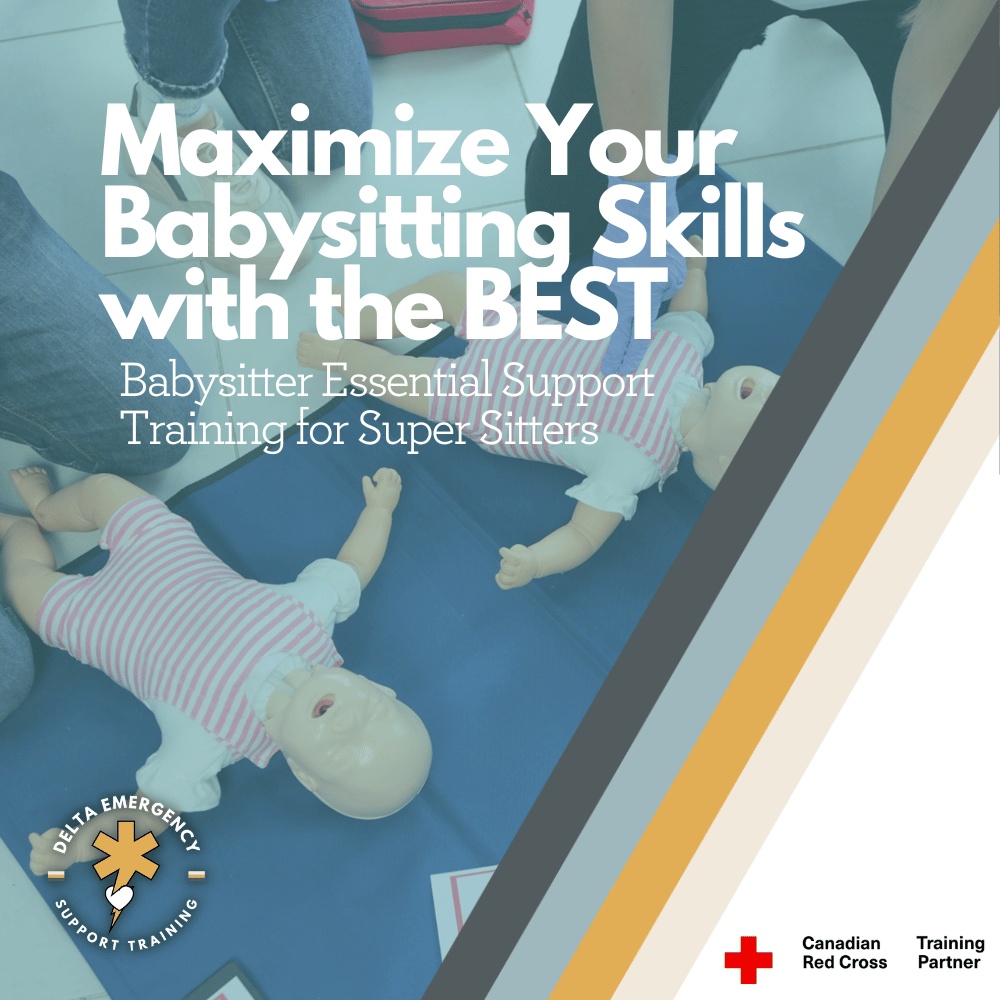
a group of babysitters-in-training gathered around infant dolls on the ground.

The Basics of Babysitting

Welcome to the world of babysitting! Being a babysitter can be a fun and rewarding job where you get to care for and entertain children while their parents are away. However, it also comes with a great deal of responsibility. In this chapter, we'll cover the basics of babysitting, including important skills, safety guidelines, and essential information for being a responsible babysitter.

1.1 The Role of a Babysitter

As a babysitter, your main role is to ensure the safety and well-being of the children in your care. You are responsible for supervising them, providing meals, helping with homework or other activities, and entertaining them. It's important to be attentive, patient, and nurturing to create a positive and enjoyable experience for the children you're looking after.

1.2 Basic Skills for Babysitters

There are several skills that are essential for babysitters to possess. These skills include:

1.2.1 Communication Skills:

As a babysitter, you need to be able to communicate effectively with both the children and their parents. You should be able to listen attentively to the children, understand their needs, and respond appropriately. Additionally, you should be able to communicate clearly with parents about any concerns or updates regarding the children's care.

1.2.2 Problem-Solving Skills:

Babysitting often involves handling unexpected situations, such as a child getting sick or having an emotional meltdown. Being able to think quickly and calmly in these situations and come up with appropriate solutions is crucial.

1.2.3 First Aid and CPR:

Knowing basic first aid and CPR (Cardiopulmonary Resuscitation) is extremely important as a babysitter. You should be able to respond to minor injuries or emergencies and provide appropriate care until professional help arrives.

1.2.4 Time Management Skills:

Babysitting often involves managing multiple tasks simultaneously, such as preparing meals, supervising playtime, and helping with homework. Good time management skills are necessary to ensure that all responsibilities are fulfilled efficiently.

1.2.5 Childcare Experience:

While it's not always a requirement, having previous experience in childcare, such as volunteering at a daycare or babysitting for family and friends, can be helpful in gaining confidence and understanding children's needs.

1.3 Safety Guidelines for Babysitters

Safety should be the top priority for any babysitter. Here are some important safety guidelines to follow:

1.3.1 Childproofing:

Make sure the environment is safe for the children by removing any potential hazards, such as sharp objects, choking hazards, and poisonous substances. Ensure that outlets are covered, cabinets with dangerous items are locked, and that there are no loose cords or wires that could pose a danger.

1.3.2 Emergency Preparedness:

Familiarize yourself with the location of fire extinguishers, first aid kits, and emergency phone numbers. Have a plan in place for emergencies, such as fires, natural disasters, or medical emergencies, and know how to evacuate the home safely.

1.3.3 Stranger Danger:

Teach the children about stranger danger and emphasize the importance of not opening the door to anyone they do not know. Instruct them to never give out personal information or accept gifts from strangers.

1.3.4 Safe Play:

Make sure the children are engaged in age-appropriate activities and supervise them closely during playtime, especially when playing outdoors or near water. Always follow the parents' guidelines regarding screen time, internet usage, and other safety concerns.

1.3.5 Transportation Safety:

If you need to transport the children, always ensure that they are secured in appropriate car seats or seat belts, depending on their age and size. Follow all traffic laws and never leave children unattended

1.1 The Role of a Babysitter

As a babysitter, your role goes beyond just supervising children. You are also responsible for providing emotional support, fostering a safe and nurturing environment, and being a positive role model. Here are some key aspects of the role of a babysitter:

1.1.1 Caregiver:

Your primary responsibility is to care for the well-being of the children in your charge. This includes ensuring their physical needs are met, such as providing meals, helping with hygiene tasks like bathing and changing diapers, and making sure they get enough rest.

1.1.2 Playmate:

Babysitting is not just about keeping children safe; it's also about having fun! Engaging in age-appropriate playtime activities, such as reading, playing games, and doing crafts, can help foster their development and create memorable experiences.

1.1.3 Educator:

Babysitters can also assist with homework or engage in educational activities, such as helping with reading, practicing math skills, or providing guidance on projects. Encouraging a love for learning and supporting their educational goals can be an important aspect of your role.

1.1.4 Mediator:

Children may sometimes have conflicts or disagreements. As a babysitter, you may need to step in and help resolve disputes in a fair and impartial manner. Teaching conflict resolution skills, promoting kindness and empathy, and setting clear boundaries can help establish a peaceful environment.

1.1.5 Communicator:

Effective communication is crucial in babysitting. You need to be able to clearly communicate with the children, understand their needs and emotions, and respond in a compassionate and respectful manner. You also need to communicate with the parents, providing updates on the children's well-being and any issues that may arise.

1.1.6 Safety Advocate:

Ensuring the safety of the children is your top priority. This includes supervising them at all times, being vigilant for potential hazards, and taking appropriate measures to prevent accidents. You should also be knowledgeable about emergency procedures, including knowing when to seek medical attention or contact parents in case of an emergency.

As a babysitter, one of your most crucial roles is to create a safe environment for the children in your care. Safety should be a top priority at all times to prevent accidents and ensure the well-being of the children. Here are some important aspects of safety that a babysitter should be knowledgeable about:

1.1.6.1 Supervision:

It's essential to provide constant supervision to the children, especially for younger children or those with special needs. You should always keep a watchful eye on the children, actively engaging with them and being aware of their activities, to prevent any accidents or injuries.

1.1.6.2 Hazard Prevention:

Identifying potential hazards in the environment and taking appropriate measures to prevent them is crucial. This includes ensuring that sharp objects, toxic substances, and small objects that pose a choking hazard are safely stored and out of reach of children. It also involves keeping doors and windows locked, securing staircases, and ensuring that outdoor play areas are safe and well-maintained.

1.1.6.3 Emergency Preparedness:

Babysitters should be prepared for emergencies and know how to respond appropriately. This includes knowing the location of first aid supplies, fire extinguishers, and emergency contact information. Babysitters should also be trained in basic first aid and CPR, as well as knowing the appropriate steps to take in case of a medical emergency or other emergencies, such as fires, natural disasters, or intruders.

1.1.6.4 Transportation Safety:

If you need to transport the children as part of your babysitting duties, whether it's walking them to school, driving them to activities, or using public transportation, it's important to follow proper safety guidelines. This includes using age-appropriate car seats or seat belts, following traffic rules, and ensuring that the children are always supervised and accounted for during transportation.

1.1.6.5 Internet and Technology Safety:

In today's digital age, babysitters should also be mindful of internet and technology safety. This includes monitoring children's online activities, setting age-appropriate content restrictions, and educating children about safe internet use and potential risks.

1.1.6.6 Communicating with Parents:

Babysitters should establish open and clear communication with parents regarding safety protocols, emergency procedures, and any specific instructions or concerns related to the children's safety. It's important to work collaboratively with parents to ensure that the children's safety is prioritized at all times.

By prioritizing safety and being vigilant in identifying and addressing potential hazards, a babysitter can create a secure environment for the children in their care. Remember, prevention is key, and it's always better to be proactive in ensuring the safety of the children rather than reacting to an emergency situation.

Remember, as a babysitter, you are entrusted with the care and well-being of someone else's precious children. Your role goes beyond just being present; it involves building trust, creating a positive environment, and providing excellent care for the children in your charge.

BABYSITTER QUIZ!

  1. What is the primary responsibility of a babysitter?

  • A. Providing meals

  • B. Playing games

  • C. Teaching conflict resolution skills

  • D. Ensuring safety

    2. Which of the following is NOT a role of a babysitter?

  • A. Caregiver

  • B. Mediator

  • C. Cleaning the house

  • D. Educator

    3. What should a babysitter do in case of an emergency

  • A. Ignore it and continue with regular activities

  • B. Contact the parents immediately

  • C. Panic and call 911

  • D. Leave the house and go home

    4. Why is effective communication important for a babysitter?

  • A. It helps the babysitter bond with the children

  • B. It allows the babysitter to understand the children's needs and emotions

  • C. It helps in resolving conflicts among children

  • D. All of the above

    5. What should a babysitter do to ensure the safety of the children?

  • A. Supervise the children at all times

  • B. Be vigilant for potential hazards

  • C. Follow emergency procedures

  • D. All of the above

Answers:

  1. D. Ensuring safety

  2. C. Cleaning the house

  3. B. Contact the parents immediately

  4. D. All of the above

  5. D. All of the above

Note: The quiz questions and answers may vary depending on specific guidelines or requirements of the babysitting situation. It's important to always follow the parents' instructions and guidelines when babysitting.

At Delta Emergency Support Training we are happy to answer any questions you may have about Babysitter Skills and Babysitter Certification. We provide training sessions for individuals or classes. We have options for in person, hybrid or online classes for Babysitter’s, Standard First Aid (SFA), Advanced First Aid (AFA), Emergency Medical Responder (EMR), and more courses. For all inquiries please email info@deltaemergency.com

Read More
Textbooks, Clothing, First Aid Kit, Certificates, CPR Mask Jarrett Chisholm Textbooks, Clothing, First Aid Kit, Certificates, CPR Mask Jarrett Chisholm

Textbooks: The Foundation of Education

Absorb More Information. Improve Comprehension.

Readers of print books absorb and remember more of the plot than readers of e-books do, according to a study that was presented in Italy in 2014. Studies have also shown it’s less disruptive to turn a page than to scroll down on a tablet or a screen, so your concentration level is higher with text. Printed textbooks also allow…

Printed Textbooks Improve Comprehension

There are many reasons printed textbooks lead to better comprehension. One is that students read at a slower pace when reading from a printed textbook rather than an online version. Reading slowly gives the material more time to sink in.

Studies have also shown it’s less disruptive to turn a page than to scroll down on a tablet or a screen, so your concentration level is higher with text. Printed textbooks also allow for greater engagement with the material. Students can underline facts, highlight key ideas and make notes in the margin, and they can flip back and forth between pages to review material or enhance their learning. (source)

You absorb more information.

Readers of print books absorb and remember more of the plot than readers of e-books do, according to a study that was presented in Italy in 2014. In an earlier study, print readers also scored higher in other areas, such as empathy, immersion in the book, and understanding of the narrative. Scientists believe this effect is related to the tactile sensation of holding a book in your hands.

Seeing and feeling how much progress you’ve made in the story can help readers feel like they’re unfolding the story—both literally and figuratively. Plus, with a print book, it’s easier to go back and confirm information you may be unsure of without losing your place and having to scroll or click back on your device. (source)

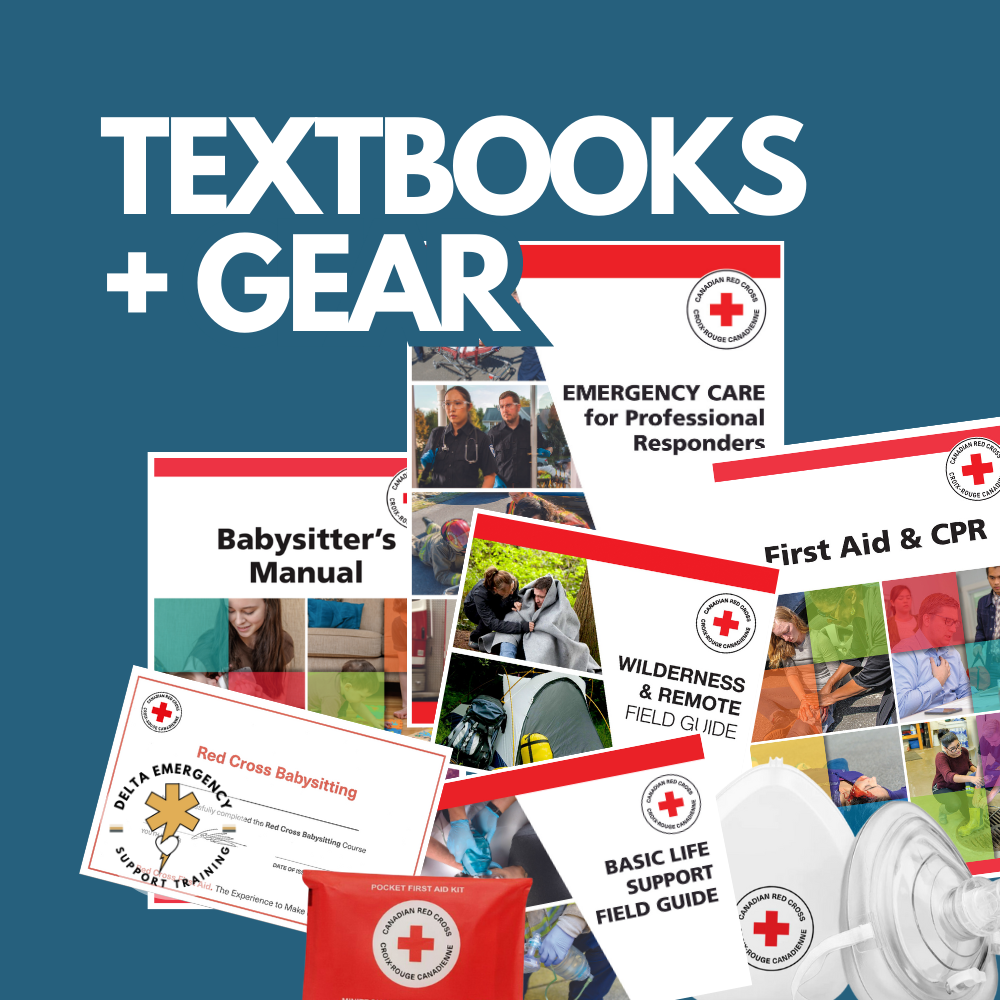
Delta Emergency Support Training offers a variety of Red Cross textbooks.

Textbooks include

● Emergency Care for Professional Responders

● Basic Life Support Field Guide

● First Aid and CPR Manual

● Babysitters Manual

● Wilderness and Remote Field Guide

As a Red Cross Training Partner, we offer a 10% discount on most of our textbooks!

Wilderness First Responder Course Package (THREE textbooks together):

Wilderness & Remote Field Guide (164 pages, 13.97cm X 11.43cm; 5.5" X 4.5"), Emergency Care for Professional Responders Reference Text (464 pages 21.5cm X 30.2cm, 8 1/2" X 10 7/8"), and Basic Life Support Field Guide (56 pages, 11.43 cm x 13.97 cm, 4.5" x 5.5").

Wilderness & Remote Field Guide:

A handy quick reference guide for first aid and CPR skills in Canadian remote and wilderness settings. Ideal for those who live or work in a wilderness or remote workplace or community, or who are outdoor recreation enthusiasts. Content includes prevention, causes, signs, assessment and treatment for minor, major and critical emergencies, and how to provide extended care for more than 24 hours including evacuation and transportation. This field guide is a great addition to any wilderness first aid kit. Coil bound on water resistant paper. (164 pages, 13.97 cm X 11.43 cm; 5.5" X 4.5").

Emergency Care for Professional Responders Reference Text:

A comprehensive all-Canadian resource for professional responders. Content organized for progressive learning, real-life scenarios, skills summary, charts and diagrams, and includes hundreds of colour photographs and bio-medical illustrations. Meets Paramedic Association of Canada National Occupational Competency Profile for Emergency Medical Responder and meets Transport Canada Training Program Standards in Marine First Aid. A new English Manual for Professional Responders regarding Emergency Care. Utilized by First Responder, Advanced First Aid, and Emergency Medical Responder course students.

Basic Life Support Field Guide:

A portable, informative guide on BLS skills. Basic Life Support Skills included in the manual are as follows; airway management, oxygen therapy, how to deliver quality CPR, AED protocol and recognition of life threatening emergencies. Coil bound on water resistant paper.

Babysitter’s Manual

A practical guide for babysitters offering checklists, activities and game ideas, sample résumé, and business cards. Presented in a youthful and energetic style, the content covers babysitting for different age-groups and is colour-coded for quick reference.

First Aid and CPR Manual

A step-by-step guide to first aid and CPR for home and work. Content includes responding to emergencies, what to look for and what to do for airway, breathing and circulation emergencies in adults, children and infants, wound care, head and spinal injuries, bone, muscle and joint injuries, sudden medical emergencies and environmental emergencies. This manual is a great addition to any home or workplace first aid kit.

Gear

Stay prepared with the proper First Aid gear. We’re about to release more items for your first aid and Fire/EMS kits, so keep your radios on! Our current gear includes:

● Pocket First Aid Kits

● CPR Masks

● Babysitter Wallet Certificate

Pocket First Aid Kits

The portable first aid kit contains first aid essentials for small wounds. Its small size and lightweight design make it ideal for handbags, backpacks or in the glove box of your car. Its price makes it the perfect give away gift and its quality and content make it desirable for all. Ideal for anyone in a childcare setting, parents and guardians, or simply the prepared individual on the go.

CPR Mask with O2 Inlet

Supplies included; CPR mask with O2 inlet and adjustable head strap, Red Cross branded clamshell and an instruction sheet. The CPR Mask with a one-way valve is used during respiratory and cardiac emergencies as a physical barrier device when administering rescue breaths to a person. The one-way valve prevents bodily fluids and airborne pathogens from reaching the rescuer. The medical-grade thermoplastic mask has a soft inflated cuff for a leakproof seal and adds to the patient’s comfort as well as an elastic head strap allowing the rescuer to secure the mask to the patient’s face. Also included, is an oxygen inlet for optional supplemental oxygen. Complete with a hard shell carrying case easy to carry in its compact size.

Babysitter Certificates

The cost of your first physical Babysitter certificate is included in the course fees. If you lose, damage, or want a second physical copy of your Wall Certificate or Wallet Card, contact us. We always print them on thick card stock! They can be at your house in about 2 weeks - and let us know if you would like a digital Babysitter Certificate in the meantime - we’re here to help.


Upcoming Wisdom Webinar


At Delta Emergency Support Training we are happy to answer any questions you may have about textbooks and gear. We provide training sessions for individuals or classes. We have options for in person, hybrid or online classes for Standard First Aid (SFA) Advanced First Aid (AFA) and Emergency Medical Responder (EMR) courses. For all inquiries please email info@deltaemergency.com

As always thank you for your support, stay safe!

Read More