
The Delta Dispatch
Managing Asthma Attacks: Quick Relief with Ventolin Inhaler
Picture a serene moment shattered by the sudden tightness in your chest, each breath a struggle against an unseen adversary. For those living with asthma, this scenario is all too familiar. Yet, in the midst of such turmoil, Ventolin emerges as a steadfast companion. As a short-acting beta-agonist, it swiftly eases the constriction of airways, offering rapid relief during asthma flare-ups. Recognizing the telltale signs – wheezing, coughing, shortness of breath, and chest tightness – is crucial. Swift action, including the timely administration of Ventolin, can make all the difference in reclaiming control over breathing.
Child using ventolin puffer during asthma attack
During an asthma attack, the airways in the lungs become inflamed, swollen, and narrowed, making it difficult for air to pass through. This results in symptoms such as wheezing, coughing, shortness of breath, and tightness in the chest. Asthma attacks can be triggered by various factors including allergens, exercise, cold air, respiratory infections, and stress.
Ventolin (also known as albuterol) is a commonly used medication for treating asthma attacks. It belongs to a class of drugs called short-acting beta-agonists, which work by relaxing the muscles around the airways, thus opening them up and allowing for easier breathing. Ventolin is typically administered via an inhaler, which delivers the medication directly to the lungs where it is needed most.
When responding to an asthma attack, it's crucial to act quickly to alleviate symptoms and prevent further complications. Here's a step-by-step guide to managing an asthma attack with Ventolin:
Recognize the Symptoms: It's important to be able to recognize the signs of an asthma attack, which may include wheezing, coughing, shortness of breath, chest tightness, and difficulty speaking.
Stay Calm: Panic can worsen asthma symptoms, so try to stay calm and reassure the person experiencing the attack.
Assist the Person to Sit Upright: Sitting upright can help ease breathing by allowing the chest to expand fully.
Administer Ventolin: If the person has a prescribed Ventolin inhaler, help them use it according to the prescribed dosage. Typically, this involves shaking the inhaler, exhaling fully, placing the inhaler mouthpiece in the mouth, pressing down on the inhaler to release a dose of medication, and then inhaling deeply. Hold the breath for a few seconds before exhaling slowly.
Wait and Repeat: After administering the Ventolin, wait for a few minutes to see if the symptoms improve. If symptoms persist or worsen, the dose can be repeated as directed by a healthcare professional.
Seek Medical Assistance if Necessary: If the asthma symptoms do not improve after using Ventolin or if the person's condition deteriorates rapidly, seek emergency medical help immediately.
Follow Up: After the asthma attack has been resolved, it's important for the person to follow up with their healthcare provider to discuss the episode, review their asthma management plan, and make any necessary adjustments to their treatment regimen.
In addition to using Ventolin during an asthma attack, it's essential for individuals with asthma to have a comprehensive asthma management plan developed in conjunction with their healthcare provider. This plan may include strategies for avoiding triggers, taking long-term control medications, and knowing when to use rescue medications like Ventolin. Regular follow-up appointments with a healthcare provider are also important for monitoring asthma control and adjusting treatment as needed.
Mastering the Babysitting Challenge: Navigating Challenging Behaviors with Ease
As a teenage babysitter, encountering challenging behaviors is inevitable. However, with the right strategies, you can transform any situation into a triumph. Explore expert tips and techniques to handle tantrums, disobedience, and more with confidence. Get trained with Delta Emergency Support Training for invaluable skills in childcare.
TWO YOUNG GIRLS COVERING THEIR EARS TO AVOID BABYSITTERS INSTRUCTIONS
As a teenage babysitter, embarking on the adventure of caring for children can be both rewarding and challenging. Amidst the laughter and games, you may encounter behaviors that test your patience and creativity. Fear not! With the right strategies up your sleeve, you can transform any challenging situation into a triumph. Let's dive into some practical tips and tricks to navigate the realm of challenging behaviors like a seasoned pro.
Decoding Challenging Behaviors
Picture this: You're in the midst of babysitting bliss when suddenly, chaos ensues. Understanding the nature of challenging behaviors is your first step towards mastering them.
Aggression: When tiny fists fly or high-pitched screams pierce the air, it's likely a sign of frustration or unexpressed needs. Take a deep breath and remember, you're the calm in their storm.
Disobedience: Ah, the classic battle of wills. Whether it's a defiant glare or outright refusal to comply, remember to stay firm yet empathetic. Setting clear boundaries and offering choices can work wonders.
Tantrums: Cue the tears and dramatics! Tantrums, though exasperating, are often a child's way of coping with big emotions. Stay patient, validate their feelings, and offer comfort until the storm passes.
Attention-Seeking: "Look at me, I'm here!" Children crave attention like plants crave sunlight. Redirect their energy towards positive activities and shower them with praise when they exhibit desirable behavior.
Fearfulness: From monsters under the bed to the boogeyman in the closet, fear can manifest in many forms. Create a safe space, offer reassurance, and tackle fears together with empathy and understanding.
Pro Tips for Success
Now that you've cracked the code on challenging behaviors, let's sprinkle in some pro tips to elevate your babysitting game to legendary status:
Stay Cool, Calm, and Collected: Your demeanor sets the tone for the entire babysitting experience. Embrace your inner Zen master, breathe deeply, and approach each situation with a level head.
Communication is Key: Foster open communication with both the children and their parents. Keep them informed about any challenges or triumphs during your babysitting escapades.
Flexibility is Your Superpower: Plans may go awry, and that's okay! Embrace the unpredictability of childcare with a flexible mindset and a dash of spontaneity.
Creative Problem-Solving: Channel your inner MacGyver and get creative when faced with unexpected hurdles. A little ingenuity goes a long way in the world of babysitting.
Self-Care is Non-Negotiable: Remember to prioritize your own well-being amidst the chaos of childcare. Take breaks, recharge your batteries, and indulge in a bit of self-care to maintain your sanity.
Delta Emergency Support Training: Building Future Babysitters
At Delta Emergency Support Training, we believe in equipping future babysitters with the skills and confidence to manage challenging behaviors effectively. Through our comprehensive training programs, aspiring babysitters learn invaluable techniques for handling a variety of situations, from tantrums to emergencies. With a focus on empathy, communication, and problem-solving, our training prepares babysitters to create a positive and nurturing environment for the children in their care.
Armed with these strategies and a sprinkle of magic, you're ready to conquer any challenge that comes your way. So, go forth, fearless babysitter, and may your adventures be filled with laughter, learning, and endless joy!
Building Bridges: Caring for Kids with Autism
Welcome to the world of superhero babysitting! Whether you're a seasoned childcare professional or a brand-new babysitter, get ready for an adventure like no other. Caring for children with autism is like stepping into a universe of unique abilities, colorful personalities, and incredible strengths.
Just like each superhero has their own superpowers, children with autism have their own extraordinary ways of thinking and processing information. Understanding this spectrum is the key to unlocking a world of joy and connection during your babysitting journey.
Before you embark on this adventure, let's equip you with the superhero toolkit. Think of it as a guide to understanding the quirks, routines, and communication styles that make each child with autism a one-of-a-kind superhero.

wOMAN AND CHILD HOLDING HANDS WHILE WALKING THROUGH A SUNNY FIELD
Babysitting is an adventure, full of laughter and discovery. But when it comes to caring for children with autism, a little extra know-how can make all the difference. Autism spectrum disorder (ASD) is like a puzzle, and each child is a unique piece. In this guide, whether you're a childcare pro or a first-time babysitter, we'll walk you through the journey of making this experience positive, inclusive, and fun for everyone involved.
Understanding Autism
Imagine a rainbow where every color represents a unique way of thinking. That's autism – a spectrum of different abilities, challenges, and strengths. Some kids think in pictures, some love routines, and some might find comfort in specific patterns. Let's explore how you can connect with these incredible children.
Before the Adventure
Before diving into babysitting, let's equip ourselves with the ABCs of autism care.
Learn the Basics:
Autism comes with its quirks. Some kids love repeating actions, others need routine like a daily superhero mission.
Quick Facts about Kids with Autism:
Repetition is common, routines are superheroes.
Simple sentences are like magic spells.
Non-verbal communication is a superpower.
Meet and Greet:
A pre-babysitting visit is like meeting a new friend. Learn about the child's world, understand their routines, and see the magic unfold.
Getting to Know Your Little Superhero
Now, let's dive into the specifics to ensure you're the best babysitter or childcare pro around!
Super Routines and Rules:
Every superhero has a routine. Ask about the child's daily mission and stick to it.
Some kids may get upset if their routine is interrupted, so follow their superhero handbook.
Diet Detective:
Uncover the secrets of the child's diet. Many have unique tastes – superheroes in training might not like certain textures or colors of food.
Communication Magic:
Discover how your little superhero communicates. Some use words, some use signs, and others might be silent superheroes. Adapt to their style.
Problem-Solving Sidekick:
Every superhero faces challenges. Learn what triggers their superpowers or makes them feel uneasy. Understand how to calm them down.
Emergency Heroes:
Superheroes have backup plans. Know who to call in case of an emergency. Understand any special medical conditions, powers, and how to keep them safe.
Connecting with Your Superhero
Building a connection is the key to a super babysitting experience.
Super Interests:
Every superhero has a favorite topic. Discover their passion – it's the gateway to their heart.
Communication Charm:
Use your super communication skills. If words are tricky, try signs, pictures, or just being an awesome listener.
Calmness is a Superpower:
Help your superhero stay calm with tools like stress balls or fidget toys. You're the superhero sidekick they need.
Power of Play:
Engage in activities they love. Be their play partner in crime, whether it's freeze dance or a crafty mission.
Sweet Dreams, Superhero:
Ensure a peaceful night's sleep. Bedtime routines and calming stories can be your secret weapon against sleep troubles.
Meltdown Management 101
Even superheroes have tough moments. Here's how you can be their ultimate ally.
Detect and Deflect:
Identify triggers and avoid them whenever possible.
Tips for Taming Meltdowns:
Distract, stay close, and use calming techniques like breathing exercises or a favorite toy.
Always explain your actions to maintain trust.
Conclusion
Babysitting superheroes with autism is a fantastic journey filled with friendship and discovery. By being a flexible and understanding ally, you're not just a babysitter – you're a superhero sidekick, making the world a little brighter for these incredible kids. Embrace the adventure, and let the fun begin!
A Parent's Guide to Internet Safety for Children
In today's digital world, ensuring your child's safety online is paramount. Our guide offers practical tips to protect against online threats, including the dangers of fake profiles, the risks of video chat rooms, and the importance of controlling shared content. Stay informed and empower your children to navigate the digital landscape safely.
Understanding the Cyber Landscape
Young girl on tablet.
In the age of technology, understanding the Internet is crucial for safeguarding your children. Familiarize yourself with online platforms, apps, and communication channels. Stay informed about the latest trends, apps, and potential risks. This knowledge will empower you to guide your children effectively through the digital world.
Establishing Digital Boundaries
Prevention is key in ensuring your child's online safety. Set clear standards for their online activities, outlining what is and isn't allowed. Establishing rules from the beginning helps create a safe and controlled digital environment. Waiting for a negative incident to occur is not the time to begin establishing guidelines – proactive communication is essential.
Guarding Personal Information
Teach your children the importance of keeping personal information private. Emphasize the potential risks of sharing details such as addresses, phone numbers, and credit card information online. Educate them about the consequences of this information falling into the wrong hands, stressing the need for caution and discretion.
Protecting Against Online Threats
In the digital era, social networking platforms like Facebook offer valuable connections but come with potential dangers, especially concerning online predators. Parents should educate children about the risks of fake profiles and the possibility of predators posing as peers. Emphasize the importance of verifying the identities of online friends and caution against sharing personal information or engaging in private conversations with strangers. Video chat rooms, often seemingly harmless, can be exploited by predators, making it crucial to teach children about setting boundaries and ending conversations if discomfort arises. Highlight the permanence of digital footprints to prevent oversharing, guide them in strict privacy settings, and instill digital literacy to recognize potential threats. Open communication is key, encouraging children to share any concerns without fear of judgment, creating a safer online experience.
Open Communication is Key
Promote an environment where your children feel comfortable coming to you with any online concerns. Highlight that it's okay to make mistakes but crucial to seek help when needed. Discuss potential online threats, such as cyberbullying or inappropriate content, and reassure them that you are there to support and guide them through any challenges.
Regular Conversations about Internet Use
Foster an ongoing dialogue with your children about their internet activities. Regularly check in with them, discussing their online experiences, friends, and any challenges they may be facing. By making these conversations a routine, you build trust and encourage transparency. If your child feels comfortable discussing their online world with you, they are more likely to seek guidance when faced with difficulties.
In conclusion, being actively involved in your child's online life is essential for ensuring their safety in the digital age. By understanding the internet, setting clear rules, teaching privacy measures, guiding safe social networking, fostering open communication, and maintaining regular conversations, you empower yourself as a parent to navigate the digital realm alongside your children.
Child-Safe Food Guide: Preventing Choking at Every Age
Ensuring child safety during mealtime is crucial. This guide offers age-tailored food safety tips, from mashed veggies for babies to mini sandwiches for preschoolers, minimizing choking hazards. Explore Delta Emergency's Babysitter First Aid Classes, equipping caregivers to handle emergencies and create safer environments.

Safeguarding Our Little Ones
Every parent, caretaker, or babysitter knows the joy and responsibility that comes with nurturing a child. Amidst the laughter, playfulness, and boundless curiosity, ensuring their safety stands as a paramount concern. One of the most prevalent dangers children face, especially during mealtime, is the risk of choking.
Small child eat APPROPRIATE food prepared by a caretaker
However, with vigilance and informed choices, we can significantly reduce this risk. This comprehensive guide focuses on age-appropriate foods, offering a roadmap to safe and enjoyable eating experiences for children of all ages.
For Babies (6-12 months)
The transition to solid foods is a crucial stage in a baby's development. Opt for foods that are not only nutritious but also safe for their delicate systems
Cooked and mashed vegetables
Steamed or boiled vegetables like sweet potatoes, carrots, peas, and squash are rich in essential vitamins and can be easily mashed or pureed for a baby's consumption.
Tip:
Avoid raw vegetables or those that are too hard, as they can pose a choking hazard. Ensure they are cooked until soft enough to mash easily.
Soft fruits
Fruits like bananas, ripe pears, and cooked apples (without skins) are excellent choices. They offer natural sweetness and important nutrients.
Tip:
Remove any seeds or pits, and cut fruits into small, bite-sized pieces to prevent choking.
Soft cereals
Introducing cereals like oatmeal or rice cereal mixed with breast milk or formula can be a gentle way to introduce grains into their diet.
Tip:
Start with a thinner consistency and gradually thicken it as the baby gets used to solid foods.
For Toddlers (1-3 years)
Toddlers are curious and eager to explore different textures and flavors. While expanding their palate, it's crucial to prioritize safety
Cooked pasta
Opt for small pasta shapes like macaroni or penne, and ensure they are cooked until very soft to ease chewing and swallowing.
Tip:
Avoid serving pasta with large amounts of sauce or cheese that can cause choking. Opt for lighter coatings or serve it plain.
Soft cheeses
Cottage cheese, cheese slices or cubes provide a good source of calcium and protein. Choose softer varieties like cheddar or mozzarella.
Tip:
Cut cheese into small, manageable pieces to reduce the risk of choking and ensure easier consumption.
Cooked and diced meats
Lean meats like chicken or turkey, cooked until tender and cut into bite-sized portions, are great sources of protein.
Tip:
Avoid serving meats in large chunks or pieces that may be difficult for toddlers to chew.
For Preschoolers (3-5 years)
As children grow, they become more proficient at eating and handling various types of food. Encourage healthy eating habits while prioritizing safety
Sliced fruits
Offer a variety of fruits cut into manageable slices or cubes, such as watermelon, strawberries, and melon. They're nutritious and easy to handle.
Tip:
Remove any seeds and cut fruits into bite-sized pieces to prevent choking hazards.
Soft cooked vegetables
Broccoli, cauliflower, and carrots are nutritious options that can be steamed or boiled until soft.
Tip:
Cut vegetables into smaller pieces or slices to make them easier to chew and swallow.
Mini sandwiches
Use soft bread and fillings like peanut butter, cream cheese, or thinly sliced deli meats to create small, manageable sandwiches.
Tip:
Cut sandwiches into smaller, bite-sized pieces for easier handling and consumption.
Delta Emergency's Babysitter First Aid
At Delta Emergency, we understand the paramount importance of safeguarding children from choking incidents, especially during mealtime. Our tailored two-day online Babysitter First Aid Classes are designed to equip babysitters, caretakers, and parents with the essential skills and confidence needed to handle emergencies effectively.
Focused Training for Choking Incidents
Preventive Measures: Learn food preparation techniques to minimize choking risks.
Emergency Response: Acquire step-by-step guidance on swift and effective responses to choking incidents.
Our classes extend beyond choking incidents, covering a spectrum of critical emergency scenarios, ensuring that caregivers are well-prepared for unexpected situations.
Join us in this proactive step towards child safety. Explore age-specific food choices, essential safety tips, and enroll in our Babysitter First Aid Classes to ensure you're equipped to create a safer environment for our beloved children.
To enroll or learn more about our Babysitter First Aid Classes, visit https://deltaemergency.com/advanced-first-aid and take the crucial step towards being prepared for emergencies.
Halloween Safety Tips for Babysitters and Parents
Halloween, with its costumes, candies, and spooky fun, can be an enchanting experience for kids. However, it also presents unique safety challenges. Ensuring a safe Halloween is crucial for making cherished memories without any unwanted scares. In this blog, we will explore essential Halloween safety tips tailored specifically for babysitters and parents. By following these guidelines, you can ensure that the children under your watch have a delightful and secure Halloween celebration.

As a babysitter or a parent, the safety of the little ones in your care is your top priority. Halloween, with its costumes, candies, and spooky fun, can be an enchanting experience for kids. However, it also presents unique safety challenges. Ensuring a safe Halloween is crucial for making cherished memories without any unwanted scares.
Group of four children trick-or-treating in costumes.
In this blog, we will explore essential Halloween safety tips tailored specifically for babysitters and parents. By following these guidelines, you can ensure that the children under your watch have a delightful and secure Halloween celebration.
Costume Safety
The excitement of choosing costumes is one of the most enjoyable aspects of Halloween. To guarantee costume safety:
1. Flame-Resistant Materials:
When selecting or helping children choose their costumes, prioritize outfits made from flame-resistant materials. This precaution will reduce the risk of accidents if they come into contact with open flames, such as candles or Jack-o'-lanterns.
2. Proper Fit:
Ill-fitting costumes can lead to trips and falls. Ensure that costumes are the correct size, with hems that don't drag on the ground. Make adjustments as necessary to prevent accidents.
3. Reflective Elements:
Halloween festivities often take place in dimly lit conditions. To increase visibility, add reflective tape or stickers to costumes and trick-or-treat bags. This will help drivers see the children more easily, reducing the risk of accidents.
4. Mask Alternatives:
Masks can limit a child's vision, making it difficult for them to navigate their surroundings or cross streets safely. Consider using face paint or makeup to create a spooky look instead, leaving the child's vision unobstructed.
5. Weather-Appropriate Costumes:
Check the weather forecast for Halloween night and choose costumes that are suitable for the conditions. If it's chilly, consider adding layers underneath the costume to keep the child warm.
Candy Inspection
Before the little ones dive into their Halloween candy, it's crucial to inspect all treats for safety:
1. Tampering Checks:
Examine all candy for any signs of tampering, such as torn wrappers or unusual packaging. If anything appears suspicious, it's best to err on the side of caution and discard it.
2. Homemade Treats:
While homemade goodies can be delicious, it's safer to consume only those from trusted sources, like family and friends. Advise the children to avoid homemade treats from unfamiliar houses.
3. Allergy Awareness:
If any child under your care has allergies, carefully read ingredient labels on all treats to ensure they are safe to eat. Consider offering alternative treats or non-food items if allergies are a concern.
Age-Appropriate Supervision
Halloween safety measures vary depending on the child's age. Here's how to tailor your supervision:
1. Young Children (Ages 0-7):
For these little trick-or-treaters, they should always be accompanied by a responsible adult. Stick to well-lit, familiar neighborhoods, and stay on the sidewalks.
2. Preteens (Ages 8-10):
Preteens may crave more independence, but it's still advisable for them to go trick-or-treating in groups with at least one trusted adult present. Discuss their planned route and curfew time beforehand.
3. Teenagers (Ages 11+):
Older kids may want to venture out without direct supervision. If they do, encourage them to stay in groups, carry a fully charged cell phone, and check in with you regularly. Ensure they understand the importance of staying in well-lit areas and not deviating from their planned route.
Stick to Well-Lit Areas
Emphasize to the children the importance of visiting houses with proper lighting and Halloween decorations. Staying in well-lit areas helps ensure visibility and safety. Remind them to respect property boundaries and never enter a stranger's home.
Road Safety
Teach the children the significance of road safety during Halloween:
1. Use Crosswalks:
Emphasize the importance of using crosswalks and obeying traffic signals when crossing streets. Encourage them to lift their masks when crossing for better visibility.
2. Reflective Elements:
Ensure that costumes have reflective elements, such as tape or stickers, to make the children more visible to drivers, especially if they'll be out after dark.
Be Mindful of Traffic
On Halloween night, drivers may be distracted by the festivities and may not be accustomed to the increased foot traffic. Both babysitters and parents should remain vigilant when crossing streets and exercise caution when walking near roadways.
Familiarize Kids with Emergency Procedures
In case the children get separated from their group or feel unsafe, make sure they know what to do:
1. Emergency Contact Information:
Share your address, phone number, and any emergency contact numbers with the children. Consider providing them with a written note in their pocket.
2. Dialing 911:
Teach them how to dial 911 in case of an emergency and when it's appropriate to use it. Ensure they understand the importance of providing their location.
Conclusion
Halloween can be an enchanting and memorable experience for children, filled with costumes, candies, and spooky fun. As a babysitter or parent, your commitment to safety ensures that this holiday remains delightful and secure for the little ones under your care. Remember to prioritize costume safety, inspect Halloween treats, supervise based on the child's age, stay in well-lit areas, teach road safety, and familiarize the children with emergency procedures. By following these tailored Halloween safety tips, you can enjoy a magical and worry-free Halloween celebration with the children you cherish.
Introducing Solid Foods: A Guide for Babies Under One Year Old
The first year of a baby's life is an exciting journey filled with milestones, and one of the most significant transitions is the introduction of solid foods. Up until around the age of six months, babies rely solely on breast milk or formula for their nutritional needs. But as they grow and develop, their bodies undergo changes that make them ready to explore the world of solid foods. In this blog, we will delve into the reasons why babies under one year old should only consume breast milk or formula and then explore the exciting phase of introducing new foods to your little one.
The first year of a baby's life is a remarkable journey filled with numerous developmental milestones, and one of the most significant transitions during this period is the introduction of solid foods. For the initial six months, babies primarily rely on breast milk or formula for their nutritional needs. In this blog, we will explore the reasons behind this, as well as the exciting phase of introducing new foods to your growing infant.
Child eating MESSILY in high chair.
Breast Milk and Formula
The Essential Nutritional Foundation
Before we delve into the world of solid foods, let's understand why breast milk or formula is the nutritional backbone for babies under one year old:
Nutritional Completeness:
Breast milk and infant formula are specially formulated to provide a perfect balance of essential nutrients, vitamins, and minerals required for a baby's healthy growth and development. They contain all the necessary components in the right proportions.
Easy Digestion:
The digestive system of a newborn is incredibly delicate and continues to develop during the first six months of life. Breast milk and formula are gentle on the stomach and intestines, making them easy to digest without causing undue stress or discomfort.
Immune System Support:
Breast milk, in particular, is rich in antibodies and other immune-boosting factors. These substances help protect your baby from infections and illnesses during the critical early months when their immune system is still maturing.
Optimal Growth:
Both breast milk and formula are designed to ensure that your baby gains weight at a healthy rate while achieving appropriate developmental milestones.
The Developmental Milestones Around Six Months
Around the age of six months, babies reach several important developmental milestones that signal their readiness to start exploring solid foods. Identifying these signs is crucial to ensure a smooth and successful transition:
Improved Head Control:
By six months, most babies can sit up with some support and have developed better control over their head and neck movements. This newfound stability is crucial for safe and comfortable eating.
Lost Tongue Thrust Reflex:
Babies are born with a reflex that causes them to push anything placed on their tongue out. Around six months, this reflex begins to diminish, making it easier for them to swallow food rather than instinctively expelling it.
Increased Appetite:
Babies may start showing a keen interest in the foods you are eating and even mimic chewing motions. This eagerness to participate in mealtime activities is a clear indicator of readiness for new textures and tastes.
Growing Teeth:
While not all babies will have teeth at six months, some may start teething around this time. The presence of even a few teeth can make chewing food more comfortable and effective.
Introducing Solids: The Exciting Phase
Once your baby exhibits these signs of readiness, it's time to embark on the thrilling journey of introducing solid foods. Here are some key steps and tips for a successful transition:
Start Slowly:
Begin with single-ingredient, smooth, and well-mashed foods such as rice cereal, mashed bananas, or pureed sweet potatoes. These foods are easy on the baby's palate and digestive system, reducing the risk of digestive discomfort or allergies.
Offer Variety:
As your baby becomes more accustomed to eating solids, gradually introduce a diverse range of fruits, vegetables, and grains. This practice helps expose them to different flavors and nutrients, fostering a well-rounded palate.
Pay Attention to Allergens:
When introducing common allergenic foods like peanuts, tree nuts, eggs, and seafood, it's essential to consult with your pediatrician for guidance on when and how to incorporate them into your baby's diet. Allergies can be a concern, and professional advice can help mitigate risks.
Monitor for Allergic Reactions:
Keep a vigilant eye on your baby for any signs of allergic reactions, such as hives, facial swelling, or difficulty breathing. If you suspect an allergy, contact your pediatrician immediately for further evaluation and guidance.
Maintain a Consistent Schedule:
Continue offering solids at regular intervals while keeping breast milk or formula as a vital part of your baby's diet. A gradual shift to solid foods ensures your baby receives both the benefits of these new foods and the continued nutrition and comfort provided by breast milk or formula.
Conclusion and Training
As your baby embarks on the exciting journey of transitioning to solid foods, it's essential to remember that each child is unique, and this process may unfold at different rates for every baby. Always consult with your pediatrician for personalized guidance, as they can provide valuable insights into your baby's specific nutritional needs and developmental progress.
At Delta Emergency Support Training, we recognize the importance of providing caregivers and babysitters with the knowledge and skills necessary to ensure the safety and well-being of infants and children. Our Babysitter courses, available to anyone across Canada, are taught by medical professionals with a strong emphasis on essential topics like choking safety. These courses empower caregivers with the confidence and expertise needed to navigate the challenges of infant care, including the introduction of solid foods.
As you guide your baby through this period of growth and exploration, you are laying the foundation for a lifelong relationship with food and nutrition. These early experiences will shape your baby's preferences and habits for years to come, fostering a healthy and nourishing approach to eating that will serve them well throughout their lives. Enjoy this remarkable journey of discovery and development with your little one!
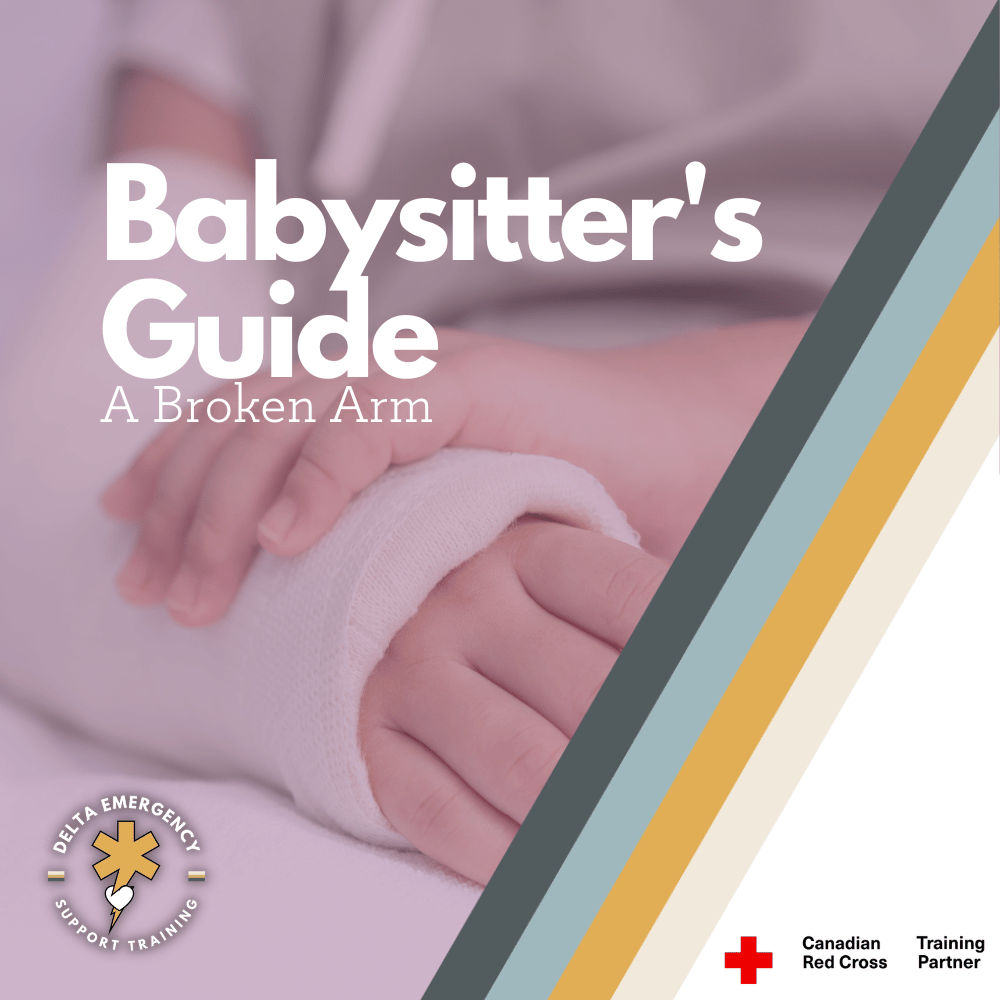
Babysitter's Guide: What to Do When a Child Breaks Their Arm
Hey there, amazing babysitter! You play a crucial role in keeping kids safe and happy while their parents are away. But sometimes, unexpected accidents happen, like a child breaking their arm. It's essential to stay prepared and know what to do in such situations. In this guide, we'll walk you through the steps to take if a child breaks their arm while you're babysitting.
Introduction
Hey there, amazing babysitter! You play a crucial role in keeping kids safe and happy while their parents are away. But sometimes, unexpected accidents happen, like a child breaking their arm. It's essential to stay prepared and know what to do in such situations. In this guide, we'll walk you through the steps to take if a child breaks their arm while you're babysitting.
A child holding their broken arm in a cast.
How a Child May Break Their Arm
Accidents can happen, especially with active and adventurous children. Understanding how a child may break their arm can help caregivers and babysitters be more vigilant and prepared. Here are some common scenarios in which a child may sustain a broken arm:
1. Falling
Falls are a frequent cause of broken arms in children. A child can trip, slip, or fall from heights while playing on playground equipment, climbing trees, or riding a bicycle. When they attempt to break their fall by extending their arm, it can lead to a fracture.
2. Sports and Play
Children often engage in sports and games that involve physical contact or impact. This can include activities like soccer, basketball, gymnastics, or even roughhousing with friends. Collisions or falls during these activities can result in a broken arm, especially if they land on their outstretched arm.
3. Accidental Collisions
Accidents can occur in everyday situations. A child may accidentally collide with a hard object or another child while running, playing indoors, or participating in organized sports. The impact can lead to a broken arm.
4. Trampoline Mishaps
Trampolines are a common source of childhood injuries. While bouncing or attempting flips, children can land awkwardly on their arms, leading to fractures. It's essential to supervise children closely when they're using a trampoline and follow safety guidelines.
5. Playground Injuries
Playgrounds are a fun and exciting place for children, but they can also be risky. Falls from swings, slides, monkey bars, or other equipment can cause arm fractures if a child lands on their arm while trying to break their fall.
What to do: Stay Calm
Staying calm is absolutely paramount in moments of crisis. When an accident occurs, it can be a scary experience, especially for a child, but your composure becomes a beacon of stability. Children often look to adults for guidance on how to react to challenging situations, so your ability to stay composed is essential. It helps the child feel safer and more secure, creating a reassuring environment amidst the chaos. By taking a deep breath and focusing on what needs to be done, you can gather your thoughts, assess the situation, and make rational decisions quickly. This not only benefits the child but also aids in your own effective response. In summary, maintaining calmness is vital for providing the best care and support during an emergency, ultimately ensuring the child's safety and well-being.
Call for Help
If you suspect that the child's arm is broken or if uncertainty surrounds the severity of the injury, it's absolutely crucial not to delay – call for help immediately. Dialing 911 or your local emergency number is the first step in ensuring the child receives the prompt and professional medical attention they require. While awaiting the arrival of medical professionals, it's essential to stay focused and take the following steps to provide the best possible care for the injured child. Your swift action can be the linchpin in the child's recovery process, as it ensures that the right experts with the necessary equipment and expertise will soon be on the scene to assess, treat, and address the broken arm properly.
Assessing the Injury
Assessing the injury is a crucial step when a child may have a broken arm, and it's important to do so without causing unnecessary pain or discomfort. Begin by gently asking the child if they can wiggle their fingers. If they can do so, it's generally a positive sign that the injury might not be as severe as initially feared. However, it's essential to keep in mind that the fingers may still be injured or swollen, so be gentle. If there are rings on the fingers, watches or bracelets, carefully remove them to prevent constriction as the fingers and wrists may swell after an injury. This initial assessment can provide valuable information while minimizing any further discomfort for the child. Remember, the child's well-being is our top priority during this process.
Provide Comfort and Reassurance
While waiting for the ambulance, comfort and reassure the injured child. Speak to them in a soothing tone, keep them distracted from the pain by chatting or playing a game, and let them know that help is on the way.
Communicate with Parents
As soon as you can, reach out to the child's parents or guardians to inform them of what happened. It is crucial to have a reliable means of contacting parents or guardians in case of emergencies and ensuring that the contact information is accurate and up-to-date. A working phone or communication device is a lifeline that can provide immediate access to parental consent, medical history, emotional support, logistical arrangements, and fulfilling legal and ethical obligations, all of which are essential for the child's safety and well-being. Therefore, always double-check the provided contact information and have a functioning device ready when babysitting, ensuring you can promptly reach out to parents or guardians if an injury occurs.
Conclusion
Being a babysitter comes with a lot of responsibilities, including handling unexpected emergencies like a broken arm. Remember, staying calm, ensuring safety, and taking the right steps to care for the injured child are essential. Your quick and composed response can make a big difference in the child's comfort and recovery. Always prioritize the child's well-being and seek professional medical help to ensure they receive the proper treatment for their broken arm. You've got this, babysitter-extraordinaire!
Epi-Pens for Babysitters: Safeguarding Children Against Severe Allergic Reactions
Discover How Epi-Pens Save Lives: A Babysitter's Guide and First Aid Training with Delta.
Babysitters, your role in caring for children is a crucial one. Ensuring their safety and well-being is your top priority. Among the essential tools in your caregiving arsenal is the Epi-Pen, a device that can make a life-saving difference in moments of severe allergic reactions. In this blog, we'll explore the significance of carrying an Epi-Pen with you at all times while babysitting, as well as the importance of having a thorough conversation with parents or guardians about everything related to allergies.
Epi-pens laying on eachother in stock photo
What is an Epi-Pen?
An Epi-Pen is an auto-injector device designed to deliver a dose of epinephrine, also known as adrenaline. Epinephrine, a naturally occurring hormone and neurotransmitter, takes on a powerful role as a medication when administered in a concentrated form.
Common Uses: Safeguarding Against Severe Allergic Reactions
Your role as a babysitter includes being prepared for emergencies, especially severe allergic reactions, or anaphylaxis, which can happen unexpectedly. Anaphylaxis can be triggered by various allergens and may manifest through symptoms like:
Difficulty breathing: Indicated by wheezing, shortness of breath, or chest tightness.
Swelling: Rapid swelling, especially of the face, lips, and tongue.
Hives: Raised, itchy welts on the skin.
Rapid or weak pulse: An irregular heartbeat.
Nausea and vomiting: Gastrointestinal symptoms.
Confusion or loss of consciousness: In severe cases, the child may lose consciousness.
Common Allergens and Understanding Allergic Reactions
Allergens are substances capable of triggering an allergic reaction in sensitive individuals. Common allergens encompass:
Food: Peanuts, tree nuts, shellfish, dairy, and eggs are among the top food allergens.
Insect Stings: Bee stings, wasp stings, and fire ant bites.
Medications: Certain medications, like penicillin, can cause allergies.
Latex: Latex allergy resulting from exposure to latex gloves, balloons, or medical equipment.
Environmental Allergens: Pollen, dust mites, pet dander, and mold.
Understanding the difference between allergies and anaphylaxis is essential. Allergies may cause symptoms such as sneezing, a runny nose, itching, or a rash, which are typically uncomfortable but not life-threatening. In contrast, severe allergic reactions, or anaphylaxis, are rapid and can be life-threatening if not addressed promptly.
"Blue to the Sky, Orange to the Thigh": Administering the Epi-Pen
One crucial aspect of your babysitting toolkit is knowing how to use an Epi-Pen correctly. The simple rhyme "Blue to the Sky, Orange to the Thigh" can serve as your guide:
Blue to the Sky: Begin by removing the blue safety cap from the Epi-Pen.
Orange to the Thigh: Hold the Epi-Pen as you would a marker, with your thumb on the blue end and your fingers on the orange end, ensuring you avoid accidentally injuring yourself.
Firmly jab the orange end into the child's outer thigh, pushing until you hear a click. The needle can penetrate clothing if necessary but cannot go through items like phones or wallets, so ensure they are removed.
Hold the Epi-Pen in place for ten seconds to ensure the medication fully dispenses.
After use, rub the injection site for thirty seconds to help distribute the medication throughout the child's body.
Epi-Pens are equipped with a needle safety cover that activates automatically after use, safeguarding you from accidental needle sticks.
Important Reminders
Carry It Everywhere: When babysitting, always have the child's Epi-Pen with you wherever you go. Allergic reactions can happen unexpectedly, and having it on hand can be a lifesaver.
Thorough Conversation: Before babysitting, engage in a thorough conversation with the child's parents or guardians about allergies, allergens, and the child's specific needs. Ensure you understand the child's triggers, the location of the Epi-Pen, and any special instructions.
Prescription Only: Epi-Pens cannot be purchased over the counter. They must be prescribed by a doctor, and each Epi-Pen will have a prescription label with the child's name on it.
Check Expiration Dates: Epi-Pens typically have a shelf life of 12 to 18 months. Regularly check the expiration date and ensure you have access to refills as needed to remain fully prepared.
In conclusion, as a babysitter, you play an essential role in ensuring the safety and well-being of the children in your care. Carrying an Epi-Pen and being well-versed in its usage, along with maintaining open communication with parents or guardians regarding allergies and emergency protocols, can make a significant difference in handling unforeseen situations.
Additionally, if you're looking to enhance your babysitting skills and knowledge, consider enrolling in Delta's online babysitting course, accessible to individuals across Canada. In the second part of the class, you'll delve into babysitter first aid, which includes life-saving skills like Epi-Pen administration. What sets this course apart is that it is taught by current on-duty emergency medical service professionals, ensuring you receive the most up-to-date and reliable training.
By taking advantage of educational opportunities like this, you not only equip yourself with valuable skills but also contribute to the safety and well-being of the children you care for. Always remember, "Blue to the Sky, Orange to the Thigh" – it might just be the rhyme that saves a child's life when seconds count.
Empowering Learning Through Essential Textbooks: Continuing Education
Discover a World of Learning with Our Essential Textbooks
At Delta Emergency, we're thrilled to present our diverse collection of textbooks, each crafted to meet unique learning needs. Whether you're embarking on wilderness adventures, nurturing young minds as a babysitter, mastering life-saving techniques, or aiming to elevate your emergency care skills, our textbooks are here to empower and educate. The tactile pleasure of flipping through the pages of our physical copies enhances the learning experience, making each topic come to life. Dive into our range and unlock a wealth of knowledge today.
At Delta Emergency Support Training, we're excited to offer a versatile collection of textbooks that cater to a wide array of learning needs. Whether you're a wilderness explorer, an aspiring babysitter, a medical professional, or someone seeking vital lifesaving skills, our textbooks are thoughtfully designed to impart knowledge and empower individuals.For those who appreciate the feel of physical paper copies, we have just the thing for you. Let's dive into our selection:
Woman using a textbook to take notes and study.
Wilderness First Aid: Navigating Nature's Challenges with Confidence
Embark on outdoor adventures fully equipped with our "Wilderness First Aid" textbook. Priced at CA$74.97, this guide not only covers emergency response but also emphasizes safeguarding patients from the elements. From creating basic shelters to regulating body temperature, this resource ensures patient well-being in harsh environments. Learn to assess the ABCs (Airway, Breathing, Circulation) and identify and treat life-threatening emergencies. With a focus on both patient safety and effective response, this guide prepares you for the unexpected challenges of the wild.
Babysitter First Aid: Nurturing Safety and Confidence
Designed for young caregivers, our "Babysitter First Aid" textbook is a crucial resource that is a great tool for babysitters. Priced at CA$31.45 (Original Price: CA$34.95), this guide empowers budding babysitters with engaging activities, game ideas, and practical checklists. It equips you with the confidence and knowledge necessary to ensure children's safety and well-being. Not only does it cover babysitting essentials, but it also imparts vital babysitter first aid skills, expanding your capabilities and making you a trusted and reliable caregiver.
Basic Life Support: Mastering Lifesaving Techniques
BLS goes beyond the basics, offering practical insights such as oxygen flow rates for different levels of hypoxia, airway adjunct techniques, and CPR rates and compression depths. Whether you're familiarizing yourself with ventilation devices or learning the intricacies of CPR, this guide provides invaluable information to ensure your readiness in critical situations. Priced at CA$31.45, this comprehensive guide delves into the art of preserving life.
Professional Responder: Elevate Your Emergency Care Skills
Tailored for First Responders, Advanced First Aid, and Emergency Medical Responder courses, this comprehensive resource leaves no stone unturned. This textbook will give you the knowledge, skills and confidence to pursue your career as a firefighter, paramedic or any other professional responder. Encompassing topics from anatomy to physiology, this guide equips you with real-life scenarios, intricate charts, diagrams, and photographic illustrations. Designed to elevate your capabilities, it readies you for a gamut of challenging scenarios, ensuring your competence in emergency situations. Elevate your expertise with the "Professional Responder" textbook, available for CA$212.35 (Original Price: CA$235.95).
The Power of Knowledge
At Delta, we recognize the power of a physical textbook in an increasingly digital era. Our textbooks are carefully curated to enrich your understanding, bolster your skills, and guide you toward mastery. Seize the opportunity to learn, grow, and excel. Your transformative journey starts here.
Inspiring Imagination: Crafts and Games to Entertain Kids During Babysitting
Are you looking for engaging activities to make your babysitting sessions a memorable and enjoyable experience? Look no further! Our blog is packed with exciting ideas and crafts that will keep kids entertained and delighted. From outdoor adventures that spark curiosity and exploration to creative arts and crafts that nurture imagination, we have a wide range of activities suitable for children of all ages. Whether you're babysitting a toddler, a curious preschooler, or an energetic 9-year-old, we've got you covered. Join us as we dive into the world of fun-filled adventures and create unforgettable moments with the children you care for. Get ready to embark on a journey of laughter, creativity, and endless entertainment!

As a babysitter, one of your primary responsibilities is to keep children occupied and entertained during your time together. Engaging kids in activities not only ensures their enjoyment but also promotes their development and well-being. By providing a variety of stimulating and age-appropriate activities, you can create a positive and enriching environment for the children you're babysitting. In this blog post, we'll explore the importance of keeping children occupied and entertained, and we'll share some fun and engaging ideas to make your babysitting sessions enjoyable for both you and the kids.
We have organized the activities into different age groups to cater to the specific needs and interests of children at various stages of development. From toddlers to preteens, we have carefully selected age-appropriate activities that will keep children engaged and entertained during your babysitting sessions. Our goal is to provide you with a comprehensive guide that offers a range of options suitable for children of any age, ensuring that you can find the perfect activities to create memorable and enjoyable experiences as a babysitter.
Toddlers
Toddlers, typically ranging from ages 1 to 3, are at a stage of rapid exploration and discovery. Their interests often revolve around sensory experiences, physical movement, and simple cause-and-effect relationships. Toddlers are capable of basic motor skills such as crawling, walking, and grasping objects. They enjoy activities that engage their senses, encourage fine and gross motor skills, and stimulate their cognitive and social development. Listed below are activities suitable for toddlers that involve sensory exploration, creative play, and interactive experiences. Providing age-appropriate activities allows toddlers to explore their surroundings, enhance their skills, and satisfy their natural curiosity.
Sensory bin exploration with materials like rice, sand, or water.
Finger painting with non-toxic, washable paints.
Playing with textured materials such as playdough or squishy toys.
Engaging in simple games like peek-a-boo or hide-and-seek.
Building with large, soft blocks or stacking cups.
Going on nature walks and exploring outdoor surroundings.
Singing and dancing to nursery rhymes and children's songs.
Engaging in interactive storytime with picture books and simple narratives.
Sorting and matching activities using objects of different shapes and colors.
Engaging in role-play with toy kitchen sets or pretend play items.
Remember to supervise toddlers closely during these activities and ensure that any materials used are safe and age-appropriate.
4-6 Year Olds
Children aged 4 to 6, in the preschool and early elementary years, experience remarkable growth and development. Their interests expand to include imaginative play, social interaction, and creative expression. With improved coordination and fine motor skills, they can engage in a wide range of activities. Their curiosity about the world around them continues to grow, and they enjoy exploring nature, asking questions, and participating in hands-on experiences. Children in this age group have the ability to follow instructions, engage in basic problem-solving, and interact with others in group activities. Encouraging their imaginative play, exploration, and social interactions can contribute to their overall development and keep them engaged and entertained.
Here are ten activity ideas suitable for children aged 4 to 6:
Scavenger Hunt: Create a scavenger hunt by hiding objects or pictures around the house or backyard for children to find. Provide them with clues or a checklist to guide their search.
Story Time: Read aloud from age-appropriate books, encouraging children to engage in discussions about the story and characters. You can also ask them to retell the story in their own words or create their own endings.
Arts and Crafts: Set up a craft station with materials like construction paper, markers, crayons, glue, and child-safe scissors. Let children create their own artwork, such as drawings, collages, or paper crafts.
Dress-Up and Pretend Play: Provide a dress-up box filled with costumes and props. Encourage children to use their imagination and role-play different characters or scenarios.
Outdoor Obstacle Course: Set up a mini obstacle course in the backyard using hula hoops, cones, jump ropes, and other safe objects. Children can navigate through the course, testing their balance, agility, and coordination.
Nature Exploration: Take children on a nature walk in a local park or nature reserve. Encourage them to observe and collect items like leaves, flowers, or rocks. Back home, they can create a nature collage or use the items for a sensory bin.
Music and Dance: Play upbeat music and encourage children to dance, jump, and move their bodies freely. You can also introduce simple musical instruments like shakers or tambourines for them to explore rhythms and sounds.
Science Experiments: Conduct simple science experiments, such as making a volcano erupt with baking soda and vinegar or creating a homemade lava lamp using oil and water. Explain the science behind the experiments in a simple and engaging manner.
Building with Blocks: Provide different types of blocks, such as wooden or plastic building blocks, and challenge children to construct towers, buildings, or imaginative structures. Encourage problem-solving and creativity in their designs.
Outdoor Games: Organize classic outdoor games like tag, duck-duck-goose, or Simon says. These games promote physical activity, social interaction, and listening skills while keeping children entertained.
Children aged 7 to 9
Children aged 7 to 9 are in the middle childhood phase, marked by continued growth and development in various areas. At this age, their interests and abilities expand further as they gain more independence and a greater understanding of the world around them.
Children in this age group often develop a keen interest in exploring different subjects, such as science, nature, sports, arts, or literature. They may show curiosity about how things work, enjoy experimenting, and have a growing capacity for logical thinking and problem-solving. Their reading and writing skills improve, allowing them to engage in more complex storytelling and creative expression.
Socially, children aged 7 to 9 become more adept at forming friendships, developing teamwork skills, and understanding the perspectives of others. They may show increased empathy and a desire for social connections and cooperative play.
Physical abilities continue to develop, with improved coordination, balance, and fine motor skills. Children may engage in organized sports, outdoor activities, or creative movements like dance or martial arts.
Overall, children aged 7 to 9 exhibit a growing curiosity, independence, and a desire to explore their interests further. By providing opportunities that align with their abilities and fostering their natural curiosity, we can support their continued development and engagement.
Here are ten activity ideas that 7-9 year olds may enjoy doing with their babysitter:
Science Experiments: Engage in hands-on science experiments, such as creating a volcano, making slime, or conducting simple chemistry experiments.
Outdoor Adventures: Go on nature hikes, bike rides, or explore local parks together. Encourage them to observe and identify plants, insects, or birds they come across.
Arts and Crafts: Engage in more advanced craft projects like jewelry making, origami, or creating DIY room decorations using various art supplies and materials.
Cooking and Baking: Involve them in age-appropriate cooking or baking activities, where they can help measure ingredients, mix batter, or decorate cookies.
Scavenger Hunts: Organize scavenger hunts around the house or backyard, giving them clues or riddles to solve and items to find.
Sports and Outdoor Games: Play sports like soccer, basketball, or throw a frisbee together. Engage in games like capture the flag or relay races to promote physical activity and teamwork.
Creative Writing: Encourage their writing skills by engaging in storytelling activities, writing their own stories, or creating comic strips.
Board Game Nights: Play board games or card games that are suitable for their age, promoting critical thinking, strategy, and social interaction.
DIY Projects: Engage in simple DIY projects like building a birdhouse, creating a small garden, or constructing a model using kits or recyclable materials.
Movie or Book Club: Watch a movie together or read a book, and then have a discussion about the story, characters, and themes.
Remember to choose activities that align with their interests and abilities and provide opportunities for them to express their creativity, develop skills, and foster social interactions.
Conclusion
In conclusion, keeping children engaged and entertained during babysitting sessions is not only essential for their happiness but also for their overall development. By incorporating a variety of activities and crafts into your babysitting routine, you can foster their creativity, nurture their imagination, and promote social interaction. From sensory exploration for toddlers to more advanced projects for older children, there are endless possibilities to create fun-filled adventures and memorable experiences. As a babysitter, you have the power to spark joy, ignite curiosity, and leave a lasting impact on the children you care for. So, embrace the opportunity to engage their minds, unleash their creativity, and make their time with you unforgettable. Let the laughter, learning, and excitement fill the air as you embark on exciting journeys together. Happy babysitting!
The Great Outdoors: Unforgettable Adventures for Babysitters and Kids!
Engage in a world of outdoor adventures with babysitters and children. From thrilling water fun to exploring nature's wonders, playing sports, unleashing creativity through art, and nurturing gardens, these activities provide endless joy, learning, and lasting memories. Join the excitement and watch as children thrive and connect with the world around them.
The sun is shining, the birds are chirping, and the summer season has arrived! As a babysitter, this is the perfect time to engage the kids you're caring for in fun-filled outdoor activities. From exploring nature to playing games and enjoying the fresh air, the possibilities are endless. In this blog post, we'll share a variety of exciting outdoor activities that will keep the kids entertained, active, and full of joy all summer long. So, let's dive into the adventures that await!
Two children, a boy and a girl, are playing outside in a green open space. They are running and laughing, with their arms outstretched as if they are embracing the freedom and joy of being outdoors.
Nature Scavenger Hunt:
Exploring the Wonders of the Outdoors Engaging children in a nature scavenger hunt is an excellent way to encourage their curiosity, observation skills, and appreciation for the natural world. This activity combines the thrill of a treasure hunt with the joy of exploring the great outdoors.
To begin, create a list of items that children can search for during the scavenger hunt. These items can include different types of leaves, colorful flowers, interesting rocks, pinecones, feathers, or even specific plants or insects. Tailor the list to the environment and age group you're working with, ensuring that the items are safe and accessible for children to find.
Next, venture out to a local park, nature trail, or even explore the backyard. Provide each child with a copy of the scavenger hunt list and a small bag or container to collect their treasures. Explain the rules and emphasize the importance of leaving natural items undisturbed to maintain the ecosystem's balance.
As the children embark on their scavenger hunt, encourage them to observe their surroundings closely. They'll have the opportunity to discover the beauty of various plants, trees, and the fascinating creatures that call nature their home. Offer guidance, engage in conversations about the items they find, and answer any questions that arise.
Encourage the children to use their senses during the scavenger hunt. How does a leaf feel? What colors do they see? Do they notice any unique smells? This multi-sensory experience helps to deepen their connection with nature and enhances their overall learning experience.
At the end of the scavenger hunt, gather the children together to share and discuss their findings. Allow them to take turns showing their collected items and describing what they learned or found interesting. This group sharing creates a sense of accomplishment, promotes communication skills, and encourages a sense of camaraderie among the children.
Water Fun:
When the summer heat is on, water-based activities are a fantastic way to keep children cool, entertained, and full of laughter. Dive into a world of water fun with these exhilarating activities that will have kids splashing, playing, and enjoying every moment.
Sprinkler Splash: Set up a sprinkler in the backyard and let the water spray high in the air. Children can run through the refreshing mist, jump over the streams, and giggle as they try to avoid getting wet. This classic activity offers endless opportunities for spontaneous games and laughter-filled moments.
DIY Slip and Slide: Transform your backyard into a mini water park with a DIY water slide. Lay down a large tarp or a sturdy plastic sheet on a gentle slope, secure it with stakes or weights, and create a slippery surface with a gentle flow of water from a hose.
Water Balloon Toss: Engage in a thrilling water balloon toss. Fill balloons with water, making sure they're not too full to prevent them from bursting prematurely. Children can pair up, stand a short distance apart, and toss the water balloons back and forth. The goal is to catch and toss the balloon without breaking it. It's a fun and refreshing way to enhance hand-eye coordination and keep everyone cool.
Remember to prioritize safety during water-based activities. Ensure proper supervision, especially for younger children, and provide guidance on appropriate behavior and water safety rules. Apply sunscreen, provide plenty of drinking water, and encourage breaks to prevent dehydration.
These water-based activities offer a perfect way to beat the summer heat while creating lasting memories. Children will revel in the joy of splashing, staying cool, and enjoying the delights of water play. So, grab those swimsuits, prepare for a wet and fun adventure, and let the laughter begin!
Gardening:
Nurturing Nature and Cultivating Green Thumbs! Gardening is a wonderful outdoor activity that allows children to connect with nature, learn about plants and ecosystems, and develop essential skills. It's a hands-on experience that fosters a sense of responsibility, patience, and appreciation for the natural world.
To embark on a gardening adventure, start by selecting an area in the backyard or even using pots or containers if space is limited. Involve children in the process of choosing plants, whether they prefer flowers, herbs, or vegetables. Consider selecting easy-to-grow plants suitable for their age and the local climate.
Teach children about the various stages of plant growth, including planting seeds, watering, and caring for the plants as they flourish. Provide child-sized gardening tools, such as small shovels, watering cans, and gloves, to make the experience more engaging and enjoyable.
Explain the importance of preparing the soil by loosening it, removing any weeds or rocks, and adding compost or organic matter. Children can actively participate in this process, feeling the soil between their fingers and learning about its importance for plant health.
Once the soil is ready, guide children in planting the seeds or small seedlings. Teach them the appropriate depth and spacing for each plant, allowing them to take responsibility for their assigned areas. Encourage them to gently water the plants and explain the significance of providing proper hydration for healthy growth.
As the plants begin to grow, engage children in ongoing care tasks. Teach them about weeding, the importance of removing unwanted plants, and how to identify pests or diseases that may harm the plants. Children can help with watering schedules, ensuring the plants receive adequate moisture without overwatering.
Encourage children to monitor the growth progress, measure the height of the plants, and document their observations. This promotes scientific inquiry, critical thinking, and a sense of achievement as they witness their efforts transforming into flourishing plants.
Furthermore, discuss the benefits of gardening, such as creating habitats for insects and birds, promoting biodiversity, and producing fresh and nutritious food if growing edible plants. Encourage children to appreciate the beauty of nature and the importance of conserving our environment.
Incorporate fun and educational activities alongside gardening, such as creating plant labels, maintaining a gardening journal, or designing colorful markers for each plant. Children can also create art projects inspired by their gardening experiences, such as leaf rubbings or pressed flowers.
Gardening provides numerous learning opportunities and allows children to develop a deeper connection with nature. It nurtures their curiosity, instills a sense of responsibility, and fosters an understanding of the importance of sustainable practices.
Outdoor activities:
Summer provides an opportunity for outdoor activities allowing children to share cherished memories when spending time with their babysitters. Whether it's engaging in water fun, exploring nature, or nurturing a garden, these activities offer countless benefits and opportunities for growth.
By embracing the sunshine and incorporating outdoor adventures, babysitters can foster children's physical development, creativity, problem-solving skills, and appreciation for nature.
Baby Holding 101: Techniques for Babysitters
Calling all young adult babysitters ready for an adventure! Get ready to unlock the secrets of baby holds. We're diving into the world of the cradle hold, shoulder hold, and hip carry. These holds have unique purposes and are perfect for different age ranges, allowing you to become a true baby-holding superstar. Follow our step-by-step instructions, and you'll be confidently lifting and cradling like a pro in no time. Let's embark on this journey to enhance your babysitting skills, ensure baby's safety, and create heartwarming memories with the little adventurers in your care.
Hey there, fantastic babysitters! If you're ready to level up your babysitting game, mastering the art of holding a baby properly is a skill you can't miss out on. While their safety and comfort is our number one priority; it's also nice to forage a strong bond with these adorable little humans. In this blog post, we're diving into three fundamental baby holds: the cradle hold, shoulder hold, and hip carry. We'll explore what each hold is commonly used for, the age range they're suitable for, and give you step-by-step instructions to pick up and hold the child like a pro.
A playful scene unfolds as a babysitter girl lies on her tummy, engaging with a small baby. The baby, dressed in a green shirt, playfully reaches out and grabs onto the babysitter's hair, creating a moment filled with joy and connection.
Cradle Hold:
The cradle hold is not only a comforting and nurturing way to hold a baby but also an ideal position for bottle feeding. It's perfect for newborns and infants up to any age (as long as you can fit them in your arms).
How to pick up the child:
Stand with confidence and keep your feet shoulder-width apart.
Slip one hand under the baby's head and neck, giving support to those little muscles.
Use your other hand to lift their bottom, making sure you have a secure grip.
Bring the baby close to your chest, cradling their head in the crook of your arm.
Remember, support their head and neck throughout the the entire hold.
Shoulder Hold:
Get ready to show off your multitasking skills with the shoulder hold! It lets the baby explore the world while feeling snug and safe. This hold is perfect for infants aged newborns to six months who need to be burped and find relief from trapped air in their tummies.
How to pick up the baby
Begin by positioning one hand under the baby's head, providing gentle support to their delicate neck.
With your other hand, support the baby's bottom to ensure a stable grip.
Lift the baby up, maintaining a secure hold on their head and bottom.
Bring the baby up to your shoulder, allowing them to rest their head softly over your shoulder.
The shoulder hold is not only fantastic for exploration, but it's also an ideal position for burping the baby and helping them release any trapped air.
Babies often experience discomfort due to trapped air in their tummies after feeding. The shoulder hold is an excellent position for burping, as it allows you to gently pat or rub their back while providing support to their head and neck. Remember to prioritize the baby's comfort and safety throughout the hold. Enjoy the special moments of exploration, comfort, and successful burping with the little one in your care!
Hip Carry:
Ready to rock the hip carry? It's a versatile hold that keeps a hand free while keeping the baby close. Ideal for children who are six months and older who have good head control. This carry is great for curious children who want to explore with us.
How to pick up the child:
Choose your favorite side and face the baby towards you.
Pick them up from under their armpits and place them one your hip.
The child will wrap there legs around you hanging off to the side while straddling your body.
Keep a firm grip on the baby while supporting their back with one hand like a pro.
General Tips for All Holds:
Remember, safety comes first! Support their head and neck throughout the process to avoid any strain or discomfort.
Stay calm and gentle, creating a soothing environment for the little one.
Mind your own posture and body mechanics to prevent any discomfort or tiredness.
Neck Support
Supporting a small baby’s neck is crucial for their safety and overall well-being. Let's talk about why it's a big deal:
Delicate Neck Muscles:
Newborns and young infants have neck muscles that are still getting stronger. Their little, but heavy heads need some extra support to stay steady. By lending a hand (or two), you help keep their heads from wobbling around and make those muscles feel cozy and comfy.
Protecting the Spinal Cord:
The neck is where the upper part of the spinal cord hangs out. It's like the body's information highway! Since our little buddies are still growing, it's crucial to handle their necks with care to protect their developing spinal cords. Think of it as providing a shield to keep their precious cords safe.
Preventing Injuries:
Insufficient neck support could lead to not-so-fun situations, like whiplash. It's an uncomfortable neck injury nobody wants, especially our little pals. Their neck muscles are still building strength, so let's be their friendly support system to avoid any sudden twists and turns.
Comfort and Security:
When we provide proper neck support, we create a cozy and secure space for our little ones. It's like giving them a warm embrace, letting them know they're in good hands. Feeling safe and snug means they'll be all smiles and giggles, and we'll have a fantastic time together!
Babysitter Training
Remember, my incredible caregivers, taking care of these little ones is a mix of gentleness and support. Lets take everything we have learned so far and have some fun, and make every moment with these little adventurers a memorable one!
Embark on a remarkable journey of learning by enrolling in the Delta Emergency Support Training Babysitter Course! Join our expert instructors through an engaging online program that equips you with essential skills, including how to properly hold and care for babies. Discover the art of nurturing and create a safe environment for the little ones in your care. Enroll today and unlock the knowledge and confidence you need to become a skilled and trusted babysitter!
If you're interested in learning more about our babysitter childcare course and how it can help you provide excellent care for children, please don't hesitate to reach out to us at info@deltaemergency.com

