The Delta Dispatch
Winter Driving: Tips for First Responders and Everyday Drivers
Winter driving poses unique challenges, especially for future firefighters and first responders. From hidden black ice to snow-covered roads, understanding the risks and knowing how to prepare your vehicle are essential for staying safe on the road. In this blog, we’ll cover key winter driving hazards, share essential tips for safe navigation in harsh conditions, and provide guidance on vehicle maintenance to ensure you're always ready—whether you're heading to an emergency or simply commuting. Stay prepared, stay safe, and learn how to handle winter weather like a pro.
Winter Driving Tips for Future First Responders: Stay Safe and Prepared in Harsh Conditions
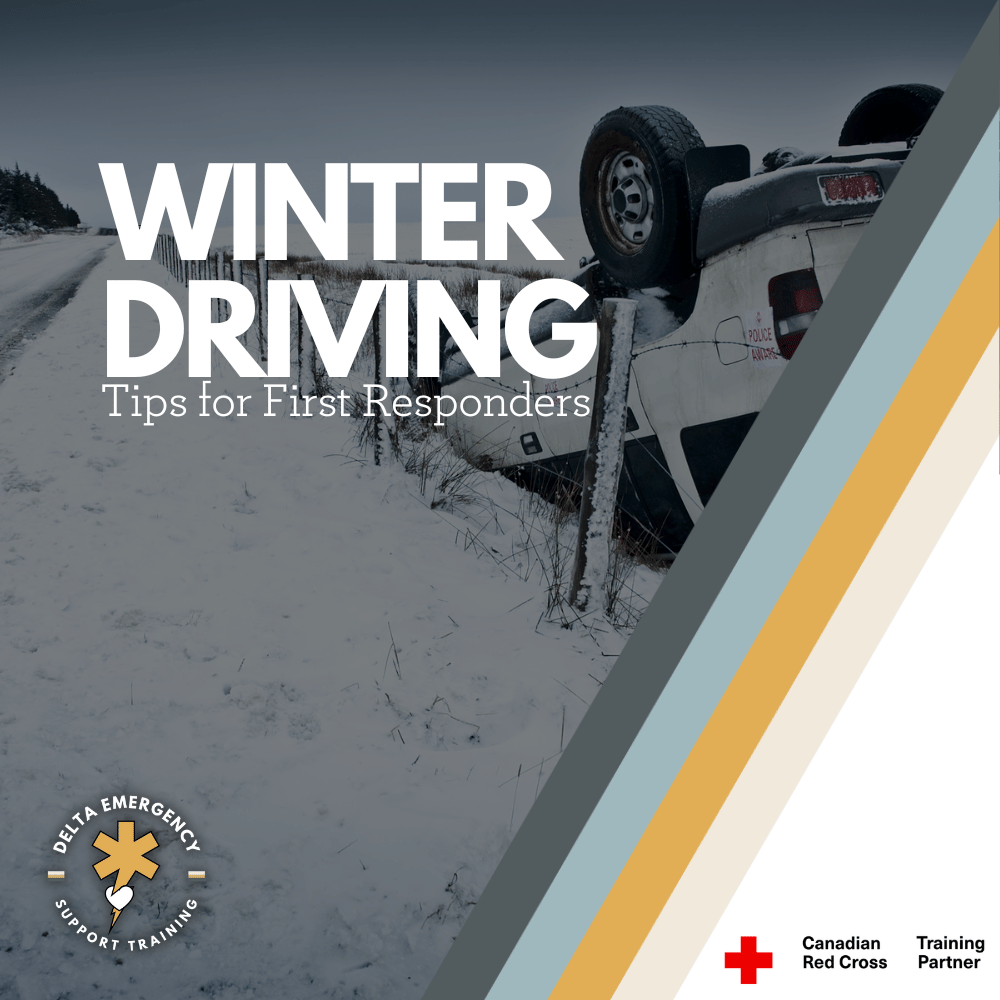
Overturned vehicle from driving in icy winter conditions
Winter driving can be treacherous, especially when you’re out on the road in snowy, icy conditions. As a future firefighter, paramedic, or emergency responder, it’s crucial to understand how these winter weather hazards can impact your ability to drive safely and respond effectively in an emergency. Whether you're heading to a call or navigating daily commutes, this guide will provide you with the knowledge and practical tips you need to stay safe during the winter months.
1. Understanding the Risks of Black Ice
Black ice is one of the most insidious dangers of winter driving. It forms when moisture freezes on the road surface, creating a nearly invisible layer of ice that can cause vehicles to lose traction unexpectedly. Black ice is most commonly found on bridges, overpasses, and shaded parts of the road. For first responders, who may need to drive in these conditions during urgent situations, it’s vital to recognize the signs of black ice and respond accordingly.
What to Watch Out For:
Bridges and Overpasses: These areas freeze more quickly than regular roads due to their exposure to the air above and below.
Shaded Areas: Roads that are shaded by trees, buildings, or mountains are more likely to have black ice, especially early in the morning or after sunset.
Intersections and Curves: These areas are more prone to slick conditions as the traffic flow can prevent melting during the day.
How to Drive on Black Ice:
Slow Down: Reduce your speed when driving on bridges, overpasses, or during the early morning hours.
Gentle Maneuvers: Avoid quick or sharp turns. Steer gently if you begin to slide.
Keep a Safe Distance: Maintain extra space between your vehicle and others, as it can take longer to stop on icy surfaces.
2. Snow and Slippery Road Conditions
Snow accumulation not only reduces visibility, but it can also make roads slippery, increasing the likelihood of losing control of your vehicle. Thick snowdrifts and patches of snow can obscure lane markings, making it difficult to navigate the road properly. For firefighters and other emergency personnel, this is particularly hazardous, as getting stuck in the snow or skidding off the road can delay emergency responses.
What to Watch Out For:
Snowdrifts: These can accumulate quickly, especially on less-traveled roads.
Hidden Potholes: Snow can cover potholes, creating unexpected hazards beneath the snow’s surface.
Lack of Lane Visibility: Snow accumulation can hide lane markings, making it difficult to stay in your lane.
Winter Driving Tips for Snowy Roads:
Drive Below the Speed Limit: Adapt your speed to the road conditions, not the posted speed limit. Keep your distance from other vehicles, as stopping distances will be much longer.
Increase Visibility: Use your headlights during snowfall to make sure other drivers can see you. Avoid high beams, which can reflect off the snow and reduce your visibility.
Stay in Tracks: If driving in heavy snow, try to drive in the tracks of other vehicles to avoid becoming stuck in deep snow.
3. Cold Weather and Vehicle Maintenance
Winter driving isn’t just about adjusting your behavior on the road; it’s also about ensuring your vehicle is properly prepared for the cold conditions. The freezing temperatures of winter can cause issues that make your vehicle more susceptible to mechanical failure or an accident. For first responders, this can lead to delays or even dangerous breakdowns.
Winter Vehicle Checklist:
Check Tire Pressure and Tread: Cold temperatures cause tire pressure to drop. Check your tire pressure regularly, and ensure that your tires have sufficient tread to maintain grip on icy or snow-covered roads.
Battery Health: Batteries lose power in cold weather, so test your battery before winter sets in. Consider replacing older batteries that might fail in the cold.
Engine Fluids: Ensure your vehicle is filled with winter-grade oil and coolant. The correct engine fluid prevents freezing and ensures proper functioning.
Windshield Wipers: Replace windshield wipers if they are worn. Stock up on windshield washer fluid that won’t freeze at low temperatures, ensuring good visibility in snowy conditions.
Emergency Kit Essentials:
Blankets and Warm Clothing: In case of a breakdown or emergency situation, having extra clothing and thermal blankets in your vehicle can be lifesaving.
First Aid Kit: Always carry a basic first aid kit, including bandages, antiseptic wipes, and gloves, for addressing minor injuries on the go.
Food and Water: Pack non-perishable snacks and bottled water, especially if you're traveling long distances or to remote areas.
4. Responding to Accidents in Winter Conditions
As a future first responder, you may need to respond to emergency calls involving accidents on snowy or icy roads. It's crucial to stay aware of the unique dangers that come with operating in these environments, both for your safety and the safety of the victims.
Hazards to Be Aware Of:
Additional Collisions: If the road is icy, there’s a higher likelihood of secondary accidents, so always approach accident scenes cautiously.
Cold Weather Injuries: Accidents involving cold temperatures can cause hypothermia, frostbite, or other cold-related injuries, especially if victims are exposed to the elements for long periods.
Limited Access: Snow and ice can make it difficult to reach accident scenes or maneuver vehicles into position for a rescue. Be prepared for delays or challenging access.
Tips for First Responders:
Slow Approach: Always slow down as you approach the scene of an accident, and be mindful of other vehicles on the road.
Road Safety: Set up safety cones or warning lights to alert other drivers and prevent further collisions.
Protect Victims: If the victims are in cold conditions, prioritize keeping them warm with blankets or by moving them to a safer location away from the elements.
5. Stay Prepared for Winter Emergencies
The unpredictable nature of winter weather means that being prepared is more important than ever. Having an emergency kit, knowing how to handle various road conditions, and understanding the importance of vehicle maintenance can make a huge difference in staying safe.
Winter Emergency Kit Checklist:
Jumper cables and portable power banks
Flashlight with extra batteries
Shovel, sand, or kitty litter (for traction if you’re stuck)
Thermal blankets and extra gloves/hats
Non-perishable snacks and water
Basic first aid supplies
Conclusion: Be Prepared and Drive Safely This Winter
Winter driving conditions can be dangerous, especially for first responders who need to travel quickly and efficiently to emergencies. By understanding the hazards posed by snow, ice, and freezing temperatures, and by taking proactive steps to maintain your vehicle and adjust your driving behavior, you can reduce the risks associated with winter driving.
For future firefighters and first responders, staying prepared means more than just understanding emergency procedures—it also means staying safe on the road. Drive carefully, maintain your vehicle, and always be prepared for the unexpected.
Road Safety Tips for Cyclists: A First Responder's Guide
In our guide for first responders and firefighters, we emphasize crucial road safety tips tailored for cyclists. From the paramount importance of wearing helmets to the necessity of being visible on the road, these insights are indispensable for fostering safer cycling environments. By obeying traffic laws, riding defensively, and utilizing bike lanes effectively, cyclists and motorists can work together to prevent accidents and promote road safety for all.
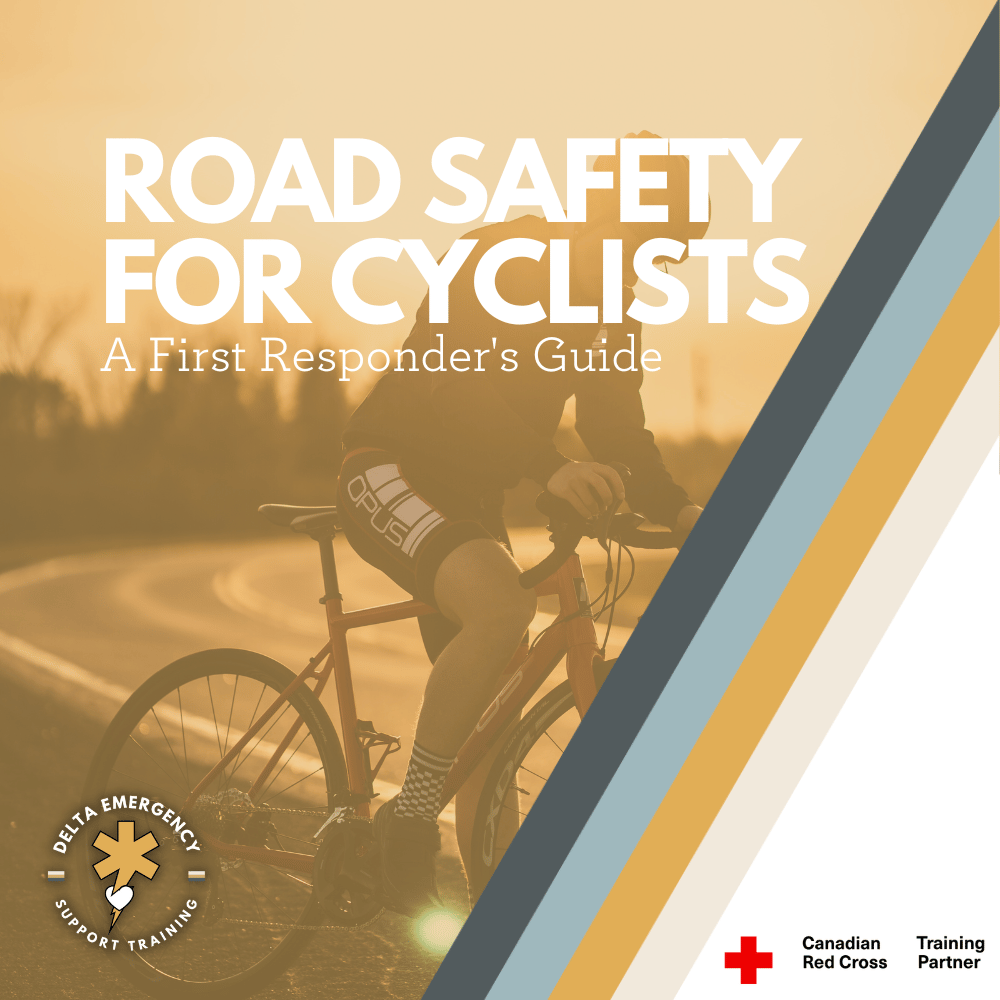
cyclist riding off to the side of the road
As a first responder, your role in ensuring road safety extends beyond responding to emergencies. It involves proactive measures to prevent accidents and mitigate their impact. When it comes to bicycle safety, understanding the rules of the road and adopting defensive strategies are crucial for both cyclists and motorists. In this guide, we'll explore essential road safety tips for cyclists, equipping first responders and firefighters with knowledge to promote safer roads for everyone.
Wear Your Helmet: The importance of wearing a helmet cannot be overstated. A properly fitted helmet significantly reduces the risk of head injuries in the event of a crash. First responders often witness the devastating consequences of head trauma, making it imperative to stress the importance of helmet use to cyclists. Ensure that your helmet fits snugly and sits level on your head, with the straps securely fastened.
Be Visible: Visibility is key to avoiding collisions, especially in low-light conditions or inclement weather. Cyclists should equip their bikes with front and rear lights, as well as reflectors, to increase visibility to motorists. Wearing brightly colored or reflective clothing further enhances visibility, making it easier for drivers to spot cyclists on the road.
Obey Traffic Laws: Cyclists are subject to the same traffic laws as motorists. This includes obeying traffic signals, yielding to pedestrians, and signaling intentions to turn or stop. By adhering to traffic laws, cyclists can predictably navigate the road, reducing the likelihood of accidents caused by confusion or misinterpretation of cyclist intentions.
Ride Defensively: Defensive cycling involves anticipating potential hazards and taking proactive measures to avoid them. Stay vigilant and alert while riding, scanning the road for obstacles, parked cars, and erratic drivers. Maintain a safe distance from vehicles, especially large trucks or buses, and avoid riding in their blind spots. Additionally, be prepared to react quickly to sudden changes in traffic or road conditions.
Use Bike Lanes and Paths: Whenever possible, utilize designated bike lanes and paths to separate cyclists from vehicular traffic. Bike lanes provide a dedicated space for cyclists, reducing the risk of collisions with motor vehicles. However, remain cautious and watch for obstacles or hazards within bike lanes, such as debris or parked cars.
Communicate Effectively: Communication is essential for safe cycling. Use hand signals to indicate turns, stops, and lane changes, allowing motorists and other cyclists to anticipate your actions. Make eye contact with drivers at intersections to ensure they see you before proceeding. Clear communication enhances mutual understanding on the road, promoting safer interactions between cyclists and motorists.
Conclusion:
As first responders and firefighters, your commitment to road safety extends beyond emergency response to proactive prevention measures. By promoting bicycle safety and educating cyclists and motorists alike, you can help reduce the incidence of accidents and injuries on our roads. Remember, a collective effort to follow the rules of the road and prioritize safety benefits everyone, creating a safer environment for cyclists and motorists alike. Together, we can make our roads safer for all road users.

