The Delta Dispatch
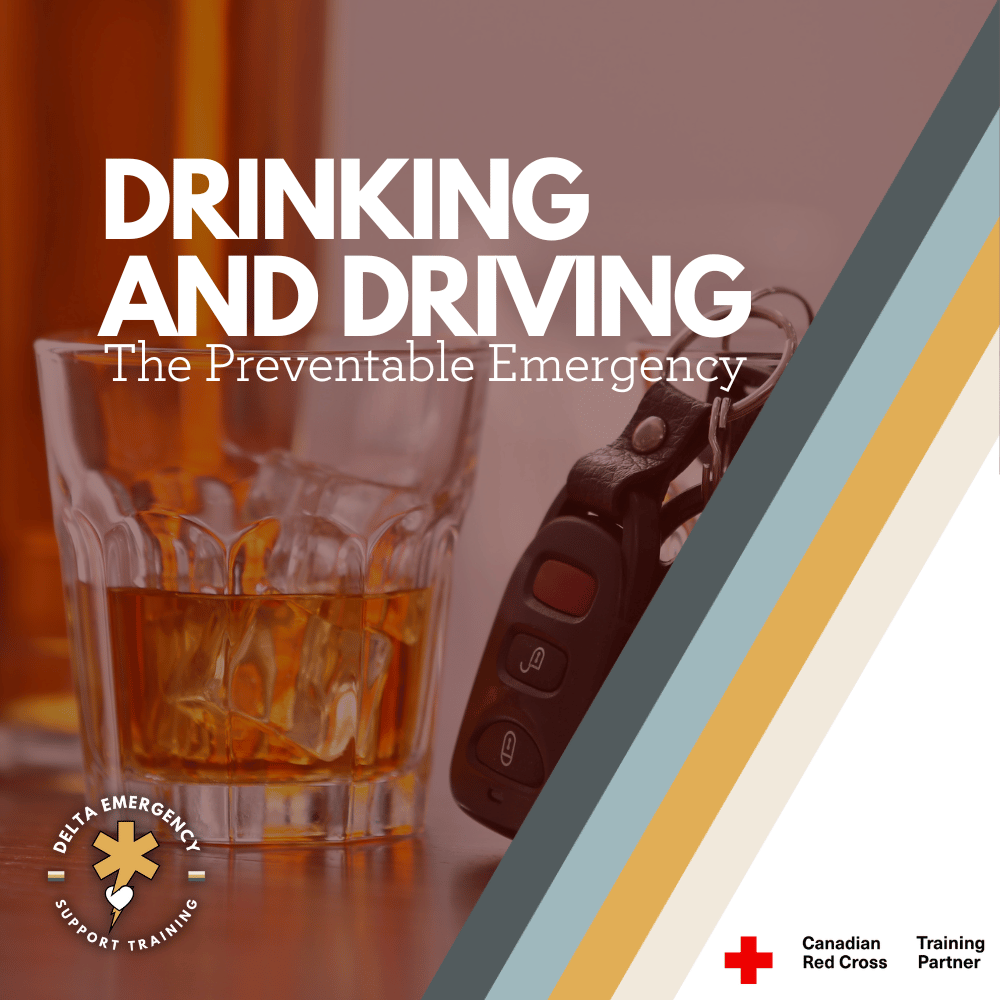
The Dangers of Drinking and Driving: Why Every Decision Counts
Drinking and driving remains one of the most preventable causes of death and injury on Canadian roads. Every year, impaired driving leads to devastating collisions that emergency responders see far too often. Alcohol slows reaction time, impairs judgment, and reduces coordination — turning an ordinary drive into a life-threatening event. This blog explores the dangers of impaired driving, its impact on first responders, and how education, prevention, and responsible choices can save lives before tragedy strikes.
Drinking and driving remains one of the most preventable causes of death and injury on the roads. Despite decades of awareness campaigns and legal consequences, impaired driving continues to claim lives and devastate families across the world, including here in Canada. As emergency responders, we see firsthand the destructive effects of impaired driving. But it's important to not only focus on the aftermath but also the steps we can take to prevent these incidents from happening in the first place.
The Facts: Drinking and Driving in Canada
According to the Traffic Injury Research Foundation (TIRF), alcohol is a factor in approximately 30% of all road deaths in Canada. In 2021 alone, there were over 1,000 fatalities attributed to alcohol-impaired driving. The numbers are just as alarming when it comes to injuries: more than 60,000 Canadians are injured in crashes where alcohol is involved each year.
Impaired driving isn’t just about alcohol, though. Drugs, whether prescription, recreational, or illegal—can also impair judgment, reaction time, and motor skills, making it just as dangerous behind the wheel. With the legalization of cannabis in Canada, more drivers are using cannabis in combination with alcohol, which can have compounding effects on impairment.
Why Alcohol Affects Driving Ability
Alcohol affects the central nervous system (CNS), impairing the brain’s ability to process information, make decisions, and react quickly. Even small amounts of alcohol can reduce reaction time and distort judgment, making drivers:
Less able to judge distances and speed: Alcohol reduces your ability to judge the distance between vehicles, the time it will take to stop, and the speed at which you’re traveling.
Slower to react: Even moderate levels of alcohol (just one or two drinks) delay reflexes, which could make the difference between avoiding an accident and crashing.
Impaired vision: Alcohol reduces depth perception, making it harder to gauge objects at a distance, which affects turning, merging, and parking.
Decreased coordination: Alcohol slows muscle function, which can make it more difficult to steer, apply the brakes, or even press the gas pedal.
The Legal Consequences of Drinking and Driving
In Canada, the legal limit for blood alcohol concentration (BAC) is 0.08%, but impairment can begin well before that level is reached. Even at 0.05% BAC, drivers experience decreased ability to control their vehicle, and their reaction time is slowed. The legal penalties for drinking and driving in Canada include fines, license suspension, mandatory education programs, and even jail time for repeat offenders.
But the legal consequences are just one part of the equation. The emotional, financial, and social impacts on the driver, their family, and other victims are often far-reaching and irreversible.
Impact on Emergency Responders
As first responders, we are on the front lines of dealing with the aftermath of drinking and driving accidents. These incidents are often preventable, but we respond to them day in and day out. Some of the impacts we experience from these crashes include:
Physical injuries: Drinking and driving accidents often result in serious, life-threatening injuries. Victims may suffer spinal cord injuries, head trauma, broken bones, or internal bleeding.
Psychological toll: Responding to the aftermath of a fatal crash, especially one caused by drinking and driving, can take an emotional toll on responders. The stress, grief, and trauma of being involved in these events can affect mental health and well-being.
Workplace impact: High-volume crash responses, especially those related to impaired driving, can lead to burnout, fatigue, and long-term psychological consequences for responders who deal with these traumatic situations regularly.
As we know, the consequences are far-reaching, and addressing this public health issue takes a community-based approach.
How to Prevent Drinking and Driving
Prevention is the key to reducing the frequency of impaired driving incidents. Here are a few strategies to help combat this dangerous behavior:
Promote designating a driver: Encourage those who plan to drink to arrange a designated driver before heading out. This can be a friend, family member, or rideshare service like Uber or Lyft.
Offer alternative transportation options: Ensure there are safe, reliable public transportation options or taxis available for those who need to get home after drinking.
Educate the public: Raising awareness about the dangers of drinking and driving through campaigns and community events can help reduce incidents. Targeted education for young drivers is especially critical, as teenagers and young adults are the most likely to engage in risky driving behaviors.
Use sobriety checkpoints: Law enforcement agencies should continue to utilize sobriety checkpoints and increased patrols during high-risk periods like weekends and holidays when drinking and driving incidents tend to spike.
Implementing stricter penalties: Research shows that stronger legal consequences—such as increased fines and longer suspensions—can deter individuals from drinking and driving.
Encourage self-regulation: As a community, we can encourage personal responsibility. Whether it’s in social settings or in conversations with friends and family, it’s important to remind each other that getting behind the wheel after drinking puts everyone at risk.
Key Takeaways
Drinking and driving continues to be one of the leading causes of road-related injuries and fatalities in Canada.
Even small amounts of alcohol can impair judgment, reaction time, and motor skills, making it dangerous to drive.
As emergency responders, we witness the devastating impact of drinking and driving on a daily basis.
Prevention is key, and as a community, we must take proactive steps to reduce these preventable accidents.
Whether it’s through education, designated drivers, or stricter penalties, we can work together to prevent impaired driving and save lives.
Final Thoughts
As responders, we know that emergency situations are rarely clear-cut, and impaired driving incidents only further complicate the scenario. Whether we’re treating victims, supporting grieving families, or experiencing the emotional toll ourselves, we need to advocate for prevention at every opportunity. It's vital that we continue to speak out about the dangers of drinking and driving — not just as emergency workers but as active participants in a community that values the safety and well-being of all its members.
Ejection Trauma: What First Responders Need to Know About High-Impact MVCs
Ejection trauma is one of the most catastrophic outcomes of a motor vehicle collision. For first responders, understanding how to assess, stabilize, and prioritize care for these high-impact patients is critical. Here’s how to stay calm, organized, and effective in the moments that matter most.
When a person is ejected from a vehicle during a crash, the outcome is almost always severe. Ejection trauma represents one of the most catastrophic mechanisms of injury emergency responders will encounter. Whether partial or complete, being thrown from a vehicle amplifies the forces acting on the body—turning an already violent impact into a multi-system trauma event.
What Is Ejection Trauma?
Ejection trauma occurs when a vehicle occupant is completely or partially thrown out of the vehicle during a collision. This typically happens when seat belts are not worn or fail, or when the force of impact breaches the vehicle’s structure.
There are two main types:
Partial ejection – The patient is partially expelled, often trapped by the seat belt or vehicle frame, resulting in crushing or shearing injuries.
Complete ejection – The patient is fully thrown clear of the vehicle, often resulting in secondary impacts with the ground or other objects.
Mechanism of Injury (MOI)
Ejection trauma is classified as a high-mechanism MOI, and responders should immediately suspect:
Severe blunt trauma
Multiple fractures
Spinal, head, and internal injuries
Airway compromise or shock
The energy transfer doesn’t stop at the first impact—the patient often experiences multiple points of contact:
The initial crash inside the vehicle
Contact with the vehicle structure on exit
Impact with the ground or another surface
Potential secondary impact with objects (trees, poles, other vehicles)
Each of these contributes to a complex and unpredictable injury pattern.
Common Injuries Associated with Ejection
Responders should anticipate multi-system trauma, including:
Head and neck injuries: Concussions, skull fractures, traumatic brain injuries (TBI)
Spinal trauma: High risk of spinal fractures or cord damage due to rotational forces
Thoracic injuries: Flail chest, pneumothorax, hemothorax, cardiac contusions
Abdominal trauma: Liver or spleen lacerations, internal bleeding
Orthopedic injuries: Long bone fractures, pelvic fractures, amputations
Soft tissue injuries: Severe abrasions, degloving injuries, lacerations
Scene Assessment
When responding to an MVC with possible ejection, scene safety and situational awareness come first.
Scan the entire area—patients may be thrown significant distances or hidden in brush, ditches, or behind obstacles.
Note patient position relative to the vehicle; it offers key clues about trajectory and energy transfer.
Look for additional hazards: leaking fuel, oncoming traffic, downed power lines.
Patient Management in the Field
Ejected patients require rapid, systematic assessment and early activation of advanced care.
1. Scene Safety & Triage
Request additional units and air transport early.
Perform a global scan for multiple patients.
2. Primary Survey (Check, Call, Care)
Airway: Suspect spinal injury—manually stabilize head and neck, use jaw-thrust if needed.
Breathing: Expose the chest, check for symmetry and adequate air movement.
Circulation: Control major bleeding immediately. Prioritize rapid identification of life-threatening hemorrhage.
3. Secondary Survey
Head-to-toe assessment, noting deformities, contusions, abrasions, punctures, burns, tenderness, lacerations, and swelling (DCAP-BTLS).
Monitor vitals frequently—changes can indicate internal bleeding or decompensating shock.
Maintain spinal motion restriction (SMR) if indicated.
4. Shock Management
Treat for hypovolemia: position appropriately, keep warm, and prepare for rapid transport.
Oxygen administration and airway management should be prioritized.
The Role of Prehospital Responders
As a first responder, your calm and methodical approach can make all the difference. Recognizing the severity of ejection trauma early allows for:
Prioritizing rapid extrication and transport
Effective communication with dispatch and incoming EMS
Early notification of trauma centers
Ejection = Severe Trauma Until Proven Otherwise.
Never underestimate the forces involved—patients may appear stable initially but can deteriorate quickly.
Key Takeaways
Ejection trauma is one of the deadliest outcomes of an MVC.
Always assume multi-system trauma and spinal involvement.
Focus on airway, breathing, and circulation while minimizing movement.
Rapid transport and early hospital notification are essential.
Scene safety, teamwork, and clear communication are critical under pressure.
Final Thoughts
Every ejection call reminds responders why scene assessment and mechanism recognition matter so much. Behind every statistic is a human life—one that depends on the calm, structured, and skilled actions of those first on scene. Whether you’re an Advanced First Aider, EMR, or paramedic student, understanding ejection trauma prepares you to manage chaos with confidence and compassion.
Ejections from Vehicles: What Every First Responder Should Know
Vehicle ejections are one of the most dangerous and traumatic incidents first responders encounter. This blog provides vital insights into the causes, injuries, and best practices for responding to ejections, as well as how advanced first aid training can help firefighters and emergency responders handle these high-risk situations effectively.
Ejections from vehicles are among the most traumatic and severe incidents that first responders—including advanced first aid professionals—encounter. These types of accidents are especially dangerous for both the ejected individual and the responders who must navigate potentially hazardous environments. In Alberta, advanced first aid training is a prerequisite for firefighters and emergency medical responders (EMRs), equipping them with the skills needed to handle these high-risk emergencies effectively.
In this blog, we’ll explore what vehicle ejections are, why they happen, the injuries that often result, and how firefighters and first responders should approach such incidents. We’ll also highlight the importance of advanced first aid training in such high-stakes situations.
What is a Vehicle Ejection?
A vehicle ejection occurs when a person is thrown from their vehicle during a crash. This can happen in a variety of ways: high-speed crashes, rollovers, or when seatbelts aren’t used or fail. Ejections are dangerous because victims often land on hard surfaces, like the road, which increases the risk of life-threatening injuries. Immediate and proper intervention is critical to give these victims the best chance of survival and recovery.
Injuries caused by ejections can range from head trauma and spinal injuries to broken bones and internal bleeding. The consequences of such injuries can be catastrophic without timely and professional care.
Causes of Ejections
Lack of Seatbelt Use: A major cause of ejections is the failure to wear seatbelts. Seatbelts significantly reduce the risk of ejection by keeping passengers securely in place during a crash.
Rollover Accidents: In rollover crashes, passengers are more likely to be ejected as the vehicle tumbles, increasing the chances of being thrown out.
High-Speed Collisions: High-speed crashes, especially when hitting stationary objects, create enough force to propel occupants out of the vehicle.
Side-Impact (T-Bone) Collisions: When a vehicle is struck from the side, particularly with high impact, the risk of ejection increases as the side windows may shatter and the force can throw an occupant from the car.
Injuries from Ejections
Ejected vehicle victims can suffer a range of injuries, many of which are life-threatening:
Head and Brain Injuries: Traumatic brain injuries (TBI) are common and can range from concussions to severe skull fractures, leading to long-term disabilities or death.
Spinal Cord Injuries: Damage to the spine can result in paralysis or death, especially if the spinal cord is compromised during the ejection.
Internal Injuries: Blunt force trauma can cause internal bleeding, ruptured organs, and significant damage to internal structures. Rapid recognition and treatment of internal injuries are essential.
Fractures and Limb Injuries: Broken limbs, ribs, and pelvis are frequent in ejected patients, especially as they come into contact with the road or surrounding objects.
Soft Tissue Injuries: Scrapes, cuts, and bruises from the force of ejection and contact with surfaces are common and can add to the patient’s overall trauma.
How to Approach Vehicle Ejections: First Responder Steps
1. Start Your Size-Up at Dispatch
The time to start assessing the situation is before you even arrive on the scene. The dispatch information provides vital clues about the nature of the crash, the type of road (residential or highway), the speed of the impact, and any hazards that may be present, like industrial vehicles or hazardous materials. This early information helps responders prepare mentally and strategically for what lies ahead.
2. Perform an Inner Circle Survey
Upon arriving at the scene, conduct a quick 360-degree assessment of the incident—what we call the "inner circle survey." Walk around the wreckage to gather information about the number of victims, vehicle conditions (engine running, fluids leaking), and possible hazards (e.g., fuel, electrical lines, airbags). Noticing these details early will help guide your approach and ensure responder safety.
Safety systems such as airbags, rollover protection devices, and seatbelt pretensioners may have deployed, which can present both advantages and hazards during rescue operations. Recognizing these features will help prevent accidental injury to responders.
3. Stabilize the Victim and the Scene
Severe Bleeding Control: Ejected victims often suffer significant blood loss due to trauma. Controlling bleeding should be your first priority. Apply direct pressure to visible wounds and use tourniquets if needed to control extremity bleeding. Hemorrhage control is vital to prevent shock and further complications.
Spinal Stabilization: Always assume spinal injury in ejected patients until proven otherwise. Quickly immobilize the head and neck using cervical collars and spinal boards, ensuring minimal movement to prevent further damage.
Treat for Shock: Victims of vehicle ejections are at a high risk for shock, due to the trauma they’ve sustained. Keep the victim warm, elevate their legs (unless there’s suspected spinal injury), and monitor their vital signs.
4. Coordinate with EMS for Transport
Once the victim has been stabilized, prepare for rapid transport. Ensure that EMS has been notified, and keep in mind that time is critical in cases involving vehicle ejections. While waiting for EMS, continue to monitor the victim and provide necessary care.
Why Advanced First Aid Is Crucial for Firefighters
In Alberta, firefighters must undergo advanced first aid training as part of their professional certification. This training is invaluable when responding to high-risk incidents like vehicle ejections, where rapid, effective care can significantly impact patient outcomes.
Advanced first aid courses equip firefighters with skills such as:
Trauma assessment and management
Spinal immobilization techniques
CPR and airway management
Hemorrhage control and shock management
Having this expertise ensures that firefighters are prepared to handle the complex and often dangerous nature of vehicle ejection incidents. The ability to recognize signs of serious injury, apply the right interventions, and work safely around hazards can be the difference between life and death for the patient.
Conclusion
Vehicle ejections are some of the most challenging and dangerous situations first responders will face. Understanding how to assess, stabilize, and transport these patients is essential for their survival and recovery. With advanced first aid training, firefighters and emergency responders are better equipped to handle the complexities of vehicle ejections, ensuring they provide the best care possible in high-pressure situations.
At Delta Emergency Support Training, we offer specialized advanced first aid courses designed to prepare firefighters, paramedics, and emergency responders for these high-stakes incidents. Our training is hands-on, scenario-based, and tailored to the specific challenges you face in the field. Reach out to us today to find out how we can help your team be prepared for anything.
About Us
At Delta Emergency Support Training, we specialize in providing advanced first aid training for firefighters and emergency responders in Alberta. Our training ensures that you have the knowledge and hands-on experience to handle complex medical emergencies, from vehicle ejections to cardiac arrest. Contact us to learn more about our training programs and how we can help you be prepared for any emergency.
Navigating the Complexity of Broken Pelvis: Causes, Symptoms, and Care
In our comprehensive guide, we unveil the intricacies of pelvic fractures, shedding light on their causes, recognizing vital symptoms, and offering essential tips for immediate care. Unlock the secrets of this often-underestimated injury and empower yourself to make a difference in emergencies.
The pelvis, often overlooked in our daily lives, plays a pivotal role in our body's structure and stability. Yet, when a pelvic fracture occurs, it thrusts this often-neglected region into the spotlight as a site of pain, danger, and potential life-threatening complications. In this comprehensive blog, we embark on a journey to demystify pelvic fractures, exploring their origins, the subtle signs that signal their presence, and the crucial steps to provide immediate care. Join us as we uncover the intricacies of pelvic fractures, enabling you to recognize, respond to, and support those affected by this serious and often underestimated injury.
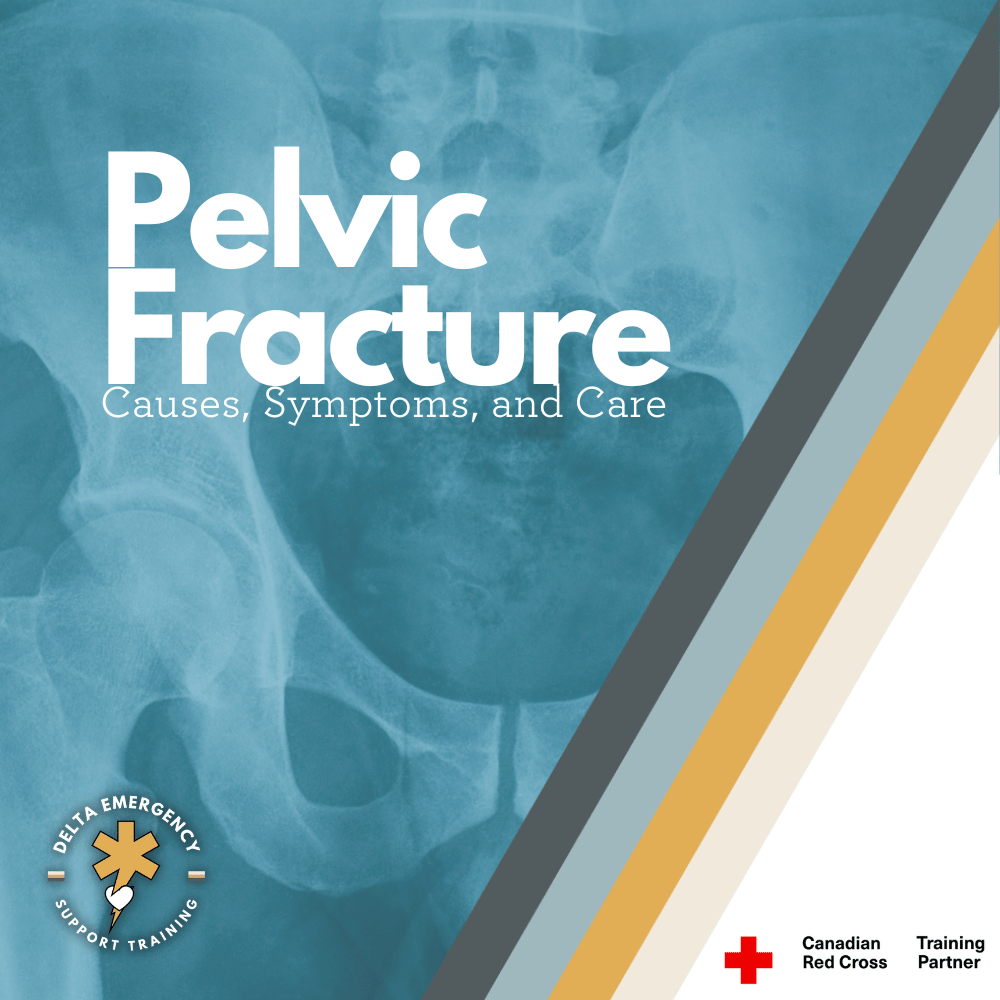
X-Ray of the pelvic region.
High-Impact Mechanisms of Injury (MOI) Leading to Pelvic Fractures
Pelvic fractures often arise from high-impact mechanisms of injury (MOI), which can deliver a devastating blow to the body's central support structure. It's essential to grasp the specific scenarios where these fractures commonly occur to take preventive measures and promptly address them. Here, we explore three prominent MOIs associated with pelvic fractures:
1. Car Accidents with Intrusion:
Car accidents, especially those involving intrusion into the passenger compartment, pose a significant risk of pelvic fractures. When a vehicle collides with another object or experiences a sudden deceleration, the forces involved can be transferred to the occupants. In such cases, the pelvis may absorb a substantial portion of the impact, leading to fractures. The use of seatbelts and properly installed airbags is crucial in reducing this risk.
2. Being Struck as a Pedestrian:
Pedestrians involved in accidents with moving vehicles face a heightened risk of pelvic fractures. When a pedestrian is struck by a vehicle, the impact forces are directed towards the pelvis, which can result in fractures. The severity of the injury depends on various factors, including the speed of the vehicle, point of impact, and the pedestrian's position. Awareness, adherence to traffic rules, and practicing safe pedestrian behaviors are essential in preventing these accidents.
3. High-Impact Sports, such as Horse Riding:
Engaging in high-impact sports like horse riding, skiing, or contact sports increases the likelihood of experiencing pelvic fractures. These activities expose individuals to abrupt movements, falls, or collisions with considerable force. In horse riding, for instance, an unexpected fall from a galloping horse can generate enough energy to fracture the pelvis. Proper safety gear, training, and adhering to safety guidelines can mitigate the risk associated with these sports.
Recognizing Indications of a Pelvic Fracture
When it comes to pelvic fractures, understanding the potential indications is paramount for swift intervention and treatment. These fractures often manifest with a combination of alarming symptoms, each serving as a red flag to signal the severity of the injury. Here, we explore some of the most common and telling indications:
1. Pelvic Instability:
One of the hallmark signs of a pelvic fracture is pelvic instability. This instability can cause a profound sense of discomfort and difficulty in maintaining balance and mobility. Individuals may experience a noticeable shift or misalignment of the pelvic bones, which can be felt when gently pressing on both sides of the pelvis. This instability can be particularly unsettling, making even simple movements a challenge.
2. Excruciating Pain:
Pelvic fractures are often accompanied by excruciating pain in the pelvic region. This pain is typically sharp, intense, and may radiate to the lower back or down the legs. The severity of the pain can vary depending on the extent and location of the fracture. It is important to note that the intensity of the pain may not correlate directly with the severity of the fracture, making it imperative to seek medical attention regardless of the perceived pain level.
3. Splayed Legs:
Another telltale sign of a pelvic fracture is the positioning of the legs. In many cases, the legs may appear splayed or twisted unnaturally due to the disruption of the pelvic bones. This visual indication can be distressing and further underscores the need for immediate medical evaluation.
4. Bruising Indicative of Internal Bleeding:
Bruising around the pelvic area can be indicative of internal bleeding, a critical concern associated with pelvic fractures. As the fractured bones can damage blood vessels within the pelvis, blood may accumulate in the surrounding tissues, causing visible bruising. This external sign of internal bleeding should not be overlooked, as it necessitates urgent medical attention.
Treatment of Pelvic Fractures
When a suspected pelvic fracture is encountered, the immediate goal is to provide stabilization and support while minimizing the risk of further injury. Proper treatment is essential to optimize outcomes and reduce complications. Here is a step-by-step guide to treating pelvic fractures:
1. Manual Stabilization:
The first and most crucial step in managing a suspected pelvic fracture is to provide manual stabilization. This involves gently supporting the pelvis with your hands to minimize movement. Care must be taken to avoid putting pressure directly on the fractured area to prevent exacerbating the injury. Manual stabilization helps in reducing pain and the risk of further damage.
2. Binding the Feet Together:
To address the splayed legs often associated with pelvic fractures and return them to a more anatomically aligned position, binding the feet together is recommended. This can be achieved by using a bandage or cloth to secure the ankles together. The goal is to maintain alignment and prevent further displacement of the fractured bones.
3. Application of a Commercial Pelvic Binder:
Commercial pelvic binders, such as the T-pod, are specially designed to provide effective stabilization for pelvic fractures. These devices are easy to apply and can help bring the fractured pelvic bones together, reducing pain and the risk of internal bleeding. Properly positioning and securing the pelvic binder is essential for its effectiveness.
4. Improvised Binding with a Sheet and Clips:
In situations where a commercial pelvic binder is not available, improvising with a sheet or any strong fabric, along with clips or other fasteners, can provide temporary stabilization. The sheet is wrapped tightly around the pelvis and secured in place to minimize movement and maintain alignment. While not as effective as commercial binders, this method can still be valuable in emergencies.
5. Administering High-Flow Oxygen:
The shock that often accompanies pelvic fractures can be life-threatening. Administering high-flow oxygen is a critical measure to help the body compensate and mitigate the effects of shock. Oxygen supplementation ensures that vital organs receive adequate oxygenation, reducing the risk of organ failure and improving the patient's chances of survival.
In Conclusion: Empowering Knowledge, Saving Lives, and Joining Delta Emergency
Our journey through pelvic fractures has highlighted the critical need for understanding this injury. Recognizing the signs, providing immediate care, and seeking prompt medical attention are paramount. Knowledge is power, and here, it can be lifesaving.
Pelvic fractures are complex, with hidden dangers such as internal bleeding and shock. Armed with this information, you're better prepared to respond effectively.
Joining Delta Emergency for your professional responder needs ensures you have access to comprehensive training, cutting-edge equipment, and a community committed to making a difference. Together, we can minimize the impact of pelvic fractures and provide the support and care that individuals deserve on their path to recovery.

