The Delta Dispatch
Invisible Danger: Red Cross Guide to CO Poisoning Care for AFA + EMR
Aligned with Red Cross standards, this guide prepares Emergency Medical Responders and Advanced First Aiders to recognize and manage carbon monoxide poisoning effectively—from symptoms to scene safety and oxygen treatment.
Carbon monoxide (CO) is a silent killer. As an Advanced First Aider or Emergency Medical Responder (EMR), you're often the first healthcare contact a patient receives. Early recognition and prompt intervention in CO poisoning are crucial and can save lives—especially in settings where access to definitive care may be delayed.
This blog outlines the causes, signs and symptoms, pathophysiology, field assessment, and pre-hospital care strategies relevant to both Advanced First Aiders and EMRs.
What Is Carbon Monoxide?
Carbon monoxide is a colorless, odorless, tasteless gas produced by the incomplete combustion of carbon-based fuels, such as:
Gasoline
Natural gas
Wood
Coal
Propane
It is often found in:
Malfunctioning furnaces and heaters
Gas-powered generators
Indoor barbecuing or grilling
Exhaust from vehicles in enclosed spaces
Fires (house, structure, or wildland)
Because CO is undetectable without special equipment, individuals can be poisoned without any obvious warning signs.
Why Is It Dangerous?
CO binds to hemoglobin in red blood cells with 200 to 250 times greater affinity than oxygen, forming carboxyhemoglobin (COHb). This reduces the amount of oxygen that can be transported through the bloodstream and delivered to vital organs. As a result, even small exposures can lead to significant tissue hypoxia, especially in high-demand organs like the brain and heart.
Common Risk Scenarios for First Responders
You may encounter CO poisoning in any of the following situations:
Residential emergencies involving fuel-burning appliances
People found unconscious in a running vehicle (especially in enclosed garages)
Victims rescued from structure fires or enclosed-space fires
Use of charcoal grills or fuel heaters indoors
Power outages leading to indoor generator use
Your scene awareness and understanding of environmental risks are essential in raising suspicion early.
Signs and Symptoms of CO Poisoning
Mild to Moderate Exposure
Headache (often described as dull or pressure-like)
Dizziness or lightheadedness
Nausea and vomiting
Fatigue or weakness
Confusion or difficulty concentrating
Shortness of breath with minimal exertion
Severe Exposure
Altered level of consciousness or unresponsiveness
Chest pain (especially in individuals with cardiac history)
Tachycardia, hypotension
Seizures
Loss of coordination or balance
Respiratory distress
Coma or death
Children, elderly individuals, and pregnant patients are particularly vulnerable, and may deteriorate more quickly.
What About Pulse Oximeter (SpO₂) Readings?
This is a critical point for both EMRs and Advanced First Aiders:
Pulse oximeters are unreliable in carbon monoxide poisoning.
Why?
Pulse oximeters measure the percentage of hemoglobin saturated with something, but they cannot distinguish between:
Oxyhemoglobin (HbO₂): hemoglobin bound with oxygen
Carboxyhemoglobin (COHb): hemoglobin bound with carbon monoxide
Since COHb absorbs light in a similar way to HbO₂, the device will often display a falsely normal or high oxygen saturation (SpO₂), even if the patient is severely hypoxic.
Example:
A patient may have:
A pulse oximeter reading of 98–100%
But a COHb level of 30–40%, meaning oxygen delivery is critically impaired
Key Takeaway
Do not rely on SpO₂ readings in suspected carbon monoxide poisoning.
Instead:
Focus on the scene context and presenting symptoms
Administer high-flow oxygen regardless of oximeter reading
Prioritize transport to definitive medical care
Pre-Hospital Management
Your early actions can dramatically improve outcomes. Here's what to do:
1. Ensure Scene Safety
Before entering a potentially contaminated area, ensure it is safe. Never enter confined spaces without proper PPE and backup support.
2. Remove the Patient from Exposure
Move the patient to fresh air immediately, but only if it is safe to do so.
3. Administer High-Flow Oxygen
Use a non-rebreather mask at 15 L/min
Oxygen accelerates the dissociation of carbon monoxide from hemoglobin:
Room air: COHb half-life ~5 hours
100% oxygen: COHb half-life ~1.5 hours
Hyperbaric oxygen: COHb half-life ~30 minutes
4. Monitor Vital Signs
Expect signs of hypoxia, even with normal SpO₂
Monitor for respiratory distress, altered LOC, or shock
5. Rapid Transport
Any symptomatic patient requires prompt transfer to advanced medical care, especially if:
They have altered mental status
Are pregnant
Exhibit neurological or cardiac symptoms
Have been exposed for a prolonged period
Notify receiving EMS crews or hospitals of the potential CO exposure.
Special Considerations
Pregnant Patients
Fetal hemoglobin binds CO more readily than adult hemoglobin. CO exposure poses serious risks to the fetus, even if the mother appears only mildly symptomatic.
Pediatric Patients
Children may develop symptoms more quickly due to higher metabolic rates and smaller reserves.
Multiple Casualties
If several people in the same environment report similar symptoms (e.g., headache, dizziness), strongly suspect environmental CO exposure. Treat all individuals as potentially poisoned, even if some are asymptomatic.
Field Clues for CO Exposure
Use this quick field checklist:
Is there a fuel-burning device involved?
Are multiple people feeling sick in the same location?
Do symptoms improve once outdoors?
Is there poor ventilation or signs of combustion indoors?
Does the patient seem "too sick" for their SpO₂ reading?
If yes to any of the above: suspect carbon monoxide poisoning and treat accordingly.
Quick Reference Table: SpO₂ in CO Poisoning
FactorNormal PatientCO Poisoning PatientPulse Oximeter (SpO₂)97–100%97–100% (falsely normal)Actual Oxygen DeliveryAdequateCritically impairedAppropriate ActionMonitorHigh-flow O₂ + transport
Prevention and Education
As a first responder, you also play a vital role in prevention. Encourage the public to:
Install and maintain carbon monoxide detectors
Keep fuel-burning appliances properly ventilated
Never use outdoor cooking equipment indoors
Avoid idling vehicles in enclosed spaces
Seek medical attention after any CO alarm activation, especially with symptoms
Carbon monoxide poisoning is a critical medical emergency that demands rapid recognition and decisive care. Both Advanced First Aiders and Emergency Medical Responders must understand that a normal SpO₂ reading doesn’t rule out danger. Situational awareness, oxygen administration, and timely transport are your most effective tools in the field.
At our training center, we specialize in Advanced First Aid and EMR education, equipping students with the real-world skills needed to respond confidently to medical emergencies—including CO poisoning. If you're interested in becoming a firefighter or pursuing a career in emergency services, our programs are a strong first step.
Many of our instructors are experienced paramedics and active-duty firefighters, bringing first-hand insights from the front lines directly into the classroom. You'll learn from professionals who live what they teach—preparing you not only to pass your course but to thrive in high-stakes environments.
Ready to take the next step? Join a course that goes beyond the textbook.
The Importance of Patient Communication for First Responders: A Guide to Effective, Compassionate Care
In the critical moments following an emergency, the way first responders communicate with patients can make all the difference. Good communication not only helps calm patients and build trust but also ensures more effective care. In this article, we’ll explore why patient communication matters, what to say to reassure and educate patients, and what to avoid in order to prevent escalating anxiety or confusion. By using clear, empathetic communication, first responders can enhance patient outcomes and foster a deeper sense of security.
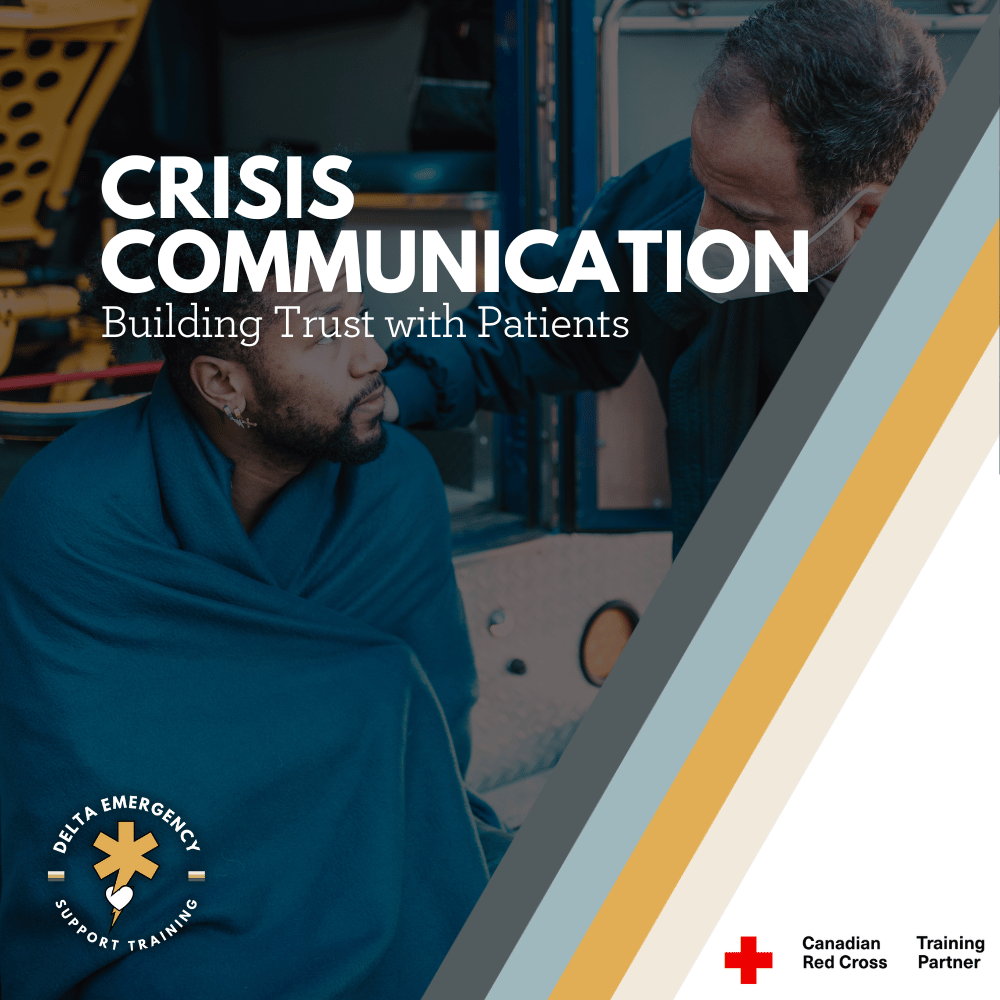
First responder comforting patient.
As first responders, your job extends beyond providing medical care. You are often the first point of contact in a crisis, and your communication skills can significantly impact the patient’s experience. Whether the person you’re helping is conscious or in distress, calm and effective communication can not only reassure them but also improve their overall outcome. In this blog, we will explore the significance of patient communication, what you should say, and what you should avoid saying when interacting with patients.
Why Communication Matters
When a person is injured, ill, or in an emergency situation, they are often frightened, confused, and uncertain. As a first responder, you are not just a medical professional—you are a source of comfort and security. Strong communication skills can help calm anxious patients, build trust, and ensure that you can gather the critical information needed to provide effective care.
Here are a few key reasons why good communication is essential:
Reassures the Patient: Effective communication can reduce anxiety and fear. A patient who feels heard and understood is more likely to trust you and follow your instructions.
Informs and Educates: Patients may not understand the severity of their situation. Explaining procedures and what is happening helps them feel more in control and informed.
Builds Trust: When patients sense your professionalism and empathy through your words, they are more likely to feel safe and cooperate, allowing you to deliver care efficiently.
Improves Health Outcomes: A patient who is actively involved in their care is more likely to comply with necessary procedures and instructions, leading to better outcomes.
What to Say: Key Elements of Effective Communication
In high-stress situations, it’s easy to forget the fundamentals of clear communication. Here are some essential tips to ensure you communicate well with patients:
Introduce Yourself and Explain Your Role: It’s important to let the patient know who you are and what you’re doing. For instance, you could say:
“Hi, I’m [Your Name], and I’m an EMT. I’m here to help you today.”
This immediately sets the stage for trust, as it lets the patient know that they are in professional hands.
Stay Calm and Confident: Patients take emotional cues from you. If you appear calm and in control, they are more likely to mirror those emotions. If you’re uncertain or panicked, it may escalate their fear. Use a calm, steady voice and be confident in your actions.
Use Simple, Clear Language: Avoid medical jargon that may confuse your patient. Instead, explain procedures and information in simple, easy-to-understand terms.
“I’m going to check your heart rate now. This will help us understand how your body is reacting.”
Keeping things clear prevents confusion and fosters trust.
Give Clear Instructions: Patients may not know what to do in an emergency. Be clear in your instructions, but also use positive language that emphasizes what they can do.
“Can you please take slow, deep breaths with me?”
Avoid telling them what not to do, as this may be confusing or create a sense of urgency. Positive phrasing helps guide their actions.
Empathy and Reassurance: Let the patient know that you understand how difficult their situation is. Even a simple statement can go a long way in creating rapport.
“I know this is scary, but you’re not alone. We’re here to take care of you.”
Provide Information About What’s Happening: It’s important to keep the patient informed about what you’re doing and why. In emergencies, patients may feel out of control, so explaining things step-by-step helps them stay grounded.
“I’m going to put an IV in to give you fluids. It might feel a little uncomfortable, but it’s important for your recovery.”
Listen Actively: Communication is a two-way street. Make sure to listen attentively to the patient’s concerns, and acknowledge their feelings. If they have questions, answer them as clearly and calmly as possible. This shows that you care about their well-being and helps maintain a strong connection.
What NOT to Say: Common Pitfalls to Avoid
While there is much to say in terms of effective communication, there are also many things that should be avoided. First responders need to be mindful of how their words can affect a patient’s emotional state. Here are a few things to keep in mind:
Avoid False Reassurance: Telling a patient that everything is going to be “fine” when you aren’t sure is not helpful. While you want to reassure, it’s important to remain honest about what you know and what’s uncertain.
Instead of saying, “You’ll be fine,” try, “We’re doing everything we can to help you right now.”
Don’t Make Assumptions: Avoid making statements that assume the patient’s condition or needs without knowing the facts. For example, saying “This will hurt, but it’s necessary” can cause unnecessary anxiety.
Instead, phrase it more carefully: “You may feel some discomfort as we do this, but it will help us get you the treatment you need.”
Don’t Rush or Overwhelm: In fast-paced emergencies, it’s easy to get caught up in the urgency, but avoid overwhelming the patient with too much information too quickly. Try to break things down into manageable steps.
Instead of saying, “We need to get you to the hospital, start an IV, monitor your vitals, and administer fluids—all at once,” you could say, “We’re going to start by getting an IV in so we can give you fluids. Then we’ll check your vitals and get you ready for transport.”
Don’t Dismiss Concerns: Never trivialize the patient’s feelings or complaints. What may seem minor to you could feel significant to the patient.
If a patient expresses worry, avoid saying things like, “It’s not that bad.” Instead, listen, acknowledge their feelings, and reassure them.
Avoid Overloading with Technical Details: While patients deserve information, keep in mind that too much medical detail can be overwhelming. Focus on what’s necessary for their immediate understanding.
Building Trust: The Role of Empathy in Patient Communication
Empathy is at the core of good patient communication. Demonstrating that you care about the patient’s well-being can make all the difference, especially in high-stress situations. Showing empathy doesn’t mean solving all their problems—it means showing that you understand their fears and frustrations.
Empathetic phrases to use:
“I know you’re in pain, and I’m here to help you through this.”
“It’s okay to feel scared; we’re going to take good care of you.”
“I can imagine this is really tough right now. We’re doing everything we can to help.”
Empathy fosters a connection that can make patients feel more comfortable, even in dire situations.
Final Thoughts
In the demanding role of a first responder, you play a pivotal part in both the physical and emotional care of patients. Effective communication can build trust, ease anxiety, and improve the overall care experience. By using clear, compassionate, and thoughtful communication techniques, you can ensure that your patients feel heard, cared for, and more at ease during some of the most vulnerable moments of their lives.
Mastering patient communication not only helps provide better care but strengthens the bonds between first responders and the communities they serve. When it comes to saving lives, it’s not just the physical interventions that matter—it’s the way we communicate with those who need us most.
Become a Confident Emergency Responder: EMR & AFA Training for Aspiring Firefighters
Looking to become a firefighter in Alberta? Delta Emergency Support Training provides top-tier EMR and AFA coursesto help you meet the medical prerequisites for fire departments. With hands-on learning from experienced paramedics and firefighters, you’ll leave our courses feeling confident and ready for any emergency response role
Take Your First Step Toward Becoming a Firefighter with Delta Emergency Support Training’s Advanced First Aid & Emergency Medical Responder Courses
Becoming a firefighter is a calling. It’s about being ready for any emergency and making critical decisions when lives are on the line. If you’re looking to join the ranks of Alberta’s fire departments, one key requirement is completing Advanced First Aid (AFA) training. At Delta Emergency Support Training, we offer Emergency Medical Responder (EMR) and Advanced First Aid (AFA) courses that go beyond the basics to help you build the skills you need to succeed in firefighting and emergency medical services.
We don’t just teach first aid, we create confident, well-rounded professionals. When you leave our course, you’ll not only meet the medical requirements but also feel fully prepared to handle emergencies in the real world.
Why EMR & AFA Training is Crucial for Aspiring Firefighters
To become a firefighter in Alberta, you need to meet specific medical training requirements. Our EMR and AFA coursesare designed to ensure you meet these requirements and walk away feeling confident in your ability to respond to any medical emergency.
Here’s why our training is crucial:
Essential for Firefighter Certification: Alberta fire departments, including Calgary Fire, Edmonton Fire, and others, require advanced first aid as part of the firefighter qualification process. Our EMR courses are built specifically to meet these requirements and provide you with the foundational knowledge and hands-on skills you need to excel.
In Demand Across Multiple Industries: While firefighting is our primary focus, EMRs are also in high demand in the oil and gas sector, construction, and other high-risk industries. Completing our course opens doors to a wide range of career opportunities, giving you the flexibility to work in various emergency response roles.
Real-World, Hands-On Training: In firefighting, every second counts. Our EMR and AFA courses are designed to give you more than just theoretical knowledge — you’ll get practical, real-world training. You’ll practice everything from patient assessment to trauma care and advanced life-saving techniques in realistic, high-pressure scenarios, so you’re prepared to face anything that comes your way.
Flexible Learning Options: We know life is busy. That’s why we offer flexible training options to suit your schedule. Whether you prefer in-person sessions for a more hands-on approach or hybrid learning for more flexibility, we’ve got you covered.
What You’ll Learn in Our EMR & AFA Courses
When you train with Delta Emergency Support Training, you’re not just learning techniques; you’re building the confidence to apply them in real emergencies. Our courses are structured to provide you with the skills needed to become a capable, confident medical professional. Here’s what you’ll learn:
Patient Assessment & Treatment: You’ll learn how to quickly and accurately assess a patient’s condition and determine the best course of action. From airway management to oxygen administration, you’ll be trained to provide high-quality care in a variety of medical and trauma situations.
Trauma & Medical Expertise: Our training covers essential skills like spinal injury management, using spinal boards, scoop stretchers, and KEDs (Kendrick Extrication Devices), as well as pelvic binding for trauma. You’ll also learn how to manage critical medical emergencies, giving you the knowledge to treat a wide range of injuries and illnesses.
Advanced Life-Saving Techniques: Our courses focus heavily on high-efficiency CPR, Basic Life Support (BLS), and advanced trauma care. You’ll also gain experience with tools like SAGER (Self-Adjusting Gurney Extrication) to stabilize and extricate patients effectively and safely.
Scene Safety & Scene Management: Firefighting and emergency medical care require you to work in chaotic, high-stress environments. We teach you how to assess and manage scenes safely, make critical decisions quickly, and always put your safety — and your patient's — first.
Instructor Expertise: Led by an experienced Critical Care Paramedic with 17 years of experience in EMS, including his work with STARS Air Ambulance, we provide top-notch training from instructors who have been in the field and understand exactly what you’ll face as a first responder.
What Sets Us Apart
At Delta Emergency Support Training, we’re not just about meeting certification requirements — we’re about making sure you walk away feeling like a confident, capable medical professional. We pride ourselves on giving you the skills and knowledge to excel in the field, and here’s what makes our training different:
Proven Success: Many of our students have gone on to secure positions with leading fire departments like Calgary Fire, Edmonton Fire, and beyond. Our high success rate speaks to the effectiveness of our training — and the caliber of professionals we help develop.
Hands-On, Practical Learning: Theory is important, but practical experience is what will make you excel in real-world situations. You’ll get plenty of hands-on practice with the techniques and tools you’ll use in the field, ensuring you leave our course feeling ready for anything.
Tailored to Your Career Path: Whether you’re focused on firefighting or exploring opportunities as a site medic in high-risk industries, we offer comprehensive training that prepares you for the specific demands of your role. We also provide bridge courses and refresher courses to keep your skills sharp throughout your career.
Support Every Step of the Way: We’re here to support you not just in the classroom, but throughout your career journey. Whether it’s job placement assistance, career advice, or industry connections, we’re committed to helping you take the next step in your emergency response career.
Flexible Payment Options: We understand the financial commitment involved in training. Ask about our payment plans and discounts for groups to make your education more accessible.
Start Your Journey Today
If you’re ready to take the next step in your firefighting career or want to gain valuable emergency medical skills, Delta Emergency Support Training is here to help. We’re committed to providing training that goes beyond certification — we want you to leave our courses feeling confident and prepared for any emergency.
Contact us today to learn more about our EMR and AFA courses, find the perfect class for your schedule, and start your journey toward becoming a capable, confident emergency medical responder.

