The Delta Dispatch
Liver Failure: What Every Future First Responder Should Know
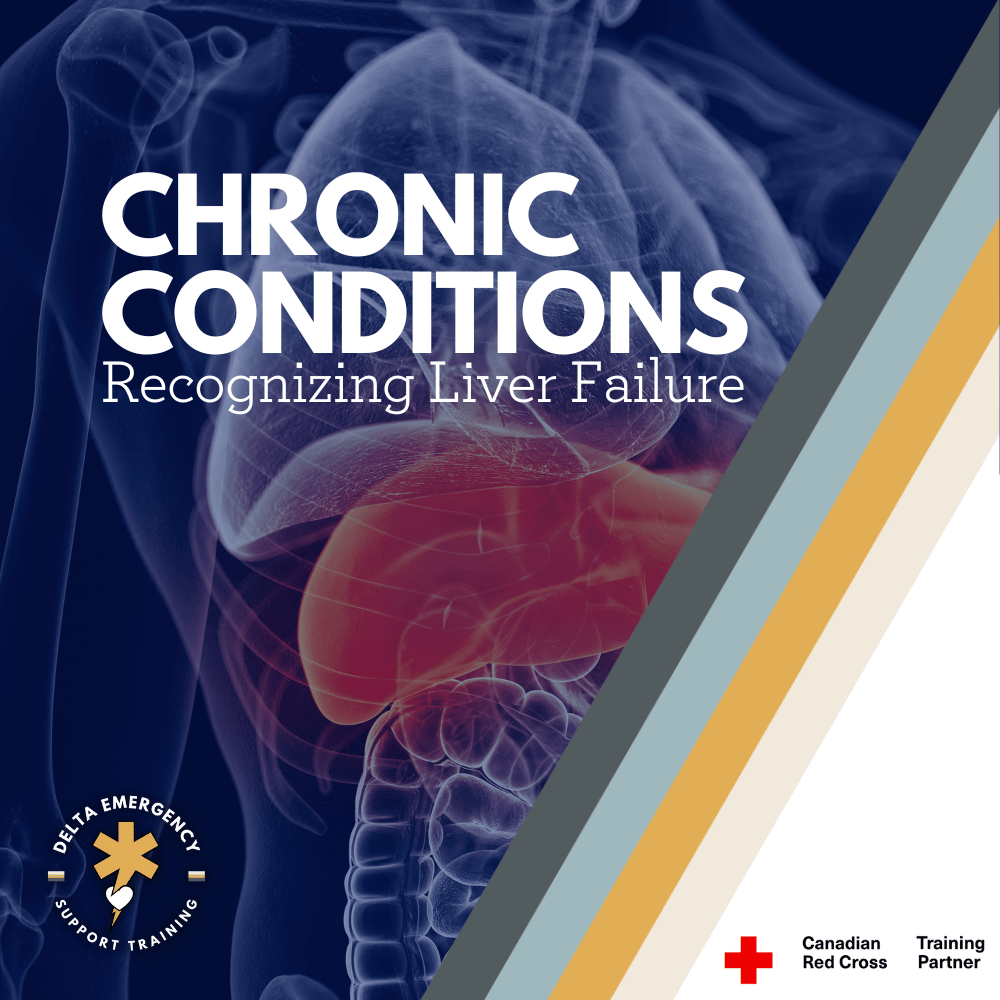
Liver failure is a life-threatening condition that every future first responder should be able to recognize. This in-depth guide covers liver function, causes of failure, patient symptoms, and how firefighters and EMRs can respond—based on Red Cross emergency care standards.
The liver is one of the most vital organs in the human body, responsible for a wide range of essential functions. As a first responder—whether you're training as a firefighter, Emergency Medical Responder, or preparing for a healthcare career—it’s important to understand what liver failure is, how it presents, and what role you can play in early recognition and supportive care.
This blog post is designed for students and professionals taking Advanced First Aid or Red Cross EMR courses who are beginning their journey into emergency services. Whether you’re on a call with your fire crew or treating a patient as part of EMS, knowing how to recognize and respond to liver failure can save lives.
The Role of the Liver in the Human Body
The liver has more than 500 known functions. Key responsibilities include:
Detoxification: Filtering toxins from the blood (including medications, alcohol, and waste byproducts).
Metabolism: Processing carbohydrates, fats, and proteins.
Storage: Storing glycogen, vitamins, and iron.
Bile Production: Aiding digestion by producing bile for fat absorption.
Clotting Factors: Synthesizing proteins necessary for blood clotting.
When liver cells become damaged or overwhelmed, these processes break down—leading to liver failure, which can progress rapidly.
What Is Liver Failure?
Liver failure occurs when the liver loses its ability to function adequately. It can be acute (develops quickly over days or weeks) or chronic (progresses over months or years).
Types of Liver Failure:
Acute Liver Failure (ALF): Often caused by overdose, viral hepatitis, or toxins. Patients may have had no prior liver disease.
Chronic Liver Failure (CLF): Usually due to long-term conditions like alcoholism, hepatitis C, or nonalcoholic fatty liver disease (NAFLD).
Stages of Liver Failure
Inflammation: Liver becomes swollen or inflamed.
Fibrosis: Scar tissue begins to form.
Cirrhosis: Scar tissue replaces healthy tissue, impeding function.
End-Stage Liver Disease (ESLD): Liver stops functioning effectively.
Hepatic Encephalopathy: Toxins affect brain function due to liver's inability to filter.
Common Causes of Liver Failure
Alcohol abuse
Hepatitis A, B, and C
Acetaminophen overdose
Autoimmune liver disease
Genetic conditions (e.g., Wilson’s disease)
Fatty liver disease
Toxin exposure (mushrooms, industrial chemicals)
Signs and Symptoms
As a first responder, here are the signs you may observe:
Early Signs:
Fatigue
Loss of appetite
Nausea and vomiting
Right upper quadrant abdominal pain
Progressing Symptoms:
Jaundice: Yellowing of the skin and eyes
Bruising or bleeding easily (due to loss of clotting factors)
Swelling in legs and abdomen (ascites)
Dark urine, pale stool
Confusion or personality changes (hepatic encephalopathy)
Fetor hepaticus: A sweet, musty breath odor
How These Patients Present to EMS:
Altered level of consciousness
Seizures or unresponsiveness in severe encephalopathy
Abdominal pain and distention
Visible jaundice or bruising
History of alcohol use, medication use (especially acetaminophen), or hepatitis
Possible GI bleeding (hematemesis or melena)
Treatment Overview
While definitive treatment often includes hospitalization, liver transplant, or intensive supportive care, first responders can play a crucial early role:
Emergency Priorities:
Airway, Breathing, Circulation (ABCs): Always your first step.
Monitor LOC: Liver failure can rapidly lead to encephalopathy and unconsciousness.
Manage bleeding: These patients bleed easily due to impaired clotting.
Prevent further harm: Minimize medications and toxins.
Rapid transport: Time is critical in acute liver failure.
How Firefighters, EMRs, and Paramedics Respond
For Firefighters:
Be aware during medical assist calls, particularly for unconscious individuals.
Look for signs of jaundice or a known history of liver disease.
Support EMS with lifting and extrication in swollen or weakened patients.
For EMRs:
Take a clear history if possible (alcohol, drug use, known liver issues).
Use primary and secondary survey techniques to identify symptoms.
Support airway and manage LOC as needed.
Understand your role in ongoing assessment and timely transport.
For Paramedics:
Initiate IV access if within scope.
Administer oxygen and prepare for airway intervention.
Check glucose levels—hypoglycemia is common.
Be prepared for seizures or altered mental status.
Notify receiving hospital of suspected liver failure.
Why Liver Knowledge Matters for First Responders
Liver failure is often underrecognized in the pre-hospital setting, especially in its early stages. However, responders with advanced first aid or EMR training can spot the red flags and advocate for timely care.
Understanding the liver’s role in the body, the signs of dysfunction, and how these patients deteriorate can help you:
Communicate effectively with paramedics and hospital staff.
Make informed decisions during assessment.
Improve outcomes by acting early.
Join the Front Lines: Train with Confidence
At Delta Emergency Support Training, we specialize in Red Cross-certified Advanced First Aid and Emergency Medical Responder (EMR) courses for individuals looking to start a career in emergency services.
Whether you're working toward a future as a paramedic, firefighter, or healthcare professional, our instructors—many of whom are active EMS providers and firefighters—are here to prepare you for real-world scenarios, including recognizing critical conditions like liver failure.
Final Thoughts
Liver failure may not be the first thing that comes to mind during a call—but for the trained eye, it's a condition that demands attention. As a first responder, being equipped with the knowledge to recognize and respond can make all the difference.
Take the first step in your emergency services career by enrolling in one of our Red Cross-certified training programs. Learn to recognize more than symptoms—learn to save lives.
First Responder’s Guide: Medical Calls Involving Cancer Patients
Responding to medical calls involving cancer patients requires both clinical expertise and compassionate care. This guide provides first responders with essential knowledge on managing cancer-related emergencies, from understanding treatment side effects to providing emotional support in high-stress situations.
Responding to Medical Calls Involving Patients with Cancer: Key Considerations for First Responders
Introduction
When responding to medical calls involving patients with cancer, first responders play a crucial role in providing timely, compassionate, and competent care. Cancer patients often have unique medical needs, and responding to emergencies in these situations requires both clinical knowledge and emotional sensitivity. Whether it's a cancer-related emergency, side effects from treatment, or a complication related to the disease, understanding how to approach these situations is key to delivering the best care possible.
At Delta Emergency Support Training, we offer training that prepares first responders to handle a wide range of medical emergencies, including those involving cancer patients. Here's a guide on how to approach these situations.
Understanding Cancer and Its Impact on the Body
Cancer is a broad term used to describe a range of diseases where abnormal cells divide and grow uncontrollably. The disease can affect various parts of the body, leading to complications like pain, fatigue, immune suppression, and organ dysfunction. The type of cancer and the stage of the disease greatly influence how patients present medically.
Common Types of Cancer:
Breast cancer
Lung cancer
Leukemia
Lymphoma
Colorectal cancer
Prostate cancer
Each cancer type can affect patients in different ways, and treatment regimens such as chemotherapy, radiation therapy, and immunotherapy also have their own side effects, which can exacerbate existing conditions or create new health challenges.
Key Considerations When Responding to a Cancer Patient's Emergency
1. Be Aware of Treatment Side Effects
Patients undergoing cancer treatments often experience side effects that can complicate their condition, including:
Nausea, vomiting, and dehydration from chemotherapy.
Fatigue and weakness due to the impact of treatment on the body.
Infections due to immune suppression from chemotherapy or other treatments.
Pain associated with the cancer itself or as a side effect of treatment.
When responding to an emergency call, ask patients or caregivers about their treatment history, as this will help you understand potential side effects and offer appropriate care.
2. Pain Management
Cancer patients often suffer from chronic pain, which can be exacerbated during medical emergencies. It’s essential to manage pain appropriately while providing care. Pain relief protocols can vary based on the patient’s condition and medical history, so be prepared to:
Administer pain relief medications if authorized by medical protocols.
Use comfort measures, such as positioning or providing emotional support.
Monitor pain levels and adjust your response based on the patient’s feedback.
3. Complications from Cancer
Some cancer patients may face complications such as bleeding disorders, respiratory issues, or organ failure. For example, leukemia patients may have low platelet counts, leading to a higher risk of bleeding. It’s important to:
Be prepared to manage bleeding with direct pressure or appropriate dressing techniques.
Monitor for respiratory distress, especially if the cancer has spread to the lungs.
Support cardiac function, particularly if the patient has heart-related issues caused by cancer or its treatments.
4. Managing the Emotional Impact
Cancer patients may experience fear, anxiety, or even depression related to their diagnosis. Being a compassionate and empathetic first responder is critical in these situations:
Listen actively and provide reassurance.
Avoid making promises about treatment outcomes or the future.
Respect patient wishes, especially if they are nearing the end of their life.
5. Handling Medical Devices and Port Access
Many cancer patients have medical devices like central venous catheters (CVC), ports, or peripheral intravenous (IV) lines for chemotherapy or other treatments. Understanding how to manage these devices is essential:
Never attempt to remove or adjust a port unless specifically trained.
Ensure sterile techniques are used when handling devices to prevent infections.
Be mindful that some devices may be used for pain management, nutritional support, or drug delivery.
Emergency Scenarios in Cancer Patients
Cancer patients can experience a range of emergencies that may require immediate attention from first responders:
Respiratory Distress
Cancer types affecting the lungs (e.g., lung cancer) or metastasis to the lungs may cause shortness of breath, labored breathing, or coughing up blood. Use of oxygen and positioning for optimal breathing is important.
Severe Bleeding
If the patient has leukemia or other conditions affecting blood clotting, they are more prone to bleeding. Apply pressure and elevate the injured area if necessary, and be prepared for potential internal bleeding or bruising.
Sepsis
Cancer patients undergoing chemotherapy or with low immune function are particularly vulnerable to sepsis, which is a life-threatening infection. Symptoms can include fever, chills, confusion, and rapid heart rate. Quick intervention with fluids, antibiotics, and airway management can save lives.
Spinal Cord Compression
In some cancers, such as breast cancer and lung cancer, the tumor can press on the spinal cord, causing severe pain, weakness, or loss of movement. Immediate stabilization and transfer to a medical facility are critical.
Hypercalcemia
Elevated calcium levels in the blood can occur with certain types of cancer and lead to confusion, weakness, or cardiac issues. Recognizing this and providing supportive care can prevent further complications.
Conclusion
Responding to medical calls involving cancer patients requires a balance of clinical knowledge and compassionate care. First responders must be prepared to handle the complex medical needs of cancer patients, from managing side effects and complications to addressing the emotional impact of the disease. By understanding the types of cancer, recognizing potential complications, and providing effective, empathetic care, you can make a significant difference in the lives of patients facing cancer.
At Delta Emergency Support Training, we equip first responders with the training they need to handle a variety of emergency scenarios, including those involving cancer patients. By providing Standard First Aid (SFA), Advanced First Aid (AFA), and other specialized training, we ensure responders are ready to deliver life-saving care in any situation.
Alzheimer's Unveiled: Navigating Challenges for First Responders and Families
Alzheimer's stands as a formidable challenge, gradually eroding the fabric of memory, reasoning, and daily functioning. This blog unveils the layers of Alzheimer's, focusing on its profound effects on individuals and families. For first responders, understanding the complexities becomes crucial as they navigate situations where patients may be unable to provide vital information. Join us on a journey to decode Alzheimer's, exploring insights for compassionate care and addressing the rising tide of this silent epidemic.
Alzheimer's disease is a complex and devastating neurological condition that significantly impacts individuals, families, and communities. As the most common form of dementia, Alzheimer's poses unique challenges for both patients and those providing care, including first responders. In this blog, we will delve into the intricacies of Alzheimer's disease, its effects on individuals, and the implications for caregivers and first responders.
Senior mother and adult daughter hugging.
Understanding Alzheimer's Disease:
Alzheimer's disease is a chronic neurodegenerative disorder characterized by the gradual loss of cognitive functions, including memory, reasoning, and the ability to perform daily activities. It is not a normal part of aging, but age is a significant risk factor. Changes in the brain, such as the accumulation of abnormal protein deposits called plaques and tangles, can start years before the onset of noticeable symptoms.
Effects on Individuals:
Memory problems are often the first warning signs of Alzheimer's disease. In addition to memory loss, individuals may experience:
Disorientation:
Getting lost in familiar places or repeating questions.
Financial challenges:
Trouble handling money and paying bills.
Difficulty with tasks:
Struggling to complete familiar activities at home, work, or leisure.
Judgment issues:
Decreased or poor decision-making.
Implications for First Responders:
First responders face unique challenges when dealing with individuals affected by Alzheimer's disease. Patients may be unable to provide essential information about their medical history, current medications, or the severity of their condition. Moreover, the disease might cause confusion, fear, and agitation, making patient care more challenging. Effective communication and a compassionate approach become crucial in managing such situations.
Risk Factors:
Age remains the most well-known risk factor for Alzheimer's disease. However, genetics also play a role, with family history influencing susceptibility. While genes contribute, they are not the sole determinant, as a healthy lifestyle, including regular physical activity, a nutritious diet, limited alcohol consumption, and not smoking, may help reduce the risk.
Impact on Families:
The burden of Alzheimer's extends beyond the affected individual to their families. Caregivers often face emotional, physical, and financial challenges in providing support. As the disease progresses, the need for intensive care and supervision increases, adding strain to familial relationships.
Alarming Statistics:
The prevalence of Alzheimer's disease is rising, making it one of the top 10 leading causes of death in the United States. It is the 6th leading cause of death among US adults and the 5th among adults aged 65 or older. The number of affected Americans aged 65 or older is projected to triple to 14 million by 2060. The associated costs are also escalating, with projections estimating annual expenses to surpass $500 billion by 2040.
Conclusion:
Alzheimer's disease presents a multifaceted challenge that demands a comprehensive approach from healthcare professionals, caregivers, and first responders. As research continues to explore the links between education, diet, environment, and the development of Alzheimer's, a collective effort is required to enhance awareness, support affected individuals and families, and work towards finding effective treatments and, ultimately, a cure for this devastating disease.

