The Delta Dispatch

Essential First Aid Supplies for Backcountry & Wilderness Adventures

Heading into the backcountry this summer? Don’t go unprepared. This Red Cross-informed guide breaks down the essential first aid items every outdoor enthusiast should pack — from splints and bandages to water purification. Whether you're hiking alone, with friends, or just want to be ready to help, this blog equips you with smart packing tips and survival insight, backed by expert instruction from paramedics and firefighters.
Be Prepared for the Unexpected — A Guide for Outdoor Enthusiasts and Future First Responders

backpacker hiking through forest

The Value of Preparedness in the Outdoors

As we move into the warmer months, more people head into the backcountry for hiking, paddling, camping, and exploration. While the outdoors can be incredibly rewarding, it also brings real risks — injuries, illness, environmental exposure, or getting stranded far from help.

When you’re hours or days from emergency services, your first aid kit — and your ability to use it — becomes your lifeline. Whether you’re solo, with a group, or come across someone in distress, having the right supplies and wilderness first aid knowledge is critical.

At Delta Emergency Support Training, we encourage all outdoor adventurers to be equipped with a kit based on Red Cross Wilderness First Aid standards, and to pursue formal training if you plan to spend time off-grid.

🧭 What to Pack: Wilderness First Aid Essentials

Here’s a practical, space-efficient list of items to pack. It covers a wide range of common outdoor emergencies without weighing down your pack. Every item is selected for its usefulness, multi-purpose capability, and portability.

🩹 Wound & Injury Management

  • Adhesive bandages (various sizes): For cuts, blisters, and scrapes.

  • Sterile gauze pads & medical tape: To dress and protect larger wounds.

  • Antiseptic spray or wipes: To clean wounds and reduce infection risk.

  • Antibacterial ointment (e.g., Polysporin): Helps with healing and infection prevention.

  • Butterfly bandages or wound closure strips: For minor lacerations.

  • SAM splint: Lightweight, moldable aluminum splint for fractures or sprains.

  • Triangular bandage: Versatile for slings, head wraps, pressure dressings, or tying splints.

  • Elastic (tensor) bandage: For wrapping sprains or compressing joints.

  • Nitrile gloves (2 pairs): Essential for infection control when treating others.

🧰 Tools & Utilities

  • Tweezers: For removing ticks, splinters, or debris.

  • Trauma shears or compact scissors: For cutting bandages or clothing.

  • Safety pins: For securing triangular bandages or improvised gear.

  • CPR mask or face shield: If you're trained to give rescue breaths.

  • Emergency blanket (Mylar): For warmth, treating shock, or creating shelter.

  • Whistle: For signaling help in low-visibility areas.

  • Headlamp or flashlight (with extra batteries): For nighttime first aid or navigation.

💊 Medications & Health

  • Ibuprofen or acetaminophen: For pain, inflammation, or fever.

  • Antihistamines (e.g., diphenhydramine/Benadryl): For allergic reactions to bites, plants, or foods.

  • Anti-diarrheal tablets: For managing dehydration-related illness.

  • Oral rehydration salts or electrolyte tabs: Prevents dehydration during exertion or illness.

  • Personal medications: In clearly labeled containers (e.g., epinephrine auto-injector, asthma inhaler).

🌿 Environmental Care

  • Sunscreen (small tube): Prevents burns and overheating.

  • Lip balm with SPF: Protects lips from wind and sun.

  • Bug repellent wipes or spray: Helps prevent bites and insect-borne illness.

  • Aloe vera gel or hydrocortisone cream: Treats sunburns or itchy skin.

💧 Survival & Hydration

  • Water purification tablets or mini filter straw: For treating questionable water sources.

  • Ziploc bags or dry bag: To keep supplies dry and organized.

  • Duct tape (small roll or wrapped around water bottle): Useful for gear repair or even medical splinting.

🧠 Field Use Tips: Improvising with What You Have

In the wilderness, you may not have every tool — but you likely have items that can double as medical gear in a pinch. Here’s how:

Everyday ItemEmergency UseBandana or BuffSling, tourniquet, or head wrapDuct tapeSplinting, securing bandages, sealing woundsCredit cardScraping insect stingersT-shirt or towelPressure dressing, padding, or bandageZip-tie or cordSecuring splints or gearTampons/sanitary padAbsorbing blood from wounds or nosebleeds

🧭 Why All of This Matters

When you're out of cell range or deep in remote areas, help isn't minutes away — it could be hours or days. You could be:

  • Alone and injured

  • Caring for a friend or family member in distress

  • Stumbling across a stranger in need of help

Without service, your training and your kit are your best tools.

📚 Train with the Red Cross & Delta Emergency Support Training

Want to be ready for emergencies in the outdoors — or even take the first step toward a career as a paramedic or firefighter? We offer:

  • Red Cross Wilderness & Remote First Aid

  • Advanced First Aid (AFA)

  • Emergency Medical Responder (EMR)
    Led by active paramedics and firefighters, our programs go beyond the basics and prepare you for real-world emergencies.

🚑 Be the Help Until Help Arrives

You don’t need to carry a hospital in your backpack. But with a smartly packed kit and the right training, you can respond confidently in critical moments — until rescue arrives or help is found.

Read More

Unlocking the Great Outdoors: Mastering Wilderness First Response with Delta Emergency Support Training

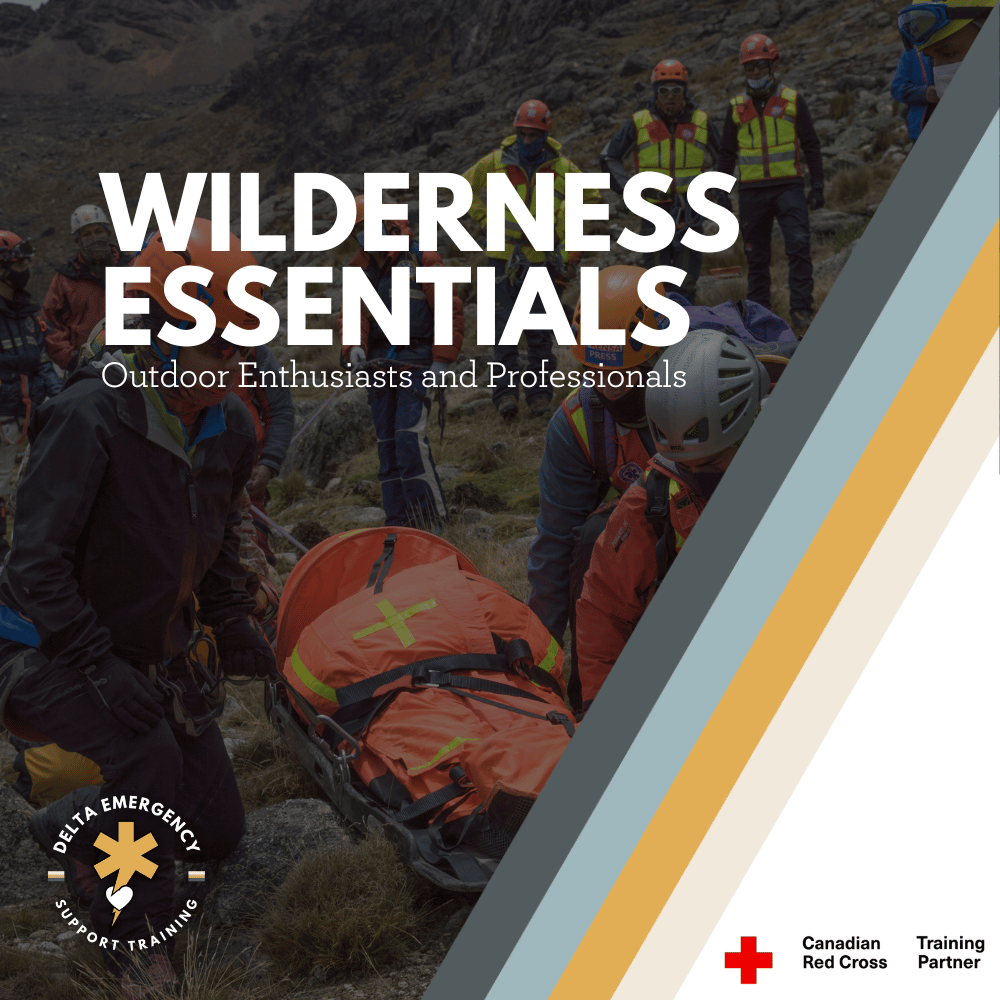
The Wilderness First Responder Course is a must for outdoor enthusiasts and professionals who venture into remote areas. Whether you're hiking, camping, or leading outdoor adventures, this course provides the essential skills to respond to medical emergencies in the wilderness. Learn to assess, treat, and manage injuries, illnesses, and life-threatening situations when help is far away. Equip yourself with the knowledge to handle emergencies confidently and safely.

Why the Wilderness First Responder Course Package is Essential for Outdoor Enthusiasts and Professionals

The wilderness is unpredictable, and those who brave its untouched landscapes know that preparation is key—not just in gear but in knowledge and skills. Delta Emergency Support Training offers the "Canadian Red Cross: Wilderness First Responder Course Package," a comprehensive trio of textbooks designed specifically for those who find themselves as first responders in remote and rugged environments. This package isn't just a set of books; it's an essential toolkit for saving lives where traditional medical help may be hours away.

Three Textbooks, One Mission: Comprehensive Preparedness

  1. The Core Manual: This textbook covers a broad range of topics necessary for a solid foundation in wilderness medicine, including patient assessment and emergency response strategies tailored to the unique challenges of the wilderness.

  2. The Scenario Guide: Packed with realistic scenarios, this guide pushes you to apply what you've learned in dynamic and challenging situations, enhancing decision-making skills under pressure.

  3. The Quick Reference Handbook: When time is critical, this handbook is your go-to for quick checks and reminders, ensuring you have the right information at your fingertips when every second counts.

Designed for Depth and Durability

Each book in the Wilderness First Responder Course Package is crafted to withstand the elements, making them perfect for outdoor use. Water-resistant and tear-resistant pages mean that whether you're caught in a downpour or navigating rough terrain, your source of critical information remains intact.

Affordably Priced, Invaluable Investment

At Delta Emergency Support Training, we understand the importance of accessibility to quality education. That's why we offer these textbooks at prices well below standard retail costs. Investing in this package means investing in the safety of your team and the individuals you'll have the skills to assist, making it invaluable to any professional or agency involved in wilderness activities.

Why Choose a Physical Book Over Digital?

While digital devices are ubiquitous, in the wilderness, they are often unreliable. A physical book doesn’t require battery power or signal reception. It becomes not just a tool, but a reliable companion that ensures information is always available, no matter where your journey takes you.

Conclusion

Whether you're leading expeditions, embarking on solo wilderness adventures, or providing professional training, the Canadian Red Cross: Wilderness First Responder Course Package from Delta Emergency Support Training is your essential companion. By equipping yourself with this knowledge, you prepare to face the wilderness not just with confidence, but with competence.

Ready to take your wilderness preparedness to the next level? Visit our website at Delta Emergency Support Training to purchase your course package today and step confidently into your next adventure, knowing you are trained to handle whatever comes your way.

Read More