The Delta Dispatch
Child Poisoning Risks in at Homes: Hidden Dangers Parents Overlook
Modern homes are full of hidden dangers that can lead to child poisoning. From medications to gadgets, parents and babysitters need to know the risks, warning signs, and emergency steps to keep children safe.
Child safety isn’t just about covering electrical outlets or installing safety gates. Modern homes are filled with hidden hazards that can lead to accidental poisoning. Every year, thousands of Canadian children are treated in emergency departments for ingestion of harmful substances, many of which are found in everyday household items.
Parents and babysitters must understand these risks, recognize early warning signs, and know how to respond quickly and effectively if an incident occurs. This knowledge can make the difference between a minor scare and a life-threatening emergency.
⚠️ Why Child Poisoning Is a Real Concern
Children, particularly those under five years old, explore their world by putting things in their mouths. This natural curiosity makes them highly vulnerable to poisoning.
Even products that seem harmless — vitamins, essential oils, or decorative plants — can become dangerous in the wrong hands. While public awareness campaigns and childproofing efforts have reduced some risks, new hazards continue to emerge in modern homes.
🏠 Common Poisoning Hazards in Homes
1. Medications
Medications are the most common source of accidental poisoning in children. This includes:
Prescription medications: Painkillers, antidepressants, or blood pressure medications
Over-the-counter medications: Cough syrups, antihistamines, pain relievers
Vitamins and supplements: Especially chewable or gummy forms
Scenario: A toddler finds a bottle of adult multivitamins on the counter and ingests several gummies. Though they taste like candy, these vitamins can contain iron, which can be toxic in large amounts.
Prevention Tips:
Store medications in locked cabinets out of reach.
Keep medications in original containers with child-resistant caps.
Educate older children about the dangers of consuming pills.
2. Cleaning Products and Chemicals
Everyday cleaning supplies can be deadly if ingested or inhaled. Items such as:
Laundry pods and detergents
Bleach and disinfectants
Oven cleaners and drain openers
Antifreeze and automotive chemicals
Scenario: A child playing near the laundry room mistakes a brightly colored laundry pod for candy. The pod bursts in their mouth, causing chemical burns and severe vomiting.
Prevention Tips:
Always store chemicals in locked cabinets or high shelves.
Keep chemicals in original packaging with labels intact.
Never transfer chemicals to food or drink containers — this can confuse children and adults alike.
3. Personal Care Items and Cosmetics
Personal care items may seem harmless, but many contain toxic chemicals:
Nail polish and polish remover (contains acetone)
Perfumes, essential oils, and aromatherapy products
Mouthwash or hand sanitizers (contain alcohol)
Scenario: A young child sprays themselves with a bottle of essential oil or drinks hand sanitizer, leading to alcohol poisoning or chemical burns.
Prevention Tips:
Keep small bottles and tubes out of reach.
Teach children that cosmetics and oils are not safe to taste or drink.
Consider using child-proof caps on accessible items if possible.
4. Batteries and Small Electronics
Modern homes have gadgets everywhere — and many contain button batteries or small parts that pose serious risks:
Remote controls, toys, hearing aids, and watches
Small battery-powered devices like LED lights or calculators
Why It’s Dangerous: If swallowed, button batteries can cause life-threatening internal burns within hours.
Prevention Tips:
Secure battery compartments with tape or screws.
Keep spare batteries well out of reach.
Supervise children when they are near electronics.
5. Plants and Certain Foods
Houseplants: Some common plants, like lilies, philodendrons, or dieffenbachia, are toxic if ingested.
Mushrooms: Wild mushrooms growing indoors or in yards can be poisonous.
Food hazards: Unripe or green potatoes, caffeine, alcohol, or small hard candies can pose risks.
Scenario: A curious child bites into a decorative houseplant leaf, resulting in mouth swelling, vomiting, or diarrhea.
Prevention Tips:
Research houseplants for toxicity before bringing them home.
Keep wild mushrooms away from children.
Store harmful foods well out of reach.
🧸 Prevention Strategies for Parents and Babysitters
Supervision is Key: Children should never be left unsupervised in kitchens, bathrooms, or laundry rooms.
Safe Storage: Keep medications, chemicals, and small electronics in locked cabinets.
Clear Labeling: Clearly label all hazardous substances.
Educate Older Children: Teach older children about what is safe to touch, eat, or taste.
Regular House Checks: Review new gadgets, cleaning products, or cosmetics as they enter your home.
Emergency Prep: Keep the Poison Control number (1-800-268-9017) handy, and ensure all babysitters know how to respond.
🚨 Recognizing Poisoning Early
Poisoning symptoms vary depending on the substance, but common warning signs include:
Nausea, vomiting, or diarrhea
Drooling or burns around the mouth
Difficulty breathing or wheezing
Drowsiness, irritability, or agitation
Seizures or loss of consciousness
Tip: Many parents or babysitters may overlook subtle signs. Early recognition and swift action can prevent serious injury.
📞 Emergency Response Steps
Stay calm and assess the scene: Ensure your own safety first.
Call 911 immediately if the child is unresponsive, having seizures, or having trouble breathing.
Contact Canada Poison Centre: 1-800-268-9017 for guidance if the child is stable but has ingested a harmful substance.
Provide detailed information: Substance, amount ingested, time, and child’s age/weight.
Follow instructions exactly: Do not induce vomiting unless directed.
Monitor the child until professional help arrives.
✅ Key Takeaways
Poisoning can happen even in well-prepared homes.
Everyday items, modern gadgets, and seemingly safe foods can all be dangerous.
Prevention, supervision, and education are the most effective strategies.
Babysitters and parents should recognize early warning signs and know emergency contacts.
Being prepared ensures quick response and better outcomes for children.
❤️ Final Thought
Modern homes are full of hidden hazards, but awareness and preparation can make them safe spaces for children. By understanding child poisoning risks, supervising carefully, and knowing how to respond, parents and babysitters can prevent accidents and protect the next generation.
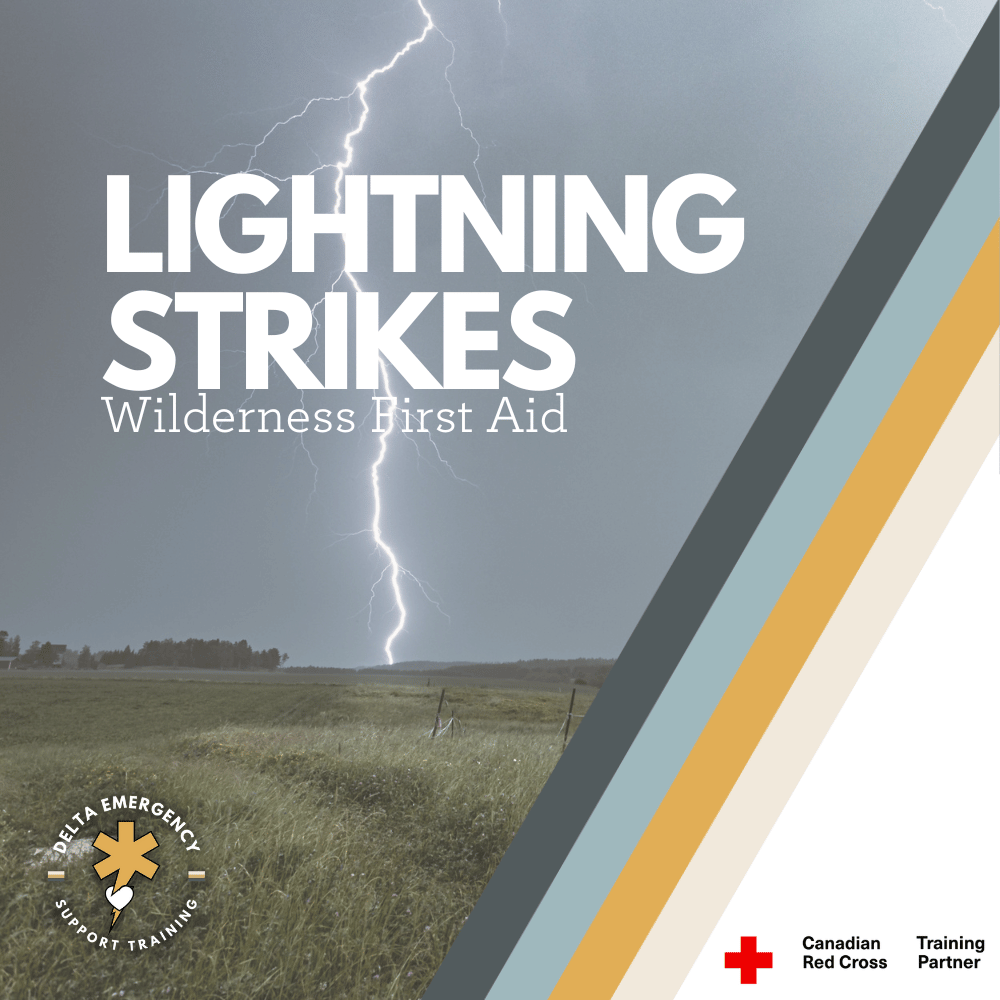
The underestimated danger of lighting strikes
Lightning strikes are often underestimated and overlooked when it comes to assessing the dangers of thunderstorms. Yet, they pose a significant threat, capable of causing fatalities and injuries every year. In this article, we'll delve into the risks associated with lightning strikes, including the devastating effects on individuals, and discuss practical measures to stay safe.
single lighting striking into a field
Lightning strikes are often underestimated and overlooked when it comes to assessing the dangers of thunderstorms. Yet, they pose a significant threat, capable of causing fatalities and injuries every year. In this article, we'll delve into the risks associated with lightning strikes, including the devastating effects on individuals, and discuss practical measures to stay safe.
Understanding the Threat:
Every thunderstorm, no matter its intensity, harbors the potential for lightning strikes. Lightning is not only lethal but also unpredictable, making it a formidable hazard. In the United States alone, lightning claims the lives of 20-30 individuals annually and injures hundreds more. Unlike other storm-related dangers like tornadoes or hail, lightning can extend beyond the storm itself, making it the first to arrive and the last to depart.
Safe Shelter:
When thunder roars, seeking shelter becomes imperative. Large enclosed structures with plumbing and electrical wiring offer the safest refuge during thunderstorms. These include buildings like shopping centers, schools, offices, and homes. The presence of plumbing and wiring ensures a more efficient conduction of electricity, reducing the risk to individuals inside. Enclosed metal vehicles such as cars, vans, or buses also provide a viable alternative if no buildings are available.
Unsafe Locations:
Not all structures or vehicles are safe havens during lightning storms. Buildings with exposed openings, like beach shacks, metal sheds, or picnic shelters, pose significant risks. Convertible vehicles, despite having their tops up, offer no protection against lightning. Similarly, vehicles with open cabs, such as golf carts or tractors, should be avoided during thunderstorms.
Developing a Lightning Safety Plan:
Planning ahead is crucial for outdoor events to mitigate the risks posed by lightning. Event coordinators should incorporate a lightning safety plan into their preparations. This plan should address key questions such as identifying the safest shelter, assessing the distance to it, and estimating the time needed to reach it. Having these answers beforehand enhances preparedness and reduces the likelihood of lightning-related incidents.
Acting Promptly:
Studies have revealed that most lightning-related injuries occur before or after the peak of a thunderstorm. Lightning strikes can occur even when the storm is several miles away, emphasizing the importance of swift action. As a rule of thumb, if thunder is audible, you're within striking distance and should seek shelter immediately. Remember, "When thunder roars, go indoors," and remain there until 30 minutes after the last clap of thunder.
Understanding the Devastating Effects:
When lightning strikes a person, the consequences can be catastrophic. Immediate risks include cardiac arrest, severe burns, and damage to the nervous system and brain. The high voltage of a lightning bolt can disrupt the heart's rhythm, leading to sudden cardiac arrest. Lightning generates intense heat, causing severe burns both externally and internally. It can also disrupt the nervous system, leading to symptoms such as numbness, tingling, or paralysis. In severe cases, lightning strikes can cause traumatic brain injury (TBI), resulting in cognitive deficits or permanent disability.
Conclusion:
Lightning strikes may seem remote or rare, but they present a real and significant danger during thunderstorms. By understanding the risks associated with lightning and adhering to safety guidelines, individuals can protect themselves and others from potential harm. Remember, prioritizing safety and taking proactive measures are essential when confronted with the silent killer that is lightning. Stay informed, stay prepared, and stay safe.
On the Frontline: Mastering Scene Assessment for AFA with Calgary & Edmonton Fire Departments
During an emergency, AFAs are trained to conduct thorough scene assessments to gather crucial information that informs the appropriate course of action. This includes assessing the safety of the scene, identifying hazards, evaluating the mechanism of injury or nature of illness, and determining the number of patients and their condition. By working closely with Calgary & Edmonton Fire Departments, we (EMS) can collaborate on scene management strategies, coordinate resources, and prioritize patient care based on the severity of injuries or illnesses.
Mastering AFA Scene Assessment with Calgary & Edmonton Fire Departments.
The safety of the AFA and the team is the top priority. Before entering the scene, the AFA should carefully assess for potential hazards, such as traffic, fire, hazardous materials, or violence. This may involve observing the scene from a safe distance to determine if it's safe to approach. If there are any immediate dangers, the AFA should take appropriate precautions, such as wearing PPE, using caution signs, and calling for assistance from, Police, EMS, Calgary Fire or Edmonton Fire departments, if needed.
as Advanced first aiders, Calgary FIRE & Edmonton Fire Departments always perform scene assessments during an emergency response.
Scene Size-Up: The AFA should assess the overall size and nature of the scene. This includes identifying the location, type of setting (e.g., residential area, workplace, public location), and any specific details that may impact the response, such as the presence of bystanders, vehicles, or potential sources of danger. This information helps the AFA get a general understanding of the situation and plan their approach accordingly, while coordinating with the Calgary or Edmonton fire department if necessary.
Mechanism of Injury or Nature of Illness: The AFA should observe and gather information about the mechanism of injury or nature of illness. This includes identifying how the injury or illness occurred, such as a motor vehicle accident, a fall, a medical emergency, or a traumatic injury. Understanding the mechanism of injury or nature of illness can help the AFA anticipate potential injuries or illnesses and determine the appropriate course of action for care, while keeping the Calgary or Edmonton fire department informed as needed.
Number of Patients: The AFA should assess the number of patients involved in the incident. This may include identifying if there are multiple patients or just one. This information helps the AFA determine the need for additional resources and prioritize care, while coordinating with the Calgary or Edmonton fire department to ensure adequate care for all patients.
Initial Impressions: The AFA should formulate an initial impression of the patients' condition(s) based on their observations from a distance. This includes looking for obvious signs of life-threatening conditions, such as unresponsiveness, difficulty breathing, severe bleeding, or obvious deformities. This initial impression can help the AFA prioritize care and initiate appropriate interventions, while keeping the Calgary or Edmonton fire department updated on the patients' status.
Additional Resources: The AFA should determine if additional resources are needed, such as additional EMS units, the Calgary or Edmonton fire department, or law enforcement. This may involve communicating with dispatch or calling for assistance from the Calgary or Edmonton fire department as necessary. The AFA should ensure that appropriate resources are enroute to the scene to provide timely and effective care.
Personal Protective Equipment (PPE): The AFA and the team should ensure that they are wearing appropriate PPE for the situation. This includes gloves, mask, goggles, and other protective gear as needed, to prevent exposure to potential hazards or communicable diseases. Wearing PPE is crucial to protect the AFA and the team from any potential risks during the response, while coordinating with the Calgary or Edmonton fire department for additional support if required.
Consideration of C-Spine: If there is a possibility of a spinal injury, the AFA should consider and maintain cervical spine precautions until further assessment can be performed. This may involve stabilizing the head and neck and avoiding any unnecessary movement that could worsen a potential spinal injury, while coordinating with the Calgary or Edmonton fire department for specialized assistance if needed.
Approach to Patients: The AFA should approach patients with care, assess their level of consciousness, and initiate appropriate care based on their assessment findings and protocols. This may include checking for responsiveness, assessing airway, breathing, circulation, and any obvious injuries. The AFA should provide care based on their training and protocols, while coordinating with the Calgary or Edmonton fire department for any additional support or specialized care that may be required.
Ongoing Assessment: The AFA should continuously reassess patients' conditions and monitor their vital signs, symptoms, and response to interventions. This includes checking for any changes in the patients' condition, identifying any new injuries or symptoms, and adjusting the care plan as needed. The AFA should communicate any changes or updates to the Calgary or Edmonton fire department and coordinate any necessary interventions or transport arrangements.
Documentation: The AFA should document their findings, assessments, interventions, and any communication with the Calgary or Edmonton fire department. This includes recording vital signs, patient information, and any other relevant details in the appropriate format or system. Accurate and thorough documentation is essential for continuity of care, communication with other healthcare providers, and potential legal purposes.
Handover to Higher Level of Care: If the patients require a higher level of care beyond the scope of the AFA's training or capabilities, the AFA should initiate handover to the Calgary or Edmonton fire department or other appropriate healthcare providers. This may involve providing a concise and accurate report of the patients' condition, care provided, and any pertinent details to ensure a smooth transition of care.
Scene Management: The AFA should actively manage the scene throughout the response, ensuring the safety of all individuals involved and coordinating with the Calgary or Edmonton fire department and other responding agencies as needed. This may include establishing a safe zone, controlling traffic, managing bystanders, and coordinating resources and logistics to ensure an efficient and effective response.
Follow-up: After the response, the AFA should debrief with the team, review the incident, and identify any areas for improvement. The AFA should also complete any necessary paperwork, reports, or documentation related to the incident, and follow any relevant protocols or procedures for reporting and follow-up. This may also include communicating with the Calgary or Edmonton fire department for any necessary follow-up or information sharing.
In conclusion, mastering scene assessment is a critical skill for Advanced First Aid (AFA) responders, and depending on your location, collaboration with Calgary Fire & Edmonton Fire Departments is crucial for efficient and effective emergency response. Through meticulous scene assessments, patient assessments, and accurate documentation, AFAs can work for fire departments and ensure scene safety and provide timely and appropriate medical care to those in need.
The partnership between AFAs and fire departments is vital in delivering excellence in emergency response on the frontline in Alberta. By continuously honing their skills and working together, AFAs and fire departments strive to provide the highest level of care to patients in emergency situations. It's important to remember that the roles and responsibilities of an AFA may vary depending on local regulations, protocols, and training. It's essential to always work within your scope of practice and seek appropriate guidance from your Fire department or other healthcare providers as needed.
At Delta Emergency Support Training we are happy to answer any questions you may have about Scene Assessments and Advanced First Aid. We provide training sessions for individuals or classes. We have options for in person, hybrid or online classes for Standard First Aid (SFA), Advanced First Aid (AFA), Emergency Medical Responder (EMR), and more courses. For all inquiries please email info@deltaemergency.com

