The Delta Dispatch
Understanding Blood Pressure: A Critical Guide for Advanced First Aiders & EMRs
Blood pressure isn’t just a number—it’s a key clue to what’s happening inside your patient’s body. Whether it’s shock, stroke, or dehydration, knowing how to take and interpret blood pressure can guide better decisions and faster interventions. This guide walks AFA and EMR students through practical skills, critical signs, and scene-ready tips to sharpen your response.
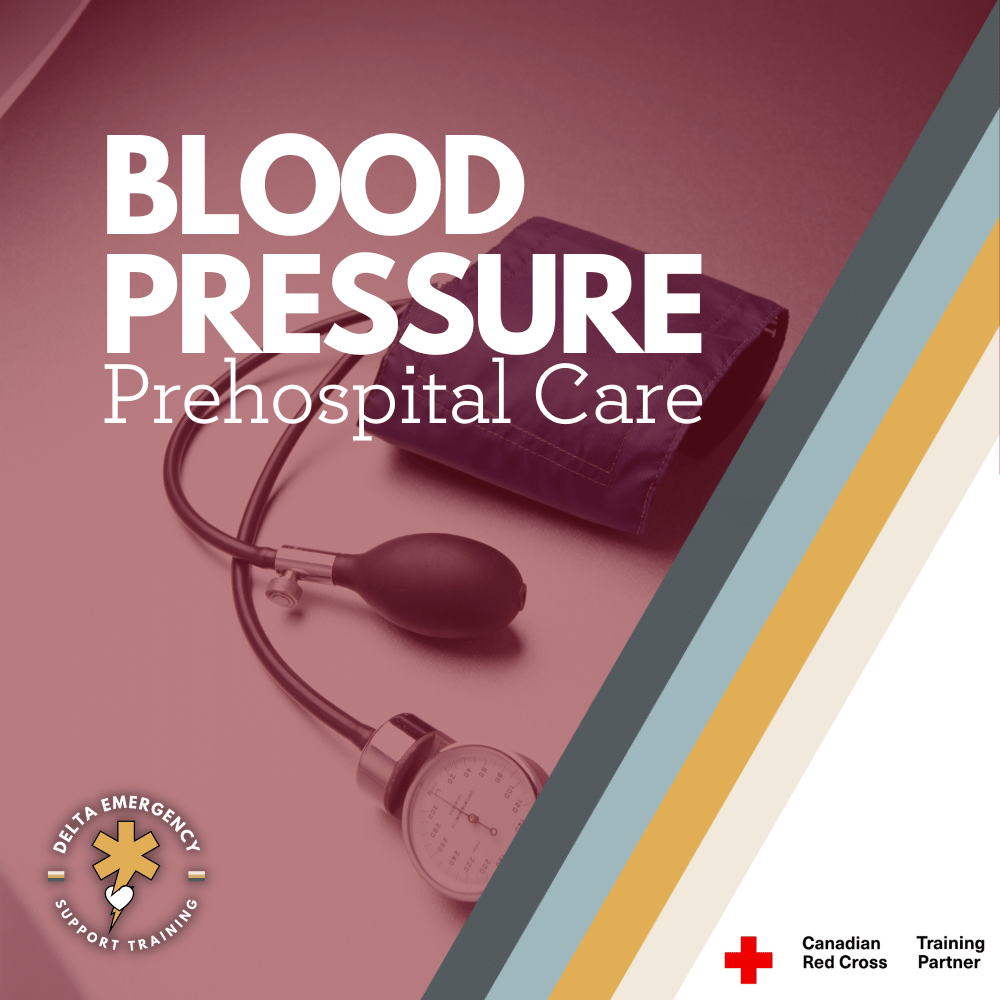
Blood pressure is one of the most foundational yet powerful tools we have in emergency medical response. For Advanced First Aiders (AFA) and Emergency Medical Responders (EMRs), knowing how to assess and interpret blood pressure can directly influence your patient care decisions and the urgency of interventions.
Whether you're the first responder at a vehicle collision or assisting someone feeling faint at a public event, blood pressure is a window into the circulatory system—and sometimes, the first clue that something critical is happening.
🧠 What Is Blood Pressure, Really?
Blood pressure (BP) measures the force of circulating blood against the artery walls. It reflects two key phases of the heart's cycle:
Systolic (top number): The pressure when the heart contracts and pumps blood out.
Diastolic (bottom number): The pressure when the heart relaxes and fills with blood.
📊 Standard Ranges (for Adults):
ClassificationSystolicDiastolicNormal90–120 mmHg60–80 mmHgElevated120–129 mmHg<80 mmHgHypertension Stage 1130–139 mmHg80–89 mmHgHypertension Stage 2≥140 mmHg≥90 mmHgHypotension<90 mmHg<60 mmHg
⚠️ Context is everything. A BP of 90/60 might be perfectly normal for one patient, but a sign of decompensated shock in another.
🔍 Why Blood Pressure Is Vital in Prehospital Care
As an AFA or EMR, you rely on vital signs to tell a story. Blood pressure, especially when taken alongside LOC, skin signs, RR, and pulse, can help you:
Detect early signs of shock or internal bleeding
Monitor for stroke or cardiac complications
Differentiate between syncope and seizure
Recognize toxic exposure or overdose
Identify heat exhaustion or dehydration
Understand trends during ongoing assessment
BP is especially important during ongoing monitoring, not just initial assessment.
🛠️ How to Take an Accurate BP (Manual Method)
While digital monitors are useful, manual BP skills are essential for field readiness and clinical accuracy.
✔️ Equipment:
Sphygmomanometer (BP cuff)
Stethoscope
🧾 Step-by-Step:
Position the patient: Seated or supine with arm supported at heart level.
Wrap the cuff snugly around the upper arm, 2–3 cm above the elbow crease.
Locate the brachial artery and place the stethoscope over it.
Inflate cuff until the pulse is no longer audible (~180–200 mmHg, or 30 above normal).
Slowly deflate the cuff (~2 mmHg/sec).
First sound = Systolic, last sound = Diastolic.
Fully deflate and record the reading with time and side taken (e.g., L arm, 10:05 a.m.).
🔄 Reassess BP every 5 mins for unstable patients, and 10–15 mins for stable ones.
🧠 Interpretation in the Field: What Do Abnormal BPs Tell Us?
⬇️ Low BP (Hypotension)
May indicate:
Hemorrhagic or hypovolemic shock
Sepsis
Dehydration
Anaphylaxis
Overdose (narcotics, sedatives)
Heart failure
Clinical clues:
Cool, clammy, pale skin
Confusion or altered LOC
Weak, thready pulse
Increased RR
Cap refill >2 seconds
🛑 Action:
Lay patient supine
Keep warm
Provide oxygen (if trained)
Activate EMS
Monitor vitals and ABCs frequently
⬆️ High BP (Hypertension)
Could indicate:
Stroke
Head injury
Cardiac crisis (e.g., MI)
Pain or anxiety
Certain toxins or drugs
Clinical clues:
Headache
Blurred vision
Bounding pulse
Facial flushing
Unequal pupils or confusion
🛑 Action:
Keep patient calm and seated
Avoid sudden position changes
Support ABCs
Monitor for neuro signs
Rapid transport if stroke is suspected
🛑 Common BP Mistakes to Avoid
Cuff too small or too loose = falsely high reading
Arm unsupported or above/below heart level = inaccurate reading
Talking or moving during reading = unreliable results
Only taking one reading = no trend to compare
📎 Always pair BP with a full set of vitals: HR, RR, skin signs, LOC, SpO₂ (if available).
🧰 Practice Tips for AFA/EMR Students
Practice BP on real people during calm and active states
Use scenario-based learning (e.g., trauma, medical, overdose)
Compare manual and digital readings for training purposes
Note how BP trends with treatment and patient position
🌡️ BP in Specific Situations
🧓 Elderly:
May have higher baseline BPs due to reduced arterial elasticity
Monitor for postural hypotension
👶 Children:
Use appropriate cuff size
Hypotension is a late sign of shock
🤕 Trauma:
A falling BP with rising pulse = shock
Suspect internal bleeding or volume loss
🧠 Stroke:
BP may rise to preserve cerebral perfusion—don’t treat unless trained and authorized
✅ Final Takeaways for First Responders
Blood pressure is a critical diagnostic tool, not just a number.
Always take it in context with other vitals and the patient’s presentation.
Practice often, document clearly, and reassess regularly.
Know the red flags and escalate care early if something doesn’t feel right.
Want to sharpen your blood pressure skills?
Join our Advanced First Aid or EMR courses for hands-on practice, real-world scenarios, and guidance from experienced instructors.
Why First Responders Use Vital Signs: A comprehensive guide
Vital signs are measurements of the body's basic functions and are used to assess a person's overall health and wellbeing. There are four primary vital signs: body temperature, pulse rate, blood pressure, and respiratory rate. Each vital sign provides important information about a person's health and can help identify underlying health conditions or other problems.
Body temperature is a measure of the body's internal heat and is typically measured using a thermometer. A fever is generally defined as a body temperature above 100.4°F (38°C) and can indicate an infection or other underlying health condition.
Pulse rate is a measure of the heart rate, or the number of times the heart beats per minute. A rapid pulse may indicate a fever, dehydration, or an irregular heartbeat, while a slow pulse may indicate heart disease or other health conditions.
Blood pressure is a measure of the force of blood against the walls of arteries as the heart pumps blood through the body. High blood pressure, or hypertension, can increase the risk of heart disease, stroke, and other health problems.
Respiratory rate is a measure of the number of breaths a person takes per minute. A rapid respiratory rate may indicate an underlying health condition, such as asthma or pneumonia.
Monitoring vital signs is an essential part of healthcare and can help healthcare professionals and first responders make informed decisions about treatment and care.
Vital signs are measurements of basic bodily functions that are essential for assessing a person's overall health and well-being. These measurements are typically taken by healthcare professionals, but they can also be taken by trained first responders in emergency situations.
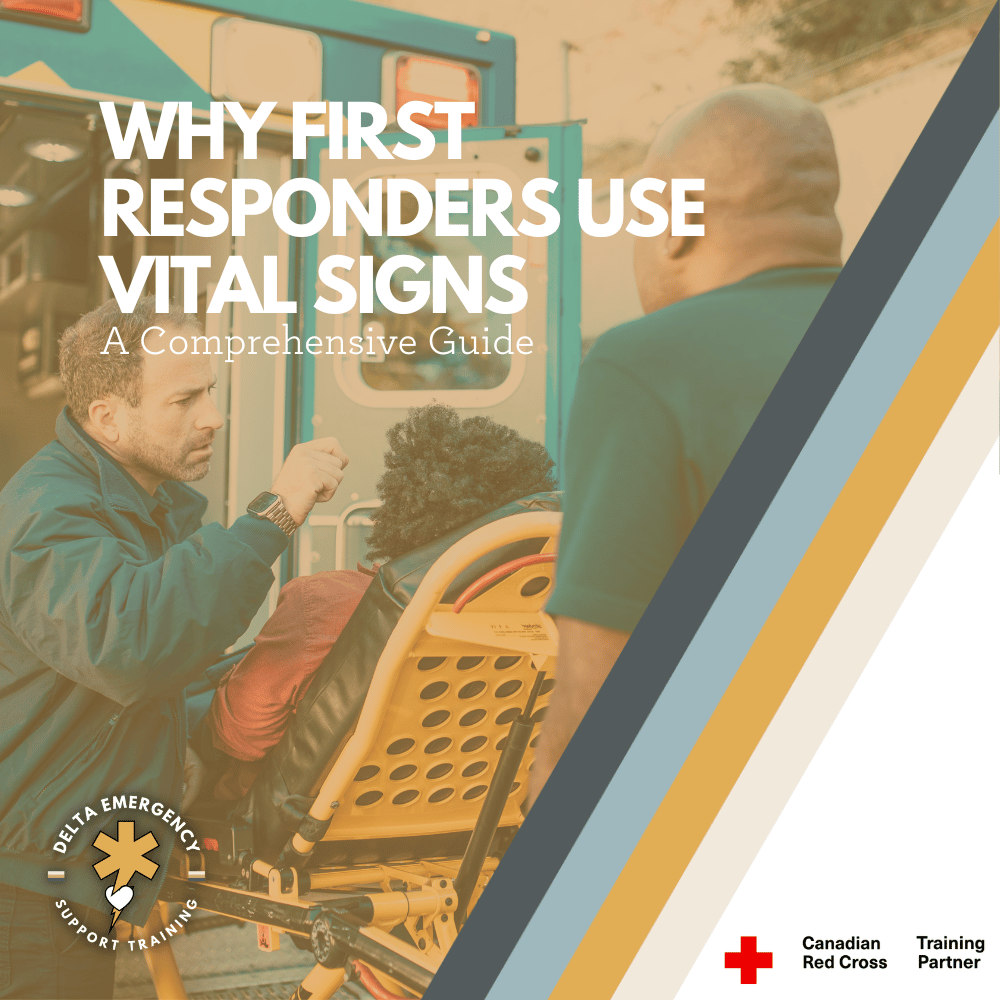
first responders attending to a patient lying on a cot outside an ambulance. One responder is checking the patient's vital signs while the other is preparing medical equipment. The patient appears to be receiving urgent medical attention, and the responders are focused and prepared to administer necessary treatment
What Are Vital Signs?
Vital signs are a set of measurements that healthcare professionals use to assess a patient's overall health status. These measurements include temperature, heart rate, blood pressure, respiratory rate, Glasgow Coma Scale (GCS), oxygen saturation (SPO2), pupils and skin.
Body Temperature:
Body temperature is an important vital sign as it can indicate whether a person is healthy or if they have a fever, which could be a sign of infection. Body temperature can be measured in several ways, including orally, rectally, or using a forehead thermometer. It is important to use the correct method and follow the manufacturer's instructions when taking a person's temperature.
Heart Rate:
Heart rate: Heart rate is the number of times the heart beats per minute and is a reflection of the heart's ability to circulate blood throughout the body. The heart rate can vary depending on age, gender, physical activity, and overall health status. A high heart rate could indicate a potential problem, such as an irregular heartbeat, dehydration, or anxiety, while a low heart rate could be a sign of a heart condition or medication side effect.
Blood Pressure:
Blood pressure is the measure of the force of blood against the walls of the arteries. It is measured in millimetres of mercury (mmHg) and consists of two numbers: the systolic pressure (the higher number) and the diastolic pressure (the lower number). A healthy blood pressure reading is typically around 120/80 mmHg. High blood pressure (hypertension) can put a strain on the heart and blood vessels, while low blood pressure (hypotension) can cause dizziness, fainting, or other symptoms.
Respiratory Rate:
Respiratory rate is the number of breaths taken per minute and is a reflection of the body's ability to take in oxygen and expel carbon dioxide. The respiratory rate can vary depending on age, physical activity, and overall health status. A high respiratory rate could indicate a potential problem, such as a lung infection or asthma, while a low respiratory rate could be a sign of respiratory depression or a medical condition that affects breathing.
Glasgow Coma Scale:
Glasgow Coma Scale or GCS measures a patient's response to verbal, motor, and eye-opening stimuli. The score ranges from 3 to 15, with a higher score indicating a higher level of consciousness. The GCS is commonly used in trauma settings to assess patients with brain injury, altered mental status, or who are sedated.
SPO2:
SPO2 is a measure of the amount of oxygen that is carried by the hemoglobin in the red blood cells. The measurement of SPO2 is non-invasive and can be performed using a pulse oximeter, which is a small device that is attached to the finger, toe, or earlobe. The pulse oximeter uses light to measure the amount of oxygen that is present in the blood.
Pupils:
Pupils can also be an important vital sign in assessing a person's neurological function. The size, shape, and reactivity of the pupils can provide valuable information about the health of the brain and nervous system. Unequal pupil size (ani or a lack of reactivity to light can be a sign of a neurological issue, such as a brain injury or nerve damage.
Skin:
Assessing skin color and moisture is important because changes in these vital signs can be indicative of underlying medical conditions. For example, changes in skin color can be a sign of poor blood flow, infection, or inflammation, while changes in skin moisture can be a sign of dehydration or certain medical conditions.
Normal Vital Sign Ranges
The normal ranges for vital signs vary depending on a person's age, gender, and health status. Here are the standard ranges:
Body Temperature:
A normal body temperature generally ranges from 36.1°C to 37.2°C, with an average of 37°C. A fever, which is typically defined as a body temperature above 38°C, can be a sign of an infection or illness. Hypothermia, in which the body's core temperature drops below 35°C, can be caused by prolonged exposure to cold temperatures or certain medical conditions. Hyperthermia, in which the body's core temperature rises above its normal range, typically above 40°C, can be caused by heatstroke, extreme physical exertion, or certain medications.
Pulse Rate:
The normal resting heart rate range for an adult is between 60 to 100 beats per minute. A higher or lower heart rate may indicate a medical condition. Healthcare professionals use heart rate to assess cardiac function, diagnose heart conditions, and monitor the effectiveness of treatments.
Blood Pressure:
The normal blood pressure for an adult is typically around 120/80 mmHg. High blood pressure, or hypertension, is defined as consistently measuring higher than 130/80 mmHg, and can increase the risk of heart disease, stroke, and other health problems. Low blood pressure, or hypotension, is less common but can also be a serious medical condition, and is typically defined as a systolic pressure of less than 90 mmHg or a diastolic pressure of less than 60 mmHg.
Respiratory Rate:
The normal respiratory rate for an adult at rest is typically between 12 and 20 breaths per minute. A higher or lower respiratory rate than this range may indicate a medical condition. The quality of breath is also important in assessing a patient's respiratory function. Shallow, labored breathing or irregular breathing patterns can indicate respiratory distress and may require immediate medical attention.
Glasgow Coma Scale:
A GCS score of 15 is considered normal, indicating that the person is fully alert and oriented. The GCS is based on three categories: eye opening, verbal response, and motor response, and each category is assigned a score from 1-4 or 1-6. A higher score indicates a higher level of consciousness, while a lower score indicates a lower level of consciousness.
SPO2
Healthy SPO2 levels are between 95% and 100%, and SPO2 levels below 90% can indicate a lack of oxygen in the body. Supplemental oxygen may be necessary to raise the patient's SPO2 levels to a healthy range, but it is important to monitor the oxygen levels carefully and avoid over-oxygenation. Healthcare professionals use SPO2 measurements to guide treatment decisions and ensure that patients are receiving the appropriate level of oxygen.
Pupils:
The normal range for pupil size is between 2-4 millimeters in diameter for both pupils, and they should be equal in size. Pupils that are larger or smaller than this range, or are unequal in size (anisocoria), can be indicative of underlying medical conditions. Additionally, pupils should react briskly to changes in light, which is known as the pupillary light reflex. A sluggish or absent pupillary light reflex can be a sign of a neurological issue, such as a brain injury or nerve damage.
Skin:
Skin can vary in color and moisture depending on a person's age, sex, ethnicity, and overall health. In general, healthy skin should have a consistent color and texture across the body, without any unusual bumps, rashes, or lesions. The normal range of skin moisture varies from person to person, but it should generally feel soft and supple, without feeling excessively dry or oily.
Why First Responders Use Vital Signs?
Interpreting vital signs can help first responders make informed decisions about the best course of action for treating a patient. Monitoring changes in vital signs over time can also help to identify trends or progression of medical conditions, and inform treatment plans for better outcomes. First responders are trained to assess and respond to changes in vital signs quickly and effectively, which is essential in emergency situations.
At Delta Emergency Support Training we are happy to answer any questions you may have about vital signs as well as training sessions for individuals or classes. We offer in person, hybrid and online classes for Standard First Aid (SFA) Advanced First Aid (AFA) and Emergency Medical Responder (EMR) courses. For all inquiries please email info@deltaemergency.com .

