The Delta Dispatch
When the Air Turns Hazardous: Protecting Families During Canada’s 2025 Wildfire Smoke Crisis
Canada’s 2025 wildfire season has brought hazardous air—and with it, serious health risks. This guide equips families and caregivers with practical advice: from setting up a clean room and using N95 masks to monitoring air quality and recognizing smoke-induced illness.
Wildfire season in Canada has been worsened by heat, dry conditions, and climate change—with over 1,985 active firesburning nearly 3.9 million hectares as of June 16, 2025. The result? Widespread "very unhealthy" to "hazardous" air across provinces and even beyond—affecting children, people with respiratory conditions, seniors, and other vulnerable groups.
Understanding Canada’s Air Quality Health Index (AQHI)
In Canada, we don’t use the U.S.-style AQI. Instead, we use the Air Quality Health Index (AQHI) to tell us how the air we breathe affects our health on a scale from 1 to 10+, with higher numbers indicating greater health risks.
How the AQHI Works
AQHI ValueHealth RiskAt-Risk PopulationGeneral Population1–3LowIdeal conditions for outdoor activities.Ideal conditions for outdoor activities.4–6ModerateConsider reducing or rescheduling strenuous activities outdoors.No need to modify usual activities unless symptoms occur.7–10HighReduce or avoid strenuous activities outdoors.Consider reducing strenuous outdoor activity.10+Very HighAvoid all physical outdoor activity. Stay indoors.Reduce or reschedule strenuous outdoor activity.
At-Risk Populations include:
Children and infants
Seniors
People with asthma, heart conditions, or other chronic illnesses
Pregnant individuals
🌫️ What Does This Mean for Families?
1–3 (Low): Great time for park visits, walks, or outdoor play.
4–6 (Moderate): Children and people with asthma should limit high-energy outdoor activities.
7–10 (High): Everyone—especially vulnerable groups—should stay indoors and use air filtration.
10+ (Very High): Outdoor exposure can cause serious health effects. Stay inside, seal your home, and consider relocating temporarily if the smoke persists.
📲 Where to Check AQHI
Stay informed using trusted Canadian sources:
🔗 Environment Canada – AQHI Main Page
🔗 AQHI by Province (select your region)
Mobile Apps: WeatherCAN, AQHI Canada, or your local weather app
🌫️ Why Wildfire Smoke is Dangerous
Fine Particulate Matter (PM2.5):
These tiny particles penetrate deep into the lungs and bloodstream.
In 2025, several areas recorded PM2.5 levels over 150 µg/m³—more than 6x the WHO's safe 24-hour limit.
US studies confirm that smoke PM2.5 from wildfires can be up to 10x more harmful than typical pollution.
Health Effects:
Exposure can cause:Immediate symptoms: coughing, wheezing, eye irritation, chest tightness.
Aggravation of asthma, COPD, bronchitis, and heart disease.
Long-term risks: strokes, heart attacks, developmental issues in children, pregnancy complications.
Canada’s Sharp Increase:
In Prairie provinces, air quality reached “Unhealthy to Very Unhealthy” levels in early.
Cities like Toronto, Ottawa, and Montreal had some of the worst AQIs globally during June 5–6.
👶 Who’s Most at Risk?
Infants and young children with developing lungs.
Seniors, particularly those with cardiovascular/respiratory conditions.
Individuals with asthma, COPD, heart disease, or compromised immunity.
Pregnant women - smoke exposure has been linked to preterm births.
Those in low-income or remote communities with limited access to clean air resources.
🛡️ How to Protect Your Family
1. Stay Inside & Seal Your Home
Keep doors and windows closed; run HVAC on recirculation.
Create a DIY clean room by sealing off one area and running a HEPA filter air purifier.
2. Limit Outdoor Exposure
Avoid strenuous outdoor activity.
For necessary outdoor time, wear a properly fitted N95 mask—cloth masks don't protect against PM2.5
3. Monitor Air Quality
Use apps or websites like FireSmoke.ca, AirNow, or AQI.in.
Follow local advisories—on very poor days, avoid outdoor time completely
4. Stay Hydrated & Medically Prepared
Children and older adults should drink water regularly.
Keep inhalers, medications, and emergency contacts handy.
5. Safe Indoor Air Strategies
Continue using air purifiers, keep HVAC maintenance current, and avoid indoor activities that pollute air (like smoking or burning candles).
6. Know the Signs of Smoke-Related Illness
Be alert for:
Persistent coughing, wheezing, shortness of breath
Chest pain, dizziness, fatigue
Severe symptoms like bluish lips, confusion, or altered consciousness – seek medical help immediately.
7. When to Seek Help
Call emergency services if someone experiences:
Trouble breathing or chest pain
Severe allergic reactions (e.g. from ash or irritants)
Symptoms of stroke or heart attack
✅ Bonus Tips for Parents & Caregivers
Plan indoor activities: crafts, reading, games on high-risk days.
Reduce exposure to dust and pollen indoors—vacuum with HEPA filters.
If possible, relocate temporarily to cleaner-air areas.
Educate older children about the importance of masks and staying indoors.
Final Takeaway
The 2025 wildfire season has shown us air quality can deteriorate rapidly—even hundreds of kilometers away from the flames. For vulnerable families, proactive planning saves lives.
By staying informed and implementing air protection measures, you can shield your loved ones from the hidden threat of wildfire smoke.
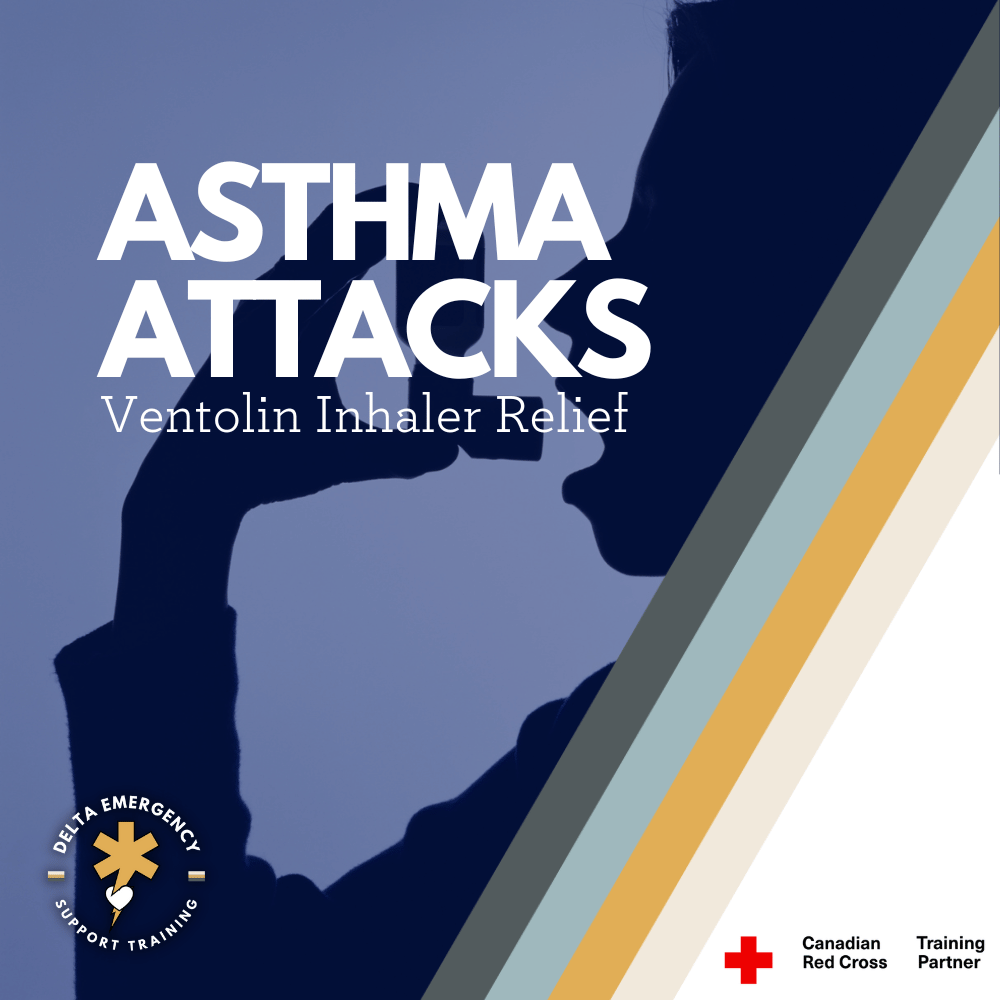
Managing Asthma Attacks: Quick Relief with Ventolin Inhaler
Picture a serene moment shattered by the sudden tightness in your chest, each breath a struggle against an unseen adversary. For those living with asthma, this scenario is all too familiar. Yet, in the midst of such turmoil, Ventolin emerges as a steadfast companion. As a short-acting beta-agonist, it swiftly eases the constriction of airways, offering rapid relief during asthma flare-ups. Recognizing the telltale signs – wheezing, coughing, shortness of breath, and chest tightness – is crucial. Swift action, including the timely administration of Ventolin, can make all the difference in reclaiming control over breathing.
Child using ventolin puffer during asthma attack
During an asthma attack, the airways in the lungs become inflamed, swollen, and narrowed, making it difficult for air to pass through. This results in symptoms such as wheezing, coughing, shortness of breath, and tightness in the chest. Asthma attacks can be triggered by various factors including allergens, exercise, cold air, respiratory infections, and stress.
Ventolin (also known as albuterol) is a commonly used medication for treating asthma attacks. It belongs to a class of drugs called short-acting beta-agonists, which work by relaxing the muscles around the airways, thus opening them up and allowing for easier breathing. Ventolin is typically administered via an inhaler, which delivers the medication directly to the lungs where it is needed most.
When responding to an asthma attack, it's crucial to act quickly to alleviate symptoms and prevent further complications. Here's a step-by-step guide to managing an asthma attack with Ventolin:
Recognize the Symptoms: It's important to be able to recognize the signs of an asthma attack, which may include wheezing, coughing, shortness of breath, chest tightness, and difficulty speaking.
Stay Calm: Panic can worsen asthma symptoms, so try to stay calm and reassure the person experiencing the attack.
Assist the Person to Sit Upright: Sitting upright can help ease breathing by allowing the chest to expand fully.
Administer Ventolin: If the person has a prescribed Ventolin inhaler, help them use it according to the prescribed dosage. Typically, this involves shaking the inhaler, exhaling fully, placing the inhaler mouthpiece in the mouth, pressing down on the inhaler to release a dose of medication, and then inhaling deeply. Hold the breath for a few seconds before exhaling slowly.
Wait and Repeat: After administering the Ventolin, wait for a few minutes to see if the symptoms improve. If symptoms persist or worsen, the dose can be repeated as directed by a healthcare professional.
Seek Medical Assistance if Necessary: If the asthma symptoms do not improve after using Ventolin or if the person's condition deteriorates rapidly, seek emergency medical help immediately.
Follow Up: After the asthma attack has been resolved, it's important for the person to follow up with their healthcare provider to discuss the episode, review their asthma management plan, and make any necessary adjustments to their treatment regimen.
In addition to using Ventolin during an asthma attack, it's essential for individuals with asthma to have a comprehensive asthma management plan developed in conjunction with their healthcare provider. This plan may include strategies for avoiding triggers, taking long-term control medications, and knowing when to use rescue medications like Ventolin. Regular follow-up appointments with a healthcare provider are also important for monitoring asthma control and adjusting treatment as needed.

