The Delta Dispatch

Understanding Basic, Intermediate, and Advanced Airway Adjuncts in Prehospital Care

Airway management is the cornerstone of emergency care. From simple oropharyngeal and nasopharyngeal airways to supraglottic devices and endotracheal intubation, prehospital providers need to know when—and how—to use each tool. This guide explains the essential skills and decision-making strategies for basic, intermediate, and advanced airway adjuncts to help responders keep patients breathing and safe.
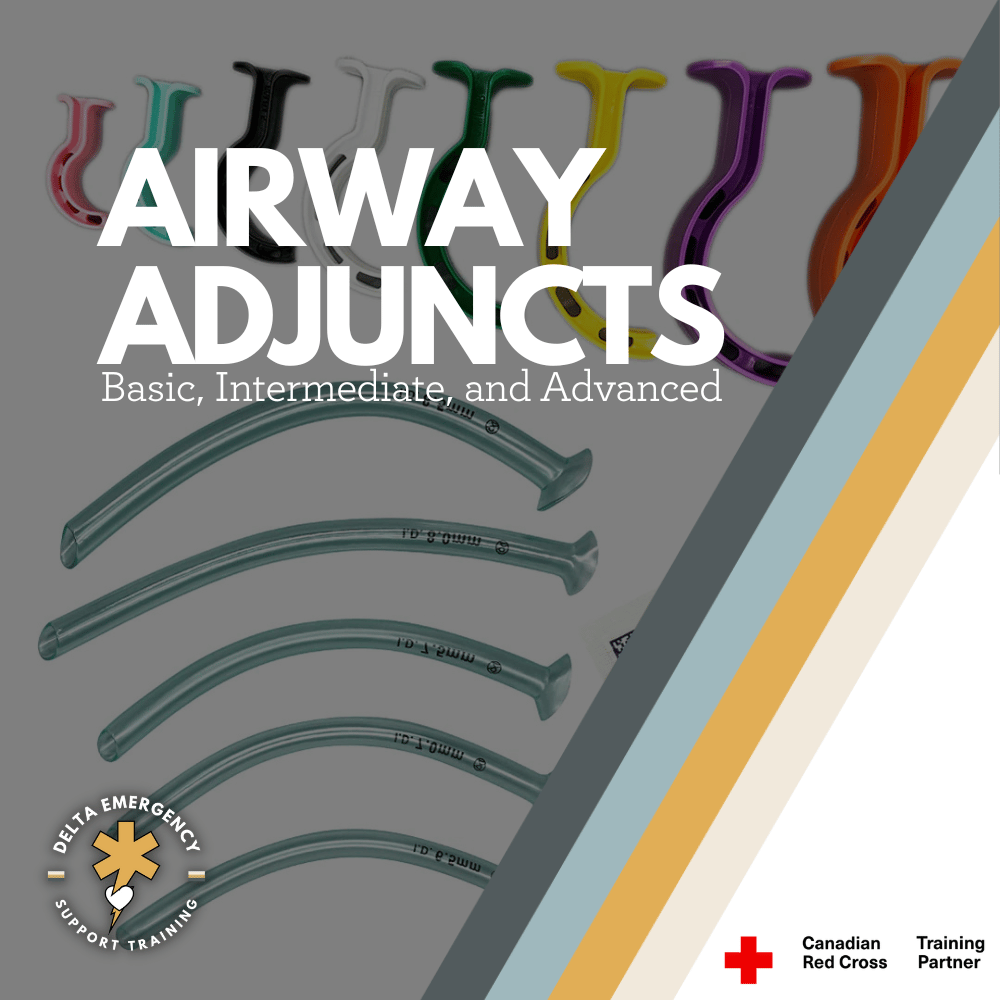
Securing and maintaining a patient’s airway is the cornerstone of prehospital medicine. Whether you are an Emergency Medical Responder (EMR), Primary Care Paramedic (PCP), or Advanced Care Paramedic (ACP), understanding the range of airway adjuncts—and when to use them—is critical for optimal patient outcomes. Airway adjuncts are commonly grouped into three categories: basic, intermediate, and advanced.

1. Basic Airway Adjuncts

These devices are non-invasive and require minimal training, yet they can be lifesaving.

  • Oropharyngeal Airway (OPA)
    Use: Unconscious patients without a gag reflex to keep the tongue from obstructing the airway.
    Key Points: Measure from the corner of the mouth to the angle of the jaw; insert upside down then rotate 180° (or sideways with a tongue depressor in children).

  • Nasopharyngeal Airway (NPA)
    Use: Patients with an intact gag reflex or trismus (jaw clenching).
    Key Points: Lubricate well; size from nostril to earlobe. Contraindicated in suspected basilar skull fractures.

  • Suction Equipment
    Use: Clears secretions, blood, or vomit to maintain a patent airway.

Clinical Pearl: Basic adjuncts buy time. Always reassess and be ready to escalate if ventilation or oxygenation remains inadequate.

2. Intermediate Airway Adjuncts

These devices provide more definitive control without requiring endotracheal intubation skills.

  • Supraglottic Airway Devices (SADs) such as:

    • Laryngeal Mask Airway (LMA)

    • King LT or i-gel

    Use: For unconscious patients when bag-valve-mask (BVM) ventilation is inadequate or prolonged transport is expected.
    Key Points: Rapid insertion, minimal training compared to intubation, and useful when laryngoscopy is not feasible.

3. Advanced Airway Adjuncts

These procedures require specialized training and are often reserved for paramedics with advanced certification or physicians.

  • Endotracheal Intubation (ETI)
    Use: To provide definitive airway protection and control ventilation.
    Key Points: Requires laryngoscopy, confirmation of tube placement (capnography is gold standard), and ongoing monitoring for dislodgement.

  • Surgical Airway (Cricothyrotomy or Needle Cricothyrotomy)
    Use: “Cannot ventilate, cannot intubate” scenarios such as severe facial trauma or airway obstruction.
    Key Points: High-stakes, last-resort procedure with strict indications.

Airway Decision-Making in the Field

When deciding which airway adjunct to use, consider:

  • Level of provider certification and local protocols.

  • Patient condition: Consciousness, gag reflex, trauma, and potential for rapid deterioration.

  • Environment: Limited space, lighting, or access may guide your choice.

Tip: Airway management is dynamic. Start with the least invasive method and escalate as needed while continually reassessing breathing and oxygenation.

Training and Maintenance

  • Regular Practice: Skills such as BVM ventilation and intubation degrade quickly without use.

  • Equipment Checks: Verify availability, integrity, and proper sizes of adjuncts at the start of every shift.

Bottom Line

From OPAs and NPAs to supraglottic devices and endotracheal tubes, airway adjuncts form a spectrum of tools for professional responders. Mastery of their indications, insertion techniques, and limitations ensures that you can match the right device to the right patient, improving survival and reducing complications in the prehospital setting.

Read More
Advanced First Aid, Alberta, Airway, Child Safety Kumari Malhotra Advanced First Aid, Alberta, Airway, Child Safety Kumari Malhotra

Croup vs. Epiglottitis in Children: What First Responders and Parents Need to Know

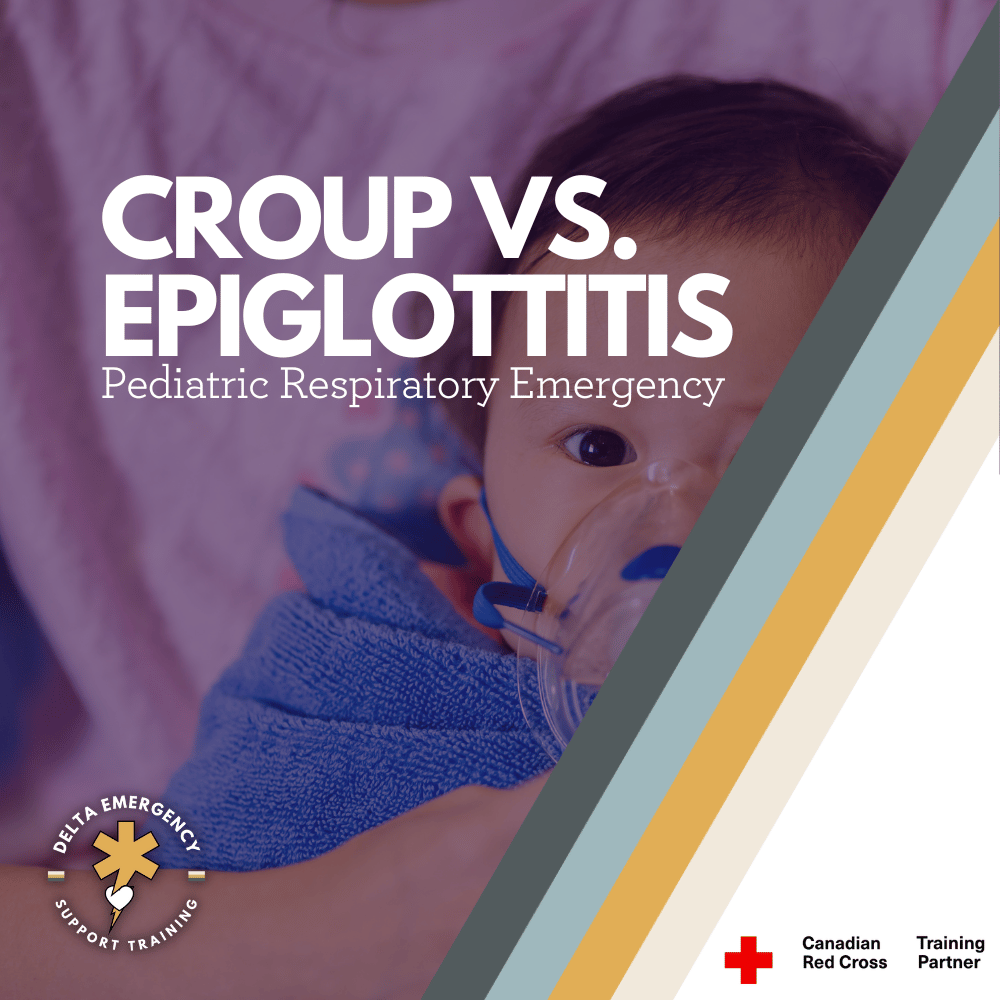
Breathing problems in children can be terrifying, and knowing the difference between croup and epiglottitis could save a life. Parents need to know the warning signs, while first responders must act quickly and carefully. Here’s how to tell them apart and what steps to take in an emergency.
When a child has trouble breathing, both parents and first responders feel the urgency. Two conditions often confused with one another are croup and epiglottitis. While both affect the airway, they differ dramatically in severity and required response. For parents, understanding the warning signs can help you know when to call for help. For first responders, recognizing the difference is critical to providing safe and effective care.

Croup: Common but Often Alarming

What it is:
Croup is a viral infection that causes swelling of the larynx and trachea, most often seen in children aged 6 months to 3 years.

Parents may notice:

  • Barking, seal-like cough (especially at night)

  • Hoarse voice

  • Stridor (high-pitched sound on inspiration) when crying or upset

  • Low-grade fever

  • Symptoms often start after a cold

First responder perspective:

  • Most cases are mild, but moderate to severe croup can cause stridor at rest, increased work of breathing (retractions, nasal flaring), or fatigue.

  • Treatment may include humidified oxygen, steroids (e.g., dexamethasone), and nebulized epinephrine in severe cases.

  • Keeping the child calm is key; agitation worsens obstruction.

Epiglottitis: A True Airway Emergency

What it is:
Epiglottitis is a bacterial infection that causes the epiglottis to swell rapidly, threatening complete airway obstruction. Thanks to Hib vaccination, it’s now rare, but still life-threatening when it occurs.

Parents may notice:

  • Sudden onset of high fever

  • Severe sore throat and difficulty swallowing

  • Drooling (child can’t swallow saliva)

  • Muffled voice

  • Child sitting forward, chin out, mouth open (“tripod position”)

  • Appearing very ill, anxious, and struggling to breathe

First responder perspective:

  • This is a do not delay, do not agitate situation.

  • Never attempt to look in the child’s throat — it can trigger complete obstruction.

  • Keep the child upright and calm.

  • Provide high-flow oxygen if tolerated.

  • Be prepared for advanced airway intervention (hospital setting or with ALS backup).

  • Rapid transport is essential.

Quick Comparison

FeatureCroup (Viral)Epiglottitis (Bacterial, Emergency)OnsetGradual, after cold symptomsSudden, rapid progressionCoughBarking, seal-likeRare or absentFeverLow-gradeHighVoiceHoarseMuffled, “hot potato” voiceSwallowingUsually ablePainful, droolingStridorCommon, louder when upsetLate, quieter, concerningSeverityUsually mild-moderateSevere, life-threatening

The Takeaway

For parents:

  • Croup is common and usually manageable, but if your child has stridor at rest, difficulty breathing, or bluish lips, call 911.

  • Epiglottitis is rare but an emergency — if you see drooling, high fever, tripod posture, or sudden severe breathing trouble, call for help immediately.

For first responders:

  • Stay calm and keep the child calm.

  • Differentiate based on history and presentation.

  • Supportive care is often enough for croup, while epiglottitis requires immediate rapid transport and careful airway management.

When it comes to pediatric airway conditions, the rule is simple: if in doubt, treat it like epiglottitis until proven otherwise. Quick recognition and action save lives.

Read More

Basic Life Support Training Series: Part 2

Are you prepared to save lives during emergencies? Mastering Basic Life Support (BLS) is crucial, and understanding the key steps for assessing airway, breathing, and circulation is essential. Discover effective techniques like the head tilt-chin lift and jaw thrust for opening the airway, and learn about devices such as oropharyngeal airways (OPA) and nasal cannulas for maintaining clear breathing passages. Find out how to assess circulation through pulse checks, capillary refill, and extremity warmth. Explore these vital BLS skills and be ready to make a difference when it matters most. Boost your life-saving capabilities now!

Welcome back to the second part of our blog series on Basic Life Support (BLS). In the first blog, we discussed scene assessment, the ABC check (Airway, Breathing, and Circulation), and the proper use of CPR and AED. Now, in part two, we will delve into life-saving interventions and devices used within each step of the ABC check. Let's explore the crucial steps that can make a significant difference in saving lives.

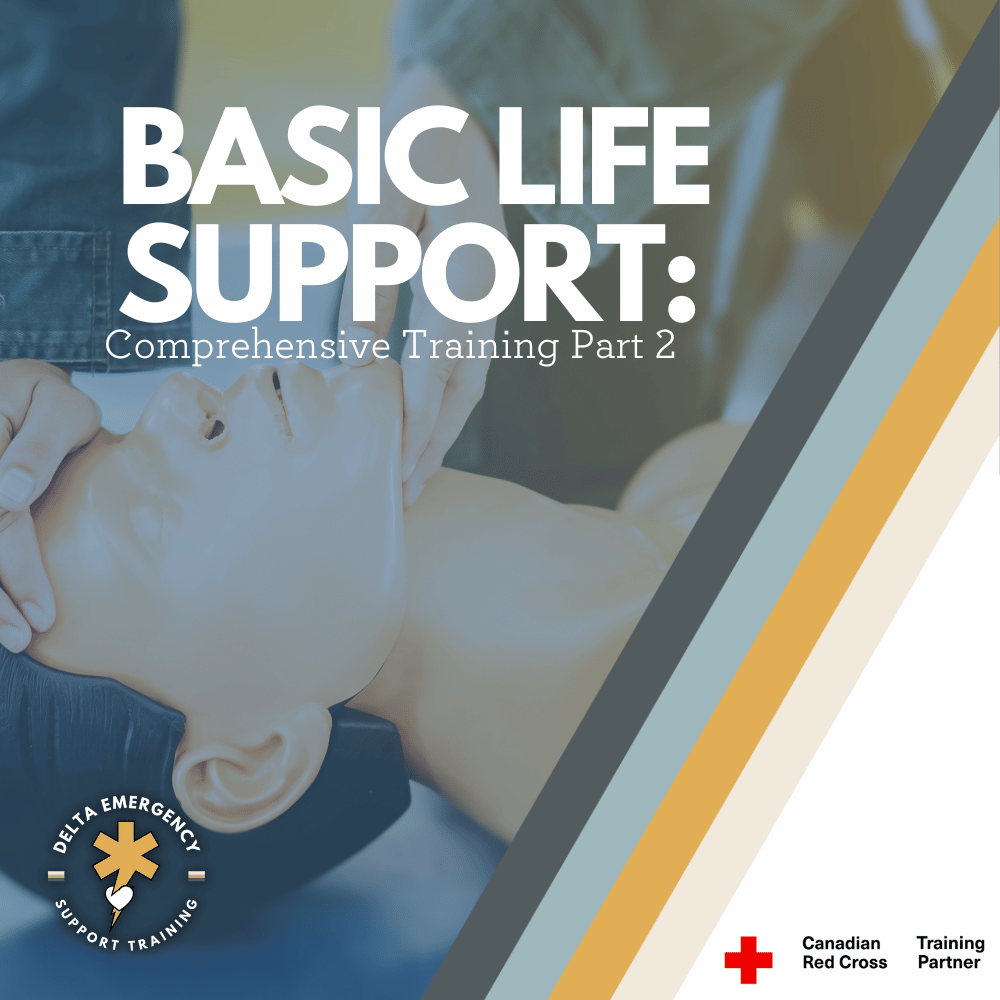
Head tilt chin lift in basic life support training class

Life Saving Interventions: Airway

Airway management is a critical component of Basic Life Support (BLS) and plays a crucial role in ensuring the patient's ability to breathe effectively. In addition to the manual maneuvers we discussed earlier, such as the head tilt-chin lift and jaw thrust, there are other devices that can be used to secure and protect the airway. Let's explore two commonly used devices: the Oropharyngeal Airway (OPA) and the Nasopharyngeal Airway (NPA).

  1. Oropharyngeal Airway (OPA):

The oropharyngeal airway, is a curved plastic tube that is inserted into the patient's mouth to maintain the patency of the airway. It serves two main purposes:

a) Clearing Obstructions: The OPA helps to displace the tongue from the back of the throat, preventing it from obstructing the airway and impeding the passage of air. This is used for unconscious patients or those with decreased consciousness.

b) Facilitating Manual Stabilization: By providing a firm structure, the OPA allows rescuers to perform manual stabilization of the patient's head and neck, as it helps maintain the alignment of the airway.

When using an OPA, it is important to select the correct size for the patient to ensure proper placement and prevent complications. Insert the device upside down, rotating it 180 degrees as it reaches the back of the throat. Proper placement should allow the device to sit between the teeth or lips and the base of the tongue.

  1. Nasopharyngeal Airway (NPA):

The nasopharyngeal airway, or nasal airway, is a flexible tube inserted through the nostril into the back of the throat. It is particularly useful in patients who have an intact gag reflex or clenched teeth, making oral insertion difficult or risky. The NPA has several advantages:

1) Improved Comfort: The NPA is generally better tolerated by conscious or semi-conscious patients as it avoids stimulation of the gag reflex.

2) Unobstructed Oral Access: By securing the airway through the nasal passage, the mouth remains free and accessible for other procedures, such as suctioning or oral medication administration.

To insert an NPA, select the appropriate size by measuring from the tip of the nostril to the earlobe or the angle of the jaw. Lubricate the device before gently inserting it along the floor of the nasal passage, aiming towards the back of the throat. Monitor for signs of discomfort or obstruction during insertion and adjust if necessary.

It is important to note that the use of OPAs and NPAs requires proper training and an understanding of the patient's anatomy and potential contraindications. Rescuers should be cautious and attentive to the patient's response while using these devices.

By employing manual maneuvers like the head tilt-chin lift and jaw thrust, along with the use of OPAs and NPAs, rescuers can effectively secure and maintain an open airway for patients in need of Basic Life Support. Remember, accurate assessment and regular practice are essential to ensure proper airway management in emergency situations.

Life Saving Interventions: Breathing

Various devices can be used to provide oxygenation and ventilation support. Let's explore the different devices commonly used in BLS:

  1. Nasal Cannula:

The nasal cannula is a lightweight device that delivers supplemental oxygen through two small prongs inserted into the patient's nostrils. It provides a low to moderate flow rate of 1-4 liters per minute (LPM) with an oxygen concentration ranging from 25% to 45%. The nasal cannula is comfortable and allows patients to speak, and move freely while receiving oxygen.

Simple Face Mask:

The simple face mask is a mask that covers the patient's nose and mouth, delivering oxygen at a flow rate of 6-10 LPM. It provides a higher oxygen concentration compared to the nasal cannula, ranging from 40% to 60%. The simple face mask is commonly used in patients who require higher oxygen levels or when a more precise oxygen concentration is not required. However, it may impede communication and patient comfort.

Non-Rebreather:

The non-rebreather is a mask with a reservoir bag attached, ensuring the delivery of high concentrations of oxygen. It has one-way valves that prevent the patient from inhaling exhaled air and allow for a flow rate of 10-15 LPM. The non-rebreather mask can deliver an oxygen concentration of 90% or higher. It is particularly useful in patients with severe hypoxia or in cases where precise oxygen titration is necessary.

Bag-Valve-Mask (BVM):

The bag-valve-mask (BVM) device, is a manually operated resuscitator used to provide positive pressure ventilation. It consists of a self-inflating bag, a one-way valve, and a mask. The BVM is connected to an oxygen tank with a flow rate of 15 LPM, providing an oxygen concentration close to 100%. The BVM is often used in cases of respiratory distress or respiratory arrest, when the patient is not breathing adequately or requires assisted ventilation.

During assisted ventilation with a BVM, 1/3 of the bag should be compressed once every 5-6 seconds to achieve a target ventilation rate of 10-12 breaths per minute.

Newer BVM’s include a safety valve that makes a noise if you are compressing the bag too hard or fast, allowing for user friendly use.

As you provide assisted ventilation using a BVM, pay close attention to the patient's response. Look for chest rise and fall with each breath delivered. The presence of chest rise indicates that the ventilation is effectively reaching the patient's lungs.

Additionally, observe the patient's overall color. Effective ventilation should help improve the patient's skin color, with a return to a more normal or healthier appearance. If the patient's color improves, it is a positive sign that oxygenation and ventilation are being adequately supported.

It is important to note that when administering oxygen, the flow rate should be carefully adjusted based on the patient's condition and oxygen saturation levels. Oxygen therapy should be monitored closely.

Circulation assessment

Circulation assessment is a crucial step in Basic Life Support (BLS) to determine the adequacy of blood flow. While CPR remains the life-saving intervention when a pulse is not detected, let's explore other methods to assess circulation when a pulse is present.

  1. Capillary Refill: To assess capillary refill, gently press down on the patient's nail bed or the tip of their finger. Upon releasing the pressure, observe how quickly the color returns to the area. A normal capillary refill time is around 2 seconds. If color returns within this timeframe, it indicates good capillary refill and suggests adequate peripheral circulation.

  2. Extremity Warmth: Feeling the temperature of the patient's extremities, such as their hands and feet, can provide valuable information about circulation. Warm extremities indicate good blood flow, while cold extremities may suggest impaired circulation.

It's important to note that these assessments are complementary to the presence of a pulse. If there are concerns about circulation or any signs of poor perfusion, prompt medical attention should be sought.

  1. Circulatory Obstruction: Major blood loss from an injury can obstruct circulation and pose a life-threatening situation. In such cases, immediate action is crucial. If the hemorrhage is external, apply direct pressure to the bleeding site using PPE always. Maintaining pressure helps control the bleeding and promotes clot formation, thereby restoring circulation. If available, consider the use of a tourniquet for severe hemorrhage that cannot be controlled by direct pressure alone.

Remember, it is important to prioritize personal safety and seek professional medical help as soon as possible in cases of significant bleeding or other circulatory emergencies. Timely intervention can make a significant difference in patient outcomes.

Training

Mastering Basic Life Support (BLS) is crucial for healthcare professionals, including nurses, doctors, dentists, firefighters, and other first responders. Understanding the key steps for assessing and applying critical interventions for airway, breathing, and circulation is essential to deliver timely and effective care during emergencies. At Delta, we recognize the importance of BLS training, as it is often required to be completed yearly for professionals in various fields. We are dedicated to providing frequent BLS courses to equip individuals with the life-saving skills they need. Enroll in our BLS courses today and stay prepared to make a difference when it matters most.

Read More
BLS, Cardiac, Dental, Healthcare, Physio, Chiropractor Jarrett Chisholm BLS, Cardiac, Dental, Healthcare, Physio, Chiropractor Jarrett Chisholm

Critical Skills for Physiotherapists: The Canadian Red Cross BLS Certification Course for Life-Threatening Emergencies

The Canadian Red Cross Basic Life Support (BLS) recertification course is designed to provide physiotherapists with the latest training and techniques to manage emergency situations effectively. This course covers a wide range of topics, including the assessment of vital signs, airway management, cardiopulmonary resuscitation (CPR), and automated external defibrillation (AED).

One of the key features of this course is the use of a Simulaids Airway Trainer, which allows participants to practice the insertion of various airway devices, such as oropharyngeal and nasopharyngeal airways. This tool helps participants gain hands-on experience in managing airway obstruction and ensures they are comfortable handling airway devices in real-life situations.

Another valuable tool utilized in this course is the Prestan Professional Mannikins, which come equipped with a Bluetooth app for CPR results. This app allows participants to track their CPR performance and receive immediate feedback, enabling them to adjust their technique accordingly.

Through a combination of practical and theoretical training, this course provides physiotherapists with the confidence and skills needed to respond to life-threatening emergencies effectively. By completing the Canadian Red Cross BLS recertification course, physiotherapists can ensure they are fully prepared to provide the highest level of care to their patients.

Physiotherapists Register for the Canadian Red Cross Basic Life Support Recertification Course

As a physiotherapist, you are dedicated to improving the health and well-being of your patients. In order to be fully prepared to handle any emergency situation, it's important to have a solid understanding of basic life support (BLS) techniques. The Canadian Red Cross BLS certification course offered by Delta Emergency provides the necessary training to equip physiotherapists with the skills needed to handle life-threatening emergencies. In this blog post, we'll explore the details of this course, including the use of a Simulaids Airway Trainer, Prestan Professional Mannikins with a Bluetooth app for CPR results.

a bls trained Physiotherapist working in a cardiac recovery centre in calgary. Blood pressure being taken while a patient walks on a treadmill for a stress test.

As a physiotherapist, you may encounter patients who are at risk of experiencing cardiac arrest or respiratory arrest. Here are a few examples:

  1. Patients with chronic obstructive pulmonary disease (COPD): COPD is a chronic lung disease that can cause shortness of breath and difficulty breathing. Patients with COPD may be at risk of respiratory arrest, especially during exacerbations of their condition.

  2. Patients with neuromuscular disorders: Patients with conditions such as muscular dystrophy or amyotrophic lateral sclerosis (ALS) may experience respiratory failure due to weakness of the respiratory muscles.

  3. Patients undergoing surgery: Anesthesia and surgical procedures can increase the risk of cardiac arrest or respiratory arrest. Physiotherapists may be involved in the post-operative care of these patients and may need to respond to emergencies.

  4. Patients with heart disease: Patients with conditions such as coronary artery disease, heart failure, or arrhythmias may be at risk of cardiac arrest. Physiotherapists may encounter these patients during cardiac rehabilitation or in other settings.


It's important for physiotherapists to be prepared to respond to emergencies in any patient population they may encounter. The Canadian Red Cross BLS certification course provides valuable training in basic life support techniques that can be applied to a variety of patient situations.

Overview of the Canadian Red Cross BLS Certification Course:

The Canadian Red Cross BLS certification course is designed to provide healthcare professionals with the knowledge and skills necessary to recognize and respond to life-threatening emergencies. The course covers a range of topics, including basic life support techniques such as CPR, the use of automated external defibrillators (AEDs), and how to manage airway and breathing emergencies.

The course is taught by experienced instructors who are certified by the Canadian Red Cross. It consists of a combination of online learning and in-person skills training. The online portion covers the theoretical aspects of the course, including the principles of BLS, the Chain of Survival, and the steps involved in performing CPR. The in-person skills training component focuses on hands-on practice with the use of Simulaids Airway Trainer and Prestan Professional Mannikins.

Use of Simulaids Airway Trainer:

The Simulaids Airway Trainer is a sophisticated device used to simulate airway management scenarios. It provides a realistic experience for trainees and allows them to practice a range of airway management techniques, such as intubation and suctioning, in a safe and controlled environment. The Airway Trainer is an excellent tool for physiotherapists who may be called upon to manage airway emergencies in their practice.

Use of Prestan Professional Mannikins with a Bluetooth app:

The Prestan Professional Mannikins are high-quality CPR training mannequins that provide realistic feedback on the effectiveness of chest compressions. They feature a built-in Bluetooth app that allows trainees to monitor and track their CPR performance in real-time. This technology is a valuable tool for physiotherapists who want to ensure they are providing the highest quality of care to their patients in an emergency situation.

Empowering Physiotherapists to Save Lives: Conclusion

The Canadian Red Cross BLS certification course offered by Delta Emergency is an excellent resource for physiotherapists looking to enhance their emergency response skills. With a combination of online learning and hands-on training with the use of Simulaids Airway Trainer and Prestan Professional Mannikins, this course provides a comprehensive understanding of basic life support techniques. By completing this course, physiotherapists will be better equipped to handle life-threatening emergencies and provide their patients with the highest quality of care.

At Delta Emergency Support Training we are happy to answer any questions you may have about Basic Life Support. We provide training sessions for individuals or classes. We have options for in person, hybrid or online classes for Standard First Aid (SFA), Advanced First Aid (AFA), Emergency Medical Responder (EMR), Basic Life Support (BLS) and more courses. For all inquiries please email info@deltaemergency.com

Read More