The Delta Dispatch

Awareness, Medical Responder, Mental Health Kumari Malhotra Awareness, Medical Responder, Mental Health Kumari Malhotra

Responding to Patients with Schizophrenia: De-escalation and Best Practices

Discover how first responders and healthcare providers can use calm communication and evidence-based techniques to safely assist patients experiencing schizophrenia.
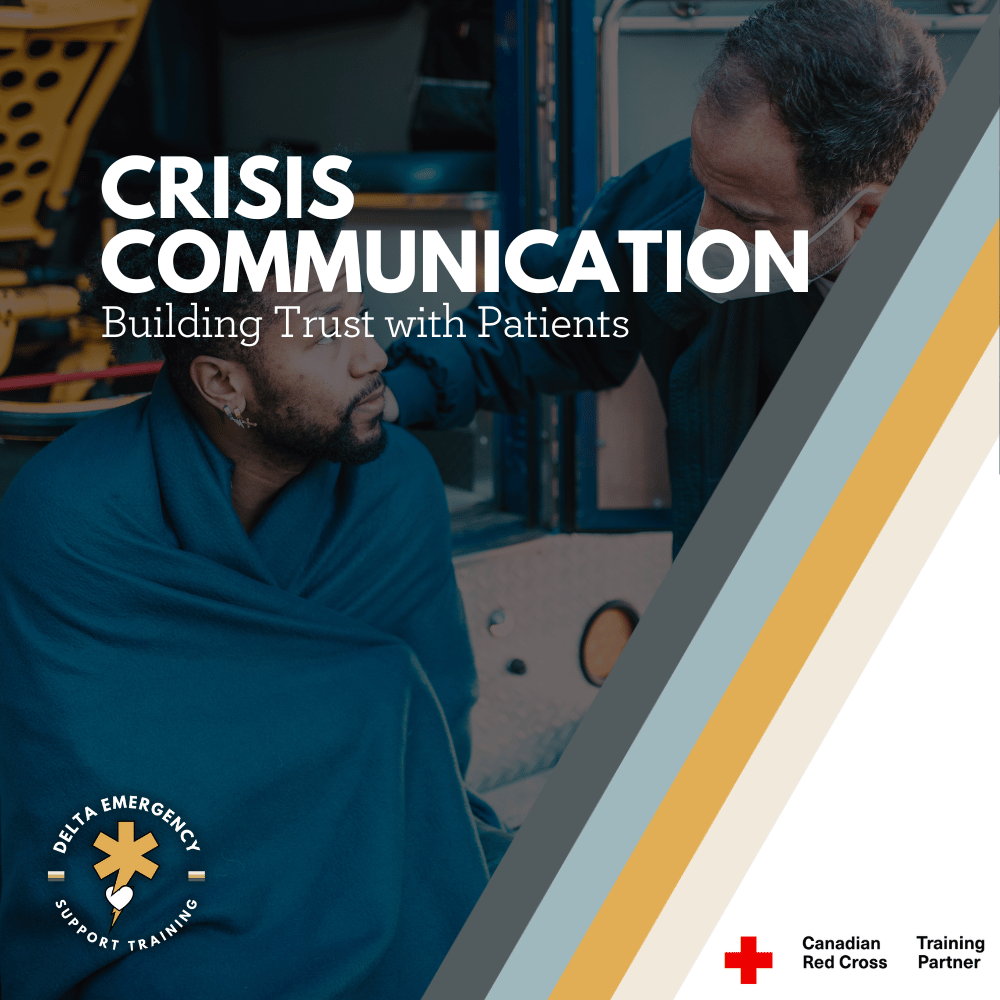
Caring for patients with schizophrenia can present unique challenges, particularly for first responders and healthcare professionals. Schizophrenia is a chronic mental health disorder characterized by distortions in thinking, perception, emotions, language, sense of self, and behavior. While patients are often not violent, they may experience agitation, paranoia, or confusion, especially during psychotic episodes. Understanding effective communication and de-escalation strategies is crucial for ensuring safety and promoting positive outcomes.

Understanding Schizophrenia in Emergency Settings

Patients may present with a range of symptoms, including:

  • Positive Symptoms: Hallucinations, delusions, thought disorders, and disorganized speech or behavior.

  • Negative Symptoms: Lack of motivation, social withdrawal, flattened affect, and reduced communication.

  • Cognitive Symptoms: Impaired memory, attention, and executive function.

Key considerations for responders: Symptoms vary between individuals and over time. Rapid changes in behavior may indicate stress, medication effects, or environmental triggers.

Initial Approach and Assessment

1. Ensure Scene Safety

  • Assess the environment for hazards before engaging.

  • Maintain a safe distance until the patient is calm or additional support arrives.

2. Observe and Listen

  • Look for verbal or nonverbal cues of distress or agitation.

  • Avoid making assumptions about behavior; schizophrenia symptoms can be misunderstood as aggression.

3. Identify Triggers

  • Common triggers include loud noises, crowded spaces, sudden movements, or stressful interactions.

  • Minimize environmental stressors whenever possible.

De-escalation Techniques

De-escalation is a patient-centered approach that reduces risk of harm while fostering cooperation. Techniques include:

1. Verbal De-escalation

  • Calm Tone: Speak slowly, softly, and clearly.

  • Simple Language: Avoid complex instructions or medical jargon.

  • Active Listening: Reflect and validate feelings without judgment.

  • Set Boundaries: Politely but firmly explain what behaviors are safe or unsafe.

2. Non-Verbal Communication

  • Maintain an open, relaxed posture; avoid sudden movements.

  • Respect personal space—standing too close can increase anxiety.

  • Maintain eye contact appropriately; avoid staring which may feel threatening.

3. Engagement and Choice

  • Offer small choices to empower the patient (e.g., “Would you like to sit over here or there?”).

  • Avoid arguing about delusions; focus on safety and immediate needs.

4. Team-Based Support

  • If multiple responders are present, coordinate actions silently to avoid confusing the patient.

  • Have a plan for safe removal or restraint only if absolutely necessary and in accordance with protocols.

Medication and Medical Considerations

  • Some patients may be on antipsychotic medications, which can cause sedation, movement disorders, or other side effects.

  • Sudden medication non-compliance or missed doses may trigger psychotic symptoms.

  • Monitor vital signs, mental status, and any signs of medical emergencies such as self-harm or aggression.

Crisis Management and Emergency Protocols

  1. Safety First: Prioritize the patient’s and responders’ safety.

  2. Call for Assistance: Engage mental health crisis teams or police trained in crisis intervention if needed.

  3. Avoid Physical Restraints When Possible: Physical restraint should be a last resort, only when the patient is an imminent risk to themselves or others, and should be performed according to your agency’s protocols.

  4. Documentation: Record observations, behaviors, interventions, and the patient’s response.

Promoting Trust and Respect

  • Approach with empathy, patience, and respect.

  • Recognize the person behind the disorder—avoid labeling or stigmatizing language.

  • Building trust may reduce agitation and improve cooperation for assessment or transport.

Conclusion

Responding to patients with schizophrenia requires awareness, patience, and effective communication skills. By understanding the disorder, using evidence-based de-escalation techniques, and prioritizing safety, medical professionals and first responders can provide compassionate care, reduce risk, and promote better outcomes.

Remember: Every patient is unique, and flexible, patient-centered strategies are key. Continuous training in mental health crisis intervention can significantly enhance safety and confidence in these encounters

Read More

The Importance of Patient Communication for First Responders: A Guide to Effective, Compassionate Care

In the critical moments following an emergency, the way first responders communicate with patients can make all the difference. Good communication not only helps calm patients and build trust but also ensures more effective care. In this article, we’ll explore why patient communication matters, what to say to reassure and educate patients, and what to avoid in order to prevent escalating anxiety or confusion. By using clear, empathetic communication, first responders can enhance patient outcomes and foster a deeper sense of security.

First responder comforting patient.

As first responders, your job extends beyond providing medical care. You are often the first point of contact in a crisis, and your communication skills can significantly impact the patient’s experience. Whether the person you’re helping is conscious or in distress, calm and effective communication can not only reassure them but also improve their overall outcome. In this blog, we will explore the significance of patient communication, what you should say, and what you should avoid saying when interacting with patients.

Why Communication Matters

When a person is injured, ill, or in an emergency situation, they are often frightened, confused, and uncertain. As a first responder, you are not just a medical professional—you are a source of comfort and security. Strong communication skills can help calm anxious patients, build trust, and ensure that you can gather the critical information needed to provide effective care.

Here are a few key reasons why good communication is essential:

  1. Reassures the Patient: Effective communication can reduce anxiety and fear. A patient who feels heard and understood is more likely to trust you and follow your instructions.

  2. Informs and Educates: Patients may not understand the severity of their situation. Explaining procedures and what is happening helps them feel more in control and informed.

  3. Builds Trust: When patients sense your professionalism and empathy through your words, they are more likely to feel safe and cooperate, allowing you to deliver care efficiently.

  4. Improves Health Outcomes: A patient who is actively involved in their care is more likely to comply with necessary procedures and instructions, leading to better outcomes.

What to Say: Key Elements of Effective Communication

In high-stress situations, it’s easy to forget the fundamentals of clear communication. Here are some essential tips to ensure you communicate well with patients:

  1. Introduce Yourself and Explain Your Role: It’s important to let the patient know who you are and what you’re doing. For instance, you could say:

    • “Hi, I’m [Your Name], and I’m an EMT. I’m here to help you today.”

    This immediately sets the stage for trust, as it lets the patient know that they are in professional hands.

  2. Stay Calm and Confident: Patients take emotional cues from you. If you appear calm and in control, they are more likely to mirror those emotions. If you’re uncertain or panicked, it may escalate their fear. Use a calm, steady voice and be confident in your actions.

  3. Use Simple, Clear Language: Avoid medical jargon that may confuse your patient. Instead, explain procedures and information in simple, easy-to-understand terms.

    • “I’m going to check your heart rate now. This will help us understand how your body is reacting.”

    Keeping things clear prevents confusion and fosters trust.

  4. Give Clear Instructions: Patients may not know what to do in an emergency. Be clear in your instructions, but also use positive language that emphasizes what they can do.

    • “Can you please take slow, deep breaths with me?”

    Avoid telling them what not to do, as this may be confusing or create a sense of urgency. Positive phrasing helps guide their actions.

  5. Empathy and Reassurance: Let the patient know that you understand how difficult their situation is. Even a simple statement can go a long way in creating rapport.

    • “I know this is scary, but you’re not alone. We’re here to take care of you.”

  6. Provide Information About What’s Happening: It’s important to keep the patient informed about what you’re doing and why. In emergencies, patients may feel out of control, so explaining things step-by-step helps them stay grounded.

    • “I’m going to put an IV in to give you fluids. It might feel a little uncomfortable, but it’s important for your recovery.”

  7. Listen Actively: Communication is a two-way street. Make sure to listen attentively to the patient’s concerns, and acknowledge their feelings. If they have questions, answer them as clearly and calmly as possible. This shows that you care about their well-being and helps maintain a strong connection.

What NOT to Say: Common Pitfalls to Avoid

While there is much to say in terms of effective communication, there are also many things that should be avoided. First responders need to be mindful of how their words can affect a patient’s emotional state. Here are a few things to keep in mind:

  1. Avoid False Reassurance: Telling a patient that everything is going to be “fine” when you aren’t sure is not helpful. While you want to reassure, it’s important to remain honest about what you know and what’s uncertain.

    • Instead of saying, “You’ll be fine,” try, “We’re doing everything we can to help you right now.”

  2. Don’t Make Assumptions: Avoid making statements that assume the patient’s condition or needs without knowing the facts. For example, saying “This will hurt, but it’s necessary” can cause unnecessary anxiety.

    • Instead, phrase it more carefully: “You may feel some discomfort as we do this, but it will help us get you the treatment you need.”

  3. Don’t Rush or Overwhelm: In fast-paced emergencies, it’s easy to get caught up in the urgency, but avoid overwhelming the patient with too much information too quickly. Try to break things down into manageable steps.

    • Instead of saying, “We need to get you to the hospital, start an IV, monitor your vitals, and administer fluids—all at once,” you could say, “We’re going to start by getting an IV in so we can give you fluids. Then we’ll check your vitals and get you ready for transport.”

  4. Don’t Dismiss Concerns: Never trivialize the patient’s feelings or complaints. What may seem minor to you could feel significant to the patient.

    • If a patient expresses worry, avoid saying things like, “It’s not that bad.” Instead, listen, acknowledge their feelings, and reassure them.

  5. Avoid Overloading with Technical Details: While patients deserve information, keep in mind that too much medical detail can be overwhelming. Focus on what’s necessary for their immediate understanding.

Building Trust: The Role of Empathy in Patient Communication

Empathy is at the core of good patient communication. Demonstrating that you care about the patient’s well-being can make all the difference, especially in high-stress situations. Showing empathy doesn’t mean solving all their problems—it means showing that you understand their fears and frustrations.

Empathetic phrases to use:

  • “I know you’re in pain, and I’m here to help you through this.”

  • “It’s okay to feel scared; we’re going to take good care of you.”

  • “I can imagine this is really tough right now. We’re doing everything we can to help.”

Empathy fosters a connection that can make patients feel more comfortable, even in dire situations.

Final Thoughts

In the demanding role of a first responder, you play a pivotal part in both the physical and emotional care of patients. Effective communication can build trust, ease anxiety, and improve the overall care experience. By using clear, compassionate, and thoughtful communication techniques, you can ensure that your patients feel heard, cared for, and more at ease during some of the most vulnerable moments of their lives.

Mastering patient communication not only helps provide better care but strengthens the bonds between first responders and the communities they serve. When it comes to saving lives, it’s not just the physical interventions that matter—it’s the way we communicate with those who need us most.

Read More