The Delta Dispatch
Nitroglycerin: Relieving Angina with
Angina, a distressing sensation of chest pain or discomfort, can be a daunting reality for individuals living with heart conditions. Thankfully, medical science has paved the way for innovative solutions to alleviate this cardiac discomfort. Nitroglycerin, in the form of a sublingual spray, emerges as a beacon of relief. By harnessing its vasodilating prowess, nitroglycerin sublingual spray not only provides respite from angina but also offers insights into the intricate connection between chemistry and cardiovascular health. In this article, we explore the mechanism behind nitroglycerin's effectiveness, its strategic sublingual administration, dosing precision, and the role it plays in modern cardiovascular care. Whether you're a patient seeking relief or a healthcare enthusiast, join us in unraveling the science behind managing angina with nitroglycerin.
In the realm of medical science, there are compounds that stand out for their transformative impact on patient care, particularly in the realm of cardiovascular health. Nitroglycerin, a compound with a rich history, has emerged as a true medical marvel, primarily due to its remarkable ability to alleviate cardiac pain, commonly known as angina. This blog will delve into the fascinating world of nitroglycerin's vasodilation mechanism, its pivotal role in managing angina, and the significance of its sublingual administration. Additionally, we'll explore key administration details, including dosing precision and the crucial priming step.
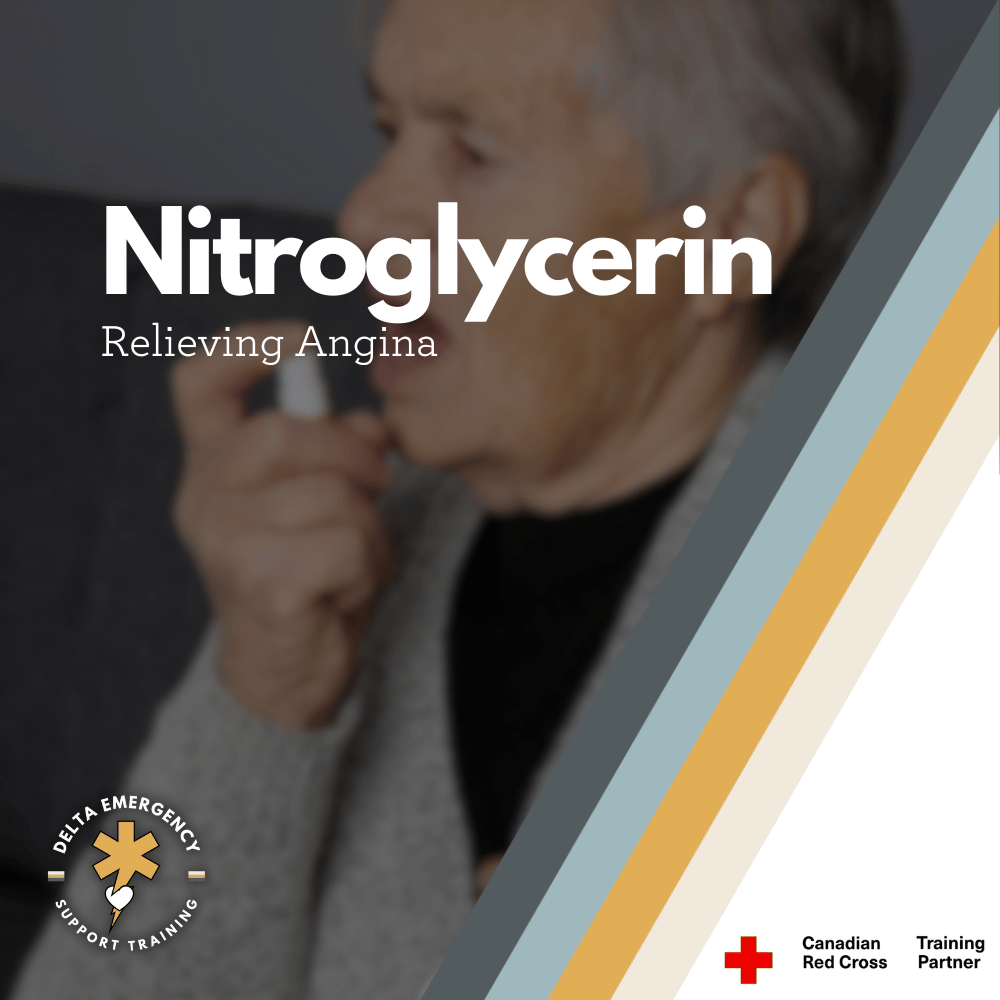
Woman using Nitroglycerin spray
Vasodilation
At the heart of nitroglycerin's medical efficacy lies its remarkable capacity to function as a vasodilator. Vasodilation, the widening of blood vessels, increases blood flow and reduces resistance within the circulatory system. Nitroglycerin accomplishes this by liberating nitric oxide (NO) upon entering the bloodstream.
Nitric Oxide
Nitric oxide, a signaling molecule, plays a pivotal role in regulating numerous physiological processes, including blood vessel dilation. Once nitroglycerin enters the bloodstream, it metamorphoses into nitric oxide. This wondrous molecule prompts smooth muscle cells within blood vessel walls to relax, culminating in vessel dilation. This relaxation orchestrates augmented blood flow and diminished pressure within arteries, offering particularly favorable outcomes for individuals grappling with angina or heart failure.
Blood Pressure
While the vasodilation advantages of nitroglycerin are profound, they can also precipitate a notable decline in blood pressure, a phenomenon termed hypotension. It's for this reason that nitroglycerin spray is contraindicated for systolic blood pressure under 110 mm Hg. Individuals with lower blood pressure may encounter an excessive drop, which could lead to sensations of faintness or dizziness or syncope.
Sublingual Administration: A Strategic Approach
Nitroglycerin's sublingual administration is a strategic maneuver that leverages the sublingual blood vessels, located beneath the tongue. This route ensures rapid absorption and delivery of the compound into the bloodstream. The patient administers the spray by aiming it under the tongue, allowing the nitroglycerin to be absorbed directly into the circulation through the rich network of blood vessels present in the sublingual area.
Dosing Precision
A standard dose of nitroglycerin sublingual spray typically involves a single spray, releasing approximately 0.4 mg of nitroglycerin. This dosage is meticulously calibrated to yield the desired vasodilation effects while mitigating the risk of pronounced blood pressure drops.
Priming
Before administering nitroglycerin sublingual spray, it is crucial to prime the bottle. Priming involves releasing a small amount of the spray to ensure the nozzle is functional and to guarantee accurate dosing during use.
Conclusion
Nitroglycerin sublingual spray stands as a testament to the potential of medical compounds to revolutionize cardiovascular care. Its unique ability to trigger vasodilation through the release of nitric oxide offers a lifeline to individuals grappling with heart-related conditions. As we continue to uncover the synergies between chemistry and human health, nitroglycerin remains an exemplary agent that has reshaped the landscape of cardiovascular medicine, improving lives one spray at a time.
Treating Chest Pain: Aspirin and Nitroglycerin
Aspirin and nitroglycerin are two medications that are commonly used by first responders to treat chest pain or suspected heart attack. Aspirin is a platelet inhibitor that helps to prevent blood clots from forming and reduces the risk of further damage to the heart. Nitroglycerin is a vasodilator that helps to increase blood flow to the heart by dilating blood vessels, which reduces the workload on the heart muscle.
While these medications can be effective in treating chest pain or suspected heart attack, it's important for first responders to be familiar with their uses, risks, and benefits, and to follow established protocols and guidelines when administering them. Aspirin and nitroglycerin can have potential side effects and contraindications, so it's important to use them only as directed and under the guidance of a healthcare professional.
To ensure the safety and well-being of their patients, first responders should also educate patients about the benefits and risks of aspirin and nitroglycerin, and the importance of seeking medical follow-up after receiving these medications. By working closely with healthcare professionals and following established protocols and guidelines, first responders can provide effective care and help ensure the safety and well-being of their patients.
When it comes to treating chest pain or suspected heart attack, aspirin and nitroglycerin are two medications that first responders may use to help their patients depending on scope of practice. But what are these medications, how do they work, and what do first responders need to know about their use?
man sitting down and clutching his chest in pain. He appears to be experiencing a heart attack. Calgary Fire Fighters on the way.
Aspirin:
What is Aspirin, and How Does it Work?
Aspirin, also known as acetylsalicylic acid (ASA), is a medication that's commonly used to treat pain, fever, and inflammation. Aspirin works by inhibiting the activity of platelets, which are small blood cells that play a key role in blood clotting. When a blood vessel is damaged, platelets are activated and begin to stick to the damaged area to form a plug, which helps to stop bleeding. However, when a blood clot forms inside an artery supplying the heart, it can block blood flow and cause a heart attack.
As a platelet inhibitor, aspirin helps to prevent blood clots from forming and reduces the risk of further damage to the heart.
How is Aspirin Used in Emergency Situations?
Aspirin is an important medication for first responders to use in emergency situations, particularly for patients experiencing chest pain or suspected heart attack also know as a myocardial infarction. To speed up its onset of action, chewing aspirin is often recommended. The recommended dose of aspirin for patients with suspected heart attack is typically between 160-325 mg.
Contraindications:
There are certain situations where aspirin use may not be appropriate or may need to be used with caution.
Some common contraindications for aspirin use include:
Allergy or hypersensitivity to aspirin or other non-steroidal anti-inflammatory drugs (NSAIDs)
Active bleeding or bleeding disorders
Suspected stroke
ASA exacerbated asthma
Children with viral infection
Nitroglycerin:
What is Nitroglycerin, and How Does it Work?
Nitroglycerin is a medication used to treat chest pain or angina, which is often a symptom of heart disease. Nitroglycerin is a vasodilator, which means that it relaxes and widens blood vessels throughout the body, including the coronary arteries that supply blood to the heart muscle.
By dilating the blood vessels, nitroglycerin helps to increase blood flow to the heart, which reduces the workload on the heart muscle and can relieve chest pain or angina. Nitroglycerin works by releasing nitric oxide, which is a gas that relaxes the smooth muscle cells in the walls of blood vessels.
In addition to its effects on the coronary arteries, nitroglycerin can also cause vasodilation in other blood vessels, which can lead to a drop in blood pressure or hypotension. This is why nitroglycerin should not be given to patients with low blood pressure or hypotension.
It is administered as a sublingual spray with a recommended dose of 0.4 mg.
Contrindications:
While nitroglycerin is a useful medication, there are some precautions to keep in mind. PASS is an acronym to help you remember nitroglycerin’s contraindications.
Prescription: Making sure the nitro is prescribed to the patient.
Allergy: Confirming the patient does not have an allergy to nitro or other nitrates.
Systolic: Taking vitals to confirm their systolic blood pressure is above 100.
Sex drugs: A brief history of the patients medication use, Viagra, Levitra and Cialis in the last 24hr are all contraindicated for nitro.
Aspirin and Nitro
Aspirin and nitroglycerin are two medications that first responders will encounter in emergency situations for patients experiencing chest pain or suspected heart attack. While both medications can be effective in treating these conditions, they work in different ways and have different indications and contraindications.
Aspirin is a platelet inhibitor that helps to prevent blood clots from forming and reduces the risk of further damage to the heart. It is often used as a long-term treatment to reduce the risk of recurrent heart attacks or stroke. Nitroglycerin, on the other hand, is a vasodilator that helps to increase blood flow to the heart by dilating blood vessels, which reduces the workload on the heart muscle. It is typically used as a short-term treatment to relieve chest pain or angina.
By understanding their uses, risks, and benefits, first responders can provide effective care and help ensure the safety and well-being of their patients.
Training
In our advanced first aid training class, we cover topics such as heart disease and the use of aspirin and nitroglycerin to equip you with the knowledge and skills to provide excellent care in emergency situations. Calgary Fire, for example, is one of the many organizations that uses these medications as part of their protocols for responding to chest pain and suspected heart attack.
At Delta Emergency, we are dedicated to providing you with the tools you need to confidently handle any emergency situation involving chest pain or suspected heart attack. Our training programs are designed to teach you about the uses, risks, and benefits of aspirin and nitroglycerin, as well as the proper administration and monitoring of these medications.
If you have any questions or concerns about our training programs or the use of aspirin and nitroglycerin in emergency situations, please don't hesitate to contact us at info@deltaemergency.com. We're here to support you every step of the way in providing effective care to patients experiencing chest pain or suspected heart attack, just like Calgary Fire and other first responders do on a daily basis.

