The Delta Dispatch

Prioritizing Health for Aspiring First Responders: Fitness and Nutrition Essentials

Step into the world of first responders with a comprehensive guide to prioritizing health. From essential fitness routines to meal prep mastery, uncover the core elements crucial for readiness in this demanding role. Explore the secrets behind endurance, strength-building, and managing nutrition amidst unpredictable schedules. Prioritizing health isn’t just a choice; it’s the foundation for success in the impactful realm of first responders.
Stepping into the world of first responders is an incredible journey that demands not just courage and dedication but a commitment to maintaining your physical well-being. Here’s a comprehensive look at why prioritizing health is key for those aiming to become a part of this impactful community.

Running shoes, weights and bowl of healthy fruits and VEGETABLES

Fitness Foundations: The Backbone of Readiness

Physical fitness encompasses various aspects crucial for a first responder's preparedness. It includes:

Cardiovascular Health

Cardio exercises are vital for maintaining a healthy heart and improving endurance. Consider activities such as:

Running or jogging:

Excellent for building stamina and cardiovascular endurance.

Cycling:

Both outdoor biking and stationary cycling are effective for heart health.

Swimming:

Provides a full-body workout while being gentle on joints.

High-intensity interval training (HIIT):

Alternating between bursts of high-intensity exercise and rest periods for cardiovascular fitness.

Strength Training:

Building strength is essential for handling the physical demands of the job. Activities for strength training include:

Weightlifting:

Involves lifting weights to build muscle strength and endurance.

Bodyweight exercises:

Push-ups, pull-ups, squats, and planks are effective without the need for equipment.

Resistance band workouts:

Use bands to add resistance to exercises and strengthen muscles.

Functional training:

Mimicking movements needed in your role as a first responder, such as carrying equipment or lifting patients.

Fueling Success: The Power of Nutrition

Challenges of On-the-Go Nutrition

The unpredictable nature of a first responder's work schedule often poses challenges for regular, balanced meals. Long shifts and urgent calls may limit access to healthy food options, making it difficult to maintain proper nutrition. This emphasizes the importance of planning and preparation to ensure adequate fuel during demanding work hours.

Meal Prepping for Success:

Meal prepping becomes a valuable strategy for first responders. Setting aside time to prepare and pack balanced meals in advance ensures access to nutritious food during hectic schedules. Opt for meals rich in:

  • Lean proteins (chicken, fish, tofu)

  • Complex carbohydrates (whole grains, fruits, vegetables)

  • Healthy fats (avocado, nuts, seeds)

Eating Right for Endurance:

Proper nutrition is the cornerstone of sustained energy. Consuming balanced meals before shifts and carrying nutrient-dense snacks can help maintain energy levels. Emphasize foods that release energy steadily, avoiding rapid sugar crashes. Incorporating small, frequent meals rich in fiber, protein, and healthy fats supports lasting energy.

Managing Caffeine Intake:

Caffeine can be a go-to for a quick energy boost, but reliance on energy drinks or excessive coffee consumption may lead to dependency and energy crashes. Exploring alternative sources like caffeinated teas—such as matcha or Yerba mate—can provide sustained energy without the abrupt spikes and crashes associated with energy drinks.

Balancing Nutrition and Work:

Adopting a mindful approach to nutrition amidst a demanding schedule is crucial. Prioritizing meal prepping and choosing nutrient-dense options ensure a consistent intake of essential nutrients, supporting sustained energy and optimal performance during long shifts.

Conclusion

Aspiring first responders must recognize that prioritizing health isn’t just a personal commitment—it's a commitment to the community they serve. By nurturing their physical fitness and prioritizing balanced nutrition, individuals prepare themselves not just for the physical demands but also for the mental resilience necessary in their crucial roles.

In embracing a comprehensive approach to health, aspiring first responders are better equipped to serve their communities effectively, ensuring they can respond with strength, agility, and unwavering dedication.

Read More
911, First Responder Kumari Malhotra 911, First Responder Kumari Malhotra

Nitroglycerin: Relieving Angina with

Angina, a distressing sensation of chest pain or discomfort, can be a daunting reality for individuals living with heart conditions. Thankfully, medical science has paved the way for innovative solutions to alleviate this cardiac discomfort. Nitroglycerin, in the form of a sublingual spray, emerges as a beacon of relief. By harnessing its vasodilating prowess, nitroglycerin sublingual spray not only provides respite from angina but also offers insights into the intricate connection between chemistry and cardiovascular health. In this article, we explore the mechanism behind nitroglycerin's effectiveness, its strategic sublingual administration, dosing precision, and the role it plays in modern cardiovascular care. Whether you're a patient seeking relief or a healthcare enthusiast, join us in unraveling the science behind managing angina with nitroglycerin.
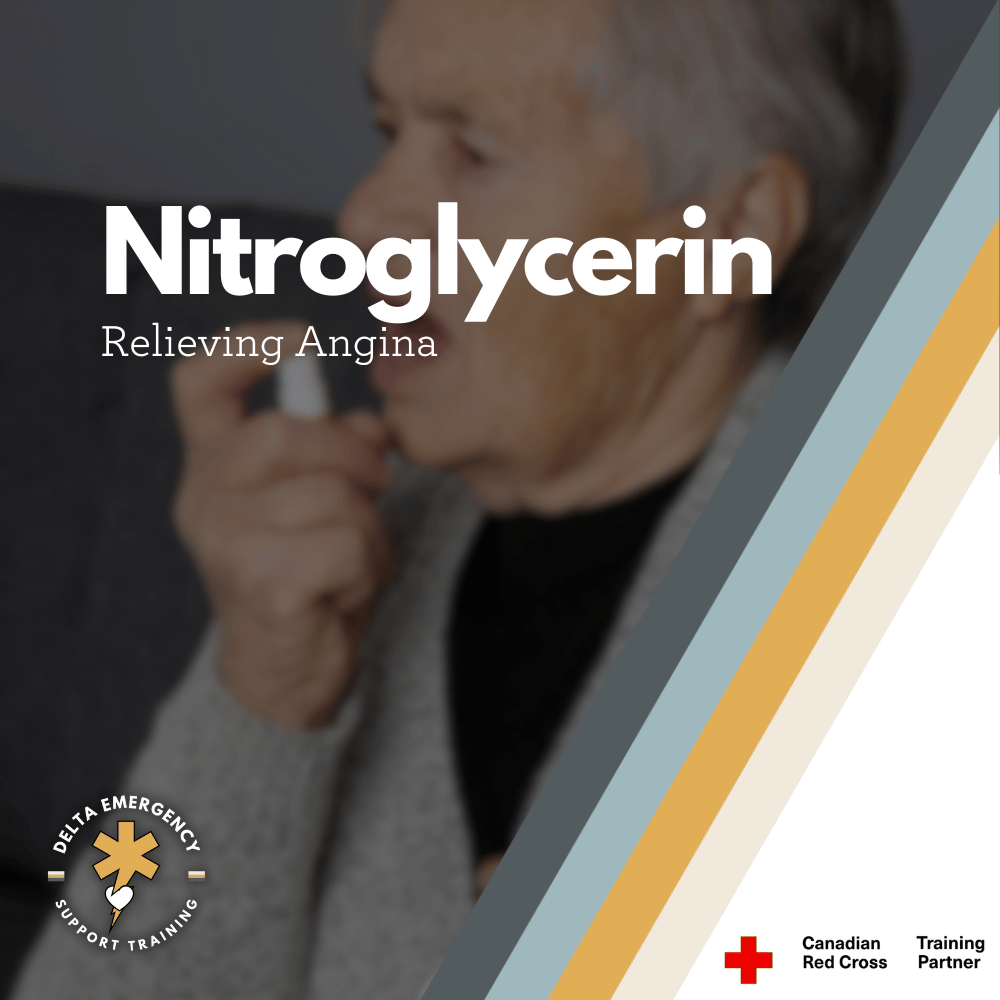
In the realm of medical science, there are compounds that stand out for their transformative impact on patient care, particularly in the realm of cardiovascular health. Nitroglycerin, a compound with a rich history, has emerged as a true medical marvel, primarily due to its remarkable ability to alleviate cardiac pain, commonly known as angina. This blog will delve into the fascinating world of nitroglycerin's vasodilation mechanism, its pivotal role in managing angina, and the significance of its sublingual administration. Additionally, we'll explore key administration details, including dosing precision and the crucial priming step.

Woman using Nitroglycerin spray

Vasodilation

At the heart of nitroglycerin's medical efficacy lies its remarkable capacity to function as a vasodilator. Vasodilation, the widening of blood vessels, increases blood flow and reduces resistance within the circulatory system. Nitroglycerin accomplishes this by liberating nitric oxide (NO) upon entering the bloodstream.

Nitric Oxide

Nitric oxide, a signaling molecule, plays a pivotal role in regulating numerous physiological processes, including blood vessel dilation. Once nitroglycerin enters the bloodstream, it metamorphoses into nitric oxide. This wondrous molecule prompts smooth muscle cells within blood vessel walls to relax, culminating in vessel dilation. This relaxation orchestrates augmented blood flow and diminished pressure within arteries, offering particularly favorable outcomes for individuals grappling with angina or heart failure.

Blood Pressure

While the vasodilation advantages of nitroglycerin are profound, they can also precipitate a notable decline in blood pressure, a phenomenon termed hypotension. It's for this reason that nitroglycerin spray is contraindicated for systolic blood pressure under 110 mm Hg. Individuals with lower blood pressure may encounter an excessive drop, which could lead to sensations of faintness or dizziness or syncope.

Sublingual Administration: A Strategic Approach

Nitroglycerin's sublingual administration is a strategic maneuver that leverages the sublingual blood vessels, located beneath the tongue. This route ensures rapid absorption and delivery of the compound into the bloodstream. The patient administers the spray by aiming it under the tongue, allowing the nitroglycerin to be absorbed directly into the circulation through the rich network of blood vessels present in the sublingual area.

Dosing Precision

A standard dose of nitroglycerin sublingual spray typically involves a single spray, releasing approximately 0.4 mg of nitroglycerin. This dosage is meticulously calibrated to yield the desired vasodilation effects while mitigating the risk of pronounced blood pressure drops.

Priming

Before administering nitroglycerin sublingual spray, it is crucial to prime the bottle. Priming involves releasing a small amount of the spray to ensure the nozzle is functional and to guarantee accurate dosing during use.

Conclusion

Nitroglycerin sublingual spray stands as a testament to the potential of medical compounds to revolutionize cardiovascular care. Its unique ability to trigger vasodilation through the release of nitric oxide offers a lifeline to individuals grappling with heart-related conditions. As we continue to uncover the synergies between chemistry and human health, nitroglycerin remains an exemplary agent that has reshaped the landscape of cardiovascular medicine, improving lives one spray at a time.

Read More

First Responder's Guide to Success

In the fast-paced world of first responders, achieving excellence is not just a goal; it's a continuous journey. This comprehensive guide explores the vital practices that empower first responders to excel in their roles. From studying practices that enhance knowledge to prioritizing mental and physical health, this guide equips first responders with the tools they need to be effective, resilient, and compassionate in the face of adversity.

First responders are the unsung heroes of our communities, bravely facing crises and emergencies to protect and serve others. The demanding nature of their work requires not only courage and skills but also a strong focus on personal development. In this blog, we will explore the essential good practices that first responders can embrace to excel in their roles, including studying practices to enhance their knowledge, mental health practices to cope with stress and trauma, and maintaining good physical health to sustain their well-being.

Fire fighters bonding at the station after a call

Studying Practices - Empowering Knowledge for Effective Response

The fast-paced and ever-evolving nature of emergency response demands that first responders remain adaptable, well-informed, and capable of making split-second decisions under pressure. By embracing a mindset of continuous learning and improvement, first responders can elevate their effectiveness, response capabilities, and overall impact on the communities they serve.

1. Regular Training:

Take advantage of the training opportunities provided by your organization. Regularly attend workshops, seminars, and skill-building sessions to stay updated on the latest techniques, equipment, and protocols.

Participate in mandatory training, as well as optional advanced courses, to enhance your capabilities and adapt to evolving challenges.

2. Scenario-Based Learning:

Engage in realistic simulations that mimic potential emergency situations. These simulations can help you develop quick thinking, problem-solving skills, and teamwork.

Learn from experienced mentors who can guide you through complex scenarios, offering valuable insights into decision-making and critical actions.

3. Research and Read:

Stay informed by reading industry publications, research papers, and reputable online sources. Subscribe to newsletters or podcasts that discuss current trends and advancements in your field.

Develop a habit of reading case studies or success stories to learn from real-life incidents and best practices.

4. Collaborate and Share:

Participate in regular knowledge-sharing sessions with your colleagues. Create a culture of open communication where experiences and lessons learned are shared freely.

Engage in interdisciplinary training or joint exercises with other emergency response teams, fostering cross-team collaboration and synergy.

5. Pursue Higher Education:

Consider enrolling in formal education programs related to emergency response, such as emergency management or paramedic training.

Higher education can provide a deeper understanding of the theoretical foundations of your field, complementing your practical experiences.

6. Utilize Technology and Online Resources:

Leverage online platforms and e-learning resources to access a vast array of educational materials, webinars, and interactive courses.

Explore virtual reality (VR) training scenarios that immerse you in realistic emergency situations, allowing for hands-on practice in a safe environment.

7. Continuous Self-Assessment:

Regularly evaluate your own performance and areas for improvement. Seek feedback from supervisors, colleagues, and mentors to identify blind spots.

Set personal learning goals and track your progress to ensure continuous development.

8. Specialize in Key Areas:

Identify specific areas of interest or expertise within your field and specialize in them. This can make you an invaluable resource in critical situations.

Pursue certifications or advanced training in specialized fields such as hazardous materials response, search and rescue, or medical specialties.

The Importance of Good Mental Health for First Responders

Being a first responder is a calling that demands courage, resilience, and unwavering dedication to serving others. However, the nature of the job exposes first responders to highly stressful and often traumatic situations, putting their mental well-being at risk. The importance of good mental health for first responders cannot be overstated, as it directly impacts their ability to provide effective and compassionate care, maintain personal well-being, and cope with the challenges they face daily. Here are some key reasons why prioritizing mental health is crucial for first responders:

1. Resilience in the Face of Stress and Trauma:

First responders frequently encounter distressing and emotionally challenging situations. Witnessing accidents, violence, loss of life, and suffering can take a toll on their mental well-being. Good mental health practices help build resilience, enabling them to cope with these difficult experiences and bounce back from adversity more effectively.

2. Decision-Making and Critical Thinking:

In high-pressure situations, clear and quick decision-making is essential. Maintaining good mental health enhances cognitive functions, including critical thinking, problem-solving, and judgment. A balanced and focused mind can lead to better on-the-spot decisions, which are crucial in emergency response scenarios.

3. Communication and Teamwork:

Effective communication and teamwork are paramount in the success of any emergency response operation. When first responders prioritize mental health, they are better equipped to communicate clearly, collaborate seamlessly with their team, and coordinate efforts efficiently, ensuring a cohesive response to emergencies.

4. Compassionate and Empathetic Care:

A mentally healthy first responder is better equipped to provide compassionate and empathetic care to those in distress. Mental well-being allows them to connect with individuals on a deeper level, demonstrating understanding and empathy even in challenging situations, thereby positively impacting the emotional recovery of those they assist.

5. Reduced Risk of Burnout and Compassion Fatigue:

The demanding nature of the job, coupled with exposure to traumatic events, can lead to burnout and compassion fatigue. Prioritizing mental health can act as a protective measure, reducing the risk of emotional exhaustion, cynicism, and disengagement from work.

6. Improved Work-Life Balance:

Maintaining good mental health supports a healthier work-life balance. First responders who are mentally well are more likely to effectively separate work-related stress from their personal lives, fostering stronger connections with their families, friends, and communities outside of work.

7. Positive Organizational Culture:

Organizations that prioritize mental health create a positive work environment where first responders feel supported, valued, and encouraged to seek help when needed. This promotes a culture of openness, reducing the stigma around mental health issues and encouraging individuals to proactively manage their well-being.

8. Enhancing Coping Mechanisms:

Good mental health equips first responders with healthier coping mechanisms to deal with stress. Instead of resorting to unhealthy ways of coping, such as substance abuse or avoidance, they can employ constructive strategies to manage stress effectively.

The Importance of Good Physical Health for First Responders

As first responders, the physically demanding and high-stress nature of the job requires peak physical fitness to perform effectively and safely. Prioritizing good physical health is essential for first responders, as it directly impacts their ability to carry out their duties, respond to emergencies, and maintain overall well-being. Here are some key reasons why focusing on physical health is crucial for first responders:

1. Enhanced Performance and Efficiency:

Being physically fit allows first responders to perform their duties efficiently and effectively. Improved cardiovascular health, strength, and endurance enable them to respond quickly and navigate challenging environments with agility, which is critical during emergencies.

2. Quick and Timely Responses:

Emergencies often require swift action, and physical fitness is vital for first responders to arrive at the scene promptly. Maintaining good physical health ensures that they can respond rapidly, potentially making a life-saving difference in critical situations.

3. Reduced Risk of Injuries:

The physically demanding nature of emergency response can lead to injuries if the body is not properly conditioned. Regular exercise and physical training help reduce the risk of musculoskeletal injuries and support a quicker recovery if injuries do occur.

4. Mental Clarity and Focus:

Physical activity has a positive impact on mental health. Engaging in regular exercise releases endorphins, which can improve mood, reduce stress, and enhance mental clarity and focus. This mental boost is invaluable for first responders, especially during high-stress situations.

5. Improved Stamina During Prolonged Operations:

Emergency response operations can be prolonged and physically taxing. Being in good physical condition enables first responders to sustain their energy levels during extended shifts, ensuring that they can perform at their best throughout the duration of an operation.

6. Team Cohesion and Trust:

A physically fit team builds trust and cohesion among its members. Knowing that each team member is capable of handling the physical demands of the job fosters a sense of confidence and mutual reliance, strengthening the team's overall performance.

7. Healthy Work-Life Balance:

Prioritizing physical health supports a healthier work-life balance for first responders. Regular exercise and fitness routines can serve as stress-relieving activities and provide an opportunity for them to disconnect from work and focus on personal well-being.

8. Increased Resilience to Stress:

Physical fitness enhances the body's ability to cope with stress. Regular exercise can help reduce the physiological effects of stress, making first responders more resilient and better able to manage the mental and emotional challenges they face on the job.

9. Positive Role Models for the Community:

First responders who prioritize their physical health can serve as positive role models for the community they serve. Demonstrating commitment to fitness not only inspires others to lead healthier lifestyles but also reinforces the image of a capable and prepared emergency response force.

In the demanding world of first responders, excellence is not just a goal; it's a continuous journey. This guide explores vital practices, from studying to mental and physical health, empowering them to excel in their roles. By prioritizing continuous learning, mental well-being, and physical fitness, first responders become effective, resilient, and compassionate in serving their communities. Together, let's support and appreciate these brave individuals as they continue to shine as beacons of hope and strength in the face of adversity.

Read More
Awareness, Cardiac, Healthcare, Heart Disease Kumari Malhotra Awareness, Cardiac, Healthcare, Heart Disease Kumari Malhotra

Understanding Heart Disease: Protecting Your Most Vital Organ

Heart disease is a leading cause of mortality worldwide, affecting individuals of all ages and backgrounds. In this comprehensive blog, we delve into the world of cardiovascular conditions, exploring their causes, symptoms, and management strategies. Whether you want to understand the importance of heart health, prevent heart disease, or find ways to effectively manage existing conditions, this blog provides valuable insights and actionable steps. Empower yourself with knowledge and embrace a heart-healthy lifestyle to protect your most vital organ and live a vibrant, fulfilling life.

Heart disease remains a pressing and formidable health concern in Canada, demanding our utmost attention and action. Within the landscape of healthcare, cardiovascular complications persistently rank as the leading cause of death among Canadaians.The profound impact of heart disease extends far beyond mere statistics—it touches individuals, families, and communities, reminding us of the paramount importance of safeguarding heart health.

Animation of a medically accurate heart.

Heart health serves as the foundation for overall well-being, as the heart tirelessly pumps blood and vital oxygen to every organ and tissue in our bodies. It is the lifeline that sustains our existence, making it imperative to prioritize its care and protection. By understanding the crucial role of heart health and the profound impact of heart disease, we can empower ourselves to take proactive measures in combatting this pervasive condition.

The significance of heart health cannot be overstated. A healthy heart enables us to pursue our passions, nurture relationships, and embrace life's adventures. It allows us to enjoy moments both big and small, from the exhilaration of physical activity to the tender joy of holding a loved one close. A healthy heart is the cornerstone of vitality, resilience, and longevity.

Heart disease, with its various forms and manifestations, poses a significant threat to our well-being. It encompasses a range of conditions such as coronary artery disease, heart failure, arrhythmias, and valvular disorders. These ailments can lead to heart attacks, strokes, and a diminished quality of life if left unaddressed. However, the silver lining lies in the fact that many cases of heart disease are preventable through early intervention and the adoption of healthy lifestyle choices.

As we explore the multifaceted landscape of heart disease prevention and management, it becomes apparent that our choices hold the key to mitigating its impact. By adopting a heart-healthy diet, engaging in regular physical activity, managing stress levels, avoiding tobacco, and attending regular check-ups, we can make significant strides in safeguarding our hearts.

The path to heart health is a shared journey, with communities, healthcare professionals, and individuals all playing crucial roles. Through education, awareness, and collective action, we can foster an environment that nurtures heart health, promotes early detection, and empowers individuals to make informed decisions.

In the following sections, we will delve deeper into the intricate web of heart disease prevention and management. We will explore the impact of lifestyle choices on heart health, examine common cardiovascular conditions, and provide practical insights into prevention and mitigation strategies.

Common Cardiovascular Diseases

Heart problems have a profound impact on an individual's quality of life, making it crucial to understand and address common cardiovascular diseases. These conditions can disrupt daily activities, limit physical abilities, and pose significant health risks. By expanding our knowledge of these diseases, we can better recognize their symptoms, seek appropriate medical attention, and take proactive steps towards prevention and management. In this section, we will explore some of the most prevalent cardiovascular diseases, shedding light on their effects and emphasizing the importance of early intervention.

  1. Coronary Artery Disease (CAD):

    Coronary artery disease is a condition characterized by the buildup of plaque inside the coronary arteries, which supply oxygen-rich blood to the heart. The narrowed or blocked arteries restrict blood flow, leading to various symptoms and potentially causing a heart attack. CAD can be influenced by factors such as high blood pressure, high cholesterol levels, smoking, diabetes, obesity, and a sedentary lifestyle. Lifestyle modifications, medications, and medical procedures like angioplasty or bypass surgery are common treatments for CAD.

  2. Congestive Heart Failure (CHF):

    Congestive heart failure occurs when the heart is unable to pump enough blood to meet the body's needs. It can result from various conditions that weaken or damage the heart, such as coronary artery disease, heart attacks, high blood pressure, heart valve problems, or certain heart muscle diseases. Symptoms of heart failure include shortness of breath, fatigue, fluid retention (swelling in the legs, ankles, or abdomen), and reduced exercise tolerance. Treatment approaches for heart failure may include lifestyle changes, medications, implanted devices like pacemakers or defibrillators, or, in severe cases, heart transplantation.

  3. Arrhythmias:

    Arrhythmias are irregular heart rhythms that can occur due to abnormalities in the heart's electrical system. They can manifest as a heart beating too fast (tachycardia), too slow (bradycardia), or irregularly. Common symptoms of arrhythmias include palpitations (awareness of a rapid or irregular heartbeat), dizziness, lightheadedness, fainting, chest discomfort, and shortness of breath. Treatment options for arrhythmias may include medications, lifestyle modifications, catheter-based procedures like ablation, or implantation of devices like pacemakers or implantable cardioverter-defibrillators (ICDs).

  4. Valvular Heart Disease:

    Valvular heart disease involves abnormalities or damage to the heart valves, which regulate blood flow between different chambers of the heart. Examples of valvular heart diseases include aortic stenosis (narrowing of the aortic valve), mitral regurgitation (leaking of the mitral valve), or mitral valve prolapse (improper closure of the mitral valve). Symptoms can include fatigue, shortness of breath, chest pain, palpitations, and swelling in the ankles or feet. Treatment approaches for valvular heart disease may involve medications, lifestyle modifications, and surgical procedures such as valve repair or replacement.

  5. Myocardial Infarction (Heart Attack):

    A heart attack, also known as a myocardial infarction, occurs when the blood flow to a part of the heart muscle is blocked, usually due to a blood clot in a coronary artery. This blockage deprives the heart muscle of oxygen and nutrients, leading to tissue damage or cell death. Symptoms of a heart attack include chest pain or discomfort, shortness of breath, lightheadedness, nausea, and pain or discomfort in the arms, back, jaw, or neck. Immediate medical attention is crucial to minimize heart muscle damage and improve outcomes.

  6. Hypertensive Heart Disease:

    Hypertensive heart disease refers to heart conditions caused by long-term high blood pressure. The increased pressure puts strain on the heart, leading to conditions such as thickened or weakened heart muscle (left ventricular hypertrophy or dilated cardiomyopathy) or heart failure. Controlling blood pressure through lifestyle modifications and medications is essential in managing hypertensive heart disease.

  7. Congenital Heart Disease:

    Congenital heart disease refers to structural heart defects present at birth. These defects can affect the heart's walls, valves, or blood vessels, impairing proper blood flow. The severity of congenital heart disease can range from minor abnormalities that require no treatment to complex conditions that require surgical intervention during infancy or childhood. Treatment options depend on the specific defect and its impact on the individual's health.

  8. Cardiomyopathy:

    Cardiomyopathy is a disease that affects the heart muscle, causing it to become enlarged, thickened, or rigid. This condition can be inherited or acquired and can lead to heart failure, arrhythmias, or other complications. Treatment for cardiomyopathy may include medications, lifestyle changes, implanted devices, or, in severe cases, heart transplantation.

  9. Pericardial Disease:

    Pericardial disease refers to conditions affecting the pericardium, the protective sac surrounding the heart. It can include inflammation of the pericardium (pericarditis), accumulation of fluid in the pericardial space (pericardial effusion), or scarring of the pericardium (constrictive pericarditis). Symptoms can include chest pain, shortness of breath, and fatigue. Treatment depends on the specific condition and may involve medications or, in some cases, surgical intervention.

  10. Aortic Aneurysm and Dissection:

    Aortic aneurysm is a condition characterized by the abnormal dilation or ballooning of the aorta, the main artery that carries blood from the heart to the rest of the body. If left untreated, an aneurysm can rupture, leading to life-threatening internal bleeding. Aortic dissection occurs when a tear develops in the inner lining of the aorta, causing the layers of the artery to separate. Both conditions require immediate medical attention and can be treated with medications or surgical interventions, depending on the severity.

It's important to note that the management and treatment options for these heart diseases can vary depending on individual circumstances. Seeking prompt medical advice and working closely with healthcare professionals are crucial for appropriate diagnosis and tailored treatment plans.

Lifestyle Choices and Heart Health

Diet and Nutrition:

A heart-healthy diet serves as a cornerstone for maintaining optimal heart health. Emphasize the importance of adopting a balanced eating plan that includes a variety of nutrient-dense foods:

  • Fruits and Vegetables: Encourage the consumption of a colorful array of fruits and vegetables, as they are rich in vitamins, minerals, and antioxidants that protect against heart disease.

  • Whole Grains: Highlight the benefits of incorporating whole grains like oats, quinoa, and brown rice into meals, as they are high in fiber and can help lower cholesterol levels.

  • Lean Proteins: Recommend lean protein sources such as skinless poultry, fish, legumes, and tofu while reducing the intake of red meat, which is associated with an increased risk of heart disease.

  • Healthy Fats: Educate readers about the importance of incorporating sources of healthy fats, such as avocados, nuts, seeds, and olive oil, which can help reduce LDL (bad) cholesterol levels.

Regular Physical Activity:

Regular exercise is crucial for maintaining heart health and reducing the risk of cardiovascular disease. Provide guidance on incorporating physical activity into daily routines:

  • Aerobic Exercise: Explain the benefits of aerobic activities like brisk walking, jogging, cycling, or swimming, which help strengthen the heart and improve overall cardiovascular fitness.

  • Strength Training: Emphasize the importance of incorporating strength training exercises, such as lifting weights or bodyweight exercises, to enhance muscle tone, support healthy weight management, and improve overall cardiovascular function.

  • Moderate Intensity: Encourage at least 150 minutes of moderate-intensity exercise per week, which can be achieved through activities like dancing, gardening, or taking fitness classes.

Stress Management:

Chronic stress can contribute to heart disease. Provide strategies for managing stress effectively:

  • Mindfulness and Meditation: Encourage readers to practice mindfulness and meditation techniques to reduce stress and promote relaxation.

  • Stress-Relieving Activities: Highlight the importance of engaging in activities that bring joy and relaxation, such as hobbies, spending time in nature, practicing yoga, or listening to music.

  • Healthy Work-Life Balance: Emphasize the significance of maintaining a healthy work-life balance and setting boundaries to reduce stress levels.

Tobacco and Alcohol:

Smoking and excessive alcohol consumption are detrimental to heart health. Address these factors and offer guidance on making healthier choices:

  • Smoking Cessation: Provide resources and strategies to quit smoking, including nicotine replacement therapy, support groups, and professional guidance.

  • Moderate Alcohol Consumption: Educate readers about the potential risks of excessive alcohol consumption and encourage moderation by adhering to recommended limits.

Conclusion

In conclusion, heart health is of paramount importance in maintaining a high quality of life. The prevalence and impact of cardiovascular diseases, such as coronary artery disease, heart failure, arrhythmias, and valvular heart disease, underscore the need for prevention and effective management strategies.

By adopting healthy lifestyle choices, including a balanced diet, regular exercise, stress management, and avoidance of harmful habits like smoking and excessive alcohol consumption, we can significantly reduce the risk of developing heart diseases. Moreover, controlling risk factors such as high blood pressure, high cholesterol levels, diabetes, and obesity can further contribute to maintaining optimal heart health.

For those already diagnosed with heart disease, managing the condition through medication adherence, lifestyle modifications, and regular medical check-ups is crucial. Implementing treatment plans that may involve medications, implantable devices, surgical interventions, or cardiac rehabilitation can improve symptoms, slow disease progression, and enhance overall well-being.

Ultimately, the journey to heart health is a lifelong commitment that requires proactive efforts, education, and awareness. By prioritizing our cardiovascular well-being and making informed choices, we empower ourselves to live vibrant, fulfilling lives while minimizing the burden of heart disease.

Let us embrace the importance of heart health, both individually and as a community, and work together to create a future where heart diseases are prevented, managed effectively, and their impact on our lives is greatly reduced.

Read More