The Delta Dispatch

How to Manage Delirium in Geriatric Patients: Essential Skills for EMRs and Firefighters

Delirium is an acute medical condition that often affects geriatric patients, causing confusion, disorganized thinking, and altered levels of awareness. As an EMR or firefighter, it's crucial to identify delirium early and manage it effectively. This guide explains how to assess, treat, and respond to elderly patients showing signs of delirium, ensuring optimal care in critical situations.
Delirium in the Geriatric Patient: How EMRs and Firefighters Can Identify and Respond

Delirium is a serious medical condition, particularly in the elderly, and as an EMR or firefighter, it’s crucial to recognize the signs early and act swiftly. Unlike dementia, which progresses slowly over time, delirium can develop acutely and rapidly change the patient’s mental status, presenting significant challenges for first responders. In geriatric patients, delirium is a medical emergency that often requires urgent intervention.

This blog will guide you on how to recognize delirium, understand its underlying causes, and effectively manage geriatric patients experiencing it.

What is Delirium?

Delirium is defined as an acute and fluctuating onset of inattention, disorganized thinking, and/or altered levels of awareness. It differs from dementia in that it is temporary and occurs suddenly, often in response to an underlying medical condition or environmental trigger.

The symptoms of delirium typically appear suddenly and may fluctuate throughout the day. Common signs include:

  • Inattention: Difficulty maintaining focus, distracted, or unable to follow a conversation.

  • Disorganized Thinking: Incoherent or illogical speech, trouble forming coherent thoughts.

  • Altered Awareness: The patient may be either overly drowsy (hypoactive) or agitated (hyperactive). In many elderly patients, hypoactive delirium is most common and can often go undetected in emergency situations.

Why is Delirium Common in Geriatric Patients?

The elderly population is particularly susceptible to delirium for several reasons, including:

  • Age-Related Physical Changes: Aging can cause changes in the brain that make older adults more vulnerable to confusion and mental disturbances.

  • Underlying Medical Conditions: Chronic health issues like heart disease, diabetes, or kidney failure may predispose the elderly to developing delirium.

  • Medications: Certain medications, especially in combination, can trigger delirium in older patients. Common culprits include sedatives, narcotics, and anticholinergics.

  • Infections: Conditions like urinary tract infections (UTIs) and pneumonia are known triggers of delirium in the elderly.

  • Environmental Factors: Hospitalizations, changes in routine, or unfamiliar environments (e.g., new settings after an injury) can exacerbate confusion and lead to delirium.

Recognizing Delirium in the Elderly

As an EMR or firefighter, recognizing delirium is a crucial skill that can improve patient outcomes. Delirium may not be as obvious as other acute conditions, especially since the elderly are often at risk of hypoactive delirium, which can manifest as lethargy or withdrawal rather than agitation.

Key Symptoms to Look For:

  • Inability to focus: The patient may appear "spacey," unable to follow a conversation, or may forget what they were just talking about.

  • Confusion: They may be disoriented, unable to recall where they are, or confused about the time and date.

  • Fluctuating alertness: The patient's level of awareness may change rapidly, ranging from excessive sleepiness to periods of hyperactivity or aggression.

  • Hallucinations or Delusions: While less common, some patients may see or hear things that aren’t there, or they may have false beliefs (e.g., believing they’re in a completely different location).

Hypoactive Delirium: A Hidden Danger

It’s important to note that 70% of delirium cases in elderly patients are hypoactive, meaning the patient may seem unusually drowsy, withdrawn, or lethargic. This subtle form can often go undiagnosed in the emergency department (ED) or in the field because the patient may not exhibit the typical signs of agitation. As a first responder, you must be aware that any older adult exhibiting lethargy or confusion after a recent trauma or medical event could be suffering from delirium.

Common Causes of Delirium in the Geriatric Patient

Several medical conditions or factors may trigger delirium in older adults, making them more vulnerable to changes in their cognitive state. As an EMR or firefighter, understanding these causes can help you quickly identify potential underlying issues:

  1. Infections: UTIs, pneumonia, or sepsis can quickly lead to delirium in elderly patients.

  2. Dehydration and Malnutrition: Inadequate fluid or nutrition intake can significantly affect brain function.

  3. Medications: Polypharmacy, or the use of multiple medications, is common in elderly patients and can interact to cause confusion or delirium. Pay special attention to narcotics, sedatives, and antihistamines.

  4. Pain or Injury: Trauma, especially head injuries, can trigger delirium, as can untreated pain.

  5. Hospitalization: Elderly patients who are hospitalized for an acute illness or injury may experience delirium due to the stress of hospitalization, changes in routine, and medication side effects.

  6. Alcohol Withdrawal: If the elderly patient has a history of alcohol use and suddenly stops drinking, delirium may occur.

How EMRs and Firefighters Can Respond to Delirium in the Elderly

When faced with a patient exhibiting signs of delirium, quick and effective action is critical. Below are steps for managing these patients:

1. Initial Assessment

  • Ensure Safety: The first priority is ensuring the safety of the patient. Patients experiencing delirium may be disoriented or agitated, so they could put themselves or others at risk. Ensure a safe environment and avoid sudden movements that might escalate confusion.

  • Take a Comprehensive History: If possible, gather a thorough history from caregivers, family, or bystanders. Ask about the patient’s recent health changes, medications, and any prior cognitive issues.

  • Rule Out Life-Threatening Causes: Delirium can be a sign of a serious condition such as an infection, stroke, or head injury. Check vital signs and assess for any signs of a critical underlying cause (e.g., hypotension, fever, abnormal heart rate, etc.).

2. Address Underlying Causes

  • If the delirium is due to a known cause (e.g., an infection), it is critical to treat the underlying issue as soon as possible.

  • Consider the possibility of hypoxia, hypoglycemia, or medication-related causes, which can often be quickly addressed in the field.

  • If the patient is in pain or has a known medical condition that could be contributing to confusion (like dehydration), take steps to manage it immediately.

3. Monitor the Patient

  • If the patient is not yet stable, keep a close watch on their mental status. Delirium can fluctuate, so continuous assessment is key.

  • Stay calm and provide reassurance to the patient. If they are agitated, offer clear explanations and avoid confrontational responses.

  • Transport to the hospital promptly, ensuring that the medical team is aware of the patient’s delirium so they can investigate and treat the underlying cause quickly.

4. Engage Family or Caregivers

  • When possible, engage family members or caregivers to help assess the patient's baseline mental status and to provide relevant medical history, including recent changes or new medications.

Conclusion

Delirium in geriatric patients is a common, often undiagnosed condition that presents a unique challenge for EMRs and firefighters. Because it can rapidly change from one moment to the next, it's essential to recognize the signs of delirium early and manage the underlying causes. Prompt action, effective communication with medical teams, and ensuring patient safety are key components in improving patient outcomes.

As a first responder, your ability to identify delirium and intervene early can mean the difference between a successful recovery and long-term complications. By staying vigilant and informed, you can ensure that older patients receive the timely, life-saving care they need.

Delta Emergency is taught by a well-versed group of instructors and owners who are experienced paramedics. We teach you not only the necessary skills but also how to be prepared for real-life emergencies. Our hands-on training ensures you're equipped to handle any critical situation with confidence, improving both your ability to respond and your patient outcomes.

Read More

Alzheimer's Unveiled: Navigating Challenges for First Responders and Families

Alzheimer's stands as a formidable challenge, gradually eroding the fabric of memory, reasoning, and daily functioning. This blog unveils the layers of Alzheimer's, focusing on its profound effects on individuals and families. For first responders, understanding the complexities becomes crucial as they navigate situations where patients may be unable to provide vital information. Join us on a journey to decode Alzheimer's, exploring insights for compassionate care and addressing the rising tide of this silent epidemic.
Alzheimer's disease is a complex and devastating neurological condition that significantly impacts individuals, families, and communities. As the most common form of dementia, Alzheimer's poses unique challenges for both patients and those providing care, including first responders. In this blog, we will delve into the intricacies of Alzheimer's disease, its effects on individuals, and the implications for caregivers and first responders.

Senior mother and adult daughter hugging.

Understanding Alzheimer's Disease:

Alzheimer's disease is a chronic neurodegenerative disorder characterized by the gradual loss of cognitive functions, including memory, reasoning, and the ability to perform daily activities. It is not a normal part of aging, but age is a significant risk factor. Changes in the brain, such as the accumulation of abnormal protein deposits called plaques and tangles, can start years before the onset of noticeable symptoms.

Effects on Individuals:

Memory problems are often the first warning signs of Alzheimer's disease. In addition to memory loss, individuals may experience:

  1. Disorientation:

    Getting lost in familiar places or repeating questions.

  2. Financial challenges:

    Trouble handling money and paying bills.

  3. Difficulty with tasks:

    Struggling to complete familiar activities at home, work, or leisure.

  4. Judgment issues:

    Decreased or poor decision-making.

Implications for First Responders:

First responders face unique challenges when dealing with individuals affected by Alzheimer's disease. Patients may be unable to provide essential information about their medical history, current medications, or the severity of their condition. Moreover, the disease might cause confusion, fear, and agitation, making patient care more challenging. Effective communication and a compassionate approach become crucial in managing such situations.

Risk Factors:

Age remains the most well-known risk factor for Alzheimer's disease. However, genetics also play a role, with family history influencing susceptibility. While genes contribute, they are not the sole determinant, as a healthy lifestyle, including regular physical activity, a nutritious diet, limited alcohol consumption, and not smoking, may help reduce the risk.

Impact on Families:

The burden of Alzheimer's extends beyond the affected individual to their families. Caregivers often face emotional, physical, and financial challenges in providing support. As the disease progresses, the need for intensive care and supervision increases, adding strain to familial relationships.

Alarming Statistics:

The prevalence of Alzheimer's disease is rising, making it one of the top 10 leading causes of death in the United States. It is the 6th leading cause of death among US adults and the 5th among adults aged 65 or older. The number of affected Americans aged 65 or older is projected to triple to 14 million by 2060. The associated costs are also escalating, with projections estimating annual expenses to surpass $500 billion by 2040.

Conclusion:

Alzheimer's disease presents a multifaceted challenge that demands a comprehensive approach from healthcare professionals, caregivers, and first responders. As research continues to explore the links between education, diet, environment, and the development of Alzheimer's, a collective effort is required to enhance awareness, support affected individuals and families, and work towards finding effective treatments and, ultimately, a cure for this devastating disease.

Read More
Advanced First Aid, First Aid, Medical Responder Kumari Malhotra Advanced First Aid, First Aid, Medical Responder Kumari Malhotra

Assisting Elderly Who Have Fallen: A Comprehensive Guide to Providing Care and Support

Encountering an elderly or geriatric person who has fallen can be a difficult and distressing experience. Falls are a common problem among older adults and can lead to serious injuries, such as broken bones, head trauma, and bruises. It's important to approach the situation with care and sensitivity and take steps to provide appropriate assistance. Whether you're a family member, caregiver, or passerby, knowing what to do when you find an injured elderly person who has fallen can help to ensure their safety and well-being. In this blog post, we'll explore some general steps you can take to provide valuable assistance and help to ensure that the person receives the care and treatment they need.

Encountering an elderly or geriatric person who has fallen can be a difficult experience. It is important to approach the situation with care and sensitivity and take steps to provide appropriate assistance. Here are some general steps you can take to help:

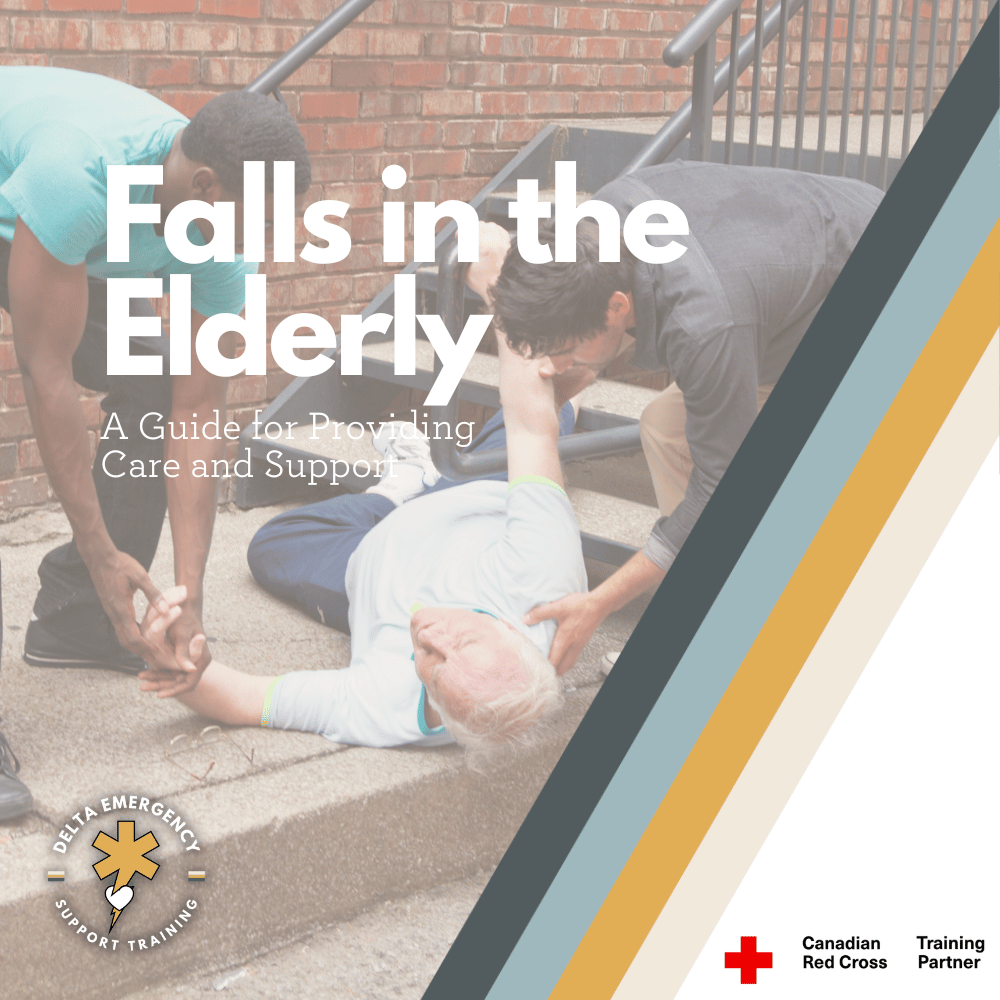
two first aiders are providing assistance to an elderly person who has fallen. The first aider on the left is checking the person's pulse, while the other is evaluating their injuries. The person on the ground appears to be conscious but injured, and is lying on their side.

  1. Evaluate the situation:

    First, assess the situation to determine the extent of the person's injuries. If the person is conscious and can communicate, ask if they need help. If the person is unconscious or unresponsive, call emergency services immediately.

  2. Provide first aid:

    If the person has minor injuries that can be treated on-site, provide first aid as necessary. This might include cleaning and bandaging wounds, or helping them to sit or lie down in a comfortable position. If the person is bleeding heavily, try to apply pressure to the wound to stop the bleeding.

  3. Call for help:

    If the person's injuries are more serious or require medical attention, call emergency services immediately. Be sure to provide clear and accurate information about the person's location and the nature of their injuries.

  4. Stay with the person:

    While waiting for emergency services to arrive, it is important to stay with the person and provide comfort and reassurance. Let them know that help is on the way and that they are not alone.

  5. Communicate clearly:

    When speaking with the injured person, speak clearly and calmly. Avoid using complex language or medical jargon, and try to keep the person as relaxed as possible. If the person is unable to communicate, try to find out if they have any medical conditions or allergies that emergency services should be aware of.

  6. Provide information:

    If you are able to, provide emergency services with as much information as possible about the person's condition and any relevant medical history. This can help medical professionals provide more effective treatment.

  7. Be respectful:

    Remember that the injured person is likely to be feeling scared, vulnerable, and in pain. Treat them with respect and kindness, and try to keep them as calm and comfortable as possible until help arrives.

Encountering an elderly or geriatric person who has fallen can be a challenging experience, but by following these steps, you can provide valuable assistance and help to ensure that the person receives the care and treatment they need.Encountering an elderly or geriatric person who has fallen can be a difficult experience. It is important to approach the situation with care and sensitivity and take steps to provide appropriate assistance. Here are some general steps you can take to help:

  1. Evaluate the situation:

    First, assess the situation to determine the extent of the person's injuries. If the person is conscious and can communicate, ask if they need help. If the person is unconscious or unresponsive, call emergency services immediately.

  2. Provide first aid:

    If the person has minor injuries that can be treated on-site, provide first aid as necessary. This might include cleaning and bandaging wounds, or helping them to sit or lie down in a comfortable position. If the person is bleeding heavily, try to apply pressure to the wound to stop the bleeding.

  3. Call for help:

    If the person's injuries are more serious or require medical attention, call emergency services immediately. Be sure to provide clear and accurate information about the person's location and the nature of their injuries.

  4. Stay with the person:

    While waiting for emergency services to arrive, it is important to stay with the person and provide comfort and reassurance. Let them know that help is on the way and that they are not alone.

  5. Communicate clearly:

    When speaking with the injured person, speak clearly and calmly. Avoid using complex language or medical jargon, and try to keep the person as relaxed as possible. If the person is unable to communicate, try to find out if they have any medical conditions or allergies that emergency services should be aware of.

  6. Provide information:

    If you are able to, provide emergency services with as much information as possible about the person's condition and any relevant medical history. This can help medical professionals provide more effective treatment.

  7. Be respectful:

    Remember that the injured person is likely to be feeling scared, vulnerable, and in pain. Treat them with respect and kindness, and try to keep them as calm and comfortable as possible until help arrives.

Encountering an elderly or geriatric person who has fallen can be a challenging experience, but by following these steps, you can provide valuable assistance and help to ensure that the person receives the care and treatment they need.

At Delta Emergency Support Training we are happy to answer any questions you may have on geriatric emergencies as well as training sessions for individuals or classes. We offer in person, hybrid and online classes for Standard First Aid (SFA) Advanced First Aid (AFA) and Emergency Medical Responder (EMR) courses. For all inquiries please email info@deltaemergency.com .

Read More