The Delta Dispatch
First Aid Essentials for Water Sports Enthusiasts: Handling Common Injuries
Are you an avid water sports enthusiast? Whether you're gliding through waves on a surfboard, paddling down a scenic river in a kayak, windsurfing across a lake, or navigating whitewater rapids in a raft, water sports offer exhilarating experiences in nature. However, along with the thrills come the risks of injury. In this blog series, we'll explore common injuries associated with various water sports and provide essential first aid tips to help you stay safe and prepared for any unexpected situations.
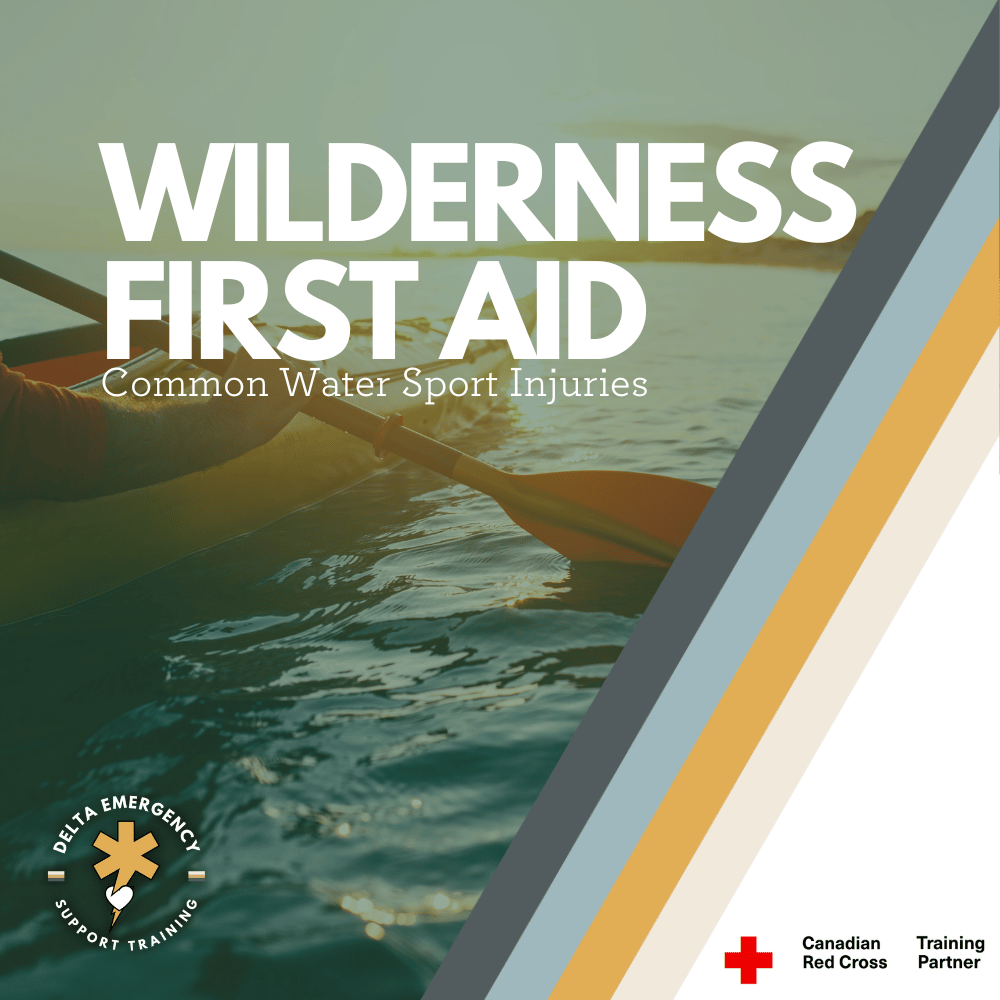
Kyaker on the open water at sunrise
Kayaking
Kayaking offers a serene way to explore waterways while providing a great upper body workout. However, it's essential to be prepared for potential injuries. Here are some common ones and how to manage them:
Capsizing: Capsizing is a common occurrence in kayaking, especially for beginners. If you capsize, stay calm and try to re-enter your kayak or swim to shore if necessary. If someone in your group capsizes, assist them by providing a flotation device and helping them back into their kayak.
Muscle Strains: Paddling requires repetitive motion, which can strain muscles in your arms, shoulders, and back. If you experience muscle strain, take a break from paddling, stretch gently, and apply ice packs to reduce inflammation. Over-the-counter pain relievers can also help alleviate discomfort.
Hypothermia: Cold water can quickly lead to hypothermia, especially in colder climates or during long paddling sessions. Dress appropriately for the water temperature, wear a wetsuit or drysuit if needed, and carry spare clothes in a waterproof bag. If you or someone in your group shows signs of hypothermia (such as shivering, confusion, or numbness), get out of the water, remove wet clothing, and wrap them in warm, dry blankets or clothing.
By being prepared and knowing how to respond to common injuries, kayakers can enjoy their time on the water safely.
Surfing
Surfing is an exhilarating water sport that challenges both body and mind. While riding the waves, surfers may encounter various injuries. Here's how to address some common ones:
Surfboard Injuries: Surfboards can cause cuts, bruises, and lacerations if surfers fall or collide with them. Clean the wound with antiseptic wipes or soap and water, apply pressure to stop any bleeding, and cover it with a sterile bandage or gauze. Seek medical attention for deep cuts or wounds that won't stop bleeding.
Surfer's Ear: Prolonged exposure to cold water and wind can lead to surfer's ear, a condition where bony growths develop in the ear canal. To prevent surfer's ear, wear earplugs while surfing, especially in cold or windy conditions. If you experience symptoms such as ear pain, water trapped in the ear, or hearing loss, consult a doctor for proper diagnosis and treatment.
Drowning: While rare, drowning is a serious risk associated with surfing, particularly in rough seas or strong currents. Practice water safety by surfing within your skill level, never surfing alone, and being aware of your surroundings. If you or someone else is struggling in the water, call for help immediately and attempt a rescue if it's safe to do so.
Stay tuned for the next part of our series where we'll explore injuries in windsurfing!
Windsurfing
Windsurfing combines elements of sailing and surfing, offering a thrilling experience on the water. However, it also comes with its share of potential injuries. Here's how to manage some common ones:
Windsurfing Equipment Injuries: Windsurfing gear, including the board, mast, and sail, can cause injuries if mishandled or if there's a collision with other surfers or objects in the water. If you sustain an injury from windsurfing equipment, assess the severity of the injury, administer first aid as needed, and seek medical attention if the injury is severe or if there's any doubt.
Sunburn: Spending hours on the water under the sun can lead to painful sunburns. Protect your skin by wearing sunscreen with a high SPF, covering up with rash guards or wetsuits, and wearing a hat and sunglasses to shield your face and eyes from the sun's rays.
Hypothermia: Cold water and wind can lead to hypothermia, especially in cooler climates or during prolonged sessions on the water. Dress appropriately for the conditions, wear a wetsuit or drysuit if needed, and take regular breaks to warm up if you start feeling cold.
By being aware of the risks and taking precautions, windsurfers can enjoy their time on the water safely.
Rafting
Rafting offers an adrenaline-filled adventure as you navigate through rapids and cascading waterfalls. While it's an exciting activity, it's essential to be prepared for potential injuries. Here are some common ones and how to address them:
Strains and Sprains: Maneuvering the raft and paddling through rough waters can strain muscles and ligaments. If you sustain a strain or sprain, rest the affected area, apply ice packs to reduce swelling, and elevate the injured limb if possible. Over-the-counter pain relievers can help alleviate discomfort.
Whitewater Rafting Injuries: Rafting in whitewater rivers carries inherent risks, including collisions with rocks, overturning the raft, and getting pinned under the water. If you're thrown from the raft, try to stay calm, float on your back with your feet downstream, and swim towards the shore if possible. Follow your guide's instructions and use proper safety equipment, including helmets and life jackets, to minimize the risk of injury.
Dehydration: Spending hours on the water under the sun can lead to dehydration, especially in warmer climates. Drink plenty of water before, during, and after your rafting trip to stay hydrated. Consider bringing electrolyte-rich drinks or snacks to replenish lost fluids and minerals.
By being prepared and knowing how to respond to common injuries, rafters can enjoy their time on the water safely.
With these first aid tips in mind, water sports enthusiasts can navigate the challenges of their chosen activities while staying safe and prepared for any unexpected situations. Stay tuned for more articles in our First Aid Essentials series, where we'll continue to explore safety tips and injury management for various outdoor activities.
Navigating the Depths of Firefighter Bunker Gear: Care and NFPA Standards
Embark on a NFPA-guided journey into the world of firefighter bunker gear maintenance. In Part 1, we lay the foundation, offering insights into crucial elements such as record-keeping, selection, routine and advanced inspections, exposure reduction, and advanced cleaning. Discover strategies to minimize exposure to contaminants during operations and delve into advanced cleaning techniques vital for preserving the protective qualities of this second skin. Join us as we unveil the shield, safeguarding the heroes who selflessly protect our communities.
Unveiling Firefighter Bunker Gear
A Comprehensive NFPA-Compliant Maintenance Guide (Part 1)
Firefighter in bunker gear
Welcome to the frontline of firefighting, where heroes don their second skin—firefighter bunker gear. This guide, inspired by the National Fire Protection Association (NFPA) standards, is your go-to resource for understanding, selecting, and maintaining gear that protects those who rush towards danger. Part 1 explores critical aspects, from meticulous record-keeping to routine inspections.
NFPA Standards, Records, and Selection
In 1896, the NFPA set the gold standard for firefighter safety. Part 1 emphasizes the vital role of NFPA standards in shaping the comprehensive documentation required for bunker gear. Records cover issuance, manufacturer details, inspections, cleanings, repairs, and retirement methods. Simultaneously, we delve into selecting the right bunker gear, emphasizing sizing, material specifications, and adherence to NFPA standards.
Routine and Advanced Inspections
Routine inspections form the frontline defense against potential gear failures. This chapter outlines procedures for regular check-ups, addressing wear, tear, and loose components. Building on routine inspections, we explore advanced inspection techniques, involving in-depth evaluations and specialized equipment. Knowing when and how to conduct these assessments is crucial for maintaining the highest level of safety for firefighters.
Minimizing Exposure to Contaminants: Strategies for Firefighters
Firefighters operate in dynamic and hazardous environments, exposing them to various contaminants that can pose serious health risks. To mitigate these risks, strategies for minimizing exposure are crucial. This involves both preliminary measures taken at the scene and advanced cleaning methods to ensure that bunker gear maintains its protective qualities.
Preliminary Exposure Reduction
Decontamination Zones
Establishing designated decontamination zones at incident scenes is essential. Firefighters can use these zones to remove contaminants from their gear before leaving the scene, preventing the spread of hazardous materials.
Quick Removal of Gear
Promptly removing contaminated gear is vital. Firefighters are trained to efficiently disrobe in a systematic manner to minimize contact with potentially harmful substances.
Wet Decontamination
Using water or wet wipes for immediate decontamination can be effective. This preliminary step helps remove surface contaminants before they can be absorbed into the gear or transferred elsewhere.
Disposable Covers
Using disposable covers for helmets, gloves, and boots provides an additional layer of protection. These covers can be discarded after each use, preventing cross-contamination.
Advanced Cleaning Methods
Advanced Decontamination Procedures
Specialized cleaning procedures are employed to address contaminants that may compromise the integrity of bunker gear. This involves thorough cleaning of gear using specific cleaning agents and techniques.
Industrial Washing Machines
Bunker gear is often subjected to industrial washing machines designed to handle the specific materials used in its construction. These machines use detergents and high water pressure to remove contaminants effectively.
Routine Inspection During Cleaning
Cleaning sessions are not just for removing visible contaminants; they are also opportunities for routine inspections. Firefighters or gear maintenance personnel should inspect the gear for any damage or wear during the cleaning process.
Drying Procedures
Proper drying is critical to preventing the growth of mold and maintaining the gear's effectiveness. Drying rooms with controlled humidity and temperature are often used to ensure that the gear is thoroughly dried without compromising its structural integrity.
Regular Training
Firefighters receive ongoing training on the latest decontamination and cleaning protocols. Staying informed about best practices is essential for maintaining the effectiveness of the cleaning process.
Conclusion
Join us on this NFPA-guided journey as we delve into the intricacies of firefighter bunker gear maintenance. Part 1 establishes the foundation, offering insights into crucial elements like record-keeping, selection, routine and advanced inspections, preliminary exposure reduction, and advanced cleaning. In Part 2, we will delve even deeper, exploring the specifics of each gear component—helmets, coats, pants, gloves, and boots—unveiling their unique roles and importance. Together, let's ensure the shield remains unyielding, safeguarding those brave individuals who stand between danger and the communities they serve.

