The Delta Dispatch
The Perils of the Firefighter: Understanding Common Injuries
Exploring the realm of firefighter injuries reveals the array of risks they encounter daily, from physical strains to the insidious threat of smoke inhalation. Navigating debris-laden spaces in heavy gear can lead to sprains and strains, compromising mobility and performance. Meanwhile, exposure to toxic smoke presents respiratory hazards with potential long-term effects. Thermal burns, ranging from superficial to deep tissue damage, underscore the necessity of protective gear and adherence to safety protocols. Furthermore, navigating through smoke-filled environments increases the risk of cuts, lacerations, and puncture wounds, emphasizing the importance of prompt medical attention. Proactive safety measures are crucial in mitigating these risks and ensuring the well-being of our firefighters as they courageously serve our communities.
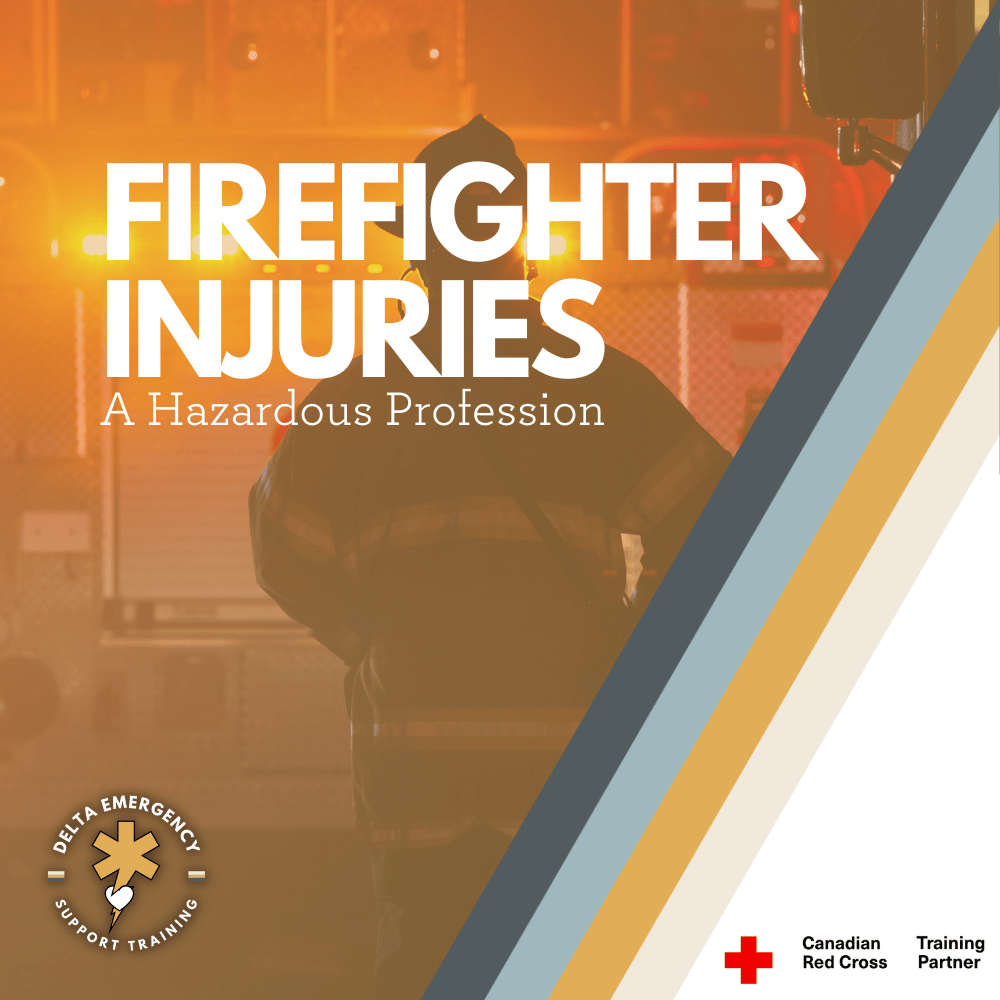
FIREFIGHTER silhouette AGAINST THE BREAK LIGHTS OF THE ENGINE
When we think of firefighters, we often conjure images of heroism, rushing into burning buildings to save lives and property. But behind the valor and the bravery lies a stark reality—firefighting is a hazardous profession. Beyond the flames and smoke, firefighters face a myriad of dangers that put their health and safety at risk every time they respond to a call. In this article, we'll delve into the most common injuries associated with being a firefighter, drawing insights from the National Fire Protection Association's (NFPA) annual statistics released in September 2021.
Sprains and Strains:
One of the most prevalent types of injuries among firefighters is sprains and strains. Picture the chaotic scene of a structure fire—the debris, the obstacles, the unpredictability. Firefighters, weighed down by heavy gear, often maneuver through treacherous environments where a wrong step or a sudden twist can lead to painful consequences. Sprains, which involve the tearing or stretching of ligaments, and strains, which affect muscles or tendons, are almost inevitable in such scenarios. From twisted ankles to strained backs, these injuries can range from mild discomfort to debilitating pain, hampering a firefighter's ability to perform their duties effectively.
Smoke Inhalation:
Inhaling smoke is an occupational hazard that firefighters encounter on a regular basis. Beyond the immediate discomfort of itchy eyes and a scratchy throat, smoke inhalation can have serious consequences. As fires rage, they release a toxic cocktail of particles and gases, including carbon monoxide, cyanide, and other harmful substances. These toxins can infiltrate a firefighter's lungs, causing respiratory distress, pulmonary damage, and in extreme cases, even death. The insidious nature of toxic smoke underscores the importance of proper respiratory protection and vigilant monitoring during firefighting operations.
Thermal Burns:
Perhaps the most visually apparent risk of firefighting is thermal burns. Exposed to extreme heat, firefighters are susceptible to burns of varying degrees, each with its own set of implications. First-degree burns may cause redness and pain, while third and fourth-degree burns penetrate deeper layers of skin, potentially leading to permanent tissue damage and requiring immediate medical attention. The severity of thermal burns underscores the critical need for firefighters to prioritize protective gear and adhere to established safety protocols to minimize exposure to heat and flames.
Cuts or Lacerations:
Navigating through smoke-filled environments littered with debris poses a significant risk of cuts and lacerations for firefighters. Sharp objects, jagged edges, and protruding obstacles can cause skin tears ranging from minor cuts to more severe lacerations. Puncture wounds, in particular, carry the added risk of infection, as foreign objects introduce harmful bacteria into the body. Additionally, avulsions—where skin is completely torn away from underlying tissue—represent a particularly severe form of injury that requires prompt medical intervention to prevent further complications.
In conclusion, firefighting is a demanding and perilous profession that exposes individuals to a multitude of hazards and injuries. From sprains and strains to smoke inhalation, thermal burns, and cuts, firefighters confront a range of risks in the line of duty. While these injuries are an inherent part of the job, proactive measures such as rigorous training, proper equipment maintenance, and adherence to safety protocols can mitigate their occurrence and ensure the health and well-being of those who bravely serve our communities. As we salute the courage and sacrifice of firefighters, let us also recognize the importance of prioritizing their safety and supporting initiatives aimed at minimizing the risks they face on a daily basis.
Navigating the Depths of Firefighter Bunker Gear: Care and NFPA Standards
Embark on a NFPA-guided journey into the world of firefighter bunker gear maintenance. In Part 1, we lay the foundation, offering insights into crucial elements such as record-keeping, selection, routine and advanced inspections, exposure reduction, and advanced cleaning. Discover strategies to minimize exposure to contaminants during operations and delve into advanced cleaning techniques vital for preserving the protective qualities of this second skin. Join us as we unveil the shield, safeguarding the heroes who selflessly protect our communities.
Unveiling Firefighter Bunker Gear
A Comprehensive NFPA-Compliant Maintenance Guide (Part 1)
Firefighter in bunker gear
Welcome to the frontline of firefighting, where heroes don their second skin—firefighter bunker gear. This guide, inspired by the National Fire Protection Association (NFPA) standards, is your go-to resource for understanding, selecting, and maintaining gear that protects those who rush towards danger. Part 1 explores critical aspects, from meticulous record-keeping to routine inspections.
NFPA Standards, Records, and Selection
In 1896, the NFPA set the gold standard for firefighter safety. Part 1 emphasizes the vital role of NFPA standards in shaping the comprehensive documentation required for bunker gear. Records cover issuance, manufacturer details, inspections, cleanings, repairs, and retirement methods. Simultaneously, we delve into selecting the right bunker gear, emphasizing sizing, material specifications, and adherence to NFPA standards.
Routine and Advanced Inspections
Routine inspections form the frontline defense against potential gear failures. This chapter outlines procedures for regular check-ups, addressing wear, tear, and loose components. Building on routine inspections, we explore advanced inspection techniques, involving in-depth evaluations and specialized equipment. Knowing when and how to conduct these assessments is crucial for maintaining the highest level of safety for firefighters.
Minimizing Exposure to Contaminants: Strategies for Firefighters
Firefighters operate in dynamic and hazardous environments, exposing them to various contaminants that can pose serious health risks. To mitigate these risks, strategies for minimizing exposure are crucial. This involves both preliminary measures taken at the scene and advanced cleaning methods to ensure that bunker gear maintains its protective qualities.
Preliminary Exposure Reduction
Decontamination Zones
Establishing designated decontamination zones at incident scenes is essential. Firefighters can use these zones to remove contaminants from their gear before leaving the scene, preventing the spread of hazardous materials.
Quick Removal of Gear
Promptly removing contaminated gear is vital. Firefighters are trained to efficiently disrobe in a systematic manner to minimize contact with potentially harmful substances.
Wet Decontamination
Using water or wet wipes for immediate decontamination can be effective. This preliminary step helps remove surface contaminants before they can be absorbed into the gear or transferred elsewhere.
Disposable Covers
Using disposable covers for helmets, gloves, and boots provides an additional layer of protection. These covers can be discarded after each use, preventing cross-contamination.
Advanced Cleaning Methods
Advanced Decontamination Procedures
Specialized cleaning procedures are employed to address contaminants that may compromise the integrity of bunker gear. This involves thorough cleaning of gear using specific cleaning agents and techniques.
Industrial Washing Machines
Bunker gear is often subjected to industrial washing machines designed to handle the specific materials used in its construction. These machines use detergents and high water pressure to remove contaminants effectively.
Routine Inspection During Cleaning
Cleaning sessions are not just for removing visible contaminants; they are also opportunities for routine inspections. Firefighters or gear maintenance personnel should inspect the gear for any damage or wear during the cleaning process.
Drying Procedures
Proper drying is critical to preventing the growth of mold and maintaining the gear's effectiveness. Drying rooms with controlled humidity and temperature are often used to ensure that the gear is thoroughly dried without compromising its structural integrity.
Regular Training
Firefighters receive ongoing training on the latest decontamination and cleaning protocols. Staying informed about best practices is essential for maintaining the effectiveness of the cleaning process.
Conclusion
Join us on this NFPA-guided journey as we delve into the intricacies of firefighter bunker gear maintenance. Part 1 establishes the foundation, offering insights into crucial elements like record-keeping, selection, routine and advanced inspections, preliminary exposure reduction, and advanced cleaning. In Part 2, we will delve even deeper, exploring the specifics of each gear component—helmets, coats, pants, gloves, and boots—unveiling their unique roles and importance. Together, let's ensure the shield remains unyielding, safeguarding those brave individuals who stand between danger and the communities they serve.
Winter Flames: Fire Safety During the Holidays
As winter blankets our homes in warmth, it's crucial to understand the unique fire safety challenges this season brings. Our comprehensive guide, tailored for both first responders and families, covers everything from candle safety to wood stove maintenance. Embrace the holiday season with confidence, knowing you have the knowledge to keep your home cozy and secure. Read on for a winter filled with warmth, joy, and safety.
As winter approaches, the warmth of holiday celebrations often coincides with an increased risk of fire hazards. This comprehensive guide delves into specific winter dangers, equipping everyone with the knowledge to prevent potential risks during festive times.
1. Candles Safety
Winter often sees the cozy glow of candles, but their allure comes with potential dangers. For firefighters and civilians, a meticulous approach to candle safety is imperative:
Never leave candles unattended:
Stress the importance of creating a habit of extinguishing candles before leaving a room or going to bed.
Recommend the use of flameless LED candles, especially in environments where the risk is elevated.
Keep candles away from flammable items:
Emphasize the necessity of maintaining a significant distance between candles and potentially flammable materials like curtains or decorations.
Encourage the use of stable candle holders on non-combustible surfaces.
2. Wood Stove Fireplaces
Wood stoves add a rustic charm to winter nights, but their use requires careful attention. In-depth safety guidelines are crucial:
Regular maintenance:
Advocate for annual professional inspections of chimneys and wood stoves, highlighting the risks of creosote buildup.
Emphasize the safe disposal of ashes in metal containers, stored away from flammable materials.
Safe fueling practices:
Educate on the importance of using only seasoned wood to minimize creosote accumulation.
Reinforce the significance of not overloading the stove and strictly adhering to manufacturer guidelines for fuel capacity.
3. Twinkling Lights and Dry Trees
Decorative lights on dry Christmas trees can turn festivities into emergencies. A detailed look at safety measures is vital:
Choose the right lights:
Highlight the use of lights labeled for indoor Christmas tree use.
Encourage a meticulous pre-use inspection for frayed wires or damaged sockets.
Keep the tree hydrated:
Stress the importance of consistent tree watering to prevent it from drying out and becoming a fire hazard.
Advocate for prompt tree disposal after the holidays or when it shows signs of dryness.
4. Space Heater Safety
Space heaters provide warmth but require cautious use:
Proper Placement:
Emphasize keeping space heaters at least three feet away from flammable materials.
Educate on the importance of placing heaters on a level, flat surface.
Regular Maintenance:
Stress the need for regular inspection, cleaning, and maintenance of space heaters.
Encourage the use of newer models with safety features like tip-over switches.
5. Holiday Cooking Safety
Festive cooking can be a source of joy and potential hazards
Safe Kitchen Habits:
Stress the importance of never leaving cooking unattended, especially with open flames or hot surfaces.
Advocate for the use of timers and monitoring devices to prevent kitchen fires.
Appliance Safety:
Emphasize proper usage of kitchen appliances, especially stovetops and ovens.
Encourage regular inspection of cooking equipment for potential issues.
6. Other Winter Hazards
Electric heaters:
Reinforce maintaining a safe distance between heaters and flammable materials.
Emphasize the habit of turning off heaters when leaving the room or going to bed.
Generators:
Stress the necessity of placing generators outside and away from windows to prevent carbon monoxide poisoning.
Advocate for strict adherence to manufacturer guidelines for safe operation.
Conclusion:
This winter, the joint efforts of firefighters and civilians are paramount in ensuring a season filled with warmth, joy, and, above all, safety. By understanding the nuances of winter fire safety, we can collectively transform the holiday season into a celebration marked by security and peace of mind. Stay informed, stay vigilant, and make this winter a season to remember for all the right reasons. Wishing you a safe and joyous holiday season!

