The Delta Dispatch
Weathering the Storm: Responding to Emergencies in Harsh Conditions
Bad weather doesn’t stop emergencies, and it shouldn’t stop responders from being ready. From icy roads to scorching heat, first responders face unique challenges that affect both their safety and their patients’ well-being. This guide explores how weather impacts patient care, what responders can do to prepare, and key strategies to ensure safety when working in rain, snow, heat, or storms.
When emergencies happen, they rarely wait for good weather. For first responders, answering a call in the middle of a snowstorm, torrential rain, blistering heat, or icy wind is all part of the job. But harsh weather does more than just make your job uncomfortable — it can directly affect your safety, your ability to provide care, and the condition of your patient. Responding effectively requires preparation, adaptability, and a clear understanding of how environmental conditions influence both rescuer and patient.
The Impact of Weather on Emergency Response
Heat and Humidity
Responders face the risk of dehydration, heat exhaustion, and heat stroke while working outdoors in full PPE.
Patients may present with worsened medical conditions such as heat stroke, dehydration, cardiac stress, or exacerbations of chronic illness.
Equipment like defibrillator pads may struggle to stick in high humidity or sweaty environments.
Cold and Snow
Hypothermia and frostbite can develop quickly in patients exposed to freezing temperatures.
Cold weather can mask shock symptoms, as pale, cool skin may be overlooked.
Snow and ice increase response times, limit vehicle access, and create hazardous conditions for both responders and patients.
Rain and Flooding
Roads may be blocked or unsafe, delaying response times.
Hypothermia can occur even in above-freezing temperatures if patients are wet for prolonged periods.
Rain complicates wound care, bandaging, and spinal immobilization by making surfaces slippery and gear harder to handle.
Wind and Storms
Strong winds can scatter debris, down power lines, and create unsafe working environments.
Patient extrication in windy conditions can become dangerous, requiring constant vigilance for falling hazards.
Patient Care Considerations
Thermal Management: Keep patients warm in cold weather with blankets, heat packs, and by minimizing exposure. In hot weather, prioritize shade, cooling, and hydration.
Airway Protection: Wind, dust, or heavy rain may obstruct airways or complicate breathing. Position patients to minimize exposure and suction as needed.
Mobility & Evacuation: Moving patients on icy ground, through mud, or during high heat requires extra teamwork and slower, more controlled movements.
Prolonged Care: Severe weather can delay transport. Be prepared to provide extended on-scene care, monitoring vitals, and reassessing frequently until transport is possible.
Safety Tips for First Responders
Dress and Gear for the Environment
Layered clothing, moisture-wicking fabrics, and insulated gear for cold weather.
Hydration packs, cooling towels, and shade structures in extreme heat.
Waterproof bags for medical equipment during rain or snow.
Scene Safety First
Assess for weather-related hazards like icy ground, floodwaters, or falling debris.
Ensure vehicles are parked safely and not at risk of becoming immobilized.
Team Communication
Radios may cut out in storms — establish clear communication protocols.
Always check in with command when operating in remote or high-risk environments.
Self-Care is Patient Care
Monitor your own hydration, nutrition, and fatigue levels.
Remember, a responder who becomes a patient adds strain to the whole scene.
How Weather Affects Patients Differently
Children and elderly are more vulnerable to heat stress and hypothermia.
Cardiac patients may experience more strain in cold environments where vasoconstriction elevates blood pressure.
Diabetics may be more prone to hypoglycemia during prolonged exposure in extreme conditions.
Trauma patients can deteriorate rapidly if environmental exposure worsens shock.
Final Thoughts
Unfavorable weather will always be a factor in emergency response. First responders who understand how to adapt their approach — from personal preparation to patient care — are better equipped to handle the added challenges of rain, snow, heat, or storms. At the end of the day, staying safe and anticipating the impact of the environment is just as important as the medical care you provide.
The underestimated danger of lighting strikes
Lightning strikes are often underestimated and overlooked when it comes to assessing the dangers of thunderstorms. Yet, they pose a significant threat, capable of causing fatalities and injuries every year. In this article, we'll delve into the risks associated with lightning strikes, including the devastating effects on individuals, and discuss practical measures to stay safe.
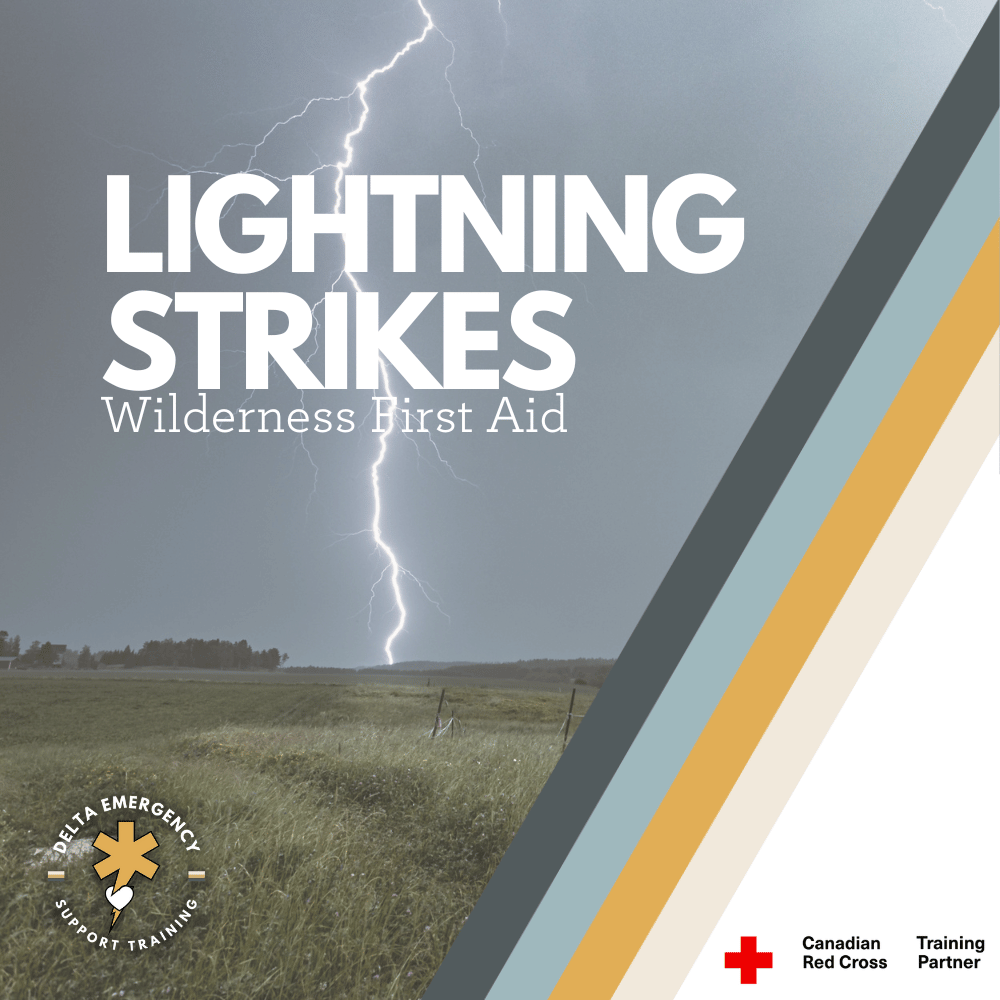
single lighting striking into a field
Lightning strikes are often underestimated and overlooked when it comes to assessing the dangers of thunderstorms. Yet, they pose a significant threat, capable of causing fatalities and injuries every year. In this article, we'll delve into the risks associated with lightning strikes, including the devastating effects on individuals, and discuss practical measures to stay safe.
Understanding the Threat:
Every thunderstorm, no matter its intensity, harbors the potential for lightning strikes. Lightning is not only lethal but also unpredictable, making it a formidable hazard. In the United States alone, lightning claims the lives of 20-30 individuals annually and injures hundreds more. Unlike other storm-related dangers like tornadoes or hail, lightning can extend beyond the storm itself, making it the first to arrive and the last to depart.
Safe Shelter:
When thunder roars, seeking shelter becomes imperative. Large enclosed structures with plumbing and electrical wiring offer the safest refuge during thunderstorms. These include buildings like shopping centers, schools, offices, and homes. The presence of plumbing and wiring ensures a more efficient conduction of electricity, reducing the risk to individuals inside. Enclosed metal vehicles such as cars, vans, or buses also provide a viable alternative if no buildings are available.
Unsafe Locations:
Not all structures or vehicles are safe havens during lightning storms. Buildings with exposed openings, like beach shacks, metal sheds, or picnic shelters, pose significant risks. Convertible vehicles, despite having their tops up, offer no protection against lightning. Similarly, vehicles with open cabs, such as golf carts or tractors, should be avoided during thunderstorms.
Developing a Lightning Safety Plan:
Planning ahead is crucial for outdoor events to mitigate the risks posed by lightning. Event coordinators should incorporate a lightning safety plan into their preparations. This plan should address key questions such as identifying the safest shelter, assessing the distance to it, and estimating the time needed to reach it. Having these answers beforehand enhances preparedness and reduces the likelihood of lightning-related incidents.
Acting Promptly:
Studies have revealed that most lightning-related injuries occur before or after the peak of a thunderstorm. Lightning strikes can occur even when the storm is several miles away, emphasizing the importance of swift action. As a rule of thumb, if thunder is audible, you're within striking distance and should seek shelter immediately. Remember, "When thunder roars, go indoors," and remain there until 30 minutes after the last clap of thunder.
Understanding the Devastating Effects:
When lightning strikes a person, the consequences can be catastrophic. Immediate risks include cardiac arrest, severe burns, and damage to the nervous system and brain. The high voltage of a lightning bolt can disrupt the heart's rhythm, leading to sudden cardiac arrest. Lightning generates intense heat, causing severe burns both externally and internally. It can also disrupt the nervous system, leading to symptoms such as numbness, tingling, or paralysis. In severe cases, lightning strikes can cause traumatic brain injury (TBI), resulting in cognitive deficits or permanent disability.
Conclusion:
Lightning strikes may seem remote or rare, but they present a real and significant danger during thunderstorms. By understanding the risks associated with lightning and adhering to safety guidelines, individuals can protect themselves and others from potential harm. Remember, prioritizing safety and taking proactive measures are essential when confronted with the silent killer that is lightning. Stay informed, stay prepared, and stay safe.

