The Delta Dispatch

Awareness, Babysitter, Child Safety, Parent Training Kumari Malhotra Awareness, Babysitter, Child Safety, Parent Training Kumari Malhotra

Stranger Danger: The Tough but Necessary Talks Every Parent Must Have

Talking to kids about stranger danger is never easy, but it’s necessary in today’s world. From identifying unsafe situations to knowing the rule of “never go anywhere without permission,” these conversations can empower children to stay safe and know when to act.
When we were kids, many of us roamed the neighbourhood freely. Today, the world is very different, and parenting has to change with it. Children need real, practical rules to stay safe because strangers are everywhere and danger does not always look obvious.

We are all strangers to someone. The police officer visiting your child’s school is a stranger. The new pediatrician is a stranger. The principal at your child’s new school is a stranger. And yes, the person down the street with bad intentions is also a stranger. There is nothing in a child’s mind that separates the safe from the unsafe.

Society often teaches children that strangers are dangerous and familiar people are safe. Yet statistics show that most cases of child abuse, sexual abuse, and abductions are committed by someone the child knows, such as a family friend, relative, or neighbour. According to the National Society for the Prevention of Cruelty to Children, around 90 percent of child sexual abuse cases involve someone known to the child.

This is why children need to focus on the action, not the person. If someone touches them inappropriately, tries to lure them, or offers rides, money, candy, toys, or clothes to get them to go somewhere, it does not matter if that person seems nice or familiar. Focusing on the behaviour empowers children to report it to a safe adult without confusion or hesitation.

Teach Appropriate vs. Inappropriate Touch

Children should learn to recognize inappropriate touch no matter who it comes from. Even touch from a family member or friend can be wrong. Teaching children to identify unsafe actions rather than judging the person helps them respond correctly.

Prevent Luring and Abduction

Children need clear rules to recognize unsafe situations. One simple, effective rule is:

Never go anywhere with anyone without permission.

No matter who asks them, unless a trusted adult gives explicit permission, children should not leave with anyone. This rule applies to strangers, neighbours, or even family members who might not have current authority. It also applies if someone offers rides, money, clothing, or other gifts. Permission should come from the adult responsible for the child at that moment, such as a parent, daycare worker, or teacher. This puts the judgement where it belongs with the adult.

Practice and Educate

Parents should talk to their children about safety regularly. Role-playing realistic situations helps kids practice saying no, leaving unsafe areas, and telling a trusted adult. Discuss scenarios where strangers may try to tempt them with gifts, rides, or promises. Courses, books, and safety resources can reinforce these lessons in age-appropriate ways.

Children who understand these rules are not scared. They are empowered. Parents who teach these lessons are taking one of the most important steps to protect their children in today’s world.

Read More

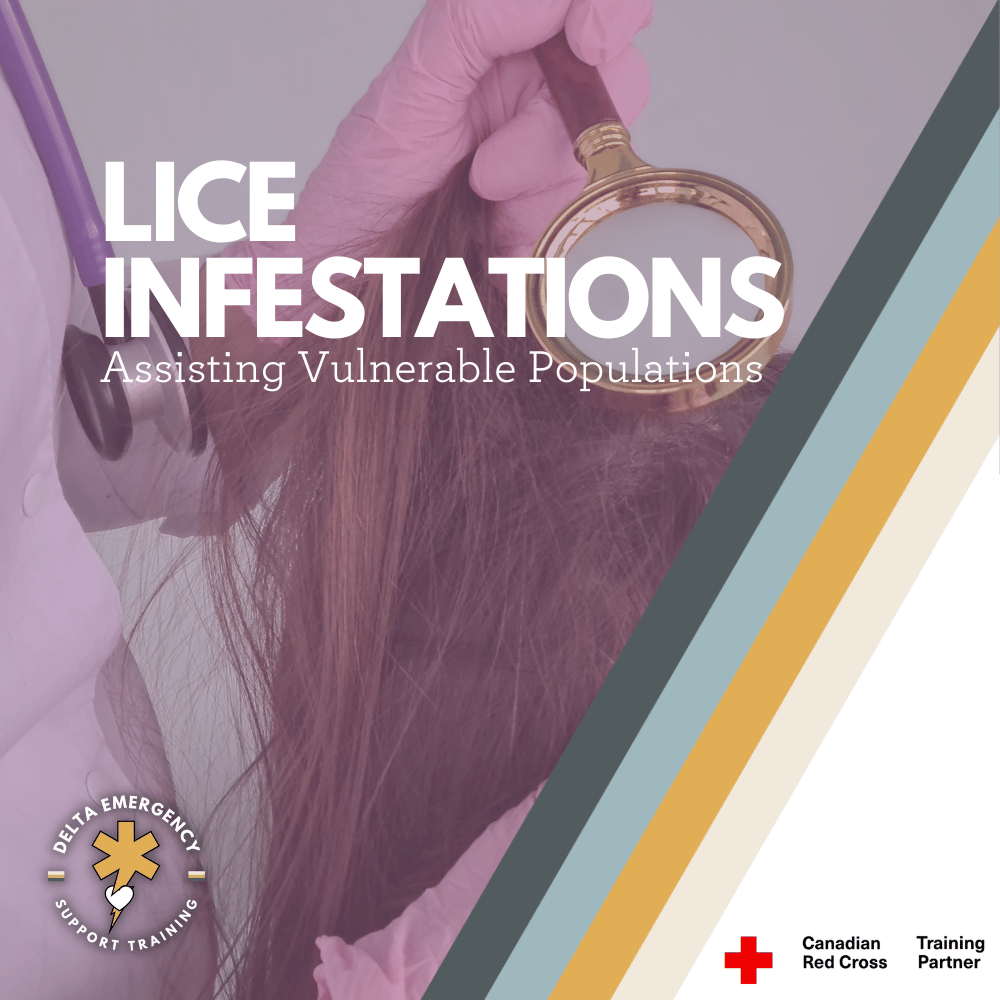
Lice Infestations: Guide for First Responders Assisting Vulnerable Populations

Navigating the challenges of lice infestations is a crucial aspect of first responder preparedness. In this comprehensive guide, we explore the intricate details of lice types, transmission modes, and preventive strategies. But our focus extends beyond the basics, shedding light on the unique vulnerabilities of specific populations, such as children facing adversity at home and individuals living in housing shelters.

Understanding the nuances of lice infestations within these groups is essential for compassionate and effective response. Whether it's the limited access to hygiene resources for struggling children or the communal living conditions in shelters, our guide equips first responders with insights and strategies tailored to these diverse scenarios. Explore the intersection of lice awareness, prevention, and empathetic care as we strive to create healthier and more resilient communities.

First responder checking VULNERABLE child for lice infestation

Lice infestations, or pediculosis, can be a common challenge that can disproportionately affect vulnerable populations. This guide aims to equip future first responders with knowledge about the types of lice, their modes of transmission, and effective prevention and treatment strategies, with a special focus on children facing challenges at home and individuals residing in housing shelters.

Understanding Lice:

Lice, tiny parasitic insects that exclusively inhabit humans, come in three common types: body lice, head lice, and pubic lice. Adult lice, approximately the size of a sesame seed, have six legs and range in color from tan to greyish-white. The female lice lay eggs, known as nits, and both adults and immature larvae feed on human blood. The small bites from lice cause intense itching, leading to scratching and a potential risk of secondary skin infections from bacteria on the skin.

Types of Lice:

  1. Body Lice:

    • Larger than head or pubic lice.

    • Reside in the seams of clothing.

    • Infestations can be prevented with regular bathing and access to freshly laundered clothing and bedding.

  2. Head Lice:

    • Common in children but can affect individuals of any age.

    • Reside on the scalp, eyebrows, and eyelashes.

    • Not indicative of poor hygiene; standard shampoos may not effectively remove adults or nits.

  3. Pubic Lice:

    • Typically inhabit the pubic area but can be found on coarse hair in armpits or beards.

    • Similar to head lice, transmission is through direct contact.

Mode of Transmission:

Lice are transmitted primarily through direct contact with an infested individual or through contaminated items like clothing, towels, or bedding. Lice crawl and cannot fly, making close personal contact the primary mode of transmission.

Examples of Transmission:

  • Personal Contact:

    • Close interaction with an individual carrying lice.

  • Shared Items:

    • Using infected bedding, towels, or combs.

Prevention Strategies:

  1. Personal Hygiene:

    • Regular bathing.

    • Access to freshly laundered clothing and bedding.

  2. Avoid Sharing Personal Items:

    • Bedding, towels, and combs should not be shared to minimize the risk of transmission.

  3. Laundering Practices:

    • Daily laundering of community linens using hot water helps eliminate lice.

  4. Universal Precautions:

    • Implement proper precautions to reduce the risk of transmission in various situations.

  5. Hand Hygiene:

    • Regular handwashing with soap and water or using alcohol-based hand rubs is crucial for preventing the spread of lice.

  6. Instrument and Clothing Handling:

    • Properly handle and dispose of instruments, devices, and contaminated clothing to prevent further transmission.

Addressing Vulnerable Populations:

Children Facing Challenges at Home:

  1. Limited Access to Hygiene Resources:

    • Regular bathing and access to hygiene resources may be compromised.

    • Lack of consistent resources increases susceptibility to lice.

  2. Unstable Living Conditions:

    • Frequent moves or overcrowded living spaces contribute to lice transmission.

    • Educational outreach to schools and communities is crucial.

  3. Educational Outreach:

    • First responders can provide information on lice prevention to empower parents and guardians.

    • Collaborate with educational institutions for targeted outreach programs.

Individuals Residing in Housing Shelters:

  1. Limited Personal Space:

    • Communal living increases the risk of lice transmission.

    • Education on personal hygiene and preventive measures is crucial.

  2. Mental Health Challenges:

    • Stress and mental health challenges can impact personal care routines.

    • Integrated support systems addressing mental health and hygiene are essential.

  3. Collaborative Solutions:

    • Collaboration between first responders, healthcare providers, and community organizations is essential.

    • Support initiatives providing access to hygiene resources, educational programs, and outreach services.

First Responder's Role:

  1. Sensitivity and Understanding:

    • Approach individuals from vulnerable populations with sensitivity and understanding.

    • Recognize and address the challenges they face.

  2. Educational Programs:

    • Incorporate educational programs into community outreach efforts.

    • Tailor information to the specific needs and challenges of each population group.

  3. Resource Allocation:

    • Advocate for resources and support systems that address the unique needs of vulnerable populations.

    • Collaborate with social services, NGOs, and healthcare organizations for comprehensive solutions.

In conclusion, addressing lice infestations among vulnerable populations requires a holistic and empathetic approach. By understanding the challenges faced by children in struggling homes and individuals in housing shelters, first responders can actively contribute to preventive measures, education, and collaborative solutions that promote the well-being of these communities. Compassionate care and targeted interventions are key elements in ensuring that everyone, regardless of their circumstances, can lead healthier lives.

Read More