The Delta Dispatch
Spring Allergies: A Babysitter's Guide to Keeping Kids Comfortable
For babysitters, spring time can present unique challenges when caring for children who are prone to allergies. Whether you're a seasoned sitter or new to the game, understanding how spring allergies can affect kids and what you can do to help can make a world of difference in keeping both you and your little charges sane and sniffle-free.
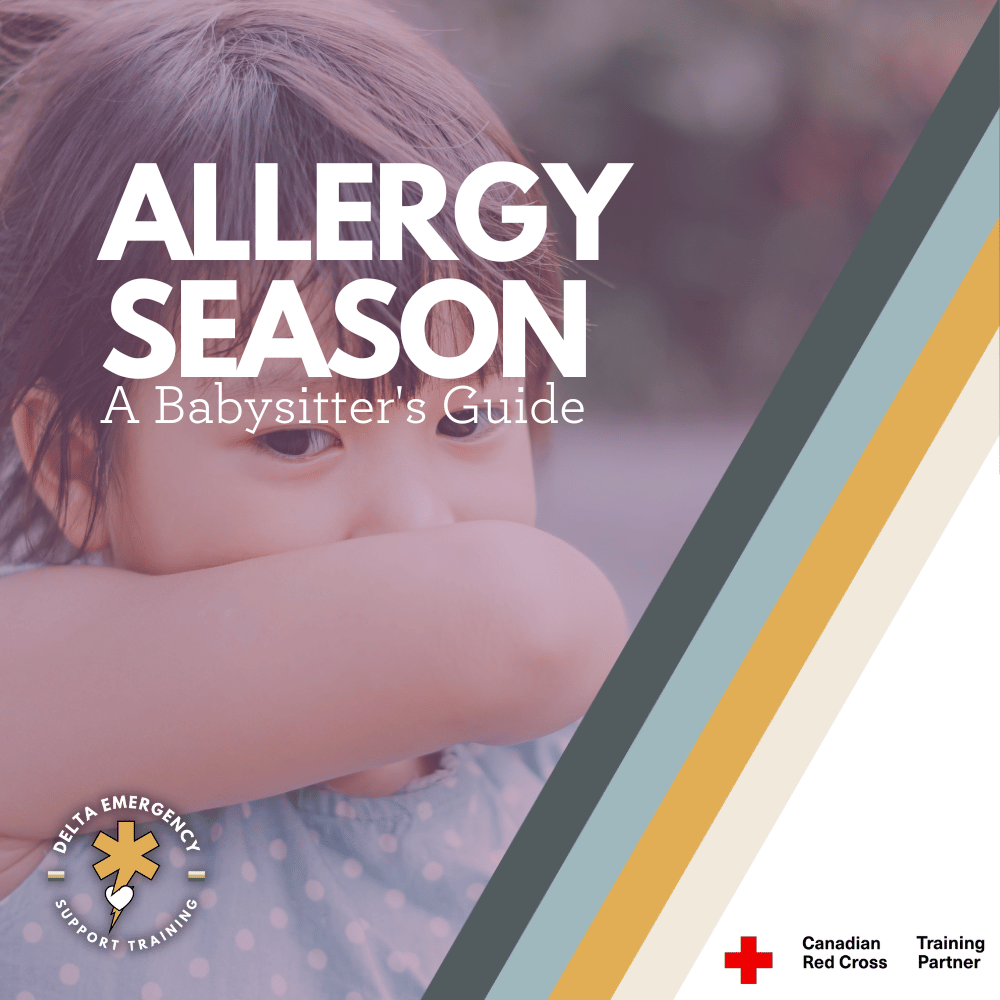
Small child with allergies
As spring blooms and the air fills with the scent of flowers, it also brings along something less pleasant: seasonal allergies. For babysitters, this time of year can present unique challenges when caring for children who are prone to allergies. Whether you're a seasoned sitter or new to the game, understanding how spring allergies can affect kids and what you can do to help can make a world of difference in keeping both you and your little charges sane and sniffle-free.
Understanding Spring Allergies
Before diving into strategies for managing spring allergies in children, it's crucial to understand what causes them. Spring allergies, also known as hay fever or allergic rhinitis, are typically triggered by pollen from trees, grasses, and weeds. When these tiny grains are inhaled, they can cause the immune system to overreact, leading to symptoms like sneezing, congestion, itchy eyes, and a runny nose.
Children are not immune to the woes of seasonal allergies, and in fact, they can be more susceptible due to their still-developing immune systems. Additionally, kids tend to spend more time outdoors during the spring months, increasing their exposure to pollen.
Recognizing Symptoms
As a babysitter, it's essential to be able to recognize the signs of spring allergies in the children you're caring for. Symptoms may vary from child to child, but common indicators include:
Frequent sneezing
Runny or stuffy nose
Itchy or watery eyes
Coughing
Fatigue or irritability
If you notice these symptoms in a child under your care, especially if they seem to worsen when spending time outdoors, it's essential to communicate with their parents and follow any guidance or medication instructions they provide.
Managing Spring Allergies
While you may not be able to control the pollen count outside, there are several steps you can take as a babysitter to help alleviate symptoms and keep kids comfortable:
1. Limit Outdoor Time
On days when pollen counts are high, try to keep outdoor activities to a minimum, especially during the early morning hours when pollen levels tend to peak. Instead, opt for indoor activities like arts and crafts, reading, or playing games.
2. Keep Windows Closed
While it may be tempting to let in the fresh spring air, keeping windows and doors closed can help prevent pollen from entering the home and exacerbating allergy symptoms. If the weather permits, use air conditioning instead.
3. Encourage Handwashing
Encourage frequent handwashing, especially after outdoor playtime. Pollen can easily stick to hands and clothing, so a thorough wash can help remove any allergens and prevent them from being transferred to the face.
4. Create an Allergy-Friendly Environment
Consider using allergy-proof pillow and mattress covers in the child's bedroom to minimize exposure to dust mites and other indoor allergens. Additionally, regularly vacuuming and dusting can help keep indoor allergens at bay.
5. Offer Allergy Medication
If the child's parents have provided allergy medication, make sure to administer it according to their instructions. Antihistamines can help alleviate symptoms like sneezing and itching, but always double-check dosage guidelines and any potential side effects.
6. Stay Informed
Stay up-to-date on local pollen forecasts and be aware of any specific allergens that may be prevalent in your area. This knowledge can help you better anticipate and manage allergy symptoms in the children you're caring for.
Conclusion
Spring allergies can put a damper on outdoor fun, but with the right strategies in place, you can help keep kids comfortable and symptom-free. By understanding the causes and symptoms of seasonal allergies and taking proactive steps to minimize exposure to allergens, you can ensure that your babysitting adventures are filled with laughter and play instead of sneezes and sniffles.
Spring Time: Babysitter's Guide for Outdoor Play
As a babysitter, navigating springtime weather can be a challenge, but with the right preparation, you can ensure that the kids you care for are ready to tackle outdoor play with confidence. From layering clothing strategically to packing essential accessories, this guide equips you with practical tips to handle any weather curveballs that spring may throw your way. Stay tuned for expert advice on empowering kids to embrace the joys of outdoor exploration while staying comfortable and safe under your watchful eye.
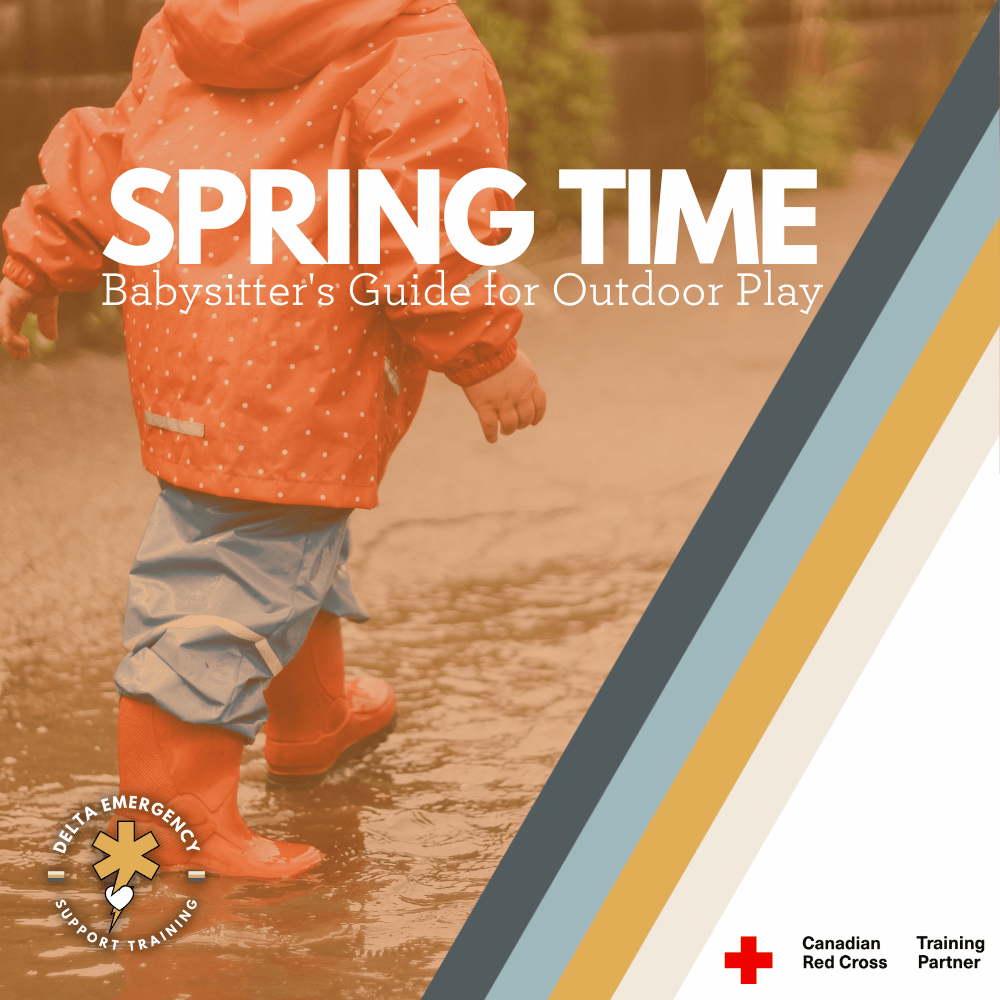
CHILD IN RAIN GEAR PLAYING IN PUDDLES
As a babysitter, ensuring that the children you care for are dressed appropriately for outdoor play in spring is crucial. With the weather transitioning from cold to warm, and often unpredictable, it's essential to be prepared for anything Mother Nature throws your way. Here's your go-to guide for dressing children for spring outdoor adventures while keeping them comfortable and safe.
1. Layer Strategically:
When dressing children for spring outdoor play, layering is your best friend. Start with a moisture-wicking base layer to keep them dry and comfortable. Then, add a lightweight, breathable middle layer for insulation. Finally, top it off with a waterproof and wind-resistant outer layer to shield them from rain or chilly winds. This way, if temperatures fluctuate throughout the day, layers can be added or removed accordingly to keep them comfortable.
2. Opt for Practical Fabrics:
Choose clothing made from practical fabrics like polyester blends or merino wool, which offer breathability, moisture-wicking properties, and insulation—all essential for unpredictable spring weather. Avoid heavy cotton fabrics, as they tend to absorb moisture and can leave children feeling damp and uncomfortable. Practicality is key when selecting outfits for outdoor play.
3. Essential Accessories:
Don't forget the accessories! Equip children with a waterproof jacket or raincoat, a pair of sturdy gum boots to keep their feet dry in muddy conditions, and a wide-brimmed hat to shield their faces from the sun and rain. Additionally, ensure they have sunscreen applied, even on overcast days, to protect their skin from harmful UV rays.
4. Be Prepared:
As a babysitter, always be prepared for unexpected weather changes. Pack a spare set of clothes, including socks and shoes, in case they get wet or muddy during outdoor play. Carry a lightweight, packable umbrella in your bag for unexpected showers. Being prepared ensures that you can handle any weather-related challenges that arise during your babysitting adventure.
5. Encourage Independence:
Encourage children to take an active role in dressing themselves for outdoor play. Provide them with clothing options that are easy to put on and take off, such as Velcro-fastening shoes or zip-up jackets. Teaching them to check the weather forecast and choose appropriate clothing fosters independence and responsibility.
6. Stay Flexible and Have Fun:
Remember to stay flexible and adaptable. Spring weather can be unpredictable, and despite your best efforts, children may still get wet or cold during outdoor play. Embrace the opportunity for spontaneous adventures—jumping in puddles, exploring nature, or even building a snowman if it snows unexpectedly. The key is to have fun and make lasting memories together.
In conclusion, dressing children for spring outdoor play as a babysitter requires preparation, practicality, and flexibility. By layering clothing, choosing practical fabrics, providing essential accessories, being prepared for any weather, encouraging independence, and staying flexible, you can ensure that the children you care for stay comfortable, safe, and ready for fun, no matter what spring weather brings. So, gear up, embrace the adventure, and enjoy the beauty of spring outdoors with the children in your care!
Navigating Spring's Wild Weather: Road Safety Essentials
As spring breathes new life into the world, travelers are lured by the promise of warmer days and blooming landscapes. Yet, amidst the beauty of this season's renewal lies a dynamic interplay of weather patterns that can catch even the most seasoned adventurers off guard. From the lingering threat of late-season snowstorms to the sudden deluge of spring rains, navigating the hazards of spring demands vigilance and preparation. In this excerpt, we'll delve into essential tips to ensure your safety on the road during this transitional season.
As the grip of winter begins to loosen and the vibrant colors of spring emerge, travelers are drawn to explore the ever-changing landscape with anticipation. However, amidst the beauty of this season's renewal, spring brings forth a myriad of potential hazards that can catch even the most seasoned adventurers off guard. From unpredictable snowstorms to flash floods and unexpected encounters with wildlife, navigating the challenges of spring demands not only preparedness but also a sharp awareness of first aid and safety protocols.
Unpredictable Weather Fluctuations
Spring's transitionary nature brings about a mix of weather conditions, often surprising even the most experienced adventurers. While the days may grow warmer, the lingering presence of snow and the onset of rainstorms underscore the need for caution on the roads. Here are some essential tips to ensure safe travels during this dynamic season:
Monitor Weather Forecasts: Stay informed about upcoming weather patterns and road conditions before setting out on your journey. Be prepared for sudden changes in weather and adjust your plans accordingly.
Pack a Comprehensive First Aid Kit: Equip your vehicle with a well-stocked first aid kit containing essentials such as bandages, antiseptic wipes, pain relievers, emergency blankets, and any necessary medications.
Dress Appropriately: Despite the promise of warmer days, keep rain gear and snow coats in your vehicle. Spring weather can be unpredictable, and having these items on hand can provide crucial protection in unexpected downpours or sudden snowfall.
Maintain Vehicle Readiness: Ensure your vehicle is in optimal condition for spring travel. Check tire tread and pressure regularly, and inspect brakes, lights, and wiper blades for proper functionality. Consider fitting your vehicle with all-weather tires for enhanced traction in varying conditions.
Watch for Wildlife: Be vigilant for wildlife crossing signs, especially in rural or wooded areas. Reduce your speed and exercise caution to avoid collisions with animals on the road. If a collision occurs, assess the situation carefully and provide assistance as needed, while prioritizing safety for all parties involved.
Plan for Emergencies: Prepare for unforeseen circumstances by carrying essential emergency supplies in your vehicle, such as a flashlight, batteries, a multipurpose tool, a portable phone charger, and non-perishable snacks.
Stay Connected: Keep a fully charged mobile phone with you at all times and inform someone of your travel plans, including your route and expected arrival time. In the event of an emergency, having communication and a designated contact can expedite assistance.
Flash Floods and Mudslides:
Spring's thaw brings melting snow and heavy rains, increasing the risk of flash floods and mudslides, particularly in areas with steep terrain or poor drainage systems. If you encounter a flooded road while driving, do not attempt to cross it. Even shallow water can sweep vehicles away, putting you and your passengers in grave danger. Instead, turn around and find an alternate route to safety. If you find yourself trapped in a mudslide, stay inside your vehicle and await rescue, using your first aid kit to address any injuries sustained during the ordeal.
Wildlife Encounters:
As spring arrives, wildlife emerges from hibernation and begins to roam in search of food and mates. This increased activity can lead to more frequent encounters between animals and vehicles, posing a risk to both drivers and animals alike. If you encounter wildlife while driving, reduce your speed and use caution, particularly in areas known for animal crossings. If a collision occurs, assess the situation carefully and use your first aid skills to provide assistance to any injured parties, including both humans and animals.
In conclusion, navigating spring's hazards requires a combination of preparedness, awareness, and first aid skills. By staying informed about potential dangers, packing a well-stocked first aid kit, and remaining vigilant behind the wheel, travelers can minimize the risks associated with springtime travel and enjoy a safe and memorable journey. Remember, when it comes to road safety, being prepared can make all the difference in the world. Safe travels!

