The Delta Dispatch
Child Poisoning Risks in at Homes: Hidden Dangers Parents Overlook
Modern homes are full of hidden dangers that can lead to child poisoning. From medications to gadgets, parents and babysitters need to know the risks, warning signs, and emergency steps to keep children safe.
Child safety isn’t just about covering electrical outlets or installing safety gates. Modern homes are filled with hidden hazards that can lead to accidental poisoning. Every year, thousands of Canadian children are treated in emergency departments for ingestion of harmful substances, many of which are found in everyday household items.
Parents and babysitters must understand these risks, recognize early warning signs, and know how to respond quickly and effectively if an incident occurs. This knowledge can make the difference between a minor scare and a life-threatening emergency.
⚠️ Why Child Poisoning Is a Real Concern
Children, particularly those under five years old, explore their world by putting things in their mouths. This natural curiosity makes them highly vulnerable to poisoning.
Even products that seem harmless — vitamins, essential oils, or decorative plants — can become dangerous in the wrong hands. While public awareness campaigns and childproofing efforts have reduced some risks, new hazards continue to emerge in modern homes.
🏠 Common Poisoning Hazards in Homes
1. Medications
Medications are the most common source of accidental poisoning in children. This includes:
Prescription medications: Painkillers, antidepressants, or blood pressure medications
Over-the-counter medications: Cough syrups, antihistamines, pain relievers
Vitamins and supplements: Especially chewable or gummy forms
Scenario: A toddler finds a bottle of adult multivitamins on the counter and ingests several gummies. Though they taste like candy, these vitamins can contain iron, which can be toxic in large amounts.
Prevention Tips:
Store medications in locked cabinets out of reach.
Keep medications in original containers with child-resistant caps.
Educate older children about the dangers of consuming pills.
2. Cleaning Products and Chemicals
Everyday cleaning supplies can be deadly if ingested or inhaled. Items such as:
Laundry pods and detergents
Bleach and disinfectants
Oven cleaners and drain openers
Antifreeze and automotive chemicals
Scenario: A child playing near the laundry room mistakes a brightly colored laundry pod for candy. The pod bursts in their mouth, causing chemical burns and severe vomiting.
Prevention Tips:
Always store chemicals in locked cabinets or high shelves.
Keep chemicals in original packaging with labels intact.
Never transfer chemicals to food or drink containers — this can confuse children and adults alike.
3. Personal Care Items and Cosmetics
Personal care items may seem harmless, but many contain toxic chemicals:
Nail polish and polish remover (contains acetone)
Perfumes, essential oils, and aromatherapy products
Mouthwash or hand sanitizers (contain alcohol)
Scenario: A young child sprays themselves with a bottle of essential oil or drinks hand sanitizer, leading to alcohol poisoning or chemical burns.
Prevention Tips:
Keep small bottles and tubes out of reach.
Teach children that cosmetics and oils are not safe to taste or drink.
Consider using child-proof caps on accessible items if possible.
4. Batteries and Small Electronics
Modern homes have gadgets everywhere — and many contain button batteries or small parts that pose serious risks:
Remote controls, toys, hearing aids, and watches
Small battery-powered devices like LED lights or calculators
Why It’s Dangerous: If swallowed, button batteries can cause life-threatening internal burns within hours.
Prevention Tips:
Secure battery compartments with tape or screws.
Keep spare batteries well out of reach.
Supervise children when they are near electronics.
5. Plants and Certain Foods
Houseplants: Some common plants, like lilies, philodendrons, or dieffenbachia, are toxic if ingested.
Mushrooms: Wild mushrooms growing indoors or in yards can be poisonous.
Food hazards: Unripe or green potatoes, caffeine, alcohol, or small hard candies can pose risks.
Scenario: A curious child bites into a decorative houseplant leaf, resulting in mouth swelling, vomiting, or diarrhea.
Prevention Tips:
Research houseplants for toxicity before bringing them home.
Keep wild mushrooms away from children.
Store harmful foods well out of reach.
🧸 Prevention Strategies for Parents and Babysitters
Supervision is Key: Children should never be left unsupervised in kitchens, bathrooms, or laundry rooms.
Safe Storage: Keep medications, chemicals, and small electronics in locked cabinets.
Clear Labeling: Clearly label all hazardous substances.
Educate Older Children: Teach older children about what is safe to touch, eat, or taste.
Regular House Checks: Review new gadgets, cleaning products, or cosmetics as they enter your home.
Emergency Prep: Keep the Poison Control number (1-800-268-9017) handy, and ensure all babysitters know how to respond.
🚨 Recognizing Poisoning Early
Poisoning symptoms vary depending on the substance, but common warning signs include:
Nausea, vomiting, or diarrhea
Drooling or burns around the mouth
Difficulty breathing or wheezing
Drowsiness, irritability, or agitation
Seizures or loss of consciousness
Tip: Many parents or babysitters may overlook subtle signs. Early recognition and swift action can prevent serious injury.
📞 Emergency Response Steps
Stay calm and assess the scene: Ensure your own safety first.
Call 911 immediately if the child is unresponsive, having seizures, or having trouble breathing.
Contact Canada Poison Centre: 1-800-268-9017 for guidance if the child is stable but has ingested a harmful substance.
Provide detailed information: Substance, amount ingested, time, and child’s age/weight.
Follow instructions exactly: Do not induce vomiting unless directed.
Monitor the child until professional help arrives.
✅ Key Takeaways
Poisoning can happen even in well-prepared homes.
Everyday items, modern gadgets, and seemingly safe foods can all be dangerous.
Prevention, supervision, and education are the most effective strategies.
Babysitters and parents should recognize early warning signs and know emergency contacts.
Being prepared ensures quick response and better outcomes for children.
❤️ Final Thought
Modern homes are full of hidden hazards, but awareness and preparation can make them safe spaces for children. By understanding child poisoning risks, supervising carefully, and knowing how to respond, parents and babysitters can prevent accidents and protect the next generation.
Understanding Poison: Recognizing Signs and Taking Action
Attention first aiders! Dive into our comprehensive blog to understand poisoning emergencies and gain the knowledge you need for immediate response. From injection and inhalation to ingestion and skin absorption, equip yourself with essential first aid tips tailored for first aiders. Learn to recognize signs and symptoms, understand common causes, and embark on the journey to a safer, well-prepared home. Your loved ones depend on you – be ready.
When it comes to first aid, knowledge is power. Poisoning is a serious emergency that can occur through various means, including injection, ingestion, inhalation, and absorption. In this blog post, we'll explore the different ways poisons can enter the body and the signs and symptoms associated with each method. Being aware of these indicators is crucial for prompt and effective first aid response.
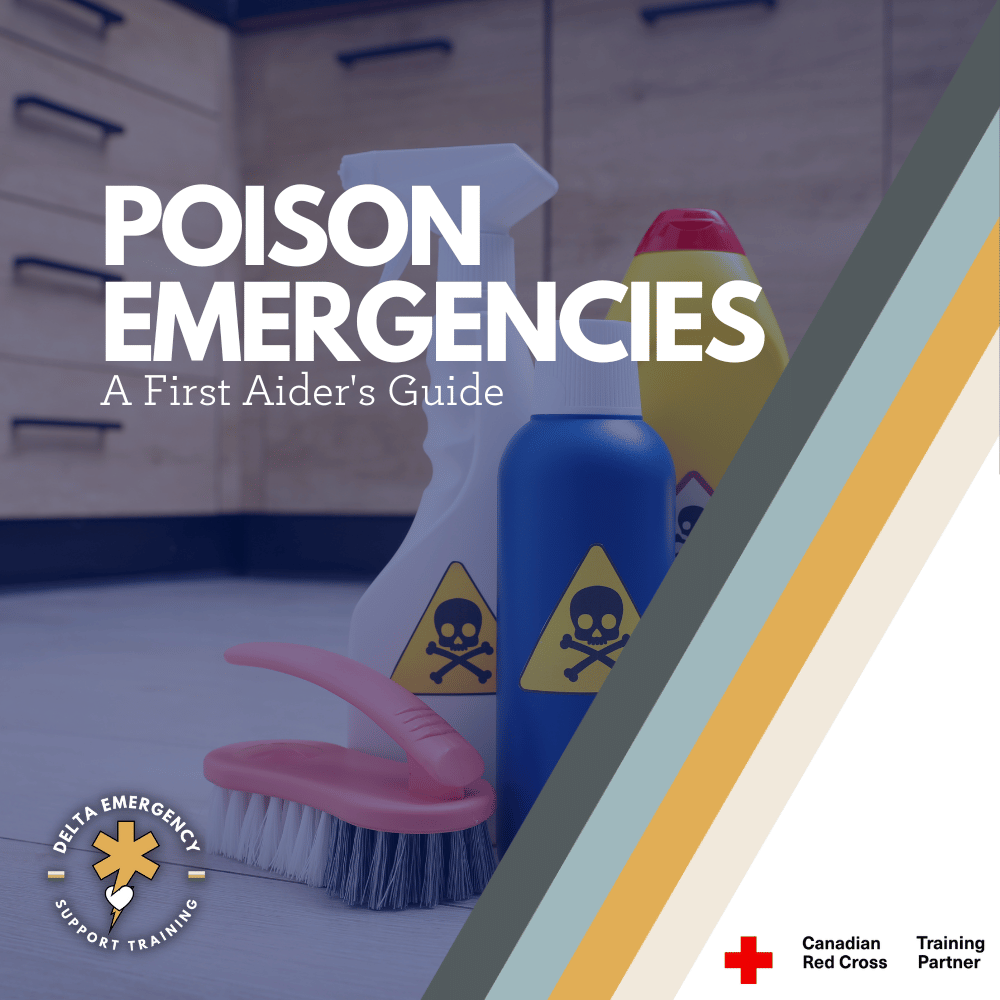
Cleaning supplies with skull and crossbones logo on bottles.
Injection
Poisoning through injection can happen when a toxic substance is introduced directly into the bloodstream. This could occur through bites, stings, or accidental needle sticks. Common signs and symptoms include localized pain, swelling, redness, and sometimes systemic effects such as dizziness, nausea, and altered level of consciousness (LOC). If you suspect injection poisoning, seek medical attention immediately.
Inhaled Poison
Inhalation of poisonous substances poses a serious threat to the respiratory system. Symptoms may include difficulty breathing, wheezing, coughing, cyanosis (bluish skin), dizziness, nausea, and chest pain. If someone is exhibiting these signs after exposure to a potentially toxic substance, move them to fresh air immediately. Call for emergency medical assistance and perform CPR if necessary.
Absorption
Certain poisons can be absorbed through the skin, leading to symptoms such as itching, irritation, blistering, rashes, and flaky skin. If you suspect someone has come into contact with a poisonous substance, quickly remove contaminated clothing and rinse the affected area with copious amounts of water. Seek medical help promptly.
Ingested Poison
Ingesting poisonous substances is a common way people are exposed to toxins. Signs and symptoms of ingested poisoning include nausea, vomiting, burns around or inside the mouth, unusual breath odor, and abdominal pain. If someone has ingested a toxic substance, call your local poison control center immediately and follow their guidance. In severe cases, seek emergency medical attention.
Common Causes of Poisoning: Identifying and Mitigating the Risks
Carbon Monoxide: The Invisible Threat
Not all poisons are ingested; some are inhaled. Carbon monoxide, an odorless and colorless gas, is a silent killer. Ensure there's a carbon monoxide alarm in every sleeping area of your home to detect this deadly gas and take immediate action.
Button Batteries: Small Devices, Big Danger
Found in musical greeting cards, remote controls, and small electronic devices, button batteries pose a significant threat, especially to young children. Ingestion can lead to serious burns in the esophagus within hours. Parents should be vigilant, and if ingestion is suspected, seek medical attention immediately.
Iron Pills: A Hidden Hazard for Children
Adult-strength iron pills are highly dangerous for children. Ingestion can lead to severe symptoms such as vomiting blood or bloody diarrhea in less than an hour. Keep these pills out of reach of children, and if ingestion occurs, seek emergency medical help.
Chemical Burns from Cleaning Products
Certain cleaning products, including drain openers, toilet bowl cleaners, rust removers, and oven cleaners, can cause chemical burns comparable to those from fire. Inhalation of bleach, toilet bowl cleaner, and other substances can also pose significant poison hazards. Take precautions and store these products safely.
Nail Glue Remover and Nail Primer: Surprising Dangers
Products used for artificial nails, such as nail glue remover and nail primer, can be poisonous. Ingestion may lead to cyanide poisoning or burns to the skin and mouth. Keep these products out of reach of children and use them with caution.
Hydrocarbons: A Broad Category with Hidden Risks
Hydrocarbons, including gasoline, kerosene, and paint thinner, can be easily ingested, posing a risk of choking and lung damage. Inhaling these substances can lead to breathing difficulties and lung inflammation. Proper storage and caution are crucial to prevent accidental ingestion.
Pesticides: Caution in Pest Control
Pesticides used to eliminate bugs and pests must be handled carefully to avoid harm to humans. These chemicals can be absorbed through the skin or inhaled, affecting the nervous system and respiratory function. Follow safety guidelines when using pesticides.
Windshield Washer Solution and Antifreeze: Small Amounts, Big Consequences
Even small amounts of windshield washer solution and antifreeze can be poisonous to humans and pets. Ingestion can lead to blindness (windshield washer solution) or kidney failure (antifreeze). Store these liquids securely and seek immediate medical attention if ingested.
Wild Mushrooms: A Potentially Deadly Harvest
Certain mushrooms can be deadly if ingested. Only experts in mushroom identification can distinguish between poisonous and safe varieties. Exercise extreme caution and avoid consuming wild mushrooms unless verified by a knowledgeable source.
Caustic Cleaners: Devastating Burns
Drain cleaners and toilet bowl cleaners, often strong alkalines or acids, can cause severe burns to the mouth, throat, and stomach if swallowed. Immediate dilution is crucial to limit damage in case of ingestion.
Topical Anesthetics: Unseen Risks
Certain topical anesthetics, found in teething gels, hemorrhoid preparations, anti-itch creams, and sunburn relief agents, can cause seizures or methemoglobinemia, a condition that hinders oxygen transport in the blood. Use these medications cautiously and be aware of potential side effects.
First Aid Tips for Poisoning:
Call for Help: In any poisoning situation, call your local poison control center as well as EMS right away.
Move to Safety: If the poisoning occurred through inhalation, move the affected person to fresh air. If it's ingestion or absorption, ensure the person is in a safe environment.
Provide Comfort: Keep the person calm and reassure them while waiting for professional help.
Do Not Induce Vomiting: Unless directed by a medical professional, avoid inducing vomiting, as it can worsen certain types of poisoning.
Remove Contaminated Clothing: In cases of skin exposure, remove contaminated clothing and rinse the affected area with water.
Conclusion:
Being aware of the common causes of poisoning is the first step in preventing these emergencies. Vigilance, proper storage, and swift action in case of exposure are essential for minimizing the risks associated with various poisonous substances. Always seek professional medical help if poisoning is suspected, and remember, prevention is key.

