The Delta Dispatch

Babysitter's, Chilcare, Online Course Kumari Malhotra Babysitter's, Chilcare, Online Course Kumari Malhotra

Bedtime Tips for Babysitters: How to Get Kids to Bed Without a Struggle

Bedtime can be a stressful time for babysitters, especially when it comes to getting kids to sleep. In this blog post, we'll provide you with tips and techniques to help you create a calm, soothing, and consistent bedtime routine that promotes healthy sleep habits and supports the child's overall health and well-being.

Getting kids to bed on time can be a real challenge for babysitters, especially if the kids are used to staying up late or have trouble falling asleep. However, with the right approach and a bit of patience, it's possible to help kids get the rest they need while keeping bedtime stress-free for everyone involved.

little girl sleeping peacefully in her bed WITH HER teddy bear nestled close to her. HER babysitter IS sitting nearby.

How to get kids to bed without a struggle:

Stick to a consistent routine:

Children thrive on routine, and having a consistent bedtime routine can help them feel more relaxed and prepared for sleep. When creating a bedtime routine, try to include activities that help kids wind down and relax, such as reading a book or taking a warm bath. Choose activities that are soothing and calming, rather than stimulating or exciting, to help kids transition from playtime to sleep time.

Before starting the bedtime routine, make sure to communicate with the parents about their usual bedtime routine. Ask about any special activities, such as a favorite story or song, that the child enjoys as part of their bedtime routine, and try to incorporate these activities into your routine as well. This will help the child feel more comfortable and at ease with you, as well as help ensure a smooth transition to sleep.

Create a calming atmosphere:

A calm and soothing environment is essential for helping kids feel relaxed and ready for sleep.

Consider using soft lighting, such as a nightlight or a lamp with a low-wattage bulb, to create a cozy and calming atmosphere.

You may also want to consider using a white noise machine to help mask any outside noises that could disrupt sleep. Music can be a great way to help kids relax and unwind at bedtime. You can also try playing nature sounds, such as rain or ocean waves, to help mask any background noise that might be disruptive.

Distractions, such as noise or bright lights, can make it harder for kids to fall asleep. Try to eliminate any sources of distraction in the bedroom, such as loud music or a TV. Encourage the child to focus on calming activities, such as reading a book or taking deep breaths, to help them relax and unwind.

Be sure to communicate with parents about any special requests or preferences they have for their child's bedtime routine, and be flexible and adaptable to meet the child's individual needs.

Set boundaries

Establish a pre-bedtime routine. Create a consistent pre-bedtime routine that includes calming and relaxing activities, such as reading a book or taking a bath. This helps signal to the child that it's time to wind down and get ready for sleep.

Set limits around screen time, whether it's watching TV or using a tablet or phone, can interfere with sleep quality. Try to limit screen time in the evening and avoid screens altogether in the hour leading up to bedtime.

Avoid sugary snacks or drinks. Sugary snacks or drinks can be stimulating and interfere with sleep. Try to avoid giving kids sugary snacks or drinks before bedtime and opt for healthier options instead, such as a small glass of milk or a piece of fruit.

By setting clear boundaries around behavior and expectations at bedtime, you can help children feel more secure and safe, which can make it easier for them to relax and fall asleep. Remember to communicate these boundaries to parents and be consistent in your approach to bedtime to help create a predictable and calming routine for kids.

Provide comfort:

Offer a comforting item. Many children have a favorite stuffed animal or special blanket that helps them feel safe and secure. Encourage the child to bring this item to bed with them, or offer a soft and comforting item, such as a stuffed animal or a cozy blanket, if they don't have one.

Provide physical comfort. Sometimes, a comforting touch can help children feel more at ease. Offer a gentle hug, hold their hand, or rub their back to help them feel more secure and relaxed.

Offer words of reassurance. Children may feel anxious or scared at bedtime, especially if they are away from their parents or in a new environment. Offer words of reassurance and encouragement, such as "you're safe here" or "everything will be okay." This can help them feel more at ease and fall asleep more easily.

Create a cozy environment. A cozy and comfortable environment can help children feel more relaxed and prepared for sleep. Use soft lighting, play calming music, and make sure the bed is comfortable and inviting. Encourage the child to snuggle up under a warm blanket to help them feel cozy and secure.

Use a nightlight. Many children are afraid of the dark, which can make it harder for them to fall asleep. Consider using a nightlight or a low-wattage lamp to provide a comforting and gentle glow in the room.

Practice Patience

Be prepared for setbacks: Getting children to sleep can be a process, and setbacks are normal. Children may have trouble falling asleep, wake up in the middle of the night, or resist going to bed altogether. Be prepared for these setbacks, and try to approach them with patience and understanding.

Avoid becoming frustrated or upset. It's natural to feel frustrated or upset if a child is having trouble falling asleep or staying in bed, but this can make the situation worse. Instead, try to remain calm and patient, and offer encouragement and support to help the child feel more at ease.

Use a soothing tone of voice. The tone of your voice can have a big impact on how children feel. Use a soothing and calm tone of voice when talking to the child at bedtime, and avoid becoming angry or impatient. This can help the child feel more relaxed and ready for sleep.

Allow extra time for bedtime routines. It's important to allow extra time for bedtime, especially if children need help settling down or have trouble falling asleep. This can help reduce stress and anxiety and create a more relaxed and calm environment for bedtime.

Conclusion

Getting children to bed can be a challenge for babysitters, but with a few simple tips and techniques, you can help create a calm, soothing, and consistent bedtime routine that promotes healthy sleep habits and supports the child's overall health and well-being. From setting boundaries and creating a comfortable environment to being patient and providing comfort, there are many ways you can help children feel more relaxed and prepared for sleep. By staying positive, communicating with parents, and being flexible and adaptable, you can provide the best possible care to the children you babysit, and help them get the rest they need to thrive.

Comprehensive babysitter childcare course

By being prepared, you can provide top-notch care and attention to the child, which can help make the experience more enjoyable for both you and the child. As a babysitter, it's important to be prepared for any situation that may arise while caring for children. That's why we offer a comprehensive babysitter childcare course that covers topics such as child development, safety, and communication. With this training, you'll be equipped to provide top-notch care for the children in your charge and have peace of mind knowing that you're prepared for any situation. If you're interested in learning more about our babysitter childcare course and how it can help you provide excellent care for children, please don't hesitate to reach out to us at info@deltaemergency.com.

Read More

When to Call 911: A Guide for Babysitters

Being a babysitter can be both rewarding and challenging, especially when it comes to keeping children safe in emergency situations. As a babysitter, you are responsible for the well-being of the children in your care, and knowing when to call 911 can be a matter of life and death.

In this guide, we will walk you through the common emergency situations that you may encounter as a babysitter and provide you with practical tips on how to handle them. From injuries and illnesses to fires and natural disasters, we'll cover it all so that you can be prepared for any situation.

By the end of this guide, you'll have the knowledge and confidence to act quickly and appropriately in the event of an emergency, ensuring the safety and well-being of the children in your care.
As a babysitter, one of your most important responsibilities is keeping the children you're caring for safe and healthy. While you may take steps to prevent accidents and injuries, emergencies can still happen, and it's important to know when to seek emergency medical attention. In some situations, calling 911 could mean the difference between life and death. But how do you know when to call for help?

babysitter and a child sitting on a rug in a living room. The babysitter is holding a Jenga tower, and the child is carefully removing a wooden block from the tower.

In this blog post, we'll provide a guide for babysitters on when to call 911, including common emergencies that require immediate attention, and tips for staying calm and responding quickly in an emergency situation. By following these guidelines, you can help ensure that the children you're caring for stay safe and healthy, no matter what emergencies may arise.

In the following sections, we'll discuss some of the most common emergencies that may arise while babysitting, and the situations where you should call 911 for immediate medical attention.


  1. Difficulty breathing:

    If the child is having difficulty breathing, it could be a sign of a serious respiratory issue, such as asthma or anaphylaxis. If the child is struggling to breathe, has trouble speaking or swallowing, or their lips or face turn blue, call 911. It is good practice as a babysitter to know how to administer an EPI-PEN for sever allergic reactions. Ventolin, often referred to as a puffer can also drastically improve the breathing of a patient who is experiencing a asthma attack.

  2. Loss of consciousness:

    If the child becomes unconscious, it's important to call 911. Stay with the child and follow the operator's instructions until help arrives. Keep the child's airway open by lifting the head and tilting the chin back. Check their breathing and pulse, if none is found begin compressions as per the dispatch instruction or previous first aid training.

  3. Severe bleeding:

    The first step in controlling bleeding is to apply direct pressure to the wound. Use a clean cloth or bandage and apply firm direct pressure. If the child has severe bleeding that does not stop after applying pressure or soaks through multiple bandages, call 911 immediately. While waiting for help to arrive, continue to apply direct firm pressure to the wound.

  4. Head injury:

    If the child hits their head and loses consciousness, vomits, or has seizures, call 911 immediately. Keep the child still and comfortable, avoid moving them unless it's necessary. Moving the child could worsen the injury especially if there is a suspected spinal injury, which may lead to further complications. With all trauma continue to monitor their breathing and update dispatch if anything changes.

  5. Choking:

    If the child is choking and cannot breathe, cough, or speak, your first step is to use a combination of 5 abdominal thrusts and 5 back blows, switching between the two, to dislodge the object. If the child becomes unconscious carefully lay them to the ground, call 911 immediately and begin following CPR instructions. A small child may only be able to hold their breath for 30seconds - 1minute, being prepared to call 911 is always good practice.

  6. Seizures:

    If the child has a seizure, call 911 immediately. While waiting for help to arrive, clear the area around the child to prevent injury, and do not try to restrain them or put anything in their mouth. Follow directions given by dispatch.

  7. Allergic reactions:

    If the child is experiencing an allergic reaction and has difficulty breathing, a swollen tongue or throat, or other severe symptoms, call 911 immediately. While waiting for help to arrive, administer any prescribed medication (such as an epinephrine auto-injector) and keep the child calm.

  8. Poisoning:

    If you suspect the child has ingested a poisonous substance, call 911 or poison control immediately. While waiting for help to arrive, try to determine what the child ingested, and if possible, remove any remaining substance from the child's mouth.

  9. Burns:

    If the child has a severe burn, call 911 immediately. While waiting for help to arrive, run cool (not cold) water over the affected area for at least 10-20 minutes, and cover the area with a clean, dry cloth or sterile bandage.

Be prepared:

Before starting a babysitting job, make sure you have all the information you need about the children you will be caring for. This includes things like their ages, any medical conditions, and any specific instructions from the parent. Make sure you have a contact number for the parents in case of an emergency.

Stay focused:

When you're caring for children, it's important to stay focused on their needs. Keep an eye on them at all times, and avoid distractions like your phone or television.

Know basic first aid:

Take a child care first aid class or watch online tutorials to learn basic first aid skills such as CPR and how to stop bleeding.

Know your location:

Make sure you know your location and address so that you can provide it to emergency services when you call 911.

By following these tips, you can provide safe and responsible care for the children you're babysitting.

We offer a variety of resources to help you provide excellent care for the children in your charge, including babysitter courses that cover important topics like child development, safety, and communication. These courses are designed to equip you with the skills and knowledge you need to provide top-notch care for children.

In addition, it's essential to know when to call 911 in an emergency situation. If you are ever in doubt about whether or not to call, it's always better to err on the side of caution and make the call. Some situations that may require calling 911 include medical emergencies, fires, and instances of criminal activity. If you have any questions or concerns about when to call 911, please don't hesitate to reach out to us at info@deltaemergency.com. We're here to support you and the children in your care.

Read More
Chilcare, Online Course, Babysitter's Kumari Malhotra Chilcare, Online Course, Babysitter's Kumari Malhotra

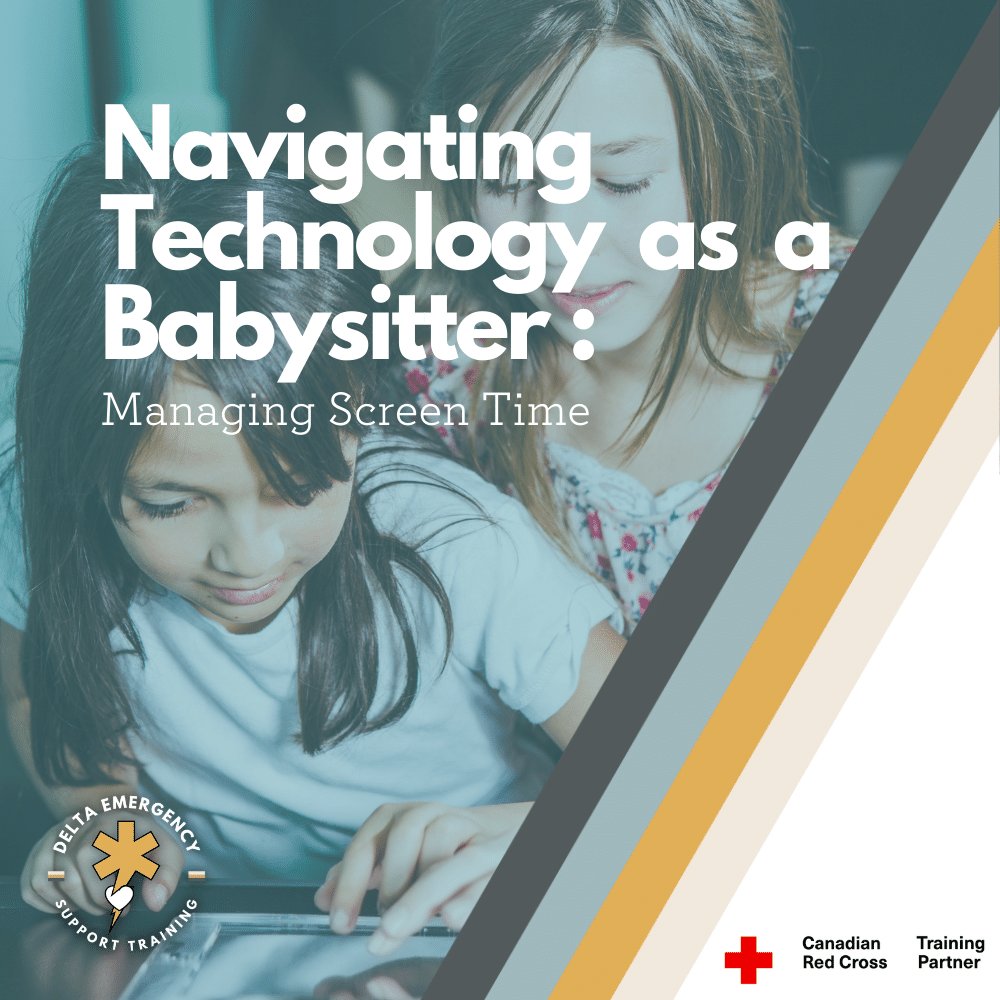
Navigating Technology as a Babysitter: Managing Screen Time

As a babysitter, it can be challenging to find activities and games that don't involve screen time. However, there are plenty of fun and engaging options that can promote children's creativity, learning, and physical activity. From arts and crafts to outdoor play and board games, here are some examples of non-screen time activities that a babysitter can do with children.
In today's digital age, technology is an integral part of our daily lives, and children are no exception. As a babysitter, you may find yourself grappling with how to navigate screen time and technology usage while caring for children. This can be especially challenging given the risks associated with the online world. However, with some thoughtful planning and preparation, you can ensure that you keep kids safe while also allowing them to enjoy the benefits of technology.

a child and babysitter using an iPad together, Both are girls. The child appears to be holding the iPad and looking at it, while the babysitter is helping her navigate the device.

Technology Today:

The world of technology is vast and ever-changing. From smartphones and tablets to smart TVs and gaming consoles, there are numerous devices and platforms that children can use to access the internet and engage with digital content. It's important to stay up to date on the latest trends and technologies, so you can help children navigate them safely and responsibly.

Acceptable Games and Screen Time:

While screen time can have its benefits, it's important to ensure that children are using technology in a safe and appropriate manner. As a babysitter, it's your responsibility to manage guidelines around technology that has been set by the parents. This can include limiting the amount of time children spend on devices, as well as choosing appropriate games and activities for them to engage with.

When it comes to acceptable games and screen time, consider the age of the child, their interests, and the appropriateness of the content. There are plenty of educational games and apps that can be used to help children learn and develop important skills. Similarly, many TV shows and movies can be both entertaining and educational, as long as they are age-appropriate and chosen carefully.

Keeping Kids Safe Online:

The internet can be a dangerous place, especially for young children who may not be aware of the risks. As a babysitter, it's important to take steps to keep kids safe while they're online. This can include using parental controls and filters to block inappropriate content, teaching children about online safety and privacy, and monitoring their online activity.

It's also important to be aware of the signs of cyberbullying, which can have serious consequences for children's mental health and well-being. Make sure that children know that they can come to you if they experience bullying or harassment online, and take steps to address the issue if it arises.

Alternatives for Screen Time:

While screen time can have its benefits, it's also important for children to engage in other types of activities that promote physical activity and socialization. As a babysitter, you can encourage children to participate in the following activities:

  1. Arts and Crafts

    - Encourage children to get creative with painting, drawing, coloring, or making crafts. You can provide them with a variety of art supplies, such as construction paper, scissors, glue, stickers, and markers, and let them create their own masterpieces.

  2. Board Games

    - Board games are a classic form of entertainment that can provide hours of fun. Some popular board games for children include Candyland, Chutes and Ladders, and Sorry!

  3. Outdoor Play

    - Get children outside for some fresh air and exercise. This can include playing catch, kicking a ball around, or going for a walk or bike ride. You can also set up an obstacle course or scavenger hunt for them to complete.

  4. Reading

    - Reading is a great way to promote literacy and language development. You can read books aloud to children, or encourage them to read on their own. Visit your local library and let children pick out their own books to read.

  5. Pretend Play

    - Pretend play allows children to use their imaginations and engage in creative role-playing. Set up a pretend kitchen, doctor's office, or grocery store and let children act out different scenarios.

  6. Music and Dancing

    - Play some music and encourage children to dance and sing along. You can also provide them with musical instruments, such as drums, tambourines, and shakers, and let them create their own band.

  7. Puzzles

    - Puzzles are a great way to improve problem-solving skills and hand-eye coordination. You can provide children with a variety of puzzles, such as jigsaw puzzles or Sudoku, and let them work on them alone or with friends.

  8. Science Experiments

    - Conduct simple science experiments with children, such as making a volcano erupt or creating a baking soda and vinegar reaction. You can find plenty of easy science experiments online.

  9. Building and Construction

    - Provide children with building blocks, Legos, or other construction toys and let them create their own structures and designs.

These are just a few examples of non-screen time activities and games that a babysitter can do with children. Remember, the key is to provide children with a variety of fun and engaging activities that promote their creativity, learning, and physical activity.

Consider setting up a schedule that includes both screen time and other types of activities, and encourage children to take breaks from devices regularly. This can help to promote a healthy balance of screen time and other activities.

Navigating screen time and technology usage can be a challenge for babysitters, but with some careful planning and preparation, you can ensure that children are using technology in a safe and appropriate manner. By setting guidelines around screen time usage, choosing appropriate games and activities, and taking steps to keep kids safe online, you can help children enjoy the benefits of technology while also promoting their overall health and well-being.

Babysitter Course

As a babysitter, it's important to prioritize screen time limits for the children you're caring for. At Delta Emergency Support Training, we understand how critical it is to establish healthy technology habits early on. We offer resources and tips to help you manage screen time effectively and keep children engaged in other activities.

In addition, we also offer babysitter courses that cover a range of important topics, including child development, safety, and communication. These courses are designed to equip you with the skills and knowledge you need to provide excellent care for children.

If you have any questions about screen time management or want to learn more about our babysitter courses and resources, please feel free to reach out to us at info@deltaemergency.com. We're here to support you and the children in your care.

Read More

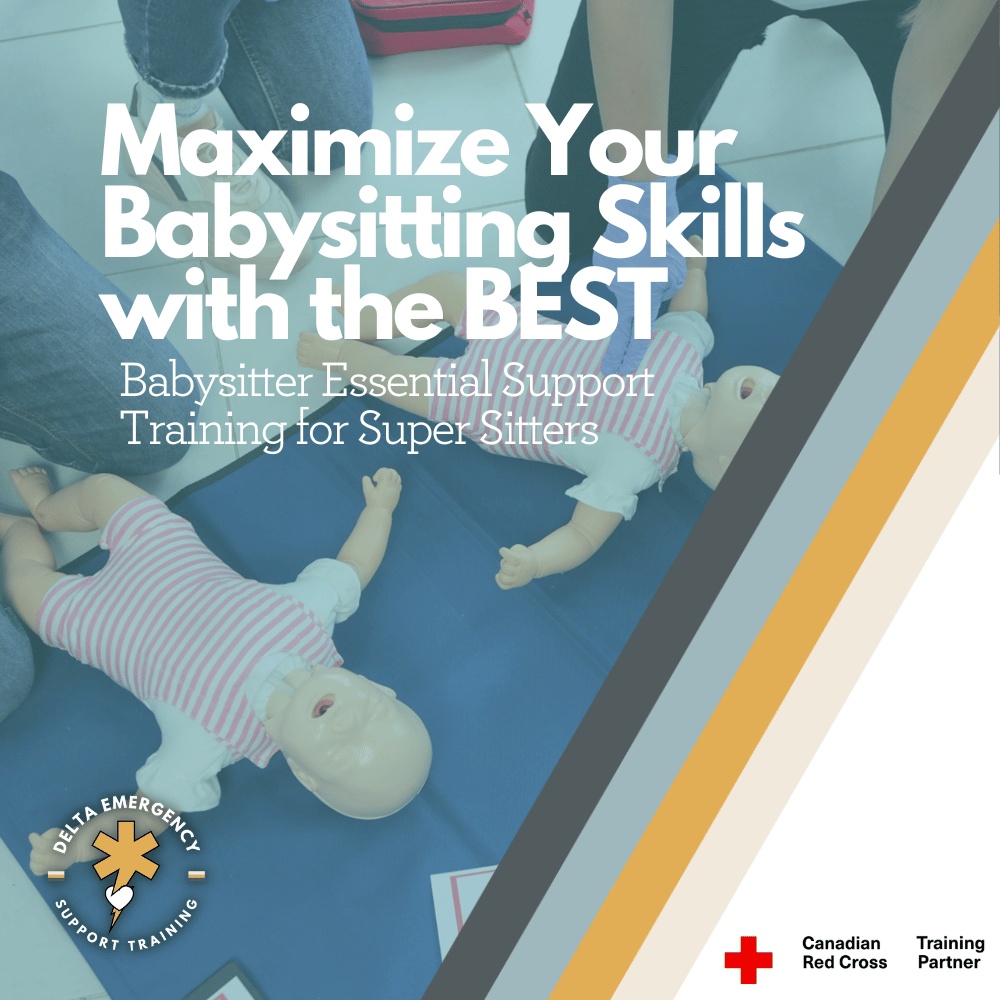
Maximize Your Babysitting Skills with the BEST: Babysitter Essential Support Training for Super Sitters

Sure! Here's an excerpt for "Maximize Your Babysitting Skills with the BEST: Babysitter Essential Support Training for Super Sitters":

As a babysitter, it's important to have the skills and knowledge necessary to provide safe and effective care for children. That's where the BEST program comes in. The Babysitter Essential Support Training (BEST) is a comprehensive training program designed to help sitters maximize their babysitting skills.

The BEST program covers a wide range of topics, including child development, safety, first aid and CPR, discipline, and communication. With the BEST program, you'll learn how to identify and respond to common childhood emergencies, such as choking and allergic reactions. You'll also learn how to manage challenging behavior and communicate effectively with parents.

In addition to the comprehensive training curriculum, the BEST program also provides ongoing support and resources for sitters. This includes access to a community of fellow sitters, as well as tools and resources to help you succeed in your babysitting career.

By completing the BEST program, you'll have the knowledge and confidence to provide exceptional care for children, while also setting yourself apart as a professional and reliable babysitter. So why wait? Enroll in the BEST program today and start maximizing your babysitting skills!

Delta Emergency Support Training’s BEST Babysitter’s Key Concepts:

BEST Babysitter

B - Babysitting Basics

E - Essential Skills

S - Safety Training

T - Tips and Techniques

In this context, Babysitter Essential Support Training, or "BEST" represents the core elements of the course, focusing on fundamental babysitting knowledge and skills, essential safety training, and practical tips and techniques for successful babysitting. This acronym could be used as a catchy and memorable way to promote the course and highlight its key features.

a group of babysitters-in-training gathered around infant dolls on the ground.

The Basics of Babysitting

Welcome to the world of babysitting! Being a babysitter can be a fun and rewarding job where you get to care for and entertain children while their parents are away. However, it also comes with a great deal of responsibility. In this chapter, we'll cover the basics of babysitting, including important skills, safety guidelines, and essential information for being a responsible babysitter.

1.1 The Role of a Babysitter

As a babysitter, your main role is to ensure the safety and well-being of the children in your care. You are responsible for supervising them, providing meals, helping with homework or other activities, and entertaining them. It's important to be attentive, patient, and nurturing to create a positive and enjoyable experience for the children you're looking after.

1.2 Basic Skills for Babysitters

There are several skills that are essential for babysitters to possess. These skills include:

1.2.1 Communication Skills:

As a babysitter, you need to be able to communicate effectively with both the children and their parents. You should be able to listen attentively to the children, understand their needs, and respond appropriately. Additionally, you should be able to communicate clearly with parents about any concerns or updates regarding the children's care.

1.2.2 Problem-Solving Skills:

Babysitting often involves handling unexpected situations, such as a child getting sick or having an emotional meltdown. Being able to think quickly and calmly in these situations and come up with appropriate solutions is crucial.

1.2.3 First Aid and CPR:

Knowing basic first aid and CPR (Cardiopulmonary Resuscitation) is extremely important as a babysitter. You should be able to respond to minor injuries or emergencies and provide appropriate care until professional help arrives.

1.2.4 Time Management Skills:

Babysitting often involves managing multiple tasks simultaneously, such as preparing meals, supervising playtime, and helping with homework. Good time management skills are necessary to ensure that all responsibilities are fulfilled efficiently.

1.2.5 Childcare Experience:

While it's not always a requirement, having previous experience in childcare, such as volunteering at a daycare or babysitting for family and friends, can be helpful in gaining confidence and understanding children's needs.

1.3 Safety Guidelines for Babysitters

Safety should be the top priority for any babysitter. Here are some important safety guidelines to follow:

1.3.1 Childproofing:

Make sure the environment is safe for the children by removing any potential hazards, such as sharp objects, choking hazards, and poisonous substances. Ensure that outlets are covered, cabinets with dangerous items are locked, and that there are no loose cords or wires that could pose a danger.

1.3.2 Emergency Preparedness:

Familiarize yourself with the location of fire extinguishers, first aid kits, and emergency phone numbers. Have a plan in place for emergencies, such as fires, natural disasters, or medical emergencies, and know how to evacuate the home safely.

1.3.3 Stranger Danger:

Teach the children about stranger danger and emphasize the importance of not opening the door to anyone they do not know. Instruct them to never give out personal information or accept gifts from strangers.

1.3.4 Safe Play:

Make sure the children are engaged in age-appropriate activities and supervise them closely during playtime, especially when playing outdoors or near water. Always follow the parents' guidelines regarding screen time, internet usage, and other safety concerns.

1.3.5 Transportation Safety:

If you need to transport the children, always ensure that they are secured in appropriate car seats or seat belts, depending on their age and size. Follow all traffic laws and never leave children unattended

1.1 The Role of a Babysitter

As a babysitter, your role goes beyond just supervising children. You are also responsible for providing emotional support, fostering a safe and nurturing environment, and being a positive role model. Here are some key aspects of the role of a babysitter:

1.1.1 Caregiver:

Your primary responsibility is to care for the well-being of the children in your charge. This includes ensuring their physical needs are met, such as providing meals, helping with hygiene tasks like bathing and changing diapers, and making sure they get enough rest.

1.1.2 Playmate:

Babysitting is not just about keeping children safe; it's also about having fun! Engaging in age-appropriate playtime activities, such as reading, playing games, and doing crafts, can help foster their development and create memorable experiences.

1.1.3 Educator:

Babysitters can also assist with homework or engage in educational activities, such as helping with reading, practicing math skills, or providing guidance on projects. Encouraging a love for learning and supporting their educational goals can be an important aspect of your role.

1.1.4 Mediator:

Children may sometimes have conflicts or disagreements. As a babysitter, you may need to step in and help resolve disputes in a fair and impartial manner. Teaching conflict resolution skills, promoting kindness and empathy, and setting clear boundaries can help establish a peaceful environment.

1.1.5 Communicator:

Effective communication is crucial in babysitting. You need to be able to clearly communicate with the children, understand their needs and emotions, and respond in a compassionate and respectful manner. You also need to communicate with the parents, providing updates on the children's well-being and any issues that may arise.

1.1.6 Safety Advocate:

Ensuring the safety of the children is your top priority. This includes supervising them at all times, being vigilant for potential hazards, and taking appropriate measures to prevent accidents. You should also be knowledgeable about emergency procedures, including knowing when to seek medical attention or contact parents in case of an emergency.

As a babysitter, one of your most crucial roles is to create a safe environment for the children in your care. Safety should be a top priority at all times to prevent accidents and ensure the well-being of the children. Here are some important aspects of safety that a babysitter should be knowledgeable about:

1.1.6.1 Supervision:

It's essential to provide constant supervision to the children, especially for younger children or those with special needs. You should always keep a watchful eye on the children, actively engaging with them and being aware of their activities, to prevent any accidents or injuries.

1.1.6.2 Hazard Prevention:

Identifying potential hazards in the environment and taking appropriate measures to prevent them is crucial. This includes ensuring that sharp objects, toxic substances, and small objects that pose a choking hazard are safely stored and out of reach of children. It also involves keeping doors and windows locked, securing staircases, and ensuring that outdoor play areas are safe and well-maintained.

1.1.6.3 Emergency Preparedness:

Babysitters should be prepared for emergencies and know how to respond appropriately. This includes knowing the location of first aid supplies, fire extinguishers, and emergency contact information. Babysitters should also be trained in basic first aid and CPR, as well as knowing the appropriate steps to take in case of a medical emergency or other emergencies, such as fires, natural disasters, or intruders.

1.1.6.4 Transportation Safety:

If you need to transport the children as part of your babysitting duties, whether it's walking them to school, driving them to activities, or using public transportation, it's important to follow proper safety guidelines. This includes using age-appropriate car seats or seat belts, following traffic rules, and ensuring that the children are always supervised and accounted for during transportation.

1.1.6.5 Internet and Technology Safety:

In today's digital age, babysitters should also be mindful of internet and technology safety. This includes monitoring children's online activities, setting age-appropriate content restrictions, and educating children about safe internet use and potential risks.

1.1.6.6 Communicating with Parents:

Babysitters should establish open and clear communication with parents regarding safety protocols, emergency procedures, and any specific instructions or concerns related to the children's safety. It's important to work collaboratively with parents to ensure that the children's safety is prioritized at all times.

By prioritizing safety and being vigilant in identifying and addressing potential hazards, a babysitter can create a secure environment for the children in their care. Remember, prevention is key, and it's always better to be proactive in ensuring the safety of the children rather than reacting to an emergency situation.

Remember, as a babysitter, you are entrusted with the care and well-being of someone else's precious children. Your role goes beyond just being present; it involves building trust, creating a positive environment, and providing excellent care for the children in your charge.

BABYSITTER QUIZ!

  1. What is the primary responsibility of a babysitter?

  • A. Providing meals

  • B. Playing games

  • C. Teaching conflict resolution skills

  • D. Ensuring safety

    2. Which of the following is NOT a role of a babysitter?

  • A. Caregiver

  • B. Mediator

  • C. Cleaning the house

  • D. Educator

    3. What should a babysitter do in case of an emergency

  • A. Ignore it and continue with regular activities

  • B. Contact the parents immediately

  • C. Panic and call 911

  • D. Leave the house and go home

    4. Why is effective communication important for a babysitter?

  • A. It helps the babysitter bond with the children

  • B. It allows the babysitter to understand the children's needs and emotions

  • C. It helps in resolving conflicts among children

  • D. All of the above

    5. What should a babysitter do to ensure the safety of the children?

  • A. Supervise the children at all times

  • B. Be vigilant for potential hazards

  • C. Follow emergency procedures

  • D. All of the above

Answers:

  1. D. Ensuring safety

  2. C. Cleaning the house

  3. B. Contact the parents immediately

  4. D. All of the above

  5. D. All of the above

Note: The quiz questions and answers may vary depending on specific guidelines or requirements of the babysitting situation. It's important to always follow the parents' instructions and guidelines when babysitting.

At Delta Emergency Support Training we are happy to answer any questions you may have about Babysitter Skills and Babysitter Certification. We provide training sessions for individuals or classes. We have options for in person, hybrid or online classes for Babysitter’s, Standard First Aid (SFA), Advanced First Aid (AFA), Emergency Medical Responder (EMR), and more courses. For all inquiries please email info@deltaemergency.com

Read More