Stop the Bleed in Calgary
Bleeding control for bystanders: pressure, packing and tourniquets. Taught by an ACS certified instructor.
Dates coming soonDates, seats, prices, and course details shown here are reference information and are confirmed when you register.
Calgary
Leduc
Know before you book
Length
Approx. 1 hour, up to 90 minutes. Certification needs full attendance.
Prerequisites
None expected.
Certificate
Confirm with the instructor when you register.
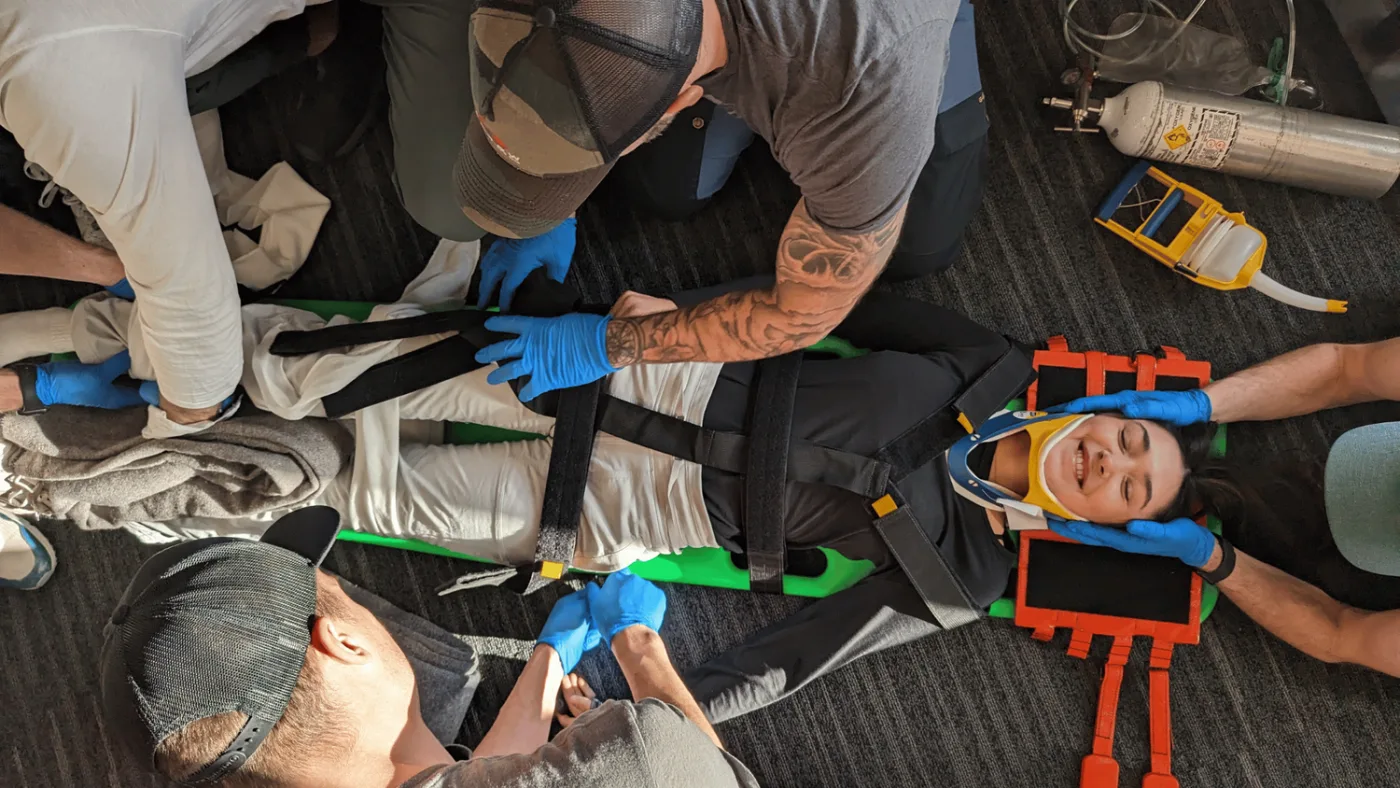
What you’ll be able to do
Recognize bleeding that will kill someone before help arrives
Apply direct pressure properly, which is harder and more physical than people expect
Pack a wound that a tourniquet cannot reach
Apply a commercial tourniquet, high and tight, and note the time
Keep yourself safe enough to still be useful on a scene that is not yet controlled
Course details
The facts
- Certificate
- ACS Stop the Bleed course completion Issued by American College of Surgeons Committee on Trauma
- Certificate valid for
- Confirm with the instructor when you register
- Duration
- Approx. 1 hour, up to 90 minutes
- Locations
- Calgary Leduc
- Prerequisites
- None expected
- Format
- In-person (Calgary)
Important, check before you register:
Delta's instructor is certified by the American College of Surgeons Committee on Trauma to teach the ACS Stop the Bleed Course (instructor ID 206970, valid through 31 December 2027). Delta's separate application to become an ACS training centre was submitted on 22 August 2026 and is still with them. STOP THE BLEED is a registered trademark of the U.S. Department of Defense, Defense Health Agency, and the ACS program runs under a licence from the Department of Defense. Delta does not host the ACS course materials: the interactive portion is done on the ACS site.
Where we teach this course
We teach this course in Calgary and Leduc. No public dates are posted at the moment.
We also deliver this course at your worksite for groups, useful for crews who can’t release staff to travel. Onsite delivery carries an additional fee on top of per-person pricing. Request an onsite quote.
We travel for private and group training across Canada, and internationally by arrangement. If you’re outside Alberta, tell us where you are and we’ll price it.
Our Calgary classroom
1550 5 St SW #300, Calgary
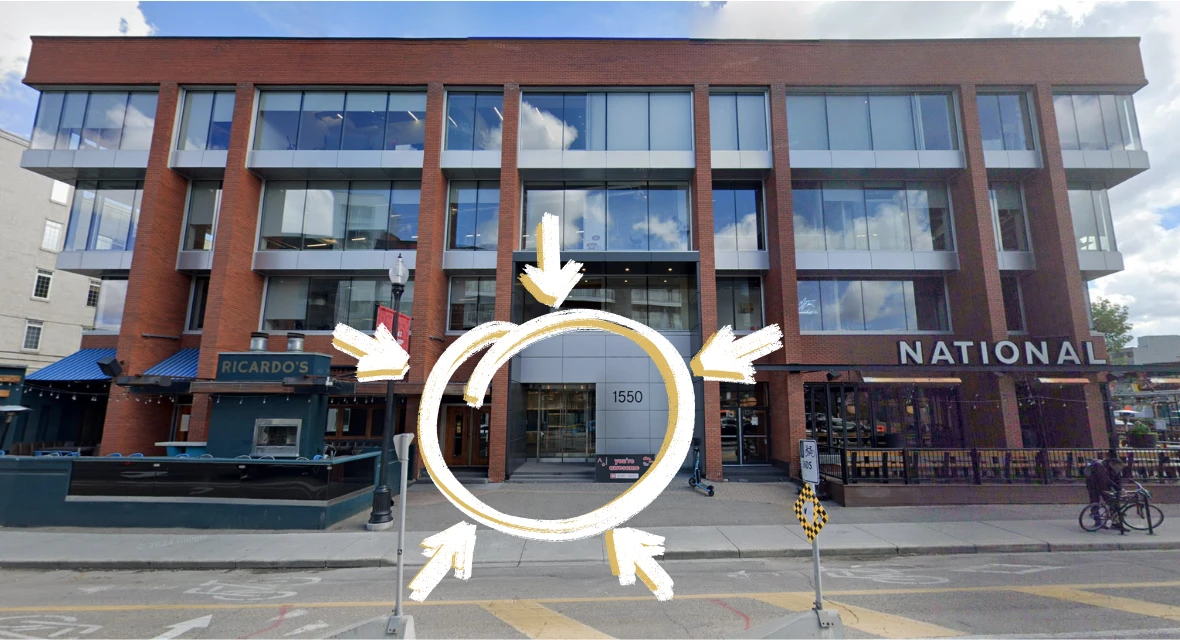
Street view image: Google Our Leduc classroom
4810 50th Ave Suite 100, Leduc
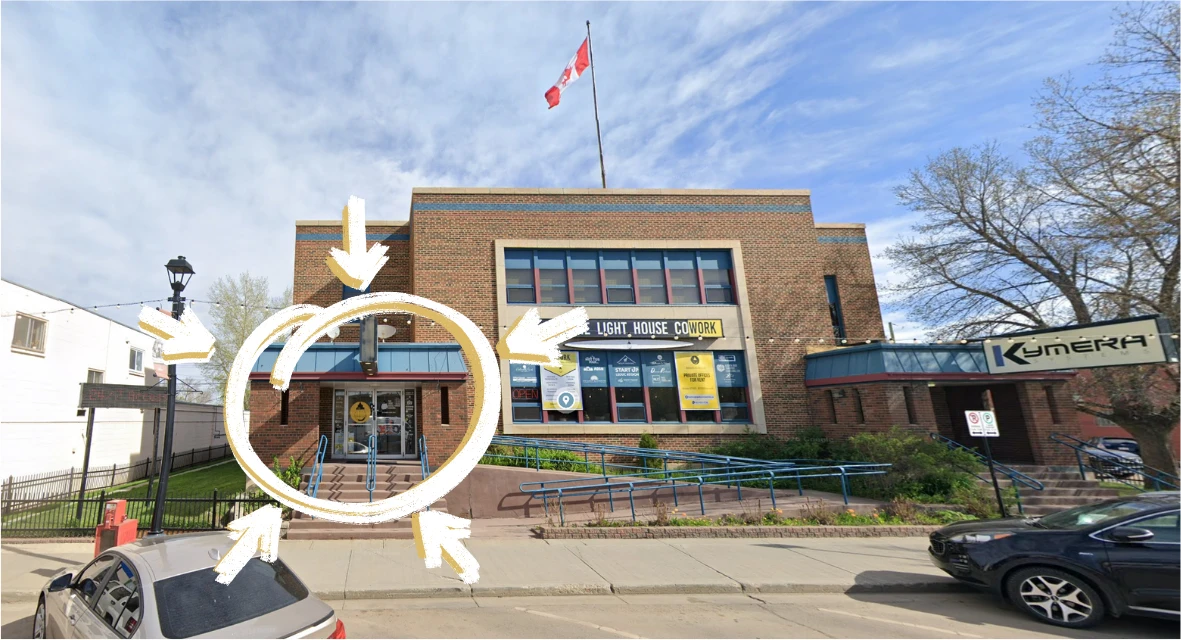
Street view image: Google
The full course
Where this stands right now
Delta's instructor is certified by the American College of Surgeons Committee on Trauma to teach the ACS Stop the Bleed Course.Read moreShow less
Delta's instructor is certified by the American College of Surgeons Committee on Trauma to teach the ACS Stop the Bleed Course. That certification is current and runs to the end of 2027.
We have also applied to become an ACS training centre, which is a separate thing and still with them. It is not what decides whether we can teach you: the instructor certification is.
What we do not have yet is a date. There is no public session in the calendar, and we would rather leave this page honest than invent one. Tell us you want it and we will schedule it, and a workplace asking for a group session is the quickest way to make that happen.
What the course is for
Severe bleeding kills faster than an ambulance can arrive.Read moreShow less
Severe bleeding kills faster than an ambulance can arrive. That is the whole premise. Someone with an arterial bleed in a limb can be beyond help in a handful of minutes, which is less time than it takes to get a unit to most addresses in this city, and the only people who can change that are the ones already in the room.
Bleeding control training is deliberately short and deliberately narrow. It is built for people with no clinical background: teachers, receptionists, site workers, event staff, parents. Pressure, packing and tourniquets, practised until the hands know it, with nothing else competing for the time.
It is not a first aid certificate and it is not trying to be one. It teaches a few things properly to people who may only ever need a few things.
How the course actually runs
There are two parts, and only one of them happens with us.Read moreShow less
There are two parts, and only one of them happens with us. The interactive portion is hosted by the American College of Surgeons on their own site, and we will send you straight to it. We are not permitted to copy that material onto our website or into our learning platform, and we do not.
The hands on part is the part worth paying for and the part you cannot get from a screen. That happens in a room in Calgary with a certified instructor, with real tourniquets and packing trainers, repeated until it is muscle memory rather than a memory of a video.
Your certificate comes from the American College of Surgeons, not from Delta. We are the people who teach you and sign you off.
Booking this for a workplace
This is the course that makes most sense as a group booking.Read moreShow less
This is the course that makes most sense as a group booking. A site that wants twenty people trained in bleeding control is a single session, on your premises if you would rather, and it is a short enough class that it does not cost you a production day.
Sites with machinery, blades, glass or vehicle traffic are the obvious ones. So are schools, arenas and offices, where the risk is lower but the distance to help is exactly the same.
Use the form below with rough numbers and a location and we will come back with what a session looks like.
What we teach alongside it
Bleeding control is one skill, and it sits inside a bigger picture that most people also need.Read moreShow less
Bleeding control is one skill, and it sits inside a bigger picture that most people also need. If you have no first aid training at all, this is a good thing to add rather than a good thing to start with.
Basic First Aid covers severe bleeding inside a one day workplace certificate, next to CPR, choking and calling EMS. Intermediate First Aid goes further and adds the patient assessment that tells you which problem you are actually looking at. Both are Canadian Red Cross certificates and both have dates open now.
Worth knowing about scope, because it catches people out. Tourniquets are taught in both child care first aid courses, Basic First Aid, and every course above them. Wound packing is not part of a first aid certificate at any level: it comes from separate training like this course, and your employer still has to approve you to do it. Holding the card is not the same as being authorized to use it.
Who this course is for
- Workplaces with machinery, blades, glass or vehicle traffic, where a serious bleed is a realistic day
- Schools, arenas and offices wanting bystander level training for staff
- Event and security teams who are on scene before EMS by definition
- Anyone who has done a first aid course and wants the bleeding piece drilled harder
Related reading
- What a Real Bleeding Kit NeedsThe green box in the cupboard is built for paper cuts. Here is what a kit for serious bleeding contains, and why each item earns its place.
- Why a Tourniquet Is Not a Last ResortThe old advice was that a tourniquet costs a limb. Battlefield data changed that. Here is why, and where the tourniquet goes.
- Direct Pressure: How Hard, and For How LongMost people press in roughly the right place, too gently, and let go too soon. Here is how direct pressure is done, and what to do when it soaks through.
Where to go next

Meet the people behind Delta Emergency
Our instructors are working paramedics and firefighters who keep training in their own fields.
Meet the team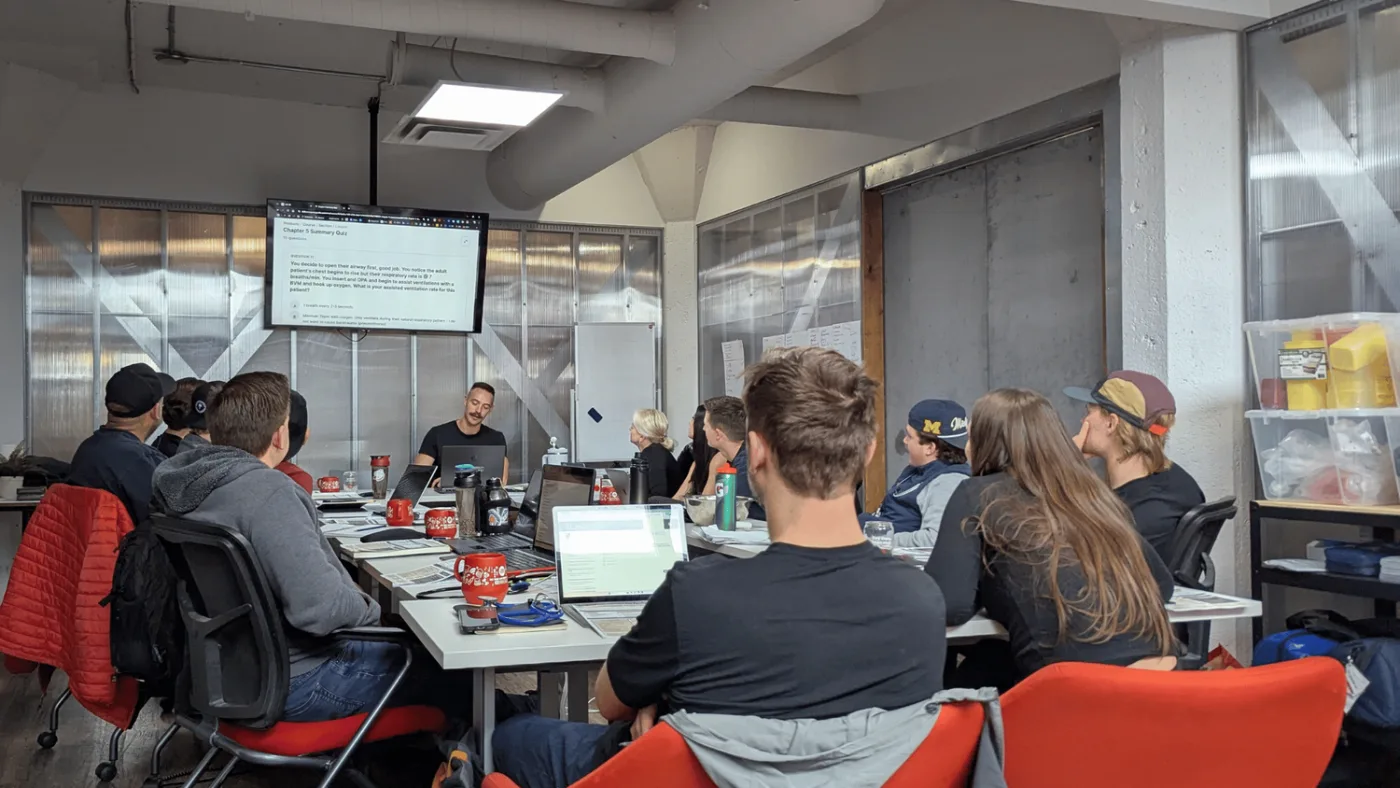
Can I book a Stop the Bleed course with Delta right now?
There is no public date in the calendar yet. Our instructor is certified to teach it, so if you ask, we can schedule one. Group and workplace requests are the fastest route.
Who issues the certificate?
The American College of Surgeons. Delta teaches the course and signs you off, and the certificate comes from ACS rather than from us.
Why is part of it on somebody else's website?
Because that is how the program is licensed. The ACS course material is copyrighted and we are not permitted to host it on our own site or learning platform, so we link you to the real thing instead of copying it. The hands on session is with us.
Is this a substitute for a first aid certificate?
No. It is one skill taught well. If your employer asks for first aid, you want Basic First Aid or Intermediate First Aid, and this is a good addition to either.
Does a first aid certificate let me pack a wound?
No, and this is the part people get wrong. Tourniquets are taught in both child care first aid courses, Basic First Aid, and every course above them. Wound packing is not part of a first aid certificate at any level: it comes from separate training such as this course, and your employer has to approve you to do it as well.
Cancellation, transfer, and refund terms are shown before payment and confirmed at registration. Not sure which course fits? Email us and we’ll help.
All coursesLast reviewed 2026-08-22