The Delta Dispatch

Babysitter's, Chilcare, Online Course Kumari Malhotra Babysitter's, Chilcare, Online Course Kumari Malhotra

Bedtime Tips for Babysitters: How to Get Kids to Bed Without a Struggle

Bedtime can be a stressful time for babysitters, especially when it comes to getting kids to sleep. In this blog post, we'll provide you with tips and techniques to help you create a calm, soothing, and consistent bedtime routine that promotes healthy sleep habits and supports the child's overall health and well-being.

Getting kids to bed on time can be a real challenge for babysitters, especially if the kids are used to staying up late or have trouble falling asleep. However, with the right approach and a bit of patience, it's possible to help kids get the rest they need while keeping bedtime stress-free for everyone involved.

little girl sleeping peacefully in her bed WITH HER teddy bear nestled close to her. HER babysitter IS sitting nearby.

How to get kids to bed without a struggle:

Stick to a consistent routine:

Children thrive on routine, and having a consistent bedtime routine can help them feel more relaxed and prepared for sleep. When creating a bedtime routine, try to include activities that help kids wind down and relax, such as reading a book or taking a warm bath. Choose activities that are soothing and calming, rather than stimulating or exciting, to help kids transition from playtime to sleep time.

Before starting the bedtime routine, make sure to communicate with the parents about their usual bedtime routine. Ask about any special activities, such as a favorite story or song, that the child enjoys as part of their bedtime routine, and try to incorporate these activities into your routine as well. This will help the child feel more comfortable and at ease with you, as well as help ensure a smooth transition to sleep.

Create a calming atmosphere:

A calm and soothing environment is essential for helping kids feel relaxed and ready for sleep.

Consider using soft lighting, such as a nightlight or a lamp with a low-wattage bulb, to create a cozy and calming atmosphere.

You may also want to consider using a white noise machine to help mask any outside noises that could disrupt sleep. Music can be a great way to help kids relax and unwind at bedtime. You can also try playing nature sounds, such as rain or ocean waves, to help mask any background noise that might be disruptive.

Distractions, such as noise or bright lights, can make it harder for kids to fall asleep. Try to eliminate any sources of distraction in the bedroom, such as loud music or a TV. Encourage the child to focus on calming activities, such as reading a book or taking deep breaths, to help them relax and unwind.

Be sure to communicate with parents about any special requests or preferences they have for their child's bedtime routine, and be flexible and adaptable to meet the child's individual needs.

Set boundaries

Establish a pre-bedtime routine. Create a consistent pre-bedtime routine that includes calming and relaxing activities, such as reading a book or taking a bath. This helps signal to the child that it's time to wind down and get ready for sleep.

Set limits around screen time, whether it's watching TV or using a tablet or phone, can interfere with sleep quality. Try to limit screen time in the evening and avoid screens altogether in the hour leading up to bedtime.

Avoid sugary snacks or drinks. Sugary snacks or drinks can be stimulating and interfere with sleep. Try to avoid giving kids sugary snacks or drinks before bedtime and opt for healthier options instead, such as a small glass of milk or a piece of fruit.

By setting clear boundaries around behavior and expectations at bedtime, you can help children feel more secure and safe, which can make it easier for them to relax and fall asleep. Remember to communicate these boundaries to parents and be consistent in your approach to bedtime to help create a predictable and calming routine for kids.

Provide comfort:

Offer a comforting item. Many children have a favorite stuffed animal or special blanket that helps them feel safe and secure. Encourage the child to bring this item to bed with them, or offer a soft and comforting item, such as a stuffed animal or a cozy blanket, if they don't have one.

Provide physical comfort. Sometimes, a comforting touch can help children feel more at ease. Offer a gentle hug, hold their hand, or rub their back to help them feel more secure and relaxed.

Offer words of reassurance. Children may feel anxious or scared at bedtime, especially if they are away from their parents or in a new environment. Offer words of reassurance and encouragement, such as "you're safe here" or "everything will be okay." This can help them feel more at ease and fall asleep more easily.

Create a cozy environment. A cozy and comfortable environment can help children feel more relaxed and prepared for sleep. Use soft lighting, play calming music, and make sure the bed is comfortable and inviting. Encourage the child to snuggle up under a warm blanket to help them feel cozy and secure.

Use a nightlight. Many children are afraid of the dark, which can make it harder for them to fall asleep. Consider using a nightlight or a low-wattage lamp to provide a comforting and gentle glow in the room.

Practice Patience

Be prepared for setbacks: Getting children to sleep can be a process, and setbacks are normal. Children may have trouble falling asleep, wake up in the middle of the night, or resist going to bed altogether. Be prepared for these setbacks, and try to approach them with patience and understanding.

Avoid becoming frustrated or upset. It's natural to feel frustrated or upset if a child is having trouble falling asleep or staying in bed, but this can make the situation worse. Instead, try to remain calm and patient, and offer encouragement and support to help the child feel more at ease.

Use a soothing tone of voice. The tone of your voice can have a big impact on how children feel. Use a soothing and calm tone of voice when talking to the child at bedtime, and avoid becoming angry or impatient. This can help the child feel more relaxed and ready for sleep.

Allow extra time for bedtime routines. It's important to allow extra time for bedtime, especially if children need help settling down or have trouble falling asleep. This can help reduce stress and anxiety and create a more relaxed and calm environment for bedtime.

Conclusion

Getting children to bed can be a challenge for babysitters, but with a few simple tips and techniques, you can help create a calm, soothing, and consistent bedtime routine that promotes healthy sleep habits and supports the child's overall health and well-being. From setting boundaries and creating a comfortable environment to being patient and providing comfort, there are many ways you can help children feel more relaxed and prepared for sleep. By staying positive, communicating with parents, and being flexible and adaptable, you can provide the best possible care to the children you babysit, and help them get the rest they need to thrive.

Comprehensive babysitter childcare course

By being prepared, you can provide top-notch care and attention to the child, which can help make the experience more enjoyable for both you and the child. As a babysitter, it's important to be prepared for any situation that may arise while caring for children. That's why we offer a comprehensive babysitter childcare course that covers topics such as child development, safety, and communication. With this training, you'll be equipped to provide top-notch care for the children in your charge and have peace of mind knowing that you're prepared for any situation. If you're interested in learning more about our babysitter childcare course and how it can help you provide excellent care for children, please don't hesitate to reach out to us at info@deltaemergency.com.

Read More
Babysitter's, Chilcare, Online Course Kumari Malhotra Babysitter's, Chilcare, Online Course Kumari Malhotra

Creating the Ultimate Babysitter Kit: A Guide for Caregivers

As a babysitter, it's important to be prepared for any situation that may arise while caring for children. One of the best ways to ensure that you're always ready is by having a well-stocked babysitter kit. In this post, we'll discuss the essential items that should be included in your kit, including first aid supplies, games and arts and crafts, emergency contacts, and a change of clothes.

Babysitter Kits: What They Are, Why You Need One, and What They Include

As a babysitter, you are responsible for the safety and well-being of the children in your care. In order to be fully prepared for any situation, it's important to have a well-stocked babysitter kit on hand. In this blog, we will discuss what a babysitter kit is, why you need one, and what it should include.

a collection of children's supplies for babysitting.

What is a Babysitter Kit?

A babysitter kit is a collection of essential items that can help you manage unexpected situations when caring for children. These kits can be assembled by parents or guardians, or purchased pre-made from a variety of retailers.

Why Do You Need a Babysitter Kit?

Having a babysitter kit on hand can help you be prepared for any situation that may arise when caring for children. It can help you provide quick and effective first aid for minor injuries, as well as provide comfort and entertainment for children during unexpected situations.

What Should a Babysitter Kit Include?

A well-stocked babysitter kit should include the following items:

  1. Simple First Aid Supplies:

    As a babysitter, you're responsible for the safety and well-being of the children in your care. While you hope that no injuries or illnesses occur, accidents do happen. That's why it's important to be prepared with basic first aid supplies, such as band-aids, gauze, adhesive tape, and antiseptic wipes or spray.

    Band-aids are useful for covering small cuts, scrapes, or blisters. They can help keep wounds clean and protected from dirt and bacteria. Gauze and adhesive tape can be used to cover larger wounds or secure dressings in place. These items can help prevent further injury and promote healing.

    Antiseptic wipes or spray can be used to clean wounds and prevent infection. They are especially useful for cuts and scrapes that are prone to infection. Keeping these items in your babysitter kit can help you quickly respond to minor injuries and help prevent them from becoming more serious.

  2. Games and Arts and Crafts:

    Babysitting can be a challenging job, especially if you're caring for young children who may have short attention spans or get easily bored. That's why it's important to have a variety of age-appropriate games, coloring books, and craft supplies in your babysitter kit. These items can help keep children engaged and occupied, making your job as a babysitter much easier and more enjoyable.

    Games are a great way to keep children entertained and active. Depending on the age of the children you're caring for, you can include board games, card games, or even outdoor games in your babysitter kit. These games can help children burn off excess energy, develop social skills, and keep their minds active.

    Arts and crafts are another great option to include in your babysitter kit. Coloring books, construction paper, markers, and crayons can help children unleash their creativity and develop their fine motor skills. You can also include materials for simple craft projects, such as pipe cleaners, glue, and scissors. These can be used to create a variety of fun and engaging projects, from paper airplanes to finger puppets.

  3. Emergency Contacts:

    It's important to have a list of emergency contacts readily available. This list should include contact information for the children's parents or guardians, as well as any healthcare providers and emergency services.

    The parents or guardians of the children you're caring for are the first people you should contact in case of an emergency. They will want to know if their child is hurt or sick, and will be able to provide important information about their child's medical history or any specific care instructions. Having the parents or guardians' contact information readily available can help you quickly get in touch with them.

    In addition to the parents or guardians, it's important to have contact information for the children's healthcare providers. This includes their pediatrician or any specialists they see on a regular basis. If a child has a medical emergency or needs medical attention, their healthcare provider can provide important information about their condition and any necessary treatments.

  4. Change of Clothes:

    Babies and young children are prone to accidents, such as spitting up, spills, or having diaper blowouts. As a babysitter, it's important to be prepared for these situations. By bringing a change of clothes with you, you can quickly change into fresh clothing if you get soiled, which can help you feel more comfortable and prepared to continue caring for the child.

    In addition to accidents that may happen to the child, there's also the likelihood of getting dirty yourself when making food and playing outside with the kids. Food can easily splatter or spill, and playing outside can lead to grass stains or mud. Having a change of clothes can help you feel more comfortable and prepared to continue caring for the child, without worrying about being dirty or uncomfortable.

    Not having a change of clothes can be especially problematic if you're caring for a child for an extended period of time, such as an overnight babysitting gig.

  5. Other Essentials:

    Extra diapers and wipes are essential items to include in your babysitter kit, especially if you're caring for a baby or toddler who is not yet potty trained. Accidents happen, and having a sufficient supply of diapers and wipes on hand can help you quickly clean up any messes and prevent any discomfort or irritation for the child.

    A flashlight is another important item to include in your babysitter kit, especially if you'll be caring for children at night. If the power goes out or there's an emergency, having a flashlight can help you navigate the home and keep the children calm and reassured. It's also a good idea to have extra batteries on hand, in case the flashlight runs out of power.

    A phone charger is also an important item to include in your babysitter kit, as it can help ensure that your phone stays charged in case of an emergency. If you need to call 911 or contact the children's parents or guardians, having a charged phone is essential.

    Overall, including extra diapers and wipes, a flashlight, and a phone charger in your babysitter kit is an important way to ensure that you're prepared for any situation that may arise while caring for children.

    Comprehensive babysitter childcare course

    By being prepared, you can provide top-notch care and attention to the child, which can help make the experience more enjoyable for both you and the child. As a babysitter, it's important to be prepared for any situation that may arise while caring for children. That's why we offer a comprehensive babysitter childcare course that covers topics such as child development, safety, and communication, as well as the essentials of assembling a babysitter kit. Our course includes information on what to include in your kit, how to use the items effectively, and how to respond in case of an emergency. With this training, you'll be equipped to provide top-notch care for the children in your charge and have peace of mind knowing that you're prepared for any situation. If you're interested in learning more about our babysitter childcare course and how it can help you provide excellent care for children, please don't hesitate to reach out to us at info@deltaemergency.com.

Read More

When to Call 911: A Guide for Babysitters

Being a babysitter can be both rewarding and challenging, especially when it comes to keeping children safe in emergency situations. As a babysitter, you are responsible for the well-being of the children in your care, and knowing when to call 911 can be a matter of life and death.

In this guide, we will walk you through the common emergency situations that you may encounter as a babysitter and provide you with practical tips on how to handle them. From injuries and illnesses to fires and natural disasters, we'll cover it all so that you can be prepared for any situation.

By the end of this guide, you'll have the knowledge and confidence to act quickly and appropriately in the event of an emergency, ensuring the safety and well-being of the children in your care.
As a babysitter, one of your most important responsibilities is keeping the children you're caring for safe and healthy. While you may take steps to prevent accidents and injuries, emergencies can still happen, and it's important to know when to seek emergency medical attention. In some situations, calling 911 could mean the difference between life and death. But how do you know when to call for help?

babysitter and a child sitting on a rug in a living room. The babysitter is holding a Jenga tower, and the child is carefully removing a wooden block from the tower.

In this blog post, we'll provide a guide for babysitters on when to call 911, including common emergencies that require immediate attention, and tips for staying calm and responding quickly in an emergency situation. By following these guidelines, you can help ensure that the children you're caring for stay safe and healthy, no matter what emergencies may arise.

In the following sections, we'll discuss some of the most common emergencies that may arise while babysitting, and the situations where you should call 911 for immediate medical attention.


  1. Difficulty breathing:

    If the child is having difficulty breathing, it could be a sign of a serious respiratory issue, such as asthma or anaphylaxis. If the child is struggling to breathe, has trouble speaking or swallowing, or their lips or face turn blue, call 911. It is good practice as a babysitter to know how to administer an EPI-PEN for sever allergic reactions. Ventolin, often referred to as a puffer can also drastically improve the breathing of a patient who is experiencing a asthma attack.

  2. Loss of consciousness:

    If the child becomes unconscious, it's important to call 911. Stay with the child and follow the operator's instructions until help arrives. Keep the child's airway open by lifting the head and tilting the chin back. Check their breathing and pulse, if none is found begin compressions as per the dispatch instruction or previous first aid training.

  3. Severe bleeding:

    The first step in controlling bleeding is to apply direct pressure to the wound. Use a clean cloth or bandage and apply firm direct pressure. If the child has severe bleeding that does not stop after applying pressure or soaks through multiple bandages, call 911 immediately. While waiting for help to arrive, continue to apply direct firm pressure to the wound.

  4. Head injury:

    If the child hits their head and loses consciousness, vomits, or has seizures, call 911 immediately. Keep the child still and comfortable, avoid moving them unless it's necessary. Moving the child could worsen the injury especially if there is a suspected spinal injury, which may lead to further complications. With all trauma continue to monitor their breathing and update dispatch if anything changes.

  5. Choking:

    If the child is choking and cannot breathe, cough, or speak, your first step is to use a combination of 5 abdominal thrusts and 5 back blows, switching between the two, to dislodge the object. If the child becomes unconscious carefully lay them to the ground, call 911 immediately and begin following CPR instructions. A small child may only be able to hold their breath for 30seconds - 1minute, being prepared to call 911 is always good practice.

  6. Seizures:

    If the child has a seizure, call 911 immediately. While waiting for help to arrive, clear the area around the child to prevent injury, and do not try to restrain them or put anything in their mouth. Follow directions given by dispatch.

  7. Allergic reactions:

    If the child is experiencing an allergic reaction and has difficulty breathing, a swollen tongue or throat, or other severe symptoms, call 911 immediately. While waiting for help to arrive, administer any prescribed medication (such as an epinephrine auto-injector) and keep the child calm.

  8. Poisoning:

    If you suspect the child has ingested a poisonous substance, call 911 or poison control immediately. While waiting for help to arrive, try to determine what the child ingested, and if possible, remove any remaining substance from the child's mouth.

  9. Burns:

    If the child has a severe burn, call 911 immediately. While waiting for help to arrive, run cool (not cold) water over the affected area for at least 10-20 minutes, and cover the area with a clean, dry cloth or sterile bandage.

Be prepared:

Before starting a babysitting job, make sure you have all the information you need about the children you will be caring for. This includes things like their ages, any medical conditions, and any specific instructions from the parent. Make sure you have a contact number for the parents in case of an emergency.

Stay focused:

When you're caring for children, it's important to stay focused on their needs. Keep an eye on them at all times, and avoid distractions like your phone or television.

Know basic first aid:

Take a child care first aid class or watch online tutorials to learn basic first aid skills such as CPR and how to stop bleeding.

Know your location:

Make sure you know your location and address so that you can provide it to emergency services when you call 911.

By following these tips, you can provide safe and responsible care for the children you're babysitting.

We offer a variety of resources to help you provide excellent care for the children in your charge, including babysitter courses that cover important topics like child development, safety, and communication. These courses are designed to equip you with the skills and knowledge you need to provide top-notch care for children.

In addition, it's essential to know when to call 911 in an emergency situation. If you are ever in doubt about whether or not to call, it's always better to err on the side of caution and make the call. Some situations that may require calling 911 include medical emergencies, fires, and instances of criminal activity. If you have any questions or concerns about when to call 911, please don't hesitate to reach out to us at info@deltaemergency.com. We're here to support you and the children in your care.

Read More
Chilcare, Online Course, Babysitter's Kumari Malhotra Chilcare, Online Course, Babysitter's Kumari Malhotra

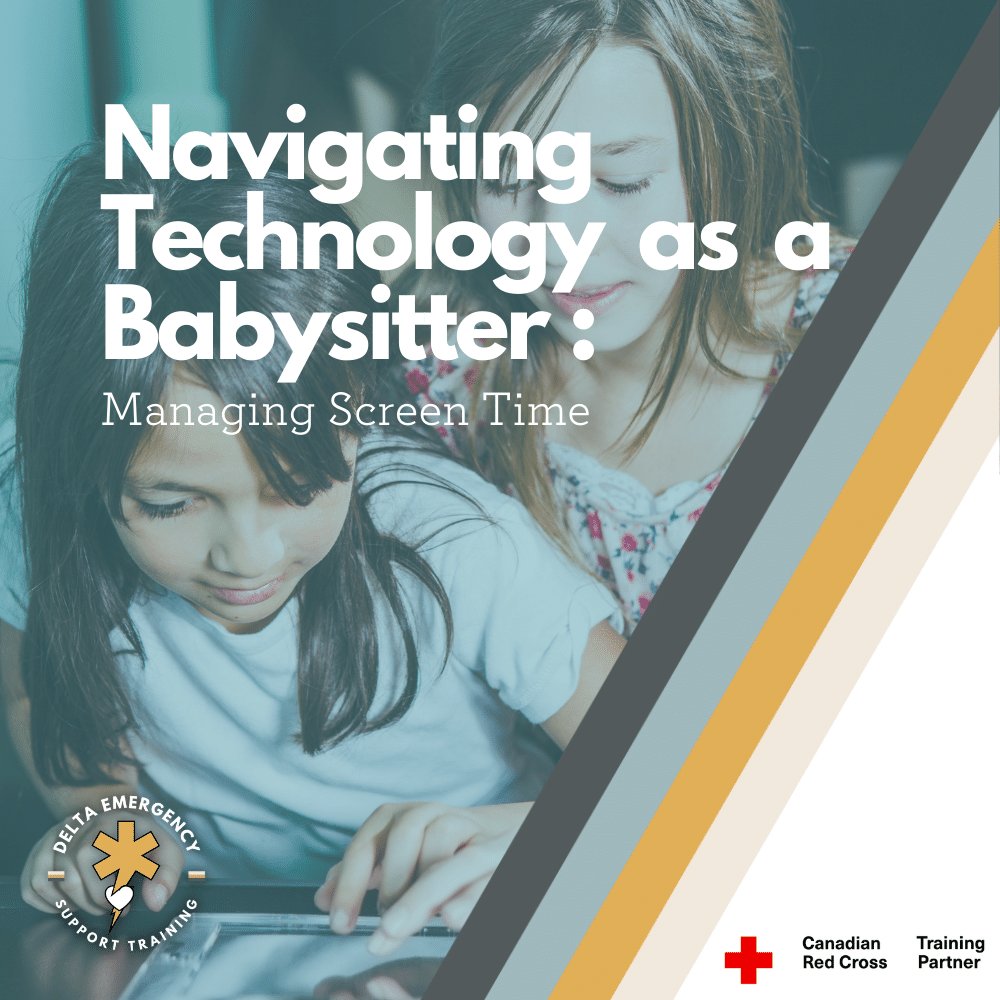
Navigating Technology as a Babysitter: Managing Screen Time

As a babysitter, it can be challenging to find activities and games that don't involve screen time. However, there are plenty of fun and engaging options that can promote children's creativity, learning, and physical activity. From arts and crafts to outdoor play and board games, here are some examples of non-screen time activities that a babysitter can do with children.
In today's digital age, technology is an integral part of our daily lives, and children are no exception. As a babysitter, you may find yourself grappling with how to navigate screen time and technology usage while caring for children. This can be especially challenging given the risks associated with the online world. However, with some thoughtful planning and preparation, you can ensure that you keep kids safe while also allowing them to enjoy the benefits of technology.

a child and babysitter using an iPad together, Both are girls. The child appears to be holding the iPad and looking at it, while the babysitter is helping her navigate the device.

Technology Today:

The world of technology is vast and ever-changing. From smartphones and tablets to smart TVs and gaming consoles, there are numerous devices and platforms that children can use to access the internet and engage with digital content. It's important to stay up to date on the latest trends and technologies, so you can help children navigate them safely and responsibly.

Acceptable Games and Screen Time:

While screen time can have its benefits, it's important to ensure that children are using technology in a safe and appropriate manner. As a babysitter, it's your responsibility to manage guidelines around technology that has been set by the parents. This can include limiting the amount of time children spend on devices, as well as choosing appropriate games and activities for them to engage with.

When it comes to acceptable games and screen time, consider the age of the child, their interests, and the appropriateness of the content. There are plenty of educational games and apps that can be used to help children learn and develop important skills. Similarly, many TV shows and movies can be both entertaining and educational, as long as they are age-appropriate and chosen carefully.

Keeping Kids Safe Online:

The internet can be a dangerous place, especially for young children who may not be aware of the risks. As a babysitter, it's important to take steps to keep kids safe while they're online. This can include using parental controls and filters to block inappropriate content, teaching children about online safety and privacy, and monitoring their online activity.

It's also important to be aware of the signs of cyberbullying, which can have serious consequences for children's mental health and well-being. Make sure that children know that they can come to you if they experience bullying or harassment online, and take steps to address the issue if it arises.

Alternatives for Screen Time:

While screen time can have its benefits, it's also important for children to engage in other types of activities that promote physical activity and socialization. As a babysitter, you can encourage children to participate in the following activities:

  1. Arts and Crafts

    - Encourage children to get creative with painting, drawing, coloring, or making crafts. You can provide them with a variety of art supplies, such as construction paper, scissors, glue, stickers, and markers, and let them create their own masterpieces.

  2. Board Games

    - Board games are a classic form of entertainment that can provide hours of fun. Some popular board games for children include Candyland, Chutes and Ladders, and Sorry!

  3. Outdoor Play

    - Get children outside for some fresh air and exercise. This can include playing catch, kicking a ball around, or going for a walk or bike ride. You can also set up an obstacle course or scavenger hunt for them to complete.

  4. Reading

    - Reading is a great way to promote literacy and language development. You can read books aloud to children, or encourage them to read on their own. Visit your local library and let children pick out their own books to read.

  5. Pretend Play

    - Pretend play allows children to use their imaginations and engage in creative role-playing. Set up a pretend kitchen, doctor's office, or grocery store and let children act out different scenarios.

  6. Music and Dancing

    - Play some music and encourage children to dance and sing along. You can also provide them with musical instruments, such as drums, tambourines, and shakers, and let them create their own band.

  7. Puzzles

    - Puzzles are a great way to improve problem-solving skills and hand-eye coordination. You can provide children with a variety of puzzles, such as jigsaw puzzles or Sudoku, and let them work on them alone or with friends.

  8. Science Experiments

    - Conduct simple science experiments with children, such as making a volcano erupt or creating a baking soda and vinegar reaction. You can find plenty of easy science experiments online.

  9. Building and Construction

    - Provide children with building blocks, Legos, or other construction toys and let them create their own structures and designs.

These are just a few examples of non-screen time activities and games that a babysitter can do with children. Remember, the key is to provide children with a variety of fun and engaging activities that promote their creativity, learning, and physical activity.

Consider setting up a schedule that includes both screen time and other types of activities, and encourage children to take breaks from devices regularly. This can help to promote a healthy balance of screen time and other activities.

Navigating screen time and technology usage can be a challenge for babysitters, but with some careful planning and preparation, you can ensure that children are using technology in a safe and appropriate manner. By setting guidelines around screen time usage, choosing appropriate games and activities, and taking steps to keep kids safe online, you can help children enjoy the benefits of technology while also promoting their overall health and well-being.

Babysitter Course

As a babysitter, it's important to prioritize screen time limits for the children you're caring for. At Delta Emergency Support Training, we understand how critical it is to establish healthy technology habits early on. We offer resources and tips to help you manage screen time effectively and keep children engaged in other activities.

In addition, we also offer babysitter courses that cover a range of important topics, including child development, safety, and communication. These courses are designed to equip you with the skills and knowledge you need to provide excellent care for children.

If you have any questions about screen time management or want to learn more about our babysitter courses and resources, please feel free to reach out to us at info@deltaemergency.com. We're here to support you and the children in your care.

Read More
Wilderness, First Aid, Chilcare, Babysitter's Kumari Malhotra Wilderness, First Aid, Chilcare, Babysitter's Kumari Malhotra

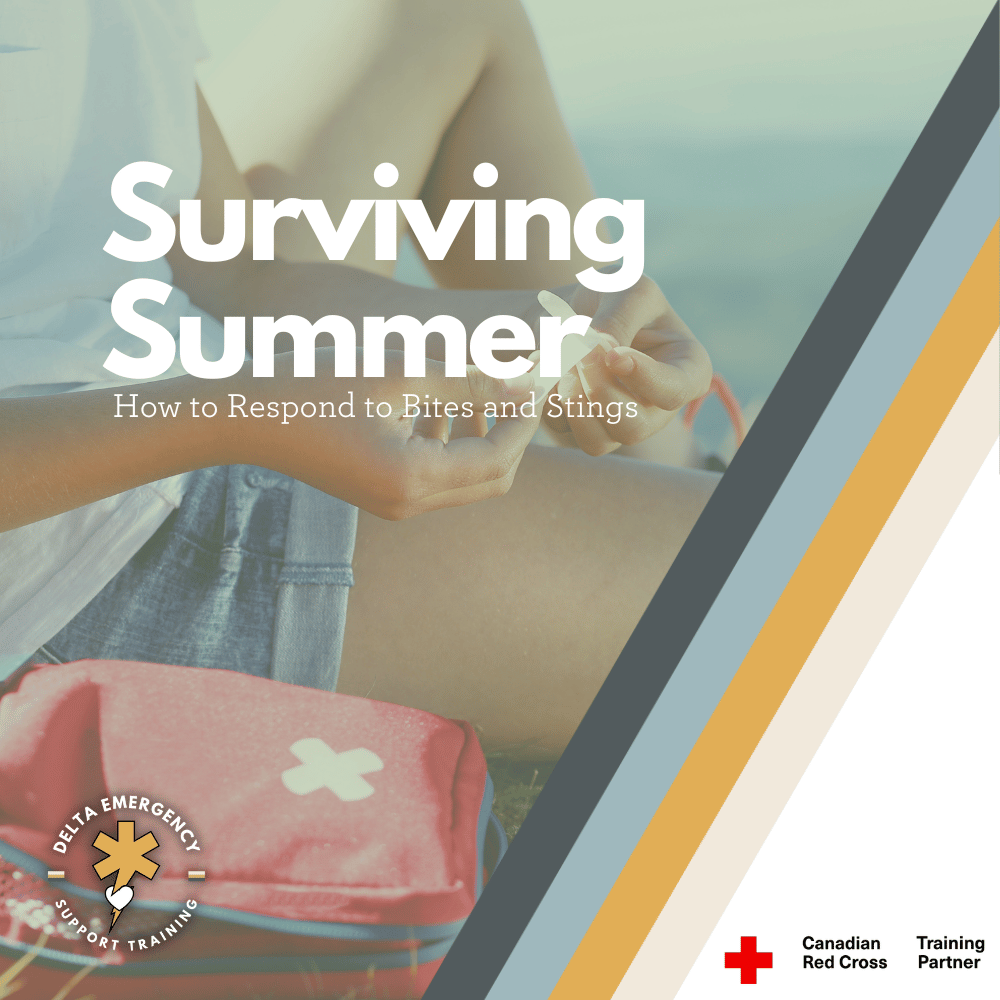
Surviving Summer: How to Respond to Insect Bites and Stings

To provide first aid for bites and stings, it's important to stay calm and identify the type of bite or sting. For insect stings, remove the stinger and clean the area, then apply a cold compress and take pain relievers. For bites from animals like snakes or spiders, seek medical attention immediately and keep the affected limb immobilized. If a severe allergic reaction occurs, call 911 or seek emergency medical attention. To prevent bites and stings, wear protective clothing and use insect repellent.
Bites and stings are a common occurrence in Canada, especially during the summer months when we spend the most time outdoors. While most bites and stings are harmless, some can cause allergic reactions, contain venom and transmit diseases. Knowing how to properly respond to bites and stings is an important part of first aid. In addition, certain bites and stings require specific first aid measures. Here's what you need to know about first aid for wasp, brown recluse, black widow, rattlesnake bites, and tick bites:

Girl preforming First Aid on her leg for a wasp sting.

DELTA FIRST AID TRAINEE USING FIRST AID TO TEND to HER wasp sting.

  1. Wasp Stings

    Wasp stings are a common occurrence during the summer months in Canada. If you are stung by a wasp, the first thing to do is to remove the stinger if it is still present. Gently scrape the stinger out with a flat object like a credit card or fingernail. Avoid squeezing or pinching the stinger, as this can cause more venom to enter your skin. Clean the area around the sting with soap and water to reduce the risk of infection. Apply a cold compress or ice pack to the sting area to reduce pain and swelling. You can also take over-the-counter pain relievers like acetaminophen or ibuprofen to help alleviate pain.

    Watch for signs of a severe reaction, such as difficulty breathing, swelling of the face or throat, hives, or rapid heartbeat. Seek medical attention immediately if you experience any of these symptoms, as wasp stings can cause allergic reactions and anaphylaxis in some people.

    If you have a history of severe allergic reactions to wasp stings, it is recommended to carry an epinephrine auto-injector (e.g., EpiPen) with you at all times. This can help treat an allergic reaction in an emergency situation until medical attention is available.

  2. Brown Recluse Spider

    Brown Recluse Spider Bites Brown recluse spiders are venomous and their bites can be dangerous, although not all bites will cause severe symptoms. If you are bitten by a brown recluse spider, clean the bite with soap and water to reduce the risk of infection. Apply a cool compress to the bite area to reduce pain and swelling. Take over-the-counter pain relievers like acetaminophen or ibuprofen to help alleviate pain.

    You may also need to elevate the affected limb to reduce swelling. Watch for signs of a severe reaction, such as fever, chills, or muscle cramps. Seek medical attention immediately if you experience any of these symptoms, as brown recluse spider bites can cause tissue damage and in rare cases, even death.

  3. Black Widow Spider

    Bites Black widow spiders are another venomous species, and their bites can also be dangerous. If you are bitten by a black widow spider, clean the bite with soap and water to reduce the risk of infection. Apply a cool compress to the bite area to reduce pain and swelling. You can also take over-the-counter pain relievers to help alleviate pain.

    Watch for signs of a severe reaction, such as muscle pain, nausea, or difficulty breathing. Seek medical attention immediately if you experience any of these symptoms, as black widow spider bites can be life-threatening.

  4. Rattle Snake

    If you are bitten by a rattlesnake, the first thing to do is to stay calm and still. Moving around will increase blood flow, which can spread the venom more quickly through your body. Keep the affected limb immobilized and at or below heart level to slow the spread of the venom. Remove any tight clothing or jewelry near the bite site to reduce constriction as swelling occurs. If possible, take note of the time of the bite and the location.

  5. Tick:

    If you find a tick attached to your skin, the first step is to carefully remove it as soon as possible. Using tweezers, grasp the tick as close to the skin as possible and pull it out with a slow, steady motion. Do not twist or jerk the tick, as this can cause the mouthparts to break off and remain in the skin.

    After removing the tick, clean the bite area with soap and water. Apply an antiseptic to reduce the risk of infection. Keep an eye on the bite area for any signs of redness, swelling, or rash, which may indicate a tick-borne illness such as Lyme disease.

    If you develop symptoms such as fever, headache, or fatigue within a few weeks of a tick bite, seek medical attention immediately. Early treatment with antibiotics can help prevent complications from tick-borne illnesses.

Knowing how to administer first aid for bites and stings is important in preventing serious complications and ensuring a quick recovery. Remember to remain calm, identify the type of bite or sting, and take the necessary steps to alleviate the symptoms

At Delta Emergency Support Training, we understand the importance of being prepared for medical emergencies. We offer a range of training sessions to help individuals and classes develop the skills and knowledge they need to respond to emergency situations. Our courses include Standard First Aid (SFA), Advanced First Aid (AFA), and Emergency Medical Responder (EMR), and we offer in-person, hybrid, and online options to suit different needs.

If you have any questions about our training sessions or medical emergencies in general, please don't hesitate to reach out to us. You can contact us at info@deltaemergency.com and we'll be happy to assist you.

Read More

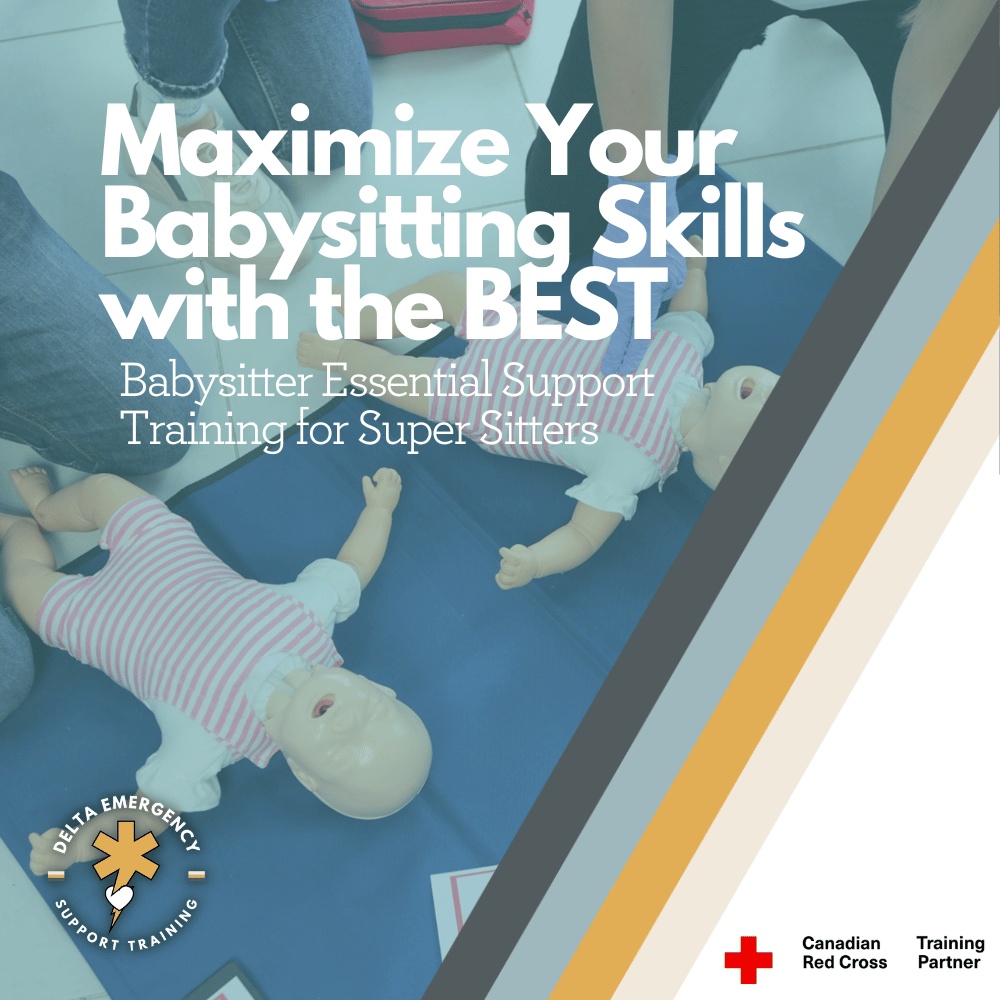
Maximize Your Babysitting Skills with the BEST: Babysitter Essential Support Training for Super Sitters

Sure! Here's an excerpt for "Maximize Your Babysitting Skills with the BEST: Babysitter Essential Support Training for Super Sitters":

As a babysitter, it's important to have the skills and knowledge necessary to provide safe and effective care for children. That's where the BEST program comes in. The Babysitter Essential Support Training (BEST) is a comprehensive training program designed to help sitters maximize their babysitting skills.

The BEST program covers a wide range of topics, including child development, safety, first aid and CPR, discipline, and communication. With the BEST program, you'll learn how to identify and respond to common childhood emergencies, such as choking and allergic reactions. You'll also learn how to manage challenging behavior and communicate effectively with parents.

In addition to the comprehensive training curriculum, the BEST program also provides ongoing support and resources for sitters. This includes access to a community of fellow sitters, as well as tools and resources to help you succeed in your babysitting career.

By completing the BEST program, you'll have the knowledge and confidence to provide exceptional care for children, while also setting yourself apart as a professional and reliable babysitter. So why wait? Enroll in the BEST program today and start maximizing your babysitting skills!
Delta Emergency Support Training’s BEST Babysitter’s Key Concepts:

BEST Babysitter

B - Babysitting Basics

E - Essential Skills

S - Safety Training

T - Tips and Techniques

In this context, Babysitter Essential Support Training, or "BEST" represents the core elements of the course, focusing on fundamental babysitting knowledge and skills, essential safety training, and practical tips and techniques for successful babysitting. This acronym could be used as a catchy and memorable way to promote the course and highlight its key features.

a group of babysitters-in-training gathered around infant dolls on the ground.

The Basics of Babysitting

Welcome to the world of babysitting! Being a babysitter can be a fun and rewarding job where you get to care for and entertain children while their parents are away. However, it also comes with a great deal of responsibility. In this chapter, we'll cover the basics of babysitting, including important skills, safety guidelines, and essential information for being a responsible babysitter.

1.1 The Role of a Babysitter

As a babysitter, your main role is to ensure the safety and well-being of the children in your care. You are responsible for supervising them, providing meals, helping with homework or other activities, and entertaining them. It's important to be attentive, patient, and nurturing to create a positive and enjoyable experience for the children you're looking after.

1.2 Basic Skills for Babysitters

There are several skills that are essential for babysitters to possess. These skills include:

1.2.1 Communication Skills:

As a babysitter, you need to be able to communicate effectively with both the children and their parents. You should be able to listen attentively to the children, understand their needs, and respond appropriately. Additionally, you should be able to communicate clearly with parents about any concerns or updates regarding the children's care.

1.2.2 Problem-Solving Skills:

Babysitting often involves handling unexpected situations, such as a child getting sick or having an emotional meltdown. Being able to think quickly and calmly in these situations and come up with appropriate solutions is crucial.

1.2.3 First Aid and CPR:

Knowing basic first aid and CPR (Cardiopulmonary Resuscitation) is extremely important as a babysitter. You should be able to respond to minor injuries or emergencies and provide appropriate care until professional help arrives.

1.2.4 Time Management Skills:

Babysitting often involves managing multiple tasks simultaneously, such as preparing meals, supervising playtime, and helping with homework. Good time management skills are necessary to ensure that all responsibilities are fulfilled efficiently.

1.2.5 Childcare Experience:

While it's not always a requirement, having previous experience in childcare, such as volunteering at a daycare or babysitting for family and friends, can be helpful in gaining confidence and understanding children's needs.

1.3 Safety Guidelines for Babysitters

Safety should be the top priority for any babysitter. Here are some important safety guidelines to follow:

1.3.1 Childproofing:

Make sure the environment is safe for the children by removing any potential hazards, such as sharp objects, choking hazards, and poisonous substances. Ensure that outlets are covered, cabinets with dangerous items are locked, and that there are no loose cords or wires that could pose a danger.

1.3.2 Emergency Preparedness:

Familiarize yourself with the location of fire extinguishers, first aid kits, and emergency phone numbers. Have a plan in place for emergencies, such as fires, natural disasters, or medical emergencies, and know how to evacuate the home safely.

1.3.3 Stranger Danger:

Teach the children about stranger danger and emphasize the importance of not opening the door to anyone they do not know. Instruct them to never give out personal information or accept gifts from strangers.

1.3.4 Safe Play:

Make sure the children are engaged in age-appropriate activities and supervise them closely during playtime, especially when playing outdoors or near water. Always follow the parents' guidelines regarding screen time, internet usage, and other safety concerns.

1.3.5 Transportation Safety:

If you need to transport the children, always ensure that they are secured in appropriate car seats or seat belts, depending on their age and size. Follow all traffic laws and never leave children unattended

1.1 The Role of a Babysitter

As a babysitter, your role goes beyond just supervising children. You are also responsible for providing emotional support, fostering a safe and nurturing environment, and being a positive role model. Here are some key aspects of the role of a babysitter:

1.1.1 Caregiver:

Your primary responsibility is to care for the well-being of the children in your charge. This includes ensuring their physical needs are met, such as providing meals, helping with hygiene tasks like bathing and changing diapers, and making sure they get enough rest.

1.1.2 Playmate:

Babysitting is not just about keeping children safe; it's also about having fun! Engaging in age-appropriate playtime activities, such as reading, playing games, and doing crafts, can help foster their development and create memorable experiences.

1.1.3 Educator:

Babysitters can also assist with homework or engage in educational activities, such as helping with reading, practicing math skills, or providing guidance on projects. Encouraging a love for learning and supporting their educational goals can be an important aspect of your role.

1.1.4 Mediator:

Children may sometimes have conflicts or disagreements. As a babysitter, you may need to step in and help resolve disputes in a fair and impartial manner. Teaching conflict resolution skills, promoting kindness and empathy, and setting clear boundaries can help establish a peaceful environment.

1.1.5 Communicator:

Effective communication is crucial in babysitting. You need to be able to clearly communicate with the children, understand their needs and emotions, and respond in a compassionate and respectful manner. You also need to communicate with the parents, providing updates on the children's well-being and any issues that may arise.

1.1.6 Safety Advocate:

Ensuring the safety of the children is your top priority. This includes supervising them at all times, being vigilant for potential hazards, and taking appropriate measures to prevent accidents. You should also be knowledgeable about emergency procedures, including knowing when to seek medical attention or contact parents in case of an emergency.

As a babysitter, one of your most crucial roles is to create a safe environment for the children in your care. Safety should be a top priority at all times to prevent accidents and ensure the well-being of the children. Here are some important aspects of safety that a babysitter should be knowledgeable about:

1.1.6.1 Supervision:

It's essential to provide constant supervision to the children, especially for younger children or those with special needs. You should always keep a watchful eye on the children, actively engaging with them and being aware of their activities, to prevent any accidents or injuries.

1.1.6.2 Hazard Prevention:

Identifying potential hazards in the environment and taking appropriate measures to prevent them is crucial. This includes ensuring that sharp objects, toxic substances, and small objects that pose a choking hazard are safely stored and out of reach of children. It also involves keeping doors and windows locked, securing staircases, and ensuring that outdoor play areas are safe and well-maintained.

1.1.6.3 Emergency Preparedness:

Babysitters should be prepared for emergencies and know how to respond appropriately. This includes knowing the location of first aid supplies, fire extinguishers, and emergency contact information. Babysitters should also be trained in basic first aid and CPR, as well as knowing the appropriate steps to take in case of a medical emergency or other emergencies, such as fires, natural disasters, or intruders.

1.1.6.4 Transportation Safety:

If you need to transport the children as part of your babysitting duties, whether it's walking them to school, driving them to activities, or using public transportation, it's important to follow proper safety guidelines. This includes using age-appropriate car seats or seat belts, following traffic rules, and ensuring that the children are always supervised and accounted for during transportation.

1.1.6.5 Internet and Technology Safety:

In today's digital age, babysitters should also be mindful of internet and technology safety. This includes monitoring children's online activities, setting age-appropriate content restrictions, and educating children about safe internet use and potential risks.

1.1.6.6 Communicating with Parents:

Babysitters should establish open and clear communication with parents regarding safety protocols, emergency procedures, and any specific instructions or concerns related to the children's safety. It's important to work collaboratively with parents to ensure that the children's safety is prioritized at all times.

By prioritizing safety and being vigilant in identifying and addressing potential hazards, a babysitter can create a secure environment for the children in their care. Remember, prevention is key, and it's always better to be proactive in ensuring the safety of the children rather than reacting to an emergency situation.

Remember, as a babysitter, you are entrusted with the care and well-being of someone else's precious children. Your role goes beyond just being present; it involves building trust, creating a positive environment, and providing excellent care for the children in your charge.

BABYSITTER QUIZ!

  1. What is the primary responsibility of a babysitter?

  • A. Providing meals

  • B. Playing games

  • C. Teaching conflict resolution skills

  • D. Ensuring safety

    2. Which of the following is NOT a role of a babysitter?

  • A. Caregiver

  • B. Mediator

  • C. Cleaning the house

  • D. Educator

    3. What should a babysitter do in case of an emergency

  • A. Ignore it and continue with regular activities

  • B. Contact the parents immediately

  • C. Panic and call 911

  • D. Leave the house and go home

    4. Why is effective communication important for a babysitter?

  • A. It helps the babysitter bond with the children

  • B. It allows the babysitter to understand the children's needs and emotions

  • C. It helps in resolving conflicts among children

  • D. All of the above

    5. What should a babysitter do to ensure the safety of the children?

  • A. Supervise the children at all times

  • B. Be vigilant for potential hazards

  • C. Follow emergency procedures

  • D. All of the above

Answers:

  1. D. Ensuring safety

  2. C. Cleaning the house

  3. B. Contact the parents immediately

  4. D. All of the above

  5. D. All of the above

Note: The quiz questions and answers may vary depending on specific guidelines or requirements of the babysitting situation. It's important to always follow the parents' instructions and guidelines when babysitting.

At Delta Emergency Support Training we are happy to answer any questions you may have about Babysitter Skills and Babysitter Certification. We provide training sessions for individuals or classes. We have options for in person, hybrid or online classes for Babysitter’s, Standard First Aid (SFA), Advanced First Aid (AFA), Emergency Medical Responder (EMR), and more courses. For all inquiries please email info@deltaemergency.com

Read More
Chilcare, Babysitter's Jarrett Chisholm Chilcare, Babysitter's Jarrett Chisholm

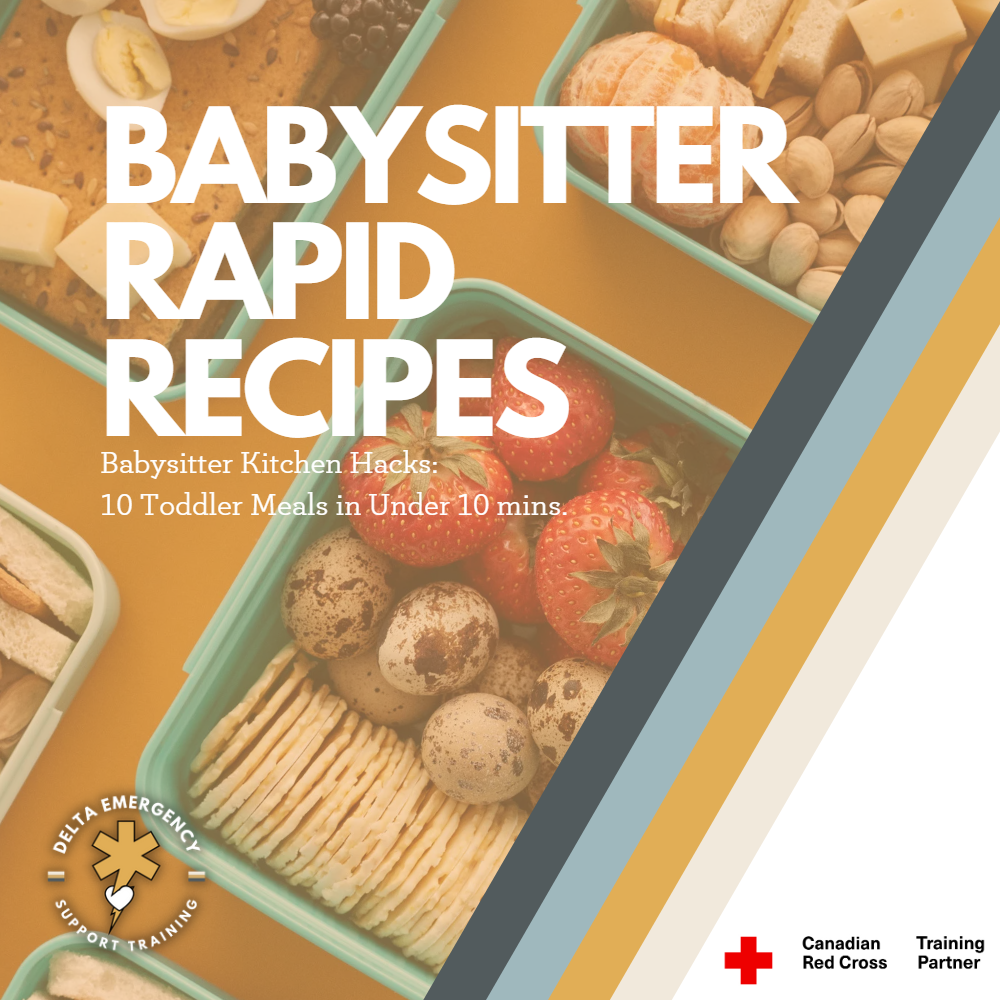
Rapid Recipes: 10 Easy and Nutritious Toddler Meals in Under 10 Minutes - Babysitter Kitchen Hacks!

Looking for quick and nutritious meal ideas for toddlers? Our babysitter kitchen hacks have got you covered! In this blog post, we'll share 10 easy and delicious toddler meals that you can make in under 10 minutes. Say goodbye to mealtime struggles and hello to happy, satisfied toddlers!
Babysitter Kitchen Hacks: 10 Toddler Meals in Under 10 Minutes.

Welcome to our Delta Dispatch Blog series, “Rapid Recipes”, where we'll be sharing some fantastic kitchen hacks for busy babysitters! As a babysitter, you know that mealtime with toddlers can sometimes be a challenge. They're often on the move, easily distracted, and have particular tastes. But fear not! We've got you covered with our collection of rapid recipes – 10 easy and nutritious toddler meals that you can whip up in under 10 minutes. Say goodbye to mealtime stress and hello to happy, satisfied toddlers!

  1. Veggie and Hummus Wraps: Spread hummus on a whole wheat tortilla, and add sliced cucumbers, carrots, bell peppers, and other favorite veggies. Roll up and slice into bite-sized pieces. Toddlers can help by washing the veggies, spreading the hummus, and rolling up the tortilla with assistance.

  2. Greek Yogurt with Fruit and Granola: Serve Greek yogurt with a variety of mixed berries, diced fruits like apples or bananas, and a sprinkle of granola. Toddlers can help by rinsing the fruits, scooping yogurt into a bowl, and sprinkling granola on top with supervision.

  3. Cheese and Crackers Plate: Arrange slices or cubes of cheese, whole grain crackers, and a variety of colorful fruits and veggies, such as cherry tomatoes, cucumber slices, and apple slices, for a fun and nutritious snack plate. Toddlers can help by arranging the cheese and crackers on a plate and placing the fruits and veggies in separate compartments.

  4. Peanut Butter and Jelly Sandwich with Fruit Salad: Make a classic peanut butter and jelly sandwich using whole grain bread, and serve with a side of mixed fruit salad. Toddlers can help by spreading peanut butter or jelly (if age-appropriate) on the bread, and tossing the fruits for the salad with supervision.

  5. Tuna Salad with Crackers: Mix canned tuna with mayonnaise or Greek yogurt, and add diced celery, pickles, and a pinch of salt and pepper. Serve with whole grain crackers. Toddlers can help by stirring the tuna salad ingredients (if age-appropriate), and arranging the crackers on a plate.

  6. Veggie Sushi Rolls: Spread cooked sushi rice on a sheet of nori (seaweed), and add sliced avocado, cucumber, and carrot sticks. Roll up tightly and slice into bite-sized pieces for a fun and healthy snack or light meal. Toddlers can help by placing the sliced veggies on the rice, and rolling up the nori with assistance.

  7. Cottage Cheese with Fresh Fruit: Serve cottage cheese with a variety of fresh fruits, such as mixed berries, diced pineapple, and mango chunks, for a protein-rich and refreshing snack or breakfast option. Toddlers can help by rinsing the fruits and scooping the cottage cheese into a bowl.

  8. Turkey and Cheese Roll-Ups with Veggie Sticks: Roll up slices of deli turkey and cheese, and serve with sliced veggies like carrots, cucumbers, and bell peppers for a balanced and finger-friendly meal. Toddlers can help by arranging the turkey and cheese slices, and placing the veggie sticks on a plate.

  9. Banana and Nut Butter Sandwich with Veggie Straws: Spread nut butter on whole grain bread, and add slices of banana. Serve with veggie straws for a satisfying and crunchy snack or light meal. Toddlers can help by spreading the nut butter on the bread (if age-appropriate), and arranging the banana slices and veggie straws on a plate.

  10. Fruit and Yogurt Smoothie: Blend together a variety of fruits, such as strawberries, bananas, and blueberries, with yogurt and milk or water for a refreshing and nutrient-rich smoothie. Toddlers can help by washing the fruits, adding them to the blender (with supervision), and pressing the button to blend (if age-appropriate).

As always, be mindful of any dietary restrictions or allergies of the toddler, and seek guidance from the parents if needed. Adapt cooking tasks according to their age and abilities. Encourage handwashing, ensure proper food safety practices by handling and storing food appropriately, and supervise the toddler while they are eating.

With these quick and delicious recipes in your arsenal, you'll be armed with kitchen hacks that will make mealtime a breeze during your babysitting adventures. Encourage handwashing, ensure proper food safety practices by handling and storing food appropriately, and supervise the toddler while they are eating.

Always remember to prioritize safety in the kitchen, and take considerations of any dietary restrictions or allergies the toddlers may have - seek guidance from the parents if needed. Adapt cooking tasks according to their age and abilities.

These rapid recipes will not only save you time and effort but also help you provide nutritious meals that toddlers will love. So, get cooking, and enjoy making mealtimes fun and enjoyable for the little ones in your care!

Bonus!

Here are 10 unique song ideas for babysitter’s to play for a toddler while cooking each menu item, making mealtime even more fun:

  1. Veggie and Hummus Wraps: "Happy" by Pharrell Williams

  2. Greek Yogurt with Fruit and Granola: "Fruit Salad" by The Wiggles

  3. Cheese and Crackers Plate: "The Cheese Rap" by Parry Gripp

  4. Peanut Butter and Jelly Sandwich with Fruit Salad: "Banana Bread" by The Mini Pop Kids

  5. Tuna Salad with Crackers: "Under the Sea" from The Little Mermaid Soundtrack

  6. Veggie Sushi Rolls: "Sushi" by Merk & Kremont

  7. Cottage Cheese with Fresh Fruit: "Apples and Bananas" by Raffi

  8. Turkey and Cheese Roll-Ups with Veggie Sticks: "We Will Rock You" by Queen

  9. Banana and Nut Butter Sandwich with Veggie Straws: "The Nut Butter Blues" by The Pop Ups

  10. Fruit and Yogurt Smoothie: "Shake It Off" by Taylor Swift

Read More
Chilcare, Babysitter's Jarrett Chisholm Chilcare, Babysitter's Jarrett Chisholm

From Babysitter to Chef: Easy Toddler Food Prep Guide!

Are you ready to level up from being a babysitter to a chef for toddlers? Feeding a picky eater can be challenging, but with our easy toddler food prep guide, you'll be preparing nutritious meals that your little one will love in no time! Discover simple tips and tricks for creating delicious and healthy meals that are perfect for growing toddlers.

Nutritious Meals for Your Toddler Made Easy

Here's a simple step-by-step guide for babysitters to make food for toddlers:

Step 1:

Wash Hands and Prepare Ingredients: Before handling any food, it's important to wash your hands thoroughly with soap and water. Gather all the ingredients and utensils you'll need for the recipe. For toddlers, it's best to use fresh, age-appropriate ingredients and avoid any potential allergens or choking hazards.

Step 2:

Follow the Recipe: If you're using a recipe, carefully read through it before you start. Follow the instructions and measurements accurately to ensure that the food is safe and delicious. If you're not using a specific recipe, you can still create simple and healthy meals for toddlers by incorporating a variety of foods from different food groups, such as fruits, vegetables, grains, protein, and dairy.

Step 3:

Prepare the Food: Wash and peel any fruits or vegetables as needed. Cut them into small, bite-sized pieces that are easy for toddlers to chew and swallow. Cook any grains or proteins according to the recipe or package instructions. Avoid using excessive salt, sugar, or spices in toddler food, and opt for natural flavors whenever possible.

Step 4:

Check for Allergens: Before serving any food to a toddler, it's important to check for potential allergens. Common allergens in toddler food include peanuts, tree nuts, eggs, milk, soy, wheat, and fish. If you're unsure about any ingredient or food, it's best to consult with the parents or avoid it altogether.

Step 5:

Serve Appropriately: For toddlers, it's important to serve food in a safe and age-appropriate manner. Avoid foods that pose a choking hazard, such as whole grapes, nuts, hard candies, popcorn, or hot dogs. Cut food into small, manageable pieces, and encourage toddlers to sit down and eat at a table or high chair.

Step 6:

Monitor and Engage: As a babysitter, it's crucial to closely monitor toddlers while they're eating to ensure their safety. Stay engaged and interact with the child during mealtime, encouraging them to eat at a comfortable pace and drink water as needed. Avoid distractions such as screens or toys during mealtime, and be mindful of any signs of discomfort or choking.

Step 7:

Clean Up: After the meal, clean up the cooking area and utensils, and store any leftovers properly according to food safety guidelines. Wash your hands thoroughly again to maintain proper hygiene.

Step 8:

Communicate with Parents: Finally, communicate with the parents about what the toddler ate, how much they ate, and any concerns or observations during mealtime. It's important to keep open communication with the parents to ensure that the toddler's dietary needs and preferences are respected.

Remember to always prioritize safety, hygiene, and age-appropriateness when preparing food for toddlers. If you have any questions or concerns, it's best to consult with the parents or a healthcare professional.


Our next post, “Creative and Delicious: Babysitter's Step-by-Step Guide to Fun and Nutritious Toddler Meals!” will give you 10 simple meals to make while babysitting!


At Delta Emergency Support Training we are happy to answer any questions you may have about preparing food as a babysitter. We provide training sessions for individuals or classes. We have options for in person, hybrid or online classes for Babysitters, Standard First Aid (SFA) Advanced First Aid (AFA) and Emergency Medical Responder (EMR)courses. For all inquiries please email info@deltaemergency.com

Read More