The Delta Dispatch
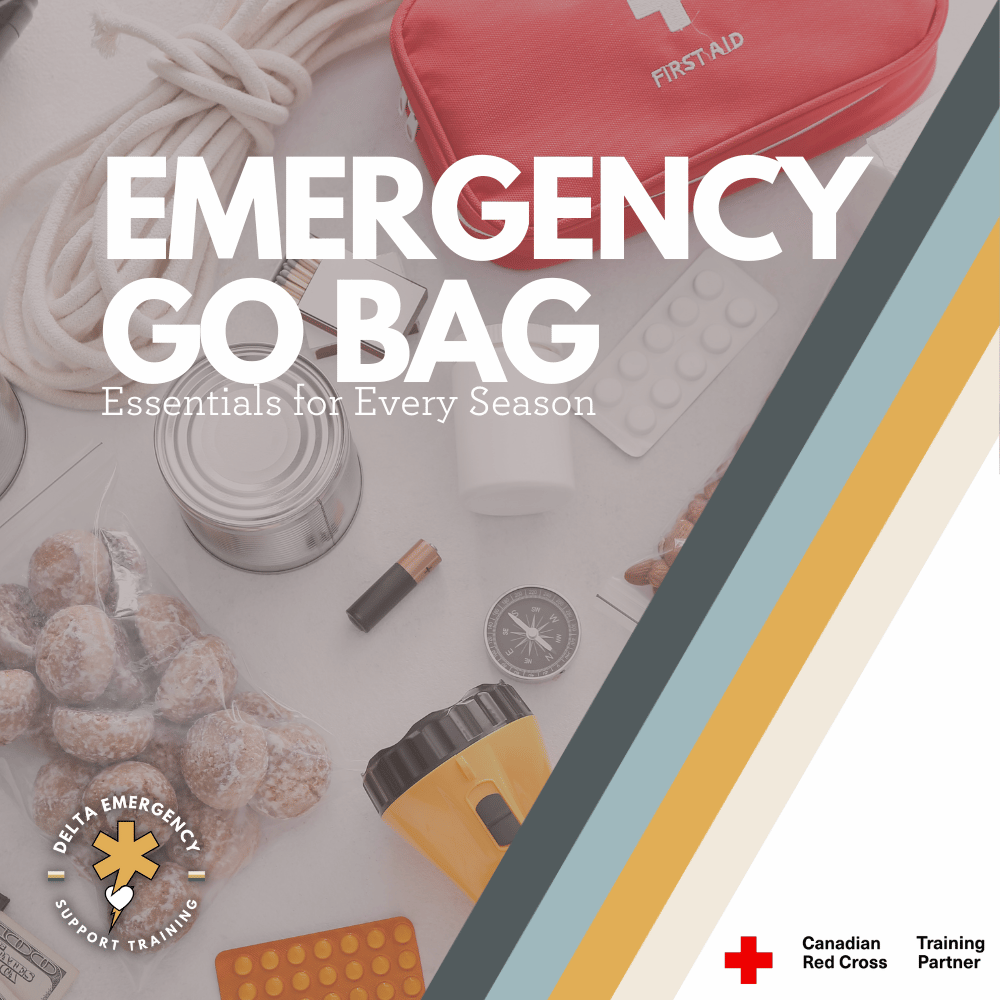
Emergency Go Bag: Essentials for Every Season
In uncertain times, having a well-prepared go bag can be a lifesaver. Emergencies like natural disasters, power outages, or sudden evacuations can strike without warning, necessitating swift action to ensure the safety and well-being of yourself and your loved ones. Learn what to pack and how to stay ready with our detailed checklist.
In uncertain times, having a well-prepared go bag can be a lifesaver. Emergencies like natural disasters, power outages, or sudden evacuations can strike without warning, necessitating swift action to ensure the safety and well-being of yourself and your loved ones. A go bag is a carefully curated collection of essential items tailored to your specific needs and circumstances, providing you with the necessary resources to navigate challenging situations with confidence. In the event of an emergency that requires evacuation, everyone in your household should have a Go Bag packed and ready to go. Your Go Bag should be a sturdy and easy-to-carry backpack or duffle bag containing things you would want to have with you if you have to leave in a hurry.
Specific Evacuation Scenarios
Fire Evacuation:
In the event of a wildfire or structural fire, evacuation may be necessary to ensure safety. Pack your go bag if authorities issue evacuation orders or if you perceive imminent danger.
Be prepared to leave immediately and follow designated evacuation routes. Prioritize safety over belongings and adhere to instructions from emergency responders.
Tornado Warning:
During a tornado warning, seek shelter in a sturdy building or designated tornado shelter. If evacuation is advised due to the severity of the storm, grab your go bag and proceed to the nearest safe location.
Monitor weather alerts and heed evacuation orders from local authorities to minimize the risk of injury or loss of life.
Flooding:
In flood-prone areas, be vigilant for flood warnings or flash flood alerts. If evacuation becomes necessary due to rising waters or compromised infrastructure, secure your go bag and evacuate to higher ground.
Avoid driving through flooded areas, as water depth and currents can be deceptive and pose significant hazards to both occupants and vehicles.
Core Essentials
Water:
Carry at least one gallon of water per person per day for drinking and sanitation purposes. Dehydration is a significant risk during emergencies, especially in situations where access to clean water may be compromised.
Consider portable water purification tablets or filters for additional water sources, ensuring access to safe drinking water even in challenging conditions.
Food:
Pack a 3-day supply of non-perishable, high-energy foods such as granola bars, canned goods, and dried fruits. These items provide sustenance without requiring refrigeration or cooking, essential during prolonged periods away from home.
Include a manual can opener and utensils for food consumption, ensuring you can access canned goods without difficulty even in the absence of electricity.
Medication and First Aid Supplies:
Gather a sufficient supply of prescription medications and over-the-counter remedies, ensuring you have an ample stock to last through any potential disruption in access to healthcare services.
Include a comprehensive first aid kit containing bandages, antiseptic wipes, pain relievers, and any personal medical supplies specific to your household's needs. Injuries and illnesses can occur unexpectedly, making prompt medical attention critical.
Clothing:
Rotate clothing based on seasonal needs, including sturdy shoes, socks, and weather-appropriate outerwear. Hypothermia and heat-related illnesses are significant concerns during emergencies, necessitating proper attire for protection.
Pack spare underwear and comfortable layers for extended periods away from home, prioritizing moisture-wicking materials to manage sweat and maintain comfort in fluctuating temperatures.
Additional Essentials
Flashlight and Batteries:
Include a reliable flashlight with extra batteries to provide illumination in dark or low-light conditions.
Whistle:
Carry a whistle to attract attention and signal for help in case of emergencies, especially if you become trapped or injured.
Dust Mask:
Protect yourself from airborne particles and contaminants with a dust mask, essential for situations involving smoke, dust, or debris.
Local Maps:
Keep local maps in your go bag to navigate unfamiliar areas or evacuation routes, especially if GPS or electronic devices are unavailable.
Manual Can Opener:
Ensure access to canned food supplies with a manual can opener, as electricity may be unavailable during emergencies.
Battery-Powered or Hand-Cranked Radio:
Stay informed about emergency updates and developments with a battery-powered or hand-cranked radio, providing access to news and information even in the absence of electricity.
Entertainment for Children:
Include books, games, puzzles, or other activities for children to help keep them occupied and alleviate stress during evacuation or sheltering.
Conclusion:
A well-prepared go bag tailored to your specific needs and environment can provide peace of mind during emergencies. By including core essentials like water, food, medication, and clothing, along with consideration of specific evacuation scenarios and additional essentials, you can ensure readiness for any situation. Remember to periodically review and update your go bag to maintain its effectiveness. Stay safe, stay prepared!
Surviving a Tornado: Key Tips to Increase Your Odds of Safety
Surviving a tornado requires preparedness, quick thinking, and the ability to adapt in the face of nature's fury. As recent events have shown, such as the devastating tornado outside Calgary, it is crucial to arm ourselves with knowledge and take proactive measures to increase our odds of safety. Staying informed about weather conditions and having a plan in place are paramount. From creating a tornado emergency kit filled with essential supplies to reinforcing your safe space, every step you take towards preparedness can make a significant difference. Remember, when a tornado strikes, seek shelter immediately, cover yourself for protection, and stay low to minimize the risk. And don't forget to have an evacuation bag ready, packed with essentials, so that you can swiftly respond to evacuation orders. With these precautions and a calm mindset, you can face tornadoes with greater confidence, ensuring the safety of yourself and your loved ones.
Tornadoes are powerful natural disasters that can cause extensive damage and put lives at risk. In the wake of an awful tornado outside Calgary, it is crucial to be prepared and informed about how to enhance your chances of survival. This guide provides essential tips to help you navigate through a tornado event and prioritize your safety.
Destructive tornado destroys farm.
Before the Tornado
Stay Informed:
Keep track of weather forecasts and pay attention to tornado watches and warnings issued by local authorities.
Utilize weather alert systems, radio broadcasts, and smartphone apps for timely updates.
Seek Shelter:
Immediately seek shelter in a sturdy structure with a basement if possible.
If a basement is unavailable, find an interior room on the lowest level, away from windows.
Prepare an Emergency Kit:
Create a tornado emergency kit with essentials like water, non-perishable food, a battery-powered radio, flashlight, first aid supplies, and a charged cell phone.
Reinforce Your Safe Space:
Strengthen your safe room or basement by using sturdy furniture or mattresses for added protection against debris.
Securely anchor large objects to prevent them from becoming hazardous projectiles.
During the Tornado
Cover Up for Protection:
Use mattresses, heavy blankets, or a bicycle helmet to shield yourself from flying debris.
Cover your head and body to reduce the risk of injury.
Stay Low and Hold On:
If caught in an open area with no shelter, lie flat in a low-lying area and cover your head with your arms.
Hold on to a stable object to avoid being swept away by strong winds.
If Caught Outside
Seek the Lowest Elevation:
Look for a nearby ditch, depression, or low-lying area and take cover.
Being in a lower position reduces the chances of being struck by debris.
Lie Flat and Cover Your Head:
Once in a low-lying area, lie flat on the ground with your face down and cover your head and neck with your arms.
Protecting your head reduces the risk of injury.
Be Aware of Surroundings:
Stay vigilant and watch out for flying objects, falling debris, or hazards that may pose a threat to your safety.
Stay away from trees, electrical poles, and structures vulnerable to collapse.
Evacuation Preparedness
Create an Evacuation Bag:
Pack essential items such as important documents, communication tools, clothing, food, water, first aid supplies, emergency cash, and personal hygiene items.
Keep the bag in a readily accessible location for quick retrieval during a tornado warning or evacuation situation.
Regularly Review and Update:
Periodically review and update the contents of your evacuation bag, checking expiration dates and replacing any necessary items.
Ensure that all documents and contact information are up to date.
Conclusion
Surviving a tornado requires preparedness, quick action, and a calm mindset. By staying informed, seeking shelter immediately, and following the guidelines provided, you can significantly increase your odds of staying safe during a tornado event. Additionally, being prepared with an evacuation bag ensures you have essential supplies during an evacuation. Remember, prioritize your safety, stay calm, and take necessary precautions to protect yourself and your loved ones in the face of a tornado.

