The Delta Dispatch
Crush Injuries: When to leave it to the professionals
Accidents can happen at any time and in various environments, resulting in different types of injuries. One particularly challenging type of injury to manage is a crush injury. Whether caused by heavy machinery, falling objects, or high-pressure forces, crush injuries can lead to severe damage to body tissues, bones, and organs. In this comprehensive guide, we provide first aid responders with the knowledge and skills needed to effectively manage crush injuries. From assessing the scene and preserving the airway to controlling bleeding and understanding the risks of object removal, we cover crucial steps and considerations. Additionally, we delve into the impact of acidosis in crush injuries, emphasizing the importance of professional medical assistance. By being prepared and informed, first aid responders can provide essential care and potentially save lives in crush injury incidents.
Accidents can occur at any time and in various environments, resulting in different types of injuries. One particularly challenging type of injury to manage is a crush injury. These injuries can be caused by heavy machinery, falling objects, or other high-pressure forces, leading to severe damage to body tissues, bones, and organs.
Industrial worker having first aid preformed on a injured arm.
As a first aider or professional responder, it is crucial to be prepared and knowledgeable about how to provide immediate care to individuals with crush injuries. In this comprehensive guide, we will explore the basics of crush injuries, discuss the essential steps to effectively manage and treat them, and outline the considerations specific to first responders.
Understanding Crush Injuries: A crush injury occurs when a body part becomes trapped between two objects or experiences a significant force that compresses the tissues. Such injuries can result in a range of complications, including bleeding, fractures, muscle damage, nerve injuries, and even internal organ damage. Immediate intervention is vital to prevent further harm and minimize the risk of long-term consequences. It is important to note that if an object has been in place for more than ten minutes in a crush injury, it should not be removed.
Steps to Treat Crush Injuries
Ensure Personal Safety: Before providing aid to someone with a crush injury, always assess the surroundings for potential dangers. Ensure that the scene is safe for both the injured person and yourself. Be cautious of any ongoing hazards, such as unstable structures, electrical wires, or potential falling objects.
Call for Professional Help: If the crush injury is severe or life-threatening, call emergency medical services immediately. Crush injuries often require advanced medical interventions, including surgical procedures, and should be evaluated by healthcare professionals. Communicate with medical control for guidance as needed.
Preserve the Airway: If the individual is unconscious or having difficulty breathing, check their airway for any obstructions. If necessary, clear the airway by performing the head-tilt, chin-lift maneuver, or using appropriate techniques as per your first aid training. Maintaining a clear airway is crucial, particularly if the object is impeding breathing.
Control Bleeding: Apply direct pressure on any visible wounds to control bleeding. Use a sterile cloth, bandage, or any clean cloth available. If the bleeding is severe or arterial, apply firm pressure and consider using a tourniquet as a last resort. Communicate with medical control for guidance on tourniquet application if available.
Provide Comfort and Reassurance: Crush injuries can be traumatic for the victim, causing pain, anxiety, and distress. Offer comfort and reassurance while waiting for professional help to arrive. Keep the individual warm, provide emotional support, and let them know that help is on the way.
Monitor Vital Signs: While waiting for medical professionals, continuously monitor the individual's vital signs, including breathing, pulse, and level of consciousness. Be prepared to perform cardiopulmonary resuscitation (CPR) if necessary. Communicate changes in the individual's condition to medical control.
Considerations for First Responders
Scene Safety: Prioritize the safety of both the injured person and the first responders. Assess the scene for hazards and take necessary precautions to ensure a safe working environment.
Airway compromisation: In cases where a crush injury results in airway being compromised, immediate action must be taken to ensure the person's ability to breathe. If the object is crushing an area around the chest neck or face obstructing breathing, it is necessary to carefully move or remove the object to restore a clear airway. However, caution should be exercised to avoid causing further harm or worsening the injury.
Professional Judgment: First responders, such as paramedics or emergency medical technicians (EMTs), should rely on their training and experience to make decisions regarding object removal or other interventions. Consult with medical control as needed.
Critical Situations: In life-threatening situations where the object is obstructing the airway, causing severe bleeding, or compromising circulation, first responders may need to remove the object promptly to preserve life and restore normal breathing. Follow protocols and training guidelines specific to your region.
Specialized Tools and Techniques: First responders may have access to specialized tools and techniques to safely remove objects from crush injuries. Use these tools according to training and guidelines to minimize the risk of further injury.
Communication and Collaboration: Maintain effective communication with your team and medical control. Provide a detailed report of the situation and seek guidance if unsure about the appropriate course of action. Collaborate with medical professionals to ensure the best possible outcome.
Dangers of Removing Objects
Removing an object involved in a crush injury should only be done when necessary and under appropriate circumstances. It is crucial to consider the following dangers:
Further Tissue Damage: Removing an object without proper medical guidance and expertise can cause additional harm. It may tear or damage tissues, exacerbate bleeding, or worsen fractures.
Embedded Objects: If an object is deeply embedded or stuck in the injured area, attempting to remove it may cause more harm than good. It is best to leave the removal to healthcare professionals with specialized tools and techniques.
Acidosis
Acidosis is a condition characterized by an imbalance in the body's pH levels, resulting in increased acidity. In the context of crush injuries, acidosis can occur when the injured extremity experiences compromised circulation, leading to inadequate oxygen and nutrient supply to the tissues. Without sufficient oxygen, the tissues switch to anaerobic metabolism, which produces lactic acid as a byproduct.
When circulation is cut off to an extremity due to a crush injury, the accumulated lactic acid and other acidic waste products remain trapped within the affected tissues. However, when circulation is restored, such as through the release of the compressive force or during medical intervention, the acidic waste can be reintroduced into the circulatory system. This can lead to systemic acidosis, where the blood and body fluids become more acidic.
Systemic acidosis can have detrimental effects on various organs, including the heart. The increased acidity interferes with normal cellular function and can affect the heart's ability to pump effectively. It can impair the delivery of oxygen and nutrients to the body's tissues and organs, further exacerbating the injury's impact. Additionally, acidosis can disrupt the body's electrolyte balance and interfere with enzymatic reactions necessary for proper cellular functioning.
Managing acidosis in crush injuries involves addressing the underlying cause and restoring normal circulation and oxygenation to the affected tissues. This may require immediate medical intervention, such as surgical decompression or the use of specialized equipment to release the compressive force. In severe cases, intravenous fluids and medications may be administered to correct the acid-base imbalance.
It is important for first aid responders and healthcare professionals to be aware of the potential complications of acidosis in crush injuries. Early recognition and prompt treatment of acidosis, along with comprehensive management of the crush injury itself, can help minimize the adverse effects on the he
Conclusion
Crush injuries require immediate and appropriate first aid intervention to prevent further harm and improve the chances of recovery. As a first aid responder, your role is crucial in stabilizing the injured person, controlling bleeding, and providing comfort while awaiting professional medical assistance. However, it is important to recognize the limitations of first aid and seek professional help for severe crush injuries.
At Delta, we understand the unique risks associated with crush injuries, particularly in industrial settings. That's why we offer industry-specific training programs designed to equip first aid responders with the knowledge and skills necessary to handle these situations effectively. Our specialized training covers protocols for stabilizing the injured person, controlling bleeding, and managing potential complications.
To ensure you are fully prepared to respond to crush injuries, contact us for specialized training. Our programs are tailored to the needs of industrial workplaces where crush injuries are a significant concern. By undergoing our training, you can enhance your ability to provide essential assistance in situations involving crush injuries, potentially saving lives and minimizing the long-term impact on individuals affected by these injuries.
Always remember to prioritize the preservation of the airway in crush injuries, and if the object is impeding breathing, take prompt action to restore normal respiration. Additionally, exercise caution when considering object removal and be aware of the risks associated with acidosis when circulation is compromised. Collaboration with medical control, adherence to protocols, and a thorough understanding of the risks and appropriate interventions will contribute to effective first aid response in crush injury incidents.
Inspiring Imagination: Crafts and Games to Entertain Kids During Babysitting
Are you looking for engaging activities to make your babysitting sessions a memorable and enjoyable experience? Look no further! Our blog is packed with exciting ideas and crafts that will keep kids entertained and delighted. From outdoor adventures that spark curiosity and exploration to creative arts and crafts that nurture imagination, we have a wide range of activities suitable for children of all ages. Whether you're babysitting a toddler, a curious preschooler, or an energetic 9-year-old, we've got you covered. Join us as we dive into the world of fun-filled adventures and create unforgettable moments with the children you care for. Get ready to embark on a journey of laughter, creativity, and endless entertainment!
As a babysitter, one of your primary responsibilities is to keep children occupied and entertained during your time together. Engaging kids in activities not only ensures their enjoyment but also promotes their development and well-being. By providing a variety of stimulating and age-appropriate activities, you can create a positive and enriching environment for the children you're babysitting. In this blog post, we'll explore the importance of keeping children occupied and entertained, and we'll share some fun and engaging ideas to make your babysitting sessions enjoyable for both you and the kids.
We have organized the activities into different age groups to cater to the specific needs and interests of children at various stages of development. From toddlers to preteens, we have carefully selected age-appropriate activities that will keep children engaged and entertained during your babysitting sessions. Our goal is to provide you with a comprehensive guide that offers a range of options suitable for children of any age, ensuring that you can find the perfect activities to create memorable and enjoyable experiences as a babysitter.
Toddlers
Toddlers, typically ranging from ages 1 to 3, are at a stage of rapid exploration and discovery. Their interests often revolve around sensory experiences, physical movement, and simple cause-and-effect relationships. Toddlers are capable of basic motor skills such as crawling, walking, and grasping objects. They enjoy activities that engage their senses, encourage fine and gross motor skills, and stimulate their cognitive and social development. Listed below are activities suitable for toddlers that involve sensory exploration, creative play, and interactive experiences. Providing age-appropriate activities allows toddlers to explore their surroundings, enhance their skills, and satisfy their natural curiosity.
Sensory bin exploration with materials like rice, sand, or water.
Finger painting with non-toxic, washable paints.
Playing with textured materials such as playdough or squishy toys.
Engaging in simple games like peek-a-boo or hide-and-seek.
Building with large, soft blocks or stacking cups.
Going on nature walks and exploring outdoor surroundings.
Singing and dancing to nursery rhymes and children's songs.
Engaging in interactive storytime with picture books and simple narratives.
Sorting and matching activities using objects of different shapes and colors.
Engaging in role-play with toy kitchen sets or pretend play items.
Remember to supervise toddlers closely during these activities and ensure that any materials used are safe and age-appropriate.
4-6 Year Olds
Children aged 4 to 6, in the preschool and early elementary years, experience remarkable growth and development. Their interests expand to include imaginative play, social interaction, and creative expression. With improved coordination and fine motor skills, they can engage in a wide range of activities. Their curiosity about the world around them continues to grow, and they enjoy exploring nature, asking questions, and participating in hands-on experiences. Children in this age group have the ability to follow instructions, engage in basic problem-solving, and interact with others in group activities. Encouraging their imaginative play, exploration, and social interactions can contribute to their overall development and keep them engaged and entertained.
Here are ten activity ideas suitable for children aged 4 to 6:
Scavenger Hunt: Create a scavenger hunt by hiding objects or pictures around the house or backyard for children to find. Provide them with clues or a checklist to guide their search.
Story Time: Read aloud from age-appropriate books, encouraging children to engage in discussions about the story and characters. You can also ask them to retell the story in their own words or create their own endings.
Arts and Crafts: Set up a craft station with materials like construction paper, markers, crayons, glue, and child-safe scissors. Let children create their own artwork, such as drawings, collages, or paper crafts.
Dress-Up and Pretend Play: Provide a dress-up box filled with costumes and props. Encourage children to use their imagination and role-play different characters or scenarios.
Outdoor Obstacle Course: Set up a mini obstacle course in the backyard using hula hoops, cones, jump ropes, and other safe objects. Children can navigate through the course, testing their balance, agility, and coordination.
Nature Exploration: Take children on a nature walk in a local park or nature reserve. Encourage them to observe and collect items like leaves, flowers, or rocks. Back home, they can create a nature collage or use the items for a sensory bin.
Music and Dance: Play upbeat music and encourage children to dance, jump, and move their bodies freely. You can also introduce simple musical instruments like shakers or tambourines for them to explore rhythms and sounds.
Science Experiments: Conduct simple science experiments, such as making a volcano erupt with baking soda and vinegar or creating a homemade lava lamp using oil and water. Explain the science behind the experiments in a simple and engaging manner.
Building with Blocks: Provide different types of blocks, such as wooden or plastic building blocks, and challenge children to construct towers, buildings, or imaginative structures. Encourage problem-solving and creativity in their designs.
Outdoor Games: Organize classic outdoor games like tag, duck-duck-goose, or Simon says. These games promote physical activity, social interaction, and listening skills while keeping children entertained.
Children aged 7 to 9
Children aged 7 to 9 are in the middle childhood phase, marked by continued growth and development in various areas. At this age, their interests and abilities expand further as they gain more independence and a greater understanding of the world around them.
Children in this age group often develop a keen interest in exploring different subjects, such as science, nature, sports, arts, or literature. They may show curiosity about how things work, enjoy experimenting, and have a growing capacity for logical thinking and problem-solving. Their reading and writing skills improve, allowing them to engage in more complex storytelling and creative expression.
Socially, children aged 7 to 9 become more adept at forming friendships, developing teamwork skills, and understanding the perspectives of others. They may show increased empathy and a desire for social connections and cooperative play.
Physical abilities continue to develop, with improved coordination, balance, and fine motor skills. Children may engage in organized sports, outdoor activities, or creative movements like dance or martial arts.
Overall, children aged 7 to 9 exhibit a growing curiosity, independence, and a desire to explore their interests further. By providing opportunities that align with their abilities and fostering their natural curiosity, we can support their continued development and engagement.
Here are ten activity ideas that 7-9 year olds may enjoy doing with their babysitter:
Science Experiments: Engage in hands-on science experiments, such as creating a volcano, making slime, or conducting simple chemistry experiments.
Outdoor Adventures: Go on nature hikes, bike rides, or explore local parks together. Encourage them to observe and identify plants, insects, or birds they come across.
Arts and Crafts: Engage in more advanced craft projects like jewelry making, origami, or creating DIY room decorations using various art supplies and materials.
Cooking and Baking: Involve them in age-appropriate cooking or baking activities, where they can help measure ingredients, mix batter, or decorate cookies.
Scavenger Hunts: Organize scavenger hunts around the house or backyard, giving them clues or riddles to solve and items to find.
Sports and Outdoor Games: Play sports like soccer, basketball, or throw a frisbee together. Engage in games like capture the flag or relay races to promote physical activity and teamwork.
Creative Writing: Encourage their writing skills by engaging in storytelling activities, writing their own stories, or creating comic strips.
Board Game Nights: Play board games or card games that are suitable for their age, promoting critical thinking, strategy, and social interaction.
DIY Projects: Engage in simple DIY projects like building a birdhouse, creating a small garden, or constructing a model using kits or recyclable materials.
Movie or Book Club: Watch a movie together or read a book, and then have a discussion about the story, characters, and themes.
Remember to choose activities that align with their interests and abilities and provide opportunities for them to express their creativity, develop skills, and foster social interactions.
Conclusion
In conclusion, keeping children engaged and entertained during babysitting sessions is not only essential for their happiness but also for their overall development. By incorporating a variety of activities and crafts into your babysitting routine, you can foster their creativity, nurture their imagination, and promote social interaction. From sensory exploration for toddlers to more advanced projects for older children, there are endless possibilities to create fun-filled adventures and memorable experiences. As a babysitter, you have the power to spark joy, ignite curiosity, and leave a lasting impact on the children you care for. So, embrace the opportunity to engage their minds, unleash their creativity, and make their time with you unforgettable. Let the laughter, learning, and excitement fill the air as you embark on exciting journeys together. Happy babysitting!
Navigating Technology as a Babysitter: Managing Screen Time
As a babysitter, it can be challenging to find activities and games that don't involve screen time. However, there are plenty of fun and engaging options that can promote children's creativity, learning, and physical activity. From arts and crafts to outdoor play and board games, here are some examples of non-screen time activities that a babysitter can do with children.
In today's digital age, technology is an integral part of our daily lives, and children are no exception. As a babysitter, you may find yourself grappling with how to navigate screen time and technology usage while caring for children. This can be especially challenging given the risks associated with the online world. However, with some thoughtful planning and preparation, you can ensure that you keep kids safe while also allowing them to enjoy the benefits of technology.
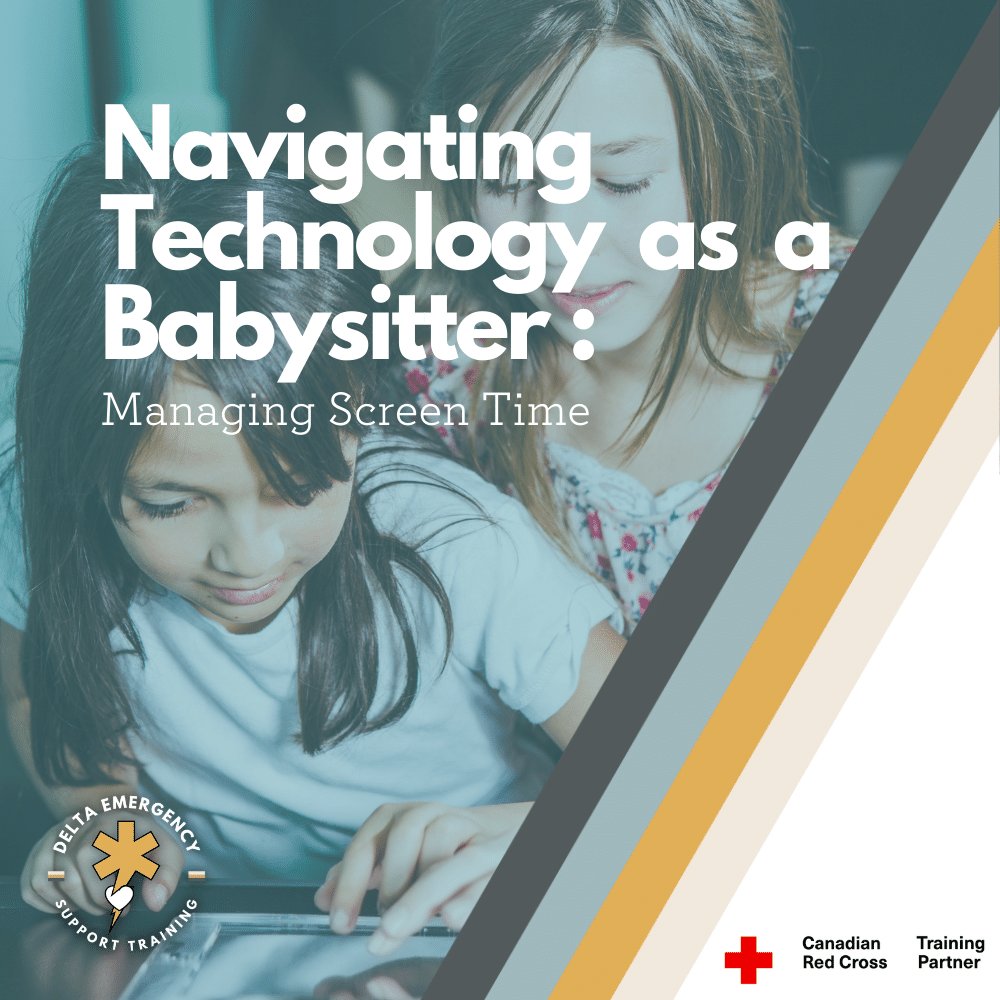
a child and babysitter using an iPad together, Both are girls. The child appears to be holding the iPad and looking at it, while the babysitter is helping her navigate the device.
Technology Today:
The world of technology is vast and ever-changing. From smartphones and tablets to smart TVs and gaming consoles, there are numerous devices and platforms that children can use to access the internet and engage with digital content. It's important to stay up to date on the latest trends and technologies, so you can help children navigate them safely and responsibly.
Acceptable Games and Screen Time:
While screen time can have its benefits, it's important to ensure that children are using technology in a safe and appropriate manner. As a babysitter, it's your responsibility to manage guidelines around technology that has been set by the parents. This can include limiting the amount of time children spend on devices, as well as choosing appropriate games and activities for them to engage with.
When it comes to acceptable games and screen time, consider the age of the child, their interests, and the appropriateness of the content. There are plenty of educational games and apps that can be used to help children learn and develop important skills. Similarly, many TV shows and movies can be both entertaining and educational, as long as they are age-appropriate and chosen carefully.
Keeping Kids Safe Online:
The internet can be a dangerous place, especially for young children who may not be aware of the risks. As a babysitter, it's important to take steps to keep kids safe while they're online. This can include using parental controls and filters to block inappropriate content, teaching children about online safety and privacy, and monitoring their online activity.
It's also important to be aware of the signs of cyberbullying, which can have serious consequences for children's mental health and well-being. Make sure that children know that they can come to you if they experience bullying or harassment online, and take steps to address the issue if it arises.
Alternatives for Screen Time:
While screen time can have its benefits, it's also important for children to engage in other types of activities that promote physical activity and socialization. As a babysitter, you can encourage children to participate in the following activities:
Arts and Crafts
- Encourage children to get creative with painting, drawing, coloring, or making crafts. You can provide them with a variety of art supplies, such as construction paper, scissors, glue, stickers, and markers, and let them create their own masterpieces.
Board Games
- Board games are a classic form of entertainment that can provide hours of fun. Some popular board games for children include Candyland, Chutes and Ladders, and Sorry!
Outdoor Play
- Get children outside for some fresh air and exercise. This can include playing catch, kicking a ball around, or going for a walk or bike ride. You can also set up an obstacle course or scavenger hunt for them to complete.
Reading
- Reading is a great way to promote literacy and language development. You can read books aloud to children, or encourage them to read on their own. Visit your local library and let children pick out their own books to read.
Pretend Play
- Pretend play allows children to use their imaginations and engage in creative role-playing. Set up a pretend kitchen, doctor's office, or grocery store and let children act out different scenarios.
Music and Dancing
- Play some music and encourage children to dance and sing along. You can also provide them with musical instruments, such as drums, tambourines, and shakers, and let them create their own band.
Puzzles
- Puzzles are a great way to improve problem-solving skills and hand-eye coordination. You can provide children with a variety of puzzles, such as jigsaw puzzles or Sudoku, and let them work on them alone or with friends.
Science Experiments
- Conduct simple science experiments with children, such as making a volcano erupt or creating a baking soda and vinegar reaction. You can find plenty of easy science experiments online.
Building and Construction
- Provide children with building blocks, Legos, or other construction toys and let them create their own structures and designs.
These are just a few examples of non-screen time activities and games that a babysitter can do with children. Remember, the key is to provide children with a variety of fun and engaging activities that promote their creativity, learning, and physical activity.
Consider setting up a schedule that includes both screen time and other types of activities, and encourage children to take breaks from devices regularly. This can help to promote a healthy balance of screen time and other activities.
Navigating screen time and technology usage can be a challenge for babysitters, but with some careful planning and preparation, you can ensure that children are using technology in a safe and appropriate manner. By setting guidelines around screen time usage, choosing appropriate games and activities, and taking steps to keep kids safe online, you can help children enjoy the benefits of technology while also promoting their overall health and well-being.
Babysitter Course
As a babysitter, it's important to prioritize screen time limits for the children you're caring for. At Delta Emergency Support Training, we understand how critical it is to establish healthy technology habits early on. We offer resources and tips to help you manage screen time effectively and keep children engaged in other activities.
In addition, we also offer babysitter courses that cover a range of important topics, including child development, safety, and communication. These courses are designed to equip you with the skills and knowledge you need to provide excellent care for children.
If you have any questions about screen time management or want to learn more about our babysitter courses and resources, please feel free to reach out to us at info@deltaemergency.com. We're here to support you and the children in your care.

