The Delta Dispatch

Babysitting Safety Tips: Ensuring the Well-Being of the Children in Your Care

Investing in your education as a babysitter is paramount. Delta Emergency Babysitting classes offer a comprehensive online curriculum designed to equip you with the physical skills, knowledge, and invaluable tricks of the trade needed to excel in your role. These classes, accessible across Canada, go beyond the basics, providing insights into handling emergencies, navigating challenging situations, and fostering a safe and nurturing environment for the children under your care. By enrolling in Delta Emergency Babysitting classes, you'll gain the confidence and competence necessary to handle any scenario that may arise while babysitting, ensuring the well-being and security of the children entrusted to you.

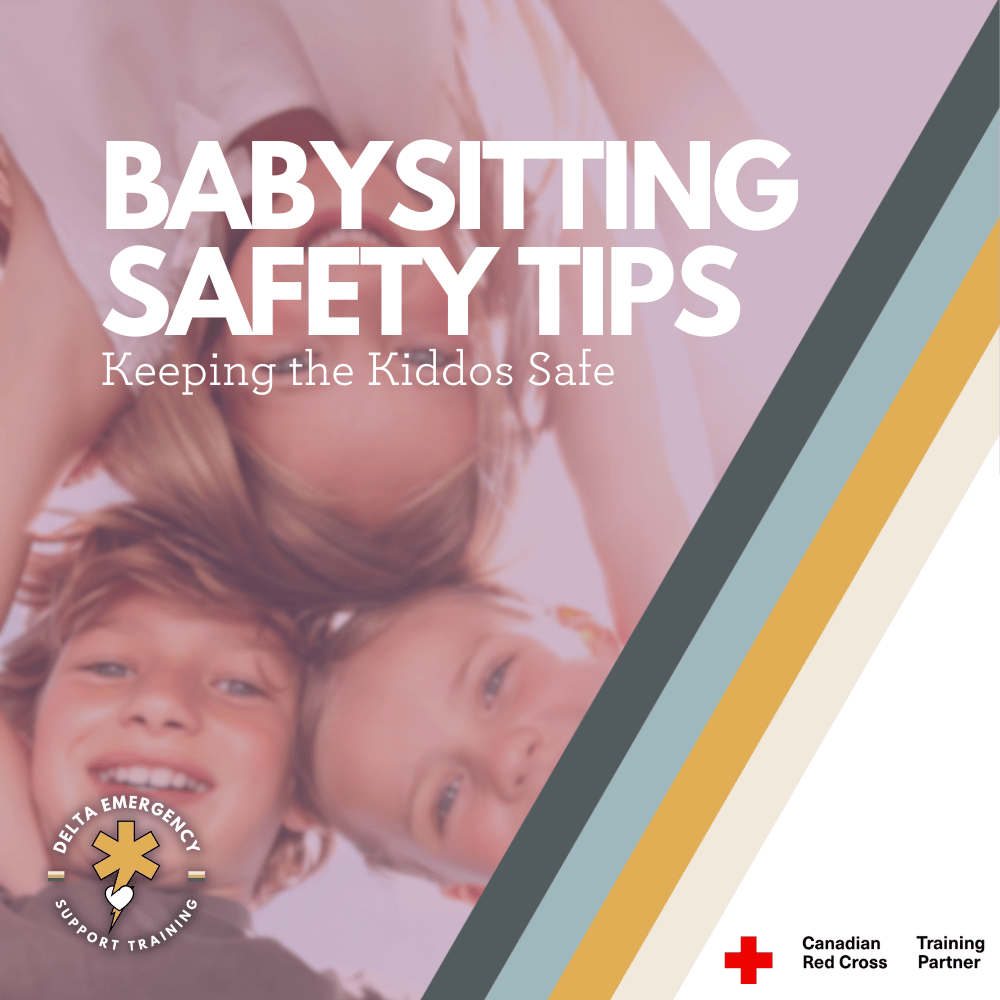
Kids hanging out having a good time

Babysitting is not just about entertaining children; it's also about keeping them safe and secure. Whether you're a seasoned babysitter or just starting out, implementing safety precautions is crucial to ensure a smooth and secure experience for both you and the children you're looking after. Here are some detailed safety tips to help you navigate your babysitting responsibilities with confidence:

1. Familiarize Yourself with the Home Environment

Before the parents or guardians leave, take a tour of the house to familiarize yourself with the layout, potential hazards, and where essential items are kept. This includes knowing where the first aid kit, emergency contact numbers, and fire extinguishers are located.

2. Emergency Contact Information

As mentioned, it's essential to have the address written on a sticky note and placed on the fridge, along with parents' or guardians' phone numbers. In case of an emergency, you'll have immediate access to this vital information without delay.

3. Communication Plan

Have either the family home line or your own cell phone handy to call anyone in case of an emergency. Additionally, keep in touch with the family to update them on activities, changes of plans, or any concerns that arise during your time babysitting.

4. Childproofing Measures

Ensure that the home environment is childproofed to prevent accidents. This includes keeping cleaning supplies, medications, sharp objects, and small choking hazards out of reach of children. Secure cabinets and drawers containing potentially dangerous items.

5. Fire Safety

Familiarize yourself with the home's fire escape plan and ensure that smoke detectors are working correctly. Teach children about fire safety, including the Stop, Drop, and Roll technique, and how to crawl under smoke if necessary.

6. Water Safety

If there's a pool or bathtub in the house, never leave children unattended near water, even for a moment. Make sure children wear appropriate flotation devices if they're swimming and know basic water safety rules.

7. First Aid Skills

It's crucial to have basic first aid knowledge, including CPR and choking rescue techniques. Take a certified first aid and CPR course to prepare yourself for any emergencies that may arise while babysitting.

8. Allergies and Medical Needs

Ask the parents or guardians about any allergies or medical conditions the children have, as well as any medications they may need. Ensure you know where medications are stored and how to administer them if necessary.

9. Stranger Danger

Teach children about stranger danger and the importance of not opening the door to anyone they don't know. Instruct them to always check with you or their parents before answering the door.

10. Safe Play

Encourage safe play by providing age-appropriate toys and activities. Supervise children closely, especially when they're engaging in physical activities or playing outdoors.

11. Safe Sleeping Environment

Ensure that infants and young children have a safe sleeping environment by placing them on their backs in a crib with no loose bedding, pillows, or stuffed animals. Follow safe sleep guidelines to reduce the risk of Sudden Infant Death Syndrome (SIDS).

12. Stay Calm and Collected

In the event of an emergency, it's essential to stay calm and collected. Assess the situation, and if necessary, call emergency services immediately. Follow any first aid procedures you've learned until help arrives.

Conclusion

In addition to these safety tips, consider enrolling in Delta Emergency Babysitting classes, which are available online across Canada. These classes provide not only physical skills but also invaluable knowledge and tricks of the trade to help you become the best babysitter you can be. By investing in your education and preparation, you'll be equipped to handle any situation with confidence and ensure the well-being of the children under your care. Remember, being a babysitter is not just about supervising playtime; it's about safeguarding precious lives and creating a secure environment where children can thrive.

Read More
Chilcare, Online Course Kumari Malhotra Chilcare, Online Course Kumari Malhotra

The Business of Babysitting: A Beginners Guide

Babysitting can be a fun and rewarding business for young adults looking to make some extra money. However, it's important to approach it professionally and safely. In this blog, we'll provide essential tips on creating a professional resume, setting fair rates, using appropriate payment methods, and networking effectively to build a strong reputation in your community. We'll also emphasize the importance of prioritizing safety and how taking a Delta Emergency Support Trainings Babysitter Course can enhance your experience and skills.

Babysitting can be a great way for young adults to make money doing something fun and rewarding.

A young girl with glasses is sitting on the ground playing with building blocks alongside a child.

If you're interested in starting a babysitting business, there are some key areas you'll need to consider to create a strong foundation. In this blog, we'll explore several essential topics, including creating a professional resume, setting a fair rate for your services, using appropriate payment methods, and networking effectively to build a strong reputation within your community.

Building a Resume

Creating a resume is a essential tool to showcase your skills and experience with children. A resume is a document that summarizes your qualifications and experiences, and it can help you stand out to potential clients (Parents or guardians) .

To create a resume, start by listing your name, contact information, and any relevant education or training. If you have any experience working with children, include that in your work experience section, even if it's just babysitting for family or friends. Be sure to list any skills that are relevant to babysitting, such as being compassionate, energetic, excellent listener etc. Any relevant training such as a Babysitters certificate, Child Care training or First Aid is always sought out.

If you don't have much experience yet, don't worry! There are still ways to create a strong resume. Consider volunteering at a local daycare or community center to gain some experience and skills. You can also take relevant classes, such as CPR or child development, and list them on your resume. Including your hobbies and sports teams on your babysitting resume can provide potential clients with valuable insight into your interests and abilities, helping to highlight your unique strengths as a caregiver.

Finally, make sure your resume is well-organized and easy to read. Use clear headings, bullet points, and a clean, simple design. Don't forget to proofread for spelling and grammar errors!

TIP: Review babysitter resume templates online to get a clear idea of what employers are looking for.

Creating a professional resume can help you stand out to potential clients and build a strong foundation for your babysitting business. By highlighting your skills and experience, even if they are limited, you can show parents that you're committed to providing quality care for their children.

Setting a Rate

Setting a fair and competitive rate for your babysitting services is crucial to attracting potential clients and building a successful business. When setting your rate, there are several factors to consider:

  1. Experience:

    If you have experience working with children, you may be able to charge a higher rate than someone who is just starting out. A Red Cross babysitters certificate is a bonus for related experience.

  2. Location:

    Rates can vary depending on the location of your babysitting services. For example, rates in urban areas may be higher than in rural areas.

  3. Number of children:

    Caring for multiple children requires more time and attention, and therefore, you may want to charge more for this service.

  4. Additional responsibilities:

    If the parents expect you to take on additional responsibilities, such as cooking or cleaning, you may want to factor this into your rate.

To determine a fair rate, start by researching the going rate in your area. You can do this by asking other babysitters or parents, checking online babysitting platforms, or using a babysitting rate calculator. Once you have a starting rate, adjust it based on your experience and the other factors listed above.

When communicating your rate with parents, make sure to be clear and upfront about your fees. Discuss any additional expectations or responsibilities that may affect your rate, such as overnight care or transportation. It's also important to discuss payment terms and deadlines to avoid any confusion or misunderstandings.

Training

As a babysitter, it's important to have the right training to ensure the safety and well-being of the children in your care. Consider taking a Delta Emergency Support Trainings Babysitter Course to gain valuable experience and skills that can set you apart in the industry. This course covers a range of topics, including first aid, choking infants, childcare and child development. By completing this course, you can enhance your resume and feel more confident in your ability to provide quality care for children.

Payment Methods

When it comes to getting paid, there are several payment methods that babysitters can consider.

One popular option is e-transfer, which allows parents to send money directly to the babysitter's bank account. This method is quick, easy, and convenient for both parties. Some parents may also prefer to pay by cash or check, but it's important to discuss payment terms and deadlines upfront to avoid any confusion or delays.

To ensure a smooth payment process, babysitters should keep track of their earnings and expenses, including any transportation costs or supplies purchased for the job. Keeping a record of your finances is important for tax purposes, as babysitters are considered self-employed and responsible for reporting their earnings on their tax return.

Minimum Wage Laws:

In Canada, each province has its own minimum wage laws that apply to most workers. However, babysitters are exempt from these laws as they are considered self-employed contractors rather than employees. This means that babysitters are free to negotiate their own rates of pay and are not entitled to the minimum wage.

While babysitters are exempt from minimum wage laws, it's important to remember that the rates you charge should be fair and competitive.

Networking

Networking is a crucial aspect of building a successful babysitting business. In addition to promoting your services to friends and family, there are several other ways to connect with potential clients:

  1. Online Platforms:

    Online platforms such as Care.com and Sittercity can be great resources for finding babysitting jobs. These platforms allow you to create a profile that highlights your skills and experience, and then match you with families in need.

  2. Local Schools and Community Centers:

    Reach out to local schools and community centers to see if they can help connect you with families in need of babysitting services. Many of these organizations have bulletin boards or newsletters where you can post your services or get in touch with parents.

  3. Parent Groups:

    Joining parent groups in your area can be a great way to network with families in need of babysitting services. Look for groups on social media or community websites, or ask around at local schools or community centers.

Building a reputation for reliability, professionalism, and quality care is also key to generating word-of-mouth referrals and repeat business. Make sure to communicate clearly with parents, arrive on time, follow instructions, and provide engaging and fun activities for the children in your care. By doing so, you can build a loyal client base and a successful and profitable babysitting business.

Overview

In conclusion, babysitting can be a fun, fulfilling, and profitable business for those who enjoy working with children. By creating a professional resume, setting a fair rate, using appropriate payment methods, and networking effectively, you can establish a strong foundation for your business and achieve your financial goals. Good luck!

Read More